

Free Damaraland Travel Guide & Mobile App
Explore Damaraland with free travel guides. Discover regional history, expert tips, proposed trips, and audio guides on web or mobile app.


Discover the rugged beauty and unique wildlife of Damaraland in Namibia, a land of ancient valleys, towering peaks, and rich cultural heritage.
Read more about Damaraland
When is the best time to visit Damaraland?
Best: May–June, August · 23–25°C| Month | High (°C) | Rainfall (mm) |
|---|---|---|
| January | 30 | 30 |
| February | 30 | 35 |
| March | 29 | 25 |
| April | 28 | 10 |
| May (best) | 25 | 5 |
| June (best) | 23 | 3 |
| July | 23 | 2 |
| August (best) | 25 | 2 |
| September | 29 | 5 |
| October | 31 | 10 |
| November | 31 | 20 |
| December | 30 | 30 |
Getting to and around Damaraland
How to get there
Transportation
Top city travel guides in Damaraland
The cities of Damaraland, and the easiest places to base yourself.
-
-

-

-

-
-


Swipe for more cities
Destinations in Damaraland
Resorts, valleys and scenic spots worth a trip of their own.

Swipe for more destinations
Best attractions in Damaraland
Damaraland, Namibia, is a treasure trove of natural wonders and ancient history that beckons adventurous travelers with its rugged landscapes and rich cultural heritage. Visitors can marvel at the towering granite peaks of the Spitzkoppe, often referred to as the 'Matterhorn of Africa,' and explore the surreal, moon-like terrain of the Brandberg Mountain, home to the famous White Lady rock painting. Wildlife enthusiasts will be thrilled by the chance to spot desert-adapted elephants, black rhinos, and a variety of antelope species in their natural habitat. The prehistoric rock engravings at Twyfelfontein offer a fascinating glimpse into the lives of the San people, featuring thousands of petroglyphs that date back over 6,000 years. The Petrified Forest, with its ancient fossilized tree trunks, and the Organ Pipes, a striking geological formation, further add to the mystique of this region. Damaraland's unique blend of dramatic scenery, wildlife encounters, and historical intrigue ensures an unforgettable experience for all who venture into this enchanting part of Namibia.
-
Tourist attraction
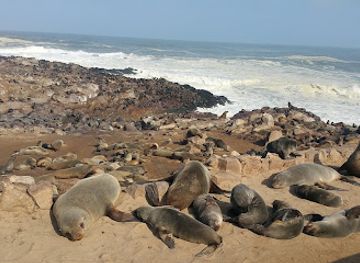
Cape Cross Seal Reserve
Experience the captivating beauty of Cape Cross Seal Reserve, where nature and wildlife come together in a stunning coastal setting.
-
 Lodge
LodgePalmwag Lodge - Gondwana Collection
Discover the beauty of Namibia at Palmwag Lodge, where comfort meets adventure in an extraordinary wilderness setting.
-
Tourist attraction
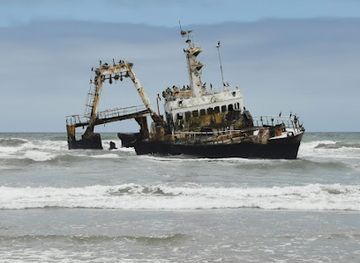
Zeila Shipwreck Namibia
Explore the haunting remains of the Zeila Shipwreck in Namibia, where maritime history meets stunning coastal landscapes.
-
River
Fish River Canyon
Explore the breathtaking Fish River Canyon, a natural wonder with stunning views and thrilling hiking adventures in Namibia's majestic landscape.

Best landmarks in Damaraland
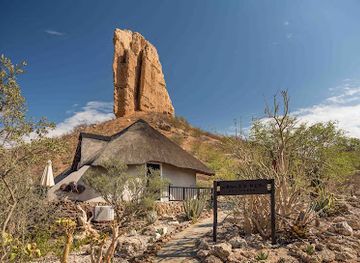
Damaraland, an untouched gem in Namibia, mesmerizes visitors with its dramatic landscapes and ancient history. Marvel at the towering granite peaks of the Brandberg Mountain, home to the famous 'White Lady' rock painting, or explore the surreal rock formations and petrified forests of Twyfelfontein, a UNESCO World Heritage site rich with over 2,000 ancient rock engravings. Wander through the eerie Organ Pipes, a geological marvel of dolerite columns, or stand in awe at the massive Vingerklip, a striking rock monolith that rises 35 meters high. Encounter the unique desert-adapted elephants and rhinos that roam the rugged terrain, or immerse yourself in the rich cultural tapestry of the local Damara people. Each landmark in Damaraland promises an unforgettable journey into a world where nature's raw beauty and human history intersect.
-
National park
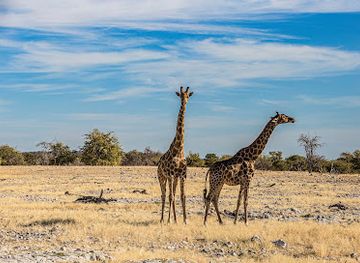
Etosha National Park
Explore stunning landscapes and diverse wildlife in Etosha National Park, a breathtaking destination in Namibia, perfect for all nature lovers.
-
Tourist attraction
Cape Cross Seal Reserve
Explore the breathtaking Cape Cross Seal Reserve, a nature preserve teeming with playful Cape fur seals and stunning coastal landscapes.
-
Tourist attraction
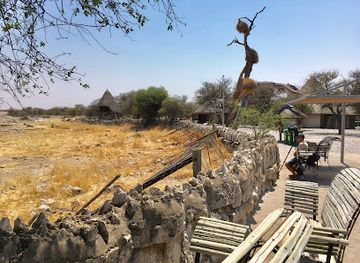
Okaukuejo Etosha
Explore the enchanting wildlife and breathtaking landscapes at Okaukuejo, the gateway to Etosha National Park in Namibia.
-
Hotel
Twyfelfontein Country Lodge
Experience the natural beauty and cultural heritage of Namibia at Twyfelfontein Country Lodge, your serene retreat in the heart of nature.
Explore Damaraland on the map
Plan your trip on one map. See where the top cities, national parks and sights are, and book hotels and experiences in a few clicks.
Best hotels in Damaraland
Best restaurants in Damaraland
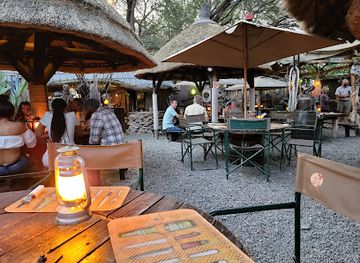
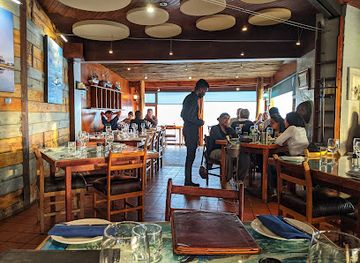
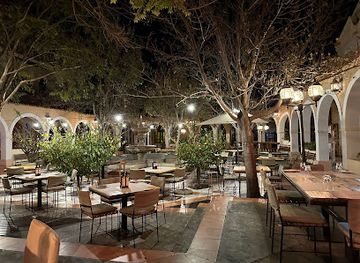
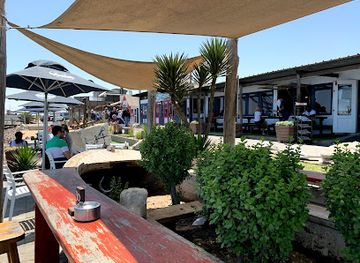
Damaraland's dining scene is a delightful fusion of traditional Namibian flavors and modern culinary innovation set against the backdrop of rugged landscapes and ancient rock formations. Visitors can expect to indulge in hearty game meat dishes like kudu steaks and oryx fillets, often grilled to perfection over open fires, while savoring the distinct taste of mahangu porridge and mopane worms for the adventurous palate. Many lodges and campsites offer al fresco dining experiences under the expansive African sky, where local chefs take pride in using fresh, locally-sourced ingredients to craft both traditional and contemporary dishes. The region also boasts charming eateries and quaint cafes where you can enjoy freshly baked pastries, aromatic coffee, and light meals infused with local spices. Whether dining in a rustic lodge, a cozy bistro, or a high-end restaurant, the culinary journey in Damaraland is an invitation to explore the rich tapestry of Namibian culture through its food.
-
Restaurant
Joe's Beerhouse
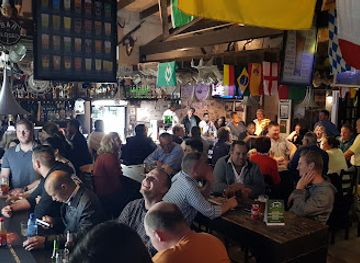
Experience authentic Namibian cuisine and vibrant atmosphere at Joe's Beerhouse in Windhoek - a must-visit for every traveler.
-
Restaurant
The Tug Restaurant
Experience exquisite seafood dining with stunning ocean views at The Tug Restaurant in Swakopmund.
-
Restaurant
The Stellenbosch Wine Bar and Bistro
Discover exquisite Namibian cuisine paired with fine wines at The Stellenbosch Wine Bar and Bistro in Windhoek.
-
Restaurant
Anchors Waterfront Restaurant
Experience the best of Portuguese cuisine and fresh seafood at Anchors Waterfront Restaurant in Walvis Bay, with stunning ocean views.
Best bars in Damaraland
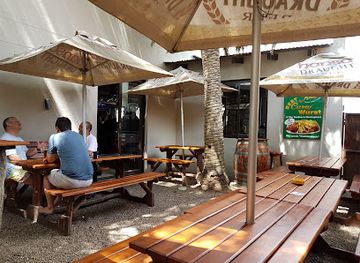
As the sun sets over the rugged terrain of Damaraland, the area's nightlife reveals itself as a mesmerizing blend of cultural immersion and serene stargazing. Visitors can enjoy traditional Namibian music and dance performances at local lodges, where the rhythmic beats of drums and harmonious chants create an enchanting ambiance under the starlit sky. For those seeking a more laid-back experience, intimate bars nestled within the wilderness offer an opportunity to sip on locally brewed beverages while sharing stories around a crackling campfire. The absence of city lights allows for an unrivaled view of the Milky Way, making every night in Damaraland a captivating and memorable experience.
-
Pub
Andy's Pub & Restaurant
Experience Windhoek's local flavors and vibrant atmosphere at Andy's Pub & Restaurant, a cherished spot for relaxation and socializing.
-
Hotel
Twyfelfontein Country Lodge
Discover Twyfelfontein Country Lodge, where adventure meets comfort in the breathtaking landscapes of Namibia, and explore ancient rock engravings.
-
Hotel
Vingerklip Lodge
Discover the unique blend of comfort and adventure at Vingerklip Lodge, a wildlife paradise in the stunning Damaraland region of Namibia.
-
Lodge
Palmwag Lodge - Gondwana Collection
Discover the serene beauty of Namibia at Palmwag Lodge, a perfect blend of comfort and wilderness for nature lovers and adventure seekers.
Best nightclubs in Damaraland
As the sun sets over the rugged terrain of Damaraland, the area's nightlife reveals itself as a mesmerizing blend of cultural immersion and serene stargazing. Visitors can enjoy traditional Namibian music and dance performances at local lodges, where the rhythmic beats of drums and harmonious chants create an enchanting ambiance under the starlit sky. For those seeking a more laid-back experience, intimate bars nestled within the wilderness offer an opportunity to sip on locally brewed beverages while sharing stories around a crackling campfire. The absence of city lights allows for an unrivaled view of the Milky Way, making every night in Damaraland a captivating and memorable experience.
-
Pub
Andy's Pub & Restaurant
Experience the vibrant atmosphere and delightful cuisine at Andy's Pub & Restaurant, a must-visit gem in Windhoek's dining scene.
-
Disco club
Infinity Lounge Swakopmund
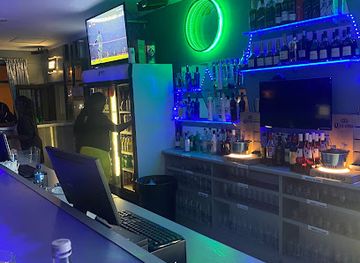
Discover the vibrant nightlife of Swakopmund at Infinity Lounge – a disco club with great music, drinks, and an unforgettable atmosphere.
-
Wine bar
Bar Zonder Naam
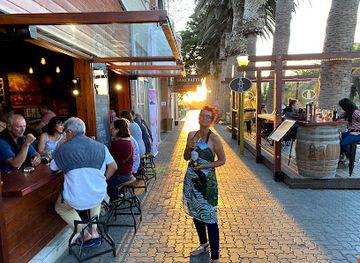
Discover the charm of Bar Zonder Naam in Swakopmund, where exquisite wines and a cozy atmosphere create the perfect escape for travelers.
-
Disco club
Lothars Steakhouse.
Experience the best of Namibian cuisine and vibrant nightlife at Lothars Steakhouse in Walvis Bay, where every meal is a celebration.
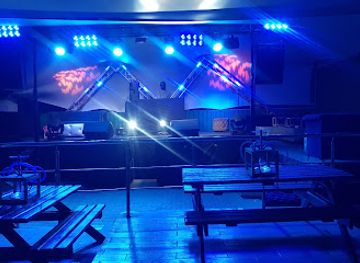
Best shops in Damaraland
In the heart of Damaraland, the shopping scene is a delightful blend of traditional Namibian craftsmanship and unique local artistry. Visitors can explore vibrant markets and small, charming shops where skilled artisans display their handmade goods, including intricately carved wooden sculptures, beautiful beadwork, and richly patterned textiles. The region is also known for its semi-precious stones, and you can find stunning jewelry crafted from locally sourced gemstones. Each purchase here not only offers a tangible memory of your journey but also supports the local communities and their age-old traditions. Expect an immersive shopping experience where every item tells a story of the rich cultural heritage and natural beauty of Damaraland.
-
Shopping mall
Wernhil
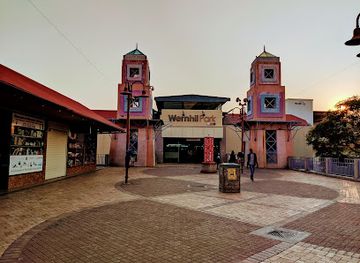
Explore Wernhil, Windhoek's top shopping mall, where local culture meets a variety of international brands and delightful dining options.
-
Shopping mall
The Grove Mall of Namibia
Experience the vibrant shopping scene at The Grove Mall of Namibia, where fashion, food, and fun come together in Windhoek's premier retail destination.
-
Shopping mall
Maerua Mall
Discover a shopping haven at Maerua Mall, where local charm meets international flair in Windhoek's bustling heart.
-
Shopping mall
Dunes Mall
Discover the vibrant shopping experience of Dunes Mall in Walvis Bay, where local culture meets modern retail in an inviting atmosphere.

Get your free copy of our complete guide to Damaraland, delivered straight to you.
Everything on this page, from attractions and restaurants to essentials and local phrases, in one PDF you can read offline, print or share.
Already have an account? Sign in
Your Damaraland guide is ready.
We'll send it to · Not you? Sign out

Getting your guide ready…
We are putting together a fresh copy of the Damaraland guide. This can take up to a minute.
This can take a few moments. If your browser asks, choose Allow so the download can start. You'll find the guide in your Downloads folder.
Nothing happened? Download it again
Sorry, the guide is taking longer than usual. Please try again in a minute, or get it by email instead.
Damaraland essentials
Currency and Payment
Safety
Emergency Situations
Do's and Don'ts
Local Tips
From Eve
Local phrases worth knowing
You don't need to get them perfect. A few words go a long way, and locals appreciate the effort.
Basics
| English | Local | Say it |
|---|---|---|
| Hello | Hallo | [Hah-lo] |
| Goodbye | Tschüss | [Chuss] |
| Yes | Ja | [Yah] |
| No | Nein | [Nine] |
| Please/You're welcome | Bitte | [Bitt-eh] |
| Thank you | Danke | [Dahn-keh] |
| Excuse me/Sorry | Entschuldigung | [Ent-shool-dee-goong] |
| How are you? | Wie geht's? | [Vee gate's] |
| Fine. And you? | Gut. Und dir? | [Goot. Oond deer?] |
| Do you speak English? | Sprechen Sie Englisch? | [Shpreh-ken Zee Eng-lish?] |
| I don't understand | Ich verstehe nicht | [Ikh fersh-teh-eh nikht] |
Eating & Drinking
| English | Local | Say it |
|---|---|---|
| I'd like to see the menu, please | Ich hätte gerne die Speisekarte, bitte | [Ikh heh-teh gair-neh dee Shpieze-kahr-teh, bitt-eh] |
| I don't eat meat | Ich esse kein Fleisch | [Ikh ess-eh kine Flysh] |
| Cheers! | Prost! | [Prohst!] |
| I would like to pay, please | Ich möchte bezahlen, bitte | [Ikh merkh-teh beh-tsah-len, bitt-eh] |
Emergencies
| English | Local | Say it |
|---|---|---|
| Help! | Hilfe! | [Hil-feh] |
| Go away! | Geh weg! | [Gay vek!] |
| Call the Police! | Rufen Sie die Polizei! | [Roo-fen Zee dee Polizai!] |
| Call a doctor! | Rufen Sie einen Arzt! | [Roo-fen Zee eye-nen Artzt!] |
| I'm lost | Ich habe mich verlaufen | [Ikh hah-beh mikh fer-lau-fen] |
| I'm ill | Ich bin krank | [Ikh bin krangk] |
Shopping
| English | Local | Say it |
|---|---|---|
| I'd like to buy... | Ich möchte kaufen... | [Ikh merkh-teh kow-fen...] |
| I'm just looking | Ich schaue nur | [Ikh shau-eh noor] |
| How much is it? | Wie viel kostet es? | [Vee feel koh-stet es?] |
| That's too expensive | Das ist zu teuer | [Das ist tsoo toy-er] |
| Can you lower the price? | Könnten Sie den Preis senken? | [Kern-ten Zee den Preis zen-ken?] |
Time & Numbers
| English | Local | Say it |
|---|---|---|
| What time is it? | Wie spät ist es? | [Vee shpate ist es?] |
| It's one o'clock | Es ist ein Uhr | [Es ist ine Oor] |
| Half past (10) | Halb nach (10) | [Halb nahkh (10)] |
| Morning | Morgen | [Mor-gen] |
| Afternoon | Nachmittag | [Nahkh-mit-tahg] |
| Evening | Abend | [Ah-bend] |
| Yesterday | Gestern | [Ges-tairn] |
| Today | Heute | [Hoy-teh] |
| Tomorrow | Morgen | [Mor-gen] |
| 1 | Eins | [Ine-s] |
| 2 | Zwei | [Tsvai] |
| 3 | Drei | [Dry] |
| 4 | Vier | [Veer] |
| 5 | Fünf | [Foonf] |
| 6 | Sechs | [Zex] |
| 7 | Sieben | [Zee-ben] |
| 8 | Acht | [Ahkt] |
| 9 | Neun | [Noyn] |
| 10 | Zehn | [Tsen] |
Transport & Directions
| English | Local | Say it |
|---|---|---|
| Where's a/the...? | Wo ist ein/das...? | [Vo ist ine/das...?] |
| What's the address? | Was ist die Adresse? | [Vas ist dee Ah-dress-eh?] |
| Can you show me (on the map)? | Könnten Sie mir (auf der Karte) zeigen? | [Kern-ten Zee meer (auf dare Kar-teh) tsai-gen?] |
| When's the next (bus)? | Wann kommt der nächste (Bus)? | [Vahn komt dare näch-ste (Boos)?] |
| A ticket (to ....) | Ein Ticket (nach ....) | [Ine Ticket (nahkh ....)] |
History of Damaraland
The Ancient Rock Engravings of Twyfelfontein
Twyfelfontein, a UNESCO World Heritage Site, is home to over 2,500 rock engravings created by the indigenous San people. These petroglyphs, estimated to be around 6,000 years old, depict a variety of scenes including hunting parties, wildlife, and symbolic representations. The site provides a fascinating glimpse into the spiritual and daily lives of early inhabitants of Damaraland.
The Rise of the Damara People
The Damara people, one of the oldest cultural groups in Namibia, have a deep-rooted history in Damaraland. They are believed to have migrated to this area from central Africa around 2,000 years ago. The Damara are traditionally pastoralists and hunter-gatherers, and their rich cultural heritage includes unique music, dance, and craftsmanship.
Colonial Era and German Influence
In the late 19th and early 20th centuries, Damaraland, like much of Namibia, came under German colonial rule. The area witnessed significant changes in land ownership, with many indigenous communities being displaced. The legacy of this period is still evident in the region’s architecture, place names, and historical sites, such as the Brandberg White Lady rock painting, which was studied extensively by German archaeologists.
The Battle of Otjikango
The Battle of Otjikango in 1904 was a significant event during the Herero and Namaqua Genocide. The Damara people were also heavily affected by the German colonial forces during this conflict. This tragic period saw widespread atrocities and had lasting impacts on the demographics and socio-economic conditions of Damaraland.
Conservation Efforts and the Formation of Community Conservancies
In the late 20th century, Damaraland became a pioneering region for community-based conservation efforts. The establishment of communal conservancies, such as the Torra Conservancy, empowered local communities to manage wildlife resources sustainably. These efforts have led to a resurgence of wildlife populations, including desert-adapted elephants and black rhinos, and have fostered eco-tourism initiatives that benefit local economies.
The Impact of Independence on Damaraland
Namibia gained independence from South Africa in 1990, leading to significant political and social changes in Damaraland. The new government implemented land reforms and development programs aimed at improving the livelihoods of the region’s inhabitants. This period also saw an increased focus on preserving and promoting the unique cultural heritage of the Damara people.
Damaraland in Photos
Browse through our photo collection highlighting the charm and character of the destination.
Neighbouring regions of Damaraland
The closest regions to Damaraland, if you have time for more than one.
-

-

-

-

-


Swipe for more regions
Explore more

Explore more of Namibia
Discover Namibia: A land of towering dunes, ancient deserts, and vibrant cultures. Perfect for adventurers and nature lovers seeking an unparalleled African experience.
Explore Namibia