

Free Namib Desert Travel Guide & Mobile App
Explore Namib Desert with free travel guides. Discover regional history, expert tips, proposed trips, and audio guides on web or mobile app.


Explore Namibia’s Namib Desert for towering dunes, ancient pans, Atlantic fog, desert wildlife and vast, carefully protected landscapes.
Read more about Namib Desert
When is the best time to visit Namib Desert?
Best: March–April, October · 24–26°C| Month | High (°C) | Rainfall (mm) |
|---|---|---|
| January | 27 | 3 |
| February | 28 | 5 |
| March (best) | 26 | 8 |
| April (best) | 24 | 5 |
| May | 22 | 3 |
| June | 20 | 1 |
| July | 19 | 1 |
| August | 20 | 1 |
| September | 22 | 3 |
| October (best) | 24 | 5 |
| November | 27 | 8 |
| December | 28 | 5 |
Getting to and around Namib Desert
How to get there
Transportation
Top city travel guides in Namib Desert
The cities of Namib Desert, and the easiest places to base yourself.
-
-

-

-

-
-


Swipe for more cities
Destinations in Namib Desert
Resorts, valleys and scenic spots worth a trip of their own.
-

-

-


Swipe for more destinations
Best attractions in Namib Desert
The Namib Desert’s attractions are primarily landscapes and outdoor experiences rather than dense collections of museums or urban sights. Around Sesriem, visitors follow the route into Namib-Naukluft National Park towards Sossusvlei, Deadvlei and a series of vast dunes and dry pans whose colours change with the light. Dune walking, scenic drives, guided nature excursions, stargazing and hot-air-balloon flights are among the established ways to experience the area. The Naukluft section brings a different atmosphere, with mountain valleys, springs, canyon scenery and more demanding hiking. Around the central desert, guided visits and research-oriented interpretation can reveal the ecology of fog, lichens, insects and sparse vegetation. The northern coastal sector near Walvis Bay and Swakopmund combines dunes with the Atlantic climate, while authorised excursions reach Sandwich Harbour and other remote coastal landscapes. Wildlife is not concentrated in the manner of a conventional safari park, but oryx, springbok, ostrich, reptiles and smaller desert specialists may appear across the plains and dunes. Distances, permits and road conditions are part of the attraction’s character: the region rewards patient, well-prepared travel rather than rapid sightseeing.
-
National park
Namib-Naukluft National Park
Discover the unparalleled beauty of Namib-Naukluft National Park, where majestic sand dunes meet stunning desert landscapes and unique wildlife.
-
Tourist attraction
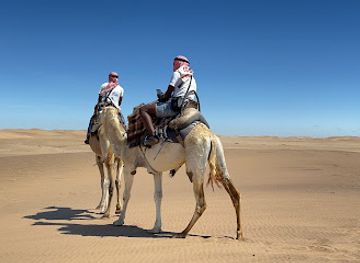
Desert explorers adventure centre
Discover the thrill of adventure in the Namib Desert with unforgettable camel rides and sandboarding at Desert Explorers Adventure Centre in Swakopmund.
-
Tourist attraction
Deadvlei
Discover the magical Deadvlei, where ancient trees meet stunning desert landscapes for an unforgettable travel experience in Namibia.
-
Park
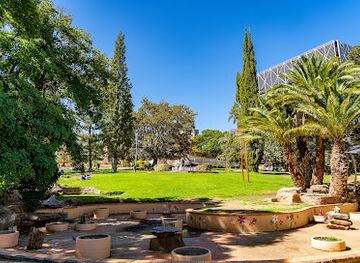
Zoo Park
Explore the lush greenery and tranquil ambiance of Zoo Park in Windhoek, your perfect urban escape in Namibia.


Best landmarks in Namib Desert
Sossusvlei is the Namib Desert’s most recognisable natural landmark, a pale clay pan framed by immense dunes in Namib-Naukluft National Park. Nearby Deadvlei is distinguished by the dark, long-dead camel-thorn trees standing against a pale pan and rust-coloured sand; its appearance reflects exceptional aridity rather than a conventional oasis landscape. Sesriem Canyon, cut into layers of conglomerate by the Tsauchab River, provides a geological contrast to the surrounding dunes. The Naukluft Mountains form another important landmark, where rugged ridges, narrow valleys and springs interrupt the desert plains. Along the Atlantic side, the meeting of dunes and ocean near Sandwich Harbour creates a radically different coastal setting shaped by wind and fog. The Kuiseb River corridor is also significant as a natural route through the central desert, although its surface flow is intermittent. These places matter not only for their visual scale but for what they reveal about geology, erosion, groundwater, fog and the slow adaptation of life to extreme aridity.
-
National park
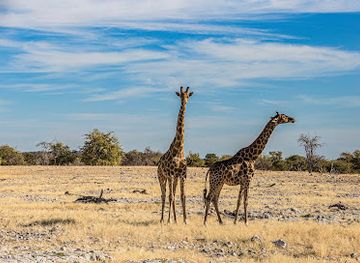
Etosha National Park
Explore the breathtaking landscapes and incredible wildlife of Etosha National Park, a top destination for safari lovers in Namibia.
-
Restaurant
The Tug Restaurant
Experience the finest seafood and local flavors at The Tug Restaurant, where ocean views and culinary excellence meet in Swakopmund, Namibia.
-
 Hotel
HotelHilton Windhoek
Experience unparalleled luxury and comfort at Hilton Windhoek, your perfect retreat in Namibia's capital city.
-
Self-catering accommodation
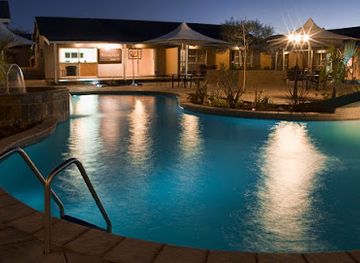
Arebbusch Travel Lodge
Discover comfort and convenience at Arebbusch Travel Lodge, your ideal self-catering accommodation in Windhoek, Namibia.
Explore Namib Desert on the map
Plan your trip on one map. See where the top cities, national parks and sights are, and book hotels and experiences in a few clicks.
Best hotels in Namib Desert
Best restaurants in Namib Desert
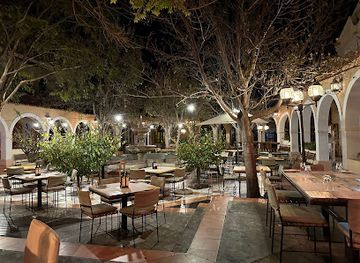
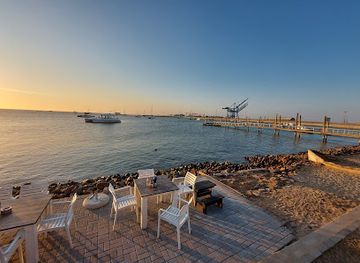
Dining in the Namib Desert is centred on lodges, camps, guest farms and the gateway towns of Sesriem, Solitaire, Swakopmund and Walvis Bay rather than on a broad independent restaurant scene deep in the wilderness. Menus commonly draw on Namibian and southern African traditions, with grilled meats, game where legally and responsibly sourced, freshwater or Atlantic seafood near the coast, seasonal vegetables, bread and substantial breakfasts suited to early departures. Biltong and other dried-meat products are widely associated with southern African travel, while German colonial influence remains visible in some Namibian baking and café traditions, particularly in coastal towns. Lodge dining often uses locally sourced produce where supply allows, and meals may be arranged around sunrise drives or evening activities. Markets and food shops in the coastal gateways are useful for picnic supplies, snacks and drinks, but visitors should carry provisions for long drives and should never depend on finding food beside a remote dune road. Water is a precious resource, so follow accommodation guidance and avoid waste.
-
Restaurant
Joe's Beerhouse
Discover the heart of Namibian culture at Joe's Beerhouse - where delicious food meets vibrant atmosphere.
-
Restaurant
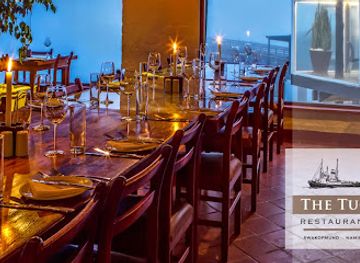
The Tug Restaurant
Discover exquisite dining at The Tug Restaurant in Swakopmund – where fresh seafood meets stunning ocean views.
-
Restaurant
The Stellenbosch Wine Bar and Bistro
Experience culinary excellence at The Stellenbosch Wine Bar and Bistro in Windhoek, where fine dining meets a cozy atmosphere.
-
Restaurant
Anchors Waterfront Restaurant
Experience exquisite seafood and Portuguese cuisine at Anchors Waterfront Restaurant in picturesque Walvis Bay.

Best bars in Namib Desert
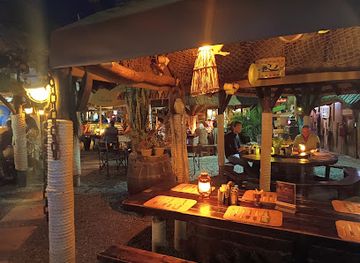
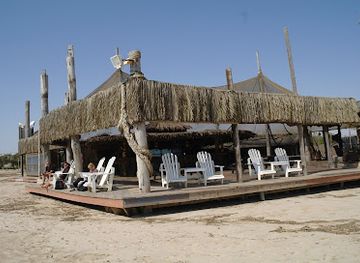
Evening life in the desert is quiet and closely tied to accommodation, clear skies and early starts. Lodges and camps commonly offer dining rooms, lounges, outdoor terraces and licensed bars where guests can discuss the day over Namibian beer, wine or a simple drink, but there is little conventional nightlife at remote desert sites. Swakopmund has the broadest selection of cafés, pubs, restaurants and occasional live-music venues in the Namibian desert region, while Walvis Bay provides a more working-port atmosphere with bars and restaurants serving residents and visitors. In smaller settlements and at lodges, the evening usually centres on conversation, a meal, a guided stargazing session or time outdoors rather than nightclubs. Visitors should confirm transport arrangements before drinking, as distances are substantial and desert roads are poorly suited to night driving. Seasonal events and individual venue schedules change, so local accommodation is the best source of current information.
-
Restaurant
The Tug Restaurant
Explore The Tug Restaurant in Swakopmund - a beachfront culinary gem known for its fresh seafood and stunning ocean views.
-
Restaurant
Anchors Waterfront Restaurant
Discover Anchors Waterfront Restaurant in Walvis Bay, where fresh seafood meets Portuguese flavors against a scenic ocean backdrop.
-
German
Swakopmund Brauhaus
Discover the taste of Germany in Namibia at Swakopmund Brauhaus, where authentic cuisine meets local charm.
-
Coffee shop
Village Cafe
Discover the charm of Village Cafe in Swakopmund, where exceptional coffee meets delightful breakfast in a cozy atmosphere.


Best nightclubs in Namib Desert
Evening life in the desert is quiet and closely tied to accommodation, clear skies and early starts. Lodges and camps commonly offer dining rooms, lounges, outdoor terraces and licensed bars where guests can discuss the day over Namibian beer, wine or a simple drink, but there is little conventional nightlife at remote desert sites. Swakopmund has the broadest selection of cafés, pubs, restaurants and occasional live-music venues in the Namibian desert region, while Walvis Bay provides a more working-port atmosphere with bars and restaurants serving residents and visitors. In smaller settlements and at lodges, the evening usually centres on conversation, a meal, a guided stargazing session or time outdoors rather than nightclubs. Visitors should confirm transport arrangements before drinking, as distances are substantial and desert roads are poorly suited to night driving. Seasonal events and individual venue schedules change, so local accommodation is the best source of current information.
-
Restaurant
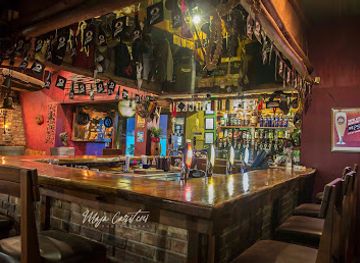
Joe's Beerhouse
Discover the lively ambiance of Joe's Beerhouse in Windhoek, where traditional Namibian cuisine meets a vibrant outdoor dining experience.
-
Grill
Tiger Reef Beach Bar & Grill
Discover the flavors of the Namibian coast at Tiger Reef Beach Bar & Grill, where fresh seafood meets stunning ocean views.
-
Bar
Desert Tavern
Discover the lively Desert Tavern in Swakopmund, where great drinks, vibrant atmosphere, and local culture unite for an unforgettable night out.
-
Disco club
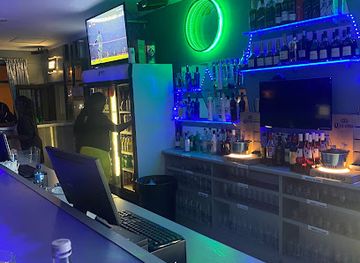
Infinity Lounge Swakopmund
Discover the electrifying nightlife at Infinity Lounge Swakopmund, the ultimate destination for dancing and socializing in a vibrant atmosphere.
Best shops in Namib Desert
Shopping in the Namib Desert is limited and practical, with most choices concentrated in gateway towns, lodges and craft outlets rather than conventional retail districts. Swakopmund offers the widest selection of galleries, jewellers, gift shops, booksellers and shops selling Namibian craftwork, while Walvis Bay is useful for provisions and locally made gifts. Lodge shops and visitor centres near the desert may stock postcards, maps, clothing, books on ecology and geology, and small artisan items. Appropriate souvenirs can include carvings, woven goods, jewellery and locally produced foods, but buyers should ask about provenance and avoid anything made from protected wildlife, archaeological material or illicitly collected plants and stones. Namibian meat products, rooibos, preserves and other packaged foods may be practical purchases for the journey, subject to airline and border restrictions. In remote areas, supplies are more expensive and limited, so buy fuel, water and snacks before leaving a substantial settlement rather than expecting a desert attraction to have a full shop.
-
Shopping mall
The Grove Mall of Namibia
Explore The Grove Mall of Namibia, your ultimate shopping destination in Windhoek with diverse shops, delightful dining, and exciting entertainment options.
-
Shopping mall
Maerua Mall
Experience shopping like never before at Maerua Mall, Windhoek's premier destination for retail therapy and culinary delights.
-
Shopping mall
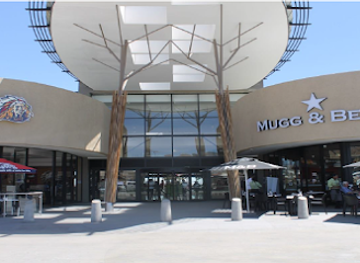
Dunes Mall
Explore Dunes Mall in Walvis Bay for shopping, dining, and entertainment in a modern coastal setting.
-
National park
Namib-Naukluft National Park
Experience the unparalleled beauty and adventure of Namib-Naukluft National Park, a national treasure of stunning landscapes and diverse wildlife.
Get your free copy of our complete guide to Namib Desert, delivered straight to you.
Everything on this page, from attractions and restaurants to essentials and local phrases, in one PDF you can read offline, print or share.
Already have an account? Sign in
Your Namib Desert guide is ready.
We'll send it to · Not you? Sign out

Getting your guide ready…
We are putting together a fresh copy of the Namib Desert guide. This can take up to a minute.
This can take a few moments. If your browser asks, choose Allow so the download can start. You'll find the guide in your Downloads folder.
Nothing happened? Download it again
Sorry, the guide is taking longer than usual. Please try again in a minute, or get it by email instead.
Namib Desert essentials
Currency and Payment
Safety
Emergency Situations
Do's and Don'ts
Local Tips
From Eve
Local phrases worth knowing
You don't need to get them perfect. A few words go a long way, and locals appreciate the effort.
Basics
| English | Local | Say it |
|---|---|---|
| Hello | Hallo | [Hah-loh] |
| Goodbye | Totsiens | [Toe-tsiens] |
| Yes | Ja | [Yah] |
| No | Nee | [Nay] |
| Please/You’re welcome | Asseblief | [Ah-seh-bleef] |
| Thank you | Dankie | [Dahn-kee] |
| Excuse me/Sorry | Verskoon my | [Vair-skoon my] |
| How are you? | Hoe gaan dit? | [Hoo gahn dit] |
| Fine. And you? | Goed. En jy? | [Hoot. En yay?] |
| Do you speak English? | Praat jy Engels? | [Prah-t yay Eng-els?] |
| I don't understand | Ek verstaan nie | [Ek fehr-stahn nee] |
Eating & Drinking
| English | Local | Say it |
|---|---|---|
| I'd like to see the menu, please | Ek wil die spyskaart sien, asseblief | [Ek vil dee spy-skaart seen, ah-seh-bleef] |
| I don't eat meat | Ek eet nie vleis nie | [Ek eet nee flys nee] |
| Cheers! | Gesondheid! | [Geh-sohn-dheid] |
| I would like to pay, please | Ek wil betaal, asseblief | [Ek vil beh-taal, ah-seh-bleef] |
Emergencies
| English | Local | Say it |
|---|---|---|
| Help! | Help! | [Help!] |
| Go away! | Gaan weg! | [Gahn vek!] |
| Call the Police! | Bel die Polisiemag! | [Bel dee Po-lee-see-mahg!] |
| Call a doctor! | Bel 'n dokter! | [Bel 'n dok-ter!] |
| I'm lost | Ek is verlore | [Ek is fehr-loh-reh] |
| I'm ill | Ek is siek | [Ek is seek] |
Shopping
| English | Local | Say it |
|---|---|---|
| I'd like to buy... | Ek wil koop... | [Ek vil koop] |
| I'm just looking | Ek kyk net | [Ek kyke net] |
| How much is it? | Hoeveel kos dit? | [Hoo-feel kos dit?] |
| That's too expensive | Dit is te duur | [Dit is teh deur] |
| Can you lower the price? | Kan jy die prys verlaag? | [Kahn yay dee prys ver-lahg?] |
Time & Numbers
| English | Local | Say it |
|---|---|---|
| What time is it? | Hoe laat is dit? | [Hoo laht is dit?] |
| It's one o'clock | Dit is een uur | [Dit is een oor] |
| Half past (10) | Half voor (10) | [Half voor (10)] |
| Morning | Oggend | [Oh-ghend] |
| Afternoon | Middag | [Mid-dahg] |
| Evening | Aand | [Aand] |
| Yesterday | Gister | [Gis-ter] |
| Today | Vandag | [Van-dahg] |
| Tomorrow | Morgen | [Mor-ghen] |
| 1 | 1 | [1] |
| 2 | 2 | [2] |
| 3 | 3 | [3] |
| 4 | 4 | [4] |
| 5 | 5 | [5] |
| 6 | 6 | [6] |
| 7 | 7 | [7] |
| 8 | 8 | [8] |
| 9 | 9 | [9] |
| 10 | 10 | [10] |
Transport & Directions
| English | Local | Say it |
|---|---|---|
| Where's a/the...? | Waar is 'n...? | [Vahr is 'n...?] |
| What's the address? | Wat is die adres? | [Vahd is dee ah-dres?] |
| Can you show me (on the map)? | Kan jy my wys (op die kaart)? | [Kahn yay my vays (op dee kart)?] |
| When's the next (bus)? | Wanneer is die volgende (bus)? | [Vahn-eer is dee vol-ghen-de (bus)?] |
| A ticket (to ....) | ‘n kaartjie (na ....) | [‘n kart-kee (nah ....)] |
History of Namib Desert
Early desert peoples and archaeological traces
The Namib has never been entirely empty. San communities and other Indigenous peoples developed knowledge of seasonal water, edible plants, animal movements and routes across an environment that appears almost barren to outsiders. Archaeological evidence across Namibia, including stone tools and rock art in desert and mountain areas, records a much longer human presence than the modern tourism landscape suggests. The desert’s resources were limited and unevenly distributed, so movement and detailed environmental knowledge were essential. Visitors should understand the Namib as a lived cultural landscape rather than simply an untouched wilderness.
Trade, travel and coastal contact before colonial rule
Long before modern roads, people moved through the Namib along routes linking inland communities with the Atlantic coast and areas farther north and south. Waterholes, river valleys and mountain passes determined where travel was possible. The Kuiseb and other ephemeral rivers could provide important corridors even though they rarely flow continuously. Coastal contact also connected the region to wider networks of fishing, exchange and maritime activity. These patterns were later overlaid by colonial boundaries, roads and railways, but the underlying geography still explains why settlements and transport routes remain widely separated.
German colonial expansion and the coast
German colonial rule in South West Africa from the late nineteenth century introduced new administrative centres, military infrastructure, railways and commercial routes around the desert’s margins. Swakopmund developed as a colonial port, while Walvis Bay remained under British, and later South African, control for much of the colonial period. The period was also marked by violent dispossession and the genocide of Herero and Nama people between 1904 and 1908, whose consequences remain central to Namibian history. Desert towns and transport corridors still contain architectural and infrastructural traces of this era.
Railways, mining and changing desert economies
Railway construction and mineral extraction transformed movement across the Namib in the late nineteenth and early twentieth centuries. Routes connecting the coast with inland settlements reduced some of the isolation imposed by the terrain, while mining shaped the growth and decline of several desert-edge communities. The discovery of diamonds farther south in the wider coastal desert accelerated colonial investment and intensified restrictions on access to extensive areas. Although many mining sites are outside the principal visitor areas around Sossusvlei, the history of extraction helps explain the desert’s strategic importance and the controlled landscapes along parts of the coast.
Scientific study of desert life
The Namib became an important setting for research into aridity, fog, geology and biological adaptation. Gobabeb, established in the central Namib in the twentieth century, developed into a major research and training centre for desert ecology. Researchers have examined how beetles harvest moisture from fog, how plants survive with minimal rainfall and how animals use ephemeral water and vegetation. This scientific legacy has influenced conservation and visitor interpretation. It also challenges the impression that the Namib is biologically empty: its life is often small, widely dispersed and highly specialised.
Protected landscapes and modern tourism
Conservation gradually became a defining force in the Namibian desert. Namib-Naukluft National Park brought extensive dune fields, gravel plains, mountain terrain and river valleys under protection, while other coastal and desert areas received different forms of reserve or park status. Tourism developed around scenic access to Sossusvlei, Deadvlei, the Naukluft and the Atlantic dunes, alongside research and conservation work. Modern travel depends on this protected-area framework, but it also carries responsibilities: roads, camps, water use, aircraft and off-road driving must be managed carefully in an environment that recovers slowly from disturbance.
Namib Desert in Photos
Browse through our photo collection highlighting the charm and character of the destination.
Neighbouring regions of Namib Desert
The closest regions to Namib Desert, if you have time for more than one.
-

-

-

-

-


Swipe for more regions
Explore more

Explore more of Namibia
Discover Namibia: A land of towering dunes, ancient deserts, and vibrant cultures. Perfect for adventurers and nature lovers seeking an unparalleled African experience.
Explore Namibia