

Free Kaokoland Travel Guide & Mobile App
Explore Kaokoland with free travel guides. Discover regional history, expert tips, proposed trips, and audio guides on web or mobile app.


Explore Kaokoland’s remote desert valleys, Kunene River scenery, desert wildlife and living Himba heritage from Namibia’s rugged north-west.
Read more about Kaokoland
When is the best time to visit Kaokoland?
Best: May, July–August · 23–26°C| Month | High (°C) | Rainfall (mm) |
|---|---|---|
| January | 31 | 50 |
| February | 31 | 45 |
| March | 31 | 40 |
| April | 29 | 30 |
| May (best) | 26 | 15 |
| June | 23 | 10 |
| July (best) | 23 | 8 |
| August (best) | 26 | 10 |
| September | 29 | 15 |
| October | 31 | 30 |
| November | 32 | 40 |
| December | 31 | 45 |
Getting to and around Kaokoland
How to get there
Transportation
Destinations in Kaokoland
Resorts, valleys and scenic spots worth a trip of their own.

Swipe for more destinations
Best attractions in Kaokoland
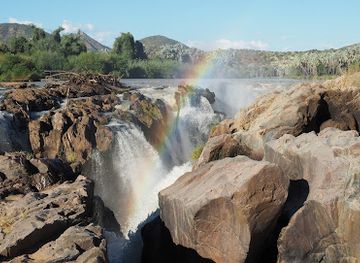
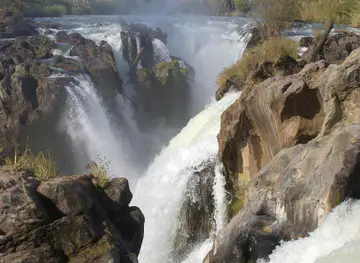
Kaokoland’s attractions are primarily landscapes, wildlife and cultural encounters rather than a dense sequence of formal visitor sites. Epupa Falls is the best-known natural feature, where the Kunene River breaks into channels and cascades among palms and rocky islands near the Angolan border. Farther south and west, the Marienfluss and Hartmann valleys offer broad desert scenery framed by rugged mountains, while the Hoarusib and Hoanib valleys combine pale river terraces, cliffs, sand and wildlife adapted to extreme aridity. Desert-adapted elephant may be seen along suitable river routes, although sightings are never guaranteed and require responsible viewing. Opuwo provides a practical introduction to the region’s contemporary communities, markets and pastoral economy, while conservancy areas offer guided wildlife drives, walking and cultural visits. Remote springs, geological formations and night skies are often as significant as named attractions. Travellers should choose experiences that support local operators and respect communal land, wildlife and water sources.
-
Tourist attraction
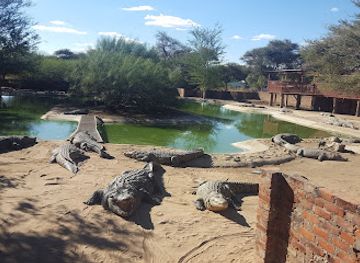
Crocodile Farm Otjiwarongo
Discover the fascinating world of crocodiles at Crocodile Farm Otjiwarongo, an unforgettable tourist attraction in Namibia filled with adventure and learning.
-
Tourist attraction
Petrified Forest
Experience the breathtaking beauty of the Petrified Forest in Namibia, where ancient history and stunning landscapes come together in one unforgettable adventure.
-
Tourist attraction
Epupa Falls
Discover the breathtaking beauty of Epupa Falls, a stunning natural wonder on the border of Namibia and Angola, rich in culture and adventure.
-
Tourist attraction
Chudop Waterhole
Experience the serene beauty of Chudop Waterhole in Etosha National Park, a haven for wildlife enthusiasts and nature lovers alike.


Best landmarks in Kaokoland
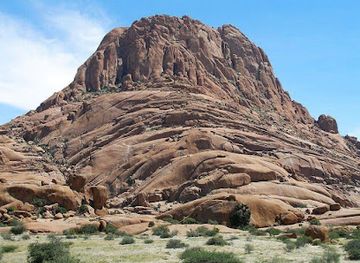
Epupa Falls is Kaokoland’s most recognisable landmark, a series of broad cascades and channels on the Kunene River whose palms and rocky surroundings contrast sharply with the surrounding desert. The river itself is a defining geographical and political landmark, forming Namibia’s border with Angola and supporting narrow bands of greener vegetation. The Marienfluss and Hartmann valleys are landmark landscapes rather than built monuments: their long, open forms, sand, gravel and mountain walls express the scale of the north-western desert. The Hoarusib River valley is similarly notable for its sculpted banks and shifting watercourse, while Opuwo’s streets and surrounding hills reflect the meeting of modern administration, commerce and long-established pastoral life. Remote springs and distinctive granite formations may be locally important, but access and route names can vary; visitors should rely on current guidance from conservancies or experienced guides rather than treating every map feature as a formal attraction.
-
National park
Etosha National Park
Explore the stunning landscapes and diverse wildlife of Etosha National Park, Namibia's premier safari destination teeming with adventure and natural beauty.
-
Tourist attraction
Okaukuejo Etosha
Experience the breathtaking wildlife of Okaukuejo in Etosha National Park, where nature unfolds in spectacular ways at every turn.
-
Hotel
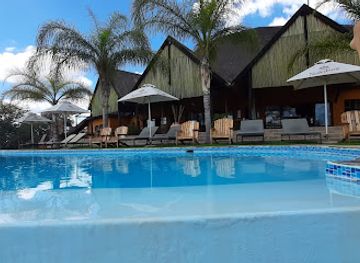
Opuwo Country Lodge
Experience the breathtaking beauty and cultural richness of Namibia at Opuwo Country Lodge, where comfort meets adventure in a stunning natural setting.
-
Tourist attraction
Epupa Falls
Discover the breathtaking beauty of Epupa Falls, a natural oasis on the Namibia-Angola border, perfect for adventure and tranquility.
Explore Kaokoland on the map
Plan your trip on one map. See where the top cities, national parks and sights are, and book hotels and experiences in a few clicks.
Best hotels in Kaokoland
Best restaurants in Kaokoland
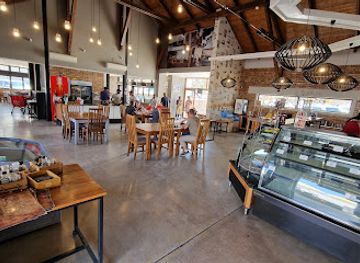
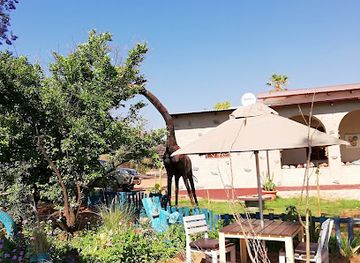
Dining in Kaokoland is shaped by distance and logistics. Opuwo has the region’s broadest choice of everyday food, including cafés, shops, simple restaurants and lodge dining, while remote camps generally serve meals arranged in advance rather than offering a conventional restaurant scene. Menus commonly draw on Namibian and southern African staples such as grilled meat, stews, maize meal, vegetables, bread and salads, with supplies transported over long distances. Travellers driving independently should carry substantial provisions and treat fuel and food resupply as part of route planning. At lodges and community camps, meals may be prepared for small groups and can reflect the practical limitations of desert travel. Visitors should not assume that traditional Himba livestock products are restaurant offerings or request access to homes and food preparation areas. Water availability, refrigeration and delivery schedules make advance communication important for special diets.
-
Restaurant
Outjo Bakkery
Experience authentic Namibian flavors at Outjo Bakkery - your go-to destination for delicious baked goods and local cuisine.
-
Restaurant
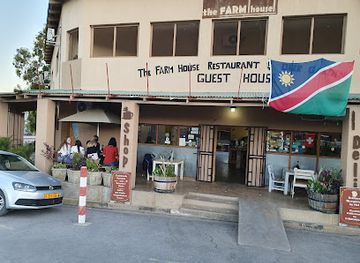
The FARMhouse Boutique Guesthouse Upstairs 2
Experience authentic Namibian cuisine and warm hospitality at The FARMhouse Boutique Guesthouse - your perfect retreat in Outjo.
-
Restaurant
Kaokoland Restaurant
Experience authentic Namibian cuisine at Kaokoland Restaurant in Opuwo – a must-visit for food lovers exploring Namibia.
-
Restaurant
J WAKE Restaurant
Experience authentic Namibian flavors at J WAKE Restaurant in Opuwo - a culinary gem where culture meets taste.

Best bars in Kaokoland
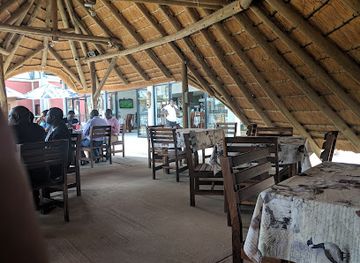
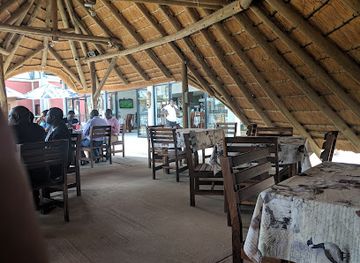
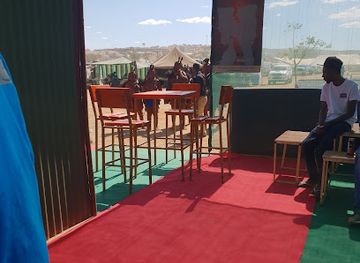
Kaokoland has no concentrated nightclub scene. Evening life centres on lodge bars, campfire areas, simple social venues and the everyday meeting places of Opuwo, where residents and travellers may gather after the heat of the day. Drinks and meals are generally available at established lodges and some town businesses, but opening arrangements and supplies can vary, particularly outside Opuwo. In remote camps, the main evening attractions are conversation, stars, quiet river landscapes and the sounds of the surrounding bush rather than organised entertainment. Alcohol should be consumed responsibly, especially when driving, camping or staying in a small community facility. A community visit or cultural programme should be approached as a respectful exchange, not as nightlife, and photography or participation should always follow local permission.
-
Restaurant
Kaokoland Restaurant
Experience authentic Namibian cuisine at Kaokoland Restaurant – a culinary gem in Opuwo offering a vibrant atmosphere and local flavors.
-
Bar
Holiday Special Bar
Discover the lively ambiance and diverse drink offerings at Holiday Special Bar in Opuwo, a must-visit for tourists seeking local culture.
-
Bar
Peace Garden Bar
Relax and unwind at the Peace Garden Bar, a vibrant spot in Khorixas offering great drinks and friendly vibes.
-
Bar
Eyambeko Bar
Discover the vibrant Eyambeko Bar in Opuwo, where local culture and nightlife come alive with delicious drinks and live entertainment.
Best nightclubs in Kaokoland
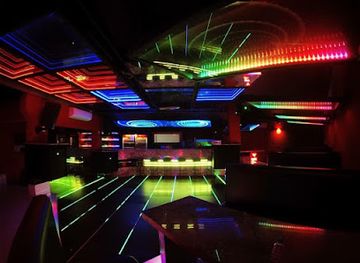
Kaokoland has no concentrated nightclub scene. Evening life centres on lodge bars, campfire areas, simple social venues and the everyday meeting places of Opuwo, where residents and travellers may gather after the heat of the day. Drinks and meals are generally available at established lodges and some town businesses, but opening arrangements and supplies can vary, particularly outside Opuwo. In remote camps, the main evening attractions are conversation, stars, quiet river landscapes and the sounds of the surrounding bush rather than organised entertainment. Alcohol should be consumed responsibly, especially when driving, camping or staying in a small community facility. A community visit or cultural programme should be approached as a respectful exchange, not as nightlife, and photography or participation should always follow local permission.
-
Disco club
Infinity Lounge Swakopmund
Discover the exhilarating nightlife of Swakopmund at Infinity Lounge, where music and dance create unforgettable memories.
-
Night club
MYNT Nightclub and Lounge
Discover the vibrant nightlife at MYNT Nightclub and Lounge in Windhoek, where great music and a lively atmosphere create unforgettable memories.
-
Night club
Rio Copa Discoteca
Dive into the vibrant nightlife at Rio Copa Discoteca, Walvis Bay's premier night club with lively music and a welcoming atmosphere.
-
Night club
Club London
Discover Windhoek's nightlife at Club London, where vibrant music and energetic crowds create an unforgettable experience in the heart of Namibia.



Best shops in Kaokoland
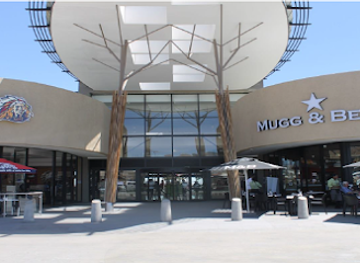
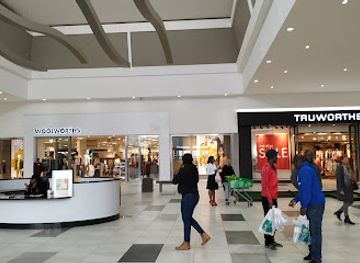
Shopping in Kaokoland is concentrated in Opuwo, where visitors can obtain fuel, groceries, basic equipment and everyday supplies before travelling into the wilderness. Retail choice is limited compared with Namibia’s larger towns, and remote lodges and camps should not be treated as shops. Local craft purchases may include beadwork, leather goods, carvings and other items made or sold through community and regional networks, although availability varies and products should be bought through fair, permission-based channels. Visitors should ask about the origin of cultural items and avoid purchasing archaeological objects, wildlife products or anything that may have been collected illegally. Regional food supplies, bottled drinks and practical desert necessities are more useful purchases than fragile souvenirs. Because transport distances are long, stock can change and card facilities may fail; carry cash and complete essential shopping before leaving Opuwo.
-
Shopping mall
The Grove Mall of Namibia
Explore The Grove Mall of Namibia, a vibrant shopping destination in Windhoek offering diverse shops, dining, and entertainment for all ages.
-
Shopping mall
Dunes Mall
Explore Dunes Mall in Walvis Bay for an unforgettable shopping experience with diverse stores, delicious dining, and exciting entertainment options.
-
Restaurant
The FARMhouse Boutique Guesthouse Upstairs 2
Experience the charm and hospitality of The FARMhouse Boutique Guesthouse in Outjo, where comfort meets local culture.
-
Supermarket
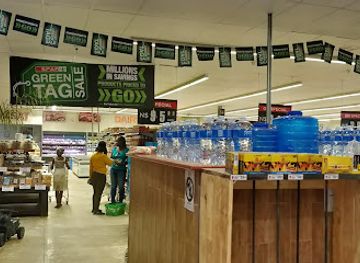
SPAR Kunene
Explore local flavors and essential supplies at SPAR Kunene, Opuwo's vibrant supermarket for tourists and locals alike.
Get your free copy of our complete guide to Kaokoland, delivered straight to you.
Everything on this page, from attractions and restaurants to essentials and local phrases, in one PDF you can read offline, print or share.
Already have an account? Sign in
Your Kaokoland guide is ready.
We'll send it to · Not you? Sign out

Getting your guide ready…
We are putting together a fresh copy of the Kaokoland guide. This can take up to a minute.
This can take a few moments. If your browser asks, choose Allow so the download can start. You'll find the guide in your Downloads folder.
Nothing happened? Download it again
Sorry, the guide is taking longer than usual. Please try again in a minute, or get it by email instead.
Kaokoland essentials
Currency and Payment
Safety
Emergency Situations
Do's and Don'ts
Local Tips
From Eve
Local phrases worth knowing
You don't need to get them perfect. A few words go a long way, and locals appreciate the effort.
Basics
| English | Local | Say it |
|---|---|---|
| Hello | Ombinga | [om-BING-ah] |
| Goodbye | Ombinga kose | [om-BING-ah koh-seh] |
| Yes | Ehe | [eh-HEH] |
| No | Iye | [EE-yeh] |
| Please/You're welcome | Tuya | [TOO-yah] |
| Thank you | Ombinga | [om-BING-ah] |
| Excuse me/Sorry | Ombinga peke | [om-BING-ah PEH-keh] |
| How are you? | Ombinga kashi? | [om-BING-ah KAH-shee] |
| Fine. And you? | Nawa. Na we? | [NAH-wah. Nah WEH?] |
| Do you speak English? | Ona ku soka English? | [OH-nah koo SOH-kah EN-glish?] |
| I don't understand | Nda ku peka | [NDAH koo PEH-kah] |
Eating & Drinking
| English | Local | Say it |
|---|---|---|
| I'd like to see the menu, please | Nda tji ku tja menu, tuya | [NDAH tsee koo TJAH MENU, TOO-yah] |
| I don't eat meat | Nda ku tji nyama | [NDAH koo TJI NYAH-mah] |
| Cheers! | Nda tji nawa! | [NDAH TJI NAH-wah!] |
| I would like to pay, please | Nda tji ku tja peni, tuya | [NDAH tsee koo TJAH PEH-nee, TOO-yah] |
Emergencies
| English | Local | Say it |
|---|---|---|
| Help! | Nda tji tja! | [NDAH TJI TJA!] |
| Go away! | Tji peke! | [TJI PEH-keh!] |
| Call the Police! | Tji ku tja police! | [TJI koo TJA POLICE!] |
| Call a doctor! | Tji ku tja daktari! | [TJI koo TJA DAK-tah-ree!] |
| I'm lost | Nda ku tji peke | [NDAH koo TJI PEH-keh] |
| I'm ill | Nda ku tji nene | [NDAH koo TJI NAY-nay] |
Shopping
| English | Local | Say it |
|---|---|---|
| I'd like to buy... | Nda tji ku tja ... | [NDAH tsee koo TJAH ...] |
| I'm just looking | Nda peke tji | [NDAH PEH-keh TJI] |
| How much is it? | Kashi yina? | [KAH-shee YEE-nah?] |
| That's too expensive | Iye tji peke kashi | [EE-yeh TJI PEH-keh KAH-shee] |
| Can you lower the price? | Ona tji peke kashi? | [OH-nah TJI PEH-keh KAH-shee?] |
Time & Numbers
| English | Local | Say it |
|---|---|---|
| What time is it? | Ona kashi ni? | [OH-nah KAH-shee NEE?] |
| It's one o'clock | Ni kashi oshi | [NEE KAH-shee OH-shee] |
| Half past (10) | Kashi peke (10) | [KAH-shee PEH-keh (10)] |
| Morning | Ombinga | [om-BING-ah] |
| Afternoon | Ombinga peke | [om-BING-ah PEH-keh] |
| Evening | Ombinga koshitji | [om-BING-ah koh-SHEE-tjee] |
| Yesterday | Ovihanda | [OH-vee-han-dah] |
| Today | Ombinga | [om-BING-ah] |
| Tomorrow | Ombinga koshitji | [om-BING-ah koh-SHEE-tjee] |
| 1 | Oshi | [OH-shee] |
| 2 | Piri | [PEE-ree] |
| 3 | Tatu | [TAH-too] |
| 4 | Nye | [NYEH] |
| 5 | Tano | [TAH-no] |
| 6 | Tatu | [TAH-too] |
| 7 | Saba | [SAH-bah] |
| 8 | Nye | [NYEH] |
| 9 | Tatu | [TAH-too] |
| 10 | Kumi | [KOO-mee] |
Transport & Directions
| English | Local | Say it |
|---|---|---|
| Where's a/the...? | Ona tji kashi ...? | [OH-nah TJI KAH-shee ...?] |
| What's the address? | Ona kashi adiresi? | [OH-nah KAH-shee AH-deh-ree-see?] |
| Can you show me (on the map)? | Ona tji ku tja (ku mapa)? | [OH-nah TJI koo TJA (koo MAH-pah)?] |
| When's the next (bus)? | Ona kashi ni (bus) ya kashi? | [OH-nah KAH-shee NEE (BUS) YAH KAH-shee?] |
| A ticket (to ....) | Ona tji ku tja tiketi (ku ...) | [OH-nah TJI koo TJA TEE-keh-tee (koo ...)] |
History of Kaokoland
Early Settlement and Pastoral Landscapes
Archaeological evidence across north-western Namibia records a long history of human movement, hunting, gathering and pastoralism. The region’s dry climate encouraged communities to follow water, grazing and seasonal opportunities rather than build dense permanent settlements. Cattle and goat herding became central to the livelihoods of Himba and related Herero-speaking communities, while knowledge of springs, grazing areas and river valleys remained crucial to survival. Much of Kaokoland’s historical landscape is therefore found in routes, water sources and pastoral territories rather than in monumental ruins.
Himba and Herero Pastoral Traditions
Himba society developed within the wider history of Herero-speaking peoples of Namibia and southern Angola. Cattle have economic, social and symbolic importance, and homesteads, kinship networks and seasonal movements have shaped life in the Kunene region for generations. Himba communities have adapted to changing borders, droughts, markets, schooling and tourism while retaining distinctive dress, hairstyles, livestock practices and religious traditions. These traditions are living and evolving, not museum displays, and visitors should approach community encounters through consent and locally appropriate arrangements.
German Colonial Rule and the Kunene Frontier
German colonial expansion into what became German South West Africa altered political authority, trade and land use across the north-west. Kaokoland’s distance, difficult terrain and limited colonial infrastructure meant that outside control was less direct here than in many other parts of the territory, although military pressure, taxation and wider regional conflict still affected communities. The Kunene River subsequently became an international boundary between Namibia and Angola, creating a frontier that divided related communities and reshaped movement, trade and administration.
The Colonial and South African War Era
The First World War ended German rule in the territory, which was subsequently administered by South Africa under a League of Nations mandate. During the twentieth century, colonial and South African authorities expanded administrative control, while the borderlands of northern Namibia were also affected by conflict connected with Angola and Namibia’s independence struggle. Kaokoland’s remoteness limited large-scale development but did not isolate its residents from military activity, displacement, political change or the wider pressures placed on Indigenous land and livelihoods.
The Kaokoland Homeland under Apartheid
Under South African apartheid administration, Kaokoland was designated as a separate homeland for the Himba and other residents of the area. The policy formalised racial and territorial divisions and restricted political and economic choices, even though the region’s pastoral communities had long maintained their own systems of land use and authority. The homeland boundary helped give the name Kaokoland its modern political association. Its legacy remains relevant when considering land rights, conservation, tourism and the relationship between state institutions and conservancy communities.
Independence, Conservancies and Community-Based Tourism
Namibia became independent in 1990, and Kaokoland became part of the national framework of Kunene Region rather than remaining a separate homeland. Subsequent community-based natural-resource management initiatives enabled many rural communities to form conservancies, manage wildlife and participate in tourism enterprises. Results vary between communities and locations, but the model has helped connect conservation with local employment, guiding and revenue. Contemporary travel in Kaokoland therefore takes place within a continuing story of pastoral livelihoods, communal land rights, wildlife recovery and negotiated development.
Kaokoland in Photos
Browse through our photo collection highlighting the charm and character of the destination.
Neighbouring regions of Kaokoland
The closest regions to Kaokoland, if you have time for more than one.
-
-

-

-

-


Swipe for more regions
Explore more

Explore more of Namibia
Discover Namibia: A land of towering dunes, ancient deserts, and vibrant cultures. Perfect for adventurers and nature lovers seeking an unparalleled African experience.
Explore Namibia