

Free Blue River Valley Travel Guide & Mobile App
Explore Blue River Valley with free travel guides. Discover regional history, expert tips, proposed trips, and audio guides on web or mobile app.


Explore Blue River Valley in Nebraska for Big Blue River scenery, prairie heritage, historic towns, Homestead history and relaxed rural travel.
Read more about Blue River Valley
Getting to and around Blue River Valley
How to get there
Transportation
Best attractions in Blue River Valley
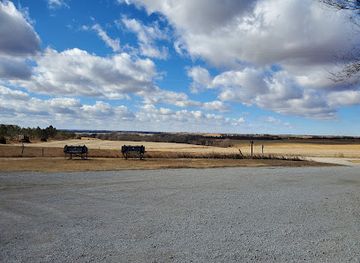
Blue River Valley’s attractions combine prairie heritage, river recreation and small-town history rather than a concentration of major urban sights. Near Beatrice, Homestead National Historical Park explains the Homestead Act through indoor interpretation, restored prairie, woodland and trails, making it the region’s central historical attraction. Along the wider corridor, local museums, historic downtowns, courthouses, churches and community buildings reveal how railroad towns and farming settlements developed. The Big Blue River and its tributaries provide opportunities for fishing, birdwatching, canoeing and quiet walks where public access is available, while nearby recreation areas add picnic, camping and outdoor options. Seward and Crete bring a more collegiate and cultural dimension, with performances, exhibitions and seasonal community activities linked to their educational institutions. Rural roads are attractions in their own right for visitors interested in agricultural landscapes, but access to fields, riverbanks and private woodland must never be assumed. The valley is best explored slowly, combining one principal heritage site with a town visit, a short walk and a scenic drive rather than attempting to cover every community in one day.
-
Park
OPPD Arboretum
Discover the serene beauty of the OPPD Arboretum in Omaha, Nebraska, where nature and tranquility come together in a stunning park experience.
-
Tourist attraction
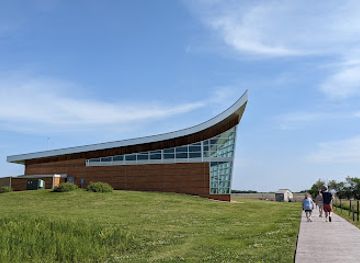
Homestead National Historical Park
Explore the legacy of American homesteaders at Homestead National Historical Park, where history and nature intertwine in a captivating setting.
-
Park
Windlass Hill
Discover the breathtaking beauty and historical significance of Windlass Hill, a unique park in Nebraska that connects nature with the past.
-
Tourist attraction
Gage County Museum
Explore Gage County Museum in Beatrice, NE, where local history comes alive through engaging exhibits and rich cultural narratives.
Best landmarks in Blue River Valley
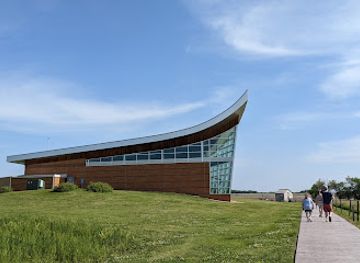
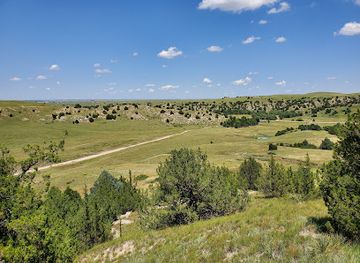
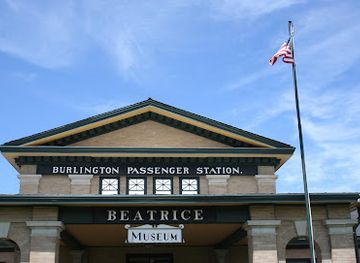
Homestead National Historical Park near Beatrice is the defining landmark of Blue River Valley because it connects a specific local landscape with the national history of the Homestead Act. Its prairie, woodland and interpretive buildings give physical form to a process that transformed land ownership and settlement across the Great Plains. The Big Blue River itself is another regional landmark, its wooded course standing out against open farmland and providing the geographical thread linking communities from the northern valley towards the Kansas border. In Beatrice, Seward, Crete and other established towns, historic courthouses, churches, civic buildings and surviving commercial blocks represent the confidence of railroad-era communities and the importance of county government. The valley’s bridges, mature cottonwoods, grain elevators and agricultural horizons are less monumental but equally characteristic, revealing how transport, farming and water shaped the region. These landmarks are dispersed, so a road itinerary is more useful than expecting a single central heritage quarter.
-
Historical place
Homestead National Historical Park
Explore the legacy of the Homestead Act at Homestead National Historical Park, a captivating historical site in Nebraska.
Explore Blue River Valley on the map
Plan your trip on one map. See where the top cities, national parks and sights are, and book hotels and experiences in a few clicks.
Best hotels in Blue River Valley
Best restaurants in Blue River Valley
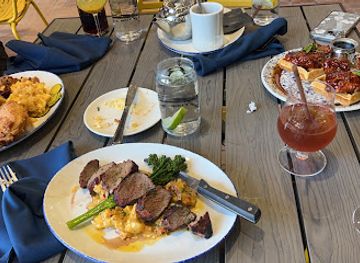
Dining in Blue River Valley reflects Nebraska’s agricultural setting and small-town scale. Beatrice, Seward and Crete provide the widest choice of cafés, bakeries, family restaurants and casual dining, while smaller communities tend to centre on a limited number of locally known establishments. Menus commonly draw on American comfort food, beef, pork, poultry, sandwiches, burgers, soups and seasonal produce, alongside Nebraska’s strong baking and café traditions. Visitors may also encounter locally produced honey, fruit, vegetables and other farm goods through seasonal stands or community markets, although availability varies. Traditional diners and independent restaurants are generally more characteristic than formal destination dining, while rural inns and pub-style venues offer straightforward evening meals. Regional food identity is best understood through the relationship between farms, local businesses and community gatherings rather than through one dish exclusive to the valley. Because opening patterns can change in smaller towns, check current arrangements locally and plan meals before driving into the more sparsely settled parts of the corridor.
-
Sushi
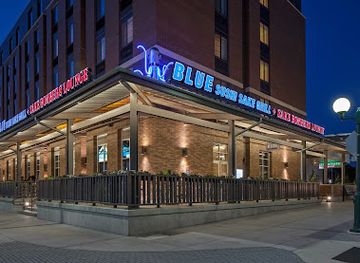
Blue Sushi Sake Grill
Experience the vibrant culinary scene at Blue Sushi Sake Grill in Lincoln, offering innovative sushi and cocktails in a chic setting.
-
American
The Black Crow
Experience authentic American flavors at The Black Crow in Beatrice – where fresh ingredients meet cozy ambiance.
-
American
Tupelo Honey Southern Kitchen & Bar
Experience the best of Southern comfort food at Tupelo Honey Southern Kitchen & Bar in Omaha - perfect for families and brunch enthusiasts!
-
Tourist attraction
Sticks Stones and Bonez
Experience the perfect blend of home-cooked meals and interactive science at Sticks Stones and Bonez in Tecumseh, Nebraska.

Best bars in Blue River Valley
Evening life in Blue River Valley is centred on traditional pubs, taverns, restaurants, cafés, community events and occasional live music rather than a large nightclub scene. Beatrice, Seward and Crete offer the broadest choice, with Seward and Crete benefiting from student populations that can create a livelier atmosphere during the academic year. Smaller towns generally wind down earlier and may have only a few social venues. Local breweries and bars may feature Nebraska-made beer, while restaurants provide the main alternative for a relaxed evening. Summer festivals, county activities and university or civic programmes can add seasonal entertainment, but schedules are variable and should be checked before travelling. Visitors should arrange a safe journey between rural venues, as distances are considerable and public transport is limited. Nightlife is therefore best approached as an extension of local community life rather than as a dedicated entertainment district.
-
Grill
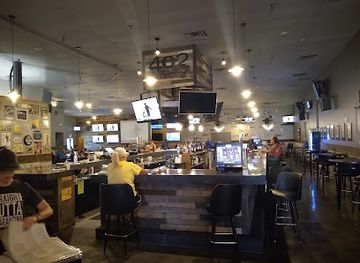
402 Sports Bar and Grill
Enjoy a vibrant dining experience at 402 Sports Bar and Grill in Beatrice, Nebraska, featuring delicious grilled dishes and refreshing drinks in a lively atmosphere.
-
Grill
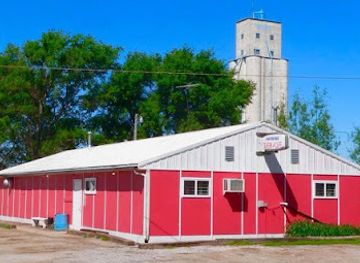
Side Trek Bar & Grill
Discover the inviting ambiance and delectable dishes at Side Trek Bar & Grill in Jansen, Nebraska, where every meal is a celebration of flavor.
-
Grill
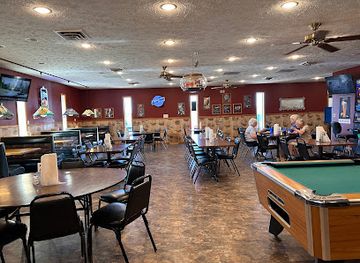
Black Powder Bar & Grill
Discover the local flavors at Black Powder Bar & Grill, where every meal is a delicious journey through Nebraska's culinary landscape.
-
Grill
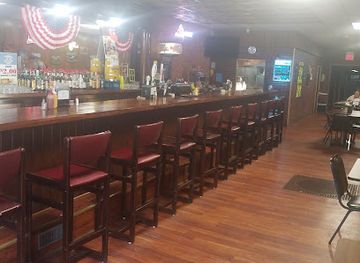
RoundUp Bar & Grill
Experience the best of local grilling and vibrant nightlife at RoundUp Bar & Grill in Table Rock, Nebraska.
Best shops in Blue River Valley
Shopping in Blue River Valley is concentrated in the historic or contemporary town centres of Beatrice, Seward and Crete, with smaller communities offering a more limited selection of independent businesses. Expect practical high-street retail, cafés, books, antiques, gifts, second-hand shops, art and craft goods rather than extensive luxury or designer shopping. Seasonal farmers’ markets and roadside stands can provide Nebraska produce, baked goods, preserves, honey and other locally made items, though their locations and dates change. Visitors interested in regional character should look for locally produced food, prairie-themed crafts, handmade items and books about Nebraska history, rather than generic souvenirs. Historic commercial streets and independent shops are often more rewarding than large retail complexes, while ordinary grocery shops are useful for road supplies in the rural sections of the valley. Carry a reusable bag and confirm payment options at small markets, where cash may still be useful.
-
Department store
Walmart Supercenter
Explore Walmart Supercenter in Crete, Nebraska – your go-to destination for groceries, clothing, electronics, and more, all at affordable prices.
-
Grocery store
Kuntry Discounts
Experience unbeatable savings and local flavors at Kuntry Discounts, the discount supermarket in Pawnee City, Nebraska.
-
Gift shop
Sapphire Blue Gifts & More
Explore Sapphire Blue Gifts & More in Valley, Nebraska for unique souvenirs and locally crafted treasures that capture the essence of the region.

Get your free copy of our complete guide to Blue River Valley, delivered straight to you.
Everything on this page, from attractions and restaurants to essentials and local phrases, in one PDF you can read offline, print or share.
Already have an account? Sign in
Your Blue River Valley guide is ready.
We'll send it to · Not you? Sign out

Getting your guide ready…
We are putting together a fresh copy of the Blue River Valley guide. This can take up to a minute.
This can take a few moments. If your browser asks, choose Allow so the download can start. You'll find the guide in your Downloads folder.
Nothing happened? Download it again
Sorry, the guide is taking longer than usual. Please try again in a minute, or get it by email instead.
Blue River Valley essentials
Currency and Payment
Safety
Emergency Situations
Do's and Don'ts
Local Tips
From Eve
Local phrases worth knowing
You don't need to get them perfect. A few words go a long way, and locals appreciate the effort.
Basics
| English | Local | Say it |
|---|---|---|
| Hello | Howdy | [How-dee] |
| Goodbye | See ya later | [See ya lay-ter] |
| Yes | Yep | [Yep] |
| No | Nope | [Nope] |
| Please/You're welcome | Please / No problem | [Please / No prob-lem] |
| Thank you | Thanks a lot | [Thanks a lot] |
| Excuse me/Sorry | Pardon me / Sorry | [Par-don me / Sor-ry] |
| How are you? | How's it goin'? | [How's it goin'?] |
| Fine. And you? | Good. And you? | [Good. And you?] |
| Do you speak English? | Do ya know English? | [Do ya know English?] |
| I don't understand | I ain't gettin' it | [I ain't gettin' it] |
Eating & Drinking
| English | Local | Say it |
|---|---|---|
| I'd like to see the menu, please | Can I see the menu, please? | [Can I see the menu, please?] |
| I don't eat meat | I don't eat meat | [I don't eat meat] |
| Cheers! | Cheers! | [Cheers!] |
| I would like to pay, please | I'd like to settle up, please | [I'd like to settle up, please] |
Emergencies
| English | Local | Say it |
|---|---|---|
| Help! | Help! | [Help!] |
| Go away! | Get lost! | [Get lost!] |
| Call the Police! | Call the cops! | [Call the cops!] |
| Call a doctor! | Get a doctor! | [Get a doctor!] |
| I'm lost | I'm lost | [I'm lost] |
| I'm ill | I'm not feelin' good | [I'm not feelin' good] |
Shopping
| English | Local | Say it |
|---|---|---|
| I'd like to buy... | I wanna buy... | [I wanna buy...] |
| I'm just looking | Just lookin' | [Just lookin'] |
| How much is it? | What’s the price? | [What’s the price?] |
| That's too expensive | That costs too much | [That costs too much] |
| Can you lower the price? | Can ya bring the price down? | [Can ya bring the price down?] |
Time & Numbers
| English | Local | Say it |
|---|---|---|
| What time is it? | What time ya got? | [What time ya got?] |
| It's one o'clock | It's one o'clock | [It's one o'clock] |
| Half past (10) | Half past ten | [Half past ten] |
| Morning | Mornin' | [Mornin'] |
| Afternoon | Afternoon | [Afternoon] |
| Evening | Evenin' | [Evenin'] |
| Yesterday | Yesterday | [Yesterday] |
| Today | Today | [Today] |
| Tomorrow | Tomorrow | [Tomorrow] |
| 1 | One | [One] |
| 2 | Two | [Two] |
| 3 | Three | [Three] |
| 4 | Four | [Four] |
| 5 | Five | [Five] |
| 6 | Six | [Six] |
| 7 | Seven | [Seven] |
| 8 | Eight | [Eight] |
| 9 | Nine | [Nine] |
| 10 | Ten | [Ten] |
Transport & Directions
| English | Local | Say it |
|---|---|---|
| Where's a/the...? | Where's the...? | [Where's the...?] |
| What's the address? | What's the address? | [What's the address?] |
| Can you show me (on the map)? | Can ya show me on the map? | [Can ya show me on the map?] |
| When's the next (bus)? | When's the next bus? | [When's the next bus?] |
| A ticket (to ....) | A ticket to ... | [A ticket to ...] |
History of Blue River Valley
Indigenous River Corridors Before American Settlement
The Big Blue River and its tributaries formed part of the wider landscape used by Indigenous peoples for movement, hunting, seasonal activity and exchange long before the establishment of American towns. Pawnee communities were closely associated with the central Nebraska plains, while Otoe-Missouria and other Indigenous peoples also maintained longstanding connections with the region. Visitors should understand the valley’s later farms and settlements as one chapter in a much older human history, not as the beginning of its story.
Exploration and the Changing Plains
During the nineteenth century, American exploration, military surveying and expanding migration brought new maps and political claims to the Nebraska plains. River valleys were important as routes through otherwise open country, offering water, timber and comparatively fertile ground. These changes disrupted Indigenous sovereignty and mobility, while federal policy progressively transferred land to American control. The settlement pattern that later developed along the Big Blue was therefore connected to wider national expansion across the Great Plains.
The Homestead Act and Agricultural Settlement
The Homestead Act of 1862 encouraged settlers to claim federally controlled land by occupying and improving it. Homestead National Historical Park near Beatrice preserves and interprets the legacy of this process, including the experiences of homesteaders and the environmental demands of prairie farming. Not every settler succeeded, but the legislation helped shape land ownership, town growth and the agricultural identity of the Blue River corridor. Its effects remain visible in the region’s field patterns and rural communities.
Railroads, Town Foundations and Commerce
Railroad construction in the nineteenth century transformed the valley’s geography. Stations connected farming communities with regional markets, encouraged the growth of towns and helped move grain, livestock, timber and manufactured goods. Beatrice, Seward, Crete and smaller settlements developed civic buildings, commercial streets and residential districts during this period of expansion. Rail access also tied the valley to national economic cycles, making local prosperity increasingly dependent on transport networks and agricultural prices beyond Nebraska.
Agricultural Modernisation and River Management
In the twentieth century, mechanisation, improved roads, changing farm sizes and new approaches to water management altered the working landscape. The Big Blue and its tributaries continued to support farmland and wildlife habitat, but communities also faced floods, erosion and the economic pressures affecting rural Nebraska. Agriculture remains central, although many residents now work across education, healthcare, manufacturing, retail and public services. The valley’s present character reflects both continuity in farming and gradual economic diversification.
Preserving Prairie, Community and Memory
Modern heritage work in the valley combines national interpretation with local preservation. Historic courthouses, churches, schools, depots, cemeteries and main streets document the development of individual communities, while parks and conservation areas protect fragments of prairie and river habitat. Institutions such as Homestead National Historical Park and local museums help place Nebraska’s settlement history within a broader discussion of Indigenous displacement, land policy, agriculture and environmental change. Community events and cultural organisations continue to give the towns a social identity beyond their historic buildings.
Blue River Valley in Photos
Browse through our photo collection highlighting the charm and character of the destination.
Neighbouring regions of Blue River Valley
The closest regions to Blue River Valley, if you have time for more than one.
-

-

-

-

-


Swipe for more regions
Explore more

Explore more of Nebraska
Discover Nebraska: A blend of rich history, diverse landscapes, and unique attractions in the heartland of America.
Explore Nebraska