

Free Missouri River Valley Travel Guide & Mobile App
Explore Missouri River Valley with free travel guides. Discover regional history, expert tips, proposed trips, and audio guides on web or mobile app.


Discover the tranquil beauty and rich history of the Missouri River Valley in Nebraska. Perfect for nature lovers, history enthusiasts, and those seeking a peaceful getaway.
Read more about Missouri River Valley
When is the best time to visit Missouri River Valley?
Best: May, September–October · 18–26°C| Month | High (°C) | Rainfall (mm) |
|---|---|---|
| January | 3 | 20 |
| February | 4 | 24 |
| March | 12 | 38 |
| April | 18 | 61 |
| May (best) | 24 | 95 |
| June | 29 | 102 |
| July | 31 | 86 |
| August | 29 | 90 |
| September (best) | 26 | 76 |
| October (best) | 18 | 53 |
| November | 11 | 31 |
| December | 4 | 25 |
Getting to and around Missouri River Valley
How to get there
Transportation
Top city travel guides in Missouri River Valley
The cities of Missouri River Valley, and the easiest places to base yourself.
-
 Fremont
Discover Fremont, Nebraska – a charming city brimming with history, community spirit, and outdoor adventures. Perfect for a relaxing getaway or an exciting exploration.
Fremont
Discover Fremont, Nebraska – a charming city brimming with history, community spirit, and outdoor adventures. Perfect for a relaxing getaway or an exciting exploration.
-
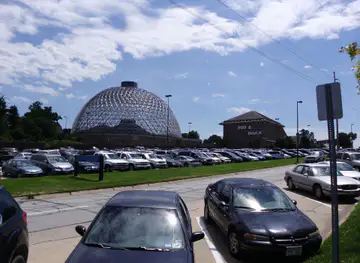 Omaha
Discover Omaha: A Midwest treasure with top-rated attractions, rich history, and vibrant culture, perfect for families, nature lovers, and art enthusiasts.
Omaha
Discover Omaha: A Midwest treasure with top-rated attractions, rich history, and vibrant culture, perfect for families, nature lovers, and art enthusiasts.
Swipe for more cities
Destinations in Missouri River Valley
Resorts, valleys and scenic spots worth a trip of their own.
-
 Eugene T. Mahoney State Park
Discover the natural beauty and outdoor adventures at Eugene T. Mahoney State Park, Nebraska's premier destination for relaxation and family fun.
Eugene T. Mahoney State Park
Discover the natural beauty and outdoor adventures at Eugene T. Mahoney State Park, Nebraska's premier destination for relaxation and family fun.
-
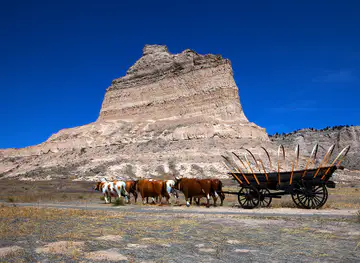 Platte River State Park
Explore Platte River State Park in Nebraska – a haven for nature enthusiasts with scenic trails, lush forests, waterfalls, and family-friendly activities.
Platte River State Park
Explore Platte River State Park in Nebraska – a haven for nature enthusiasts with scenic trails, lush forests, waterfalls, and family-friendly activities.
Swipe for more destinations
Best attractions in Missouri River Valley
The Missouri River Valley in Nebraska offers an enchanting blend of natural beauty and rich history, making it an irresistible destination for travelers. Visitors can explore the verdant landscapes of the Ponca State Park, with its scenic hiking trails and abundant wildlife, or delve into the storied past at the Lewis and Clark Interpretive Center, which brings to life the daring expedition of these famed explorers. The charming towns nestled along the valley, such as Nebraska City with its Arbor Lodge State Historical Park, invite tourists to step back in time and discover the region's pioneering spirit. Additionally, the Missouri River itself provides opportunities for thrilling water activities, from kayaking to fishing, ensuring that every adventurer finds their perfect experience in this captivating locale.
-
Tourist attraction
Omaha's Henry Doorly Zoo and Aquarium
Discover the wonders of wildlife at Omaha's Henry Doorly Zoo and Aquarium, a top-rated destination for family fun and education.
-
Tourist attraction
Lauritzen Gardens
Discover tranquility and botanical beauty at Lauritzen Gardens, Omaha's premier botanical garden with stunning landscapes and diverse plant collections.
-
Bridge
Bob Kerrey Pedestrian Bridge.
Experience the breathtaking beauty of Bob Kerrey Pedestrian Bridge, where you can walk between Nebraska and Iowa while enjoying stunning river views.
-
Tourist attraction
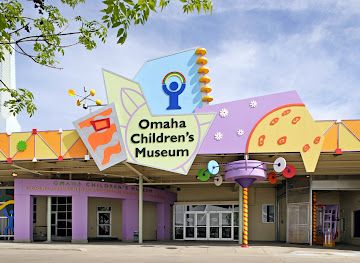
Omaha Children's Museum
Explore creativity and learning at Omaha Children's Museum, a top family destination in Omaha, Nebraska with interactive exhibits for all ages.

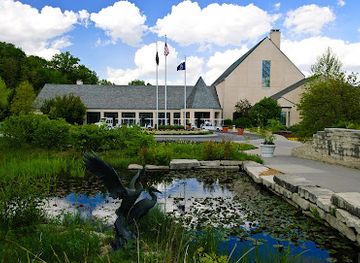
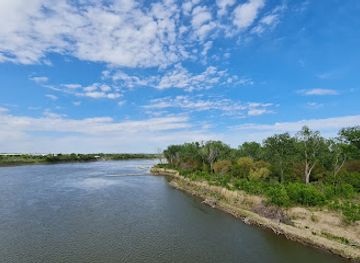
Best landmarks in Missouri River Valley
The Missouri River Valley in Nebraska offers a captivating journey through both natural beauty and rich history, where visitors can marvel at the expansive vistas of river bluffs and serene wetlands teeming with diverse wildlife. History enthusiasts will be drawn to the Lewis and Clark Visitor Center, which commemorates the famous expedition, while those with a penchant for architecture can explore the charming towns dotted with historic buildings. The lush trails of Indian Cave State Park provide an opportunity for outdoor adventure, with its ancient petroglyphs and scenic hiking paths. For a taste of local culture, the bustling markets and annual festivals in Omaha offer vibrant experiences, highlighting the region's unique blend of Native American and pioneer heritage. Whether you're kayaking along the river, exploring the remnants of ancient civilizations, or simply soaking in the panoramic views, the Missouri River Valley promises an enriching and unforgettable visit.
-
Botanical garden
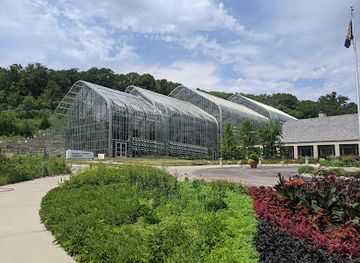
Lauritzen Gardens
Explore the enchanting Lauritzen Gardens, Omaha's botanical paradise offering breathtaking landscapes and serene spaces for relaxation and inspiration.
-
Museum
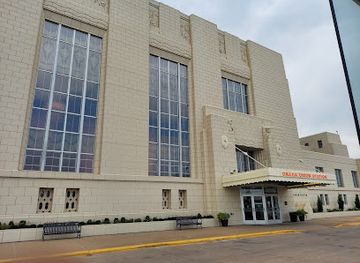
The Durham Museum
Discover Omaha's history at The Durham Museum, a stunning showcase of exhibits and the iconic Union Station architecture in Nebraska.
-
Breakfast
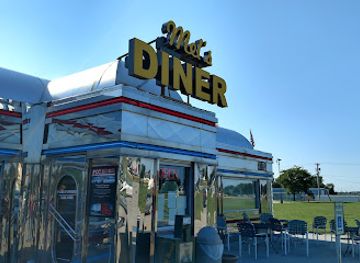
Mel's Diner
Experience the heart of American breakfast culture at Mel's Diner in Fremont, where every meal is a delightful celebration of flavor and warmth.
-
Historical place museum
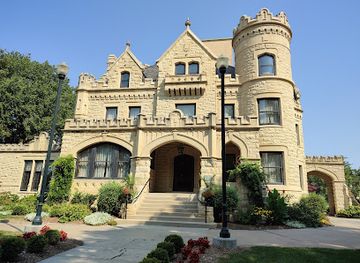
Joslyn Castle & Gardens
Explore the historic elegance of Joslyn Castle & Gardens in Omaha, a captivating museum showcasing exquisite architecture and lush landscapes.
Explore Missouri River Valley on the map
Plan your trip on one map. See where the top cities, national parks and sights are, and book hotels and experiences in a few clicks.
Best hotels in Missouri River Valley
Best restaurants in Missouri River Valley
Nestled within the picturesque landscapes of the Missouri River Valley, Nebraska's dining scene offers a delightful fusion of Midwestern hospitality and culinary exploration, where visitors can savor everything from farm-to-table delights to time-honored regional specialties. In the quaint towns along the river, diners can indulge in hearty comfort foods such as tender Nebraska beef steaks and succulent bison burgers, while charming local eateries offer fresh-caught fish and seasonal produce sourced from the fertile lands that stretch along the riverbanks. For those seeking a taste of cultural diversity, vibrant food festivals and markets celebrate the area's rich Native American and pioneer heritage, with offerings like cornbread, wild rice dishes, and traditional fry bread adding a unique flavor to the culinary landscape. The Missouri River Valley invites travelers to embark on a gastronomic journey that promises both rustic charm and innovative flavors, making it a must-visit destination for food enthusiasts.
-
Steak
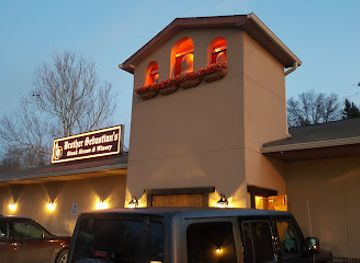
Brother Sebastian's Steakhouse
Experience gourmet dining at Brother Sebastian's Steakhouse in Omaha – where every steak is a masterpiece crafted with passion.
-
Buffet
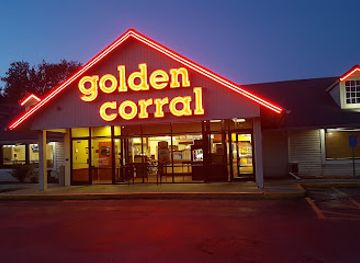
Golden Corral Buffet & Grill
Discover endless culinary delights at Golden Corral Buffet & Grill in Bellevue - perfect for families and food lovers alike.
-
Steak
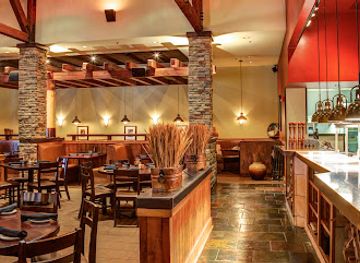
Firebirds Wood Fired Grill
Discover the rich flavors of expertly grilled steaks and fresh seafood at Firebirds Wood Fired Grill in Omaha's West neighborhood.
-
American
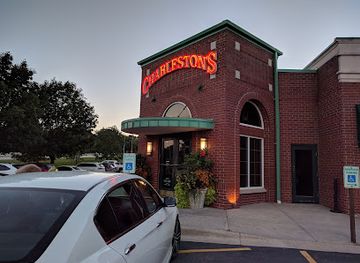
Charleston's Restaurant
Discover the best of American cuisine at Charleston's Restaurant in Omaha - where every meal is crafted with care.
Best bars in Missouri River Valley
-
Grill
Crescent Moon
Experience the vibrant flavors and lively atmosphere at Crescent Moon, Omaha's beloved grill and beer haven.
-
Bar
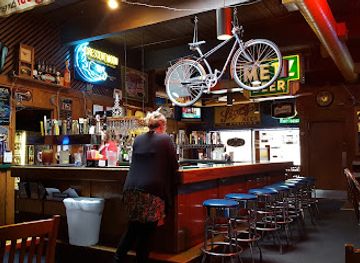
M's Pub
Experience the essence of Omaha at M's Pub, where amazing food meets a vibrant atmosphere in the heart of downtown.
-
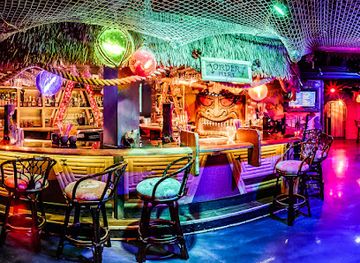
Cocktail bar
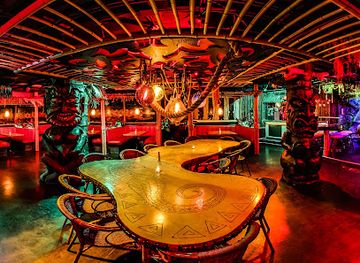
Laka Lono Rum Club
Discover the vibrant Laka Lono Rum Club in Omaha, where tropical cocktails and a relaxing atmosphere transport you to a paradise of flavor and fun.
-
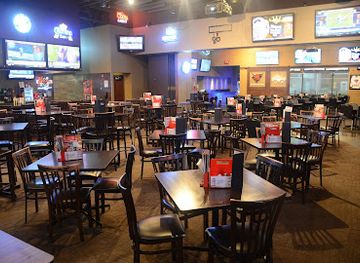
Restaurant
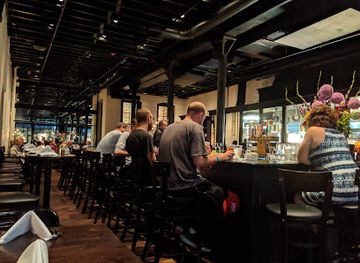
DJ's Dugout Sports Bar - Aksarben Village
Experience the vibrant atmosphere at DJ's Dugout Sports Bar in Aksarben Village, where delicious food and sports excitement come together.
Best nightclubs in Missouri River Valley
-
Cocktail bar
Laka Lono Rum Club
Discover a tropical paradise in downtown Omaha at Laka Lono Rum Club, where expertly crafted cocktails and vibrant ambiance await.
-
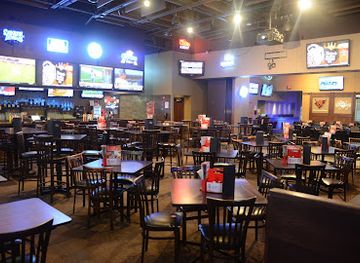
Restaurant
DJ's Dugout Sports Bar - Aksarben Village
Experience the ultimate sports bar atmosphere at DJ's Dugout in Omaha, where delicious food and lively games come together for an unforgettable outing.
-
Bar
Wicked Rabbit
Experience Omaha's vibrant nightlife at Wicked Rabbit, where creative cocktails and a lively atmosphere await you.
-
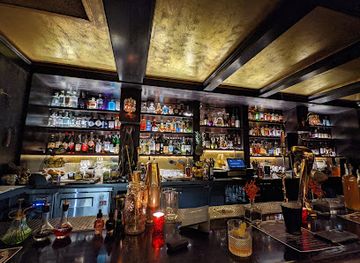
Bar
Nite Owl
Experience Omaha's vibrant nightlife at Nite Owl, a unique bar offering signature cocktails and a lively atmosphere in Midtown.
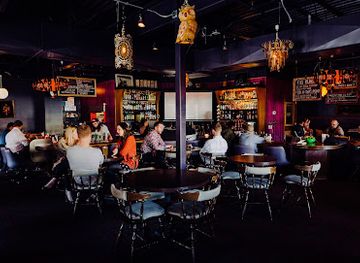
Best shops in Missouri River Valley
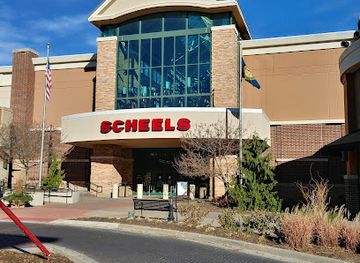
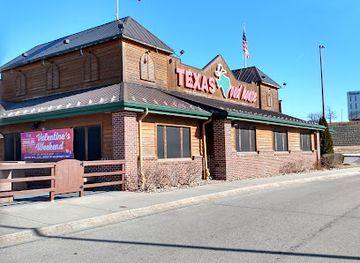
Nestled within the enchanting expanse of the Missouri River Valley in Nebraska, the shopping scene is a delightful blend of rustic charm and modern allure. Visitors can expect a treasure trove of unique finds, from quaint antique shops offering relics and memorabilia that echo the rich history of the area, to vibrant artisan markets where local artists showcase handcrafted jewelry, pottery, and textiles. The valley is also peppered with boutique wineries and artisanal food shops that invite travelers to indulge in local flavors, offering wine tastings and gourmet treats made from regional ingredients. For those seeking a modern shopping experience, there are upscale boutiques and designer stores that provide a contemporary twist amidst the charming backdrop of the river valley. Whether you're hunting for a one-of-a-kind souvenir or simply wish to explore the local culture through its commerce, the Missouri River Valley offers an eclectic mix that promises to captivate and delight every visitor.
-
Shopping mall
Village Pointe
Experience the charm of Village Pointe, an outdoor shopping paradise in Omaha, offering diverse shopping, delightful dining, and vibrant community events.
-
Shopping mall
Shadow Lake Towne Center
Discover shopping, dining, and entertainment at Shadow Lake Towne Center, Papillion's premier destination for tourists seeking a vibrant experience.
-
Women's clothing store
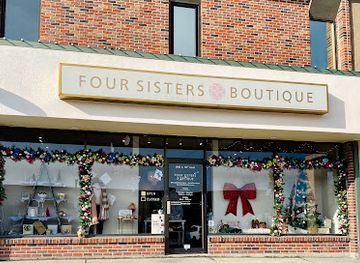
Womens Clothing in Omaha - Four Sisters Boutique
Explore Omaha's Four Sisters Boutique for trendy women's clothing and unique fashion accessories in a welcoming atmosphere.
-
Gift shop
Ashley's Vintage
Explore Ashley's Vintage in Omaha for unique gifts, collectibles, and a touch of local charm that brings your travel memories to life.
Get your free copy of our complete guide to Missouri River Valley, delivered straight to you.
Everything on this page, from attractions and restaurants to essentials and local phrases, in one PDF you can read offline, print or share.
Already have an account? Sign in
Your Missouri River Valley guide is ready.
We'll send it to · Not you? Sign out

Getting your guide ready…
We are putting together a fresh copy of the Missouri River Valley guide. This can take up to a minute.
This can take a few moments. If your browser asks, choose Allow so the download can start. You'll find the guide in your Downloads folder.
Nothing happened? Download it again
Sorry, the guide is taking longer than usual. Please try again in a minute, or get it by email instead.
Missouri River Valley essentials
Currency and Payment
Safety
Emergency Situations
Do's and Don'ts
Local Tips
From Eve
Local phrases worth knowing
You don't need to get them perfect. A few words go a long way, and locals appreciate the effort.
Basics
| English | Local | Say it |
|---|---|---|
| Hello | Howdy | [Ha-dee] |
| Goodbye | See ya | [See yah] |
| Yes | Yep | [Yep] |
| No | Nah | [Nah] |
| Please/You're welcome | Sure thing | [Shur thing] |
| Thank you | Thanks a lot | [Thanks uh lot] |
| Excuse me/Sorry | Pardon me | [Par-dun me] |
| How are you? | How's it goin'? | [How's it goin'?] |
| Fine. And you? | Good. And you? | [Good. An' you?] |
| Do you speak English? | You speak English? | [You speak English?] |
| I don't understand | I ain't followin' | [I ain't followin'] |
Eating & Drinking
| English | Local | Say it |
|---|---|---|
| I'd like to see the menu, please | Can I see the menu? | [Can I see thuh menu?] |
| I don't eat meat | I don't do meat | [I don't do meat] |
| Cheers! | Cheers! | [Cheers!] |
| I would like to pay, please | Can I get the check? | [Can I get thuh check?] |
Emergencies
| English | Local | Say it |
|---|---|---|
| Help! | Help! | [Help!] |
| Go away! | Get lost! | [Get lost!] |
| Call the Police! | Call the cops! | [Call thuh cops!] |
| Call a doctor! | Get a doc! | [Get a doc!] |
| I'm lost | I'm turned around | [I'm turned around] |
| I'm ill | I ain't feelin' well | [I ain't feelin' well] |
Shopping
| English | Local | Say it |
|---|---|---|
| I'd like to buy... | I wanna buy... | [I wanna buy...] |
| I'm just looking | Just lookin' | [Just lookin'] |
| How much is it? | What’s it gonna run me? | [What’s it gonna run me?] |
| That's too expensive | That's too high | [That's too high] |
| Can you lower the price? | Can ya make it cheaper? | [Can ya make it cheaper?] |
Time & Numbers
| English | Local | Say it |
|---|---|---|
| What time is it? | What time ya got? | [What time ya got?] |
| It's one o'clock | It's one o'clock | [It's one o'clock] |
| Half past (10) | Half past ten | [Half past ten] |
| Morning | Mornin' | [Mornin'] |
| Afternoon | Afternoon | [Afternoon] |
| Evening | Evenin' | [Evenin'] |
| Yesterday | Yesterday | [Yesterday] |
| Today | Today | [Today] |
| Tomorrow | Tomorrow | [Tomorrow] |
| 1 | One | [One] |
| 2 | Two | [Two] |
| 3 | Three | [Three] |
| 4 | Four | [Four] |
| 5 | Five | [Five] |
| 6 | Six | [Six] |
| 7 | Seven | [Seven] |
| 8 | Eight | [Eight] |
| 9 | Nine | [Nine] |
| 10 | Ten | [Ten] |
Transport & Directions
| English | Local | Say it |
|---|---|---|
| Where's a/the...? | Where’s the...? | [Where’s thuh...?] |
| What's the address? | What’s the address? | [What’s thuh address?] |
| Can you show me (on the map)? | Can ya show me on the map? | [Can ya show me on thuh map?] |
| When's the next (bus)? | When’s the next bus? | [When’s thuh next bus?] |
| A ticket (to ....) | A ticket to... | [A ticket to...] |
History of Missouri River Valley
Prehistoric Inhabitants
The Missouri River Valley in Nebraska was first inhabited by indigenous peoples thousands of years ago. Archaeological evidence points to the presence of Paleo-Indians who hunted large game like mammoths. Over the centuries, the valley saw the rise of various Native American cultures, including the Mississippian and Plains Village cultures.
The Lewis and Clark Expedition
In 1804, the famous Lewis and Clark Expedition passed through the Missouri River Valley as part of their journey to explore the newly acquired Louisiana Territory. The expedition's encounters with the Otoe and Missouria tribes near present-day Nebraska City are well-documented, offering a glimpse into the early interactions between Native Americans and European explorers.
Fort Atkinson
Established in 1819, Fort Atkinson was the first U.S. Army post west of the Missouri River. The fort served as a key military outpost and trading hub, playing a significant role in the westward expansion of the United States. It was also a site of interaction between the U.S. government and various Native American tribes.
Steamboat Era
The Missouri River became a vital transportation route during the 19th century, especially with the advent of steamboats. These vessels facilitated the movement of goods and people, contributing significantly to the growth of settlements like Omaha and Nebraska City. The river's role in commerce helped shape the economic landscape of the region.
The Homestead Act
The Homestead Act of 1862 encouraged westward migration by providing settlers with 160 acres of public land. Many homesteaders chose to settle in the fertile lands of the Missouri River Valley, transforming the area into a patchwork of farms and small communities. This period marked significant demographic and agricultural development.
The Transcontinental Railroad
The completion of the Transcontinental Railroad in 1869 was a monumental event for the Missouri River Valley. Omaha served as a major hub for the Union Pacific Railroad, linking the eastern United States with the West. This development spurred economic growth and increased the region's importance as a transportation and logistics center.
World War II and Defense Industries
During World War II, the Missouri River Valley in Nebraska became an important site for defense industries. The Martin Bomber Plant in Omaha produced thousands of B-29 bombers, contributing significantly to the U.S. war effort. The influx of workers and resources during this time helped modernize the region's infrastructure and economy.
Modern Conservation Efforts
In recent decades, there has been a growing emphasis on the conservation of the Missouri River and its surrounding ecosystems. Various initiatives aim to preserve the natural beauty and biodiversity of the valley while balancing the needs of agriculture and industry. The Missouri River Recovery Program, for example, focuses on habitat restoration and species protection.
Missouri River Valley in Photos
Browse through our photo collection highlighting the charm and character of the destination.
Neighbouring regions of Missouri River Valley
The closest regions to Missouri River Valley, if you have time for more than one.
-
 Dissected Till Plains
Discover the serene beauty and rich history of Nebraska's Dissected Till Plains, a perfect blend of nature, culture, and adventure.
Dissected Till Plains
Discover the serene beauty and rich history of Nebraska's Dissected Till Plains, a perfect blend of nature, culture, and adventure.
-
 Eastern Nebraska
Discover Eastern Nebraska: Where vibrant cities meet scenic prairies, offering a unique blend of culture, history, and outdoor adventure.
Eastern Nebraska
Discover Eastern Nebraska: Where vibrant cities meet scenic prairies, offering a unique blend of culture, history, and outdoor adventure.
-
 Southeast Nebraska
Discover the charm of Southeast Nebraska, where rolling hills, historical landmarks, and vibrant local culture meet in the heart of America's Great Plains.
Southeast Nebraska
Discover the charm of Southeast Nebraska, where rolling hills, historical landmarks, and vibrant local culture meet in the heart of America's Great Plains.
-
 Platte River Valley
Discover the serene beauty and rich history of Nebraska's Platte River Valley, a haven for nature lovers, bird watchers, and history enthusiasts alike.
Platte River Valley
Discover the serene beauty and rich history of Nebraska's Platte River Valley, a haven for nature lovers, bird watchers, and history enthusiasts alike.
-
 Blue River Valley
Discover the serene beauty of Blue River Valley in Nebraska – a perfect getaway for nature lovers, history enthusiasts, and those seeking tranquility.
Blue River Valley
Discover the serene beauty of Blue River Valley in Nebraska – a perfect getaway for nature lovers, history enthusiasts, and those seeking tranquility.
Swipe for more regions

