

Free Southeast Nebraska Travel Guide & Mobile App
Explore Southeast Nebraska with free travel guides. Discover regional history, expert tips, proposed trips, and audio guides on web or mobile app.


Explore Southeast Nebraska for Lincoln’s arts, Missouri River towns, prairie trails, homestead history, orchards and wooded state parks.
Read more about Southeast Nebraska
When is the best time to visit Southeast Nebraska?
Best: May, September–October · 18–25°C| Month | High (°C) | Rainfall (mm) |
|---|---|---|
| January | 1 | 20 |
| February | 3 | 23 |
| March | 10 | 41 |
| April | 18 | 72 |
| May (best) | 23 | 102 |
| June | 28 | 110 |
| July | 31 | 104 |
| August | 30 | 93 |
| September (best) | 25 | 74 |
| October (best) | 18 | 56 |
| November | 11 | 32 |
| December | 3 | 24 |
Getting to and around Southeast Nebraska
How to get there
Transportation
Top city travel guides in Southeast Nebraska
The cities of Southeast Nebraska, and the easiest places to base yourself.
-

-

-
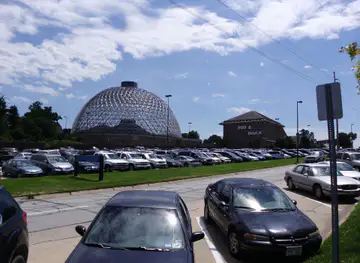
-

-
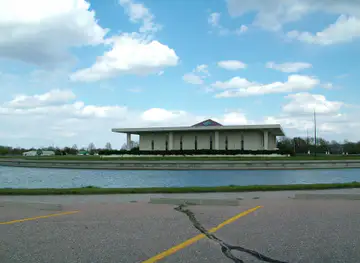


Swipe for more cities
Destinations in Southeast Nebraska
Resorts, valleys and scenic spots worth a trip of their own.
-

-
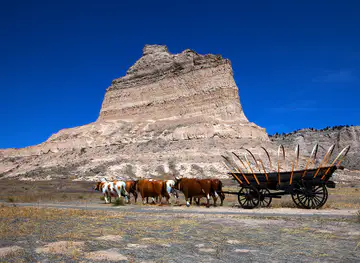
-


Swipe for more destinations
Best attractions in Southeast Nebraska
Southeast Nebraska’s attractions range from the museums, galleries, theatres and university institutions of Lincoln to small-town historic collections and outdoor sites along the region’s rivers. Homestead National Historical Park near Beatrice is a major interpretive destination, combining a museum and education facilities with restored tallgrass prairie and woodland connected to the homesteading story. Nebraska City offers Arbor Day-related attractions, orchards and gardens, while Brownville contributes historic buildings, cultural programming and a distinctive Missouri River setting. Indian Cave State Park, in the region’s southeastern corner, provides hiking, camping, fishing and wooded river scenery, with archaeological and Indigenous history forming part of its interpretation. State recreation areas, wildlife habitat and trail networks offer opportunities for birdwatching, cycling, boating and quiet walks. The attraction landscape is less concentrated than in a large metropolitan destination, so a good itinerary mixes Lincoln’s indoor culture with planned drives through prairie and river country. Seasonal events, county museums, courthouse squares and local heritage centres add detail to communities that are often overlooked when visitors travel quickly across the state.
-
Tourist attraction
Lincoln Children's Zoo
Explore Lincoln Children's Zoo, a vibrant family-friendly attraction featuring over 400 animals and engaging wildlife experiences in the heart of Nebraska.
-
Park
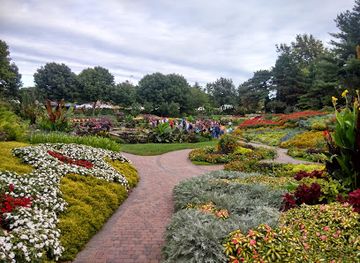
Sunken Gardens
Discover the enchanting beauty of Sunken Gardens in Lincoln, Nebraska, where vibrant flowers and serene landscapes create a tranquil escape for all visitors.
-
Museum
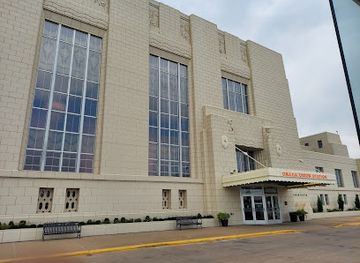
The Durham Museum
Discover Omaha's history at The Durham Museum, where engaging exhibits and stunning architecture meet to narrate Nebraska's rich cultural tale.
-
Tourist attraction
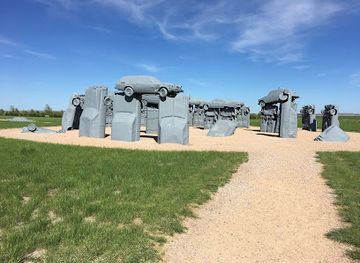
Carhenge
Experience the whimsical artistry of Carhenge, a unique tribute to Stonehenge in the heart of Nebraska, blending creativity and history.
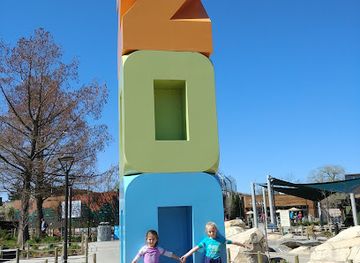
Best landmarks in Southeast Nebraska
The Nebraska State Capitol in Lincoln is southeast Nebraska’s most recognisable civic landmark, distinguished by its tower, mosaics, sculpture and symbolic programme of state history. In the city, the surrounding government district helps explain why Lincoln replaced earlier river settlements as Nebraska’s capital after statehood. Homestead National Historical Park near Beatrice is marked less by monumental architecture than by the preserved relationship between prairie, woodland, streams and the Freeman homestead story, making the landscape itself a significant historical landmark. Nebraska City’s Arbor Lodge, former home of J. Sterling Morton, reflects the town’s association with tree planting and the origins of Arbor Day, while the city’s orchards and mature plantings give the locality a distinctive visual identity. Brownville’s historic river-town streets and preserved nineteenth-century buildings recall its territorial-era importance. Farther south, the wooded bluffs and river views of Indian Cave State Park provide one of the region’s clearest natural landmarks, contrasting with the open agricultural plains around Lincoln and Beatrice.
-
Park
Sunken Gardens
Explore the stunning Sunken Gardens in Lincoln, Nebraska – a floral paradise offering tranquility, beauty, and a perfect escape for nature lovers.
-
Amphitheater
Pinewood Bowl Theater
Experience unforgettable performances in the stunning outdoor setting of Pinewood Bowl Theater, a gem in Lincoln, Nebraska.
-
Natural history museum
University of Nebraska State Museum - Morrill Hall
Explore the University of Nebraska State Museum - Morrill Hall, where natural history comes to life through engaging exhibits and unforgettable experiences.
-
Baseball field
Haymarket Park
Experience the excitement of baseball at Haymarket Park, Lincoln's premier venue for family fun and sporting events in the heart of Nebraska.
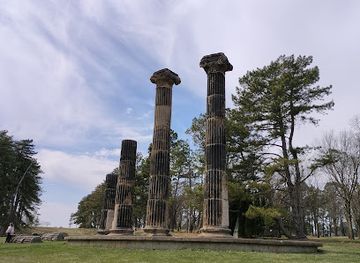
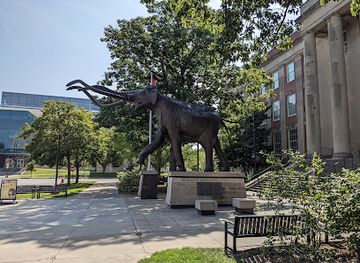
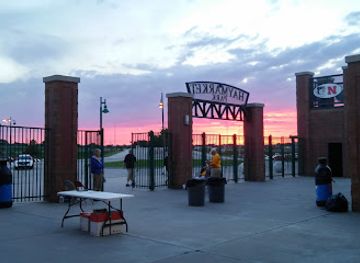
Explore Southeast Nebraska on the map
Plan your trip on one map. See where the top cities, national parks and sights are, and book hotels and experiences in a few clicks.
Best hotels in Southeast Nebraska
Best restaurants in Southeast Nebraska
Dining in southeast Nebraska reflects the state’s agricultural economy, with Lincoln providing the broadest choice of restaurants, cafés, bakeries, food halls and international cuisines. Independent establishments and contemporary restaurants sit alongside familiar American diners, pubs and family-run venues. Outside the capital, Nebraska City is associated with orchards, apples and seasonal produce, while farmers’ markets and roadside sellers across the region may offer fruit, vegetables, baked goods, preserves and locally produced foods when in season. Rural towns retain cafés and traditional diners that suit road trips and courthouse-square visits, and community events often feature practical regional cooking rather than elaborate culinary presentation. Nebraska is also known for beef and other prairie-region products, although these belong to the wider cuisine of the Great Plains rather than southeast Nebraska alone. Check seasonal opening arrangements in small communities, and consider buying orchard produce or locally made goods directly from established producers where permitted.
-
Steak
Round the Bend Steakhouse
Experience delicious steaks and warm hospitality at Round the Bend Steakhouse in Ashland, Nebraska - a haven for meat lovers.
-
Grill
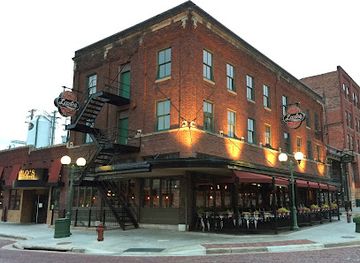
Lazlo's Brewery & Grill - Haymarket
Discover the best American cuisine and craft beers at Lazlo's Brewery & Grill in Lincoln's historic Haymarket district.
-
Steak
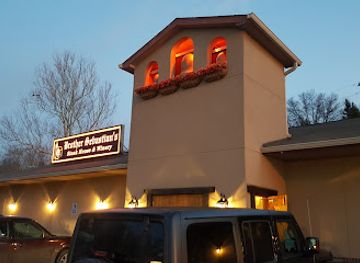
Brother Sebastian's Steakhouse
Experience the finest steaks in Omaha at Brother Sebastian's Steakhouse, where flavor meets tradition in an inviting atmosphere.
-
American
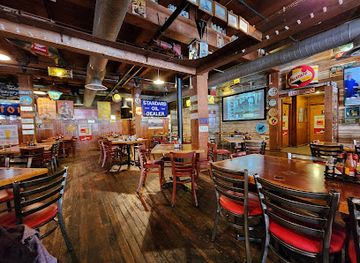
Buzzard Billy's
Experience vibrant American dining at Buzzard Billy's in Lincoln—where Creole flavors meet a lively bar & grill atmosphere.
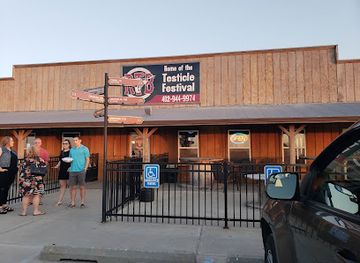
Best bars in Southeast Nebraska
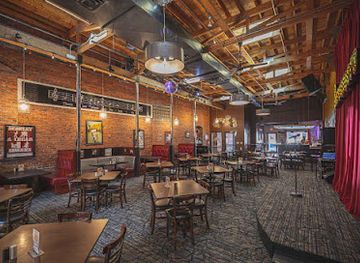
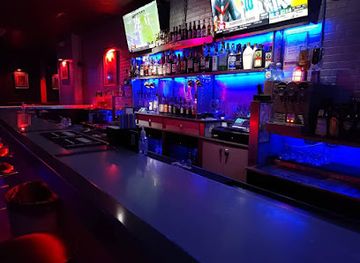
Lincoln is the region’s main evening centre, with the most varied selection of pubs, breweries, cocktail bars, live-music venues, restaurants and performing-arts programming. Nightlife is concentrated around central and university-adjacent areas, though the character changes with the academic calendar and individual venue schedules. In Nebraska City, Beatrice, Brownville, Auburn and Falls City, evenings are more likely to centre on traditional pubs, restaurants, community events and occasional live entertainment than on a large club scene. Historic inns and locally oriented bars provide social spaces in smaller towns, while craft breweries and taprooms form part of the broader contemporary drinking culture where available. Rural nightlife is generally quieter and dispersed, so visitors should not assume late transport between towns. Check current arrangements before planning around a particular performance, bar or seasonal event, and remember that alcohol service and driving regulations are governed by Nebraska law.
-
Grill
Buck's Bar and Grill
Buck's Bar and Grill: A lively dining destination in Waterloo, NE, serving up delicious grill fare and live music for a memorable experience.
-
Bar
Screamers Family Restaurant
Experience the vibrant flavors of American cuisine at Screamers Family Restaurant, a family-friendly dining destination in Lincoln, Nebraska.
-
Cocktail bar
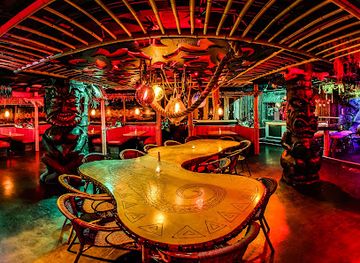
Laka Lono Rum Club
Experience Omaha's vibrant nightlife at Laka Lono Rum Club, where unique cocktails and a tropical vibe await every visitor.
-
Bar
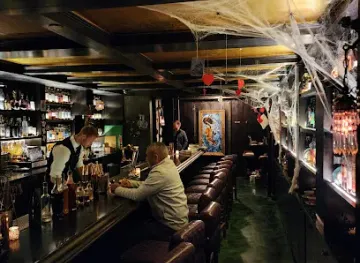
Wicked Rabbit
Discover Wicked Rabbit in Downtown Omaha – a vibrant bar known for unique cocktails and a welcoming atmosphere perfect for any night out.
Best nightclubs in Southeast Nebraska
Lincoln is the region’s main evening centre, with the most varied selection of pubs, breweries, cocktail bars, live-music venues, restaurants and performing-arts programming. Nightlife is concentrated around central and university-adjacent areas, though the character changes with the academic calendar and individual venue schedules. In Nebraska City, Beatrice, Brownville, Auburn and Falls City, evenings are more likely to centre on traditional pubs, restaurants, community events and occasional live entertainment than on a large club scene. Historic inns and locally oriented bars provide social spaces in smaller towns, while craft breweries and taprooms form part of the broader contemporary drinking culture where available. Rural nightlife is generally quieter and dispersed, so visitors should not assume late transport between towns. Check current arrangements before planning around a particular performance, bar or seasonal event, and remember that alcohol service and driving regulations are governed by Nebraska law.
-
Lounge
Starlite Lounge & Banquet Room
Experience the vibrant nightlife of Lincoln at Starlite Lounge & Banquet Room, where cocktails and celebrations come together in a cozy atmosphere.
-
Bar
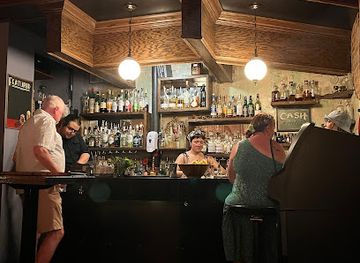
The Other Room
Discover the vibrant atmosphere and exquisite cocktails at The Other Room, Lincoln's premier cocktail bar and lounge.
-
Adult entertainment club
The Night Before Lounge
Discover the vibrant nightlife at The Night Before Lounge, Lincoln's premier adult entertainment club with music, dancing, and dazzling performances.
-
Night club
Rhythmz Lounge
Discover the pulse of Omaha's nightlife at Rhythmz Lounge, where great music, delicious drinks, and vibrant energy await every night.


Best shops in Southeast Nebraska
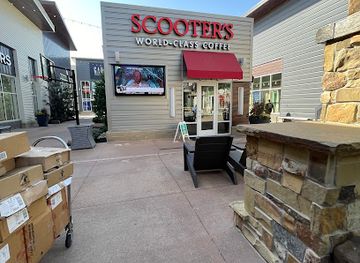
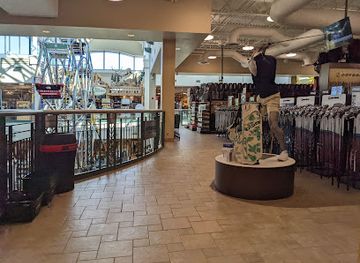
Shopping in southeast Nebraska is led by Lincoln’s established retail districts, independent shops, galleries, bookstores, specialist food retailers and larger commercial areas. The capital offers the widest choice for clothing, household goods and locally made arts, while its market and gallery culture can provide more regionally distinctive purchases than national chains. Nebraska City is the principal destination for orchard products, nursery-related goods, seasonal fruit, preserves and gifts connected with its tree-growing heritage. In Beatrice, Brownville, Auburn and other smaller towns, look for antiques, books, craftwork, locally produced foods and independent shops around historic commercial streets, although opening days can be limited. Farmers’ markets are seasonal and community-based, with offerings varying by harvest and weather. Useful souvenirs include Nebraska food products, prairie-themed art, books on local history and handmade goods, but visitors should distinguish genuinely local products from generic merchandise sold throughout the United States.
-
Shopping mall
Westroads Mall
Discover the ultimate shopping experience at Westroads Mall in Omaha, featuring diverse stores, dining, and entertainment for all ages.
-
Shopping mall
Nebraska Crossing
Discover unbeatable deals and a diverse shopping experience at Nebraska Crossing, Nebraska's premier outlet shopping destination.
-
Shopping mall
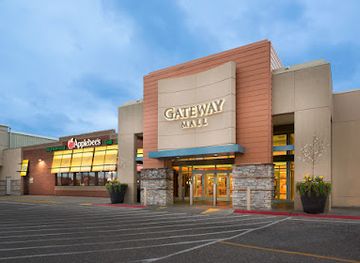
Gateway Mall
Discover endless shopping, dining, and entertainment at Gateway Mall, Lincoln's top destination for a fantastic shopping experience.
-
Shopping mall
Village Pointe
Explore Village Pointe in Omaha, a premier shopping mall offering diverse retail, delightful dining, and vibrant entertainment for visitors of all ages.

Get your free copy of our complete guide to Southeast Nebraska, delivered straight to you.
Everything on this page, from attractions and restaurants to essentials and local phrases, in one PDF you can read offline, print or share.
Already have an account? Sign in
Your Southeast Nebraska guide is ready.
We'll send it to · Not you? Sign out

Getting your guide ready…
We are putting together a fresh copy of the Southeast Nebraska guide. This can take up to a minute.
This can take a few moments. If your browser asks, choose Allow so the download can start. You'll find the guide in your Downloads folder.
Nothing happened? Download it again
Sorry, the guide is taking longer than usual. Please try again in a minute, or get it by email instead.
Southeast Nebraska essentials
Currency and Payment
Safety
Emergency Situations
Do's and Don'ts
Local Tips
From Eve
Local phrases worth knowing
You don't need to get them perfect. A few words go a long way, and locals appreciate the effort.
Basics
| English | Local | Say it |
|---|---|---|
| Hello | Howdy | [How-dee] |
| Goodbye | See you later | [See yuh lay-ter] |
| Yes | Yep | [Yep] |
| No | Nah | [Nah] |
| Please/You're welcome | No problem | [No prob-lum] |
| Thank you | Thanks | [Thanks] |
| Excuse me/Sorry | Excuse me | [Ex-cuse me] |
| How are you? | How ya doin'? | [How ya doin'?] |
| Fine. And you? | Good, and you? | [Good, and you?] |
| Do you speak English? | Do ya speak English? | [Do ya speak English?] |
| I don't understand | I don't get it | [I don't get it] |
Eating & Drinking
| English | Local | Say it |
|---|---|---|
| I'd like to see the menu, please | Can I see the menu? | [Can I see the menu?] |
| I don't eat meat | I’m a vegetarian | [I'm a ve-ge-ta-rian] |
| Cheers! | Cheers! | [Cheers!] |
| I would like to pay, please | Can I get the check? | [Can I get the check?] |
Emergencies
| English | Local | Say it |
|---|---|---|
| Help! | Help! | [Help!] |
| Go away! | Leave me alone! | [Leave me alone!] |
| Call the Police! | Call the cops! | [Call the cops!] |
| Call a doctor! | Get a doctor! | [Get a doctor!] |
| I'm lost | I'm turned around | [I'm turned around] |
| I'm ill | I'm not feeling well | [I'm not feeling well] |
Shopping
| English | Local | Say it |
|---|---|---|
| I'd like to buy... | I want to buy... | [I want to buy...] |
| I'm just looking | Just browsing | [Just browsing] |
| How much is it? | What's the price? | [What's the price?] |
| That's too expensive | That's a bit much | [That's a bit much] |
| Can you lower the price? | Can you give me a better price? | [Can you give me a better price?] |
Time & Numbers
| English | Local | Say it |
|---|---|---|
| What time is it? | What time is it? | [What time is it?] |
| It's one o'clock | It's one o'clock | [It's one o'clock] |
| Half past (10) | Half past ten | [Half past ten] |
| Morning | Morning | [Morning] |
| Afternoon | Afternoon | [Afternoon] |
| Evening | Evening | [Evening] |
| Yesterday | Yesterday | [Yesterday] |
| Today | Today | [Today] |
| Tomorrow | Tomorrow | [Tomorrow] |
| 1 | One | [One] |
| 2 | Two | [Two] |
| 3 | Three | [Three] |
| 4 | Four | [Four] |
| 5 | Five | [Five] |
| 6 | Six | [Six] |
| 7 | Seven | [Seven] |
| 8 | Eight | [Eight] |
| 9 | Nine | [Nine] |
| 10 | Ten | [Ten] |
Transport & Directions
| English | Local | Say it |
|---|---|---|
| Where's a/the...? | Where's the...? | [Where's the...?] |
| What's the address? | What's the address? | [What's the address?] |
| Can you show me (on the map)? | Can you point it out? | [Can you point it out?] |
| When's the next (bus)? | When's the next bus? | [When's the next bus?] |
| A ticket (to ....) | A ticket to... | [A ticket to...] |
History of Southeast Nebraska
Indigenous Homelands and River Corridors
Long before Euro-American settlement, the prairies and river valleys of southeast Nebraska were used, travelled and managed by Indigenous peoples, including the Otoe-Missouria and Pawnee, among other communities with regional connections. The Missouri and Platte corridors provided routes for movement, hunting, trade and cultural exchange. Indigenous histories remain essential to understanding the region, even though later settlement often displaced communities and obscured earlier land use. Visitors can encounter aspects of this deeper past through archaeological interpretation, place histories and the landscape itself rather than viewing Nebraska solely through the story of nineteenth-century pioneers.
The Missouri River Fur and Trade Frontier
During the early nineteenth century, the Missouri River formed a major route for exploration, commerce and the fur trade. Trading posts and river landings connected the interior plains with settlements farther east, while steamboats later carried people and goods along the river. Nebraska City developed as an important supply and transport point because of its position on the river and its links to overland routes. Brownville also grew as a river town, benefiting from commerce and its location within the developing territorial network. The river’s economic importance declined as railways expanded, but its settlement pattern remains visible in the region’s historic towns.
Territorial Government and Brownville
Nebraska became a US territory in 1854, opening a period of rapid institutional and commercial development. Brownville, founded in the 1850s on the Missouri River, became the first incorporated town in Nebraska Territory and briefly served as an early territorial capital before Omaha assumed that role. Lawyers, merchants, newspapers and transport businesses gathered there as the territory’s political and economic structures took shape. Brownville’s surviving historic buildings and river setting reflect this formative period. The territorial era also brought profound pressure on Indigenous nations and accelerated the transformation of prairie and river landscapes through land claims, roads and settlement.
Statehood and the Creation of Lincoln, 1867
Nebraska entered the Union as a state in 1867, and the legislature selected Lincoln, then known as Lancaster, as the capital. The choice shifted political attention westward from the Missouri River settlements and gave the developing community a lasting civic role. Government buildings, educational institutions and commercial services expanded around the new capital, while rail connections strengthened its ties with agricultural districts across southeast Nebraska. Lincoln’s later growth has made it the region’s principal centre for administration, culture and higher education, but its origins remain connected to the broader post-territorial reorganisation of Nebraska.
Railways, Agriculture and Town Building
Railway expansion in the late nineteenth century transformed southeast Nebraska. Lines linked farming districts with markets, encouraged the growth of towns and reduced dependence on river transport and wagon routes. Grain handling, livestock production, milling, agricultural machinery and local retail became central to community economies. Beatrice, Nebraska City, Auburn, Falls City and other towns developed civic buildings, warehouses, churches and commercial streets during this period. The railway also brought migration and changing patterns of land ownership. Although many former railway functions have disappeared, the region’s town plans, depots, courthouse squares and agricultural traditions still reflect this era.
Homesteading and the Prairie Landscape
The Homestead Act of 1862 encouraged settlers to claim federally administered land by living on and improving it, and Nebraska became one of the states most closely associated with the homesteading story. The first successful homestead claim under the act was filed by Daniel Freeman near Beatrice in 1863. Homestead National Historical Park preserves and interprets that history, while its restored prairie and woodland demonstrate the environmental setting faced by settlers. Homesteading brought opportunity to some families but also involved dispossession, difficult environmental conditions and unequal access to land. Its legacy remains important to both national and regional identity.
Modern Conservation and Cultural Renewal
Twentieth- and twenty-first-century southeast Nebraska have been shaped by agricultural change, urban growth, river management and efforts to preserve prairie, woodland and historic places. Lincoln expanded as a state-government and university centre, while smaller towns adapted to changes in rail transport, farming and retail. Conservation areas and state parks protect parts of the region’s grassland and river-valley ecology, and heritage organisations maintain historic homes, museums and community archives. The modern region therefore combines an active capital city with rural communities that are preserving selected landscapes and buildings while negotiating the economic pressures facing many agricultural areas.
Southeast Nebraska in Photos
Browse through our photo collection highlighting the charm and character of the destination.
Neighbouring regions of Southeast Nebraska
The closest regions to Southeast Nebraska, if you have time for more than one.
-

-

-

-

-


Swipe for more regions
Explore more

Explore more of Nebraska
Discover Nebraska: A blend of rich history, diverse landscapes, and unique attractions in the heartland of America.
Explore Nebraska