

Free Eastern Nebraska Travel Guide & Mobile App
Explore Eastern Nebraska with free travel guides. Discover regional history, expert tips, proposed trips, and audio guides on web or mobile app.


Explore Eastern Nebraska for Omaha’s riverfront culture, Lincoln’s civic heritage, prairie landscapes, wildlife, heritage towns and local food.
Read more about Eastern Nebraska
Getting to and around Eastern Nebraska
How to get there
Transportation
Top city travel guides in Eastern Nebraska
The cities of Eastern Nebraska, and the easiest places to base yourself.
-

-

-
-

-

-


Swipe for more cities
Destinations in Eastern Nebraska
Resorts, valleys and scenic spots worth a trip of their own.
-

-


Swipe for more destinations
Best attractions in Eastern Nebraska
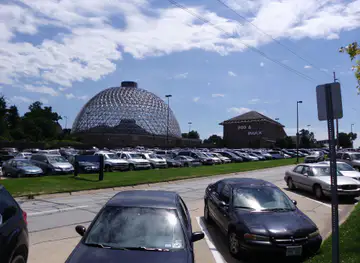
Eastern Nebraska’s attractions range from major urban institutions to river valleys, woodland and agricultural countryside. Omaha provides the broadest concentration, including the Henry Doorly Zoo and Aquarium, the Old Market, riverfront parks and museums covering art, regional history and the state’s industrial development. Nearby Bellevue leads towards Fontenelle Forest, whose steep, wooded ravines offer a marked contrast with the open farmland. Lincoln combines the Nebraska State Capitol with galleries, university museums, gardens, performing arts and an extensive network of parks and trails. In the central part of the region, Ashland’s Strategic Air Command and Aerospace Museum examines aviation and Cold War history, while the Platte River corridor supports birdwatching, cycling and nature walks. Nebraska City adds orchards, gardens and Arbor Day heritage, and small communities along the Missouri and Platte retain historic streets, churches and local museums. Outdoor activities are generally gentle rather than mountainous, centred on walking, cycling, boating, wildlife observation and seasonal events.
-
Tourist attraction
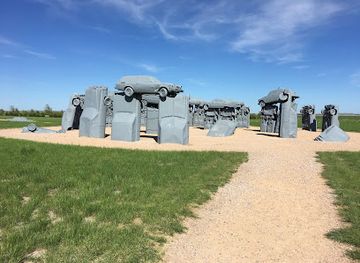
Carhenge
Visit Carhenge in Alliance, Nebraska, a quirky automotive tribute to Stonehenge that's a must-see for art lovers and history enthusiasts alike.
-
Historical place
Great Platte River Road Archway Monument
Experience the history of America's westward expansion at the Great Platte River Road Archway Monument, a unique journey through time in Kearney, Nebraska.
-
Museum
Fort Robinson Museum & History Center
Immerse yourself in the captivating history of Nebraska at Fort Robinson Museum & History Center, a cultural haven for history enthusiasts and curious travelers.
-
Tourist attraction
World's Largest Time Capsule
Discover the World's Largest Time Capsule in Seward, Nebraska – a unique attraction preserving history and memories for future generations.


Best landmarks in Eastern Nebraska
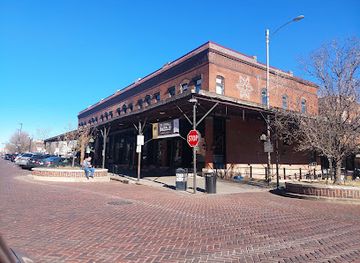
The Nebraska State Capitol in Lincoln is Eastern Nebraska’s most prominent civic landmark, distinguished by its towered form, mosaics, sculpture and views across the capital. Omaha’s Old Market is a landmark urban district rather than a single monument: nineteenth-century brick warehouses, narrow streets and former wholesale buildings preserve the city’s commercial past. The Bob Kerrey Pedestrian Bridge spans the Missouri River between Omaha and Council Bluffs, Iowa; it is outside Nebraska in part and should be understood as a cross-border viewpoint rather than solely an Omaha landmark. In Bellevue, Fontenelle Forest’s wooded ravines mark an important natural landscape close to the metropolitan area, while Fort Atkinson near Fort Calhoun recalls the early United States military presence on the Missouri frontier. Nebraska City’s Arbor Lodge and its associated grounds represent the region’s connection with J. Sterling Morton and the origins of Arbor Day. Along the Platte, the broad braided river channel and surrounding wetlands form a geographical landmark whose importance is ecological as well as scenic.
-
Tourist attraction
World's Largest Time Capsule
Explore the World's Largest Time Capsule in Seward, Nebraska, where history and creativity come together in a monumental timepiece.

Explore Eastern Nebraska on the map
Plan your trip on one map. See where the top cities, national parks and sights are, and book hotels and experiences in a few clicks.
Best hotels in Eastern Nebraska
Best restaurants in Eastern Nebraska
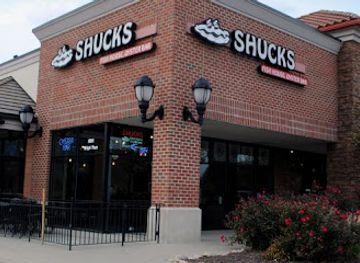
Dining in Eastern Nebraska reflects both Midwestern agriculture and increasingly diverse urban communities. Omaha and Lincoln offer steakhouses, contemporary American cooking, Mexican, Asian, Middle Eastern, South Asian and other international cuisines, with independent cafés and bakeries adding character to established neighbourhoods. Nebraska beef is prominent, but visitors should also look for pork, corn, seasonal vegetables, locally produced beer and orchard fruit from the Missouri Valley. Runza, a baked bread pocket filled traditionally with seasoned beef and cabbage, is a Nebraska-associated fast-food speciality, while kolaches reflect Czech heritage in parts of the state and region. Farmers’ markets in the larger cities and smaller communities provide opportunities to find honey, preserves, baked goods and seasonal produce. Rural towns are more likely to centre on diners, cafés, taverns and family-run restaurants, so opening arrangements can be limited outside peak daytime or evening periods.
-
Steak
Round the Bend Steakhouse
Experience top-notch steaks and a cozy atmosphere at Round the Bend Steakhouse in Ashland, Nebraska - where every meal is a celebration.
-
Buffet
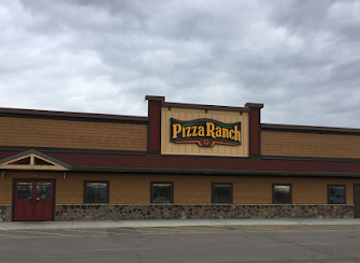
Pizza Ranch
Savor mouthwatering pizza and crispy chicken at Pizza Ranch in Norfolk – the perfect spot for families and food enthusiasts!
-
Steak
Kahill's Chophouse
Discover culinary excellence at Kahill's Chophouse in South Sioux City—where premium steaks meet fresh seafood in an inviting atmosphere.
-
Mexican
Michael's Cantina
Discover Michael's Cantina: A lively Mexican restaurant and sports bar in Norfolk, NE offering authentic cuisine and vibrant entertainment.
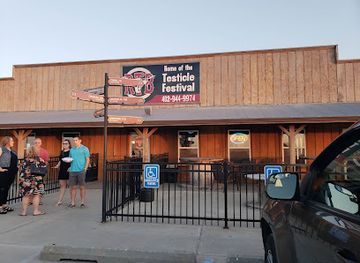

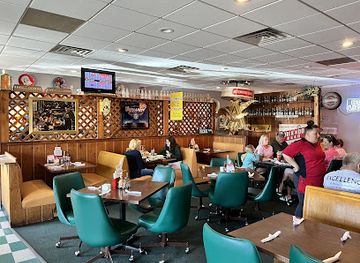
Best bars in Eastern Nebraska
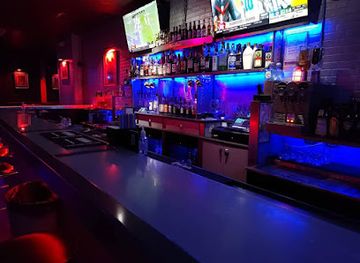
Omaha has Eastern Nebraska’s broadest evening scene, with bars and restaurants in the Old Market, the Blackstone District and other established neighbourhoods, alongside live music, comedy, theatre and larger entertainment venues. Lincoln’s university population supports a concentrated selection of pubs, bars, cafés and live-music spaces, particularly around downtown and areas near the University of Nebraska campus. Breweries and taprooms are found in both cities, complementing Nebraska’s wider craft-beer culture. Outside Omaha and Lincoln, evening life is more likely to centre on local taverns, historic inns, restaurants, community events and occasional live music than on dedicated nightclubs. Summer festivals and university calendars can alter the atmosphere, but schedules and venue status vary, so check locally rather than relying on outdated listings.
-
Grill
Buck's Bar and Grill
Discover the perfect blend of delicious food, refreshing drinks, and live music at Buck's Bar and Grill in Waterloo, Nebraska.
-
Cocktail bar
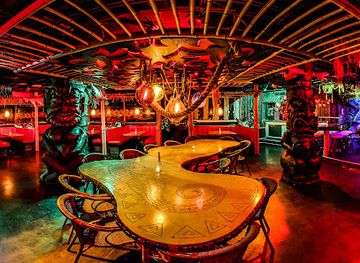
Laka Lono Rum Club
Experience the vibrant flavors of the tropics at Laka Lono Rum Club, Omaha's premier cocktail bar and lounge, where every drink tells a story.
-
Bar
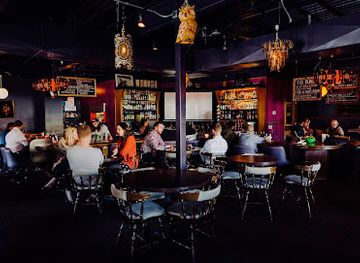
Wicked Rabbit
Experience the vibrant nightlife of Omaha at Wicked Rabbit, where craft cocktails and a lively atmosphere await your arrival.
-
Bar
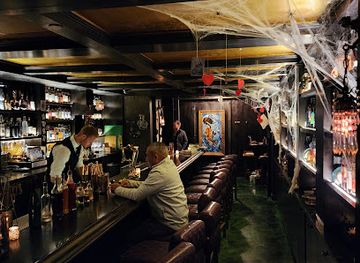
Nite Owl
Experience Omaha's nightlife at Nite Owl, a cozy bar known for its craft cocktails and unique ambiance in the heart of Midtown.
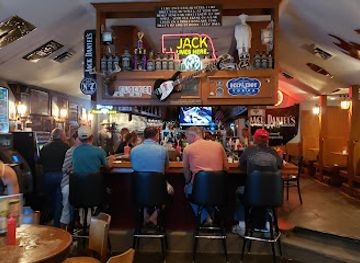
Best nightclubs in Eastern Nebraska
Omaha has Eastern Nebraska’s broadest evening scene, with bars and restaurants in the Old Market, the Blackstone District and other established neighbourhoods, alongside live music, comedy, theatre and larger entertainment venues. Lincoln’s university population supports a concentrated selection of pubs, bars, cafés and live-music spaces, particularly around downtown and areas near the University of Nebraska campus. Breweries and taprooms are found in both cities, complementing Nebraska’s wider craft-beer culture. Outside Omaha and Lincoln, evening life is more likely to centre on local taverns, historic inns, restaurants, community events and occasional live music than on dedicated nightclubs. Summer festivals and university calendars can alter the atmosphere, but schedules and venue status vary, so check locally rather than relying on outdated listings.
-
Bar
Bar 415
Discover the essence of Omaha's nightlife at Bar 415, where creative cocktails meet a vibrant atmosphere in the heart of Downtown.
-
Bar
Shenanigans
Discover the lively Shenanigans Bar in Columbus, Nebraska, where great drinks, fun events, and a welcoming ambiance await every visitor.
-
Lounge
Penthouse Lounge
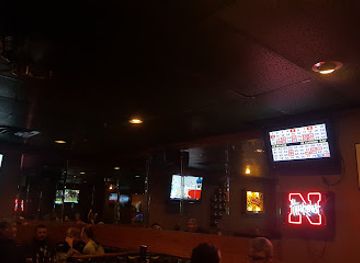
Experience the lively spirit of Omaha at Penthouse Lounge, where cocktails and karaoke create unforgettable nights out.
-
Adult entertainment club
The Night Before Lounge
Discover the vibrant nightlife at The Night Before Lounge, Lincoln's premier adult entertainment club, where fun meets sophistication.


Best shops in Eastern Nebraska
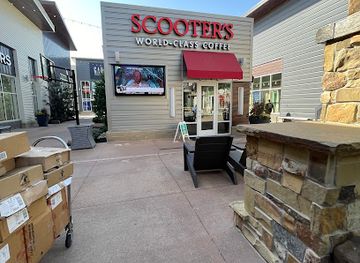
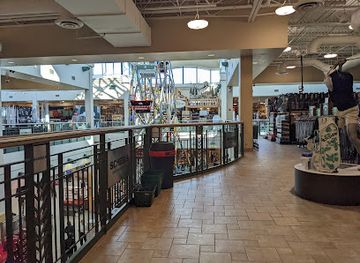
Omaha and Lincoln provide the region’s widest choice of shopping, from independent boutiques, bookshops, galleries and design stores to national retailers and food halls. Omaha’s Old Market is known for small shops, art galleries, jewellery, clothing, gifts and locally produced food in a historic warehouse setting, while Lincoln’s downtown and neighbourhood commercial streets combine independent businesses with cafés and cultural venues. Nebraska City is a useful stop for orchard products, preserves, seasonal produce and gifts connected with the Missouri Valley. Farmers’ markets across the region offer honey, baked goods, plants, crafts and farm produce, with availability changing through the year. In smaller towns, shopping is often concentrated on a traditional main street and may include antiques, handmade goods, local books or specialist food products. For regional souvenirs, look for Nebraska-made crafts, prairie and wildlife artwork, locally roasted coffee, beer and shelf-stable foods rather than generic merchandise.
-
Shopping mall
Nebraska Crossing
Discover unbeatable deals and a fun shopping experience at Nebraska Crossing, the premier outlet mall in Gretna, Nebraska.
-
Shopping mall
Village Pointe
Explore Village Pointe, Omaha's premier shopping and entertainment destination with diverse stores, dining, and vibrant outdoor spaces.
-
Shopping mall
Shops of Legacy
Discover a shopping paradise at the Shops of Legacy, where unique boutiques, delicious dining, and lively events await in West Omaha.
-
Business center
The Old Market
Experience the historic charm and vibrant culture of The Old Market, Omaha's premier destination for shopping, dining, and entertainment.
Get your free copy of our complete guide to Eastern Nebraska, delivered straight to you.
Everything on this page, from attractions and restaurants to essentials and local phrases, in one PDF you can read offline, print or share.
Already have an account? Sign in
Your Eastern Nebraska guide is ready.
We'll send it to · Not you? Sign out

Getting your guide ready…
We are putting together a fresh copy of the Eastern Nebraska guide. This can take up to a minute.
This can take a few moments. If your browser asks, choose Allow so the download can start. You'll find the guide in your Downloads folder.
Nothing happened? Download it again
Sorry, the guide is taking longer than usual. Please try again in a minute, or get it by email instead.
Eastern Nebraska essentials
Currency and Payment
Safety
Emergency Situations
Do's and Don'ts
Local Tips
From Eve
Local phrases worth knowing
You don't need to get them perfect. A few words go a long way, and locals appreciate the effort.
Basics
| English | Local | Say it |
|---|---|---|
| Hello | Hi | [Hai] |
| Goodbye | See ya | [See yah] |
| Yes | Yep | [Yep] |
| No | Nope | [Nope] |
| Please/You’re welcome | Please | [Please] |
| Thank you | Thanks | [Thanks] |
| Excuse me/Sorry | Excuse me | [Excuse me] |
| How are you? | How are ya? | [How are yah?] |
| Fine. And you? | Good. And you? | [Good. And you?] |
| Do you speak English? | Do ya speak English? | [Do yah speak English?] |
| I don't understand | I don’t get it | [I don’t get it] |
Eating & Drinking
| English | Local | Say it |
|---|---|---|
| I’d like to see the menu, please | Can I see the menu, please? | [Can I see the menu, please?] |
| I don't eat meat | I’m vegetarian | [I’m vegetarian] |
| Cheers! | Cheers! | [Cheers!] |
| I would like to pay, please | Can I get the check, please? | [Can I get the check, please?] |
Emergencies
| English | Local | Say it |
|---|---|---|
| Help! | Help! | [Help!] |
| Go away! | Leave me alone! | [Leave me alone!] |
| Call the Police! | Call 911! | [Call 911!] |
| Call a doctor! | Get me a doctor! | [Get me a doctor!] |
| I’m lost | I’m lost | [I’m lost] |
| I’m ill | I’m not feeling well | [I’m not feeling well] |
Shopping
| English | Local | Say it |
|---|---|---|
| I’d like to buy... | I want to buy... | [I want to buy...] |
| I’m just looking | I’m just browsing | [I’m just browsing] |
| How much is it? | How much is this? | [How much is this?] |
| That’s too expensive | That’s too pricey | [That’s too pricey] |
| Can you lower the price? | Can you give me a better price? | [Can you give me a better price?] |
Time & Numbers
| English | Local | Say it |
|---|---|---|
| What time is it? | What time is it? | [What time is it?] |
| It’s one o'clock | It’s one o’clock | [It’s one o’clock] |
| Half past (10) | Half past ten | [Half past ten] |
| Morning | Morning | [Morning] |
| Afternoon | Afternoon | [Afternoon] |
| Evening | Evening | [Evening] |
| Yesterday | Yesterday | [Yesterday] |
| Today | Today | [Today] |
| Tomorrow | Tomorrow | [Tomorrow] |
| 1 | One | [One] |
| 2 | Two | [Two] |
| 3 | Three | [Three] |
| 4 | Four | [Four] |
| 5 | Five | [Five] |
| 6 | Six | [Six] |
| 7 | Seven | [Seven] |
| 8 | Eight | [Eight] |
| 9 | Nine | [Nine] |
| 10 | Ten | [Ten] |
Transport & Directions
| English | Local | Say it |
|---|---|---|
| Where's a/the...? | Where’s the nearest...? | [Where’s the nearest...?] |
| What’s the address? | What’s the address? | [What’s the address?] |
| Can you show me (on the map)? | Can you point it out on the map? | [Can you point it out on the map?] |
| When’s the next (bus)? | When’s the next bus? | [When’s the next bus?] |
| A ticket (to ....) | A ticket to ... | [A ticket to ...] |
History of Eastern Nebraska
Indigenous Homelands and River Trade
Long before European-American settlement, the Missouri and Platte river valleys supported Indigenous peoples including the Omaha, Otoe-Missouria, Pawnee and Ponca, among others whose histories remain central to Nebraska’s identity. Rivers provided transport routes, seasonal resources and places for diplomacy and trade. The region’s archaeological record includes evidence of earlier societies as well as later earthlodge communities. Visitors should understand Eastern Nebraska as Indigenous homeland rather than an empty frontier awaiting settlement.
French and Spanish Borderlands
European exploration and trade reached the Missouri Valley before the United States acquired the wider area through the Louisiana Purchase in 1803. French, Spanish and later American influences shaped the river trade, although permanent American settlement expanded much more strongly during the nineteenth century. Fort Atkinson, established near present-day Fort Calhoun in 1819, was the first United States military post west of the Missouri River and illustrated the strategic importance of the route.
Trails, Forts and Territorial Settlement
During the nineteenth century, Eastern Nebraska became a passageway for migration and commerce. The Missouri River served as a gateway, while the Platte Valley carried routes associated with the Oregon, California and Mormon trails. Towns such as Bellevue, Nebraska City and Omaha grew through river trade, military logistics and outfitting. Nebraska Territory was created in 1854, accelerating land claims and settlement while intensifying conflict and displacement involving Indigenous nations.
Railways, Omaha and the Transcontinental Era
Railway development transformed the region after the Civil War. Omaha became the eastern terminus of the Union Pacific Railroad’s transcontinental line in 1869, strengthening its role as a commercial and transport centre even though the line’s bridge connection across the Missouri came later. Railways linked farms and livestock markets with distant consumers, encouraged immigration and helped establish the towns, warehouses, stockyards and grand civic buildings that still define parts of the region.
Agriculture, Immigration and the Platte Valley
Eastern Nebraska’s farms and small towns were shaped by German, Czech, Scandinavian and other immigrant communities, alongside longstanding Indigenous presence and African American migration to urban centres. Agriculture developed around corn, soybeans, livestock and orchard production, with irrigation and river transport influencing the Platte and Missouri valleys. Community halls, churches, cemeteries, food traditions and annual celebrations preserve parts of these cultural histories, though they continue to evolve within a diverse modern population.
Omaha’s Stockyards and Industrial Growth
For much of the twentieth century, Omaha’s Union Stockyards were among the largest livestock markets in the United States. Meatpacking, railways, grain trading and associated industries attracted workers and shaped neighbourhoods west of the Missouri River. The stockyards closed in 1999 after economic and industrial change had shifted meat processing elsewhere. Their legacy remains visible in local museums, historic districts, labour histories and Omaha’s continuing association with agriculture and food production.
Lincoln as Capital and University City
Lincoln became Nebraska’s capital in 1867, soon after statehood, and developed around government, education and commerce rather than river shipping or heavy industry. The University of Nebraska, founded in Lincoln in 1869, helped establish the city as a centre of research, public life and cultural activity. The successive state capitol buildings culminated in the present towered structure, completed in the twentieth century and now one of the region’s defining works of civic architecture.
Eastern Nebraska in Photos
Browse through our photo collection highlighting the charm and character of the destination.
Neighbouring regions of Eastern Nebraska
The closest regions to Eastern Nebraska, if you have time for more than one.
-

-

-

-
-


Swipe for more regions
Explore more

Explore more of Nebraska
Discover Nebraska: A blend of rich history, diverse landscapes, and unique attractions in the heartland of America.
Explore Nebraska