

Free Rainwater Basin Travel Guide & Mobile App
Explore Rainwater Basin with free travel guides. Discover regional history, expert tips, proposed trips, and audio guides on web or mobile app.


Explore Nebraska’s Rainwater Basin for seasonal wetlands, prairie wildlife, small-town museums and access to the great crane migration corridor.
Read more about Rainwater Basin
When is the best time to visit Rainwater Basin?
Best: May, September–October · 19–26°C| Month | High (°C) | Rainfall (mm) |
|---|---|---|
| January | 2 | 20 |
| February | 5 | 26 |
| March | 11 | 36 |
| April | 18 | 51 |
| May (best) | 23 | 71 |
| June | 29 | 86 |
| July | 32 | 81 |
| August | 30 | 66 |
| September (best) | 26 | 61 |
| October (best) | 19 | 41 |
| November | 10 | 30 |
| December | 3 | 25 |
Getting to and around Rainwater Basin
How to get there
Transportation
Top city travel guides in Rainwater Basin
The cities of Rainwater Basin, and the easiest places to base yourself.
-

-


Swipe for more cities
Best attractions in Rainwater Basin
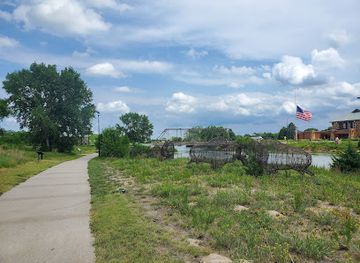
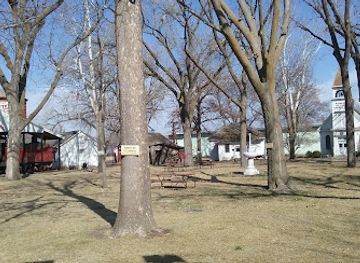
The Rainwater Basin’s attractions are led by wetlands, prairie wildlife and the open scale of south-central Nebraska. Public wildlife areas and waterfowl production areas offer opportunities for birdwatching, photography and quiet walks, although many have basic facilities rather than visitor centres. Seasonal pools can attract ducks, shorebirds and geese, while grassland edges support a wide range of prairie birds. The basin is also close to the Platte River’s renowned spring crane migration, with established viewing experiences north of the basin providing a complementary natural excursion. In the towns, Hastings Museum combines natural history, science and regional interpretation, while Stuhr Museum of the Prairie Pioneer in Grand Island presents life and settlement during Nebraska’s formative agricultural period. York’s Wessels Living History Farm focuses on twentieth-century farm life, and Pioneer Village in Minden interprets transport, industry and domestic history through a large collection. Historic sites, county museums, local parks and rural drives complete an attraction landscape that rewards preparation and curiosity more than rapid sightseeing.
-
Historical place
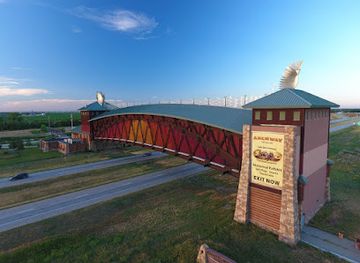
Great Platte River Road Archway Monument
Explore the Great Platte River Road Archway Monument, a historical gem showcasing the journey of American pioneers through interactive exhibits and stunning architecture.
-
State park
Indian Cave State Park
Explore the breathtaking landscapes and rich history of Indian Cave State Park, a premier destination for outdoor adventures in Nebraska.
-
State park
Fort Robinson State Park
Explore the breathtaking landscapes and rich history of Fort Robinson State Park in Nebraska, a paradise for outdoor enthusiasts and history lovers.
-
Museum
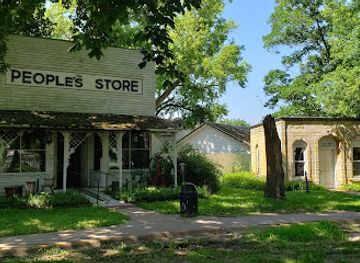
Pioneer Village
Discover the heart of American history at Pioneer Village in Minden, Nebraska—where the past comes alive through captivating exhibits and engaging experiences.

Best landmarks in Rainwater Basin
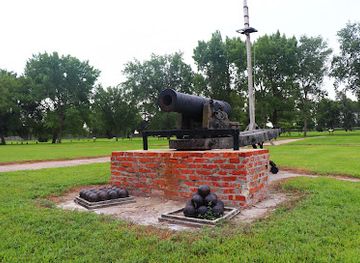
The Rainwater Basin’s most characteristic landmarks are often low, broad and landscape-based rather than monumental. Its seasonal wetland depressions, restored basins and open prairie express the ecological identity of a region shaped by water moving across an otherwise agricultural plain. Around Grand Island, Stuhr Museum’s historic buildings and recreated pioneer setting provide a recognisable interpretation of settlement history. Hastings Museum is a prominent civic institution whose collections connect natural science with local and regional history. In York, the restored buildings and working landscape of Wessels Living History Farm preserve the visual language of twentieth-century agriculture, while Pioneer Village in Minden is notable for the scale of its historical collections and transport displays. Fort Kearny, located north of the basin near Kearney, is a nearby landmark of genuine relevance to understanding the region’s overland past, but it should not be confused with a wetland site. Together these places show how ecology, migration routes, farming and town-building define the area.
-
Historical place
Great Platte River Road Archway Monument
Explore the Great Platte River Road Archway Monument, a captivating tribute to America’s pioneering history and the stories of those who journeyed westward.
-
Museum
Pioneer Village
Discover the rich history of America at Pioneer Village, a captivating museum showcasing vintage artifacts, classic cars, and authentic Americana.
-
Visitor center
Crane Trust Nature & Visitor Center
Experience the breathtaking migration of sandhill cranes and the beauty of Nebraska at the Crane Trust Nature & Visitor Center.
-
State park
Fort Kearny State Historical Park
Discover the rich history and scenic beauty of Fort Kearny State Historical Park, a must-visit destination for history lovers and outdoor enthusiasts in Nebraska.
Explore Rainwater Basin on the map
Plan your trip on one map. See where the top cities, national parks and sights are, and book hotels and experiences in a few clicks.
Best hotels in Rainwater Basin
Best restaurants in Rainwater Basin
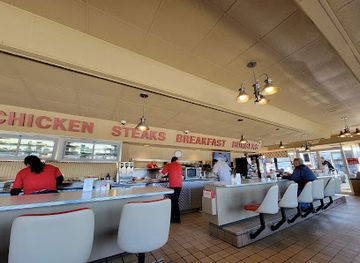
Dining in the Rainwater Basin reflects Nebraska’s agricultural economy and the practical food culture of its towns. Grand Island, Hastings, York, Beatrice and Kearney provide the broadest choice, from cafés and bakeries to family restaurants, steakhouses and international food. In smaller communities, independent diners, taverns and locally rooted restaurants are often central gathering places, with hearty breakfasts, burgers, sandwiches and comfort food more common than elaborate destination menus. Corn, beef, pork and seasonal produce are important regional ingredients, while Nebraska’s wider food traditions include kolaches and other Central European-influenced baking found in many parts of the state. Farmers’ markets and farm stands vary by town and season, offering produce, preserves and baked goods. Visitors should distinguish the Rainwater Basin’s local agricultural cooking from the more narrowly defined cuisines of neighbouring Great Plains communities; its appeal lies in freshness, generosity and a strong connection to working farms.
-
Family-friendly
Tommy's Family Restaurant
Discover warmth and flavor at Tommy's Family Restaurant in Grand Island—your go-to spot for delicious breakfasts and friendly service.
-
Restaurant
Cunningham's Journal On The Lake
Discover delightful dining at Cunningham's Journal On The Lake in Kearney – where great food meets serene lakeside views.
-
Restaurant
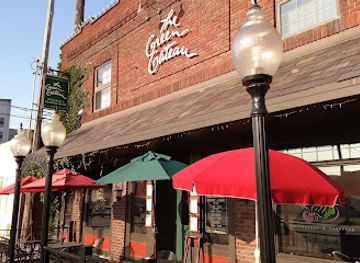
The Green Gateau
Discover exquisite dining at The Green Gateau in Lincoln - where culinary artistry meets heartfelt service.
-
Brazilian
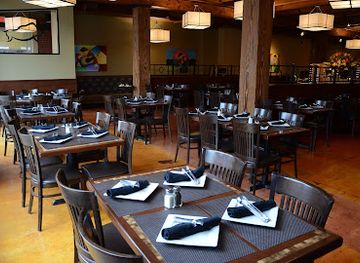
Rodizio Grill Brazilian Steakhouse Lincoln
Indulge in authentic Brazilian cuisine at Rodizio Grill in Lincoln - an unforgettable steakhouse experience awaits!

Best bars in Rainwater Basin
-
Bar
Cunningham's Journal On The Lake
Experience the perfect blend of relaxation and culinary delight at Cunningham's Journal On The Lake, your lakeside retreat in Kearney, Nebraska.
-
Grill
Cunninghams Journal
Discover delectable dishes and refreshing drinks at Cunningham's Journal, a vibrant grill and bar in Kearney, Nebraska, perfect for every palate.
-
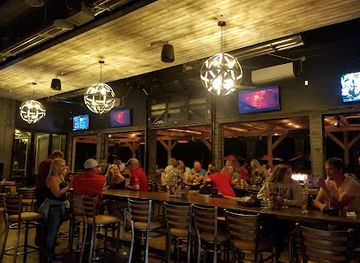
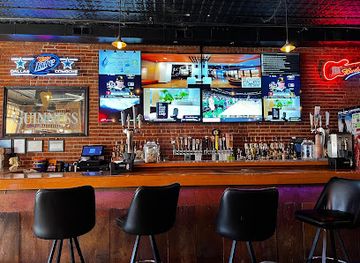
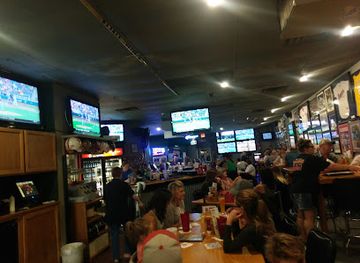
Sports bar
Balz Sports Bar
Experience the thrill of live sports and tasty bites at Balz Sports Bar in Grand Island, Nebraska, where great food meets a vibrant atmosphere.
-
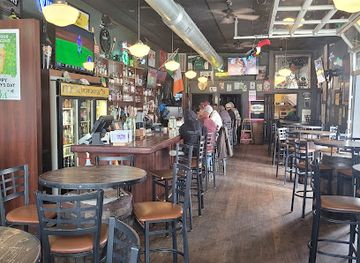
Irish pub
Mckinney's Irish Pub Grand Island
Discover the heart of Ireland in Grand Island at McKinney's Irish Pub, where delicious food and lively atmosphere come together.
Best nightclubs in Rainwater Basin
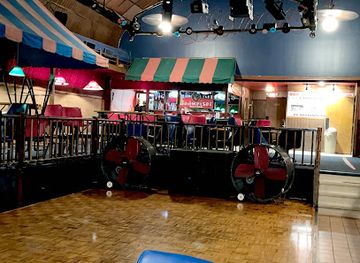
Evenings in the Rainwater Basin are generally centred on pubs, taverns, breweries, casual restaurants and community events rather than a large nightclub scene. Hastings, Grand Island, York, Beatrice and Kearney offer the widest selection of bars and evening entertainment, including live music or seasonal events at some venues, while smaller towns tend to close earlier and focus on local social life. Craft beer and American bar food are common, and some restaurants provide a quieter setting for drinks after a day outdoors. Travellers staying near wildlife areas should expect dark, peaceful evenings rather than late-night entertainment, and should arrange transport before drinking because rural distances and limited taxi availability can make an improvised journey difficult. Check current arrangements locally, as independent venues and event schedules can change.
-
Bar
Havana Nights_LatinNightClub
Immerse yourself in the vibrant Latin nightlife at Havana Nights, Grand Island's premier nightclub and bar for unforgettable music and dance.
-
Night club
2nd Street Slammer Nightclub
Discover the exhilarating nightlife at 2nd Street Slammer Nightclub in Hastings, where music, dancing, and unforgettable experiences await.
-
Night club
Junction Nightclub and Shot Bar
Discover the vibrant nightlife at Junction Nightclub and Shot Bar in Lincoln, where lively music and great drinks create unforgettable experiences.

Best shops in Rainwater Basin
Shopping in the Rainwater Basin is concentrated in the main towns’ traditional commercial areas, supermarkets, independent retailers and seasonal markets rather than in major luxury centres. Grand Island, Hastings, York, Beatrice and Kearney provide the broadest selection of clothing, books, practical goods and locally oriented gifts, while smaller communities offer compact downtown shops and antique stores. Farmers’ markets and farm stands, where operating seasonally, are useful for Nebraska-grown produce, baked goods, preserves and other regional foods. Museum shops can provide books on prairie history, wildlife and agriculture, along with locally themed souvenirs. Visitors may also find handmade crafts, artwork, pottery or textiles through galleries and community events, but availability varies by town and season. For a meaningful purchase, look for products connected to Nebraska farming, wildlife or prairie landscapes rather than generic roadside merchandise, and carry cash for occasional small vendors.
-
Shopping mall
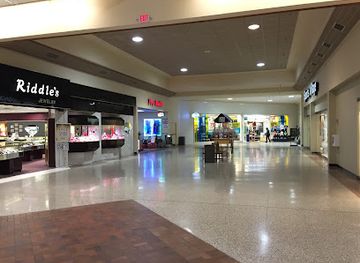
Hilltop Mall
Discover Hilltop Mall in Kearney, Nebraska, a shopping haven with diverse stores and delightful dining options for every visitor.
-
Antique store
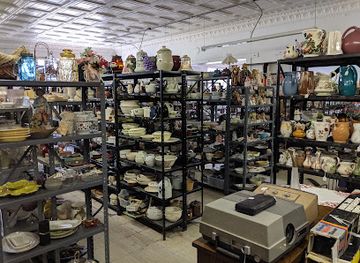
Tiedes
Explore Tiedes in Overton, Nebraska, a charming antique store filled with unique treasures and rich history just waiting to be discovered.
-
Gift shop
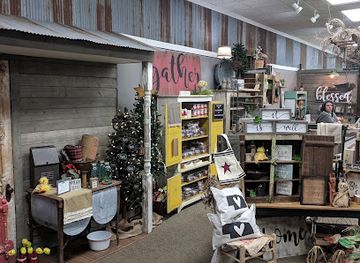
The Rustic Patch
Explore The Rustic Patch in Kearney, NE – A unique gift shop and painting studio offering handcrafted treasures and creative experiences.
-
Gift shop
The Bird's Nest TRADING POST
Explore The Bird's Nest Trading Post in Brownville, NE, for unique gifts and local treasures in a charming boutique atmosphere.

Get your free copy of our complete guide to Rainwater Basin, delivered straight to you.
Everything on this page, from attractions and restaurants to essentials and local phrases, in one PDF you can read offline, print or share.
Already have an account? Sign in
Your Rainwater Basin guide is ready.
We'll send it to · Not you? Sign out

Getting your guide ready…
We are putting together a fresh copy of the Rainwater Basin guide. This can take up to a minute.
This can take a few moments. If your browser asks, choose Allow so the download can start. You'll find the guide in your Downloads folder.
Nothing happened? Download it again
Sorry, the guide is taking longer than usual. Please try again in a minute, or get it by email instead.
Rainwater Basin essentials
Currency and Payment
Safety
Emergency Situations
Do's and Don'ts
Local Tips
From Eve
Local phrases worth knowing
You don't need to get them perfect. A few words go a long way, and locals appreciate the effort.
Basics
| English | Local | Say it |
|---|---|---|
| Hello | Howdy | [Haudi] |
| Goodbye | See ya | [See ya] |
| Yes | Yup | [Yup] |
| No | Nah | [Nah] |
| Please/You're welcome | Please/No problem | [Please/No prob] |
| Thank you | Thanks | [Thanks] |
| Excuse me/Sorry | Pardon me/Sorry | [Pardon me/Sorry] |
| How are you? | How's it going? | [How's it goin'?] |
| Fine. And you? | Good. And you? | [Good. An' you?] |
| Do you speak English? | You speak English? | [Ya speak English?] |
| I don't understand | I ain't got it | [I ain't got it] |
Eating & Drinking
| English | Local | Say it |
|---|---|---|
| I'd like to see the menu, please | Can I see the menu? | [Can I see the menu?] |
| I don't eat meat | I don't eat meat | [I don't eat meat] |
| Cheers! | Cheers! | [Cheers!] |
| I would like to pay, please | Can I get the check, please? | [Can I get the check, please?] |
Emergencies
| English | Local | Say it |
|---|---|---|
| Help! | Help! | [Help!] |
| Go away! | Get lost! | [Get lost!] |
| Call the Police! | Call the cops! | [Call the cops!] |
| Call a doctor! | Get a doctor! | [Get a doctor!] |
| I'm lost | I'm lost | [I'm lost] |
| I'm ill | I'm not feeling well | [I'm not feelin' well] |
Shopping
| English | Local | Say it |
|---|---|---|
| I'd like to buy... | I wanna buy... | [I wanna buy...] |
| I'm just looking | Just browsing | [Just browsing] |
| How much is it? | What’s the price? | [What’s the price?] |
| That's too expensive | That costs too much | [That costs too much] |
| Can you lower the price? | Can you make it cheaper? | [Can you make it cheaper?] |
Time & Numbers
| English | Local | Say it |
|---|---|---|
| What time is it? | What time is it? | [What time is it?] |
| It's one o'clock | It's one o'clock | [It's one o'clock] |
| Half past (10) | Half past ten | [Half past ten] |
| Morning | Morning | [Morning] |
| Afternoon | Afternoon | [Afternoon] |
| Evening | Evening | [Evening] |
| Yesterday | Yesterday | [Yesterday] |
| Today | Today | [Today] |
| Tomorrow | Tomorrow | [Tomorrow] |
| 1 | One | [One] |
| 2 | Two | [Two] |
| 3 | Three | [Three] |
| 4 | Four | [Four] |
| 5 | Five | [Five] |
| 6 | Six | [Six] |
| 7 | Seven | [Seven] |
| 8 | Eight | [Eight] |
| 9 | Nine | [Nine] |
| 10 | Ten | [Ten] |
Transport & Directions
| English | Local | Say it |
|---|---|---|
| Where's a/the...? | Where's the...? | [Where's the...?] |
| What's the address? | What's the address? | [What's the address?] |
| Can you show me (on the map)? | Can you point it out? | [Can you point it out?] |
| When's the next (bus)? | When's the next bus? | [When's the next bus?] |
| A ticket (to ....) | A ticket (to ...) | [A ticket (to ...)] |
History of Rainwater Basin
Indigenous Wetland and Prairie Use
The Rainwater Basin’s wetlands, grasslands and river systems supported Indigenous communities for centuries before American settlement. Seasonal water and abundant wildlife made the shallow basins useful places for hunting, gathering and travel, while the surrounding prairie formed part of a much larger Great Plains cultural landscape. Pawnee communities were particularly associated with central Nebraska, alongside the histories of other Indigenous peoples whose movements and territories extended across the region. Archaeological evidence and continuing tribal connections provide an important counterpoint to older accounts that begin the story only with homesteaders and railways.
Trails, Forts and the Overland Era
During the nineteenth century, routes across Nebraska connected the Missouri River with the Rocky Mountain West. The Platte valley to the north became a major corridor for emigrants, military expeditions and freight, while routes through the wider Rainwater Basin linked settlements and river crossings. Fort Kearny, near present-day Kearney and just north of the basin’s central wetlands, protected and serviced overland travel during the 1840s and 1850s. The traffic brought new economic links and intensified United States territorial activity, with profound consequences for Indigenous nations.
Railways and Agricultural Settlement
Railway construction transformed the region from the late nineteenth century onwards. Lines encouraged the growth of towns such as Hastings, Grand Island, York and Beatrice, connected farmers to national markets and made the movement of grain, livestock and manufactured goods faster and more reliable. Town centres, depots and surviving commercial buildings reflect this period of expansion. European-American immigration and homesteading converted much of the native prairie to farmland, while drainage and cultivation reduced many of the basin’s natural wetlands.
Homesteading and the Making of Rural Nebraska
Federal land policies, including the Homestead Act, drew settlers to Nebraska with the promise of farm ownership. Life on the open plains depended on rainfall, wells, changing markets and community cooperation, and the region developed schools, churches, cooperatives and county-seat towns around agricultural production. Historic farms and museums across south-central Nebraska preserve tools, houses and domestic objects from this era. The legacy remains visible in the patchwork of fields, shelterbelts, grain facilities and small communities that characterises much of the Rainwater Basin today.
Wetland Loss and Conservation
Agricultural expansion, drainage and altered water flows caused extensive loss of the Rainwater Basin’s original wetland habitat during the nineteenth and twentieth centuries. Recognition of the wetlands’ importance to migratory birds led to conservation work by federal agencies, private organisations, landowners and local partnerships. Waterfowl production areas, wildlife management areas and restored basins now protect representative pieces of the former wetland network. Conservation has increasingly focused on combining productive farming with habitat restoration, rather than treating the landscape as separate from the communities that depend on it.
Modern Wildlife and Heritage Tourism
Today the Rainwater Basin is known internationally among birdwatchers and conservationists, while its towns interpret the region’s agricultural and transport history. The great spring migration of sandhill cranes occurs principally along the nearby Platte River, but the basin’s wetlands provide important feeding and resting habitat for many migratory species. Wildlife photography, environmental education and heritage tourism have added new dimensions to a rural economy still strongly connected to farming. This combination of working countryside and protected habitat is central to the region’s contemporary identity.
Rainwater Basin in Photos
Browse through our photo collection highlighting the charm and character of the destination.
Neighbouring regions of Rainwater Basin
The closest regions to Rainwater Basin, if you have time for more than one.
-

-

-

-

-


Swipe for more regions
Explore more

Explore more of Nebraska
Discover Nebraska: A blend of rich history, diverse landscapes, and unique attractions in the heartland of America.
Explore Nebraska