

Great Plains, Nebraska Travel Guide
Discover the serene landscapes and historical richness of the Great Plains in Nebraska, where vast prairies, wildlife, and small-town charm await.
The Great Plains in Nebraska offer a stunning and vast landscape that stretches as far as the eye can see. This region is characterized by its rolling prairies, open skies, and unique wildlife, making it a dream destination for nature lovers and adventure seekers alike. The Great Plains are also rich in history, with many sites dedicated to Native American heritage and the pioneer spirit of the American West. Visitors can explore endless fields of wildflowers, hike through scenic trails, and enjoy the peace and tranquility that comes with such an expansive natural environment. The region is home to several state parks and wildlife refuges where you can spot bison, prairie dogs, and a variety of bird species. For those interested in history, the Great Plains have numerous museums and historical markers that tell the story of the early settlers and the indigenous tribes who once called this land home. One of the highlights of visiting the Great Plains is the opportunity to experience the simple, rugged beauty of rural America. The small towns scattered throughout the region offer a glimpse into a slower, more relaxed way of life. Local festivals, farmers' markets, and community events provide a chance to connect with the friendly residents and experience the local culture. Whether you're looking to escape the hustle and bustle of city life or seeking an adventure in the great outdoors, the Great Plains in Nebraska provide a unique and unforgettable experience.

Know before you go
Hi, I'm Eve. Here are a few practical things to know before exploring Great Plains.
- Visit in late spring or early summer to see the wildflowers in full bloom.
- Bring binoculars for bird watching and spotting wildlife in the state parks.
- Check out local festivals for a taste of regional culture and cuisine.
- Wear comfortable hiking shoes to explore the many trails available.
- Make sure to visit the local museums to learn about the area's rich history.
Top City Travel Guides in Great Plains
The cities of Great Plains, and the easiest places to base yourself.


Destinations in Great Plains
Resorts, valleys and scenic spots worth a trip of their own.


Explore Great Plains: Things to Do, Places to Eat, Hotels & More
Handpicked recommendations for top attractions, local dining, accommodations, and more

Top Attractions & Sightseeing in Great Plains
Top-rated picks
Best Attractions

Lauritzen Gardens
Explore the enchanting Lauritzen Gardens in Omaha, a botanical paradise showcasing diverse plant collections and breathtaking seasonal displays.

Carhenge
Explore Carhenge, a unique automotive art installation in Nebraska that mirrors Stonehenge, offering a captivating blend of history and creativity.

Great Platte River Road Archway Monument
Experience the history and culture of America's pioneers at the Great Platte River Road Archway Monument in Kearney, Nebraska.

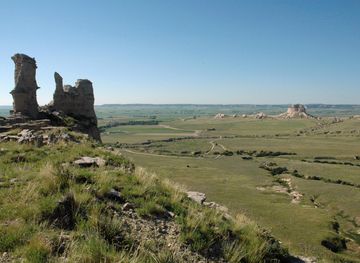
Scotts Bluff National Monument
Discover the stunning vistas and rich history at Scotts Bluff National Monument, a natural landmark in Nebraska's beautiful landscape.


Best restaurants in Great Plains
Top-rated picks
Best Restaurants

Spaghetti Works
Experience authentic Italian flavors at Spaghetti Works in downtown Omaha - where every meal is a celebration!

Round the Bend Steakhouse
Experience exquisite steaks at Round the Bend Steakhouse in Ashland - where every bite tells a delicious story.
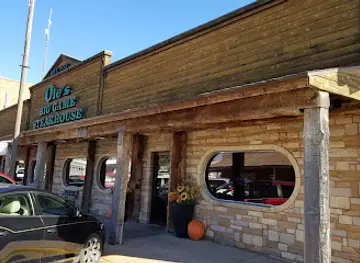
Ole's Big Game Steakhouse & Lounge
Experience exceptional steaks and unique decor at Ole's Big Game Steakhouse & Lounge in Paxton, Nebraska - where culinary adventure meets comfort.

M's Pub
Discover Omaha's vibrant culinary scene at M's Pub - where delicious food meets a lively bar atmosphere.

Best bars in Great Plains
Top-rated picks
Best Bars

Buck's Bar and Grill
Discover Buck's Bar and Grill in Waterloo, NE - a lively spot for delicious grilled dishes and captivating live music, perfect for an unforgettable night out.

Laka Lono Rum Club
Discover the vibrant Laka Lono Rum Club in Omaha, where tropical cocktails and a lively lounge culture create unforgettable experiences.

Wicked Rabbit
Experience the vibrant nightlife at Wicked Rabbit in Omaha, where exceptional cocktails and a lively atmosphere come together for an unforgettable night out.

Pals Brewing Company
Discover the vibrant atmosphere and craft brews at Pals Brewing Company in North Platte, where delicious pizza complements every pint.

Best nightclubs in Great Plains
Top-rated picks
Best Nightclubs

Laka Lono Rum Club
Laka Lono Rum Club: Your Tropical Escape in Downtown Omaha for Unique Cocktails and Vibrant Atmosphere.

Bar 415
Experience the vibrant nightlife of Omaha at Bar 415, a lively bar known for creative cocktails and a welcoming atmosphere.

Penthouse Lounge
Explore Omaha's vibrant nightlife at the Penthouse Lounge, offering cocktails, live music, and karaoke in a stylish setting.

The Night Before Lounge
Experience the vibrant nightlife at The Night Before Lounge, Lincoln's premier adult entertainment destination with captivating performances and signature cocktails.

Best shops in Great Plains
Top-rated picks
Best Shops

Westroads Mall
Explore Westroads Mall, Omaha's bustling shopping haven with diverse stores, delicious dining, and entertainment for all ages.

Nebraska Crossing
Discover unbeatable deals at Nebraska Crossing, Nebraska's premier outlet shopping destination, featuring top brands and a vibrant shopping atmosphere.

Gateway Mall
Discover Gateway Mall in Lincoln, Nebraska – your ultimate shopping destination with diverse stores, delicious dining, and fun entertainment options.

Village Pointe
Explore Village Pointe: Omaha's vibrant shopping mall with upscale stores, diverse dining, and entertainment in a beautiful outdoor setting.

Explore Great Plains on the Map
A handpicked selection of must-see spots in Great Plains, mapped for you.
Great Plains Essentials
-
The Great Plains in Nebraska is accessible primarily by road and air. The nearest major airport is Eppley Airfield in Omaha, which is about a 3-hour drive from the central region of the Great Plains. From Omaha, you can rent a car or take a bus to your destination. Alternatively, Lincoln Airport, located in the state's capital, offers regional flights and is approximately a 2-hour drive. Amtrak trains also service the region, with stops in cities like Omaha and Lincoln. For those driving from other states, Interstate 80 is the main highway running through the region.
-
Once in the Great Plains, renting a car is the most convenient way to explore the vast area. Major rental car companies operate out of Omaha and Lincoln. Public transportation options within small towns are limited, but local buses and shuttles are available in larger cities. For a more scenic experience, consider biking or hiking through the numerous trails and state parks. Taxis and ride-sharing services like Uber and Lyft are available in major towns but may be scarce in rural areas.
-
The official currency is the United States Dollar (USD). Credit and debit cards are widely accepted in hotels, restaurants, and shops. ATMs are readily available in larger towns and cities, but it is advisable to carry some cash, especially when traveling to more remote areas. Smaller establishments and rural areas may not accept cards.
-
The Great Plains is generally a safe region to visit. However, as with any travel destination, it is important to take standard safety precautions. Avoid walking alone at night in unfamiliar areas and keep your belongings secure. While the region has low crime rates, some cities like Omaha and Lincoln have higher crime areas. It's best to stay in well-populated and well-lit areas and consult local advice on which neighborhoods to avoid.
-
In case of an emergency, dial 911 for immediate assistance. Hospitals and medical facilities are available in larger towns and cities. It is recommended to carry travel insurance that covers medical emergencies. For minor health issues, pharmacies are widely available. Keep a list of local emergency contacts and the address of your country's embassy or consulate.
-
Fashion: Do dress in layers, as the weather can be unpredictable. Comfortable walking shoes are a must for exploring the vast landscapes. Religion: Do respect local customs and traditions, though the region is generally secular. Public Transport: Do be courteous to drivers and fellow passengers. Don't expect extensive public transport options in rural areas. Greetings: Do greet people with a friendly 'hello' or a handshake. Eating & Drinking: Do try local specialties like Nebraska beef and corn dishes. Don't forget to tip your servers, typically 15-20% of the bill.
-
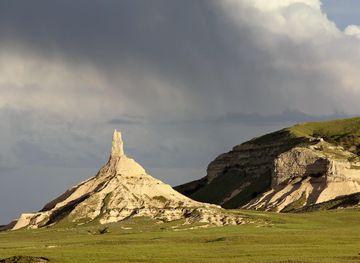
To experience the Great Plains like a local, visit the farmers' markets for fresh produce and homemade goods. Engage with locals to learn about the region's history and culture. Don't miss visiting historical landmarks such as Chimney Rock and Scotts Bluff National Monument. For a unique experience, attend a local rodeo or county fair to immerse yourself in the local culture.
When is the best time to visit Great Plains?
Useful Local Phrases for Great Plains
You don't need to speak the language perfectly. Even learning a few simple words can make conversations warmer—and locals usually appreciate the effort.
— Eve

Here are the phrases I use most often in Great Plains. Try a few—you'll be surprised how far they go! 😊
❤️
-
- HelloHowdy
[hau-dee] - GoodbyeSee ya later
[see yah lay-ter] - YesYep
[yehp] - NoNope
[nohp] - Please/You're welcomeYou bet
[yu bet] - Thank youThanks a lot
[thangs a lot] - Excuse me/SorryPardon me
[par-don mee] - How are you?How's it going?
[hauz it goin] - Fine. And you?Good. And you?
[gud. an yu?] - Do you speak English?Do ya speak English?
[doo yah speek ing-glish?] - I don't understandI don't get it
[I dont get it]
- HelloHowdy
-
- I'd like to see the menu, pleaseCan I see the menu?
[kan I see the men-yoo?] - I don't eat meatI don't eat meat
[I dont eet meet] - Cheers!Cheers!
[cheerz] - I would like to pay, pleaseCan I get the check?
[kan I get the chek?]
- I'd like to see the menu, pleaseCan I see the menu?
-
- Help!Help!
[help] - Go away!Get lost!
[get lost] - Call the Police!Call the cops!
[kall the cops] - Call a doctor!Get a doctor!
[get a dok-ter] - I'm lostI'm all turned around
[I'm all turned aroun] - I'm illI'm not feeling well
[I'm not feelin wel]
- Help!Help!
-
- I'd like to buy...I want to buy...
[I want to bye...] - I'm just lookingJust browsing
[just brows-ing] - How much is it?What's the price?
[whats the prys?] - That's too expensiveThat's too rich for my blood
[thats too rich for my blud] - Can you lower the price?Can you do any better?
[kan you do any better?]
- I'd like to buy...I want to buy...
-
- What time is it?What time ya got?
[what time ya got?] - It's one o'clockIt's one
[its wun] - Half past (10)Half past ten
[haf past ten] - MorningMorning
[morning] - AfternoonAfternoon
[af-ter-noon] - EveningEvening
[eev-ning] - YesterdayYesterday
[yes-ter-day] - TodayToday
[to-day] - TomorrowTomorrow
[to-mor-row] - 1One
[wun] - 2Two
[too] - 3Three
[three] - 4Four
[for] - 5Five
[five] - 6Six
[six] - 7Seven
[sev-en] - 8Eight
[ate] - 9Nine
[nine] - 10Ten
[ten]
- What time is it?What time ya got?
-
- Where's a/the...?Where's the...?
[wheres the...?] - What's the address?What's the address?
[whats the ad-dress?] - Can you show me (on the map)?Can you point it out?
[kan you point it out?] - When's the next (bus)?When's the next bus?
[whens the next bus?] - A ticket (to ....)One ticket to ...
[wun tik-et to ...]
- Where's a/the...?Where's the...?
History of Great Plains
-
Long before European settlers arrived, the Great Plains of Nebraska were home to various Native American tribes, including the Pawnee, Otoe, and Sioux. These tribes were known for their complex societies and their ability to adapt to the challenging environment of the plains. They relied on the vast herds of bison for food, clothing, and shelter, and their cultures were deeply intertwined with the natural landscape.
-
In 1804, the famous Lewis and Clark Expedition traversed the Great Plains of Nebraska as they journeyed westward to explore the newly acquired Louisiana Territory. The expedition's encounters with Native American tribes and their observations of the region's flora and fauna were meticulously recorded, providing valuable insights into the Great Plains' environment and its indigenous peoples.
-
The Great Plains of Nebraska were a crucial segment of the Oregon Trail, a major route for pioneers heading west during the mid-19th century. Thousands of settlers crossed Nebraska's prairies, facing numerous hardships such as harsh weather, disease, and limited resources. The remnants of the trail, including wagon ruts and historical markers, can still be seen today, offering a glimpse into this arduous journey.
-
The Homestead Act of 1862 played a pivotal role in the settlement of the Great Plains. This federal law offered 160 acres of public land to settlers for a small fee, provided they improved the land by building a dwelling and cultivating crops. This act spurred a massive influx of settlers to Nebraska, transforming the region from open prairie to a patchwork of homesteads and small towns.
-
Completed in 1869, the Transcontinental Railroad passed through Nebraska, linking the eastern United States with the western territories. This monumental project facilitated the movement of people and goods across the country, contributing to the rapid growth and development of Nebraska's Great Plains. Towns such as North Platte and Grand Island emerged as important railroad hubs, shaping the region's economic landscape.
-
The Sandhills of Nebraska, one of the largest sand dune formations in the Western Hemisphere, cover approximately a quarter of the state. This unique region has a rich history of ranching, beginning in the late 19th century when settlers discovered that the area was better suited for grazing cattle than for farming. The Sandhills remain a vital part of Nebraska's agricultural heritage and are known for their stunning natural beauty.
-
During the 1930s, the Great Plains, including parts of Nebraska, were severely affected by the Dust Bowl. Prolonged drought and poor agricultural practices led to massive dust storms that devastated the land and displaced thousands of families. The federal government responded with initiatives such as the Soil Conservation Service, which implemented measures to restore the land and promote sustainable farming practices.
-
Nebraska's Great Plains have been at the forefront of agricultural innovation. The introduction of irrigation systems, such as the center-pivot irrigation developed in the mid-20th century, transformed the region into one of the most productive agricultural areas in the world. These advancements have supported Nebraska's economy and helped ensure food security for the nation.
-
The cultural heritage of the Great Plains in Nebraska is celebrated through numerous festivals and traditions. Events such as the Nebraska State Fair and the Cheyenne County Fair showcase the region's agricultural roots, while powwows and cultural gatherings honor the traditions of the Native American tribes who have called the plains home for centuries. These events offer a vibrant tapestry of the region's diverse cultural history.
Neighbouring Regions of Great Plains
The closest regions to Great Plains, if you have time for more than one.



Your all‑in‑one travel companion app
Explore expert travel guides, compare and book tours, experiences, hotels, and more—all from the palm of your hand. Download now for seamless trip planning wherever your wanderlust takes you.


Explore More of Nebraska

Looking beyond Great Plains? Discover Nebraska for broader travel guides, local hot-spots, and regional highlights.
Explore NebraskaGreat Plains in Photos
Browse through our photo collection highlighting the charm and character of the destination.




The Vast Beauty of the Great Plains, Nebraska
The Great Plains in Nebraska offer a stunning and vast landscape that stretches as far as the eye can see. This region is characterized by its rolling prairies, open skies, and unique wildlife, making it a dream destination for nature lovers and adventure seekers alike. The Great Plains are also rich in history, with many sites dedicated to Native American heritage and the pioneer spirit of the American West. Visitors can explore endless fields of wildflowers, hike through scenic trails, and enjoy the peace and tranquility that comes with such an expansive natural environment. The region is home to several state parks and wildlife refuges where you can spot bison, prairie dogs, and a variety of bird species. For those interested in history, the Great Plains have numerous museums and historical markers that tell the story of the early settlers and the indigenous tribes who once called this land home. One of the highlights of visiting the Great Plains is the opportunity to experience the simple, rugged beauty of rural America. The small towns scattered throughout the region offer a glimpse into a slower, more relaxed way of life. Local festivals, farmers' markets, and community events provide a chance to connect with the friendly residents and experience the local culture. Whether you're looking to escape the hustle and bustle of city life or seeking an adventure in the great outdoors, the Great Plains in Nebraska provide a unique and unforgettable experience.