

Free Bheri Zone Travel Guide & Mobile App
Explore Bheri Zone with free travel guides. Discover regional history, expert tips, proposed trips, and audio guides on web or mobile app.


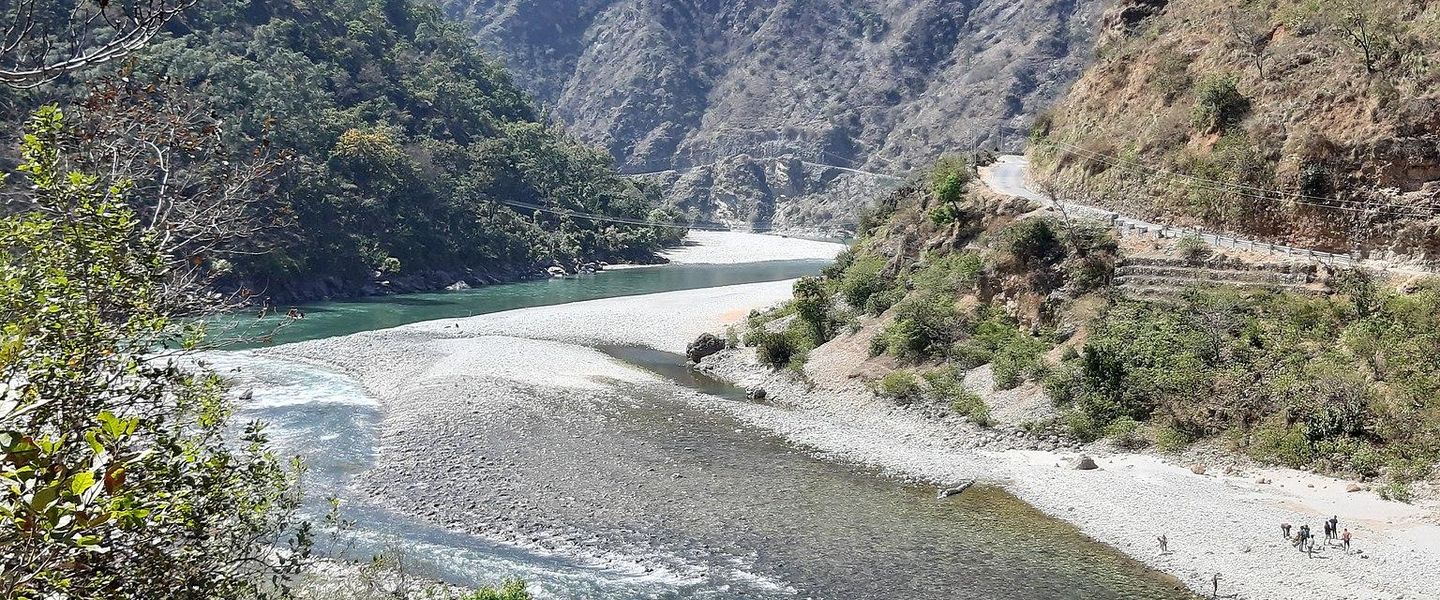


Explore Bheri Zone in Nepal for tiger country, Tharu culture, river valleys and the hill landscapes of western Karnali.
Read more about Bheri Zone
When is the best time to visit Bheri Zone?
Best: April–May, October · 25–28°C| Month | High (°C) | Rainfall (mm) |
|---|---|---|
| January | 15 | 10 |
| February | 17 | 15 |
| March | 20 | 20 |
| April (best) | 25 | 25 |
| May (best) | 28 | 30 |
| June | 30 | 35 |
| July | 30 | 40 |
| August | 29 | 35 |
| September | 28 | 30 |
| October (best) | 25 | 25 |
| November | 20 | 20 |
| December | 15 | 15 |
Getting to and around Bheri Zone
How to get there
Transportation
Destinations in Bheri Zone
Resorts, valleys and scenic spots worth a trip of their own.

Swipe for more destinations
Best attractions in Bheri Zone
Bheri Zone's attractions range from wildlife-rich lowland forests to little-visited hill heritage. Bardiya National Park is the region's principal nature destination, offering guided jeep excursions, walking experiences and river or wetland habitats where visitors may encounter rhinoceroses, deer, crocodiles and a wide range of birds, with tiger sightings possible but never assured. Banke National Park provides a second protected landscape closer to Nepalgunj. Around Bardiya, Tharu villages and community cultural programmes introduce local architecture, farming traditions and performance practices without reducing them to a single tourist display. Surkhet Valley combines the regional city of Birendranagar with the Buddhist and Hindu remains of Kakrebihar, Deuti Bajai Temple and the wooded setting of Bulbule Lake. Dailekh and Jajarkot offer historic temples, hill settlements, river scenery and routes through rural landscapes, although facilities are more limited. The Bheri River, forested foothills and changing Terai–hill ecology are attractions in their own right for travellers prepared to move slowly and arrange transport locally.
-
Water park
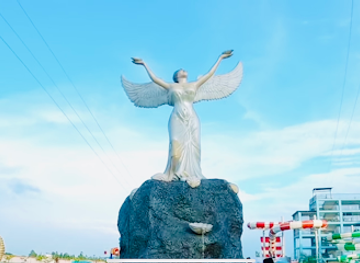
Wonderland Water Park
Experience unforgettable thrills and relaxation at Wonderland Water Park, Nepalgunj's premier destination for water fun and family entertainment.
-
Amusement park
Happy World Water Park Banke
Happy World Water Park Banke: Dive into thrilling water rides and relax in family-friendly pools for a perfect day of fun in Nepal.
-
Lake
Bulbule Lake
Discover tranquility and breathtaking views at Bulbule Lake, a serene destination in Birendranagar, Nepal, perfect for nature lovers and relaxation seekers.
-
Park
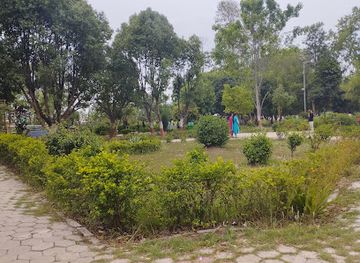
Bulbule Park
Discover the tranquility of Bulbule Park in Birendranagar, a perfect blend of nature and community spirit offering a serene escape for all visitors.
Best landmarks in Bheri Zone
Bheri Zone's most recognisable landmarks reflect both its natural geography and its layered religious history. Kakrebihar in Surkhet is a prominent archaeological and religious site associated with Buddhist and Hindu traditions, set amid the wooded landscape of the Surkhet Valley. Deuti Bajai Temple in Birendranagar is one of the valley's important Hindu pilgrimage places and remains a visible focus of local devotion. The old Jajarkot Durbar area represents the political history of the former hill kingdom, while Dailekh's temples, stone features and historic settlement landscape reveal the cultural importance of the mid-hill districts. In the south, the broad rivers, sal forests and grasslands of Bardiya National Park form a natural landmark rather than a single monument, and the park's wildlife gives the landscape national significance. The Bheri River is another defining feature, cutting through rugged terrain and linking the region's plains and hills. Bulbule Lake, near Birendranagar, provides a more accessible urban-edge landscape of water, woodland and recreation.
-
National park
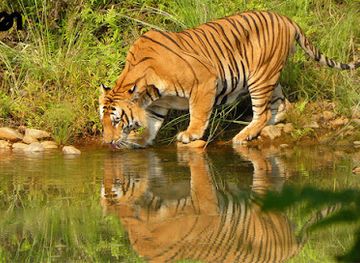
Bardiya National Park
Explore the natural wonders of Bardiya National Park, a haven for wildlife enthusiasts and adventure seekers in the heart of Nepal.
-
Historical landmark
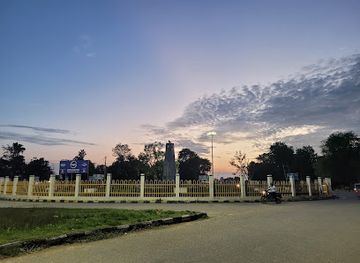
Kohalpur Chowk
Discover the vibrant heritage of Kohalpur Chowk, a historical landmark in Nepal rich with culture, local markets, and unforgettable experiences.
-
Historical landmark
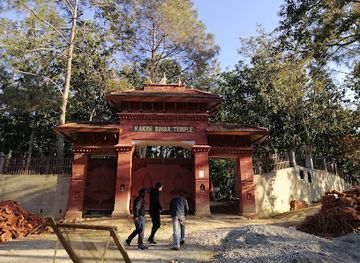
Kankre Bihar Surkhet
Explore Kankre Bihar Surkhet, a historical landmark rich in cultural heritage and artistic beauty, set in the stunning landscapes of Nepal's Karnali region.
Explore Bheri Zone on the map
Plan your trip on one map. See where the top cities, national parks and sights are, and book hotels and experiences in a few clicks.
Best hotels in Bheri Zone
Best restaurants in Bheri Zone
Dining in Bheri Zone is rooted in everyday Nepali cooking, with rice, lentils, vegetable tarkari, pickles, flatbreads and seasonal greens forming the dependable core of meals. Nepalgunj has the widest choice, including South Asian and cross-border influences, while Birendranagar provides an expanding selection of cafés, family restaurants and Nepali eateries. In Bardiya, lodges and homestays commonly serve dal bhat and locally familiar dishes alongside simple international fare for visitors, and Tharu-influenced food may include preparations using fish, forest-edge ingredients and local grains. Roadside stops in the hills are modest but useful places for tea, noodles, dal bhat and snacks; menus can be limited by weather and transport. Look for fresh fruit and vegetables in the Terai market towns, and try local sweets or savoury snacks in Nepalgunj rather than expecting a single dish to represent the whole region. Food hygiene and water treatment deserve particular attention in remote areas.
-
Restaurant
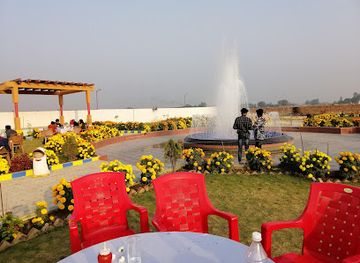
Siddhartha Cottage Restaurant
Experience authentic Nepali cuisine at Siddhartha Cottage Restaurant in Nepalgunj—where tradition meets taste.
-
Restaurant
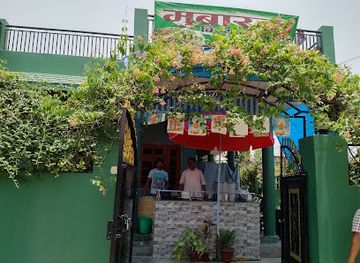
Mubarak Biryani Corner
Discover authentic Nepalese cuisine at Mubarak Biryani Corner in Nepalgunj - where every bite tells a story.
-
Restaurant
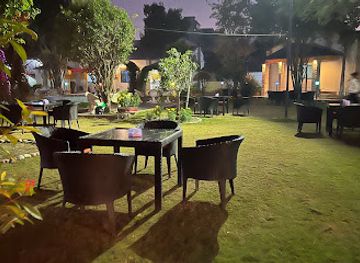
Namaste Village Resort Pvt.Ltd.
Experience delightful dining at Namaste Village Resort in Nepalgunj, offering authentic Nepali flavors and international cuisine in a serene setting.
-
Restaurant
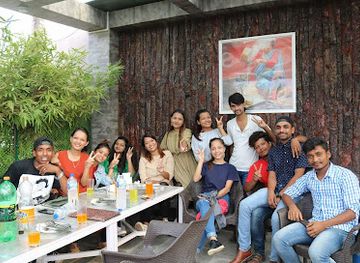
Yari Chowk
Experience the flavors of Nepal at Yari Chowk in Birendranagar - where local meets global cuisine in a welcoming atmosphere.
Best bars in Bheri Zone
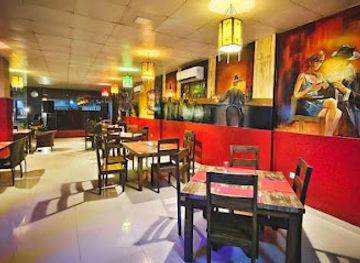
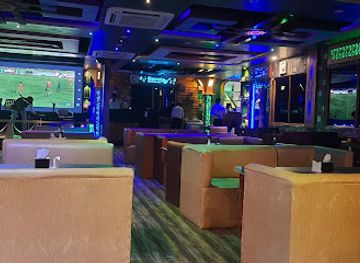
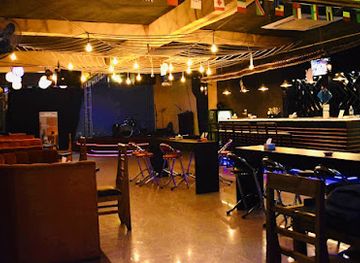
Nightlife is modest and concentrated in Nepalgunj and Birendranagar rather than spread evenly across Bheri Zone. In the two larger towns, evenings may involve cafés, restaurant terraces, small bars, karaoke venues and occasional live-music settings, while the most dependable social spaces are local restaurants and tea shops. Near Bardiya National Park, lodge dining, quiet evenings and cultural performances are more typical than late-night clubbing; visitors generally return early from wildlife activities. Dailekh and Jajarkot have limited formal nightlife, with social life centred on family restaurants, local gatherings and tea stalls. Alcohol is available in some licensed establishments, but it is not necessary for engaging with the region's evening culture. Travellers should expect early closures in rural areas, limited transport after dark and fewer entertainment choices outside the main towns.
-
Grill
Siena Cafe chopps and hopps
Experience the vibrant flavors of grilled cuisine at Siena Cafe Chopps and Hopps, a must-visit dining destination in Nepalgunj.
-
Bar
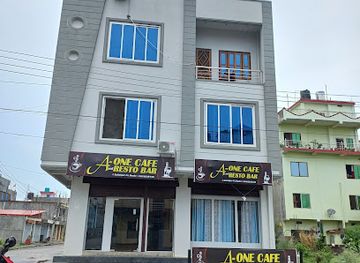
Aone cafe and Restro Bar
Experience the vibrant flavors and welcoming ambiance of Aone Cafe and Restro Bar in Kohalpur, a must-visit for food lovers.
-
Live music bar
Goreto Family restro And Live Music Bar
Immerse yourself in the lively atmosphere of Goreto Family Restro And Live Music Bar, where delicious food meets unforgettable live music in Birendranagar.
-
Bar
बटृाई कटेज एड चौधरी खाजा घर
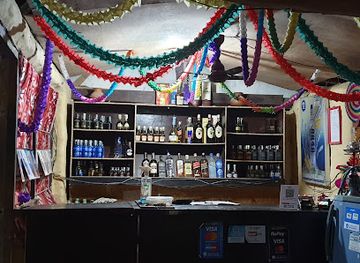
Experience the vibrant atmosphere and delightful drinks at बटृाई कटेज एड चौधरी खाजा घर in Birendranagar, a perfect spot for relaxation and socializing.
Best nightclubs in Bheri Zone
Nightlife is modest and concentrated in Nepalgunj and Birendranagar rather than spread evenly across Bheri Zone. In the two larger towns, evenings may involve cafés, restaurant terraces, small bars, karaoke venues and occasional live-music settings, while the most dependable social spaces are local restaurants and tea shops. Near Bardiya National Park, lodge dining, quiet evenings and cultural performances are more typical than late-night clubbing; visitors generally return early from wildlife activities. Dailekh and Jajarkot have limited formal nightlife, with social life centred on family restaurants, local gatherings and tea stalls. Alcohol is available in some licensed establishments, but it is not necessary for engaging with the region's evening culture. Travellers should expect early closures in rural areas, limited transport after dark and fewer entertainment choices outside the main towns.
-
Bar
Namaste Dohori and restaurant Nepalgunj
Immerse yourself in the vibrant culture of Nepal at Namaste Dohori, where traditional cuisine meets lively entertainment in Nepalgunj.
-
Night club
Angana restro & bar
Discover Tikapur's nightlife at Angana Restro & Bar, a lively night club offering delicious food, refreshing drinks, and an energetic atmosphere.
-
 Night club
LIVE PLACE NKC
Dive into the electrifying nightlife at LIVE PLACE NKC, Rajapur's premier nightclub offering great music and an unforgettable atmosphere.
-
Night club
Tilak cottage and sekwa center
Discover the lively nightlife at Tilak Cottage and Sekwa Center, a premier night club in Thapapur, Nepal, where culture and music come alive.

Best shops in Bheri Zone
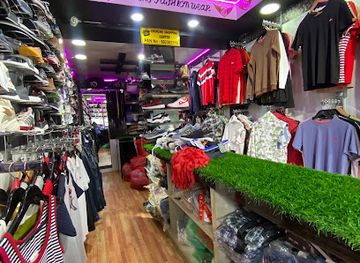
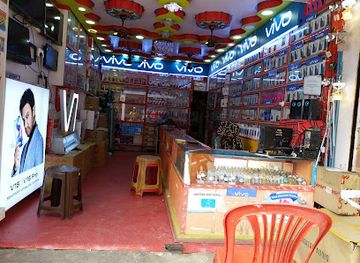
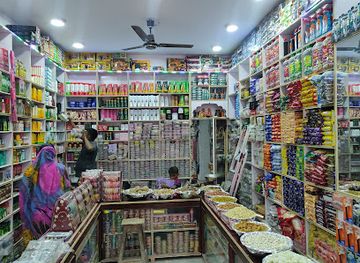
Shopping is most varied in Nepalgunj, where busy commercial streets and markets serve both local residents and travellers heading into western Nepal. Visitors can find practical trekking supplies, textiles, household goods, South Asian snacks and religious items, though bargaining and product quality vary. Birendranagar has a growing high-street and market scene, with everyday clothing, books, handicrafts and provisions for hill journeys. Around Bardiya, community enterprises and small shops may offer Tharu-inspired textiles, baskets, woodwork, local foods and modest handicrafts; buying directly from producers or established community outlets is preferable to treating cultural designs as anonymous souvenirs. Fresh produce, spices, sweets and tea make more useful regional purchases than fragile objects when travelling by road. Dailekh and Jajarkot have small local markets rather than destination shopping districts, and stock can be seasonal. Carry cash, bring reusable bags and check transport restrictions before purchasing agricultural products, plants or animal-derived items.
-
Jewelry store
Chhinchu Shopping Center
Discover the beauty of local craftsmanship at Chhinchu Shopping Center, Bheriganga's premier jewelry destination.
-
Electronics store
Gopal Electronic jahare bazar surkhet
Explore Gopal Electronic in Surkhet for an exciting range of electronics and a lively shopping experience amidst local culture.
-
Gift shop
Gupta Store
Discover unique souvenirs and quality cosmetics at Gupta Store in Bheriganga, where local craftsmanship meets vibrant culture.
-
Gift shop
Crazy Gift And Decor Store
Explore the Crazy Gift And Decor Store in Birendranagar for unique gifts and charming decor that capture the spirit of Nepal.
Get your free copy of our complete guide to Bheri Zone, delivered straight to you.
Everything on this page, from attractions and restaurants to essentials and local phrases, in one PDF you can read offline, print or share.
Already have an account? Sign in
Your Bheri Zone guide is ready.
We'll send it to · Not you? Sign out

Getting your guide ready…
We are putting together a fresh copy of the Bheri Zone guide. This can take up to a minute.
This can take a few moments. If your browser asks, choose Allow so the download can start. You'll find the guide in your Downloads folder.
Nothing happened? Download it again
Sorry, the guide is taking longer than usual. Please try again in a minute, or get it by email instead.
Bheri Zone essentials
Currency and Payment
Safety
Emergency Situations
Do's and Don'ts
Local Tips
From Eve
Local phrases worth knowing
You don't need to get them perfect. A few words go a long way, and locals appreciate the effort.
Basics
| English | Local | Say it |
|---|---|---|
| Hello | नमस्ते | [Namaste] |
| Goodbye | बिदाइ | [Bidaai] |
| Yes | हो | [Ho] |
| No | होइन | [Hoin] |
| Please/You're welcome | कृपया | [Kripaya] |
| Thank you | धन्यवाद | [Dhanyabad] |
| Excuse me/Sorry | माफ गर्नुहोस् | [Maaf garnuhos] |
| How are you? | तपाईंलाई कस्तो छ? | [Tapaiilai kasto chha?] |
| Fine. And you? | ठिक छ। तपाईंलाई? | [Thik chha. Tapaiilai?] |
| Do you speak English? | के तपाईं अंग्रेजी बोल्नुहुन्छ? | [Ke tapai angrezi bolnuhunchha?] |
| I don't understand | म बुझ्दिन | [Ma bujhdina] |
Eating & Drinking
| English | Local | Say it |
|---|---|---|
| I'd like to see the menu, please | कृपया म मीनु देख्न चाहन्छु | [Kripaya ma menu dekhna chahanchu] |
| I don't eat meat | म मासु खाँदैन | [Ma maasu khandaina] |
| Cheers! | स salud! | [Cheers!] |
| I would like to pay, please | कृपया म तिर्न चाहन्छु | [Kripaya ma tirna chahanchu] |
Emergencies
| English | Local | Say it |
|---|---|---|
| Help! | मदद गर्नुहोस्! | [Madad garnuhos!] |
| Go away! | दूर जानुहोस्! | [Door jaanuhos!] |
| Call the Police! | पुलिसलाई फोन गर्नुहोस्! | [Polis lai phone garnuhos!] |
| Call a doctor! | डाक्टरलाई फोन गर्नुहोस्! | [Daktar lai phone garnuhos!] |
| I'm lost | म हराएँ | [Ma harain] |
| I'm ill | म बिरामी छु | [Ma birami chhu] |
Shopping
| English | Local | Say it |
|---|---|---|
| I'd like to buy... | म किन्न चाहन्छु... | [Ma kinn chahanchu...] |
| I'm just looking | म केवल हेरिरहेको छु | [Ma keval herirahi chhu] |
| How much is it? | यसको मूल्य कति हो? | [Yasko moolya kati ho?] |
| That's too expensive | यो धेरै महँगो हो | [Yo dherai mahango ho] |
| Can you lower the price? | के तपाईं मूल्य घटाउन सक्नुहुन्छ? | [Ke tapai moolya ghautaun saknuhunchha?] |
Time & Numbers
| English | Local | Say it |
|---|---|---|
| What time is it? | कति बजेको छ? | [Kati bajeko chha?] |
| It's one o'clock | यो एक बजेको छ | [Yo ek bajeko chha] |
| Half past (10) | साढे (10) | [SaaDhe (10)] |
| Morning | बिहान | [Bihan] |
| Afternoon | दिउँसो | [Diúnso] |
| Evening | बेलुका | [Beluka] |
| Yesterday | हिजो | [Hijo] |
| Today | आज | [Aaja] |
| Tomorrow | भोलि | [Bholi] |
| 1 | एक | [Ek] |
| 2 | दुई | [Dui] |
| 3 | तीन | [Teen] |
| 4 | चार | [Char] |
| 5 | पाँच | [Paanch] |
| 6 | छ | [Chha] |
| 7 | सात | [Saat] |
| 8 | आठ | [Aath] |
| 9 | नौ | [Nau] |
| 10 | दस | [Das] |
Transport & Directions
| English | Local | Say it |
|---|---|---|
| Where's a/the...? | कहाँ छ ...? | [Kahaan chha...?] |
| What's the address? | ठेगाना के हो? | [Thegana ke ho?] |
| Can you show me (on the map)? | के तपाईं मलाई देखाउन सक्नुहुन्छ (नक्सामा)? | [Ke tapai malai dekhaun saknuhunchha (naksama)?] |
| When's the next (bus)? | अर्को (बस) कहिले आउँछ? | [Arko (bus) kahile aauchha?] |
| A ticket (to ....) | एक टिकट (.....) | [Ek ticket (.....)] |
History of Bheri Zone
Early Settlement and the Karnali Cultural Landscape
The region's history developed through the relationship between the Terai plains, the Siwalik foothills and the middle hills of the Karnali basin. Archaeological and religious traditions indicate long settlement around river corridors and fertile valleys, while hill communities maintained local political and cultural networks across difficult terrain. Sites such as Kakrebihar in Surkhet preserve the memory of an important Buddhist and Hindu cultural landscape, although much of the region's early history is better understood through archaeology, oral traditions, temples and settlement patterns than through a single continuous written record.
Khasa and Medieval Hill Kingdoms
During the medieval period, western Nepal was influenced by the Khasa Malla polity, whose sphere of power extended across parts of the Karnali and adjoining hill regions. The period left a legacy of Sanskritic and Buddhist religious practice, hill fortifications, local ruling families and routes linking the middle hills with the Tibetan frontier. Dailekh, Jajarkot and surrounding valleys developed as centres of local authority within a politically fragmented landscape. Many later temples, customs and historic settlements reflect the layering of these medieval traditions rather than a single architectural style.
The Gorkha Expansion and Nepalese Unification
In the eighteenth century, the expanding Gorkha state incorporated western hill territories into the kingdom that became modern Nepal. The process brought local principalities and estate holders into a wider political structure governed from the central hills and Kathmandu. Control of routes through the Bheri and Karnali regions mattered for administration, taxation and movement between the Terai and the mountains. The legacy remains visible in old palaces, forts, temples and administrative traditions, although many historic structures have been altered, damaged or absorbed into later settlements.
Terai Settlement, Forests and the Tharu Heritage
For centuries, the southern plains were shaped by Tharu communities whose agricultural practices, houses and social institutions adapted to the Terai environment. Malaria limited large-scale outside settlement in some areas until the twentieth century, when public-health campaigns, forest clearance and improved roads transformed the plains. Migration from the hills increased, and towns such as Nepalgunj expanded as commercial centres. The region's modern cultural character therefore combines longstanding Tharu heritage with later hill migration, cross-border trade and the growth of national infrastructure.
Modern Transport and Nepalgunj's Regional Role
The development of roads and air links in the twentieth century changed western Nepal's geography of access. Nepalgunj became an important commercial and transport centre for the western Terai and the hill districts beyond it, while Birendranagar developed as the principal urban centre of Surkhet Valley. Improved connections supported education, administration, trade and tourism, but also brought pressure on forests, river systems and traditional land use. The contrast between accessible plains towns and remote hill settlements remains one of the defining features of travel in Bheri Zone.
Conservation and the National Parks
Modern conservation created two major protected areas within the historic zone. Royal Bardia National Park, now Bardiya National Park, was established in 1988 after earlier wildlife reserves in the area, and Banke National Park followed in 2010. Both protect sal forests, grasslands and riverine habitats in a region where farming, settlement and wildlife corridors meet. Conservation has helped protect important species, including tigers and rhinoceroses, while also creating new economic opportunities through guiding, accommodation and community-based tourism. The relationship between parks and neighbouring communities remains central to the region's future.
Bheri Zone in Photos
Browse through our photo collection highlighting the charm and character of the destination.
Neighbouring regions of Bheri Zone
The closest regions to Bheri Zone, if you have time for more than one.
-

-

-

-

-


Swipe for more regions
Explore more

Explore more of Nepal
Discover Nepal: A land of towering peaks, spiritual harmony, and vibrant culture, offering endless adventures and serene escapes for every traveler.
Explore Nepal