

Far-Western Development Region, Nepal Travel Guide
Discover the unspoiled beauty and cultural heritage of Nepal's Far-Western Development Region, home to stunning landscapes, ancient temples, and vibrant festivals.
Far-Western Development Region in Nepal is a treasure trove of natural beauty and cultural richness. This region is less explored and offers an authentic experience of Nepalese life. The landscapes here are diverse, ranging from the lush green hills to the snow-capped peaks of the Himalayas. The region is also home to several national parks, making it a haven for wildlife enthusiasts. One of the highlights of this region is the Khaptad National Park. This park is a pristine area with rolling hills, dense forests, and open meadows. It is also a spiritual center, with the Khaptad Baba Ashram attracting pilgrims from all over the country. Another must-visit is the Rara Lake, the largest lake in Nepal, which offers stunning views and a serene atmosphere. The Far-Western Development Region is also rich in cultural heritage. The ancient temples and traditional villages offer a glimpse into the local way of life. The region's festivals are colorful and vibrant, reflecting the diversity of the local communities. For those interested in trekking, the Api Nampa Conservation Area offers challenging trails with rewarding views of the majestic Himalayas.

Know before you go
Hi, I'm Eve. Here are a few practical things to know before exploring Far-Western Development Region.
- Visit during the festivals to experience the local culture at its best.
- Carry warm clothing as the weather can be unpredictable, especially in the higher altitudes.
- Hire a local guide to explore the national parks and hidden trails.
- Respect local customs and traditions when visiting temples and villages.
- Try the local cuisine, which is distinct from other regions of Nepal.
Destinations in Far-Western Development Region
Resorts, valleys and scenic spots worth a trip of their own.

Explore Far-Western Development Region: Things to Do, Places to Eat, Hotels & More
Handpicked recommendations for top attractions, local dining, accommodations, and more

Top Attractions & Sightseeing in Far-Western Development Region
Top-rated picks
Best Attractions

Ramaroshan Lake
Explore the tranquil beauty of Ramaroshan Lake, a serene nature preserve in Nepal's far west, perfect for nature lovers and adventure seekers.

West Nepal Adventure Tourism
Experience the wonders of wildlife and serene lodging at West Nepal Adventure Tourism, where nature's beauty unfolds in every moment.

PATTHAR BANDH ( Sight Seeing Spot || Bardiya National Park)
Explore Patthar Bandh, a stunning sight-seeing spot in Bardiya National Park, where nature and wildlife come together in breathtaking harmony.

Best restaurants in Far-Western Development Region
Top-rated picks
Best Restaurants

Hotel Raino
Experience authentic Nepalese cuisine at Hotel Raino in Dhangadhi—where tradition meets flavor in every dish.

Pokhari cottage
Experience authentic Nepali cuisine amidst scenic views at Pokhari Cottage in Bhimdatta.

Best dish of chisapani , karnali
Experience authentic Nepali cuisine at Chisapani in Karnali, where every dish tells a story amidst breathtaking river views.

Dreams Restaurant
Experience authentic flavors at Dreams Restaurant in Bhimdatta - where culinary tradition meets modern dining.

Best bars in Far-Western Development Region
Top-rated picks
Best Bars
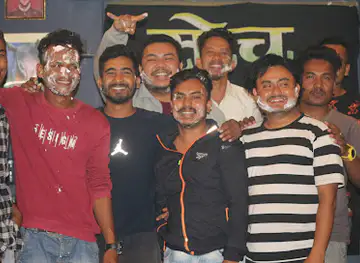
Soch Cafe
Discover the charm of Soch Cafe in Krishnapur, where delightful beverages meet a cozy ambiance for the ultimate relaxation.

Dajubhai wine shop
Discover the charm of Dajubhai Wine Shop in Dhangadhi, where exquisite wines and a cozy atmosphere await all wine enthusiasts.

Hotel Aali restaurant & lounge
Discover the lively ambiance and delicious cuisine at Hotel Aali Restaurant & Lounge in Jhalaripipaladi for an unforgettable dining experience.

Aman hotel
Experience a serene retreat at Aman Hotel's bar in Daijee, where exquisite beverages meet a warm, inviting atmosphere for travelers.

Best nightclubs in Far-Western Development Region
Top-rated picks
Best Nightclubs

Club Catwalk
Discover the pulse of Pokhara's nightlife at Club Catwalk, where music, dance, and culinary delights come together in a vibrant atmosphere.

The Treasure Lounge
Discover an unforgettable nightlife experience at The Treasure Lounge, Pokhara's top destination for music, dance, and vibrant atmosphere.

Club Sixteen
Experience the pulsating energy of Club Sixteen, Pokhara's top night club, where unforgettable nights and vibrant music come alive.

The CobraZ Dance Bar
Experience the vibrant nightlife at The CobraZ Dance Bar, Bhimdatta's premier destination for dance and drinks.

Best shops in Far-Western Development Region
Top-rated picks
Best Shops
Khanal Stores
Explore Khanal Stores in Pokhara, a vibrant shopping mall where local culture and modern retail converge to offer a unique shopping experience.

Kiran Electronics & Bijuli Bhandar
Discover Kiran Electronics & Bijuli Bhandar in Dipayal Silgadhi, where technology meets local charm, providing everything from gadgets to essentials.

Pant Steel Bhandar
Explore Pant Steel Bhandar in Amargadhi for unique home goods and an authentic local shopping experience amidst the vibrant culture of Nepal.

K Darsyu Gaupalika 5 Sedikhola bajhang
Discover the cultural richness of K Darsyu Gaupalika, a vibrant market in Bajhang offering local goods and a taste of community life.

Explore Far-Western Development Region on the Map
A handpicked selection of must-see spots in Far-Western Development Region, mapped for you.
Far-Western Development Region Essentials
-
Far-Western Development Region in Nepal can be reached via multiple routes. The nearest major airport is Tribhuvan International Airport in Kathmandu. From Kathmandu, you can take a domestic flight to Dhangadhi, which serves as a gateway to the region. Alternatively, you can take a long-distance bus from Kathmandu to major cities like Dhangadhi, Mahendranagar, or Dadeldhura. The bus journey can take up to 15-18 hours depending on road conditions. Another option is to hire a private vehicle for a more comfortable and flexible journey.
-
Within Far-Western Development Region, transportation options include local buses, minibuses, and taxis. Public buses are affordable but can be crowded and slow. Taxis and jeeps are available for hire and are a more comfortable option for exploring remote areas. For those looking to explore at their own pace, renting a motorbike or a car is also an option, though road conditions can vary significantly.
-
The official currency in Nepal is the Nepalese Rupee (NPR). Credit cards are accepted in some hotels, restaurants, and larger shops in major towns, but it is advisable to carry cash, especially in smaller establishments and rural areas. ATMs are available in major towns like Dhangadhi and Mahendranagar, but it is wise to withdraw sufficient cash before heading into more remote areas.
-
Far-Western Development Region is generally safe for tourists, but standard travel precautions should be taken. Avoid walking alone at night in unfamiliar areas and keep an eye on your belongings in crowded places. Some remote areas may have limited law enforcement presence, so it is best to stay in well-populated and well-lit areas. There are no specific high-crime areas targeting tourists, but always remain vigilant and aware of your surroundings.
-
In case of emergency, dial 100 for police assistance and 102 for medical emergencies. Major towns like Dhangadhi and Mahendranagar have hospitals and medical facilities. It is recommended to have travel insurance that covers medical emergencies. For minor health issues, there are pharmacies in major towns where you can purchase over-the-counter medications.
-
Fashion: Do dress modestly, especially when visiting religious sites. Avoid wearing revealing clothing. Religion: Do respect local customs and traditions. Always remove your shoes before entering temples and monasteries. Public Transport: Do be respectful and give up your seat to elderly passengers. Don't eat or drink on public transport. Greetings: Do greet people with a 'Namaste' by joining your palms together. It is a common and respectful greeting. Eating & Drinking: Do try local delicacies and accept food offerings graciously. Don't refuse hospitality, as it is considered impolite.
-
To experience Far-Western Development Region like a local, visit the local markets where you can buy fresh produce and traditional Nepali goods. Engage with locals, as they are often friendly and willing to share stories about the region's history and culture. Don't miss visiting the Khaptad National Park and the Rara Lake, both offering stunning natural beauty. For a unique experience, participate in local festivals and cultural events whenever possible.
When is the best time to visit Far-Western Development Region?
Useful Local Phrases for Far-Western Development Region
You don't need to speak the language perfectly. Even learning a few simple words can make conversations warmer—and locals usually appreciate the effort.
— Eve

Here are the phrases I use most often in Far-Western Development Region. Try a few—you'll be surprised how far they go! 😊
❤️
-
- Helloनमस्ते
[Namaste] - Goodbyeअलविदा
[Alvida] - Yesहो
[Ho] - Noहोइन
[Hoin] - Please/You're welcomeकृपया/स्वागत छ
[Kripaya/Swagat cha] - Thank youधन्यवाद
[Dhanyabad] - Excuse me/Sorryमाफ गर्नुहोस्
[Maf garnuhos] - How are you?तिमीलाई कस्तो छ?
[Timilai kasto cha?] - Fine. And you?ठिक छ। अनि तिमी?
[Thik cha. Ani timi?] - Do you speak English?के तिमीलाई अंग्रेजी बोल्न आउँछ?
[Ke timilai angreji bolna aunchha?] - I don't understandम बुझ्दिन
[Ma bujhdina]
- Helloनमस्ते
-
- I'd like to see the menu, pleaseमेनु हेर्न चाहन्छु, कृपया
[Menu herna chahanchu, kripaya] - I don't eat meatम मांस खाँदिन
[Ma maans khandina] - Cheers!स salud!
[S salud!] - I would like to pay, pleaseम तिर्न चाहन्छु, कृपया
[Ma tirna chahanchu, kripaya]
- I'd like to see the menu, pleaseमेनु हेर्न चाहन्छु, कृपया
-
- Help!मदत गर!
[Madat gar!] - Go away!दूर जानुहोस्!
[Dur januhos!] - Call the Police!पुलिसलाई फोन गर्नुहोस्!
[Pulislai phone garnuhos!] - Call a doctor!डाक्टरलाई फोन गर्नुहोस्!
[Daktar lai phone garnuhos!] - I'm lostम हराएँ
[Ma harae] - I'm illम बिरामी छु
[Ma birami chu]
- Help!मदत गर!
-
- I'd like to buy...म किन्न चाहन्छु...
[Ma kinna chahanchu...] - I'm just lookingम केवल हेरिरहेको छु
[Ma keval herirahi chu] - How much is it?यसको मूल्य के हो?
[Yasko mulya ke ho?] - That's too expensiveयो धेरै महँगो छ
[Yo dherai mahango cha] - Can you lower the price?के तपाईं मूल्य घटाउन सक्नुहुन्छ?
[Ke tapaain mulya ghatna saknuhunchha?]
- I'd like to buy...म किन्न चाहन्छु...
-
- What time is it?कति बजे हो?
[Kati baje ho?] - It's one o'clockयो एक बजेको छ
[Yo ek bajeko cha] - Half past (10)साढे (१०)
[Sadhai (10)] - Morningबिहान
[Bihan] - Afternoonदिउँसो
[Diyunso] - Eveningसाँझ
[Sajh] - Yesterdayहिजो
[Hijo] - Todayआज
[Aaja] - Tomorrowभोली
[Bholi] - 1१
[1] - 2२
[2] - 3३
[3] - 4४
[4] - 5५
[5] - 6६
[6] - 7७
[7] - 8८
[8] - 9९
[9] - 10१०
[10]
- What time is it?कति बजे हो?
-
- Where's a/the...?कहाँ छ ...?
[Kahaan cha...?] - What's the address?ठेगाना के हो?
[Thegana ke ho?] - Can you show me (on the map)?के तपाईं मलाई देखाउन सक्नुहुन्छ (नक्सामा)?
[Ke tapaain malai dekhauna saknuhunchha (naksama)?] - When's the next (bus)?अर्को (बस) कहिले आउँछ?
[Arko (bus) kahile aunchha?] - A ticket (to ....)एक टिकट (....को लागि)
[Ek ticket (...ko lagi)]
- Where's a/the...?कहाँ छ ...?
History of Far-Western Development Region
-
The Far-Western Development Region of Nepal has been inhabited since ancient times, with evidence suggesting the presence of early human settlements. The region was once part of the Doti Kingdom, which played a significant role in the history of Nepal. The Katyuri dynasty, which ruled over the region, contributed to the cultural and architectural heritage of Far-Western Nepal. The remnants of ancient palaces and temples are scattered across this area, providing a glimpse into the region's past grandeur.
-
Between the 12th and 14th centuries, the Khasa Kingdom emerged as a dominant power in the region. The Khasa rulers extended their influence over much of western Nepal and parts of India. The Khasa Kingdom is noted for its contributions to the development of art, architecture, and literature in the region. The Khasa people, known for their bravery and martial skills, played a crucial role in shaping the cultural identity of Far-Western Nepal.
-
The Doti Kingdom, established by the Doti rulers, became a prominent medieval kingdom in Far-Western Nepal. The kingdom is known for its resistance against external invasions and its efforts to maintain autonomy. The Doti rulers were patrons of art and culture, and their reign saw the construction of many temples, forts, and palaces. The legacy of the Doti Kingdom continues to influence the cultural landscape of the region.
-
The unification of Nepal in the 18th century by King Prithvi Narayan Shah brought the Far-Western Development Region under the control of the Gorkha Kingdom. The region became an integral part of modern Nepal, contributing to the country's diversity and cultural richness. Despite being geographically remote, the Far-Western Development Region has played a significant role in the political and social history of Nepal.
-
The Far-Western Development Region is home to a rich tapestry of cultural heritage and traditions. The region celebrates various festivals with great enthusiasm, including Dashain, Tihar, and Gaura Parva. Gaura Parva, in particular, is unique to this region and involves elaborate rituals and festivities. The traditional music, dance, and crafts of the region reflect the diverse cultural influences that have shaped its history. The region's cultural heritage is preserved through its vibrant communities and their customs.
-
Far-Western Nepal is known for its stunning natural landscapes, including the pristine Rara Lake, the majestic Api and Saipal mountains, and the lush forests of the Khaptad National Park. The region's biodiversity is remarkable, with numerous species of flora and fauna thriving in its varied ecosystems. The traditional knowledge of local communities about the region's natural resources has been passed down through generations, contributing to sustainable practices and conservation efforts.
Neighbouring Regions of Far-Western Development Region
The closest regions to Far-Western Development Region, if you have time for more than one.


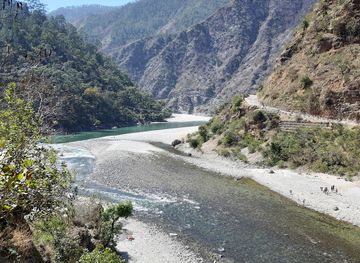

Your all‑in‑one travel companion app
Explore expert travel guides, compare and book tours, experiences, hotels, and more—all from the palm of your hand. Download now for seamless trip planning wherever your wanderlust takes you.


Explore More of Nepal

Looking beyond Far-Western Development Region? Discover Nepal for broader travel guides, local hot-spots, and regional highlights.
Explore NepalFar-Western Development Region in Photos
Browse through our photo collection highlighting the charm and character of the destination.


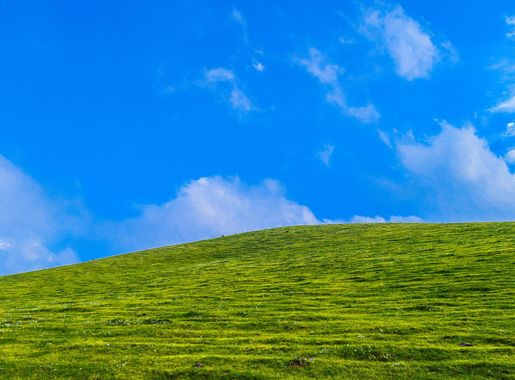


Exploring the Untouched Beauty of Far-Western Nepal
Far-Western Development Region in Nepal is a treasure trove of natural beauty and cultural richness. This region is less explored and offers an authentic experience of Nepalese life. The landscapes here are diverse, ranging from the lush green hills to the snow-capped peaks of the Himalayas. The region is also home to several national parks, making it a haven for wildlife enthusiasts. One of the highlights of this region is the Khaptad National Park. This park is a pristine area with rolling hills, dense forests, and open meadows. It is also a spiritual center, with the Khaptad Baba Ashram attracting pilgrims from all over the country. Another must-visit is the Rara Lake, the largest lake in Nepal, which offers stunning views and a serene atmosphere. The Far-Western Development Region is also rich in cultural heritage. The ancient temples and traditional villages offer a glimpse into the local way of life. The region's festivals are colorful and vibrant, reflecting the diversity of the local communities. For those interested in trekking, the Api Nampa Conservation Area offers challenging trails with rewarding views of the majestic Himalayas.