

Mid-Western Development Region, Nepal Travel Guide
Discover Nepal's Mid-Western Development Region: A blend of serene landscapes, rich wildlife, and vibrant culture waiting to be explored.
The Mid-Western Development Region of Nepal is a treasure trove of natural beauty and cultural richness. Located deep in the heart of Nepal, this region is less crowded than the popular tourist spots, offering a serene and intimate travel experience. From the pristine landscapes of Rara Lake to the rugged terrains of the Karnali River, this region offers diverse attractions for nature lovers and adventure enthusiasts alike. One of the highlights of this region is Bardiya National Park, home to a variety of wildlife including the elusive Bengal tiger and the one-horned rhinoceros. Guided jungle safaris provide a thrilling way to view these majestic animals in their natural habitat. For those interested in cultural experiences, the region is dotted with quaint villages where you can witness traditional Nepali lifestyles, customs, and festivals. The Mid-Western Development Region also offers numerous trekking routes, each providing breathtaking views of the Himalayas. The trails are less trodden, giving trekkers a chance to connect deeply with nature. The region’s hospitality is unparalleled, with locals warmly welcoming visitors into their homes and hearts. Whether you are seeking adventure, tranquility, or cultural immersion, the Mid-Western Development Region of Nepal promises an unforgettable journey.

Know before you go
Hi, I'm Eve. Here are a few practical things to know before exploring Mid-Western Development Region.
- Best time to visit: October to April for favorable weather.
- Carry cash as ATMs are scarce in remote areas.
- Hire local guides for jungle safaris to enhance safety and experience.
- Respect local customs and traditions; dress modestly in villages.
- Pack essentials like water purification tablets and first aid kits.
Top City Travel Guides in Mid-Western Development Region
The cities of Mid-Western Development Region, and the easiest places to base yourself.


Destinations in Mid-Western Development Region
Resorts, valleys and scenic spots worth a trip of their own.


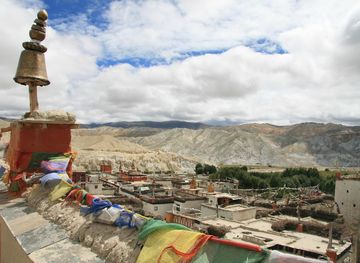

Best landmarks in Mid-Western Development Region
Top-rated picks
Best Landmarks

Patan Darbar Square
Discover the enchanting Patan Darbar Square, a historical landmark in Lalitpur, Nepal, showcasing exquisite medieval architecture and vibrant local culture.

Bhaktapur Durbar Square
Explore the historical wonders of Bhaktapur Durbar Square, a UNESCO World Heritage Site filled with stunning temples and vibrant local culture.

International Mountain Museum
Discover the International Mountain Museum in Pokhara: a cultural haven celebrating the majestic Himalayas and the spirit of adventure.

Bardiya National Park
Explore the breathtaking landscapes and diverse wildlife at Bardiya National Park, a top tourist attraction in Nepal offering unforgettable adventures.

Best restaurants in Mid-Western Development Region
Top-rated picks
Best Restaurants

Open House Restro And Lounge bar
Discover culinary bliss at Open House Restro And Lounge Bar in Pokhara – where stunning views meet exceptional dining experiences.

Roadhouse Cafe Pokhara
Discover exquisite flavors and breathtaking views at Roadhouse Cafe in Pokhara – your gateway to authentic Nepali cuisine.

Caffe Concerto
Experience authentic Italian cuisine at Caffe Concerto in Pokhara—where every dish tells a story amidst stunning Himalayan views.

Chilly Bar & Restaurant
Discover delightful flavors at Chilly Bar & Restaurant in Pokhara - where authentic cuisine meets breathtaking views.

Best bars in Mid-Western Development Region
Top-rated picks
Best Bars

Dunga Restro & Lounge Bar
Discover the culinary magic of Dunga Restro & Lounge Bar, where lakeside views meet a diverse menu in the heart of Pokhara.

The Treasure Lounge
Discover the pulsating nightlife of Pokhara at The Treasure Lounge, where great music, drinks, and dancing await every visitor.
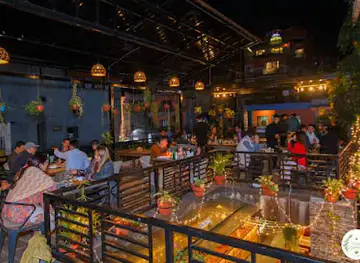
Longest Bar
Discover the Longest Bar in Pokhara, where vibrant nightlife meets a diverse drink selection in a lively atmosphere.

The Boss Restaurant
Experience a flavorful journey at The Boss Restaurant, Pokhara's premier spot for barbecue, steaks, and lakeside views.

Best nightclubs in Mid-Western Development Region
Top-rated picks
Best Nightclubs

Club Catwalk
Discover the pulse of Pokhara's nightlife at Club Catwalk, where music, dance, and flavors collide for an unforgettable evening.

The Treasure Lounge
Experience the vibrant nightlife of Pokhara at The Treasure Lounge, featuring a blend of Nepali, Bollywood, and EDM music in an electrifying atmosphere.

The Concept Club and Pub
Discover Butwal's lively nightlife at The Concept Club and Pub, where electrifying live music and vibrant atmosphere await every night.

Club Sixteen
Dive into the electrifying nightlife of Pokhara at Club Sixteen, where music, dance, and vibrant energy await every night.

Best shops in Mid-Western Development Region
Top-rated picks
Best Shops

Oodni by Khusbhu Dangol
Explore Oodni by Khusbhu Dangol in Lalitpur for a unique selection of women's fashion, blending traditional craftsmanship with modern style.

Made In Nepal Stores Pulchowk,Narayanghat
Explore the vibrant culture of Nepal through fashion at Made In Nepal Stores in Pulchowk, Narayanghat, where tradition meets contemporary style.

Khanal Stores
Explore the vibrant Khanal Stores in Pokhara, where local culture meets a diverse shopping experience in the heart of Nepal.

Unique Department Store
Discover the vibrant shopping scene at the Unique Department Store in Lekhnath, where local culture meets modern retail.

Explore Mid-Western Development Region on the Map
A handpicked selection of must-see spots in Mid-Western Development Region, mapped for you.
Mid-Western Development Region Essentials
-
The Mid-Western Development Region of Nepal can be accessed via various means. The nearest international airport is Tribhuvan International Airport in Kathmandu. From there, you can take a domestic flight to Nepalgunj Airport or Surkhet Airport, which serve as gateways to the region. Alternatively, buses and private vehicles can be hired from Kathmandu, Pokhara, or other major cities to reach different parts of the Mid-Western Development Region. The road journey, although long, offers scenic views of the Nepalese countryside.
-
Within the Mid-Western Development Region, local transportation includes buses, minibuses, and jeeps which connect various towns and villages. For more remote areas, hiring a private vehicle or taking a guided tour may be necessary. Motorbikes and bicycles are also popular for shorter distances. Be prepared for varying road conditions, especially in rural areas.
-
The official currency in Nepal is the Nepalese Rupee (NPR). Credit cards are accepted in some hotels, restaurants, and shops in larger towns, but cash is preferred in smaller establishments and rural areas. ATMs are available in major towns like Nepalgunj and Surkhet, but it's advisable to carry sufficient cash if you plan to visit remote areas.
-
The Mid-Western Development Region is generally safe for tourists. However, standard precautions should be taken. Avoid walking alone at night in unfamiliar areas and keep an eye on your belongings in crowded places. Petty crimes like pickpocketing can occur in busy markets and bus stations. Some remote areas might have less frequent police presence, so always stay aware of your surroundings.
-
In case of emergency, dial 100 for police assistance and 102 for medical emergencies. Major towns like Nepalgunj and Surkhet have hospitals and medical facilities. It's recommended to have travel insurance that covers medical emergencies. For minor health issues, pharmacies are available in most towns where you can purchase over-the-counter medications.
-
Fashion: Do dress modestly, especially when visiting religious sites. Avoid wearing revealing clothing. Religion: Do respect local customs and traditions. Remove your shoes before entering temples and avoid touching religious objects. Public Transport: Do be respectful and give up your seat to elderly passengers. Don’t eat or drink on public transport. Greetings: Do greet people with a 'Namaste' (a slight bow with palms together). Eating & Drinking: Do try local delicacies and accept food offerings graciously. Don’t refuse hospitality, as it is considered impolite.
-
To experience the Mid-Western Development Region like a local, visit local markets where you can buy fresh produce and traditional Nepalese goods. Engage with locals, as they are often friendly and willing to share stories about the region's history and culture. Don't miss visiting the Bardiya National Park for wildlife spotting, and the Rara Lake, which is a hidden gem offering stunning natural beauty. Also, try traditional dishes like 'Dal Bhat' for an authentic culinary experience.
When is the best time to visit Mid-Western Development Region?
Useful Local Phrases for Mid-Western Development Region
You don't need to speak the language perfectly. Even learning a few simple words can make conversations warmer—and locals usually appreciate the effort.
— Eve

Here are the phrases I use most often in Mid-Western Development Region. Try a few—you'll be surprised how far they go! 😊
❤️
-
- Helloनमस्कार
[Namaskār] - Goodbyeबिदाई
[Bidā'ī] - Yesहो
[Ho] - Noहोइन
[Ho'in] - Please/You’re welcomeकृपया/स्वागतम्
[Kripayā/Svāgatam] - Thank youधन्यवाद
[Dhanyavād] - Excuse me/Sorryमाफ गर्नुहोस्
[Māph garnuhos] - How are you?तपाईंलाई कस्तो छ?
[Tapā'īnlā'ī kasto cha?] - Fine. And you?ठिक छ। र तपाई?
[ṭhik cha. ra tapā'ī?] - Do you speak English?के तपाईं अङ्ग्रेजी बोल्नुहुन्छ?
[Ke tapā'ī aṅgrējī bolnuhunch?] - I don't understandम बुझ्दिन
[Ma bujhdina]
- Helloनमस्कार
-
- I’d like to see the menu, pleaseम मेनु हेर्न चाहन्छु, कृपया
[Ma menu herna chāhanchu, kripayā] - I don't eat meatम मासु खाँदिन
[Ma māsu khāndina] - Cheers!सुप!
[Sup!] - I would like to pay, pleaseम तिर्न चाहन्छु, कृपया
[Ma tirna chāhanchu, kripayā]
- I’d like to see the menu, pleaseम मेनु हेर्न चाहन्छु, कृपया
-
- Help!मदद गर्नुहोस्!
[Madad garnuhos!] - Go away!टाढा जानुहोस्!
[ṭāḍhā jānuhos!] - Call the Police!पुलिसलाई फोन गर्नुहोस्!
[Pulislā'ī phone garnuhos!] - Call a doctor!डाक्टरलाई फोन गर्नुहोस्!
[Ḍākṭarlā'ī phone garnuhos!] - I’m lostम हराएको छु
[Ma harāeko chu] - I’m illम बिरामी छु
[Ma birāmī chu]
- Help!मदद गर्नुहोस्!
-
- I’d like to buy...म किन्न चाहन्छु...
[Ma kinnā chāhanchu...] - I’m just lookingम त केवल हेर्दैछु
[Ma ta keval herdai chu] - How much is it?यो कति हो?
[Yo kati ho?] - That’s too expensiveयो धेरै महँगो छ
[Yo dherai mahango cha] - Can you lower the price?तपाईं मूल्य घटाउन सक्नुहुन्छ?
[Tapā'ī mulya ghaṭāuna saknuhunch?]
- I’d like to buy...म किन्न चाहन्छु...
-
- What time is it?यो कति बजेको छ?
[Yo kati bajeko cha?] - It’s one o'clockयो एक बजेको छ
[Yo ek bajeko cha] - Half past (10)सवा (१०)
[Sawā (10)] - Morningबिहान
[Bihān] - Afternoonमध्याह्न
[Madhyāhna] - Eveningसाँझ
[Sānjh] - Yesterdayहिजो
[Hijo] - Todayआज
[Āj] - Tomorrowभोली
[Bholī] - 1१
[1] - 2२
[2] - 3३
[3] - 4४
[4] - 5५
[5] - 6६
[6] - 7७
[7] - 8८
[8] - 9९
[9] - 10१०
[10]
- What time is it?यो कति बजेको छ?
-
- Where's a/the...?कहाँ छ ...?
[Kahān cha ...?] - What’s the address?ठेगाना के हो?
[Ṭhegānā ke ho?] - Can you show me (on the map)?तपाईं मलाई देखाउन सक्नुहुन्छ (नक्सामा)?
[Tapā'īnlā'ī dekhāuna saknuhunch (naksāmā)?] - When's the next (bus)?अर्को (बस) कहिले छ?
[Arko (bas) kahile cha?] - A ticket (to ....)एक टिकट (लाई ....)
[Ek ṭikaṭ (lā'ī ....)]
- Where's a/the...?कहाँ छ ...?
History of Mid-Western Development Region
-
The Mid-Western Development Region, one of the five development regions of Nepal, holds a rich tapestry of history and culture. It is comprised of three zones: Karnali, Bheri, and Rapti, each offering unique insights into the region’s past and present. The region spans from the Terai plains to the high Himalayas, encapsulating diverse geography, cultures, and historical narratives.
-
The region has been home to ancient kingdoms and dynasties that have shaped its historical landscape. The Jumla Valley, in particular, was the seat of the powerful Khas Malla Kingdom during the 12th to 14th centuries. The Khas Malla rulers played a crucial role in the political and cultural development of the western Himalayas, leaving behind a legacy of art, architecture, and literature.
-
Mid-Western Nepal is a confluence of Hindu and Buddhist traditions. The region is dotted with ancient temples and monasteries, reflecting centuries of religious harmony. The Rara Lake area, for instance, has archaeological sites that indicate a rich heritage influenced by both Hindu and Buddhist practices. The Karnali River valley is also significant for its ancient shrines and pilgrimage sites.
-
During the unification of Nepal in the 18th century, the Mid-Western Development Region played a crucial role. King Prithvi Narayan Shah, the founder of modern Nepal, extended his campaign into this region, integrating various small principalities and establishing a unified nation-state. The strategic location of the region made it a pivotal area in the military and political maneuvers of the unification process.
-
The region witnessed significant political and social changes during the Rana regime (1846-1951). The Ranas established a feudal system that heavily impacted the rural populace. However, the Mid-Western Development Region also became a hotbed for anti-Rana movements, contributing significantly to the fight for democracy in Nepal. Prominent figures from the region participated in the revolution that eventually led to the establishment of a democratic government.
-
The socio-economic landscape of the Mid-Western Development Region has evolved significantly over the years. Traditional agriculture, animal husbandry, and trade have been the backbone of the regional economy. The introduction of modern infrastructure projects, such as hydroelectric plants and road networks, has further spurred development. The region is also known for its traditional crafts, such as weaving and pottery, which continue to be an integral part of local culture.
-
The cultural fabric of the Mid-Western Development Region is rich with festivals and traditions. Festivals like Dashain, Tihar, and Maghi are celebrated with great fervor, showcasing the region's vibrant cultural heritage. The Tharu community, one of the indigenous groups in the Terai plains, has unique cultural practices and festivals that attract visitors. Traditional dances, music, and rituals are an essential part of the cultural identity of the people in this region.
-
Tourism has become an essential aspect of the Mid-Western Development Region, with natural attractions like Rara Lake, Bardia National Park, and the Karnali River drawing visitors from around the world. Conservation efforts have been underway to preserve the region's natural and cultural heritage. Various community-based tourism initiatives aim to promote sustainable tourism while providing economic benefits to local communities.
Neighbouring Regions of Mid-Western Development Region
The closest regions to Mid-Western Development Region, if you have time for more than one.


Your all‑in‑one travel companion app
Explore expert travel guides, compare and book tours, experiences, hotels, and more—all from the palm of your hand. Download now for seamless trip planning wherever your wanderlust takes you.


Explore More of Nepal

Looking beyond Mid-Western Development Region? Discover Nepal for broader travel guides, local hot-spots, and regional highlights.
Explore NepalMid-Western Development Region in Photos
Browse through our photo collection highlighting the charm and character of the destination.


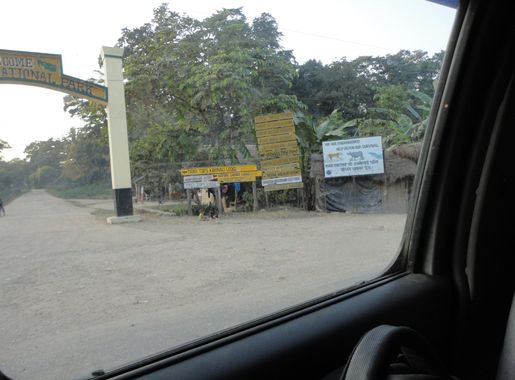
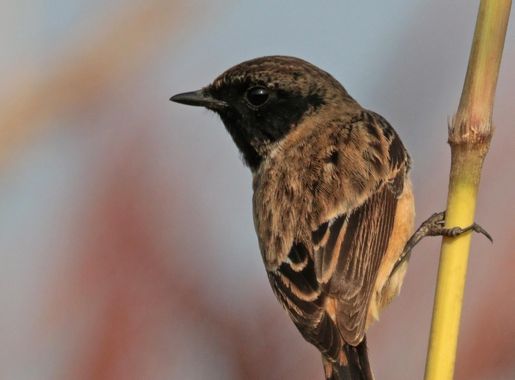
Mid-Western Development Region: Nepal's Hidden Gem
The Mid-Western Development Region of Nepal is a treasure trove of natural beauty and cultural richness. Located deep in the heart of Nepal, this region is less crowded than the popular tourist spots, offering a serene and intimate travel experience. From the pristine landscapes of Rara Lake to the rugged terrains of the Karnali River, this region offers diverse attractions for nature lovers and adventure enthusiasts alike. One of the highlights of this region is Bardiya National Park, home to a variety of wildlife including the elusive Bengal tiger and the one-horned rhinoceros. Guided jungle safaris provide a thrilling way to view these majestic animals in their natural habitat. For those interested in cultural experiences, the region is dotted with quaint villages where you can witness traditional Nepali lifestyles, customs, and festivals. The Mid-Western Development Region also offers numerous trekking routes, each providing breathtaking views of the Himalayas. The trails are less trodden, giving trekkers a chance to connect deeply with nature. The region’s hospitality is unparalleled, with locals warmly welcoming visitors into their homes and hearts. Whether you are seeking adventure, tranquility, or cultural immersion, the Mid-Western Development Region of Nepal promises an unforgettable journey.