

Free Karnali Province Travel Guide & Mobile App
Explore Karnali Province with free travel guides. Discover regional history, expert tips, proposed trips, and audio guides on web or mobile app.


Explore Karnali Province for Rara and Phoksundo lakes, ancient Khasa heritage, remote Himalayan treks and Nepal’s wild north-western landscapes.
Read more about Karnali Province
When is the best time to visit Karnali Province?
Best: April–May, September · 21–26°C| Month | High (°C) | Rainfall (mm) |
|---|---|---|
| January | 10 | 20 |
| February | 12 | 30 |
| March | 17 | 35 |
| April (best) | 21 | 45 |
| May (best) | 25 | 55 |
| June | 28 | 65 |
| July | 29 | 95 |
| August | 28 | 90 |
| September (best) | 26 | 70 |
| October | 21 | 50 |
| November | 16 | 30 |
| December | 11 | 25 |
Getting to and around Karnali Province
How to get there
Transportation
Destinations in Karnali Province
Resorts, valleys and scenic spots worth a trip of their own.
-

-

-

-

-

-


Swipe for more destinations
Best attractions in Karnali Province
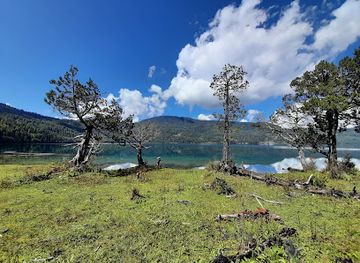
Karnali’s attractions are primarily landscapes, cultural routes and demanding journeys rather than a dense collection of developed visitor sites. Rara National Park centres on Rara Lake, Nepal’s largest lake, whose forested shoreline and surrounding ridges offer walking, birdwatching and quiet mountain scenery. Shey Phoksundo National Park provides a much wilder experience, with Phoksundo Lake, high Himalayan valleys, waterfalls and settlements shaped by Tibetan Buddhist and Bon traditions. In Humla, treks around Simikot and towards the Limi Valley reveal remote villages and trans-Himalayan landscapes, while Jumla combines high-altitude farming with access to the historic Sinja Valley. Southern Karnali offers a softer introduction through the forests and cultural sites around Surkhet, the middle hills of Dailekh and the river valleys of Salyan and Jajarkot. Rafting and river journeys are possible on sections of the Karnali system for suitably equipped and experienced operators, although conditions and logistics require careful planning. Museums and visitor infrastructure are limited outside the main towns, so the province is best suited to travellers interested in trekking, wildlife, archaeology, rural culture and landscapes reached slowly.
-
Tourist attraction
Bhulbhule, Jumla
Unveil the tranquil beauty of Bhulbhule, Jumla, a serene tourist attraction in Nepal offering breathtaking vistas and rich local culture.
-
Park
Siftichaur Pasture, Jumla
Experience the breathtaking beauty and tranquility of Siftichaur Pasture in Jumla, Nepal, a perfect escape for nature lovers and adventurers.
-
Tourist attraction
Chuchemara Lek,Rara View Point चुचेमारा रारा
Discover the breathtaking beauty of Chuchemara Lek, Rara View Point, where nature's splendor meets serene tranquility in the heart of Nepal.
-
Tourist attraction
Karnali U-turn point,Sceneric Point,Satbaseni
Experience the breathtaking beauty of Karnali U-Turn Point in Sugarkhal, where nature's wonders unfold in stunning panoramic views.

Best landmarks in Karnali Province
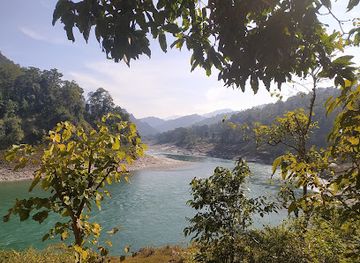
Rara Lake is Karnali’s most recognisable natural landmark, a large, deep-blue body of water surrounded by conifer and broadleaf forest within Rara National Park in Mugu District. Phoksundo Lake in Dolpa is equally distinctive, set below stark mountain walls and associated with the trails and settlements of Shey Phoksundo National Park. The high passes and ancient villages of Dolpa and Humla form a broader cultural landscape in which monasteries, chortens and traditional stone houses reflect long connections with Tibet. In Jumla, the Sinja Valley is the province’s foremost historical landmark, linked to the Khasa Malla kingdom and the early development of the Khas language. Near Birendranagar, Kakre Vihar preserves the remains of a medieval stone religious complex and provides an accessible introduction to the province’s archaeological heritage. Dailekh’s temples, old settlements and geological features add further depth, while the Karnali River itself is a defining geographical presence, cutting through the province and linking its high valleys with the southern plains.
-
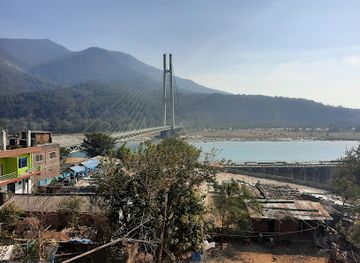
Bridge
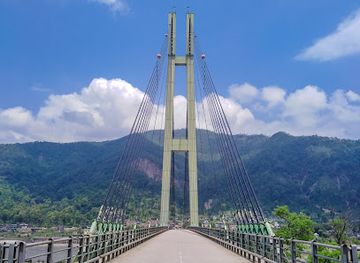
Karnali Bridge
Experience the breathtaking beauty of Karnali Bridge, a scenic gem in Nepal offering stunning views, local cuisine, and unforgettable adventures.
-
Historical landmark
Hatsinja(हाटसिंजा)Sinja Valley-Karnali Province
Explore Hatsinja, a historical landmark in Sinja Valley, where the rich legacy of the Khas Kingdom meets stunning natural beauty in Karnali Province.
-
 Historical landmark
Humla Karnali-Takchi Khola Confluence
Experience the serene beauty and cultural richness at the Humla Karnali-Takchi Khola Confluence, a hidden gem in Nepal's majestic landscapes.
-
Tourist attraction
Karnali U-turn point,Sceneric Point,Satbaseni
Discover the serene beauty of Karnali U-Turn Point in Sugarkhal, where nature's splendor meets tranquility, ideal for all nature lovers and photographers.
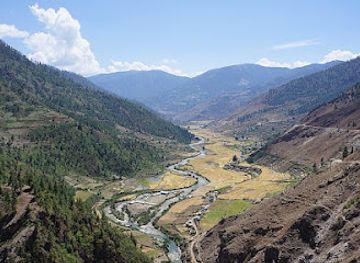

Explore Karnali Province on the map
Plan your trip on one map. See where the top cities, national parks and sights are, and book hotels and experiences in a few clicks.
Best hotels in Karnali Province
Best restaurants in Karnali Province
Karnali’s food reflects altitude, seasonality and subsistence farming rather than a heavily commercial restaurant culture. Dal bhat remains the reliable meal across the province, accompanied by locally available vegetables, pickles and pulses. In Jumla, the highland climate supports the cultivation of distinctive red rice, while millet, barley, buckwheat, potatoes and beans are important in many hill and mountain communities. In remote districts, meals may include simple breads, porridges, noodles and dairy products, with menus becoming more limited as roads and supply chains disappear. Birendranagar has the broadest range of Nepali eateries, cafés and hotel dining rooms, including familiar dishes from across Nepal. Rural lodges and trekking teahouses generally serve practical, filling food rather than elaborate regional specialities. Visitors should carry snacks for long journeys, ask about availability before relying on a particular dish and recognise that food traditions vary between the subtropical south, the middle hills and the Tibetan-influenced highlands.
-
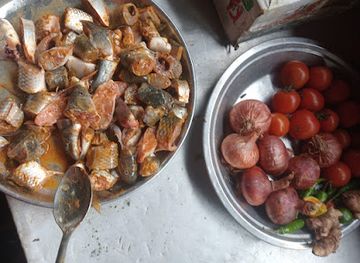
Restaurant
Best dish of chisapani , karnali
Discover authentic Nepali flavors at Best Dish of Chisapani – a culinary treasure in Karnali that delights every palate.
-
Restaurant
sonu karnali nepal hotel &lodge
Experience authentic Nepali cuisine at Sonu Karnali Hotel & Lodge amidst Dullu's breathtaking landscapes.
-
Restaurant
Karnali cottage and restaurant
Experience authentic Nepali cuisine at Karnali Cottage and Restaurant in Shatala, surrounded by breathtaking natural beauty.
-
Restaurant
The Karnali Cafe
Discover authentic Nepali cuisine at The Karnali Cafe in Gadi Bayalkada – where flavor meets tradition in every dish.

Best bars in Karnali Province
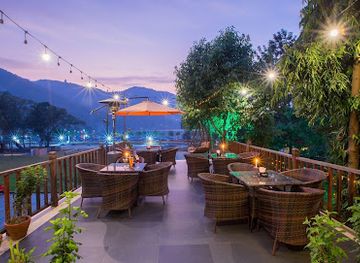
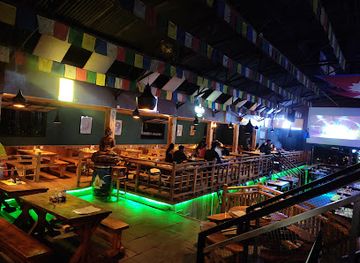
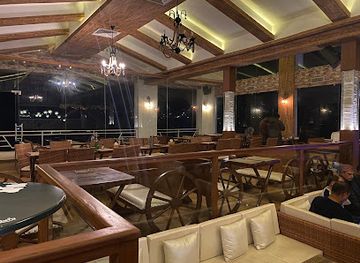
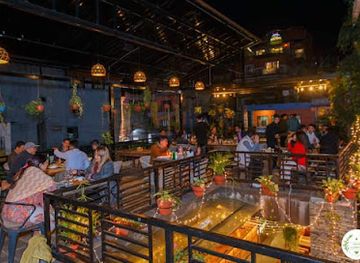
Karnali has a modest nightlife scene, concentrated mainly in Birendranagar and district headquarters rather than in dedicated clubbing areas. The capital’s evening life includes restaurants, cafés, hotel lounges and local gathering places, while smaller towns generally centre on tea shops, family-run eateries and informal social spaces. In trekking districts, evenings are usually spent at lodges sharing food, stories and route information, with limited late-night entertainment. Alcohol is available in some urban and tourist settings, but it should not be treated as central to experiencing local culture, particularly in conservative rural communities and around religious sites. Seasonal festivals and community events may bring music and social activity, but their timing and public programme can vary. Visitors should expect early starts, limited lighting and quiet nights once they leave Birendranagar.
-
Bar
Paradiso Pokhara
Discover the vibrant nightlife and delectable dining experience at Paradiso Pokhara, your ultimate destination in the heart of Nepal.
-
Pub
Irish Pub
Discover the lively atmosphere of Irish Pub in Pokhara, where delicious food, refreshing drinks, and vibrant entertainment await you.
-
Restaurant
Dunga Restro & Lounge Bar
Experience the culinary delights and serene atmosphere at Dunga Restro & Lounge Bar in Pokhara, where local flavors meet international cuisine.
-
Bar
Longest Bar
Discover the vibrant nightlife at the Longest Bar in Pokhara, a unique gathering spot for locals and tourists alike with stunning views and great drinks.
Best nightclubs in Karnali Province
Karnali has a modest nightlife scene, concentrated mainly in Birendranagar and district headquarters rather than in dedicated clubbing areas. The capital’s evening life includes restaurants, cafés, hotel lounges and local gathering places, while smaller towns generally centre on tea shops, family-run eateries and informal social spaces. In trekking districts, evenings are usually spent at lodges sharing food, stories and route information, with limited late-night entertainment. Alcohol is available in some urban and tourist settings, but it should not be treated as central to experiencing local culture, particularly in conservative rural communities and around religious sites. Seasonal festivals and community events may bring music and social activity, but their timing and public programme can vary. Visitors should expect early starts, limited lighting and quiet nights once they leave Birendranagar.
-
Airport
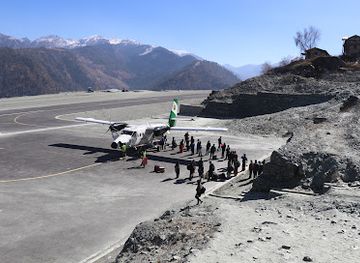
Talcha Airport Rara Mugu
Experience the breathtaking beauty and culture of Rara Mugu with Talcha Airport as your gateway to adventure in Nepal's hidden paradise.
-
Night club
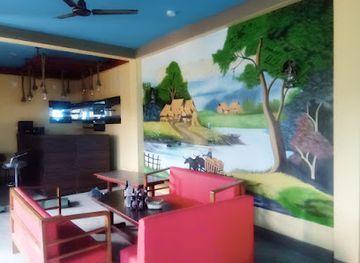
Angana restro & bar
Discover the heart of Tikapur's nightlife at Angana Restro & Bar, where great drinks and lively music create unforgettable moments.
Best shops in Karnali Province
Shopping in Karnali is practical and locally rooted, with the widest choice in Birendranagar and district headquarters. Market areas sell everyday supplies, clothing, trekking provisions and agricultural produce, while rural haat markets provide seasonal outlets for grain, vegetables, livestock products and household goods. Visitors may find locally grown Jumla red rice, beans, buckwheat, dried produce, honey and handmade woollen items, although availability and packaging vary by season and place. In highland communities, traditional textiles, woven goods and carved or religious objects may be available through local makers, but purchases should be made respectfully and without acquiring protected antiquities or ritual items. Souvenirs are less standardised than in Nepal’s major trekking centres, making direct purchases from cooperatives, growers, guides or small producers more meaningful when available. Carry cash, allow time for transport and check that food products can legally and safely be taken onward.
-
Shopping mall
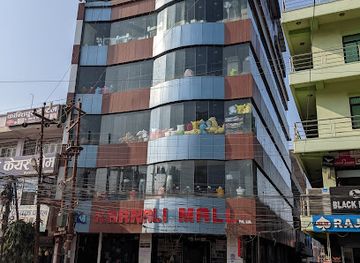
Karnali Mall
Discover the vibrant shopping and entertainment hub of Karnali Mall in Birendranagar, where culture and leisure seamlessly blend.
-
Gift shop
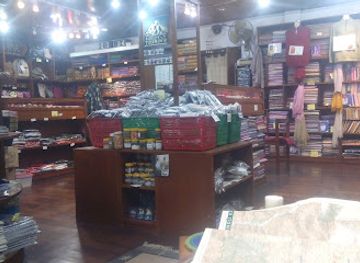
Root Nepal Gift Shop
Explore the heart of Nepal through authentic crafts and unique gifts at Root Nepal Gift Shop in Kathmandu.
-
Stationery store
Sushan Stationery & Order Suppliers, Jumla
Discover the charm of Sushan Stationery & Order Suppliers in Jumla, where quality stationery meets friendly service.
-
Clothing store
Unique shop
Explore a unique clothing store in Kathmandu, showcasing traditional and contemporary Nepali fashion for the discerning traveler.

Get your free copy of our complete guide to Karnali Province, delivered straight to you.
Everything on this page, from attractions and restaurants to essentials and local phrases, in one PDF you can read offline, print or share.
Already have an account? Sign in
Your Karnali Province guide is ready.
We'll send it to · Not you? Sign out

Getting your guide ready…
We are putting together a fresh copy of the Karnali Province guide. This can take up to a minute.
This can take a few moments. If your browser asks, choose Allow so the download can start. You'll find the guide in your Downloads folder.
Nothing happened? Download it again
Sorry, the guide is taking longer than usual. Please try again in a minute, or get it by email instead.
Karnali Province essentials
Currency and Payment
Safety
Emergency Situations
Do's and Don'ts
Local Tips
From Eve
Local phrases worth knowing
You don't need to get them perfect. A few words go a long way, and locals appreciate the effort.
Basics
| English | Local | Say it |
|---|---|---|
| Hello | नमस्ते | [Namaste] |
| Goodbye | फेरि भेटौँला | [Pheri bhetau la] |
| Yes | हो | [Ho] |
| No | होइन | [Hoin] |
| Please/You're welcome | कृपया | [Kripaya] |
| Thank you | धन्यवाद | [Dhanyabad] |
| Excuse me/Sorry | माफ गर्नुहोस् | [Maaf garnuhos] |
| How are you? | तपाईंलाई कस्तो छ? | [Tapainlai kasto cha?] |
| Fine. And you? | राम्रै। र तपाईं? | [Ramrai. Ra tapain?] |
| Do you speak English? | तपाईंलाई अंग्रेजी बोल्न आउँछ? | [Tapainlai angreji bolna aauchha?] |
| I don't understand | म बुझ्दिन | [Ma bujhdina] |
Eating & Drinking
| English | Local | Say it |
|---|---|---|
| I'd like to see the menu, please | कृपया मेनु देखाउनुस् | [Kripaya menu dekhaunus] |
| I don't eat meat | म मासु खाँदैन | [Ma maasu khandaina] |
| Cheers! | स salud! | [Salu!] |
| I would like to pay, please | कृपया म भुक्तानी गर्न चाहन्छु | [Kripaya ma bhuktani garna chahanchu] |
Emergencies
| English | Local | Say it |
|---|---|---|
| Help! | सहायता! | [Sahayata!] |
| Go away! | टाढा जानुहोस्! | [Tadha januhos!] |
| Call the Police! | पुलिसलाई फोन गर्नुहोस्! | [Polis lai phone garnuhos!] |
| Call a doctor! | डाक्टरलाई फोन गर्नुहोस्! | [Daktar lai phone garnuhos!] |
| I'm lost | म हराएँ | [Ma harae] |
| I'm ill | म बिरामी छु | [Ma birami chu] |
Shopping
| English | Local | Say it |
|---|---|---|
| I'd like to buy... | म किन्न चाहन्छु... | [Ma kinn chahanchu...] |
| I'm just looking | म त केवल हेरिरहेको छु | [Ma ta keval heriraheko chu] |
| How much is it? | यो कति महँगो छ? | [Yo kati mahango cha?] |
| That's too expensive | यो धेरै महँगो छ | [Yo dherai mahango cha] |
| Can you lower the price? | के तपाई मूल्य घटाउन सक्नुहुन्छ? | [Ke tapai muly ghatna saknuhunchha?] |
Time & Numbers
| English | Local | Say it |
|---|---|---|
| What time is it? | कति बज्यो? | [Kati bajyo?] |
| It's one o'clock | एक बजेको छ | [Ek bajeko cha] |
| Half past (10) | साढे (१०) | [Saadhe (10)] |
| Morning | बिहान | [Bihan] |
| Afternoon | मध्याह्न | [Madhyahn] |
| Evening | साँझ | [Sajh] |
| Yesterday | हिजो | [Hijo] |
| Today | आज | [Aaja] |
| Tomorrow | भोलि | [Bholi] |
| 1 | १ | [1] |
| 2 | २ | [2] |
| 3 | ३ | [3] |
| 4 | ४ | [4] |
| 5 | ५ | [5] |
| 6 | ६ | [6] |
| 7 | ७ | [7] |
| 8 | ८ | [8] |
| 9 | ९ | [9] |
| 10 | १० | [10] |
Transport & Directions
| English | Local | Say it |
|---|---|---|
| Where's a/the...? | कहाँ छ ...? | [Kahaan cha...?] |
| What's the address? | ठेगाना के हो? | [Thegana ke ho?] |
| Can you show me (on the map)? | के तपाई मलाई देखाउन सक्नुहुन्छ (नक्सामा)? | [Ke tapai malai dekhaun saknuhunchha (naksama)?] |
| When's the next (bus)? | अर्को (बस) कहिले छ? | [Arko (bus) kahile cha?] |
| A ticket (to ....) | एक टिकट (....तर्फ) | [Ek ticket (...tarfa)] |
History of Karnali Province
Early settlements and the Sinja Valley
The Sinja Valley in present-day Jumla is one of the most important historical landscapes in western Nepal. Archaeological remains, inscriptions and traditional accounts associate the valley with the medieval Khasa Malla kingdom. The surrounding region supported farming, settlement and movement through the Karnali headwaters, while its position connected the Himalayan interior with routes towards Tibet and the middle hills. Sinja is also strongly associated with the early development of the Khas language, which later became the basis of Nepali. Its significance is therefore both political and cultural, extending well beyond the surviving ruins and religious sites.
The Khasa Malla kingdom, c. twelfth to fourteenth centuries
The Khasa Malla rulers established a powerful Himalayan kingdom whose influence extended across large parts of western Nepal and adjoining areas. Sinja served as a major political centre, and the kingdom controlled or influenced valleys, trade routes and settlements across the Karnali region. Stone temples, inscriptions and local traditions preserve elements of this period, although the surviving evidence is scattered and often difficult to reach. The kingdom’s legacy can be seen in the historical importance of Jumla and in the development of political and linguistic traditions that continued after its authority fragmented.
Trans-Himalayan trade and local kingdoms
For centuries, Karnali’s valleys and mountain passes formed part of exchange networks linking the Tibetan plateau with the hills and plains of Nepal. Salt, wool, grain, livestock and other goods moved through difficult terrain, supported by seasonal trade and pack-animal caravans. Dolpa, Humla, Mugu and Jumla each developed distinctive relationships with Tibetan cultural and economic areas, while smaller local rulers and hereditary authorities governed many valleys after the decline of the Khasa Malla state. The trade system diminished as modern roads, border controls and alternative markets changed regional commerce, but its cultural influence remains visible.
Integration into the Kingdom of Nepal
During the eighteenth-century expansion of the Gorkha state under Prithvi Narayan Shah and his successors, the western Himalayan polities and territories were gradually incorporated into the expanding Kingdom of Nepal. Integration brought new administrative arrangements but did not erase the region’s older identities, languages, religious practices or links with Tibet. Karnali remained relatively distant from the political centres of central Nepal, partly because of its rugged terrain and limited transport infrastructure. That distance helped preserve distinctive local traditions while also contributing to the region’s long-standing economic and infrastructural marginalisation.
The Rana era and changing administration
Under the Rana regime, which governed Nepal from the mid-nineteenth century until 1951, Karnali remained a remote frontier of the state. Administrative authority was present, but communication with Kathmandu and other parts of Nepal was slow and difficult. Local agriculture, pastoralism and trade continued to shape daily life, while education, healthcare and formal infrastructure developed more slowly than in the central valleys. The period also reinforced the importance of local intermediaries, religious institutions and traditional community structures in managing settlements separated by high passes and major rivers.
Modern roads, airstrips and protected landscapes
In the later twentieth century, roads, airstrips, schools and government services gradually expanded into Karnali, although access remains uneven. Airstrips at places such as Jumla, Rara’s Talcha area, Simikot and Dolpa became important links for residents and visitors. National parks and conservation programmes also transformed parts of the region: Rara National Park was established to protect the lake and surrounding forests, while Shey Phoksundo National Park safeguards extensive high-altitude ecosystems and cultural landscapes. Tourism grew around trekking and mountain scenery, but remains more specialised than in Nepal’s better-connected destinations.
Karnali Province and federal Nepal
Nepal’s federal restructuring created Karnali Province in the period following the 2015 Constitution, with Birendranagar in Surkhet as its capital. The province brought together Himalayan districts such as Humla, Mugu and Dolpa with the middle-hill and inner-terai landscapes of Jumla, Dailekh, Jajarkot, Kalikot, Salyan, Rukum West and Surkhet. Its formation gave the region a stronger institutional identity and placed development, connectivity and public services at the centre of political debate. Contemporary Karnali therefore combines deep historical traditions with an ongoing effort to improve transport, livelihoods and access to essential services.
Karnali Province in Photos
Browse through our photo collection highlighting the charm and character of the destination.
Neighbouring regions of Karnali Province
The closest regions to Karnali Province, if you have time for more than one.
-

-

-

-

-


Swipe for more regions
Explore more

Explore more of Nepal
Discover Nepal: A land of towering peaks, spiritual harmony, and vibrant culture, offering endless adventures and serene escapes for every traveler.
Explore Nepal