

Free Rapti Zone Travel Guide & Mobile App
Explore Rapti Zone with free travel guides. Discover regional history, expert tips, proposed trips, and audio guides on web or mobile app.


Explore Rapti Zone in Nepal for Tharu culture, hill landscapes, pilgrimage sites, remote valleys and the changing scenery of the Mid-West.
Read more about Rapti Zone
When is the best time to visit Rapti Zone?
Best: February–March, November · 21–25°C| Month | High (°C) | Rainfall (mm) |
|---|---|---|
| January | 19 | 10 |
| February (best) | 21 | 20 |
| March (best) | 25 | 30 |
| April | 29 | 40 |
| May | 33 | 60 |
| June | 34 | 80 |
| July | 32 | 100 |
| August | 32 | 100 |
| September | 32 | 80 |
| October | 30 | 60 |
| November (best) | 23 | 40 |
| December | 20 | 20 |
Getting to and around Rapti Zone
How to get there
Transportation
Top city travel guides in Rapti Zone
The cities of Rapti Zone, and the easiest places to base yourself.

Swipe for more cities
Destinations in Rapti Zone
Resorts, valleys and scenic spots worth a trip of their own.

Swipe for more destinations
Best attractions in Rapti Zone
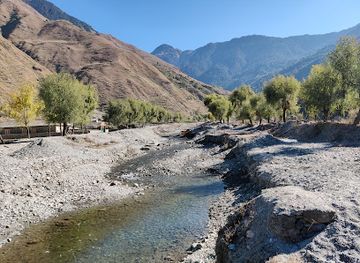
Rapti Zone’s attractions are defined less by a single famous circuit than by the transition from the warm Dang Valley to the rugged Middle Hills. In Dang, visitors can explore the urban life of Ghorahi and Tulsipur, surrounding farms, sal-forest landscapes and the cultural heritage of Tharu communities. Local guidance is valuable for finding village experiences that are respectful and genuinely community-based. Pyuthan’s Swargadwari is the region’s best-known pilgrimage destination, set in a mountain environment and visited by Hindu devotees from across Nepal. Salyan offers forested ridges, hill settlements and the scenic waters of Kupinde Daha, while Rolpa and Rukum provide more remote walking country, high pastures and dramatic valley scenery. The area is suitable for travellers interested in rural photography, birdwatching, pilgrimage, cultural study and multi-day road journeys. Facilities become increasingly basic away from the main towns, and many natural or cultural sites lack formal visitor infrastructure, making local arrangements, weather awareness and realistic travel times essential.
-
Tourist attraction
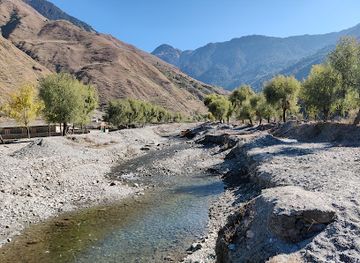
Dhorpatan Hunting Reserve
Discover the breathtaking landscapes and rich biodiversity of Dhorpatan Hunting Reserve, a premier destination for nature lovers and adventure seekers in Nepal.
-
Tourist attraction
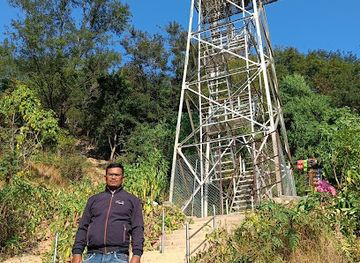
Koilabas View Tower
Discover breathtaking panoramic views at Koilabas View Tower, a serene landmark in the heart of Nepal, perfect for nature lovers and photographers alike.
-
Tourist attraction
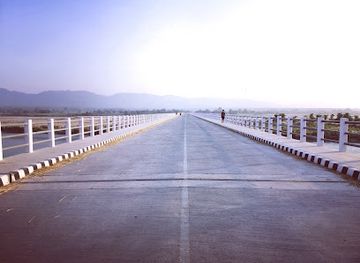
The Rapti View
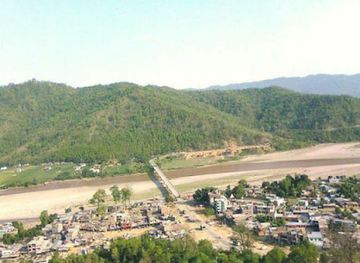
Discover The Rapti View in Gobardiya, Nepal: a stunning bridge offering breathtaking landscapes and rich biodiversity, perfect for adventure seekers and nature lovers.
-
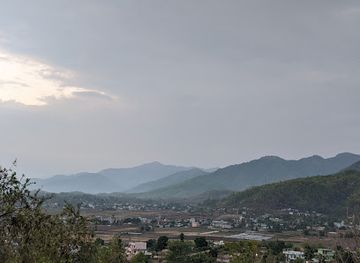
Ghordaura View Point
Discover the breathtaking vistas and serene beauty of Ghordaura View Point in Ghorahi, Nepal, a must-visit destination for every traveler.
Best landmarks in Rapti Zone
Swargadwari in Pyuthan is Rapti’s most recognisable religious landmark, a high-elevation Hindu pilgrimage site whose importance comes from its sacred setting, temple complex and long devotional tradition. In Dang, the broad valley itself is a defining geographical landmark, framed by forested and cultivated hills and shaped by the Rapti river system. Ghorahi and Tulsipur provide modern regional reference points, although their significance is primarily civic and commercial rather than monumental. Kupinde Daha in Salyan is one of the area’s most distinctive natural landmarks, a lake set among wooded hills and reached by a demanding regional journey. Farther north, the ridges and high valleys of Rolpa and Rukum form a powerful landscape of memory associated with the Maoist conflict and with older pastoral and agricultural life. Village temples, hilltop shrines, traditional homes and old market centres are often modest in scale, but they are important markers of local identity and should be visited with community respect.
-
Hunting preserve
Dhorpatan Hunting Reserve
Explore the breathtaking landscapes and rich wildlife of Dhorpatan Hunting Reserve, a hidden gem in the heart of Nepal's majestic Himalayas.
-
Tourist attraction
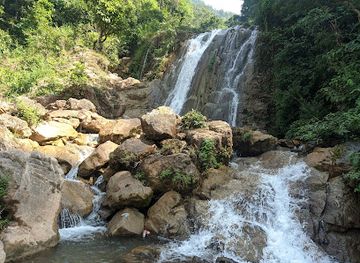
Sat Tale Waterfall
Experience the breathtaking beauty of Sat Tale Waterfall in Tulsipur, a serene escape amidst Nepal's lush landscapes and vibrant nature.
Explore Rapti Zone on the map
Plan your trip on one map. See where the top cities, national parks and sights are, and book hotels and experiences in a few clicks.
Best hotels in Rapti Zone
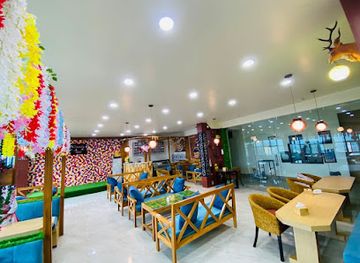
Best restaurants in Rapti Zone
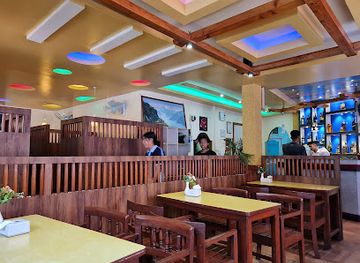
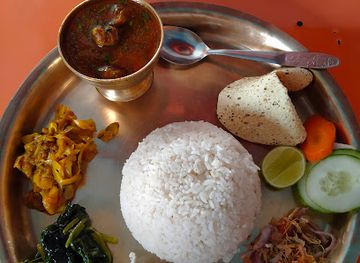
Dining in Rapti Zone is closely connected to local agriculture, seasonal produce and the difference between the lowlands and hills. In Ghorahi and Tulsipur, restaurants and cafés serve familiar Nepali meals such as dal bhat, tarkari, achar, momos and noodle dishes, alongside Indian and other South Asian options. In rural areas, food is more likely to be simple, filling and prepared from rice, maize, millet, lentils, greens and locally available vegetables. Dang’s Tharu communities have distinctive culinary traditions, although dishes and preparation vary between households and should be encountered through local hosts rather than generalised descriptions. Hill markets may offer buckwheat, millet or maize-based foods, seasonal fruit and locally made pickles. Tea shops and modest roadside eateries are important stops on long journeys, but choice narrows sharply once visitors leave the principal towns. Bottled or treated water is the safer option when travelling through remote areas.
-
Restaurant
Delight Corner The Family Restaurant Pvt.Ltd
Experience authentic Nepali flavors at Delight Corner The Family Restaurant Pvt.Ltd in Tulsipur - where every meal is a celebration.
-
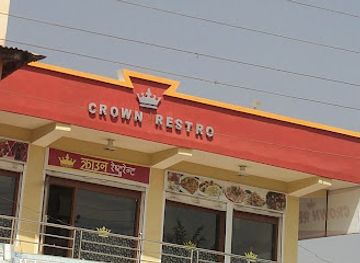
CROWN RESTRO & LODGE
Experience authentic Nepali cuisine at Crown Restro & Lodge in Tulsipur—where comfort meets culinary excellence.
-
Restaurant
Capital Hospitality
Experience the vibrant culinary scene at Capital Hospitality in Ghorahi - where local flavors meet international tastes.
-
Restaurant
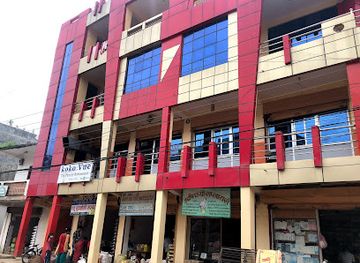
Ko Ko Vue Family Restaurant
Experience authentic Nepali cuisine alongside international favorites at Ko Ko Vue Family Restaurant in Tulsipur—where family dining meets local flavor.
Best bars in Rapti Zone
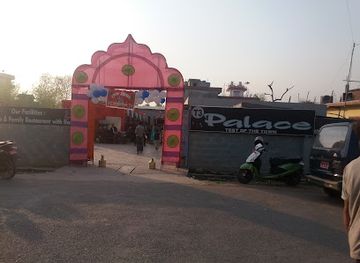
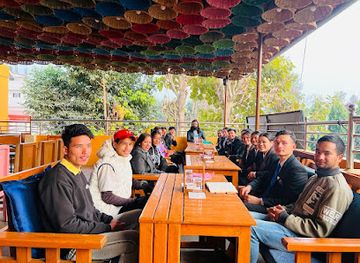
Nightlife in Rapti Zone is modest and concentrated in Ghorahi, Tulsipur and other district centres rather than organised around a major club scene. Urban evenings may include small bars, restaurants, cafés and venues offering Nepali music, while local hotels sometimes provide the most convenient social setting for visitors. In the hills, evening life generally centres on family homes, tea shops, community gatherings and occasional local celebrations rather than late-night entertainment. Alcohol is available in some establishments, but drinking customs differ between communities and religious settings, so visitors should follow local etiquette. Roads outside the main towns are poorly suited to late travel, and rural accommodation may close early. The area’s evening appeal lies more in conversation, food, music and the changing atmosphere of market towns than in a formal nightlife district.
-
Bar
New T3 Bar & Lounge
Experience the vibrant atmosphere of New T3 Bar & Lounge in Ghorahi, where local flavors and unique cocktails come together.
-
Bar
The Waypoint Restro & Bar
Discover the perfect blend of flavors and ambiance at The Waypoint Restro & Bar in Ghorahi, where every meal is a celebration.
-
Bar
Bhusal Restaurant & Bar
Experience the vibrant flavors of Nepal at Bhusal Restaurant & Bar in Lalmatiya, where local culture meets delicious cuisine.
-
Bar
रैथाने खाजा घर
Discover the vibrant nightlife of Ghorahi at रैथाने खाजा घर, a bar offering local flavors and a lively atmosphere for every traveler.
Best nightclubs in Rapti Zone
Nightlife in Rapti Zone is modest and concentrated in Ghorahi, Tulsipur and other district centres rather than organised around a major club scene. Urban evenings may include small bars, restaurants, cafés and venues offering Nepali music, while local hotels sometimes provide the most convenient social setting for visitors. In the hills, evening life generally centres on family homes, tea shops, community gatherings and occasional local celebrations rather than late-night entertainment. Alcohol is available in some establishments, but drinking customs differ between communities and religious settings, so visitors should follow local etiquette. Roads outside the main towns are poorly suited to late travel, and rural accommodation may close early. The area’s evening appeal lies more in conversation, food, music and the changing atmosphere of market towns than in a formal nightlife district.
-
Bar
NEW DINESH POUDEL NEPAL .DANG
Experience the vibrant local culture at New Dinesh Poudel, a cozy bar in Lalmatiya, Nepal, serving authentic drinks and a warm atmosphere.
Best shops in Rapti Zone
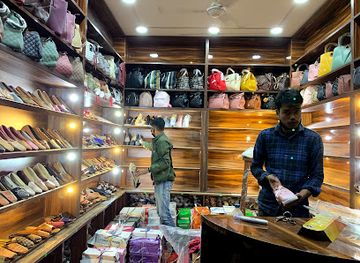
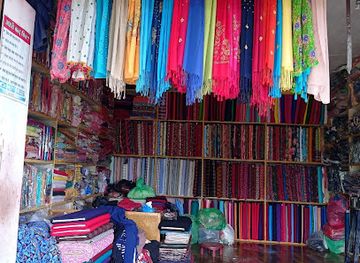
Shopping in Rapti Zone is centred on the markets of Ghorahi, Tulsipur, Pyuthan, Libang, Salyan and other district headquarters rather than large retail complexes. These towns are useful places to buy practical supplies, clothing, household goods, packaged food and locally produced seasonal items before heading into the hills. Market stalls may offer grain, pulses, spices, fruit, pickles and other agricultural products, while small shops sell Nepali textiles, religious objects and inexpensive handicrafts. Visitors interested in Tharu cultural products should seek community-based outlets or local recommendations and ask about provenance rather than assuming that every traditional-looking item is locally made. In hill districts, shopping is mainly functional, with fewer specialist souvenirs and less reliable opening information. Regional produce, modest handmade items and books or textiles connected with local culture are generally more meaningful purchases than imported tourist goods.
-
Clothing store
Jeetesh Fashion House
Explore the latest fashion trends and unique accessories at Jeetesh Fashion House in Tulsipur, where local culture meets contemporary style.
-
Clothing store
Dinesh Store & Muna Vastralaya
Explore vibrant traditional and contemporary clothing at Dinesh Store & Muna Vastralaya, a must-visit in Damachaur for authentic Nepali fashion.
-
Electronics accessories wholesaler
Rapti Computers and Electronic shop (Samsung home appliance Authorized distributor)
Explore the comprehensive range of electronics and appliances at Rapti Computers, Tulsipur’s trusted Samsung authorized distributor.
-
Clothing store
Nim Clothing store
Discover unique fashion at Nim Clothing Store in Jugar, where local style meets contemporary trends.


Get your free copy of our complete guide to Rapti Zone, delivered straight to you.
Everything on this page, from attractions and restaurants to essentials and local phrases, in one PDF you can read offline, print or share.
Already have an account? Sign in
Your Rapti Zone guide is ready.
We'll send it to · Not you? Sign out

Getting your guide ready…
We are putting together a fresh copy of the Rapti Zone guide. This can take up to a minute.
This can take a few moments. If your browser asks, choose Allow so the download can start. You'll find the guide in your Downloads folder.
Nothing happened? Download it again
Sorry, the guide is taking longer than usual. Please try again in a minute, or get it by email instead.
Rapti Zone essentials
Currency and Payment
Safety
Emergency Situations
Do's and Don'ts
Local Tips
From Eve
Local phrases worth knowing
You don't need to get them perfect. A few words go a long way, and locals appreciate the effort.
Basics
| English | Local | Say it |
|---|---|---|
| Hello | नमस्ते | [Namaste] |
| Goodbye | बिदाइ | [Bidaai] |
| Yes | हो | [Ho] |
| No | होइन | [Hoin] |
| Please/You're welcome | कृपया/स्वागत छ | [Kripaya/Swagat cha] |
| Thank you | धन्यवाद | [Dhanyabad] |
| Excuse me/Sorry | माफ गर्नुहोस् | [Maaf garnuhos] |
| How are you? | तिमीलाई कस्तो छ? | [Timilai kasto cha?] |
| Fine. And you? | म ठिक छु। र तिमी? | [Ma thik chu. Ra timi?] |
| Do you speak English? | के तपाईलाई अंग्रेजी बोल्न आउँछ? | [Ke tapaailai angrezi bolna aunchha?] |
| I don't understand | म बुझ्दिन | [Ma bujhdina] |
Eating & Drinking
| English | Local | Say it |
|---|---|---|
| I'd like to see the menu, please | कृपया मीनु देखाउनुस् | [Kripaya menu dekhaunus] |
| I don't eat meat | म मासु खाँदिन | [Ma maasu khandina] |
| Cheers! | सुप्रभात! | [Suprabhaat!] |
| I would like to pay, please | कृपया म भुक्तानी गर्न चाहन्छु | [Kripaya ma bhuktani garn chahanchu] |
Emergencies
| English | Local | Say it |
|---|---|---|
| Help! | म मद्दत चाहन्छु! | [Ma maddat chahanchu!] |
| Go away! | टाढा जानुहोस्! | [Taadha jaanuhos!] |
| Call the Police! | पोलिसलाई फोन गर्नुहोस्! | [Polisalai phone garnuhos!] |
| Call a doctor! | डाक्टरलाई फोन गर्नुहोस्! | [Daktaralai phone garnuhos!] |
| I'm lost | म हराएको छु | [Ma haraeko chu] |
| I'm ill | म बिरामी छु | [Ma birami chu] |
Shopping
| English | Local | Say it |
|---|---|---|
| I'd like to buy... | म किन्न चाहन्छु... | [Ma kinna chahanchu...] |
| I'm just looking | म केवल हेरिरहेको छु | [Ma keval heriraheko chu] |
| How much is it? | यसको मूल्य कति हो? | [Yasko moolya kati ho?] |
| That's too expensive | यो धेरै महँगो छ | [Yo dherai mahango cha] |
| Can you lower the price? | के तपाई मूल्य घटाउन सक्नुहुन्छ? | [Ke tapaai moolya ghataun saknuhunchha?] |
Time & Numbers
| English | Local | Say it |
|---|---|---|
| What time is it? | कति बजेको छ? | [Kati bajeko cha?] |
| It's one o'clock | यो एक बजेको छ | [Yo ek bajeko cha] |
| Half past (10) | साढे (१०) | [Saadhe (10)] |
| Morning | बिहान | [Bihan] |
| Afternoon | बेलुका | [Beluka] |
| Evening | साँझ | [Saanjha] |
| Yesterday | हिजो | [Hijo] |
| Today | आज | [Aaja] |
| Tomorrow | भोलि | [Bholi] |
| 1 | १ | [1] |
| 2 | २ | [2] |
| 3 | ३ | [3] |
| 4 | ४ | [4] |
| 5 | ५ | [5] |
| 6 | ६ | [6] |
| 7 | ७ | [7] |
| 8 | ८ | [8] |
| 9 | ९ | [9] |
| 10 | १० | [10] |
Transport & Directions
| English | Local | Say it |
|---|---|---|
| Where's a/the...? | कहाँ छ ...? | [Kahaan ch ...?] |
| What's the address? | पता के हो? | [Pata ke ho?] |
| Can you show me (on the map)? | के तपाई मलाई देखाउन सक्नुहुन्छ (नक्सामा)? | [Ke tapaai malai dekhaun saknuhunchha (naksama)?] |
| When's the next (bus)? | अर्को (बस) कहिले हो? | [Arko (bus) kahile ho?] |
| A ticket (to ....) | एक टिकट (....को लागि) | [Ek ticket (....ko lagi)] |
History of Rapti Zone
Early settlement and the Tharu lowlands
The Dang Valley and adjoining lowlands have long supported settled agriculture, forest use and important trade movement between the southern plains and the hills. Tharu communities developed distinctive forms of farming, house building and social organisation suited to the valley’s climate and historic malaria environment. The surrounding forests and rivers shaped settlement patterns, while routes through Dang connected the Inner Terai with hill districts to the north. Archaeological and cultural evidence across the wider region points to a long history of movement between the plains and Middle Hills rather than a landscape isolated from neighbouring parts of Nepal.
Medieval hill kingdoms and local polities
Before modern Nepal was unified, the hills of the Rapti area were divided among small kingdoms and principalities often associated with the wider Baise and Chaubise political world of western Nepal. Local rulers controlled valleys, passes, agricultural land and routes linking the Karnali hills with the plains. Religious foundations and fortified settlements helped organise these territories, although political boundaries changed frequently. The region’s temples, old settlement sites and oral traditions preserve fragments of this layered past, while its varied ethnic and linguistic composition reflects centuries of interaction among hill communities and lowland populations.
Gorkha expansion and incorporation into Nepal
During the late eighteenth and early nineteenth centuries, the expanding Gorkha state brought the western hill territories and Dang area into the kingdom that became modern Nepal. Incorporation altered systems of taxation, military recruitment and political authority, while local elites and religious institutions continued to exercise influence. The region’s difficult terrain made control dependent on roads, passes, administrative centres and personal networks. Later state-building left a visible legacy in district headquarters, military traditions and the gradual integration of remote valleys into national political and commercial systems.
The Dang Valley, forests and planned settlement
For much of the modern period, malaria and difficult access limited large-scale settlement in parts of the Inner Terai, including Dang. Public-health improvements during the twentieth century made the valley more accessible to people from the hills, and migration contributed to the growth of towns such as Ghorahi and Tulsipur. Forest clearance, farming, roads and government services progressively transformed the valley. This history helps explain the contrast between its comparatively broad, warm agricultural landscapes and the older, more dispersed settlement patterns of the surrounding hills.
Road building and regional integration
Road construction and expanding air connections gradually linked Rapti’s hill districts with the lowlands and the wider Nepali economy. Tulsipur, Ghorahi and other valley settlements became collection and service centres for agricultural products, manufactured goods, education and public administration. In the hills, roads have brought improved access but have also created landslide risks, environmental pressure and rapid changes in village economies. Travel today remains closely shaped by this unfinished process of integration: a surfaced road may connect two district centres, yet the final approach to a village can still be rough, seasonal or entirely on foot.
The Maoist conflict and the peace process
Rolpa and Rukum became some of the principal strongholds of Nepal’s Maoist insurgency, which began in 1996 and ended with the 2006 peace agreement. The conflict reflected deep grievances concerning exclusion, land, poverty, state services and political representation, while also bringing violence, displacement and disruption to local communities. Its effects were felt across the wider Rapti area. Contemporary visitors should approach memorials and conflict-related sites with sensitivity, recognising that the period remains a living memory rather than a distant historical episode. The peace process subsequently contributed to major political and administrative change throughout Nepal.
Federal Nepal and the end of the zone system
Nepal’s 2015 Constitution introduced a federal structure and replaced the former development regions and zones with provinces and local governments. Rapti Zone therefore ceased to be an official administrative unit, although its name remains familiar in regional history, transport, media and local identity. Former Rapti districts are now divided among different provinces: Dang, Pyuthan and Rolpa are in Lumbini Province, while Salyan and parts of the former Rukum area are associated with Karnali and Lumbini under the new district arrangement. This change matters when checking services, permits, roads and local government information.
Rapti Zone in Photos
Browse through our photo collection highlighting the charm and character of the destination.
Neighbouring regions of Rapti Zone
The closest regions to Rapti Zone, if you have time for more than one.
-

-

-

-

-


Swipe for more regions
Explore more

Explore more of Nepal
Discover Nepal: A land of towering peaks, spiritual harmony, and vibrant culture, offering endless adventures and serene escapes for every traveler.
Explore Nepal