

Karnali Zone, Nepal Travel Guide
Discover the pristine beauty and rich cultural heritage of Nepal's Karnali Zone, a hidden gem of lush landscapes, roaring rivers, and majestic mountains.
Nestled in the remote northwest of Nepal, the Karnali Zone offers an unspoiled haven for those seeking adventure and tranquility. This region is renowned for its stunning natural beauty, featuring lush forests, roaring rivers, and majestic mountain ranges. The Karnali River, one of Nepal's longest, is a key attraction, providing opportunities for white-water rafting and serene boat rides. Karnali Zone is also a cultural treasure trove. The local communities are rich in tradition, with unique festivals, customs, and crafts that provide a glimpse into the region's heritage. The region is home to several ethnic groups, including the Thakuri, Brahmin, Chhetri, and Tibetan communities, each contributing to the area's vibrant tapestry. For nature enthusiasts, Karnali Zone is a paradise. The region boasts several national parks and wildlife reserves, including the Rara National Park, which houses the pristine Rara Lake, the largest lake in Nepal. Trekking through these protected areas offers sightings of diverse flora and fauna, including rare and endangered species such as the snow leopard and red panda. Whether you are an adventurer, a nature lover, or a culture enthusiast, Karnali Zone promises an unforgettable experience.

Know before you go
Hi, I'm Eve. Here are a few practical things to know before exploring Karnali Zone.
- Visit during the spring or autumn for the best weather and clearer trekking paths.
- Carry cash as ATMs and card facilities are scarce in the remote areas.
- Engage with local guides to enrich your cultural and trekking experience.
- Be prepared for basic accommodation facilities, especially in remote villages.
- Respect local customs and traditions, particularly when visiting religious sites.
Destinations in Karnali Zone
Resorts, valleys and scenic spots worth a trip of their own.


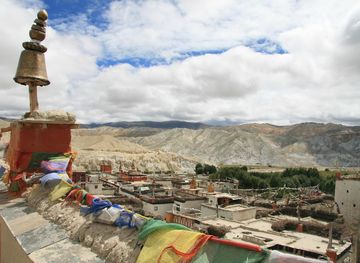

Explore Karnali Zone: Things to Do, Places to Eat, Hotels & More
Handpicked recommendations for top attractions, local dining, accommodations, and more

Top Attractions & Sightseeing in Karnali Zone
Top-rated picks
Best Attractions
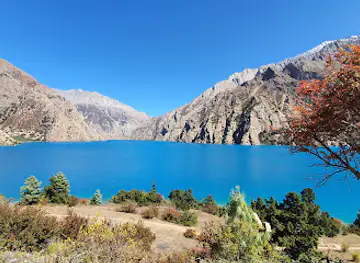
Shey Phoksundo National Park
Discover the breathtaking beauty and rich biodiversity of Shey Phoksundo National Park, a true gem in Nepal's Dolpa district.
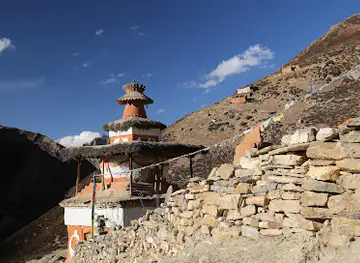
Shey Gompa
Explore the serene beauty and rich spiritual heritage of Shey Gompa, a stunning Buddhist temple in the heart of Upper Dolpa, Nepal.

Karnali U-turn point,Sceneric Point,Satbaseni
Explore the breathtaking views of Karnali U-Turn Point in Sugarkhal, a must-visit scenic spot for nature lovers and photographers alike.

Upper Dolpo Nepal
Explore the untouched beauty of Upper Dolpo, Nepal, blending stunning landscapes with rich cultural heritage for the ultimate adventure.

Best landmarks in Karnali Zone
Top-rated picks
Best Landmarks
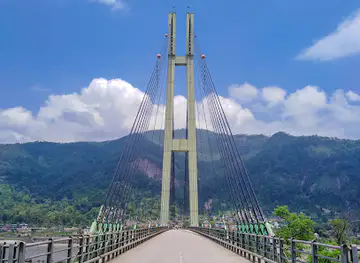
Karnali Bridge
Discover the stunning Karnali Bridge in Lamki Chuha, Nepal, where engineering meets breathtaking natural beauty and vibrant local culture.

Suligad Waterfall
Experience the breathtaking beauty of Suligad Waterfall in Phoksundo, a hidden gem in Nepal's Dolpo Valley, perfect for nature lovers and adventurers.

Ministry of Industry,Tourism,Forest and Environment(MOITFE), Karnali Province
Explore the Ministry of Industry, Tourism, Forest and Environment in Karnali Province, where governance meets sustainable development in beautiful Nepal.
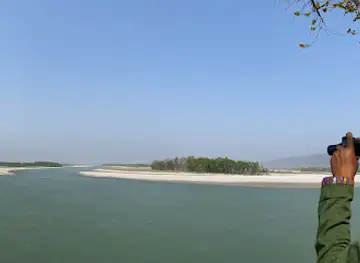
Dolphin View Point Karnali River
Discover the enchanting beauty of Dolphin View Point on the Karnali River, where serene landscapes and playful dolphins await.

Best restaurants in Karnali Zone
Top-rated picks
Best Restaurants

Kaushik Garden Restaurant
Discover delightful dining at Kaushik Garden Restaurant in Birendranagar - where local flavors meet serene ambiance.

Sharma's unique Restaurant
Discover authentic Nepalese flavors at Sharma's Unique Restaurant in Pokhara – where every meal is a celebration of taste.

Lake Wave Cottage & Restaurant-Majhikuna
Discover tranquility at Lake Wave Cottage & Restaurant-Majhikuna in Lekhnath—your gateway to stunning views and authentic Nepali cuisine.

Hotel Snowland
Discover delightful flavors at Hotel Snowland, where local cuisine meets international favorites in Chandannath.

Best bars in Karnali Zone
Top-rated picks
Best Bars

Dunga Restro & Lounge Bar
Experience the perfect blend of local flavors and stunning lakeside views at Dunga Restro & Lounge Bar in Pokhara.

Longest Bar
Discover the Longest Bar in Pokhara – a lively spot for unique drinks, great ambiance, and unforgettable experiences in Nepal's vibrant nightlife.

Nepal Micropub Pokhara
Discover the vibrant atmosphere and unique drink offerings at Nepal Micropub, the perfect bar for tourists in Pokhara.

KINGDOM RESTRO BAR & LIVE MUSIC (THAKALI BHANCHA GHAR)
Immerse yourself in the lively charm of Kingdom Restro Bar & Live Music, where delicious Nepalese cuisine meets vibrant live performances in Jomsom.


Best shops in Karnali Zone
Top-rated picks
Best Shops

Raj Mobile,Electronic House And Stationary Mugu
Explore the latest in mobile technology at Raj Mobile, your one-stop shop for phones, accessories, and repairs in Shreenagar.

Karnali Mall
Explore Karnali Mall in Birendranagar for a vibrant shopping experience with local flair, diverse dining, and entertainment amidst a bustling atmosphere.

समिर कपडा एण्ड फेन्सी सप्लायर्स
Explore the vibrant shopping scene at समिर कपडा एण्ड फेन्सी सप्लायर्स in Shreenagar, featuring a wide range of fabrics and unique local goods.

Unique shop
Explore a unique clothing store in Bagbazar, Kathmandu, showcasing a blend of traditional and modern fashion for every traveler.

Explore Karnali Zone on the Map
A handpicked selection of must-see spots in Karnali Zone, mapped for you.
Karnali Zone Essentials
-
Karnali Zone is located in the mid-western region of Nepal. The nearest international airport is Tribhuvan International Airport in Kathmandu. From Kathmandu, you can take a domestic flight to Nepalgunj Airport, which is the closest airport to Karnali Zone. From Nepalgunj, you can hire a jeep or take a bus to the various towns within Karnali Zone, such as Jumla, Kalikot, or Mugu. The road journey can be long and challenging due to the mountainous terrain, but it offers spectacular views.
-
Within Karnali Zone, transportation options include local buses, jeeps, and motorcycles. Due to the rugged terrain, travel can be slow, and roads may be unpaved and challenging. Hiring a local guide and a jeep is recommended for exploring remote areas. Public buses operate between major towns, but schedules can be irregular. Walking and trekking are also common means of getting around, especially in more remote regions.
-
The official currency in Nepal is the Nepalese Rupee (NPR). In Karnali Zone, it's essential to carry enough cash, as credit and debit cards are rarely accepted outside the main towns. ATMs are scarce, so it's advisable to withdraw sufficient cash in Kathmandu or Nepalgunj before heading to Karnali Zone. Ensure you have smaller denominations for convenience in rural areas.
-
Karnali Zone is generally safe for tourists, but standard precautions should be taken. Avoid walking alone at night in unfamiliar areas and keep your belongings secure. There are no specific high-crime areas targeting tourists, but staying vigilant is always wise. Be cautious while trekking and ensure you are adequately prepared for the challenging terrain and variable weather conditions.
-
In case of emergency, dial 100 for the police and 102 for medical emergencies. Medical facilities in Karnali Zone are limited, so having travel insurance that covers medical evacuation is highly recommended. For minor health issues, there are basic health posts in the towns, but for serious conditions, you may need to be transported to a larger city like Nepalgunj or Kathmandu. Carry a first-aid kit and any necessary medications with you.
-
Fashion: Do dress modestly, especially in rural and religious areas. Avoid wearing revealing clothing. Religion: Do respect local customs and traditions. Always remove your shoes before entering temples and stupas. Public Transport: Do be patient with the irregular schedules and crowded conditions. Don't expect luxury; transportation is often basic. Greetings: Do greet people with 'Namaste' and a slight bow of the head. Eating & Drinking: Do try local dishes and accept food offers graciously. Don't eat with your left hand, as it is considered impolite.
-
To experience Karnali Zone like a local, visit the local markets where you can buy fresh produce and traditional goods. Engage with locals, who are often friendly and willing to share stories about their culture and history. Don't miss visiting Rara Lake, the largest lake in Nepal, and trekking through the serene landscapes of the Great Himalayan Trail. For a unique experience, participate in local festivals and observe traditional rituals.
When is the best time to visit Karnali Zone?
Useful Local Phrases for Karnali Zone
You don't need to speak the language perfectly. Even learning a few simple words can make conversations warmer—and locals usually appreciate the effort.
— Eve

Here are the phrases I use most often in Karnali Zone. Try a few—you'll be surprised how far they go! 😊
❤️
-
- Helloनमस्कार
[Namaskār] - Goodbyeअलविदा
[Alvidā] - Yesहो
[Ho] - Noहोइन
[Hoina] - Please/You're welcomeकृपया
[Kripyā] - Thank youधन्यवाद
[Dhan'yavād] - Excuse me/Sorryमाफ गर्नुहोस्
[Māph garnuhos] - How are you?तपाईंलाई कस्तो छ?
[Tapā'īnlā'ī kasto cha?] - Fine. And you?राम्रै। तपाईलाई?
[Rāmrāi. Tapā'īlā'ī?] - Do you speak English?के तपाईं अंग्रेजी बोल्न सक्नुहुन्छ?
[Ke tapā'īn āngrējī bolna saknuhuncha?] - I don't understandम बुझ्दिन
[Ma bujhdina]
- Helloनमस्कार
-
- I'd like to see the menu, pleaseकृपया म्यानु देखाउनुस्
[Kripyā myānu dekhāunus] - I don't eat meatम मासु खाउँदिन
[Ma māsu khāundina] - Cheers!सुप्रभात!
[Suprabhāt!] - I would like to pay, pleaseकृपया म भुक्तानी गर्न चाहन्छु
[Kripyā ma bhuktānī garna chāhanchu]
- I'd like to see the menu, pleaseकृपया म्यानु देखाउनुस्
-
- Help!मदद गर्नुहोस्!
[Madad garnuhos!] - Go away!फर्की जाओ!
[Pharkī jā'ō!] - Call the Police!पुलिसलाई फोन गर्नुहोस्!
[Pulislā'ī phōn garnuhos!] - Call a doctor!डाक्टरलाई फोन गर्नुहोस्!
[Ḍākṭarlā'ī phōn garnuhos!] - I'm lostम हराएँ
[Ma harā'ē] - I'm illम बिरामी छु
[Ma birāmī chu]
- Help!मदद गर्नुहोस्!
-
- I'd like to buy...म किन्न चाहन्छु...
[Ma kinnā chāhanchu...] - I'm just lookingम मात्र हेरिरहेको छु
[Ma mātra herirahēko chu] - How much is it?यसको मूल्य कति हो?
[Yaskō mūlya kati ho?] - That's too expensiveयो धेरै महँगो छ
[Yo dherai mahēngō cha] - Can you lower the price?के तपाईं मूल्य घटाउन सक्नुहुन्छ?
[Ke tapā'īn mūlya ghaṭāuna saknuhuncha?]
- I'd like to buy...म किन्न चाहन्छु...
-
- What time is it?कति बजेको छ?
[Kati bajēkō cha?] - It's one o'clockयो एक बजेको छ
[Yo ēka bajēkō cha] - Half past (10)साढे (10)
[Sāḍhē (10)] - Morningबिहान
[Bihān] - Afternoonदिउँसो
[Diyūnsō] - Eveningसाँझ
[Sāñjha] - Yesterdayहिजो
[Hijō] - Todayआज
[Ājā] - Tomorrowभोली
[Bholī] - 1१
[1] - 2२
[2] - 3३
[3] - 4४
[4] - 5५
[5] - 6६
[6] - 7७
[7] - 8८
[8] - 9९
[9] - 10१०
[10]
- What time is it?कति बजेको छ?
-
- Where's a/the...?कहाँ छ ...?
[Kahā̃ cha ...?] - What's the address?ठेगाना के हो?
[Ṭhegānā ke ho?] - Can you show me (on the map)?के तपाईले मलाई देखाउन सक्नुहुन्छ (नक्सामा)?
[Ke tapā'īlē mālā'ī dekhāuna saknuhuncha (naksāmā)?] - When's the next (bus)?अर्को (बस) कहिले छ?
[Arkō (bas) kahilē cha?] - A ticket (to ....)एक टिकट (....को लागि)
[Ek ṭikṭ (....kō lāgi)]
- Where's a/the...?कहाँ छ ...?
History of Karnali Zone
-
The Karnali Zone, once known as the ancient Kingdom of Khasa, flourished between the 12th and 14th centuries. The Khasa Malla kings were influential rulers who extended their domain across western Nepal and parts of Tibet. The remnants of this kingdom's fortresses, palaces, and temples can still be found, reflecting the region's rich history and architectural prowess.
-
Sinja Valley, located in the heart of Karnali Zone, is often referred to as the cradle of the modern Nepali language. The earliest known written examples of the language, dating back to the 13th century, were discovered here. The valley's ancient stone inscriptions and manuscripts provide invaluable insights into the evolution of the Nepali language and script.
-
Karnali Zone played a crucial role as a crossroads of medieval trade routes connecting Tibet, India, and Nepal. These routes facilitated the exchange of goods such as salt, wool, herbs, and grains. The historical trading posts, inns, and caravanserais along these paths stand as a testament to the region's vibrant commercial past.
-
Buddhism has had a profound impact on the cultural and spiritual landscape of Karnali Zone. Monasteries, stupas, and prayer flags are common sights in the region. The Rara Lake area, in particular, is known for its Buddhist monasteries that date back to ancient times, serving as important centers of learning and pilgrimage.
-
Rara National Park, established in 1976, is not only a natural haven but also a historical preserve. The park is home to Rara Lake, the largest lake in Nepal, and is surrounded by historical villages that have preserved their traditional ways of life. The park's historical significance is intertwined with the conservation efforts to protect its unique biodiversity.
-
Karnali Zone is rich in traditional festivals and rituals that reflect its diverse ethnic heritage. Festivals such as the Chhewar (coming-of-age ceremony for boys), Gaura Parva, and Lhosar (Tibetan New Year) are celebrated with great fervor. These festivals offer a glimpse into the region's cultural vibrancy and the deep-rooted traditions of its people.
-
The advent of modern development has brought significant changes to Karnali Zone. Infrastructure projects, such as road construction and the introduction of telecommunications, have begun to integrate the region with the rest of Nepal. While these developments have improved access and connectivity, they also pose challenges to preserving the area's historical and cultural heritage.
Neighbouring Regions of Karnali Zone
The closest regions to Karnali Zone, if you have time for more than one.




Your all‑in‑one travel companion app
Explore expert travel guides, compare and book tours, experiences, hotels, and more—all from the palm of your hand. Download now for seamless trip planning wherever your wanderlust takes you.


Explore More of Nepal

Looking beyond Karnali Zone? Discover Nepal for broader travel guides, local hot-spots, and regional highlights.
Explore NepalKarnali Zone in Photos
Browse through our photo collection highlighting the charm and character of the destination.





Karnali Zone: The Untouched Wilderness of Nepal
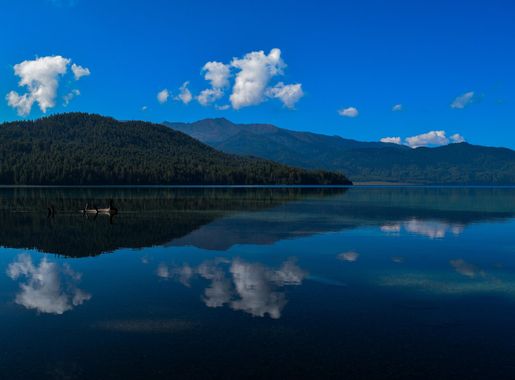
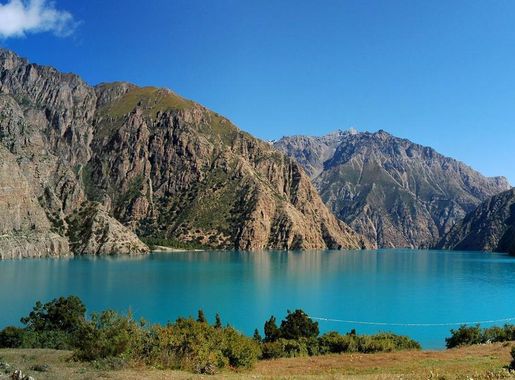
Nestled in the remote northwest of Nepal, the Karnali Zone offers an unspoiled haven for those seeking adventure and tranquility. This region is renowned for its stunning natural beauty, featuring lush forests, roaring rivers, and majestic mountain ranges. The Karnali River, one of Nepal's longest, is a key attraction, providing opportunities for white-water rafting and serene boat rides. Karnali Zone is also a cultural treasure trove. The local communities are rich in tradition, with unique festivals, customs, and crafts that provide a glimpse into the region's heritage. The region is home to several ethnic groups, including the Thakuri, Brahmin, Chhetri, and Tibetan communities, each contributing to the area's vibrant tapestry. For nature enthusiasts, Karnali Zone is a paradise. The region boasts several national parks and wildlife reserves, including the Rara National Park, which houses the pristine Rara Lake, the largest lake in Nepal. Trekking through these protected areas offers sightings of diverse flora and fauna, including rare and endangered species such as the snow leopard and red panda. Whether you are an adventurer, a nature lover, or a culture enthusiast, Karnali Zone promises an unforgettable experience.