

Dhaulagiri Zone, Nepal Travel Guide
Dhaulagiri Zone, Nepal: A Majestic Himalayan Adventure with Stunning Peaks, Rich Culture, and Unforgettable Treks
Nestled in the heart of Nepal, Dhaulagiri Zone is a breathtaking paradise for mountain lovers and adventurers alike. It is named after the seventh highest peak in the world, Mount Dhaulagiri, which stands tall at 8,167 meters. The zone offers some of the most picturesque landscapes with snow-capped mountains, lush green valleys, and serene rivers that are sure to leave you spellbound. Exploring Dhaulagiri Zone is like stepping into a world untouched by time. The region is home to an array of trekking routes, including the famous Dhaulagiri Circuit trek, which takes you through remote villages, dense forests, and across high-altitude passes. This trek is challenging but rewards you with stunning views and a sense of accomplishment. The cultural richness of Dhaulagiri Zone is equally captivating. Visitors can immerse themselves in the local traditions and customs of the ethnic communities such as the Thakali and Gurung. The warmth and hospitality of the local people make the experience even more memorable. Be sure to try the local cuisine, which offers a delightful array of flavors and dishes unique to this region.

Know before you go
Hi, I'm Eve. Here are a few practical things to know before exploring Dhaulagiri Zone.
- Best Time to Visit: The best time to visit Dhaulagiri Zone is during the spring (March-May) and autumn (September-November) seasons when the weather is clear and trekking conditions are ideal.
- Prepare for Altitude: Acclimatization is crucial. Spend a few days at lower altitudes before attempting higher-altitude treks to avoid altitude sickness.
- Local Guides: Hiring a local guide can enhance your experience and ensure your safety, as they are familiar with the terrain and weather conditions.
- Cultural Etiquette: Be respectful of local customs and traditions. Dress modestly and ask for permission before taking photos of people or religious sites.
- Stay Hydrated: Carry enough water and stay hydrated, especially during treks. Purification tablets or filters are recommended as clean water sources may not always be available.
Top City Travel Guides in Dhaulagiri Zone
The cities of Dhaulagiri Zone, and the easiest places to base yourself.

Destinations in Dhaulagiri Zone
Resorts, valleys and scenic spots worth a trip of their own.


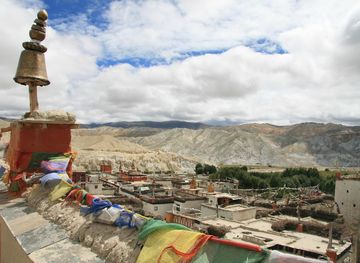


Explore Dhaulagiri Zone: Things to Do, Places to Eat, Hotels & More
Handpicked recommendations for top attractions, local dining, accommodations, and more

Top Attractions & Sightseeing in Dhaulagiri Zone
Top-rated picks
Best Attractions

Kalika Bhagwati Temple, Nepal
Explore the spiritual heritage of Kalika Bhagwati Temple in Baglung, Nepal, a serene destination for worship, culture, and breathtaking views.

Galeshwor Temple
Explore the spiritual essence of Galeshwor Temple in Beni, a unique Hindu pilgrimage site surrounded by stunning landscapes and rich cultural heritage.

Tatopani Hot Spring
Discover the healing waters of Tatopani Hot Spring in Nepal, a perfect blend of relaxation and natural beauty amidst the stunning Himalayas.

Ghorepani
Explore Ghorepani, a stunning village in Nepal, where breathtaking mountain views and rich culture await every intrepid traveler.

Best landmarks in Dhaulagiri Zone
Top-rated picks
Best Landmarks
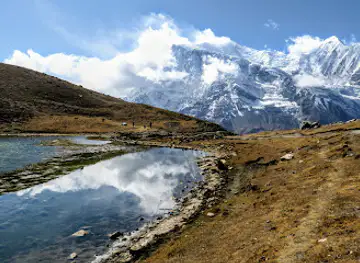
Annapurna Conservation Area
Discover the breathtaking beauty and rich biodiversity of Annapurna Conservation Area, Nepal's premier destination for trekking and cultural experiences amid majestic peaks.

Galeshwor Temple
Discover the spiritual serenity of Galeshwor Temple, a captivating Hindu site nestled in the breathtaking landscapes of Beni, Nepal.
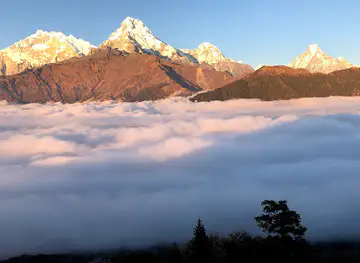
Poon Hill
Discover the majestic beauty of Poon Hill, a premier trekking destination in Nepal, famous for its stunning sunrise views over the Annapurna range.

Dhorpatan Hunting Reserve
Discover the breathtaking landscapes and unique wildlife of Dhorpatan Hunting Reserve, a hidden gem in Nepal's wilderness.

Best restaurants in Dhaulagiri Zone
Top-rated picks
Best Restaurants

Lama Restaurant & Bhanchha Ghar
Experience authentic Nepali flavors at Lama Restaurant & Bhanchha Ghar in Beni – where tradition meets taste.

Phedi Restaurant
Experience authentic Nepali cuisine amidst the stunning backdrop of Muktinath at Phedi Restaurant.

Namaste Hotel Tatopani
Experience traditional Nepali cuisine with stunning mountain views at Namaste Hotel Tatopani.

Falya Gaon
Experience authentic Nepali cuisine amidst stunning hilltop views at Falya Gaon in Muna.

Best bars in Dhaulagiri Zone
Top-rated picks
Best Bars
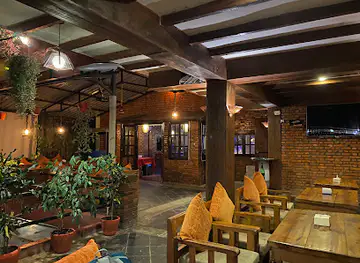
Paradiso Pokhara
Discover the vibrant nightlife and culinary delights at Paradiso Pokhara, a perfect blend of great food, drinks, and live music in a stunning lakeside setting.

Irish Pub
Discover the lively spirit of the Irish Pub in Pokhara, where authentic Irish charm meets vibrant local culture for an unforgettable experience.

Rolling Stones Rock Bar
Experience the vibrant nightlife of Pokhara at Rolling Stones Rock Bar, where delicious food, live music, and a lively atmosphere await you.

Dunga Restro & Lounge Bar
Experience exquisite dining with breathtaking lakeside views at Dunga Restro & Lounge Bar in Pokhara, where culinary tradition meets modern flair.

Best nightclubs in Dhaulagiri Zone
Top-rated picks
Best Nightclubs

Paradiso Pokhara
Discover the pulse of Pokhara at Paradiso, where nightlife meets delicious dining and live music in a vibrant garden setting.

Club Catwalk
Discover the electrifying nightlife at Club Catwalk in Pokhara, where vibrant beats and a lively atmosphere await every night.

The Treasure Lounge
Experience the vibrant nightlife of Pokhara at The Treasure Lounge, where music, dance, and delicious drinks create unforgettable nights.

Club Sixteen
Club Sixteen in Pokhara offers a vibrant nightlife experience, perfect for dancing, socializing, and enjoying a unique blend of music and culture.

Best shops in Dhaulagiri Zone
Top-rated picks
Best Shops

UFO Pokhara
Discover a stylish blend of local and contemporary fashion at UFO Pokhara, your go-to clothing store in the heart of Nepal.

Destination Himalaya Trekking Shop
Your ultimate destination for trekking gear and expert advice in the heart of Pokhara, ensuring a memorable Himalayan adventure.

Adventure Trekking Shop
Explore the great outdoors with top-quality gear at Pokhara's Adventure Trekking Shop, your trusted partner for unforgettable adventures.

Mardi Himal Trekking Store
Discover the best trekking gear and local insights at the Mardi Himal Trekking Store, your essential stop for Himalayan adventures in Pokhara.

Explore Dhaulagiri Zone on the Map
A handpicked selection of must-see spots in Dhaulagiri Zone, mapped for you.
Dhaulagiri Zone Essentials
-
Dhaulagiri Zone is located in the western part of Nepal. The nearest major airport is Tribhuvan International Airport in Kathmandu. From Kathmandu, you can take a domestic flight to Pokhara Airport, which is the gateway to the Dhaulagiri region. From Pokhara, you can hire a jeep or take a bus to Beni, the administrative center of Dhaulagiri Zone. The journey from Pokhara to Beni typically takes around 4-5 hours by road.
-
Transportation within Dhaulagiri Zone varies from local buses and jeeps to trekking on foot. Local buses and jeeps are the primary modes of transport for getting between towns and villages. For remote areas and trekking routes, walking is often the only option. Private taxis are available in some areas, and renting a motorbike or bicycle is also an option for those looking to explore at their own pace.
-
The official currency of Nepal is the Nepalese Rupee (NPR). Credit cards are accepted in some hotels and larger establishments, but cash is essential, especially in rural areas and small towns. ATMs are available in larger towns like Pokhara and Beni, but it is advisable to carry sufficient cash when traveling to more remote areas.
-
Dhaulagiri Zone is generally safe for tourists, but basic precautions should be taken. Avoid walking alone at night in unfamiliar areas and keep an eye on your belongings. While the overall crime rate is low, petty theft can occur, especially in crowded areas. There are no specific high-crime areas targeting tourists, but maintaining vigilance is always recommended.
-
In case of an emergency, dial 100 for police assistance or 102 for medical emergencies. Beni has basic medical facilities, but for serious medical issues, you may need to be evacuated to Pokhara or Kathmandu. It is highly recommended to have travel insurance that covers emergency evacuation and medical expenses. Pharmacies are available in larger towns for minor health issues and over-the-counter medications.
-
Fashion: Do dress modestly, especially in rural areas and religious sites. Avoid wearing revealing clothing. Religion: Do respect local customs and traditions, and always remove your shoes before entering temples and houses. Public Transport: Do be respectful and give up your seat to elderly passengers. Don't eat or drink on public transport. Greetings: Do greet people with a 'Namaste' and a slight bow of the head. Eating & Drinking: Do try local dishes and accept food and drink offerings graciously. Don't waste food, as it is considered disrespectful.
-
To experience Dhaulagiri Zone like a local, visit the local markets and try traditional dishes like 'Dal Bhat' and 'Momo'. Engage with locals, who are often friendly and eager to share their culture and traditions. Explore the natural beauty of the region by trekking to places like Dhorpatan Hunting Reserve and the base camp of Dhaulagiri Mountain. Participate in local festivals and ceremonies to get a deeper understanding of the local culture.
When is the best time to visit Dhaulagiri Zone?
Useful Local Phrases for Dhaulagiri Zone
You don't need to speak the language perfectly. Even learning a few simple words can make conversations warmer—and locals usually appreciate the effort.
— Eve

Here are the phrases I use most often in Dhaulagiri Zone. Try a few—you'll be surprised how far they go! 😊
❤️
-
- Helloनमस्ते
[Namaste] - Goodbyeअलविदा
[Alvida] - Yesहो
[Ho] - Noहोइन
[Hoin] - Please/You're welcomeकृपया / स्वागत छ
[Kripaya / Swagat cha] - Thank youधन्यवाद
[Dhanyabad] - Excuse me/Sorryमाफ गर्नुहोस्
[Maaf garnuhos] - How are you?तपाईंलाई कस्तो छ?
[Tapailai kasto cha?] - Fine. And you?ठिक छ। र तपाईँ?
[Thik cha. Ra tapai?] - Do you speak English?तपाईं अंग्रेजी बोल्नुहुन्छ?
[Tapai angreji bolnuhunchha?] - I don't understandम बुझ्दिन
[Ma bujhdina]
- Helloनमस्ते
-
- I'd like to see the menu, pleaseकृपया मेनु देखाउनुस्
[Kripaya menu dekhaunus] - I don't eat meatम मासु खाँदैन
[Ma masu khandaina] - Cheers!चियर्स!
[Cheers!] - I would like to pay, pleaseकृपया, म भुक्तानी गर्न चाहन्छु
[Kripaya, ma bhuktani garn chahanchhu]
- I'd like to see the menu, pleaseकृपया मेनु देखाउनुस्
-
- Help!मदद गर्नुहोस्!
[Madad garnuhos!] - Go away!दूर जानुहोस्!
[Door jaanuhos!] - Call the Police!पुलिसलाई फोन गर्नुहोस्!
[Police lai phone garnuhos!] - Call a doctor!डाक्टरलाई फोन गर्नुहोस्!
[Doctor lai phone garnuhos!] - I'm lostम हराएको छु
[Ma harayeko chu] - I'm illम बिरामी छु
[Ma birami chu]
- Help!मदद गर्नुहोस्!
-
- I'd like to buy...म किन्न चाहन्छु...
[Ma kinna chahanchhu...] - I'm just lookingम त केवल हेर्दैछु
[Ma ta keval herdai chhu] - How much is it?यो कति हो?
[Yo kati ho?] - That's too expensiveयो धेरै महँगो छ
[Yo dherai mahango cha] - Can you lower the price?के तपाईं मूल्य घटाउन सक्नुहुन्छ?
[Ke tapaain moolya ghatna saknuhunchha?]
- I'd like to buy...म किन्न चाहन्छु...
-
- What time is it?यो कति बजेको छ?
[Yo kati bajeko cha?] - It's one o'clockयो एक बजे हो
[Yo ek baje ho] - Half past (10)साढे (१०)
[Saaḍhe (10)] - Morningबिहान
[Bihan] - Afternoonबेलुका
[Beluka] - Eveningसाँझ
[Sanjh] - Yesterdayहिजो
[Hijo] - Todayआज
[Aaja] - Tomorrowभोलि
[Bholi] - 1१
[1] - 2२
[2] - 3३
[3] - 4४
[4] - 5५
[5] - 6६
[6] - 7७
[7] - 8८
[8] - 9९
[9] - 10१०
[10]
- What time is it?यो कति बजेको छ?
-
- Where's a/the...?कहाँ छ ...?
[Kahaan cha ...?] - What's the address?ठेगाना के हो?
[Thegana ke ho?] - Can you show me (on the map)?तपाईं मलाई देखाउन सक्नुहुन्छ (नक्सामा)?
[Tapaain malai dekhauna saknuhunchha (naksama)?] - When's the next (bus)?अर्को (बस) कहिले छ?
[Arko (bus) kahile cha?] - A ticket (to ....)एक टिकट (....को लागि)
[Ek ticket (...ko lagi)]
- Where's a/the...?कहाँ छ ...?
History of Dhaulagiri Zone
-
The Dhaulagiri Zone is home to several ancient settlements with a rich tapestry of ethnic groups, including the Magar, Gurung, Thakali, and Chhetri communities. These groups have inhabited the region for centuries, each contributing to its unique cultural mosaic through distinct languages, traditional attire, and customs.
-
During the medieval period, the Dhaulagiri Zone was part of the Magar Kingdom, one of the influential principalities in the region. The Magar people, known for their martial prowess, played a significant role in the local politics and military activities. Their kingdom, with its seat in the town of Tansen, was a hub of trade and culture.
-
Dhaulagiri Zone has been a melting pot of religious traditions, with Buddhism and Hinduism playing pivotal roles. Numerous monasteries, temples, and stupas dot the landscape, reflecting the spiritual heritage of the region. The town of Marpha is renowned for its ancient Buddhist monasteries, while Baglung is famous for its Hindu temples, including the revered Kali Gandaki Temple.
-
The Dhaulagiri Zone was an essential part of the unification campaign led by King Prithvi Narayan Shah in the 18th century. His efforts to consolidate various small kingdoms into a unified Nepal brought the Dhaulagiri Zone under the Gorkha Kingdom's control, shaping the modern boundaries and political landscape of the nation.
-
During the Nepalese Civil War (1996-2006), the Dhaulagiri Zone was significantly impacted by the conflict between the Maoist insurgents and government forces. The region witnessed several battles and skirmishes, which left lasting imprints on its communities. Post-war, efforts have been made to rebuild and promote peace and development in the area.
-
The Dhaulagiri Zone emerged as a prominent destination for trekkers and mountaineers in the late 20th century. The Dhaulagiri Circuit and the Annapurna-Dhaulagiri Community Eco-trek are popular routes that attract adventurers from around the globe. The local economy has benefited from this influx of tourism, leading to improved infrastructure and preservation of natural and cultural heritage.
Neighbouring Regions of Dhaulagiri Zone
The closest regions to Dhaulagiri Zone, if you have time for more than one.


Your all‑in‑one travel companion app
Explore expert travel guides, compare and book tours, experiences, hotels, and more—all from the palm of your hand. Download now for seamless trip planning wherever your wanderlust takes you.


Explore More of Nepal

Looking beyond Dhaulagiri Zone? Discover Nepal for broader travel guides, local hot-spots, and regional highlights.
Explore NepalDhaulagiri Zone in Photos
Browse through our photo collection highlighting the charm and character of the destination.


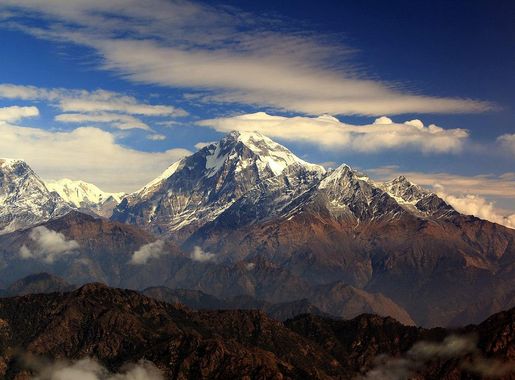


Dhaulagiri Zone: The Majestic Realm of Himalayas
Nestled in the heart of Nepal, Dhaulagiri Zone is a breathtaking paradise for mountain lovers and adventurers alike. It is named after the seventh highest peak in the world, Mount Dhaulagiri, which stands tall at 8,167 meters. The zone offers some of the most picturesque landscapes with snow-capped mountains, lush green valleys, and serene rivers that are sure to leave you spellbound. Exploring Dhaulagiri Zone is like stepping into a world untouched by time. The region is home to an array of trekking routes, including the famous Dhaulagiri Circuit trek, which takes you through remote villages, dense forests, and across high-altitude passes. This trek is challenging but rewards you with stunning views and a sense of accomplishment. The cultural richness of Dhaulagiri Zone is equally captivating. Visitors can immerse themselves in the local traditions and customs of the ethnic communities such as the Thakali and Gurung. The warmth and hospitality of the local people make the experience even more memorable. Be sure to try the local cuisine, which offers a delightful array of flavors and dishes unique to this region.