

Free Pokhara Valley Travel Guide & Mobile App
Explore Pokhara Valley with free travel guides. Discover regional history, expert tips, proposed trips, and audio guides on web or mobile app.


Pokhara Valley combines Himalayan views, serene lakes, cave landscapes, historic temples and outdoor adventures in western Nepal.
Read more about Pokhara Valley
When is the best time to visit Pokhara Valley?
Best: March–April, November · 20–26°C| Month | High (°C) | Rainfall (mm) |
|---|---|---|
| January | 15 | 15 |
| February | 17 | 20 |
| March (best) | 21 | 25 |
| April (best) | 26 | 40 |
| May | 28 | 60 |
| June | 29 | 200 |
| July | 28 | 400 |
| August | 28 | 400 |
| September | 27 | 300 |
| October | 24 | 150 |
| November (best) | 20 | 30 |
| December | 16 | 20 |
Getting to and around Pokhara Valley
How to get there
Transportation
Top city travel guides in Pokhara Valley
The cities of Pokhara Valley, and the easiest places to base yourself.

Swipe for more cities
Best attractions in Pokhara Valley
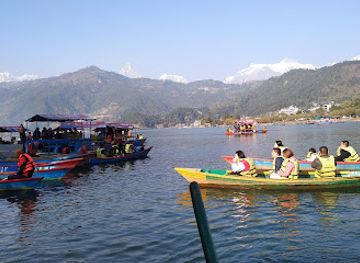
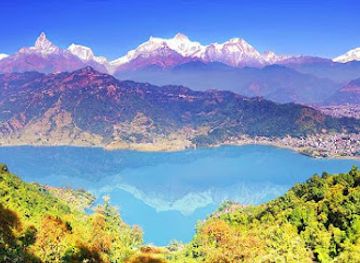
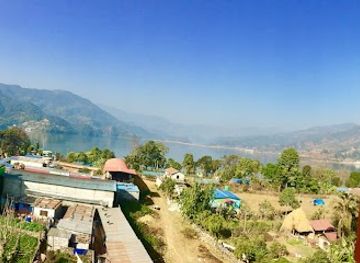
Pokhara Valley’s attractions combine accessible nature, religious sites and gateways to Himalayan adventures. Phewa Lake is the centrepiece, with boating, lakeside walks and views towards the forested southern hills; the World Peace Pagoda rises above its opposite shore. Sarangkot offers sunrise panoramas and paragliding, while Begnas and Rupa lakes provide a quieter setting for boating, walking and observing rural life. South of the city, Davis Falls and Gupteshwor Mahadev Cave form a compact geological and religious excursion, while Mahendra Cave and Bat Cave introduce the limestone landscape north of the urban area. Museums add context: the International Mountain Museum examines Himalayan peoples, mountaineering and mountain environments, and the Gurkha Museum explores the history of military service. Bindhyabasini Temple, the old bazaar and Seti River viewpoints reveal the valley’s cultural and urban character. Short hikes, cycling routes and day excursions extend into the surrounding hills, while Pokhara remains the principal preparation point for longer journeys towards the Annapurna and Manaslu trekking regions, which lie beyond the valley itself.
-
Tourist attraction
Pokhara Lakeside
Discover the stunning beauty of Pokhara Lakeside, where adventure meets tranquility in the heart of Nepal's breathtaking landscapes.
-
Tourist attraction
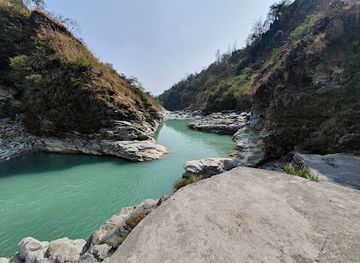
Davis Fall Pokhara.
Experience the breathtaking beauty of Davis Fall in Pokhara, a stunning natural wonder that captivates with its cascading waters and lush surroundings.
-
Buddhist temple
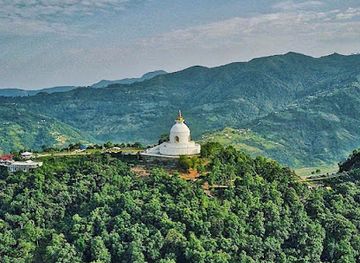
World Peace Pagoda
Discover serenity and breathtaking views at the World Peace Pagoda, a stunning Buddhist stupa in Pokhara, Nepal.
-
Museum
International Mountain Museum
Explore the rich heritage of the Himalayas at the International Mountain Museum in Pokhara, a cultural gem celebrating mountain life and adventure.
Best landmarks in Pokhara Valley
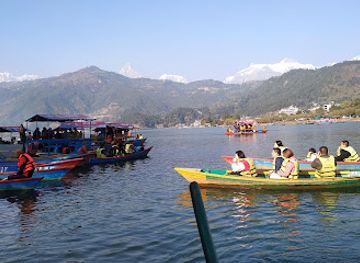
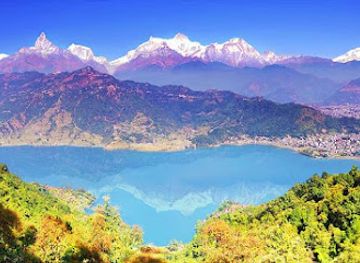
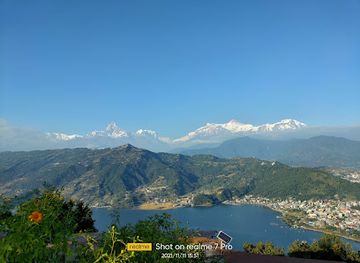
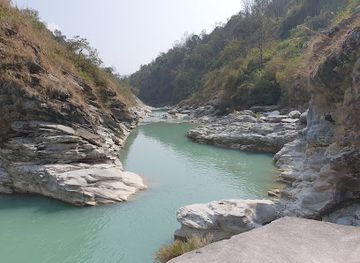
Phewa Lake is Pokhara’s defining geographical landmark, its broad water surface reflecting the wooded hills and, on clear days, the Annapurna skyline beyond the valley. On a hill above the lake, the World Peace Pagoda is a prominent white Buddhist monument and a recognised viewpoint across the water and city. Sarangkot marks the northern rim of the valley and is valued for its elevated perspective, especially at sunrise. In the historic city, Bindhyabasini Temple is an important Hindu shrine set on a hilltop, while the old bazaar preserves traces of Pokhara’s earlier commercial role. The Seti River Gorge is a striking natural feature where the river disappears through a narrow urban channel of pale rock. Davis Falls and the adjoining Gupteshwor Mahadev Cave demonstrate the force of underground water in the valley’s limestone terrain. Begnas and Rupa lakes, east of the main city, are less urbanised landmarks whose surrounding hills and agricultural settlements show a different face of Pokhara. These sites together express the valley’s religious, geological, scenic and settlement history.
-
Tourist attraction
Pokhara Lakeside
Experience the breathtaking beauty and adventure at Pokhara Lakeside, a must-visit destination for all travelers in Nepal.
-
Tourist attraction
Devi's Fall Pokhara.
Experience the enchanting beauty of Devi's Fall in Pokhara, a breathtaking waterfall that captivates visitors with its stunning views and serene atmosphere.
-
Buddhist temple
World Peace Pagoda
Experience spiritual serenity and stunning vistas at the World Peace Pagoda in Pokhara, a symbol of harmony and peace.
-
Museum
International Mountain Museum
Discover the breathtaking world of mountains at the International Mountain Museum in Pokhara, where culture, nature, and adventure meet.
Explore Pokhara Valley on the map
Plan your trip on one map. See where the top cities, national parks and sights are, and book hotels and experiences in a few clicks.
Best hotels in Pokhara Valley
Best restaurants in Pokhara Valley
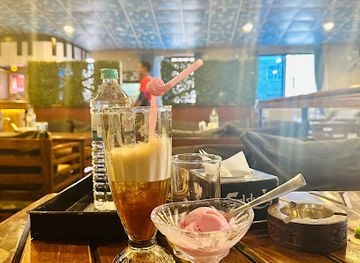
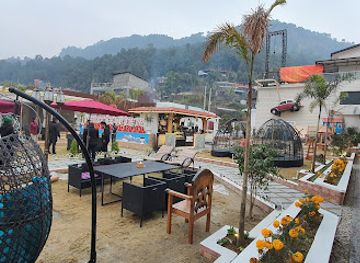
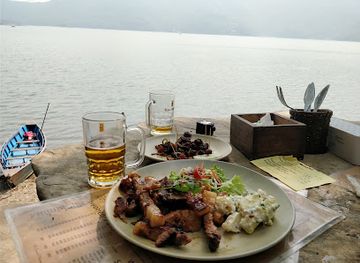
Dining in Pokhara ranges from small dal bhat kitchens and momo cafés to international restaurants concentrated around Lakeside. Dal bhat, the everyday combination of rice, lentils, vegetables and pickles, remains a useful introduction to Nepali food, while momos, thukpa and Newari-influenced dishes are widely available. Tourist-area menus also include Indian, Tibetan, East Asian and Western cooking, reflecting Pokhara’s role as a trekking and international travel hub. Local restaurants and family-run eateries are generally more useful for sampling ordinary Nepali meals than establishments aimed solely at visitors. Cafés around Phewa Lake serve coffee, baked goods and breakfasts, and bakeries cater to trekkers preparing for early departures. In the broader valley, food is more closely tied to household agriculture, with rice, lentils, vegetables, dairy products and seasonal produce prominent. Food markets and small local shops offer fruit, spices and snacks, while restaurants near Begnas and Rupa lakes may include fresh fish, although availability and preparation vary. Bottled or treated water is advisable, and visitors should choose busy kitchens where turnover is good.
-
Restaurant
Daddys Kitchen Pokhara
Experience the authentic taste of Nepal at Daddy's Kitchen in Pokhara - where every meal tells a story.
-
Restaurant
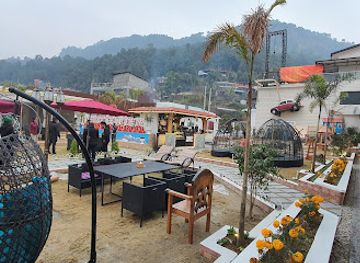
Open House Restro And Lounge bar
Discover culinary delights at Open House Restro And Lounge Bar in Pokhara – where local flavors meet international cuisine in a stunning lakeside setting.
-
Restaurant
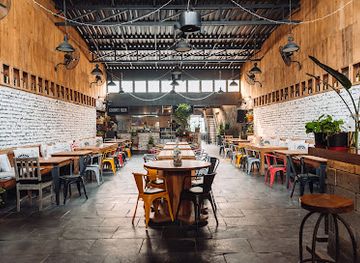
Roadhouse Cafe Pokhara
Experience exquisite dining at Roadhouse Cafe Pokhara – where every meal is accompanied by stunning views and vibrant ambiance.
-
Restaurant
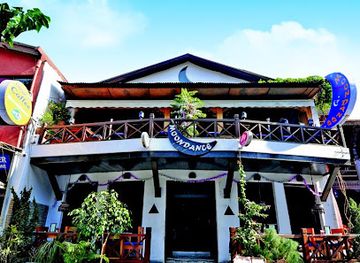
Moondance Restaurant & Bar
Discover Moondance Restaurant & Bar in Pokhara - where delicious cuisine meets stunning lakeside views for an unforgettable dining experience.
Best bars in Pokhara Valley
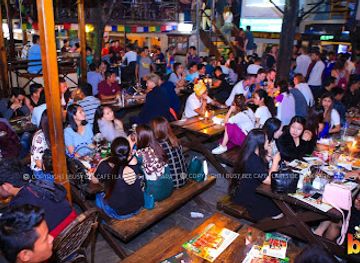
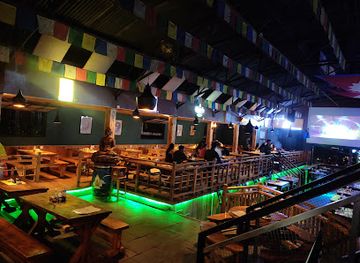
Pokhara’s evening life is concentrated in Lakeside, where travellers find pubs, cafés, rooftop terraces, live-music venues and bars serving both Nepalese and international drinks. The atmosphere is generally more relaxed than in Kathmandu, with many people dining or meeting before an early trekking departure rather than staying out late. A small number of venues offer dancing or DJ-led nights, but Pokhara is not primarily a major nightclub destination, and opening arrangements can change. Traditional-style restaurants and hotel bars provide quieter alternatives, while breweries and coffee shops appeal to visitors who prefer an informal evening. Outside Lakeside, nightlife becomes distinctly local and centres on restaurants, family gatherings, neighbourhood cafés and occasional live music, with limited late-night transport. Alcohol is not part of every social setting, particularly around religious sites and in more conservative communities; visitors should observe local etiquette and travel back to their accommodation carefully after dark.
-
Bar
Busy Bee Cafe
Discover the vibrant atmosphere of Busy Bee Cafe in Pokhara, where local flavors meet live music by the serene lakeside.
-
Restaurant
Open House Restro And Lounge bar
Discover the culinary delights at Open House Restro and Lounge Bar in Pokhara, offering a perfect blend of local flavors and stunning lakeside views.
-
Bar
Krazy Gecko
Experience the vibrant atmosphere of Krazy Gecko, where delicious food and stunning views in Pokhara come together for an unforgettable dining experience.
-
Bar
Paradiso Pokhara
Experience vibrant nightlife at Paradiso Pokhara - a lively bar and restaurant offering cocktails, delicious food, and live music in the heart of Lakeside.

Best nightclubs in Pokhara Valley
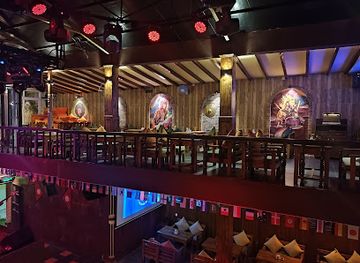
Pokhara’s evening life is concentrated in Lakeside, where travellers find pubs, cafés, rooftop terraces, live-music venues and bars serving both Nepalese and international drinks. The atmosphere is generally more relaxed than in Kathmandu, with many people dining or meeting before an early trekking departure rather than staying out late. A small number of venues offer dancing or DJ-led nights, but Pokhara is not primarily a major nightclub destination, and opening arrangements can change. Traditional-style restaurants and hotel bars provide quieter alternatives, while breweries and coffee shops appeal to visitors who prefer an informal evening. Outside Lakeside, nightlife becomes distinctly local and centres on restaurants, family gatherings, neighbourhood cafés and occasional live music, with limited late-night transport. Alcohol is not part of every social setting, particularly around religious sites and in more conservative communities; visitors should observe local etiquette and travel back to their accommodation carefully after dark.
-
Bar
Paradiso Pokhara
Experience vibrant nightlife and delicious dining at Paradiso Pokhara, the ultimate lakeside bar and restaurant in the heart of Nepal.
-
Pub
Irish Pub
Discover the lively charm of the Irish Pub in Pokhara, where great drinks and vibrant nightlife meet stunning lakeside views.
-
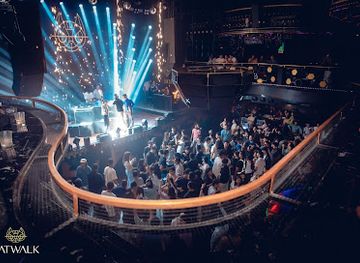
Night club
Club Catwalk
Discover the heart of Pokhara's nightlife at Club Catwalk, where music, food, and fun come together for an unforgettable evening.
-
Night club
The Treasure Lounge
Experience the vibrant nightlife of Pokhara at The Treasure Lounge, where music, dancing, and cocktails create unforgettable memories.
Best shops in Pokhara Valley
Shopping in Pokhara is most concentrated in Lakeside, where trekking shops sell walking clothing, sleeping bags, maps, backpacks and locally made woollen goods, alongside cafés, bookshops, handicraft outlets and souvenir stalls. The quality and provenance of items vary, so compare products and ask whether textiles, carvings or jewellery are locally produced. Shops and galleries display Nepalese paintings, singing bowls, prayer flags, handmade paper, metalwork and pashmina-style products, while fair-trade outlets can provide more information about makers and materials. The old bazaar and central markets offer a more everyday experience, with clothing, household goods, spices, fruit and practical supplies rather than a tourism-focused selection. Farmers and small traders around Begnas and Rupa lakes sell seasonal produce, although these are not conventional souvenir markets. Trekking equipment is available in abundance, but specialist technical gear should be checked carefully before a serious mountain journey. Nepalese tea, spices, handmade notebooks and packaged local snacks are portable purchases; buyers should avoid antiquities or religious objects whose legal export status is unclear.
-
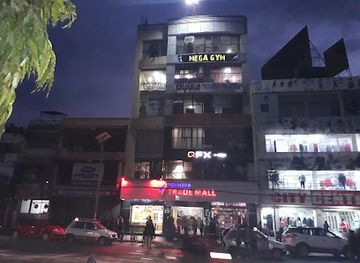
Shopping mall
Pokhara Trade Mall
Discover the vibrant shopping experience at Pokhara Trade Mall, where local culture meets modern retail in stunning Pokhara, Nepal.
-
Tour agency
Nepalmountainbike@Pokhara MTB Adventures| cycling holidays| Bike Rental | Tour operator | company| MTB SHOP | Work Shop| KTM
Discover the adventure of mountain biking in Pokhara with Nepalmountainbike, your premier cycling holiday destination.
-
Outdoor clothing and equipment shop
Sunrise trekking equipment store
Explore the beauty of Pokhara with quality gear from Sunrise Trekking Equipment Store, your ultimate outdoor adventure partner in Nepal.
-
Shopping mall
Bishal Bazar - Pokhara
Discover the vibrant shopping experience at Bishal Bazar in Pokhara, where local culture meets modern retail in a bustling atmosphere.

Get your free copy of our complete guide to Pokhara Valley, delivered straight to you.
Everything on this page, from attractions and restaurants to essentials and local phrases, in one PDF you can read offline, print or share.
Already have an account? Sign in
Your Pokhara Valley guide is ready.
We'll send it to · Not you? Sign out

Getting your guide ready…
We are putting together a fresh copy of the Pokhara Valley guide. This can take up to a minute.
This can take a few moments. If your browser asks, choose Allow so the download can start. You'll find the guide in your Downloads folder.
Nothing happened? Download it again
Sorry, the guide is taking longer than usual. Please try again in a minute, or get it by email instead.
Pokhara Valley essentials
Currency and Payment
Safety
Emergency Situations
Do's and Don'ts
Local Tips
From Eve
Local phrases worth knowing
You don't need to get them perfect. A few words go a long way, and locals appreciate the effort.
Basics
| English | Local | Say it |
|---|---|---|
| Hello | नमस्ते | [Namaste] |
| Goodbye | बिदाई | [Bidai] |
| Yes | हो | [Ho] |
| No | होइन | [Hoin] |
| Please/You're welcome | कृपया/स्वागतम् | [Kripaya/Swagatam] |
| Thank you | धन्यवाद | [Dhanyabad] |
| Excuse me/Sorry | माफ गर्नुहोस् | [Maaf Garnuhos] |
| How are you? | तपाईंलाई कस्तो छ? | [Tapaiilai Kasto Chha?] |
| Fine. And you? | सन्चै छु। र तपाईं? | [Sanchai Chhu. Ra Tapai?] |
| Do you speak English? | के तपाईं अङ्ग्रेजी बोल्नुहुन्छ? | [Ke Tapai Angreji Bolnuhunchha?] |
| I don't understand | म बुझ्दिन | [Ma Bujhdina] |
Eating & Drinking
| English | Local | Say it |
|---|---|---|
| I'd like to see the menu, please | म मेनु देख्न चाहन्छु, कृपया | [Ma Menu Dekhna Chahanchu, Kripaya] |
| I don't eat meat | म मासु खाँदैन | [Ma Maasu Khandaina] |
| Cheers! | चियर्स! | [Cheers!] |
| I would like to pay, please | म तिर्न चाहन्छु, कृपया | [Ma Tirna Chahanchu, Kripaya] |
Emergencies
| English | Local | Say it |
|---|---|---|
| Help! | मदद गर्नुहोस्! | [Madad Garnuhos!] |
| Go away! | दूर जानुहोस्! | [Dur Januhos!] |
| Call the Police! | पुलिसलाई फोन गर्नुहोस्! | [Polis Lai Phone Garnuhos!] |
| Call a doctor! | डाक्टरलाई फोन गर्नुहोस्! | [Daktar Lai Phone Garnuhos!] |
| I'm lost | म हराएँ | [Ma Harae] |
| I'm ill | म बिरामी छु | [Ma Birami Chhu] |
Shopping
| English | Local | Say it |
|---|---|---|
| I'd like to buy... | म किन्न चाहन्छु... | [Ma Kinna Chahanchu...] |
| I'm just looking | म केवल हेर्दै छु | [Ma Keval Herdai Chhu] |
| How much is it? | यो कति को हो? | [Yo Kati Ko Ho?] |
| That's too expensive | त्यो धेरै महँगो हो | [Tyo Dherai Mahango Ho] |
| Can you lower the price? | तपाईं मूल्य घटाउन सक्नुहुन्छ? | [Tapai Mulya Ghatauna Saknuhunchha?] |
Time & Numbers
| English | Local | Say it |
|---|---|---|
| What time is it? | यो कति बजेको छ? | [Yo Kati Bajeko Chha?] |
| It's one o'clock | यो एक बजेको छ | [Yo Ek Bajeko Chha] |
| Half past (10) | दश बजे आधा | [Dash Baje Aadha] |
| Morning | बिहान | [Bihan] |
| Afternoon | दिउँसो | [Diunsō] |
| Evening | साँझ | [Saanjh] |
| Yesterday | हिजो | [Hijo] |
| Today | आज | [Aaja] |
| Tomorrow | भोलि | [Bholi] |
| 1 | १ | [1] |
| 2 | २ | [2] |
| 3 | ३ | [3] |
| 4 | ४ | [4] |
| 5 | ५ | [5] |
| 6 | ६ | [6] |
| 7 | ७ | [7] |
| 8 | ८ | [8] |
| 9 | ९ | [9] |
| 10 | १० | [10] |
Transport & Directions
| English | Local | Say it |
|---|---|---|
| Where's a/the...? | एक/त्यो ... कहाँ छ? | [Ek/Tyo ... Kahan Chha?] |
| What's the address? | ठेगाना के हो? | [Thegana Ke Ho?] |
| Can you show me (on the map)? | तपाईं मलाई देखाउन सक्नुहुन्छ (नक्सामा)? | [Tapai Malai Dekhauna Saknuhunchha (Naksama)?] |
| When's the next (bus)? | अर्को (बस) कहिले छ? | [Arko (Bas) Kahile Chha?] |
| A ticket (to ....) | एक टिकट (....तर्फ) | [Ek Ticket (...Tarf)] |
History of Pokhara Valley
Early Settlement and the Kaski Kingdom
The Pokhara Valley has long been inhabited and cultivated, although much of its early history survives through archaeology, local tradition and later written accounts rather than a single continuous record. It formed part of the wider political landscape of the Kaski Kingdom, one of several hill principalities in the region. The old bazaar, temples and settlement patterns around the valley reflect its role as an agricultural and trading centre linking the Middle Hills with routes towards the highlands.
Trade Routes Across the Middle Hills
For centuries, Pokhara occupied a useful position between the Himalayan foothills and the plains. Traders, farmers and pilgrims moved through the region, carrying grain, salt and other goods along routes that connected communities in present-day Gandaki Province. The valley’s lakes and fertile land supported settlement, while its surrounding hills created a natural crossroads. This commercial geography helped establish the old market area and contributed to the cultural mixture visible in Pokhara’s temples, neighbourhoods and festivals.
Incorporation into Unified Nepal
The political consolidation of the hill kingdoms in the eighteenth century brought Kaski and the Pokhara area into the expanding state that became modern Nepal. Administration, military organisation and trade subsequently tied the valley more closely to the Kathmandu-centred kingdom. Later changes did not erase older local identities: Newar merchant traditions, Gurung and Magar communities, Hindu and Buddhist practices, and rural agricultural life continued to shape the valley beneath national political structures.
Gurkha Recruitment and Military Connections
The hills around Pokhara became closely associated with recruitment into the British Gurkhas and, later, other military formations. Gurung and Magar communities in western Nepal were particularly prominent in this history, although military service has involved people from many parts of the country. The legacy is visible in local memorials, returned service families and the Gurkha Museum in Pokhara, which explains recruitment, service and sacrifice without reducing the region’s history to a military story alone.
Roads, Aviation and the Opening of the Annapurna Region
Pokhara’s modern transformation accelerated as road and air connections improved during the twentieth century. The arrival of reliable transport linked the valley more directly with Kathmandu, the Terai and international travel networks. At the same time, expeditions and trekking in the Annapurna region established Pokhara as a major staging point for visitors heading into the mountains. Tourism brought hotels, guiding services, restaurants and new employment, while also changing the lakeshore and urban landscape.
From Lakeside Resort to Regional Gateway
From the late twentieth century onwards, the Lakeside district developed into an international tourism quarter beside Phewa Lake. Trekking, mountaineering, paragliding and domestic holidays diversified the local economy beyond agriculture and trade. Pokhara’s growth has brought investment and wider access to education and services, but it has also created pressure on roads, water, waste management and the lakeshore environment. The newer international airport is part of the valley’s continuing role as western Nepal’s principal tourism gateway, while the old bazaar and surrounding villages retain older patterns of life.
Pokhara Valley in Photos
Browse through our photo collection highlighting the charm and character of the destination.
Neighbouring regions of Pokhara Valley
The closest regions to Pokhara Valley, if you have time for more than one.
-

-

-

-

-


Swipe for more regions
Explore more

Explore more of Nepal
Discover Nepal: A land of towering peaks, spiritual harmony, and vibrant culture, offering endless adventures and serene escapes for every traveler.
Explore Nepal