

Free Gandaki Province Travel Guide & Mobile App
Explore Gandaki Province with free travel guides. Discover regional history, expert tips, proposed trips, and audio guides on web or mobile app.


Explore Gandaki Province from Pokhara's lakes and mountain views to Gorkha's history, Annapurna trails and Mustang's high Himalayan valleys.
Read more about Gandaki Province
When is the best time to visit Gandaki Province?
Best: March–April, October · 23–28°C| Month | High (°C) | Rainfall (mm) |
|---|---|---|
| January | 16 | 30 |
| February | 18 | 35 |
| March (best) | 23 | 45 |
| April (best) | 28 | 55 |
| May | 32 | 65 |
| June | 33 | 120 |
| July | 30 | 140 |
| August | 30 | 130 |
| September | 29 | 110 |
| October (best) | 25 | 90 |
| November | 19 | 50 |
| December | 15 | 30 |
Getting to and around Gandaki Province
How to get there
Transportation
Top city travel guides in Gandaki Province
The cities of Gandaki Province, and the easiest places to base yourself.
-

-

-

-

-
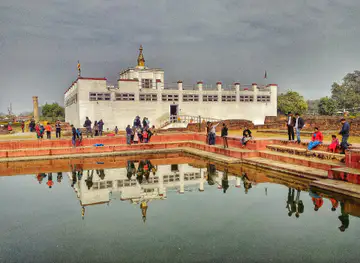
-


Swipe for more cities
Destinations in Gandaki Province
Resorts, valleys and scenic spots worth a trip of their own.
-

-

-

-

-

-


Swipe for more destinations
Best attractions in Gandaki Province
Gandaki's attractions range from lakeside recreation and museums in Pokhara to demanding trekking routes through some of Nepal's most celebrated mountain landscapes. Phewa Lake supports boating and broad views towards the Annapurna range, while Sarangkot and the World Peace Pagoda are popular viewpoints above the valley. Pokhara's International Mountain Museum provides useful context on Himalayan expeditions, mountain communities and climbing history. Northwards, the Annapurna Conservation Area offers routes through terraced foothills, rhododendron and pine forests, high pastures and settlements influenced by Gurung, Thakali and Tibetan traditions. The Kali Gandaki corridor leads towards Jomsom, Marpha, Kagbeni and Muktinath, while Upper Mustang requires additional permission and rewards slow travel among monasteries, cliffs and fortified villages. Manang provides another high-mountain environment along the Annapurna Circuit. In Gorkha, palace heritage and pilgrimage sites complement the natural scenery, and Manakamana Temple is a major religious destination. Lower districts such as Tanahun, Syangja, Parbat and Baglung offer hill landscapes, river valleys, village walks and quieter cultural excursions. Conditions, access and facilities vary greatly, so attractions in remote areas should be approached as journeys rather than quick day visits.
-
Tourist attraction
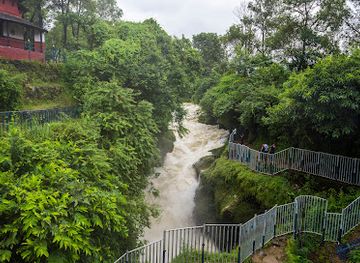
Davis Fall Pokhara.
Experience the breathtaking beauty of Davis Fall, a stunning waterfall in Pokhara, Nepal, surrounded by lush landscapes and serene tranquility.
-
Buddhist temple
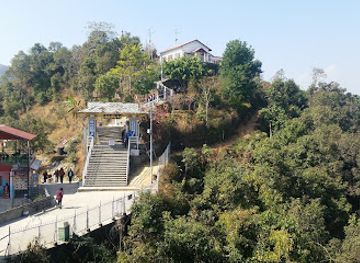
World Peace Pagoda
Explore the World Peace Pagoda in Pokhara, a stunning Buddhist stupa offering breathtaking views and a serene atmosphere for peace and reflection.
-
Museum
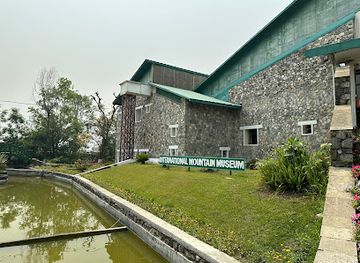
International Mountain Museum
Explore the International Mountain Museum in Pokhara - a fascinating journey through the Himalayas and Nepali culture awaits every traveler.
-
Tourist attraction
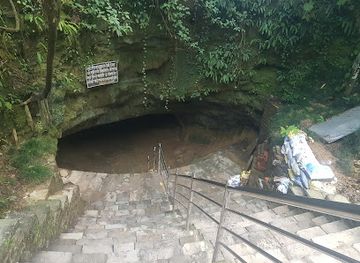
Mahendra Cave
Discover the enchanting Mahendra Cave in Pokhara, a natural wonder showcasing stunning limestone formations and rich cultural heritage.
Best landmarks in Gandaki Province
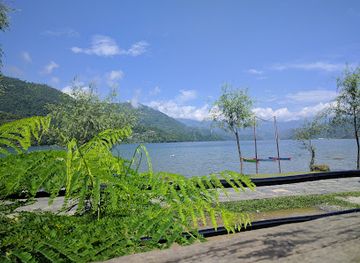
Phewa Lake is Pokhara's defining geographical landmark, its wooded shores and reflective waters forming a foreground to the Annapurna skyline when visibility allows. The Tal Barahi Temple, situated on an island in the lake, is an important Hindu shrine reached by boat. Above the city, the white World Peace Pagoda is both a Buddhist monument and a recognised viewpoint across the Pokhara valley. Gorkha Durbar, a fortified palace and temple complex on a high ridge above Gorkha Bazaar, is among the province's most significant political landmarks because of its association with Prithvi Narayan Shah and the unification of Nepal. In Mustang, the red-walled monastery complex and settlement of Kagbeni, the pilgrimage site of Muktinath and the ancient-looking villages of Upper Mustang express the architecture and religious traditions of the trans-Himalayan zone. Further along the Kali Gandaki, the stone houses and orchards of Marpha reflect the valley's Thakali heritage and trading past. The soaring profiles of Machhapuchhre, Annapurna and Dhaulagiri are natural landmarks rather than structures, but they shape nearly every understanding of Gandaki's landscape.
-
Tourist attraction
Pokhara Lakeside
Discover the charm of Pokhara Lakeside, where stunning mountain views meet serene lakeside tranquility and vibrant local culture.
-
Hindu temple
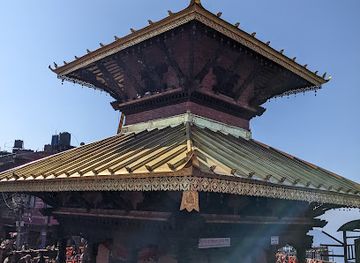
Manakamana Temple
Explore the sacred Manakamana Temple in Nepal, a majestic Hindu shrine offering spiritual fulfillment and breathtaking Himalayan views.
-
Hindu temple
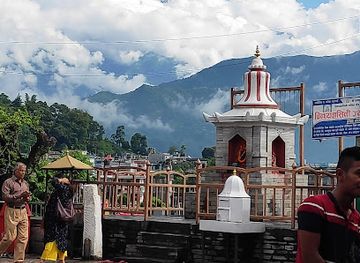
Shree Bindhyabasini Temple
Explore the spiritual beauty of Shree Bindhyabasini Temple in Pokhara, a sacred site that showcases Nepal's rich culture and traditions.
-
Hindu temple
Shree Muktinath Temple
Discover the sacred Shree Muktinath Temple, a spiritual retreat nestled in the Himalayas, where Hindu and Buddhist traditions converge in breathtaking serenity.
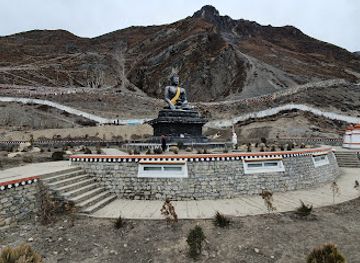
Explore Gandaki Province on the map
Plan your trip on one map. See where the top cities, national parks and sights are, and book hotels and experiences in a few clicks.
Best hotels in Gandaki Province
Best restaurants in Gandaki Province
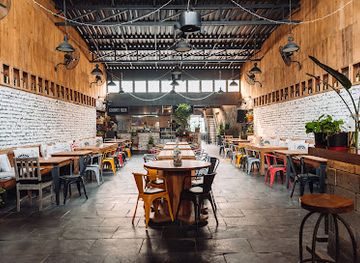
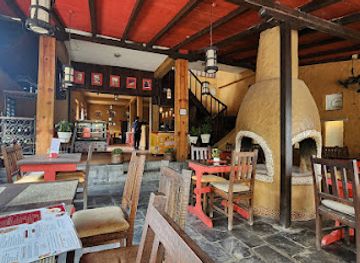
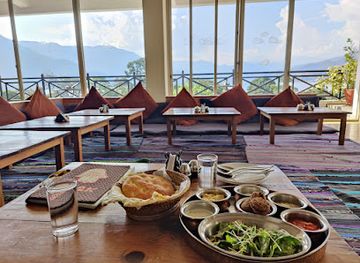
Pokhara has the province's broadest dining scene, with Nepalese restaurants, cafés, bakeries and international food around the lakeside and central neighbourhoods. Regional cooking is best represented by dal bhat, vegetable and meat curries, pickles, fried breads, momos and thukpa, a noodle soup particularly familiar in mountain regions. Thakali khana, associated with communities from the Kali Gandaki area, is widely served in Pokhara and along the route north, although recipes and presentation vary between establishments. In the hills and high valleys, menus depend more closely on seasonal supplies and often include potatoes, buckwheat, barley, beans, apples and locally produced dairy. Marpha is known for its apple-growing landscape and apple-based products, while mountain lodges provide practical meals for trekkers rather than an elaborate restaurant culture. Rural homestays can offer the most direct introduction to local food, but visitors should expect simple menus and limited choice. Hygiene, refrigeration and ingredient availability can change with altitude and weather, so cooked food and treated water are sensible choices in remote areas.
-
Restaurant
Roadhouse Cafe Pokhara
Discover the culinary delight at Roadhouse Cafe Pokhara - where local flavors meet international cuisine amidst stunning scenery.
-
Italian
Caffe Concerto
Discover authentic Italian cuisine at Caffe Concerto in Pokhara - where every dish tells a story of tradition and flavor.
-
Mediterranean
OR2K pokhara
Discover authentic Mediterranean flavors at OR2K Pokhara - where every meal is a celebration of fresh ingredients and vibrant tastes.
-
Restaurant
Byanjan
Discover exquisite Continental and Nepali cuisine at Byanjan - where every meal is a celebration of flavors in scenic Pokhara.
Best bars in Gandaki Province
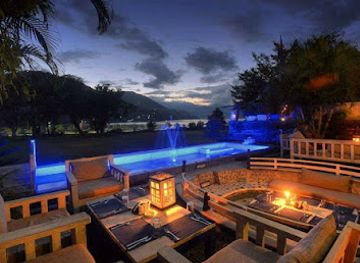
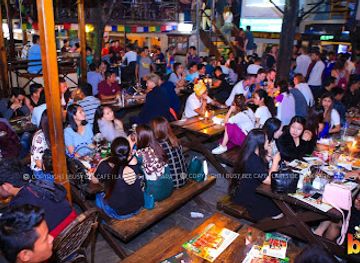
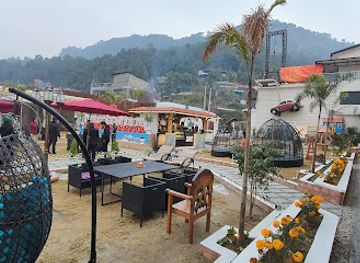
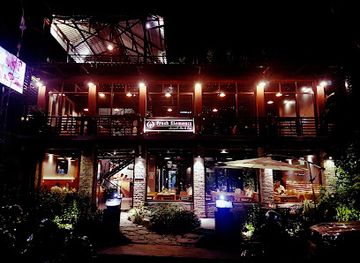
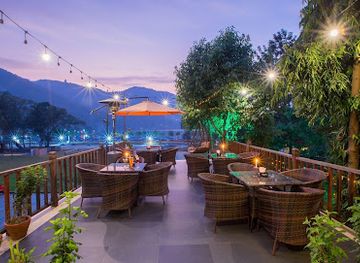
Pokhara is Gandaki's main centre for evening entertainment, particularly around Lakeside, where bars, cafés, restaurants and live-music venues serve both residents and visitors. The atmosphere is generally more relaxed than in Nepal's largest cities, and venues range from informal places offering local beer to establishments with cocktails, acoustic performances or views over the lake. The city's nightlife can change considerably by season and local regulation, so current arrangements should be checked locally. Outside Pokhara, evening life is usually centred on family restaurants, tea shops, traditional village gatherings and pubs or small bars in district headquarters. Trekking settlements may offer simple lodge dining and occasional shared music rather than a club scene, while high-altitude villages often become quiet soon after dark. Visitors should respect residential areas, religious settings and local closing customs, and should not treat drinking as the principal way to encounter provincial culture.
-
Bar
Busy Bee Cafe
Discover the vibrant flavors of Pokhara at Busy Bee Cafe, a perfect blend of bar and restaurant offering local and international delights.
-
Restaurant
Open House Restro And Lounge bar
Experience the perfect blend of local flavors and stunning lake views at Open House Restro And Lounge Bar in Pokhara.
-
Restaurant
Fresh Elements Restaurant & Bar
Discover the flavors of the Mediterranean at Fresh Elements Restaurant & Bar in Pokhara, where culinary excellence meets stunning views.
-
Bar
Paradiso Pokhara
Experience the vibrant nightlife and delicious cuisine at Paradiso Pokhara, your go-to lakeside destination for relaxation and fun in Nepal.
Best nightclubs in Gandaki Province
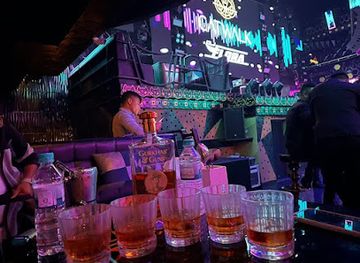
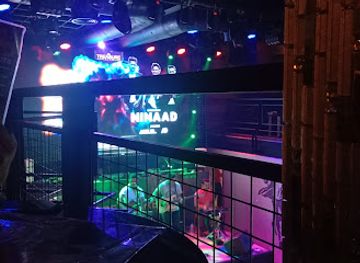
Pokhara is Gandaki's main centre for evening entertainment, particularly around Lakeside, where bars, cafés, restaurants and live-music venues serve both residents and visitors. The atmosphere is generally more relaxed than in Nepal's largest cities, and venues range from informal places offering local beer to establishments with cocktails, acoustic performances or views over the lake. The city's nightlife can change considerably by season and local regulation, so current arrangements should be checked locally. Outside Pokhara, evening life is usually centred on family restaurants, tea shops, traditional village gatherings and pubs or small bars in district headquarters. Trekking settlements may offer simple lodge dining and occasional shared music rather than a club scene, while high-altitude villages often become quiet soon after dark. Visitors should respect residential areas, religious settings and local closing customs, and should not treat drinking as the principal way to encounter provincial culture.
-
Night club
Club Catwalk
Discover the vibrant nightlife at Club Catwalk, Pokhara's premier night club offering music, dance, and culinary delights.
-
Night club
The Treasure Lounge
Experience the vibrant nightlife of Pokhara at The Treasure Lounge, where eclectic music and an electric atmosphere create unforgettable memories.
-
Night club
Club Sixteen
Discover the heartbeat of Pokhara's nightlife at Club Sixteen, where music, dance, and unforgettable memories await.
-
Night club
Matrix Arena
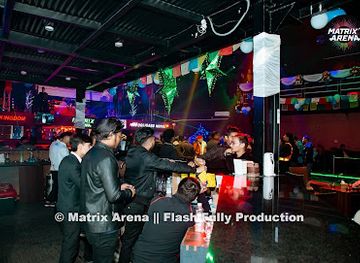
Discover the electrifying nightlife at Matrix Arena, a premier night club in Pokhara offering vibrant music, drinks, and a lively atmosphere.

Best shops in Gandaki Province
Pokhara offers the province's widest choice of shopping, with outdoor equipment, trekking clothing, books, handicrafts, pashmina products, jewellery, carved objects and locally made souvenirs concentrated around Lakeside and older commercial areas. Quality and authenticity vary, so compare materials and ask clearly whether an item is locally made. Fair-trade shops and craft outlets may carry textiles, felt goods, handmade paper and products connected with community enterprises. In Gorkha, Bandipur outside the province should not be confused with Gandaki's own historic towns, while local bazaars within the province are more useful for everyday goods than extensive souvenir shopping. Along the Kali Gandaki, Mustang's apples, dried fruit, herbal products and locally made spirits may be available, subject to transport and agricultural regulations. District markets in Baglung, Besisahar, Syangja and other hill centres provide a more direct view of regional commerce, with grains, spices, woven goods and household products. Pack fragile purchases carefully and avoid buying protected wildlife products, antiques of uncertain origin or religious objects removed from active sites.
-
Antique store
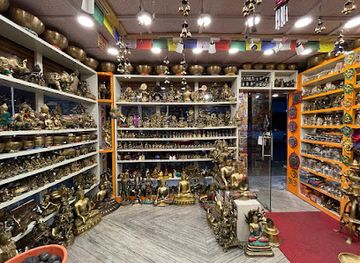
Himalayan Singing Bowl
Explore the serene world of handcrafted singing bowls at the Himalayan Singing Bowl in Pokhara, a unique antique store steeped in cultural heritage.
-
Department store
Saleways Departmental Stores
Explore Saleways Departmental Stores in Pokhara for a unique blend of local products and global brands, all in one vibrant shopping destination.
-
Gift shop
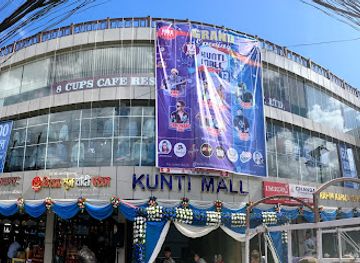
Kunti Mall
Explore Kunti Mall in Pokhara for a unique shopping experience filled with local crafts, delicious food, and vibrant culture.
-
Gift shop
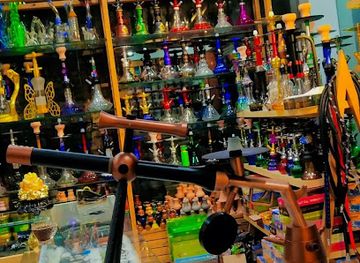
Hookah , vape & gift (ANTIQUE GALLERY)
Explore the Antique Gallery in Pokhara for unique gifts and a vast selection of hookah products, all within a charming cultural setting.

Get your free copy of our complete guide to Gandaki Province, delivered straight to you.
Everything on this page, from attractions and restaurants to essentials and local phrases, in one PDF you can read offline, print or share.
Already have an account? Sign in
Your Gandaki Province guide is ready.
We'll send it to · Not you? Sign out

Getting your guide ready…
We are putting together a fresh copy of the Gandaki Province guide. This can take up to a minute.
This can take a few moments. If your browser asks, choose Allow so the download can start. You'll find the guide in your Downloads folder.
Nothing happened? Download it again
Sorry, the guide is taking longer than usual. Please try again in a minute, or get it by email instead.
Gandaki Province essentials
Currency and Payment
Safety
Emergency Situations
Do's and Don'ts
Local Tips
From Eve
Local phrases worth knowing
You don't need to get them perfect. A few words go a long way, and locals appreciate the effort.
Basics
| English | Local | Say it |
|---|---|---|
| Hello | नमस्ते | [namaste] |
| Goodbye | बिदाई | [bidaai] |
| Yes | हो | [ho] |
| No | होइन | [hoina] |
| Please/You're welcome | कृपया/स्वागतम् | [kripaya/swagatam] |
| Thank you | धन्यवाद | [dhanyabaad] |
| Excuse me/Sorry | माफ गर्नुहोस् | [maaf garnuhos] |
| How are you? | तपाईंलाई कस्तो छ? | [tapaainlai kasto chha?] |
| Fine. And you? | ठिक छ। र तपाईलाई? | [thik chha. ra tapaailai?] |
| Do you speak English? | के तपाईंले अंग्रेजी बोल्नुहुन्छ? | [ke tapaainle angrezi bolnuhunchha?] |
| I don't understand | म बुझ्दिन | [ma bujhdina] |
Eating & Drinking
| English | Local | Say it |
|---|---|---|
| I'd like to see the menu, please | कृपया मीनु देखाउनुस् | [kripaya menu dekhaunus] |
| I don't eat meat | म मासु खाँदिन | [ma maasu khadinaa] |
| Cheers! | चियर्स! | [cheers] |
| I would like to pay, please | कृपया म तिर्न चाहन्छु | [kripaya ma tirna chahanchhu] |
Emergencies
| English | Local | Say it |
|---|---|---|
| Help! | मदद गर! | [madad gar!] |
| Go away! | जाऊ! | [jaau!] |
| Call the Police! | पुलिसलाई फोन गर्नुहोस्! | [pulislai phone garnuhos!] |
| Call a doctor! | डॉक्टरलाई फोन गर्नुहोस्! | [doctorlai phone garnuhos!] |
| I'm lost | म हराएको छु | [ma haraeko chhu] |
| I'm ill | म बिरामी छु | [ma biraami chhu] |
Shopping
| English | Local | Say it |
|---|---|---|
| I'd like to buy... | म किन्न चाहन्छु... | [ma kinna chahanchhu] |
| I'm just looking | म त हेरिरहेको छु | [ma ta heriraheko chhu] |
| How much is it? | यो कतिको छ? | [yo katiko chha?] |
| That's too expensive | त्यो धेरै महँगो छ | [tyo dherai mahango chha] |
| Can you lower the price? | के तपाईं मूल्य घटाउन सक्नुहुन्छ? | [ke tapaain moolya ghataun saknuhunchha?] |
Time & Numbers
| English | Local | Say it |
|---|---|---|
| What time is it? | कति बज्यो? | [kati bajyo?] |
| It's one o'clock | यो एक बज्यो | [yo ek bajyo] |
| Half past (10) | साढे (१०) | [saadhe (10)] |
| Morning | बिहान | [bihaan] |
| Afternoon | दिउँसो | [diunsō] |
| Evening | बेलुका | [beluka] |
| Yesterday | हिजो | [hijo] |
| Today | आज | [aaja] |
| Tomorrow | भोली | [bholi] |
| 1 | १ | [1] |
| 2 | २ | [2] |
| 3 | ३ | [3] |
| 4 | ४ | [4] |
| 5 | ५ | [5] |
| 6 | ६ | [6] |
| 7 | ७ | [7] |
| 8 | ८ | [8] |
| 9 | ९ | [9] |
| 10 | १० | [10] |
Transport & Directions
| English | Local | Say it |
|---|---|---|
| Where's a/the...? | कहाँ छ ...? | [kahaan chha ...?] |
| What's the address? | ठेगाना के हो? | [thegaana ke ho?] |
| Can you show me (on the map)? | तपाईंले मलाई देखाउन सक्नुहुन्छ (नक्सामा)? | [tapaainle malai dekhaun saknuhunchha (naksama)?] |
| When's the next (bus)? | पछिल्लो (बस) कहिले आउँछ? | [pachillo (bus) kahile aauchha?] |
| A ticket (to ....) | एक टिकट (.... को लागि) | [ek ticket (... ko lagi)] |
History of Gandaki Province
Early Himalayan and Trans-Himalayan Settlements
Gandaki's river valleys have long connected the southern hills with the Tibetan plateau and the Gangetic plain. Archaeological evidence and surviving settlement patterns indicate ancient movement through the Kali Gandaki, Marsyangdi and other corridors, although the region's early history is recorded unevenly. Communities adapted to sharply varying elevations through terrace agriculture, pastoralism, trade and seasonal movement. In Mustang and Manang, Tibetan Buddhist cultural influence became particularly strong, while the lower valleys developed more closely with the wider Hindu and hill societies of Nepal.
The Medieval Hill Principalities
Before Nepal's modern unification, much of present-day Gandaki was divided among small kingdoms and principalities. Gorkha, Lamjung, Tanahun, Kaski, Parbat and the Chaubisi states competed for land, trade routes and political influence. Their fortified ridges, palace sites and old market settlements reflect this fragmented political landscape. The Kali Gandaki corridor was especially important because it linked the trans-Himalayan salt trade with the middle hills. Local dynasties, religious institutions and trading communities all left legacies that remain visible in architecture and place traditions.
Gorkha and the Unification of Nepal
Gorkha became the launching point for Prithvi Narayan Shah's eighteenth-century expansion. From the hill kingdom's palace, he and his successors extended control over neighbouring principalities and eventually established Kathmandu as the centre of a larger Nepalese state. The campaigns were complex and contested, but Gorkha's role is fundamental to the country's political history. Gorkha Durbar, perched above modern Gorkha Bazaar, preserves the symbolic setting of the Shah dynasty's early power, while the district's temples and old routes provide further context.
Trade, Pilgrimage and the Kali Gandaki Corridor
For centuries, the Kali Gandaki linked the southern foothills with Tibet. Traders moved salt, wool, grain and other goods through Mustang, while pilgrims travelled to sacred places such as Muktinath. Thakali communities developed important commercial roles in the lower Mustang corridor, and settlements including Tukuche, Marpha and Jomsom prospered from caravan commerce. The opening of modern roads and the decline of the traditional caravan economy transformed the route, but its monasteries, inns, stone houses and cultivated terraces still reveal the importance of trans-Himalayan exchange.
The Rana Era and Changing Transport Links
During the nineteenth and early twentieth centuries, Nepal was governed by the Rana prime ministers, while the hill districts of Gandaki remained connected through footpaths, local trade and military recruitment. Gurkha soldiers from the central and western hills became internationally known through service in the British and Indian armies, a history that affected many communities in Gorkha, Lamjung, Kaski and neighbouring districts. Later roads, airstrips and tourism infrastructure gradually altered the province's isolation, particularly around Pokhara and the major mountain valleys.
Pokhara's Transformation into a Tourism Centre
Pokhara changed substantially during the twentieth century from a regional market and administrative settlement into Nepal's principal gateway for trekking in the Annapurna region. Improved roads and air connections, the growth of accommodation around Phewa Lake and the establishment of trekking infrastructure brought international visitors in increasing numbers. The city developed a diverse service economy, while surrounding villages became linked to homestays, guiding, transport and conservation programmes. Tourism has created employment and investment, but it has also brought pressure on water, waste management, roads and the lakeside environment.
Conservation and Contemporary Regional Change
Gandaki contains some of Nepal's most important protected mountain landscapes, including the Annapurna Conservation Area and the Manaslu Conservation Area. Conservation initiatives have sought to balance biodiversity, local livelihoods, cultural heritage and trekking demand. The province has also experienced rapid urbanisation in Pokhara and improved road access into formerly remote valleys. These changes are reshaping farming, trade and migration patterns, while earthquakes, landslides, floods and climate change continue to influence decisions about settlement, infrastructure and tourism.
Gandaki Province in Photos
Browse through our photo collection highlighting the charm and character of the destination.
Neighbouring regions of Gandaki Province
The closest regions to Gandaki Province, if you have time for more than one.
-

-

-

-

-


Swipe for more regions
Explore more

Explore more of Nepal
Discover Nepal: A land of towering peaks, spiritual harmony, and vibrant culture, offering endless adventures and serene escapes for every traveler.
Explore Nepal