

Free Himalayan Travel Guide & Mobile App
Explore Himalayan with free travel guides. Discover regional history, expert tips, proposed trips, and audio guides on web or mobile app.


Explore Himalayan Nepal through Everest and Annapurna trails, high valleys, Buddhist heritage, conservation areas and mountain communities.
Read more about Himalayan
When is the best time to visit Himalayan?
Best: April–June · 19–26°C| Month | High (°C) | Rainfall (mm) |
|---|---|---|
| January | 7 | 10 |
| February | 10 | 12 |
| March | 14 | 23 |
| April (best) | 19 | 31 |
| May (best) | 23 | 55 |
| June (best) | 26 | 86 |
| July | 26 | 136 |
| August | 26 | 126 |
| September | 23 | 86 |
| October | 18 | 55 |
| November | 13 | 25 |
| December | 8 | 13 |
Getting to and around Himalayan
How to get there
Transportation
Top city travel guides in Himalayan
The cities of Himalayan, and the easiest places to base yourself.
-

-

-

-
-

-


Swipe for more cities
Destinations in Himalayan
Resorts, valleys and scenic spots worth a trip of their own.
-

-

-

-

-

-


Swipe for more destinations
Best attractions in Himalayan
The Himalayan region’s attractions are inseparable from its terrain. The Khumbu offers the classic Everest approach, with trails through Sagarmatha National Park, Sherpa settlements such as Namche Bazaar and views towards Everest, Ama Dablam and other high peaks. Langtang combines forested lower valleys, high pastures and access to the Langtang Valley, while the Annapurna and Manaslu areas present contrasting routes through deep gorges, cultivated hillsides and high passes. Mustang provides monasteries, caves, eroded cliffs and a markedly drier trans-Himalayan landscape; Dolpo and the Makalu-Barun area offer more remote wilderness and demanding trails. Conservation areas support walking, birdwatching and the possibility of seeing Himalayan wildlife, although sightings are never assured. Cultural attractions include village monasteries, seasonal festivals, traditional houses, trading settlements and locally guided visits. Mountaineering and high-pass trekking require far more preparation than lower-altitude walks, while road journeys into parts of Mustang and Manang provide access to mountain scenery without committing to a long expedition. Across the region, the most meaningful experiences usually develop slowly through acclimatisation, conversations, landscape observation and respect for communities whose homes are also major transport routes.
-
Tourist attraction
Manakamana Temple
Experience the divine beauty of Manakamana Temple, a sacred Hindu site nestled in the stunning hills of Nepal, offering spiritual solace and breathtaking views.
-
Tourist attraction
Annapurna Conservation Area
Explore the breathtaking landscapes, vibrant cultures, and exquisite wildlife of Annapurna Conservation Area, a gem in Nepal's natural heritage.
-
Tourist attraction
Tundikhel
Discover the vibrant spirit of Kathmandu at Tundikhel, an expansive public space perfect for relaxation, recreation, and cultural immersion.
-
Tourist attraction
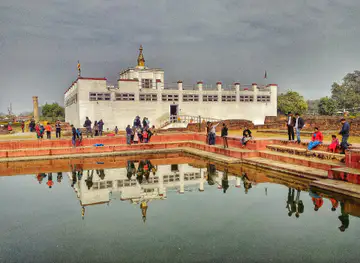
World Peace Pagoda
Experience tranquility and spiritual enlightenment at the World Peace Pagoda in Lumbini, a stunning monument celebrating peace and harmony.

Best landmarks in Himalayan
Mount Everest is the region’s defining natural landmark, although the summit itself is reached by mountaineers rather than ordinary visitors; viewpoints and trekking routes in Solukhumbu provide the most accessible perspectives. Ama Dablam, recognised for its sharply sculpted profile, is another emblem of the Khumbu landscape. The Kali Gandaki valley forms a major geographical landmark between the Annapurna and Dhaulagiri massifs, linking the pilgrimage and trading settlement of Muktinath with Jomsom and Mustang. Lo Manthang’s historic walls and compact urban form recall the former Kingdom of Lo, while its monasteries and surrounding cliff country express the region’s trans-Himalayan heritage. In Langtang, the high valley and surrounding peaks are framed by Langtang National Park, whose forests and glacial terrain make the landscape itself the principal monument. Elsewhere, the high passes of Manang and Manaslu, the stark plateaux of Dolpo and the immense Makalu massif demonstrate how geography has shaped settlement, belief, trade and travel across Himalayan Nepal.
-
Hindu temple
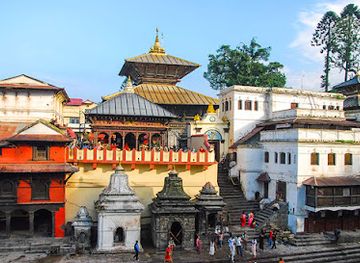
Pashupatinath Temple
Explore the spiritual heart of Nepal at Pashupatinath Temple, a UNESCO World Heritage site, renowned for its stunning architecture and vibrant rituals.
-
Plaza
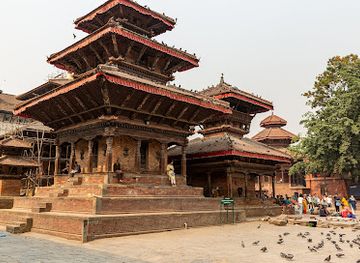
Kathmandu Durbar Square
Explore the rich history and stunning architecture of Kathmandu Durbar Square, a vibrant cultural hub in the heart of Kathmandu, Nepal.
-
Historical landmark
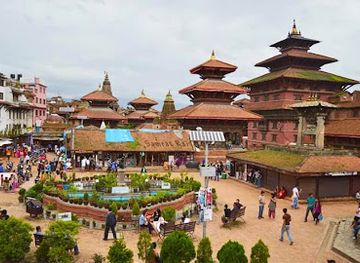
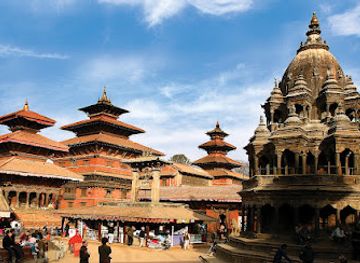
Patan Darbar Square
Explore Patan Darbar Square, a UNESCO World Heritage Site in Lalitpur, Nepal, featuring stunning temples, rich culture, and vibrant local life.
-
Tourist attraction
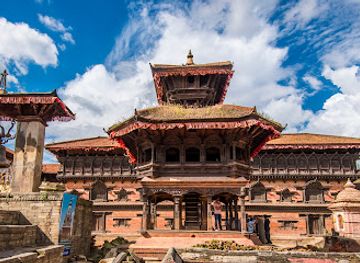
Bhaktapur Durbar Square
Explore Bhaktapur Durbar Square, a UNESCO World Heritage Site filled with stunning temples, rich history, and vibrant local culture in the heart of Nepal.
Explore Himalayan on the map
Plan your trip on one map. See where the top cities, national parks and sights are, and book hotels and experiences in a few clicks.
Best hotels in Himalayan
Best restaurants in Himalayan
Food in the Himalayan region reflects altitude, trade and local adaptation. Dal bhat remains a dependable staple across Nepal, while trekking lodges commonly serve soups, noodles, rice dishes, eggs, Tibetan-style breads and momos. In high valleys, thukpa, tsampa, roasted barley, potatoes and yak or nak meat may appear, although availability varies and menus are often shaped by what can be carried or grown locally. Sherpa and Tibetan-influenced communities have distinctive traditions involving butter tea, fermented or dried foods and hearty dishes suited to cold conditions. Mustang and the Kali Gandaki area are associated with apples, buckwheat and locally produced brandy, while Thakali cooking has become well known beyond its mountain homeland. Cafés and bakeries are concentrated in larger trekking settlements such as Namche Bazaar and Jomsom, whereas remote lodges offer simpler communal meals. Food-producing areas and farmers’ markets in lower valleys provide a different experience from high-altitude teahouses, where conserving fuel and water is part of daily life.
-
Restaurant
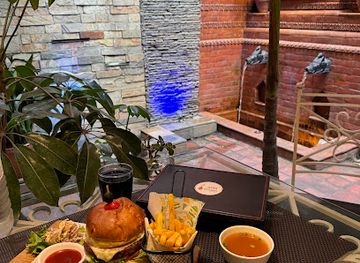
Jasper Restaurant
Experience the vibrant flavors of Nepal at Jasper Restaurant - where tradition meets innovation in the heart of Thamel.
-
Fine Dining
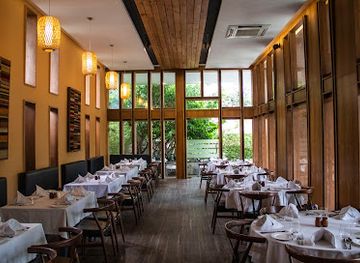
Le Sherpa Restaurant
Experience exquisite fine dining at Le Sherpa Restaurant in Kathmandu, where local flavors meet international cuisine in an elegant setting.
-
Nepalese
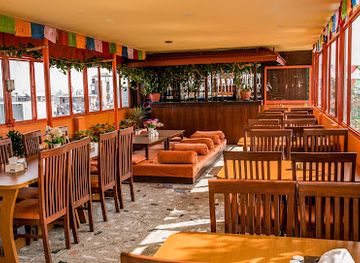
Nepalaya Rooftop Restaurant
Discover authentic flavors at Nepalaya Rooftop Restaurant while enjoying breathtaking views in the heart of Kathmandu's vibrant Thamel district.
-
Fine Dining
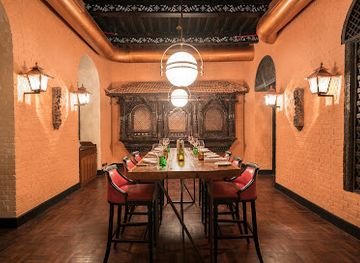
The Chimney Restaurant
Experience exceptional fine dining at The Chimney Restaurant in Kathmandu, where Nepalese and Western cuisines come together for an unforgettable meal.
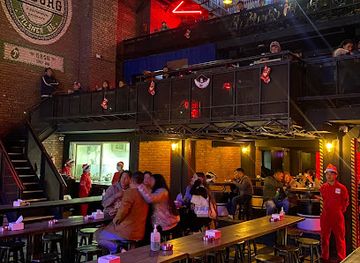
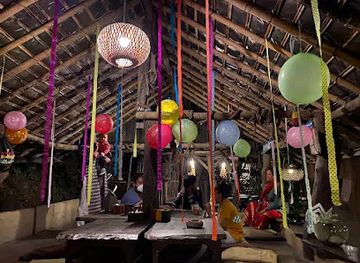
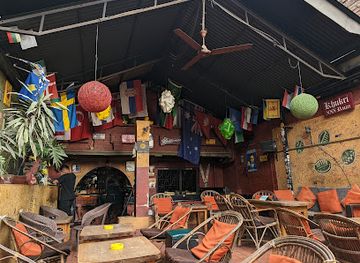
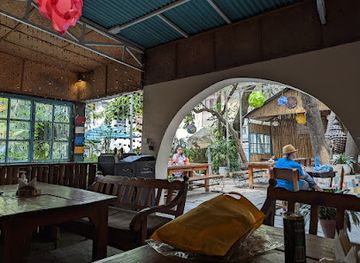
Best bars in Himalayan
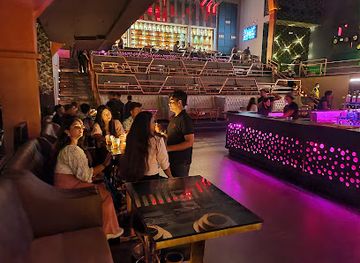
Nightlife in the Himalayan region is limited, seasonal and closely tied to trekking settlements rather than clubs. Namche Bazaar, Jomsom, Manang and other larger trail centres have teahouses, cafés and lodges where visitors may meet over tea, local beer, imported drinks or simple evening meals. Some establishments show films, play music or provide communal rooms, but opening arrangements depend on weather, electricity, season and the number of trekkers present. In remote villages, evenings generally centre on family life, lodge dining and early rest rather than late entertainment. A few towns on the main trekking routes have small bars or bakery cafés, while larger nightlife scenes belong to gateway cities such as Kathmandu and Pokhara, outside the Himalayan region. Visitors should drink cautiously at altitude, avoid treating religious or residential spaces as party venues and remember that low temperatures, fatigue and limited rescue access make late-night trekking particularly unwise.
-
Bar
Purple Haze Rock Bar
Discover the electrifying nightlife of Purple Haze Rock Bar in Kathmandu, where vibrant music and local culture come alive in an unforgettable atmosphere.
-
Bar
Krazy Gecko
Experience the vibrant charm and culinary delights at Krazy Gecko, a top bar and restaurant in the heart of Pokhara.
-
Bar
Sam's Bar
Discover the vibrant nightlife of Kathmandu at Sam's Bar, where locals and travelers gather for refreshing drinks and warm camaraderie.
-
Bar
Electric Pagoda Bar & Cafe
Discover Electric Pagoda Bar & Cafe in Thamel, Kathmandu – where great food, refreshing drinks, and a vibrant atmosphere come together.
Best nightclubs in Himalayan
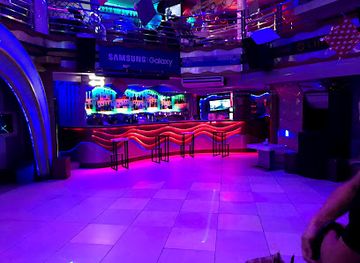
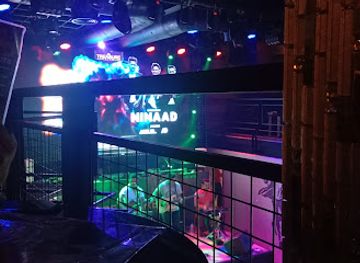
Nightlife in the Himalayan region is limited, seasonal and closely tied to trekking settlements rather than clubs. Namche Bazaar, Jomsom, Manang and other larger trail centres have teahouses, cafés and lodges where visitors may meet over tea, local beer, imported drinks or simple evening meals. Some establishments show films, play music or provide communal rooms, but opening arrangements depend on weather, electricity, season and the number of trekkers present. In remote villages, evenings generally centre on family life, lodge dining and early rest rather than late entertainment. A few towns on the main trekking routes have small bars or bakery cafés, while larger nightlife scenes belong to gateway cities such as Kathmandu and Pokhara, outside the Himalayan region. Visitors should drink cautiously at altitude, avoid treating religious or residential spaces as party venues and remember that low temperatures, fatigue and limited rescue access make late-night trekking particularly unwise.
-
Night club
LOD - Lord of the Drinks
Discover the pulse of Bhaktapur's nightlife at LOD - Lord of the Drinks, where music, dance, and exceptional cocktails await.
-
Night club
Club Catwalk
Discover the pulse of Pokhara's nightlife at Club Catwalk, where music, dance, and delicious food come together for an unforgettable experience.
-
Disco club
Ibyza Lounge & Disco
Discover the electrifying nightlife at Ibyza Lounge & Disco, Kathmandu's premier destination for live music, dining, and unforgettable experiences.
-
Night club
The Treasure Lounge
Unleash your nightlife spirit at The Treasure Lounge in Pokhara, a premier destination for music, dancing, and unforgettable memories.

Best shops in Himalayan
Shopping in the Himalayan region is concentrated in trekking and trading settlements rather than conventional retail centres. Namche Bazaar, Jomsom, Manang and other route hubs sell trekking equipment, practical clothing, woollen goods, snacks, tea, handicrafts and locally made souvenirs, though prices and choice reflect the cost of transporting supplies into the mountains. Mustang and neighbouring valleys are known for apples, dried produce, buckwheat products and locally made drinks, while Buddhist communities offer prayer flags, incense, crafts and religious objects. Sacred items should be bought thoughtfully and never treated as casual decorations; ask whether a religious object is appropriate to purchase. Small markets may operate on particular days in rural settlements, but schedules are locally variable. Buy directly from craftspeople or community shops where possible, avoid antiquities and wildlife products, and choose portable goods that do not add unnecessary pressure to local transport systems.
-
Antique store
Himalayan Singing Bowl
Explore the serene world of singing bowls in Pokhara, where ancient tradition meets exquisite craftsmanship.
-
Knife manufacturer
The Khukuri House (KHHI nepal)
Explore the artistry of traditional knife making at The Khukuri House, where each blade tells a story of Nepali heritage.
-
Clothing store
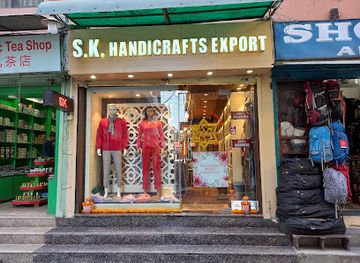
S.K. Handicrafts Export .FAIR TRADE Cashmere Company
Discover exquisite cashmere and knitwear at S.K. Handicrafts in Kathmandu, where luxury meets ethical craftsmanship in the heart of Thamel.
-
Tourist attraction
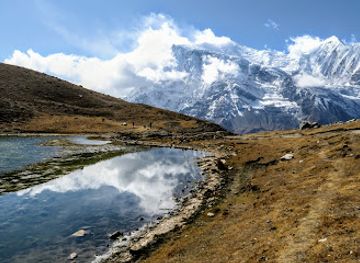
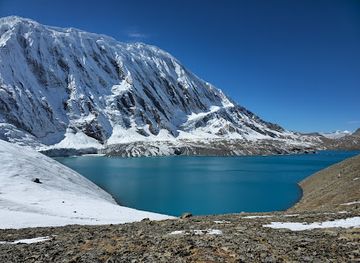
Tilicho Lake View Point
Experience the awe-inspiring beauty of Tilicho Lake View Point, a must-visit destination in the heart of the Himalayas, ideal for adventurers and nature lovers.


Get your free copy of our complete guide to Himalayan, delivered straight to you.
Everything on this page, from attractions and restaurants to essentials and local phrases, in one PDF you can read offline, print or share.
Already have an account? Sign in
Your Himalayan guide is ready.
We'll send it to · Not you? Sign out

Getting your guide ready…
We are putting together a fresh copy of the Himalayan guide. This can take up to a minute.
This can take a few moments. If your browser asks, choose Allow so the download can start. You'll find the guide in your Downloads folder.
Nothing happened? Download it again
Sorry, the guide is taking longer than usual. Please try again in a minute, or get it by email instead.
Himalayan essentials
Currency and Payment
Safety
Emergency Situations
Do's and Don'ts
Local Tips
From Eve
Local phrases worth knowing
You don't need to get them perfect. A few words go a long way, and locals appreciate the effort.
Basics
| English | Local | Say it |
|---|---|---|
| Hello | नमस्ते | [Namaste] |
| Goodbye | बिदाई | [Bidaai] |
| Yes | हो | [Ho] |
| No | होइन | [Hoin] |
| Please/You’re welcome | कृपया/स्वागतम् | [Kripaya/Swagatam] |
| Thank you | धन्यवाद | [Dhanyavad] |
| Excuse me/Sorry | माफ गर्नुहोस् | [Maaf Garnuhos] |
| How are you? | तिमीलाई कस्तो छ? | [Timilai Kasto Chha?] |
| Fine. And you? | ठिक छ। र तिमी? | [Thik Chha. Ra Timi?] |
| Do you speak English? | के तपाइँलाई अंग्रेजी बोल्न आउँछ? | [Ke Tapai Lai Angreji Bolna Aauchha?] |
| I don't understand | म बुझ्दिन | [Ma Bujhdina] |
Eating & Drinking
| English | Local | Say it |
|---|---|---|
| I’d like to see the menu, please | कृपया मैनु देख्न चाहन्छु | [Kripaya Menu Dekhna Chahanchhu] |
| I don’t eat meat | म मासु खाँदैन | [Ma Maasu Khaandaina] |
| Cheers! | स salud! | [Sasaud!] |
| I would like to pay, please | कृपया म तिर्न चाहन्छु | [Kripaya Ma Tirna Chahanchhu] |
Emergencies
| English | Local | Say it |
|---|---|---|
| Help! | मलाई मद्दत गर्नुहोस्! | [Malai Maddat Garnuhos!] |
| Go away! | तिमी जान! | [Timi Jan!] |
| Call the Police! | पुलिसलाई फोन गर्नुहोस्! | [Polis Lai Phone Garnuhos!] |
| Call a doctor! | डाक्टरलाई फोन गर्नुहोस्! | [Daktar Lai Phone Garnuhos!] |
| I’m lost | म हराएँ | [Ma Haraa] |
| I’m ill | म बिरामी छु | [Ma Birami Chhu] |
Shopping
| English | Local | Say it |
|---|---|---|
| I’d like to buy... | म किन्न चाहन्छु... | [Ma Kinna Chahanchhu...] |
| I’m just looking | म केवल हेरिरहेको छु | [Ma Keval Heriraheko Chhu] |
| How much is it? | यो कति को छ? | [Yo Kati Ko Chha?] |
| That’s too expensive | यो धेरै महँगो छ | [Yo Dherai Mahango Chha] |
| Can you lower the price? | के तपाइँ मूल्य घटाउन सक्नुहुन्छ? | [Ke Tapai Moolya Ghatauna Saknuhunchha?] |
Time & Numbers
| English | Local | Say it |
|---|---|---|
| What time is it? | कति बजेको छ? | [Kati Bajeko Chha?] |
| It’s one o’clock | यो एक बजेको छ | [Yo Ek Bajeko Chha] |
| Half past (10) | आधा (10) | [Aadha (10)] |
| Morning | बिहान | [Bihan] |
| Afternoon | बेलुका | [Beluka] |
| Evening | साँझ | [Sajh] |
| Yesterday | हिजो | [Hijo] |
| Today | आज | [Aaja] |
| Tomorrow | भोलि | [Bholi] |
| 1 | १ | [1] |
| 2 | २ | [2] |
| 3 | ३ | [3] |
| 4 | ४ | [4] |
| 5 | ५ | [5] |
| 6 | ६ | [6] |
| 7 | ७ | [7] |
| 8 | ८ | [8] |
| 9 | ९ | [9] |
| 10 | १० | [10] |
Transport & Directions
| English | Local | Say it |
|---|---|---|
| Where's a/the...? | कहाँ छ ...? | [Kahaan Chha...?] |
| What’s the address? | ठेगाना के हो? | [Thegana Ke Ho?] |
| Can you show me (on the map)? | के तपाइँ मलाई देखाउन सक्नुहुन्छ (नक्सामा)? | [Ke Tapai Malai Dekhauna Saknuhunchha (Naksama)?] |
| When’s the next (bus)? | अर्को (बस) कहिले आउँछ? | [Arko (Bus) Kahile Aauchha?] |
| A ticket (to ....) | एक टिकट (....का लागि) | [Ek Ticket (...ka Lagi)] |
History of Himalayan
Early Himalayan Settlement and Trans-Himalayan Exchange
For centuries, communities have occupied the valleys and plateaux north of Nepal’s middle hills, adapting farming, pastoralism and trade to difficult terrain. Routes through the Kali Gandaki, Bhotekoshi and other valleys connected the Tibetan plateau with markets farther south. Salt, wool, grain, livestock and manufactured goods moved along these paths, making settlements such as those in Mustang, Manang and the Khumbu important links between ecological zones. Archaeological evidence and surviving cave, settlement and religious landscapes point to long histories of movement and exchange rather than isolated mountain societies.
Buddhist Landscapes and Himalayan Polities
Tibetan Buddhist traditions became deeply established across many northern valleys, expressed through monasteries, village shrines, prayer walls and annual ritual cycles. Local rulers and community institutions governed settlements separated by formidable passes, while cultural connections with Tibet remained strong. In Mustang, the walled town of Lo Manthang and nearby monasteries preserve the legacy of the former Kingdom of Lo, founded in the fifteenth century. Other valleys developed their own political and religious centres, leaving a regional heritage that combines local customs with wider Himalayan Buddhist influences.
The Gorkha State and Nepal’s Northern Frontier
The expansion of the Gorkha kingdom during the eighteenth century brought many Himalayan territories into the political framework that became modern Nepal. The state’s relationship with northern communities was shaped by taxation, trade, local authority and the difficult geography of the frontier. Nepal’s borders with Tibet and later China were formalised through changing political circumstances, while high passes retained economic importance. The region’s present administrative identity therefore reflects both older valley-based histories and the state-building processes that unified Nepal.
Foreign Expeditions and the Opening of Mountaineering
Western scientific surveys and mountaineering expeditions increased international knowledge of Nepal’s mountains during the nineteenth and twentieth centuries. The successful ascent of Mount Everest in 1953 by Tenzing Norgay Sherpa and Edmund Hillary transformed the Khumbu’s global profile and helped establish Nepal as a major mountaineering destination. Earlier expeditions also relied heavily on local knowledge, porters and guides, whose contribution was fundamental but was not always properly recognised in early accounts. Mountaineering remains important, although trekking and conservation now bring far more visitors.
Conservation and the Growth of Trekking
Nepal created protected areas in the mountain region from the 1970s onwards, including Sagarmatha National Park, established in 1976, and Langtang National Park, established in 1976. The Annapurna Conservation Area followed in 1985, using a model that links environmental management with local participation and tourism revenue. Trekking infrastructure expanded along established routes, bringing teahouses, air links and porter employment while also creating pressures involving waste, fuel, water and trail erosion. Conservation and tourism continue to shape the region’s economy and landscape.
Earthquakes, Recovery and Contemporary Himalayan Life
The 2015 earthquake caused severe damage across parts of Nepal, including villages, trails, heritage buildings and transport links in several Himalayan districts. Reconstruction has been uneven because of remoteness, seasonal access and difficult terrain, but many routes and communities have recovered. Today the region balances tourism with migration, remittances, livestock farming, small-scale agriculture, climate concerns and the expansion of roads and communications. Glacial change, landslides and changing snowfall patterns add further uncertainty, making resilient infrastructure and responsible visitor behaviour increasingly important.
Himalayan in Photos
Browse through our photo collection highlighting the charm and character of the destination.
Neighbouring regions of Himalayan
The closest regions to Himalayan, if you have time for more than one.
-

-

-

-

-


Swipe for more regions
Explore more

Explore more of Nepal
Discover Nepal: A land of towering peaks, spiritual harmony, and vibrant culture, offering endless adventures and serene escapes for every traveler.
Explore Nepal