

Free Western Development Region Travel Guide & Mobile App
Explore Western Development Region with free travel guides. Discover regional history, expert tips, proposed trips, and audio guides on web or mobile app.


Explore Nepal’s Western Development Region for Pokhara’s lakes, Himalayan treks, Tansen’s heritage and the sacred plains of Lumbini.
Read more about Western Development Region
When is the best time to visit Western Development Region?
Best: March–April, October · 24–28°C| Month | High (°C) | Rainfall (mm) |
|---|---|---|
| January | 18 | 10 |
| February | 21 | 15 |
| March (best) | 24 | 20 |
| April (best) | 28 | 25 |
| May | 32 | 35 |
| June | 33 | 55 |
| July | 30 | 65 |
| August | 30 | 60 |
| September | 28 | 50 |
| October (best) | 24 | 30 |
| November | 20 | 20 |
| December | 17 | 10 |
Getting to and around Western Development Region
How to get there
Transportation
Top city travel guides in Western Development Region
The cities of Western Development Region, and the easiest places to base yourself.
-

-

-

-

-
-


Swipe for more cities
Destinations in Western Development Region
Resorts, valleys and scenic spots worth a trip of their own.
-

-

-

-

-

-


Swipe for more destinations
Best attractions in Western Development Region
The former Western Development Region offers an unusually broad range of attractions, from Pokhara’s lakes and adventure businesses to high Himalayan trails and the archaeological landscape of Lumbini. Around Pokhara, boating on Phewa and Begnas lakes, walking in the surrounding hills, viewing the Seti River gorge and arranging paragliding, rafting or trekking are popular choices. The Annapurna and Dhaulagiri areas offer routes through subtropical foothills, rhododendron forests, alpine terrain and culturally distinctive villages, although permits, guides and acclimatisation may be required. Mustang provides a markedly drier landscape of cliffs, monasteries and historic settlements. In the southern districts, Lumbini’s sacred garden and international monasteries form the principal draw, while Kapilavastu contains archaeological sites associated with the Buddha’s early life. Tansen provides historic streets and hill-country views, and the region also contains temples, caves, village markets, gardens and river corridors that reward slower travel. The main attraction is the sharp geographical change within one broad area: visitors can move from humid plains to glacial valleys, but such journeys require realistic planning rather than a compressed itinerary.
-
Tourist attraction
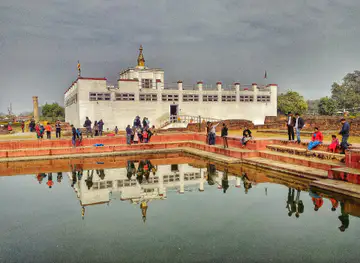
Buddha Stupa
Explore the serene beauty of the Buddha Stupa in Kathmandu, a UNESCO World Heritage site that embodies the spirit of Buddhism and Nepali culture.
-
Hindu temple
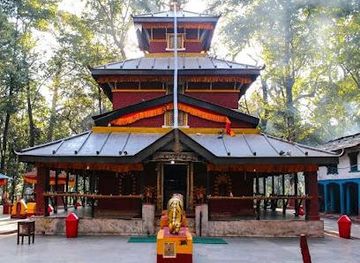
Kalika Bhagwati Temple, Nepal
Discover the spiritual essence and breathtaking beauty of Kalika Bhagwati Temple, a must-visit Hindu shrine in Baglung, Nepal.
-
Lake
Begnas Lake
Experience the beauty and tranquility of Begnas Lake in Lekhnath, Nepal – a serene haven for nature lovers and adventure seekers alike.
-
Resort hotel
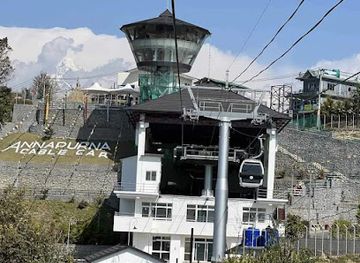
Cable Car
Experience the stunning views of the Annapurna range with a thrilling cable car ride in Pokhara, Nepal, an unforgettable adventure for every traveler.


Best landmarks in Western Development Region
Phewa Lake and the wooded hill of Anadu are among Pokhara’s best-known visual landmarks, with the lake reflecting the surrounding middle hills and forming the setting for the city’s tourism identity. The World Peace Pagoda, on a ridge above the lake, is a prominent Buddhist monument reached by road or walking routes, while the Seti River has carved a deep, striking gorge through the urban area. In Lumbini, the Maya Devi Temple and the Ashokan Pillar mark the central sacred and archaeological landscape associated with the Buddha’s birth; the surrounding monastic zone adds architecture from Buddhist communities across Asia. Tansen’s old streets and traditional houses express the town’s history as a Palpa commercial and political centre. Rani Mahal, a nineteenth-century palace beside the Kali Gandaki River, is one of the region’s most recognisable historic buildings. Farther north, the bare cliffs, river terraces and monasteries of Mustang form a natural and cultural landmark landscape shaped by the trans-Himalayan environment rather than by a single monument.
-
Hindu temple
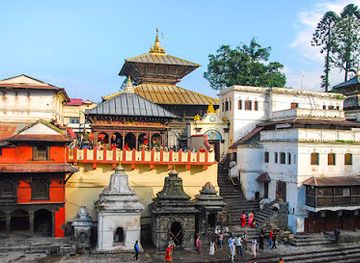
Pashupatinath Temple
Discover the sacred beauty and rich heritage of Pashupatinath Temple, a spiritual haven in the heart of Kathmandu, Nepal.
-
Plaza
Kathmandu Durbar Square
Experience the cultural and historical richness of Kathmandu Durbar Square, a UNESCO World Heritage Site filled with stunning temples and vibrant local life.
-
Historical landmark
Patan Darbar Square
Explore the historical marvel of Patan Darbar Square, a UNESCO World Heritage Site showcasing Nepal's vibrant art and rich cultural heritage.
-
Tourist attraction
Bhaktapur Durbar Square
Explore the enchanting Bhaktapur Durbar Square, where history, culture, and architecture converge in a captivating Nepalese experience.
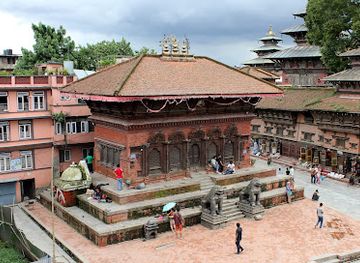
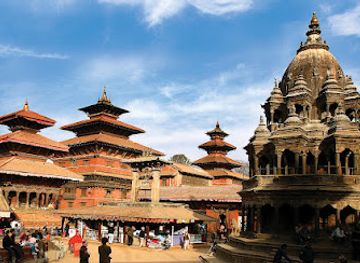
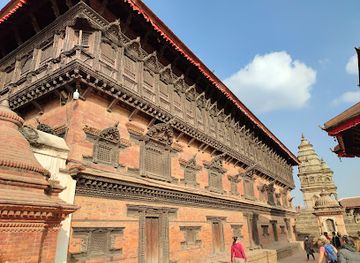
Explore Western Development Region on the map
Plan your trip on one map. See where the top cities, national parks and sights are, and book hotels and experiences in a few clicks.
Best hotels in Western Development Region
Best restaurants in Western Development Region
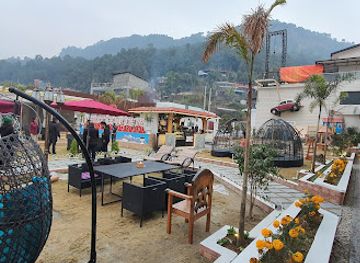
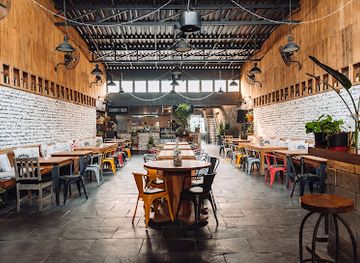
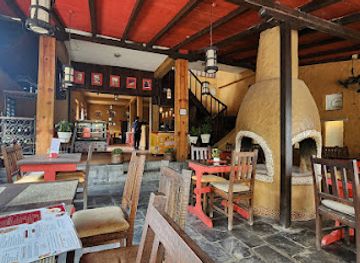
Dining across the former Western Development Region changes with altitude, community and landscape. Pokhara has the widest choice, ranging from Nepali restaurants and cafés to establishments serving international food for trekkers and residents. Dal bhat remains a reliable staple, often accompanied by seasonal vegetables, achar and lentils, while Tibetan-influenced dishes such as thukpa, momo and breads are common in mountain-oriented towns. The Kali Gandaki area is associated with Thakali-style meals, whose balanced combinations of rice, lentils, vegetables, pickles and meat are widely available beyond their original communities. In the hills, look for sel roti, local dairy products and seasonal produce; in the Terai, wheat breads, rice dishes, lentil preparations and spiced snacks reflect the plains’ connections with northern India. Lumbini and Tansen offer cafés and family-run eateries as well as more formal hotel dining. Local markets are useful for fruit, sweets and snacks, but visitors should choose food that is freshly prepared and drink treated or bottled water.
-
Restaurant
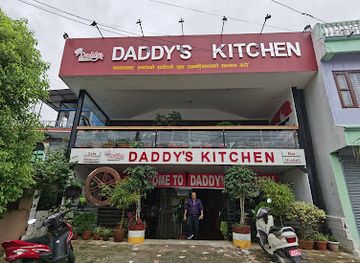
Daddys Kitchen Pokhara
Experience delightful local flavors and international cuisine at Daddys Kitchen in beautiful Pokhara.
-
Restaurant
Open House Restro And Lounge bar
Experience exquisite dining at Open House Restro And Lounge Bar in Pokhara - where local flavors meet stunning lakeside views.
-
Restaurant
Roadhouse Cafe Pokhara
Experience delightful flavors and stunning views at Roadhouse Cafe in Pokhara – a culinary gem for travelers seeking great food and ambiance.
-
Italian
Caffe Concerto
Discover authentic Italian flavors at Caffe Concerto in Pokhara - where every meal is a culinary journey.
Best bars in Western Development Region
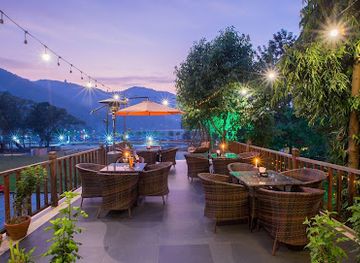
Nightlife is concentrated in Pokhara, particularly around the lakeside hotel and restaurant area, where visitors find relaxed bars, cafés, live music, rooftop seating and venues aimed at trekkers and domestic travellers. The atmosphere is generally social rather than club-driven, and businesses, noise levels and opening arrangements change over time. Elsewhere, evening life is quieter: Tansen centres on teahouses, restaurants and local cafés, while Lumbini is shaped more by pilgrimage, monasteries and early starts than by late-night entertainment. Small towns and trekking settlements usually offer family-run restaurants, teahouses and occasional informal music rather than nightclubs. Breweries, bars and restaurants in Pokhara provide opportunities to meet other travellers, but alcohol is not necessary for engaging with local evening culture. In rural and religious areas, modest behaviour and consideration for residents are especially important after dark.
-
Bar
Krazy Gecko
Experience the vibrant atmosphere at Krazy Gecko in Pokhara, where local flavors meet a lively bar scene amid stunning surroundings.
-
Bar
Paradiso Pokhara
Paradiso Pokhara: A vibrant bar and restaurant offering delicious food, cocktails, and live music in the heart of picturesque Pokhara.
-
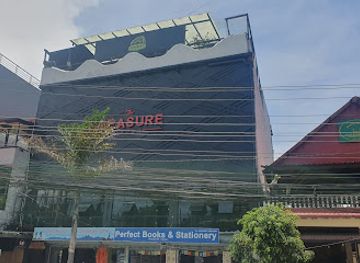
Night club
The Treasure Lounge
Discover the vibrant nightlife at The Treasure Lounge, Pokhara's premier night club with lively music, refreshing cocktails, and unforgettable experiences.
-
Bar
The Grabbit Cafe
Experience the best of Pokhara at The Grabbit Cafe, where craft beers meet stunning views and a vibrant atmosphere.

Best nightclubs in Western Development Region
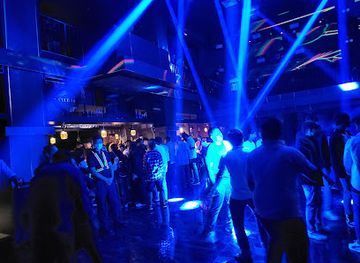
Nightlife is concentrated in Pokhara, particularly around the lakeside hotel and restaurant area, where visitors find relaxed bars, cafés, live music, rooftop seating and venues aimed at trekkers and domestic travellers. The atmosphere is generally social rather than club-driven, and businesses, noise levels and opening arrangements change over time. Elsewhere, evening life is quieter: Tansen centres on teahouses, restaurants and local cafés, while Lumbini is shaped more by pilgrimage, monasteries and early starts than by late-night entertainment. Small towns and trekking settlements usually offer family-run restaurants, teahouses and occasional informal music rather than nightclubs. Breweries, bars and restaurants in Pokhara provide opportunities to meet other travellers, but alcohol is not necessary for engaging with local evening culture. In rural and religious areas, modest behaviour and consideration for residents are especially important after dark.
-
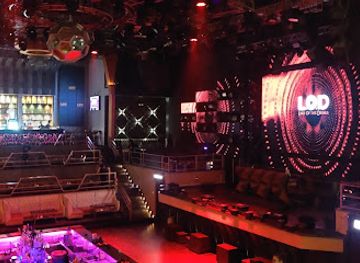
Night club
LOD - Lord of the Drinks
Discover the vibrant nightlife at Lord of the Drinks, Thamel's premier nightclub offering exquisite drinks, live music, and an unforgettable party atmosphere.
-
Night club
Club Catwalk
Experience the vibrant nightlife of Pokhara at Club Catwalk, where music, dance, and delicious food come together for an unforgettable night.
-
Night club
The Treasure Lounge
Discover the vibrant nightlife of Pokhara at The Treasure Lounge, where music, dance, and unforgettable moments come together.
-
Night club
Club Sixteen
Dive into the vibrant nightlife of Pokhara at Club Sixteen, where electrifying music and a lively atmosphere await.

Best shops in Western Development Region
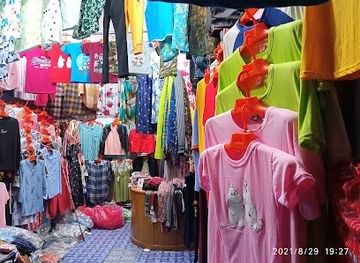
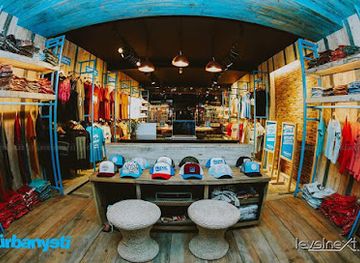
Pokhara is the former region’s main shopping centre for trekking equipment, practical outdoor clothing, handicrafts, books, jewellery and souvenirs, although visitors should distinguish specialist technical gear from inexpensive lookalikes. Lakeside and the older bazaar area contain different mixes of tourism-oriented shops, everyday retailers and local businesses. Tansen is noted for traditional metalwork and dhaka textiles, the patterned cloth associated with Nepal, alongside small craft and food shops. In mountain districts, woollen goods, woven items, locally produced foods and Tibetan-influenced handicrafts may be available, but selection varies by season and settlement. Lumbini’s shops focus on Buddhist images, prayer objects, books, incense and regional craft products; buy respectfully and check customs rules before exporting religious or antique-looking items. Markets in the Terai and hill towns are useful for spices, sweets, fruit and daily produce, while farmers’ markets and small grocers offer a more direct sense of local food culture than souvenir outlets.
-
Clothing store
Nepal Online Fancy Shop
Explore unique clothing and accessories at Nepal Online Fancy Shop, a vibrant hub for local fashion in Pokhara.
-
Supermarket
Unique Departmental Stores
Discover Shuklagandaki's Unique Departmental Stores for a blend of local culture and everyday convenience in your shopping experience.
-
Clothing store
ürbanyeti clothing
Explore the essence of Nepali fashion at ürbanyeti Clothing in Pokhara, where traditional craftsmanship meets modern style.
-
Clothing store
Made In Nepal Stores Pulchowk,Narayanghat
Explore the vibrant fusion of traditional and modern fashion at Made In Nepal Stores in Narayanghat for unique and authentic Nepali clothing.

Get your free copy of our complete guide to Western Development Region, delivered straight to you.
Everything on this page, from attractions and restaurants to essentials and local phrases, in one PDF you can read offline, print or share.
Already have an account? Sign in
Your Western Development Region guide is ready.
We'll send it to · Not you? Sign out

Getting your guide ready…
We are putting together a fresh copy of the Western Development Region guide. This can take up to a minute.
This can take a few moments. If your browser asks, choose Allow so the download can start. You'll find the guide in your Downloads folder.
Nothing happened? Download it again
Sorry, the guide is taking longer than usual. Please try again in a minute, or get it by email instead.
Western Development Region essentials
Currency and Payment
Safety
Emergency Situations
Do's and Don'ts
Local Tips
From Eve
Local phrases worth knowing
You don't need to get them perfect. A few words go a long way, and locals appreciate the effort.
Basics
| English | Local | Say it |
|---|---|---|
| Hello | नमस्ते | [Namaste] |
| Goodbye | बिदाई | [Bidai] |
| Yes | हो | [Ho] |
| No | होइन | [Hoin] |
| Please/You’re welcome | कृपया | [Kripaya] |
| Thank you | धन्यवाद | [Dhanyabad] |
| Excuse me/Sorry | माफ गर्नुहोस् | [Maaf garnuhos] |
| How are you? | तिमीलाई कस्तो छ? | [Timilai kasto cha?] |
| Fine. And you? | ठिक छ। र तिमी? | [Thik cha. Ra timi?] |
| Do you speak English? | तिमीलाई अंग्रेजी बोल्न आउँछ? | [Timilai angreji bolna aauchha?] |
| I don't understand | म बुझ्दिन | [Ma bujhdina] |
Eating & Drinking
| English | Local | Say it |
|---|---|---|
| I’d like to see the menu, please | कृपया मeniu देख्न चाहन्छु | [Kripaya menu dekhna chahanchu] |
| I don't eat meat | म मासु खाँदिन | [Ma masu khandina] |
| Cheers! | चियर्स! | [Cheers!] |
| I would like to pay, please | कृपया म तिर्न चाहन्छु | [Kripaya ma tirna chahanchu] |
Emergencies
| English | Local | Say it |
|---|---|---|
| Help! | सहायता! | [Sahayata!] |
| Go away! | फर्किनुहोस्! | [Pharkinuhos!] |
| Call the Police! | पुलिसलाई फोन गर्नुहोस्! | [Pulislai phone garnuhos!] |
| Call a doctor! | डाक्टरलाई फोन गर्नुहोस्! | [Daktar lai phone garnuhos!] |
| I’m lost | म हराएँ | [Ma haraa] |
| I’m ill | म बिरामी छु | [Ma birami chu] |
Shopping
| English | Local | Say it |
|---|---|---|
| I’d like to buy... | म किन्न चाहन्छु... | [Ma kinna chahanchu...] |
| I’m just looking | म केवल हेर्दै छु | [Ma keval herdai chu] |
| How much is it? | यो कति हो? | [Yo kati ho?] |
| That’s too expensive | यो धेरै महँगो हो | [Yo dherai mahango ho] |
| Can you lower the price? | के तपाईले मूल्य घटाउन सक्नुहुन्छ? | [Ke tapaile muly ghatna saknuhunchha?] |
Time & Numbers
| English | Local | Say it |
|---|---|---|
| What time is it? | यो कति बजे हो? | [Yo kati baje ho?] |
| It’s one o'clock | यो एक बजेको हो | [Yo ek bajeko ho] |
| Half past (10) | साढे (10) | [SaaDhe (10)] |
| Morning | बिहान | [Bihan] |
| Afternoon | मध्यान्ह | [Madhyanha] |
| Evening | साँझ | [Saanjh] |
| Yesterday | हिजो | [Hijo] |
| Today | आज | [Aaja] |
| Tomorrow | भोलि | [Bholi] |
| 1 | १ | [1] |
| 2 | २ | [2] |
| 3 | ३ | [3] |
| 4 | ४ | [4] |
| 5 | ५ | [5] |
| 6 | ६ | [6] |
| 7 | ७ | [7] |
| 8 | ८ | [8] |
| 9 | ९ | [9] |
| 10 | १० | [10] |
Transport & Directions
| English | Local | Say it |
|---|---|---|
| Where's a/the...? | कहाँ छ ...? | [Kahaan ch ...?] |
| What's the address? | ठेगाना के हो? | [Thegana ke ho?] |
| Can you show me (on the map)? | के तपाई म च मानचित्रमा देखाउन सक्नुहुन्छ? | [Ke tapaile ma ch maanchitramaa dekhaun saknuhunchha?] |
| When's the next (bus)? | अगामी (बस) कहिले आउँछ? | [Agaami (bus) kahile aauchha?] |
| A ticket (to ....) | एक टिकट (लाई ....) | [Ek ticket (lai ....)] |
History of Western Development Region
Early Himalayan and Terai Civilisations
The Western Development Region contains evidence of long settlement in both the Himalayan foothills and the Terai plains. The Kali Gandaki valley functioned as a route between the Tibetan plateau and the middle hills, while the southern plains formed part of the wider cultural world of ancient north India. Archaeological remains around Tilaurakot and nearby sites are associated with the Shakya polity and the early life of Siddhartha Gautama. These landscapes were not isolated frontiers: rivers, seasonal trade and pilgrimage connected mountain communities with the plains well before the formation of modern Nepal.
Lumbini and the Buddhist Tradition
Lumbini is traditionally identified as the birthplace of Siddhartha Gautama, who later became known as the Buddha. The Ashokan Pillar, erected in the third century BCE during the reign of the Mauryan emperor Ashoka, provides important historical evidence for the site’s Buddhist significance. Monastic and pilgrimage traditions developed and changed over many centuries, linking Lumbini with Buddhist communities across Asia. The modern Lumbini development area reflects this international religious connection, while the surrounding archaeological landscape preserves clues to settlement and pilgrimage in the ancient Terai.
Medieval Trade and Valley Kingdoms
During the medieval period, the river valleys and hill settlements of western Nepal were shaped by local kingdoms, religious institutions and trade. The Kali Gandaki corridor connected the southern hills with Tibet, carrying salt, wool, grain and other goods. Walled and fortified settlements, temples and monasteries grew around routes that crossed the mountains. In the southern hills, places such as Palpa became important centres of political authority and commerce. The surviving architecture of Tansen and other historic towns reflects the influence of Newar artisans and the trading networks that linked the Kathmandu Valley, the hills and the plains.
The Sen Kingdom of Palpa
From the medieval period into the early modern era, Palpa was ruled by the Sen dynasty, whose influence extended across parts of the western hills and Terai. Tansen developed as a significant political and commercial centre, benefiting from its position between the plains and the hill routes. Palpa’s strategic importance continued under later rulers, and the town became associated with administration, metalwork, trade and distinctive Newar-influenced urban architecture. Remains linked with the Palpa court, including sites around Tansen and the Rani Mahal area, help explain why the district occupied such an important place in western Nepal’s history.
Unification and the Expansion of Gorkha Power
The campaigns of Prithvi Narayan Shah and his successors in the eighteenth century brought many independent hill states into the expanding Kingdom of Nepal. The western hills were incorporated through a combination of military campaigns, political agreements and changing relations among local rulers. Gorkha, within the former Western Development Region, gives the wider unification story its name, although the process involved many communities and territories beyond the district. Forts, palace remains and old routes in the hill country provide physical reminders of the political fragmentation that preceded the modern Nepali state.
Trade, Agriculture and the Rise of Pokhara
For much of its history, Pokhara was a market settlement connecting the middle hills with routes towards the Annapurna and Mustang areas. Its position near major river valleys and mountain passes supported trade, agriculture and migration. In the twentieth century, roads, air links, trekking and international tourism transformed Pokhara into Nepal’s principal centre for mountain travel. The city’s growth around Phewa Lake brought hotels, restaurants and outdoor businesses, while nearby communities continued to depend on farming, military service, trade and regional commerce. The contrast between old market routes and modern tourism remains visible across the valley.
The Western Development Region and Nepal’s Federal Transition
Nepal created five development regions for planning and administration in the late twentieth century, with Pokhara serving as the headquarters of the Western Development Region. The arrangement grouped districts across the high mountains, middle hills and Terai, but did not replace Nepal’s underlying cultural and geographic diversity. The 2015 Constitution introduced a federal structure and provinces, ending the development-region system as a current administrative framework. Today the former region is best understood as a historical and practical travel label spanning parts of Gandaki and Lumbini provinces, rather than as a separate political territory.
Western Development Region in Photos
Browse through our photo collection highlighting the charm and character of the destination.
Neighbouring regions of Western Development Region
The closest regions to Western Development Region, if you have time for more than one.
-

-

-

-

-


Swipe for more regions
Explore more

Explore more of Nepal
Discover Nepal: A land of towering peaks, spiritual harmony, and vibrant culture, offering endless adventures and serene escapes for every traveler.
Explore Nepal