

Free Gandaki Zone Travel Guide & Mobile App
Explore Gandaki Zone with free travel guides. Discover regional history, expert tips, proposed trips, and audio guides on web or mobile app.


Explore Gandaki Zone from Pokhara’s lakes and Annapurna trails to Gorkha heritage, high Manang valleys and Nepal’s diverse hill cultures.
Read more about Gandaki Zone
When is the best time to visit Gandaki Zone?
Best: April–May, October · 23–26°C| Month | High (°C) | Rainfall (mm) |
|---|---|---|
| January | 15 | 15 |
| February | 17 | 20 |
| March | 20 | 25 |
| April (best) | 23 | 30 |
| May (best) | 26 | 35 |
| June | 28 | 40 |
| July | 30 | 45 |
| August | 30 | 45 |
| September | 28 | 40 |
| October (best) | 24 | 35 |
| November | 20 | 25 |
| December | 16 | 20 |
Getting to and around Gandaki Zone
How to get there
Transportation
Top city travel guides in Gandaki Zone
The cities of Gandaki Zone, and the easiest places to base yourself.
-

-

-

-

-

-


Swipe for more cities
Destinations in Gandaki Zone
Resorts, valleys and scenic spots worth a trip of their own.
-

-

-

-

-
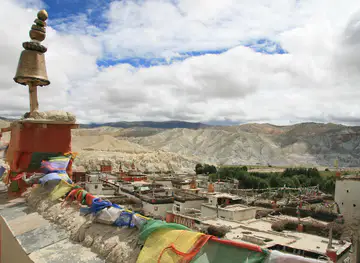
-


Swipe for more destinations
Best attractions in Gandaki Zone
Gandaki Zone offers an unusually broad range of attractions within a relatively compact part of Nepal. Pokhara provides the most accessible concentration, with boating on Phewa Lake, mountain viewpoints, museums, caves, waterfalls and paragliding in the surrounding hills. The city also serves as a starting point for treks towards the Annapurna region, while the villages and forest paths above the lake support shorter walks. Gorkha combines historical interest with hill scenery, and the routes around Barpak introduce visitors to rural landscapes shaped by the 2015 earthquake. In Lamjung, Tanahun and Syangja, terraced slopes, market towns, homestays and community trails offer a slower view of the middle hills. Manang is the region’s high-altitude counterpart, with stark valleys, Buddhist monasteries, traditional settlements and access to the Annapurna Circuit. Wildlife and birdwatching are possible in forested lowland and hill environments, but this is not primarily a safari region. Activities range from gentle lakeside outings and cultural visits to demanding multi-day treks requiring acclimatisation, permits and reliable mountain equipment.
-
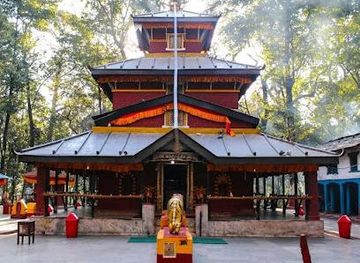
Hindu temple
Kalika Bhagwati Temple, Nepal
Experience the spiritual tranquility and stunning vistas at Kalika Bhagwati Temple in Baglung, Nepal - a must-visit for every traveler.
-
Historical landmark
Lamjung Durbar
Explore the majestic Lamjung Durbar, a historical landmark that encapsulates Nepal's royal heritage amidst stunning natural beauty.
-
National reserve
Manaslu Trekking Area
Explore the breathtaking Manaslu Trekking Area, where majestic peaks, rich culture, and stunning landscapes await every adventurous traveler.
-
Tourist attraction
Chamche Waterfall - च्याम्चे झरना
Discover the enchanting Chamche Waterfall, a serene oasis along the Annapurna Circuit, perfect for relaxation and breathtaking views in Nepal.


Best landmarks in Gandaki Zone
Gandaki Zone’s most recognisable landmarks range from royal architecture to dramatic natural settings. Gorkha Durbar stands on a ridge above Gorkha town, its palace, temples and defensive position recalling the Gorkha Kingdom and the political unification of Nepal. In Pokhara, the broad expanse of Phewa Lake and the wooded slopes around it form the region’s best-known urban landscape, while the World Peace Pagoda provides a prominent hilltop viewpoint across the water and towards the Annapurna range. The Seti River gorge, cut deeply through the city’s limestone terrain, is a striking natural feature, although access points should be approached carefully. In Manang, the Marsyangdi valley, stone-built villages, mani walls and Buddhist monasteries create a distinctive high-Himalayan cultural landscape. The Thorong La route, approached from Manang, is one of the region’s defining mountain passages, while the Annapurna massif provides the visual horizon that links Pokhara’s low lake shore with the austere upper valleys.
-
Mountain peak
Manaslu
Explore the stunning landscapes and rich culture of Manaslu, a breathtaking mountain peak in the heart of Nepal's Himalayas.
-
Tourist attraction
Tutunga View Point
Experience the stunning Himalayan vistas at Tutunga View Point in Pokhara, where nature's beauty meets tranquility and adventure.
-
Historical landmark
Lamjung Durbar
Explore Lamjung Durbar, a historical landmark in Besisahar, Nepal, where culture and breathtaking mountain views merge beautifully.
-
National reserve
Manaslu Trekking Area
Explore the breathtaking Manaslu Trekking Area, a Himalayan paradise filled with stunning views, rich culture, and unforgettable trekking experiences.


Explore Gandaki Zone on the map
Plan your trip on one map. See where the top cities, national parks and sights are, and book hotels and experiences in a few clicks.
Best hotels in Gandaki Zone
Best restaurants in Gandaki Zone
Dining in Gandaki Zone reflects the transition from Nepal’s warmer middle hills to its Tibetan-influenced high valleys. Pokhara has the widest choice, from traditional Nepali kitchens and family-run cafés to bakeries, international restaurants and contemporary dining rooms, while smaller towns rely more heavily on local eateries, teahouses and roadside restaurants. Dal bhat remains the dependable staple, often accompanied by seasonal vegetables, pickles and lentils; momos, thukpa and chow mein are common in urban and trekking centres. In the hills, look for millet-based foods, local honey, maize and dairy products, while Manang and neighbouring mountain routes are known for Tibetan-style breads, hearty soups and buckwheat or barley-based dishes. Apples and preserved products from the mountain districts appear seasonally. Tea, lassi and locally produced spirits may be available, but hygiene and refrigeration standards vary outside established centres, so choose busy establishments and carry drinking water treated or sealed for travel.
-
Restaurant
Roadhouse Cafe Pokhara
Experience exquisite dining at Roadhouse Cafe Pokhara—where local flavors meet international flair amidst stunning mountain views.
-
Italian
Caffe Concerto
Discover the finest Italian dining experience at Caffe Concerto in Pokhara—where authentic flavors meet stunning scenery.
-
Mediterranean
OR2K pokhara
Experience authentic Mediterranean cuisine at OR2K in Pokhara—where flavor meets tradition in a cozy atmosphere.
-
Restaurant
Byanjan
Discover Byanjan in Pokhara: A perfect blend of Nepalese charm and fine dining excellence offering diverse culinary delights.


Best bars in Gandaki Zone
Nightlife is concentrated in Pokhara, especially around the lakeside area, where visitors find pubs, cafés, live-music venues, cocktail bars and restaurants that stay open later than establishments in the surrounding hills. The atmosphere ranges from relaxed terrace dining to small music and dance venues, with activity often shaped by the trekking season and the international visitor calendar. Gorkha and the smaller district towns have a quieter evening culture centred on local restaurants, teahouses and neighbourhood bars rather than dedicated clubs. In Manang and on trekking routes, evenings usually revolve around communal dining rooms, card games, reading, conversation and early rest before a mountain start. Alcohol is available in many tourist areas, but responsible consumption is particularly important at altitude, where dehydration and poor sleep can intensify symptoms of acclimatisation.
-
Bar
Busy Bee Cafe
Experience the lively ambiance and delicious cuisine at Busy Bee Cafe, a must-visit bar and restaurant in picturesque Pokhara.
-
Restaurant
Open House Restro And Lounge bar
Experience delightful dining at Open House Restro And Lounge Bar in Pokhara, blending local flavors with a stunning lakeside view.
-
Bar
Paradiso Pokhara
Discover the vibrant atmosphere and delectable offerings at Paradiso Pokhara, a premier lakeside bar and restaurant perfect for tourists.
-
Pub
Irish Pub
Discover the lively atmosphere of the Irish Pub in Pokhara, where great food, drinks, and entertainment come together in a stunning lakeside setting.


Best nightclubs in Gandaki Zone
Nightlife is concentrated in Pokhara, especially around the lakeside area, where visitors find pubs, cafés, live-music venues, cocktail bars and restaurants that stay open later than establishments in the surrounding hills. The atmosphere ranges from relaxed terrace dining to small music and dance venues, with activity often shaped by the trekking season and the international visitor calendar. Gorkha and the smaller district towns have a quieter evening culture centred on local restaurants, teahouses and neighbourhood bars rather than dedicated clubs. In Manang and on trekking routes, evenings usually revolve around communal dining rooms, card games, reading, conversation and early rest before a mountain start. Alcohol is available in many tourist areas, but responsible consumption is particularly important at altitude, where dehydration and poor sleep can intensify symptoms of acclimatisation.
-
Night club
Club Catwalk
Experience the electrifying nightlife at Club Catwalk in Pokhara, where vibrant music and delicious cuisine create unforgettable memories.
-
Night club
The Treasure Lounge
Discover the vibrant nightlife at The Treasure Lounge, Pokhara's premier night club featuring eclectic music and a lively atmosphere.
-
Night club
Club Sixteen
Dive into the exhilarating nightlife of Pokhara at Club Sixteen, where the music never stops and unforgettable memories await.
-
Night club
Matrix Arena
Discover the electric nightlife of Pokhara at Matrix Arena, where music and dance unite for an unforgettable experience.


Best shops in Gandaki Zone
Pokhara is the region’s main shopping centre, with lakeside and central streets offering trekking equipment, outdoor clothing, books, handicrafts, jewellery, Tibetan-style textiles and practical travel supplies. Quality and authenticity vary, so visitors should compare materials, ask about provenance and avoid purchasing antiquities or protected wildlife products. Markets in Gorkha, Tanahun, Lamjung and Syangja are more useful for everyday produce, spices, clothing and household goods than for extensive souvenir shopping, but they provide a closer view of local trade. In mountain districts, look for woollen goods, woven textiles, handmade paper and locally produced foods where these are genuinely made in the area. Apples, honey, tea, dried foods and small agricultural products can make practical regional purchases, subject to transport and customs restrictions. Bargaining may be acceptable in informal markets, whereas fixed prices are more common in established shops and trekking stores.
-
Antique store
Himalayan Singing Bowl
Explore the serene beauty of the Himalayan Singing Bowl in Pokhara, where antiquity meets tranquility in every unique piece.
-
Department store
Saleways Departmental Stores
Discover an array of local and international products at Saleways Departmental Stores in Pokhara, an essential stop for every traveler.
-
Gift shop
Kunti Mall
Explore Kunti Mall in Pokhara for a unique blend of traditional gifts, modern shopping, and delightful dining experiences.
-
Department store
Next Shopping Center
Discover a vibrant shopping experience at Next Shopping Center in Pokhara, featuring a bakery, grocery options, and more in a lively atmosphere.


Get your free copy of our complete guide to Gandaki Zone, delivered straight to you.
Everything on this page, from attractions and restaurants to essentials and local phrases, in one PDF you can read offline, print or share.
Already have an account? Sign in
Your Gandaki Zone guide is ready.
We'll send it to · Not you? Sign out

Getting your guide ready…
We are putting together a fresh copy of the Gandaki Zone guide. This can take up to a minute.
This can take a few moments. If your browser asks, choose Allow so the download can start. You'll find the guide in your Downloads folder.
Nothing happened? Download it again
Sorry, the guide is taking longer than usual. Please try again in a minute, or get it by email instead.
Gandaki Zone essentials
Currency and Payment
Safety
Emergency Situations
Do's and Don'ts
Local Tips
From Eve
Local phrases worth knowing
You don't need to get them perfect. A few words go a long way, and locals appreciate the effort.
Basics
| English | Local | Say it |
|---|---|---|
| Hello | नमस्ते | [Namaste] |
| Goodbye | बिदाइ | [Bidaai] |
| Yes | हो | [Ho] |
| No | होइन | [Hoin] |
| Please/You're welcome | कृपया/स्वागतम् | [Kripaya/Swaagatam] |
| Thank you | धन्यवाद | [Dhanyabad] |
| Excuse me/Sorry | माफ गर्नुहोस् | [Maaf garnuhos] |
| How are you? | तिमीलाई कस्तो छ? | [Timilai kasto cha?] |
| Fine. And you? | ठिक छ। र तिमी? | [Thik cha. Ra timi?] |
| Do you speak English? | के तपाईँ अङ्ग्रेजी बोल्नुहुन्छ? | [Ke tapaain Angrezi bolnuhunchha?] |
| I don't understand | म बुझ्दिन | [Ma bujhdina] |
Eating & Drinking
| English | Local | Say it |
|---|---|---|
| I'd like to see the menu, please | म मेनु देख्न चाहन्छु, कृपया | [Ma menu dekhna chahanchhu, kripaya] |
| I don't eat meat | म मासु खाँदैन | [Ma maasu khaandaina] |
| Cheers! | चियर्स! | [Cheers!] |
| I would like to pay, please | म तिर्न चाहन्छु, कृपया | [Ma tirna chahanchhu, kripaya] |
Emergencies
| English | Local | Say it |
|---|---|---|
| Help! | मद्दत गर! | [Maddat gar!] |
| Go away! | हट! | [Hat!] |
| Call the Police! | पुलिसलाई बोलाउनुहोस्! | [Pulislai bolaunuhos!] |
| Call a doctor! | डाक्टरलाई बोलाउनुहोस्! | [Daktar lai bolaunuhos!] |
| I'm lost | म हराएँ | [Ma harae] |
| I'm ill | म बिरामी छु | [Ma birami chhu] |
Shopping
| English | Local | Say it |
|---|---|---|
| I'd like to buy... | म किन्न चाहन्छु... | [Ma kinna chahanchhu...] |
| I'm just looking | म केवल हेरिरहेको छु | [Ma keval heriraheko chhu] |
| How much is it? | यो कति हो? | [Yo kati ho?] |
| That's too expensive | यो धेरै महँगो छ | [Yo dherai mahango cha] |
| Can you lower the price? | के तपाईं मूल्य घटाउन सक्नुहुन्छ? | [Ke tapaain moolya ghatauna saknuhunchha?] |
Time & Numbers
| English | Local | Say it |
|---|---|---|
| What time is it? | यो कति बजे हो? | [Yo kati baje ho?] |
| It's one o'clock | यो एक बजेको छ | [Yo ek bajeko cha] |
| Half past (10) | आधा (१०) बजेको छ | [Aadha (10) bajeko cha] |
| Morning | बिहान | [Bihan] |
| Afternoon | दिउँसो | [Diunso] |
| Evening | साँझ | [Saanjh] |
| Yesterday | हिजो | [Hijo] |
| Today | आज | [Aaja] |
| Tomorrow | भोली | [Bholi] |
| 1 | १ | [1] |
| 2 | २ | [2] |
| 3 | ३ | [3] |
| 4 | ४ | [4] |
| 5 | ५ | [5] |
| 6 | ६ | [6] |
| 7 | ७ | [7] |
| 8 | ८ | [8] |
| 9 | ९ | [9] |
| 10 | १० | [10] |
Transport & Directions
| English | Local | Say it |
|---|---|---|
| Where's a/the...? | कहाँ छ ...? | [Kahaan ch ...?] |
| What's the address? | ठेगाना के हो? | [Thegana ke ho?] |
| Can you show me (on the map)? | के तपाईं मलाई देखाउन सक्नुहुन्छ (नक्सामा)? | [Ke tapaain malai dekhauna saknuhunchha (naksama)?] |
| When's the next (bus)? | अर्को (बस) कहिले छ? | [Arko (bus) kahile cha?] |
| A ticket (to ....) | एक टिकट (लाई ...) | [Ek tikat (lai ...)] |
History of Gandaki Zone
Early Hill Kingdoms and Trade Routes
Long before modern administrative boundaries, the valleys and ridges of Gandaki were occupied by numerous hill communities and small principalities. River corridors connected the middle hills with the high valleys, while routes through Manang linked Nepal with Tibetan trading networks. Salt, wool, grain and other goods moved through these difficult passes, helping create cultural connections that remain visible in architecture, religious practice and food. The lower valleys around present-day Pokhara, Tanahun and Syangja also developed as agricultural and market landscapes, shaped by terracing, seasonal trade and the movement of people between the hills and the plains.
The Chaubisi States and the Rise of Gorkha
Much of central-western Nepal was divided among the small Chaubisi, or twenty-four, hill states during the early modern period. Lamjung, Kaski and nearby kingdoms competed for territory, trade routes and political influence. Gorkha emerged as a particularly important principality in the eighteenth century under King Prithvi Narayan Shah. His campaigns began the political unification of Nepal, and the hilltop Gorkha Palace became a lasting symbol of the dynasty that established the kingdom’s central authority.
Gorkha and the Unification of Nepal
Prithvi Narayan Shah, born in Gorkha, captured Kathmandu Valley in the eighteenth century and laid the foundation for the modern state of Nepal. Gorkha’s strategic position and military organisation helped drive this expansion, although unification was a prolonged and contested process involving many regional powers. The legacy remains especially tangible at Gorkha Durbar, where the palace and the nearby Gorakhnath and Goddess Gorakhnath-related shrines occupy a prominent ridge above the town. The history also helps explain the enduring national importance attached to the name Gorkha.
Mountain Trade and Cultural Exchange
The high valleys of Manang developed through a combination of farming, pastoralism and trans-Himalayan commerce. Traders and mule caravans moved between the middle hills and Tibet, exchanging salt, wool, grain and manufactured goods. Villages such as Manang and the settlements along the Marsyangdi valley retain Buddhist monasteries, prayer walls, traditional stone houses and a cultural landscape shaped by these connections. The decline of older caravan commerce did not erase the region’s identity; instead, trekking, tourism and cross-border cultural links have become more prominent parts of the modern economy.
Pokhara’s Transformation into a Regional Centre
Pokhara grew from a market settlement connected to the surrounding hill districts into the principal urban and tourism centre of central Nepal. Its position near routes towards Mustang, Manang and the Annapurna range, together with Phewa Lake and a relatively accessible road connection from Kathmandu, encouraged trade, migration and tourism. The city’s modern character was further shaped by the arrival of international visitors and by the development of trekking infrastructure from the mid-twentieth century onwards. It is now a major gateway for both domestic travel and Himalayan expeditions.
The Annapurna Era and Himalayan Tourism
The first ascent of Annapurna I in 1950, by a French expedition led by Maurice Herzog and Louis Lachenal, marked a decisive moment in Himalayan mountaineering. Although the summit itself lies north of the central travel corridor, the surrounding valleys in and around Manang and Kaski became increasingly important for trekking and expedition access. The Annapurna Circuit and other routes brought international attention to villages, forests, monasteries and mountain passes across the former Gandaki Zone. Tourism has since become an important source of employment, while also creating pressure on trails, waste management and fragile mountain environments.
The 2015 Gorkha Earthquake and Reconstruction
The earthquake of 25 April 2015 had its epicentre near Barpak in Gorkha District and caused widespread loss of life and damage across Nepal. Historic buildings, village homes, trails and public infrastructure in Gorkha and neighbouring hill districts were affected, while the disaster disrupted communities throughout the country. Reconstruction has been gradual and uneven, combining seismic improvements with efforts to preserve traditional forms. The earthquake remains an important part of the region’s recent history and a reminder that mountain travel can be affected by landslides, damaged roads and changing infrastructure.
Gandaki Zone in Photos
Browse through our photo collection highlighting the charm and character of the destination.
Neighbouring regions of Gandaki Zone
The closest regions to Gandaki Zone, if you have time for more than one.
-

-

-

-

-


Swipe for more regions
Explore more

Explore more of Nepal
Discover Nepal: A land of towering peaks, spiritual harmony, and vibrant culture, offering endless adventures and serene escapes for every traveler.
Explore Nepal