

Free Province No. 2 Travel Guide & Mobile App
Explore Province No. 2 with free travel guides. Discover regional history, expert tips, proposed trips, and audio guides on web or mobile app.


Explore Madhesh Province’s Mithila temples, Terai wildlife, borderland markets, local cuisine and living cultural traditions across southern Nepal.
Read more about Province No. 2
When is the best time to visit Province No. 2?
Best: February–March, November · 22–27°C| Month | High (°C) | Rainfall (mm) |
|---|---|---|
| January | 19 | 10 |
| February (best) | 22 | 15 |
| March (best) | 27 | 25 |
| April | 32 | 40 |
| May | 35 | 60 |
| June | 34 | 100 |
| July | 33 | 200 |
| August | 33 | 200 |
| September | 32 | 140 |
| October | 31 | 60 |
| November (best) | 26 | 20 |
| December | 21 | 10 |
Getting to and around Province No. 2
How to get there
Transportation
Top city travel guides in Province No. 2
The cities of Province No. 2, and the easiest places to base yourself.
-

-

-

-


Swipe for more cities
Best attractions in Province No. 2
Madhesh Province’s attractions combine pilgrimage, living culture, archaeology, wildlife and the everyday energy of the Terai. Janakpurdham is the principal cultural destination, with Janaki Mandir, historic ponds, surrounding shrines and Mithila art centres offering insight into the region’s religious and artistic traditions. Dhanushadham, east of the capital, is associated with the Ramayana and provides a more open, rural setting. In Bara, the archaeological remains of Simraungadh reveal the scale of a medieval Mithila centre, while Gadhimai Temple at Bariyarpur is one of the province’s most important pilgrimage sites. Parsa National Park provides the main opportunity for guided forest excursions and wildlife observation, with habitats of sal forest and grassland. Eastern Madhesh connects with the wetlands and floodplain environment of the Koshi region, though access and seasonal conditions require careful planning. Markets, village walks, local food tours and Mithila painting workshops add cultural depth, while the province’s flat roads can suit short cycling excursions when traffic and heat are manageable.
-
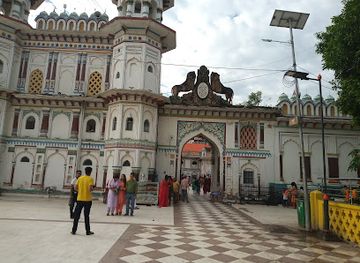
Hindu temple
Shree Janaki Temple, Janakpur, Mithila
Discover the spiritual and cultural heart of Mithila at the stunning Shree Janaki Temple in Janakpur, a must-visit destination for every traveler.
-
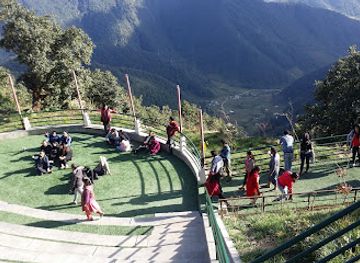
Mountain cable car
Chandragiri Cable Car Top Station
Discover breathtaking views and a serene temple experience at Chandragiri Cable Car Top Station, a must-visit in Nepal's stunning landscapes.
-
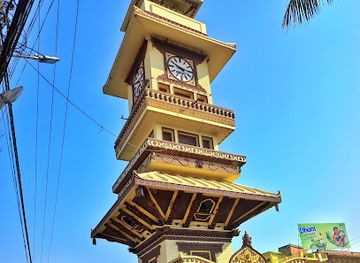
Tourist attraction
Birgunj GhantaGhar
Discover the historical elegance of Birgunj GhantaGhar, a captivating clock tower that reflects Nepal's rich architectural heritage and vibrant culture.
-
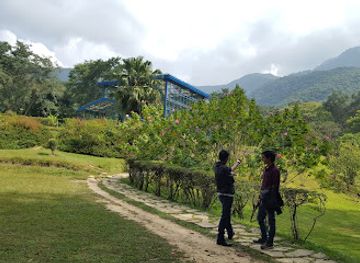
Tourist attraction
National Botanical Garden
Discover the National Botanical Garden in Godawari, a serene escape showcasing the rich flora of Nepal amidst breathtaking landscapes.
Best landmarks in Province No. 2
-
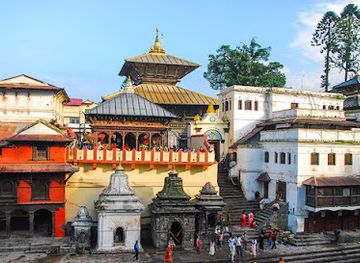
Hindu temple
Pashupatinath Temple
Explore the sacred Pashupatinath Temple in Kathmandu, a UNESCO World Heritage Site, rich in spirituality and stunning architecture.
-
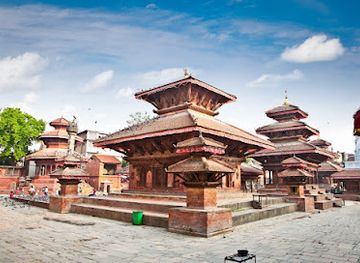
Plaza
Kathmandu Durbar Square
Explore the cultural heart of Nepal at Kathmandu Durbar Square, a stunning plaza filled with historic temples and vibrant local life.
-
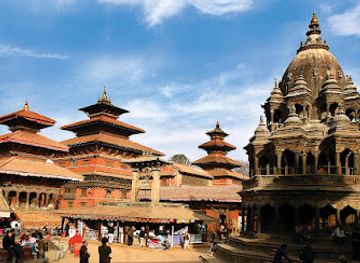
Historical landmark
Patan Darbar Square
Discover the rich history and architectural beauty of Patan Darbar Square, a UNESCO World Heritage Site in Lalitpur, Nepal, perfect for cultural exploration.
-
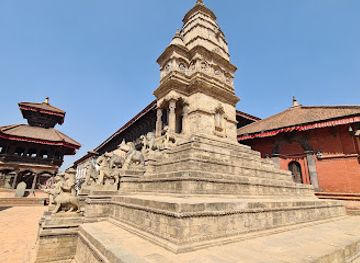
Tourist attraction
Bhaktapur Durbar Square
Discover the architectural marvels and vibrant culture of Bhaktapur Durbar Square, a UNESCO World Heritage Site in Nepal.
Explore Province No. 2 on the map
Plan your trip on one map. See where the top cities, national parks and sights are, and book hotels and experiences in a few clicks.
Best hotels in Province No. 2
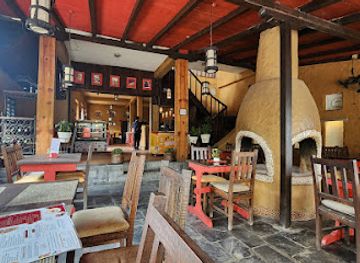
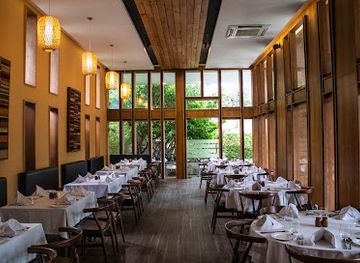
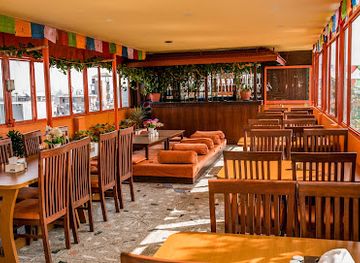
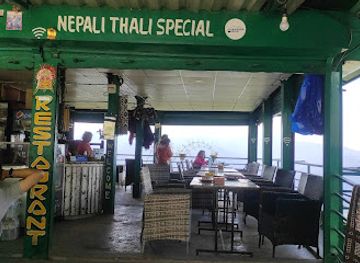
Best restaurants in Province No. 2
Dining in Madhesh Province reflects the foodways of Nepal’s southern plains and the cultural links of Mithila and the Bhojpuri-speaking belt. Rice, lentils, seasonal vegetables, fish, buffalo, chicken and wheat-based breads form the foundation of many meals, with preparation varying from household kitchens to busy market stalls. Around Janakpurdham, visitors can look for Maithili-influenced vegetarian dishes, savoury snacks and sweets such as peda, jalebi and the milk-based treats associated with northern Indian and Terai food culture. Birgunj and other larger towns offer a broader range of Nepali, Indian and regional restaurants, while rural eateries are more likely to serve straightforward thali, rotis, tarkari and snacks. Fresh produce is plentiful in agricultural districts, and fish is significant in communities near rivers and wetlands. Hygiene standards vary, so choose busy establishments with a high turnover, drink treated water and ask about ingredients when unfamiliar spices or cooking methods are a concern.
-
Italian
Caffe Concerto
Experience authentic Italian cuisine at Caffe Concerto in Pokhara, where every meal is crafted with passion and fresh ingredients.
-
Fine Dining
Le Sherpa Restaurant
Experience culinary artistry at Le Sherpa Restaurant in Kathmandu—where exquisite flavors meet elegant dining.
-
Nepalese
Nepalaya Rooftop Restaurant
Experience authentic Nepalese cuisine with stunning views at Nepalaya Rooftop Restaurant in Thamel, Kathmandu.
-
Restaurant
Green View Restaurant
Discover authentic Nepali flavors and breathtaking mountain views at Green View Restaurant in Pokhara.
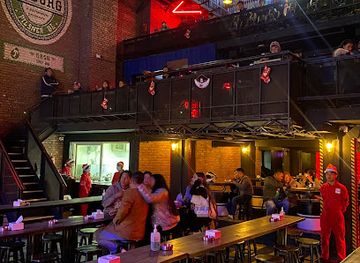
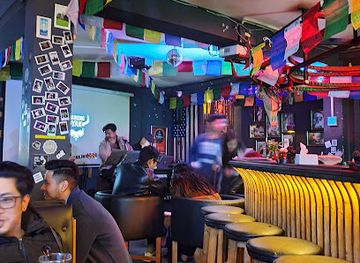
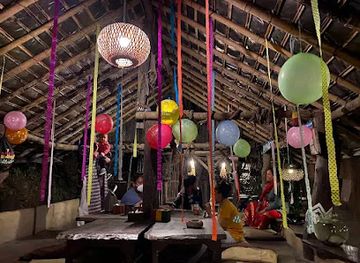
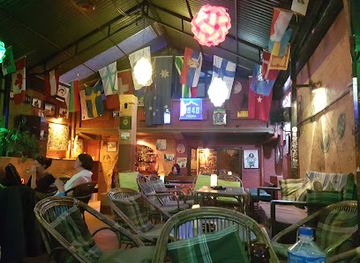
Best bars in Province No. 2
Nightlife in Madhesh Province is generally social, local and food-oriented rather than dominated by large clubs. Janakpurdham’s evenings centre on temple areas, tea shops, restaurants, sweetsellers and seasonal religious activity, with the city becoming especially busy during major festivals. Birgunj has the province’s broadest urban evening scene, including hotel bars, restaurants, cafés and spaces used for live music or private celebrations, although venues and operating arrangements change. In smaller towns such as Rajbiraj, Lahan, Kalaiya and Jaleshwar, evenings are more likely to revolve around family gatherings, market streets, tea stalls and neighbourhood restaurants. Alcohol is available in licensed establishments, but it is not necessary to participate in local social life, and travellers should observe any restrictions around religious sites or festival areas. Rural districts become quiet after dark, making early starts preferable for temples, wildlife excursions and road journeys.
-
Bar
Purple Haze Rock Bar
Dive into the heart of Kathmandu's nightlife at Purple Haze Rock Bar, where live music and vibrant energy create an unforgettable experience.
-
Bar
Dancing Yak
Discover the vibrant nightlife of Kathmandu at Dancing Yak, where local and international flavors meet in a lively atmosphere.
-
Bar
Krazy Gecko
Discover the vibrant Krazy Gecko in Pokhara, where delicious food and refreshing drinks meet a lively atmosphere surrounded by stunning views.
-
Bar
Sam's Bar
Discover the lively atmosphere and diverse drink selection at Sam's Bar, the perfect nightlife spot in Kathmandu's vibrant Thamel district.
Best nightclubs in Province No. 2
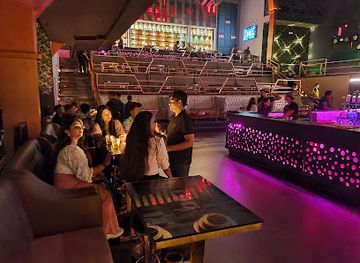
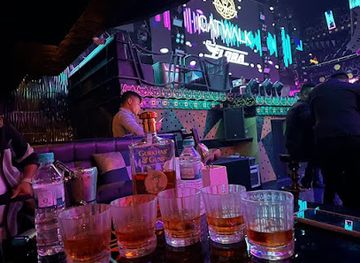
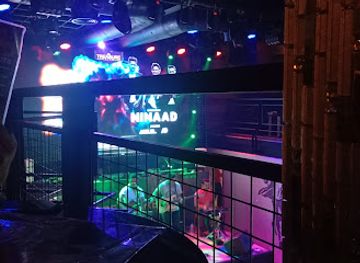
Nightlife in Madhesh Province is generally social, local and food-oriented rather than dominated by large clubs. Janakpurdham’s evenings centre on temple areas, tea shops, restaurants, sweetsellers and seasonal religious activity, with the city becoming especially busy during major festivals. Birgunj has the province’s broadest urban evening scene, including hotel bars, restaurants, cafés and spaces used for live music or private celebrations, although venues and operating arrangements change. In smaller towns such as Rajbiraj, Lahan, Kalaiya and Jaleshwar, evenings are more likely to revolve around family gatherings, market streets, tea stalls and neighbourhood restaurants. Alcohol is available in licensed establishments, but it is not necessary to participate in local social life, and travellers should observe any restrictions around religious sites or festival areas. Rural districts become quiet after dark, making early starts preferable for temples, wildlife excursions and road journeys.
-
Night club
LOD - Lord of the Drinks
Discover the pulsating energy of Lord of the Drinks, Thamel's premier night club, where music, cocktails, and fun come together in a stylish atmosphere.
-
Night club
Club Catwalk
Discover the electrifying nightlife at Club Catwalk, Pokhara's ultimate destination for dining and dancing under the stars.
-
Night club
The Treasure Lounge
Unleash your spirit at The Treasure Lounge, Pokhara's ultimate night club blending local music and global beats into an electrifying experience.
-
Club
Turtle Lounge & Club
Discover the pulse of Kathmandu's nightlife at Turtle Lounge & Club, where great music and vibrant energy unite for an unforgettable evening.

Best shops in Province No. 2
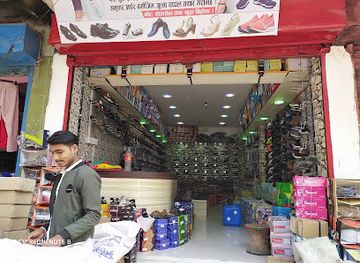
Shopping in Madhesh Province is centred on markets, practical goods, religious items and regional food rather than a concentrated luxury retail scene. Janakpurdham is the best place to look for Mithila paintings, which may be produced on paper, cloth, walls or other surfaces and often feature ritual, natural and epic themes. Purchase directly from reputable artists or cooperatives where possible and ask about the work’s materials and provenance. The city’s shops also sell devotional objects, textiles, sweets and festival supplies. Birgunj has the broadest commercial selection, with busy market streets, imported goods, clothing, household products and cross-border trading activity. Smaller district towns provide fresh produce, spices, grain, sweets and everyday crafts through local bazaars. Regional snacks, tea, spices and packaged foods can make useful souvenirs, while antiques and archaeological objects should not be removed from the country. Bargaining may be customary in some informal markets, but it should remain courteous and proportionate.
-
Department store
Gorakha Department Store
Explore the Gorakha Department Store in Itahari, Nepal - a shopping haven blending local culture and modern convenience for all travelers.
-
Clothing store
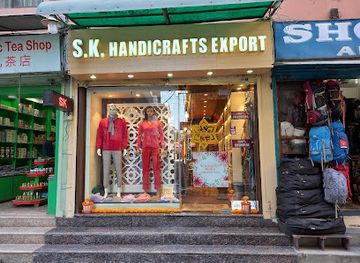
S.K. Handicrafts Export .FAIR TRADE Cashmere Company
Explore S.K. Handicrafts Export in Kathmandu for authentic, fair-trade cashmere products that reflect the artistry and culture of Nepal.
-
Clothing store
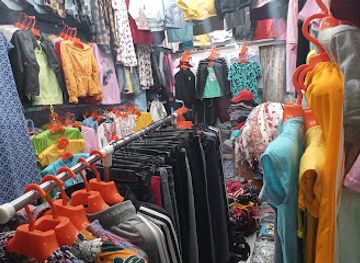
Nepal Online Fancy Shop
Explore the vibrant fashion scene at Nepal Online Fancy Shop in Pokhara, where unique styles meet local craftsmanship.
-
Boutique
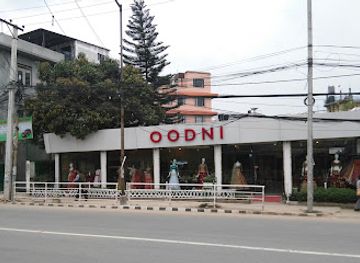
Oodni by Khusbhu Dangol
Explore Oodni by Khusbhu Dangol in Lalitpur for unique women's clothing that combines traditional craftsmanship with modern flair.
Get your free copy of our complete guide to Province No. 2, delivered straight to you.
Everything on this page, from attractions and restaurants to essentials and local phrases, in one PDF you can read offline, print or share.
Already have an account? Sign in
Your Province No. 2 guide is ready.
We'll send it to · Not you? Sign out

Getting your guide ready…
We are putting together a fresh copy of the Province No. 2 guide. This can take up to a minute.
This can take a few moments. If your browser asks, choose Allow so the download can start. You'll find the guide in your Downloads folder.
Nothing happened? Download it again
Sorry, the guide is taking longer than usual. Please try again in a minute, or get it by email instead.
Province No. 2 essentials
Currency and Payment
Safety
Emergency Situations
Do's and Don'ts
Local Tips
From Eve
Local phrases worth knowing
You don't need to get them perfect. A few words go a long way, and locals appreciate the effort.
Basics
| English | Local | Say it |
|---|---|---|
| Hello | नमस्ते | [Namaste] |
| Goodbye | अलविदा | [Alvida] |
| Yes | हो | [Ho] |
| No | होइन | [Hoin] |
| Please/You're welcome | कृपया / स्वागत छ | [Kripaya / Swagat cha] |
| Thank you | धन्यवाद | [Dhanyabad] |
| Excuse me/Sorry | माफ गर्नुहोस् | [Maaf garnuhos] |
| How are you? | तिमीलाई कस्तो छ? | [Timilai kasto cha?] |
| Fine. And you? | म ठीक छु। र तिमी? | [Ma thik chu. Ra timi?] |
| Do you speak English? | तिमीलाई अंग्रेजी बोल्न आउँछ? | [Timilai angrezi bolna aauchha?] |
| I don't understand | म बुझ्दिन | [Ma bujhdina] |
Eating & Drinking
| English | Local | Say it |
|---|---|---|
| I'd like to see the menu, please | म मेनु देख्न चाहन्छु, कृपया | [Ma menu dekhna chahanchu, kripaya] |
| I don't eat meat | म मासु खाँदैन | [Ma maasu khandaina] |
| Cheers! | सुरु गरौं! | [Surugaraun!] |
| I would like to pay, please | म तिर्न चाहन्छु, कृपया | [Ma tirna chahanchu, kripaya] |
Emergencies
| English | Local | Say it |
|---|---|---|
| Help! | म मद्दत गर्नुहोस्! | [Ma maddat garnuhos!] |
| Go away! | फिर्ता जानुहोस्! | [Phirta jaanuhos!] |
| Call the Police! | पुलिसलाई बोलाउनुहोस्! | [Pulislai bolaunuhos!] |
| Call a doctor! | डाक्टरलाई बोलाउनुहोस्! | [Daktar lai bolaunuhos!] |
| I'm lost | म हराइरहेको छु | [Ma harairaheko chu] |
| I'm ill | म बिरामी छु | [Ma birami chu] |
Shopping
| English | Local | Say it |
|---|---|---|
| I'd like to buy... | म किन्न चाहन्छु... | [Ma kinna chahanchu...] |
| I'm just looking | म केवल हेरिरहेको छु | [Ma keval heriraheko chu] |
| How much is it? | यो कति हो? | [Yo kati ho?] |
| That's too expensive | यो धेरै महँगो छ | [Yo dherai mahango cha] |
| Can you lower the price? | के तपाईं मूल्य घटाउन सक्नुहुन्छ? | [Ke tapaai moolya ghatauna saknuhunchha?] |
Time & Numbers
| English | Local | Say it |
|---|---|---|
| What time is it? | कति बजेको छ? | [Kati bajeko cha?] |
| It's one o'clock | यो एक बजेको छ | [Yo ek bajeko cha] |
| Half past (10) | साढे (10) | [SaaDhe (10)] |
| Morning | बिहान | [Bihan] |
| Afternoon | दिउँसो | [Diunso] |
| Evening | साँझ | [Sanjh] |
| Yesterday | हिजो | [Hijo] |
| Today | आज | [Aaj] |
| Tomorrow | भोली | [Bholi] |
| 1 | १ | [1] |
| 2 | २ | [2] |
| 3 | ३ | [3] |
| 4 | ४ | [4] |
| 5 | ५ | [5] |
| 6 | ६ | [6] |
| 7 | ७ | [7] |
| 8 | ८ | [8] |
| 9 | ९ | [9] |
| 10 | १० | [10] |
Transport & Directions
| English | Local | Say it |
|---|---|---|
| Where's a/the...? | कहाँ छ ...? | [Kahaan cha ...?] |
| What's the address? | ठेगाना के हो? | [Thegana ke ho?] |
| Can you show me (on the map)? | के तपाईं मलाई देखाउन सक्नुहुन्छ (नक्सामा)? | [Ke tapaai malai dekhauna saknuhunchha (naksama)?] |
| When's the next (bus)? | अर्को (बस) कहिले छ? | [Arko (bus) kahile cha?] |
| A ticket (to ....) | एक टिकट (....तर्फ) | [Ek ticket (...tarfa)] |
History of Province No. 2
Mithila’s Ancient Cultural Landscape
The eastern and central plains of today’s Madhesh have long formed part of the wider Mithila cultural region, whose historical heartlands extend across southern Nepal and northern India. In Hindu tradition, the area is associated with Videha, the kingdom of King Janaka and Sita, making Janakpurdham a major pilgrimage centre. These traditions are preserved through temples, ponds, annual festivals, oral narratives and Maithili artistic practice. Although epic accounts belong to religious and literary history rather than straightforward archaeology, they remain central to how many visitors and residents understand the region’s identity.
Early States and Archaeological Borderlands
The Terai was connected to major north Indian cultural and trading networks long before the modern Nepal–India border existed. Archaeological remains, fortified mounds and old settlement sites indicate changing patterns of political authority and commerce across the plains. Simraungadh in Bara is associated with the medieval Karnat kingdom of Mithila and preserves visible traces of a once-important fortified centre. The site’s earthworks and scattered remains offer a reminder that the region was not merely a route between the hills and India but a centre of its own political life.
Medieval Mithila and the Karnat Kingdom
From the eleventh to the fourteenth centuries, the Karnat rulers established a powerful kingdom in Mithila, with Simraungadh among its important centres. The dynasty encouraged courtly culture, administration and religious patronage across the plains. The kingdom’s influence extended across areas that now fall on both sides of the Nepal–India frontier, illustrating how modern national boundaries divide an older cultural region. Later political changes and military pressures reduced Simraungadh’s importance, but the kingdom’s legacy remains visible in archaeological sites and in the continuing prominence of Mithila language, ritual and artistic traditions.
Janakpurdham’s Temple and Pilgrimage Development
Janakpurdham developed into a major pilgrimage destination through the growth of temples, religious institutions and networks linking Mithila communities in Nepal and India. The present Janaki Mandir was completed in the early twentieth century under the patronage of Vrisha Bhanu, the queen of Orchha, and became the city’s defining architectural landmark. Pilgrimages associated with Sita, Rama and the traditional wedding narrative draw large gatherings, especially during Vivah Panchami. The city’s ponds, shrines and ceremonial spaces reflect a religious landscape shaped over generations rather than by a single monument.
The Rana State and the Southern Trade Routes
During the Rana period, the southern plains became increasingly important to the administration and economy of the Nepalese state. Timber, agricultural goods and imported products moved through routes linking the Terai with the hill capital and with markets across British India. Birgunj grew in importance as a commercial gateway, while rail and road connections on the Indian side strengthened its role in cross-border trade. These developments helped create the urban and mercantile character that still distinguishes Birgunj from the primarily pilgrimage-oriented identity of Janakpurdham.
Roads, Railways and the Modern Terai Economy
The construction and improvement of Nepal’s east–west road network transformed travel across the plains during the twentieth century. Towns such as Birgunj, Janakpurdham, Lahan, Rajbiraj and Malangwa expanded as transport, agriculture, education and commerce developed. The southern plains became a major supplier of rice, wheat, sugar cane, vegetables and other products, while industrial activity concentrated around transport corridors and border trade. The railway connection from Jayanagar in India to Janakpur, later extended towards Kurtha, restored a historic cross-border travel link and strengthened Janakpur’s regional accessibility.
Madhesh Identity and Federal Nepal
Political movements in Nepal’s southern plains have repeatedly emphasised representation, citizenship, language, inclusion and recognition of the distinctive Madheshi population and its historical links with the wider Terai. Nepal’s federal restructuring created Province No. 2 in 2015, and the province adopted the name Madhesh Province in 2022. This contemporary identity exists alongside strong Maithili, Bhojpuri, Tharu, Urdu and Nepali affiliations. Understanding these layered identities helps visitors see the province as a culturally interconnected borderland rather than simply Nepal’s southern administrative strip.
Province No. 2 in Photos
Browse through our photo collection highlighting the charm and character of the destination.
Neighbouring regions of Province No. 2
The closest regions to Province No. 2, if you have time for more than one.
-

-

-

-

-


Swipe for more regions
Explore more

Explore more of Nepal
Discover Nepal: A land of towering peaks, spiritual harmony, and vibrant culture, offering endless adventures and serene escapes for every traveler.
Explore Nepal