

Bagmati Province, Nepal Travel Guide
Explore Bagmati Province: Nepal's cultural and spiritual heartland, where ancient heritage meets stunning natural beauty for an unforgettable adventure.
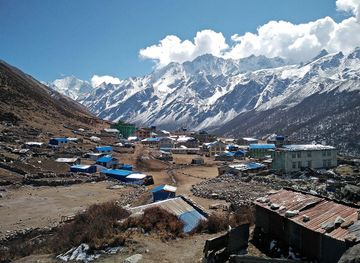
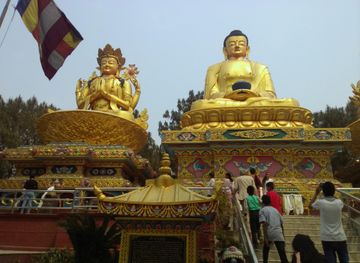
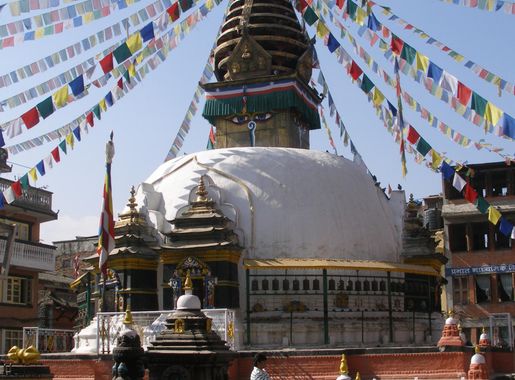
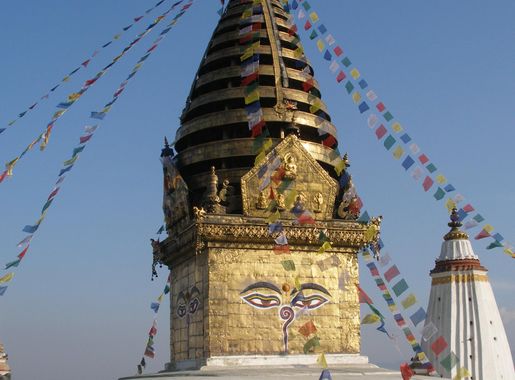
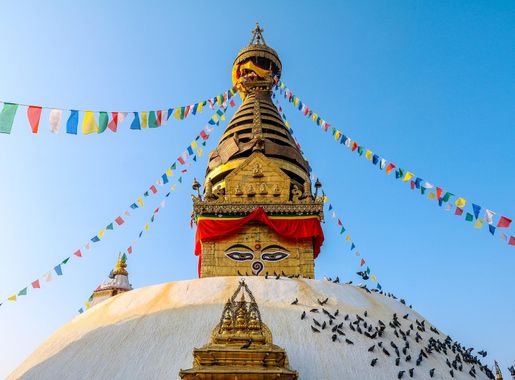
Bagmati Province, nestled in the heart of Nepal, is a region brimming with cultural heritage, natural beauty, and spiritual significance. From the bustling capital city of Kathmandu to the serene landscapes of the surrounding valleys, Bagmati Province offers a diverse range of experiences for every traveler. Kathmandu, the capital city, is a treasure trove of ancient temples, palaces, and UNESCO World Heritage Sites. Durbar Square, Swayambhunath Stupa (also known as the Monkey Temple), and the sacred Pashupatinath Temple are must-visit landmarks. The city's vibrant streets are filled with markets, traditional crafts, and a rich blend of cultures. Beyond the city, the province is home to stunning natural scenery. The Shivapuri Nagarjun National Park provides a tranquil escape with its lush forests, wildlife, and hiking trails. The Bagmati River, a sacred waterway, winds through the region, offering picturesque views and opportunities for meditation and reflection. For those seeking adventure, Bagmati Province does not disappoint. The region offers thrilling activities such as white-water rafting on the Trishuli River and paragliding over the scenic landscapes of Pokhara, which, although technically in Gandaki Province, is easily accessible and often included in itineraries for visitors to Bagmati. The province's hills and valleys provide excellent trekking opportunities, including routes to the famous Langtang region.

Know before you go
Hi, I'm Eve. Here are a few practical things to know before exploring Bagmati Province.
- Visit early in the morning to avoid crowds at popular sites like Pashupatinath Temple and Swayambhunath Stupa.
- Carry cash, as many local shops and eateries do not accept credit cards.
- Respect local customs and dress modestly, especially when visiting religious sites.
- Hire a local guide to gain deeper insights into the history and culture of Kathmandu's heritage sites.
- Try traditional Nepali cuisine, such as momos and dal bhat, at local restaurants for an authentic experience.
- Plan your visit during festivals like Dashain or Tihar to experience vibrant local traditions and festivities.
Top City Travel Guides in Bagmati Province
The cities of Bagmati Province, and the easiest places to base yourself.


Destinations in Bagmati Province
Resorts, valleys and scenic spots worth a trip of their own.


Explore Bagmati Province: Things to Do, Places to Eat, Hotels & More
Handpicked recommendations for top attractions, local dining, accommodations, and more

Top Attractions & Sightseeing in Bagmati Province
Top-rated picks
Best Attractions

Bhaktapur Durbar Square
Experience the rich history and stunning architecture of Bhaktapur Durbar Square, a UNESCO World Heritage Site in the heart of Nepal.

Nagarkot Geodetic Survey Tower
Discover breathtaking views and serene landscapes at Nagarkot Geodetic Survey Tower, a premier observation deck in Nepal's stunning hills.

Doleshwar Mahadev Temple
Explore the tranquil Doleshwar Mahadev Temple in Suryabinayak, a spiritual haven dedicated to Lord Shiva, showcasing stunning architecture and breathtaking views.

Nyatapola Temple
Discover the architectural splendor and rich cultural heritage of Nyatapola Temple, a UNESCO World Heritage site in Bhaktapur, Nepal.

Best landmarks in Bagmati Province
Top-rated picks
Best Landmarks

Kathmandu Durbar Square
Immerse yourself in the rich history and vibrant culture of Kathmandu at the stunning Kathmandu Durbar Square, a must-visit UNESCO World Heritage Site.

Patan Darbar Square
Explore the architectural beauty and rich cultural heritage of Patan Darbar Square, a UNESCO World Heritage Site in Lalitpur, Nepal.
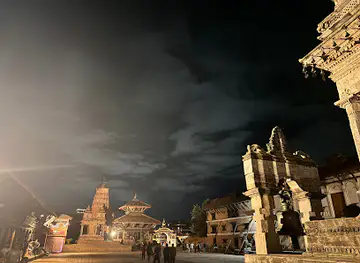
Bhaktapur Durbar Square
Explore the architectural marvels and vibrant culture of Bhaktapur Durbar Square, a UNESCO World Heritage Site rich in history and tradition.

Nagarkot Geodetic Survey Tower
Explore the breathtaking views from the Nagarkot Geodetic Survey Tower, a must-visit observation deck in the heart of Nepal's stunning landscapes.

Best restaurants in Bagmati Province
Top-rated picks
Best Restaurants

Bhojan Unlimited- The House of Maharaja Thali, Kapan, Kathmandu
Experience authentic Indian cuisine with the exquisite Maharaja Thali at Bhojan Unlimited in Kapan, Kathmandu.

Third Eye Restaurant
Experience authentic Indian and Nepalese cuisine at Third Eye Restaurant in Kathmandu's lively Thamel district.

Kathmandu Grill Restaurant
Experience authentic Nepali flavors alongside global cuisines at Kathmandu Grill Restaurant in vibrant Thamel.

Forest & Plate
Experience exquisite flavors at Forest & Plate in Thamel, Kathmandu—where local ingredients meet global culinary artistry.

Best bars in Bagmati Province
Top-rated picks
Best Bars
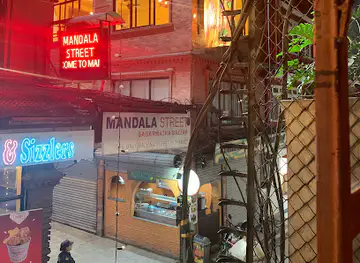
Purple Haze Rock Bar
Dive into the rhythm of Kathmandu's nightlife at Purple Haze Rock Bar – where live music meets a vibrant atmosphere.

Sam's Bar
Unwind in the heart of Thamel at Sam's Bar, a lively spot where culture and great drinks meet in Kathmandu.

Reggae Bar (रेग्गे बार)
Experience the vibrant nightlife of Kathmandu at Reggae Bar, where live music and a friendly atmosphere await you.

Ibyza Lounge & Disco
Discover the electrifying nightlife of Kathmandu at Ibyza Lounge & Disco, where live music and delicious Nepalese cuisine create an unforgettable experience.

Best nightclubs in Bagmati Province
Top-rated picks
Best Nightclubs

LOD - Lord of the Drinks
Discover Thamel's nightlife at Lord of the Drinks, where music, dance, and vibrant energy create unforgettable nights.

Ibyza Lounge & Disco
Discover the vibrant nightlife of Kathmandu at Ibyza Lounge & Disco, where live music and delicious Nepalese cuisine come together.

Turtle Lounge & Club
Experience Kathmandu's electrifying nightlife at Turtle Lounge & Club, where music, dance, and culture collide for an unforgettable evening.

Fire Club Disco Theque & Lounge Bar
Discover Kathmandu's vibrant nightlife at Fire Club Disco Theque & Lounge Bar, where music, dance, and fun collide in an unforgettable experience.

Best shops in Bagmati Province
Top-rated picks
Best Shops

S.K. Handicrafts Export .FAIR TRADE Cashmere Company
Explore the essence of Nepal at S.K. Handicrafts Export, home to exquisite Fair Trade cashmere products in the heart of Kathmandu's Thamel district.

Unik Shop - Best Clothing Store In Gaindakot
Explore the latest trends in fashion at Unik Shop, Gaindakot's premier destination for stylish clothing and accessories.

Gorkha Zone Khukuri House
Explore Gorkha Zone Khukuri House in Kathmandu for authentic Nepali souvenirs, unique gifts, and military surplus treasures.

Oodni by Khusbhu Dangol
Discover unique women's fashion at Oodni by Khusbhu Dangol, a boutique blending modern style with traditional craftsmanship in Lalitpur.

Explore Bagmati Province on the Map
A handpicked selection of must-see spots in Bagmati Province, mapped for you.
Bagmati Province Essentials
-
Bagmati Province is located in the central region of Nepal, with Kathmandu as its capital. The most common way to reach Bagmati Province is by flying into Tribhuvan International Airport (TIA) in Kathmandu, which is well-connected with major cities across the world. From the airport, you can take a taxi or use pre-arranged hotel transportation to get to your accommodation. For those already in Nepal, you can reach Bagmati Province via bus services from various parts of the country, including Pokhara, Chitwan, and Biratnagar.
-
Bagmati Province offers a variety of transportation options. Within Kathmandu, you can use local buses, microbuses, and taxis. Ride-sharing apps like Tootle and Pathao are popular for short distances. For traveling between cities and towns, you can opt for tourist buses or hire a private vehicle. Motorcycle rentals are also available for those looking for more freedom and adventure. Be aware that traffic can be chaotic, and road conditions vary widely.
-
The official currency in Nepal is the Nepalese Rupee (NPR). Credit cards are accepted in many hotels, restaurants, and larger stores in Kathmandu and major tourist areas, but it's advisable to carry cash for smaller establishments and rural areas. ATMs are widely available in urban centers, but carry some cash as a backup when traveling to remote locations.
-
Bagmati Province is generally safe for tourists, but it's important to stay vigilant. Avoid walking alone at night, especially in poorly-lit areas or less frequented neighborhoods. Thamel in Kathmandu is a popular tourist hub but can be prone to petty crimes like pickpocketing. Always keep an eye on your belongings and be cautious when accepting offers of help from strangers.
-
In case of emergency, dial 100 for the police and 102 for medical emergencies. Major hospitals in Kathmandu include the Tribhuvan University Teaching Hospital and Patan Hospital. It is highly recommended to have travel insurance that covers medical emergencies. Pharmacies are available throughout the province for minor health issues.
-
Fashion: Do dress modestly, especially when visiting religious sites. Avoid wearing revealing clothing. Religion: Do respect local customs and traditions. Always remove your shoes before entering temples and stupas. Public Transport: Do be respectful and give up your seat to elderly passengers. Don't eat or drink on public transport. Greetings: Do greet people with 'Namaste' and a slight bow of the head. Eating & Drinking: Do try local delicacies and accept food offerings graciously. Don't refuse hospitality, as it is considered impolite.
-
To experience Bagmati Province like a local, visit the bustling local markets such as Asan Bazaar in Kathmandu for fresh produce and traditional goods. Engage with locals who are often friendly and willing to share stories about the area's history and culture. Don't miss visiting historical sites like the Kathmandu Durbar Square, Swayambhunath (Monkey Temple), and Pashupatinath Temple. For a unique experience, take a hike to the nearby hills such as Nagarkot for stunning views of the Himalayas.
When is the best time to visit Bagmati Province?
Useful Local Phrases for Bagmati Province
You don't need to speak the language perfectly. Even learning a few simple words can make conversations warmer—and locals usually appreciate the effort.
— Eve

Here are the phrases I use most often in Bagmati Province. Try a few—you'll be surprised how far they go! 😊
❤️
-
- Helloनमस्ते
[Namaste] - Goodbyeअलविदा
[Alvida] - Yesहो
[Ho] - Noहोइन
[Hoin] - Please/You're welcomeकृपया / स्वागत छ
[Kripaya / Swagat cha] - Thank youधन्यवाद
[Dhanyabad] - Excuse me/Sorryमाफ गर्नुहोस्
[Maaf garnuhos] - How are you?तपाईं कस्तो हुनुहुन्छ?
[Tapai kasto hunuhunchha?] - Fine. And you?राम्रै। र तपाईं?
[Ramrai. Ra tapai?] - Do you speak English?के तपाईँलाई अंग्रेजी बोल्न आउँछ?
[Ke tapaai lai angreji bolna aauchha?] - I don't understandम बुझ्दिनँ
[Ma bujhdin]
- Helloनमस्ते
-
- I'd like to see the menu, pleaseकृपया मीनु देखाउनुस्
[Kripaya menu dekhaunus] - I don't eat meatम माछा र मांस खाँदिन
[Ma machha ra maans khadina] - Cheers!चियर्स!
[Cheers!] - I would like to pay, pleaseकृपया म भुक्तानी गर्न चाहन्छु
[Kripaya ma bhuktani garn chahanchu]
- I'd like to see the menu, pleaseकृपया मीनु देखाउनुस्
-
- Help!म सहयोगको लागि मर्न चाहन्छु!
[Ma sahayogko lagi marna chahanchu!] - Go away!टाढा जानुहोस्!
[Tadha jaanuhos!] - Call the Police!पुलिसलाई फोन गर्नुहोस्!
[Police lai phone garnuhos!] - Call a doctor!डाक्टरलाई फोन गर्नुहोस्!
[Doctor lai phone garnuhos!] - I'm lostम हराएँ
[Ma harae] - I'm illम बिरामी छु
[Ma birami chu]
- Help!म सहयोगको लागि मर्न चाहन्छु!
-
- I'd like to buy...म किन्न चाहन्छु...
[Ma kinna chahanchu...] - I'm just lookingम केवल हेरिरहेको छु
[Ma keval heriraheko chu] - How much is it?यो कति हो?
[Yo kati ho?] - That's too expensiveयो धेरै महँगो छ
[Yo dherai mahango cha] - Can you lower the price?के तपाईँले मूल्य घटाउन सक्नुहुन्छ?
[Ke tapaai le moolya ghataun saknuhunchha?]
- I'd like to buy...म किन्न चाहन्छु...
-
- What time is it?यो कति बजे हो?
[Yo kati baje ho?] - It's one o'clockयो एक बजे हो
[Yo ek baje ho] - Half past (10)साढे (10)
[Saadhe (10)] - Morningबिहान
[Bihan] - Afternoonबेलुका
[Beluka] - Eveningसाँझ
[Saanjh] - Yesterdayहिजो
[Hijo] - Todayआज
[Aaja] - Tomorrowभोलि
[Bholi] - 1१
[1] - 2२
[2] - 3३
[3] - 4४
[4] - 5५
[5] - 6६
[6] - 7७
[7] - 8८
[8] - 9९
[9] - 10१०
[10]
- What time is it?यो कति बजे हो?
-
- Where's a/the...?एक/त्यो कहाँ छ?
[Ek/Tyo kahan cha?] - What's the address?ठेगाना के हो?
[Thegana ke ho?] - Can you show me (on the map)?के तपाईँले मलाई देखाउन सक्नुहुन्छ?
[Ke tapaai le malai dekhaun saknuhunchha?] - When's the next (bus)?अर्को (बस) कहिले छ?
[Arko (bus) kahile cha?] - A ticket (to ....)एक टिकट (....को लागि)
[Ek ticket (....ko lagi)]
- Where's a/the...?एक/त्यो कहाँ छ?
History of Bagmati Province
-
Bagmati Province is home to the Kathmandu Valley, a treasure trove of ancient heritage. The valley has been a cultural and political center since ancient times, housing the historic cities of Kathmandu, Bhaktapur, and Patan. These cities are renowned for their well-preserved palaces, courtyards, and temples, many of which date back to the Licchavi period (c. 400–750 CE). The valley is also the birthplace of the Newar civilization, known for its rich traditions in art, architecture, and festivals.
-
The Licchavi period marks a significant era in the history of Bagmati Province, during which the region saw considerable political and cultural development. The Licchavis established Kathmandu as a major trade hub, connecting India and Tibet. They also contributed to the architectural landscape, with numerous temples and stupas, including the famous Swayambhunath and Boudhanath stupas, being constructed during this time.
-
The Malla Dynasty, which ruled from the 12th to the 18th century, is known for its golden age of art and culture in Bagmati Province. The Malla kings were great patrons of the arts, and their era saw the construction of many of the valley's most iconic structures, including the Durbar Squares of Kathmandu, Patan, and Bhaktapur. These squares are adorned with intricate wood carvings, statues, and pagoda-style temples, showcasing the pinnacle of Newar architecture.
-
The unification of Nepal in the 18th century by King Prithvi Narayan Shah had significant implications for Bagmati Province. The Kathmandu Valley, with its strategic central location, became the capital of the newly unified country. This period saw the decline of the Malla kingdoms and the rise of the Shah dynasty, which led to the modernization of the region and integration into a larger national framework.
-
Bagmati Province is a melting pot of religious and cultural diversity. Hinduism and Buddhism have coexisted here for centuries, contributing to a unique cultural tapestry. The Pashupatinath Temple, one of the most sacred Hindu temples dedicated to Lord Shiva, and the Swayambhunath Stupa, an ancient Buddhist site also known as the Monkey Temple, are key religious landmarks. These sites not only attract pilgrims but also reflect the syncretic nature of the region's spiritual heritage.
-
In recent decades, Bagmati Province has experienced significant modernization and urbanization, especially in Kathmandu. The region has become a bustling metropolis and a center for education, business, and tourism. Despite these changes, efforts have been made to preserve the historical and cultural sites, ensuring that the rich heritage of Bagmati Province continues to be a source of pride and attraction for visitors from around the world.
Neighbouring Regions of Bagmati Province
The closest regions to Bagmati Province, if you have time for more than one.




Your all‑in‑one travel companion app
Explore expert travel guides, compare and book tours, experiences, hotels, and more—all from the palm of your hand. Download now for seamless trip planning wherever your wanderlust takes you.


Explore More of Nepal

Looking beyond Bagmati Province? Discover Nepal for broader travel guides, local hot-spots, and regional highlights.
Explore NepalBagmati Province in Photos
Browse through our photo collection highlighting the charm and character of the destination.



The Enchanting Bagmati Province: Nepal's Cultural Heartland
Bagmati Province, nestled in the heart of Nepal, is a region brimming with cultural heritage, natural beauty, and spiritual significance. From the bustling capital city of Kathmandu to the serene landscapes of the surrounding valleys, Bagmati Province offers a diverse range of experiences for every traveler. Kathmandu, the capital city, is a treasure trove of ancient temples, palaces, and UNESCO World Heritage Sites. Durbar Square, Swayambhunath Stupa (also known as the Monkey Temple), and the sacred Pashupatinath Temple are must-visit landmarks. The city's vibrant streets are filled with markets, traditional crafts, and a rich blend of cultures. Beyond the city, the province is home to stunning natural scenery. The Shivapuri Nagarjun National Park provides a tranquil escape with its lush forests, wildlife, and hiking trails. The Bagmati River, a sacred waterway, winds through the region, offering picturesque views and opportunities for meditation and reflection. For those seeking adventure, Bagmati Province does not disappoint. The region offers thrilling activities such as white-water rafting on the Trishuli River and paragliding over the scenic landscapes of Pokhara, which, although technically in Gandaki Province, is easily accessible and often included in itineraries for visitors to Bagmati. The province's hills and valleys provide excellent trekking opportunities, including routes to the famous Langtang region.