

Kathmandu Valley, Nepal Travel Guide
Discover the rich history, stunning architecture, and vibrant culture of Kathmandu Valley, Nepal's UNESCO World Heritage site and spiritual heartland.
Kathmandu Valley, nestled in the heart of Nepal, is a treasure trove of history, culture, and spirituality. This UNESCO World Heritage site is home to three ancient cities: Kathmandu, Bhaktapur, and Patan, each with its own unique charm and significance. The valley is dotted with stunning pagodas, intricate wood carvings, and sacred temples, making it a paradise for history buffs and spiritual seekers alike. In Kathmandu, the bustling capital, Durbar Square stands as a testament to the city's rich past. Here, you will find the magnificent Hanuman Dhoka Palace, the residence of the Malla kings, and the sacred Kumari Ghar, home to the living goddess. A short walk away is the Swayambhunath Stupa, also known as the Monkey Temple, offering panoramic views of the valley and a serene ambiance for meditation. Bhaktapur, often referred to as the 'City of Devotees,' is a living museum with its well-preserved medieval architecture and traditional Newari culture. The town's Durbar Square is a masterpiece of art and history, featuring the 55-Window Palace, Vatsala Temple, and the iconic Nyatapola Temple, the tallest pagoda in Nepal. Patan, also known as Lalitpur, meaning 'City of Beauty,' is renowned for its exquisite craftsmanship and vibrant festivals. Patan Durbar Square is a remarkable collection of temples, courtyards, and statues, including the stunning Krishna Mandir. The Patan Museum, housed in a former royal palace, offers a deep dive into the valley's artistic and cultural heritage. Kathmandu Valley is not just about ancient monuments; it is alive with festivals, vibrant markets, and warm, welcoming people. Whether you're exploring hidden alleys, sampling local delicacies, or participating in traditional ceremonies, the valley offers an immersive experience that stays with you long after you leave.

Know before you go
Hi, I'm Eve. Here are a few practical things to know before exploring Kathmandu Valley.
- Dress modestly, especially when visiting temples and religious sites.
- Carry small denominations of cash, as many local shops and eateries do not accept credit cards.
- Hire a local guide to get in-depth insights into the history and culture of the valley.
- Try the local Newari cuisine, including dishes like yomari, chhoila, and bara.
- Visit early in the morning to avoid crowds and enjoy a peaceful experience at major sites.
- Respect local customs and traditions, such as removing shoes before entering temples.
- Stay hydrated and carry a bottle of water, as the climate can be warm and dry.
Top City Travel Guides in Kathmandu Valley
The cities of Kathmandu Valley, and the easiest places to base yourself.


Explore Kathmandu Valley: Things to Do, Places to Eat, Hotels & More
Handpicked recommendations for top attractions, local dining, accommodations, and more

Top Attractions & Sightseeing in Kathmandu Valley
Top-rated picks
Best Attractions

Pashupatinath Temple
Discover the spiritual essence of Kathmandu at Pashupatinath Temple, a UNESCO World Heritage Site that captivates with its ancient rituals and stunning architecture.

Kathmandu Durbar Square
Discover the vibrant history and cultural richness of Kathmandu at Durbar Square, a UNESCO World Heritage Site filled with stunning temples and architecture.
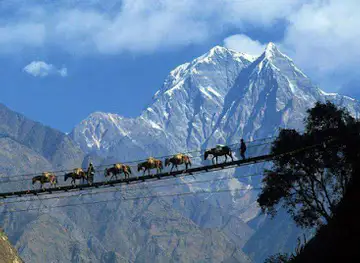
Patan Darbar Square
Discover the cultural richness and architectural splendor of Patan Darbar Square, a UNESCO World Heritage site in Lalitpur, Nepal.

Bhaktapur Durbar Square
Discover the cultural heritage of Nepal at Bhaktapur Durbar Square, a historical marvel filled with ancient temples and vibrant local life.

Best landmarks in Kathmandu Valley
Top-rated picks
Best Landmarks

Pashupatinath Temple
Discover the spiritual heart of Nepal at Pashupatinath Temple, a UNESCO World Heritage Site featuring stunning architecture and vibrant rituals.

Kathmandu Durbar Square
Explore the historical treasures of Kathmandu Durbar Square, a UNESCO World Heritage site rich in culture, architecture, and vibrant local life.

Patan Darbar Square
Explore the rich history and stunning architecture of Patan Darbar Square, a UNESCO World Heritage Site in Nepal, where culture and craft come alive.

Bhaktapur Durbar Square
Discover the enchanting Bhaktapur Durbar Square, a UNESCO World Heritage site rich in history, culture, and stunning architecture.

Best restaurants in Kathmandu Valley
Top-rated picks
Best Restaurants

The Soaltee Kathmandu
Kathmandu's premier 5-star haven blending luxurious stays, diverse fine dining from Indian to Chinese, poolside bliss, and impeccable service in a lush garden oasis.

Lavie Garden
Experience authentic Nepali cuisine at Lavie Garden in Boudhha – where flavor meets tranquility amidst lush greenery.

Walnut Bistro
Discover authentic Nepali flavors at Walnut Bistro in Kathmandu - where every dish tells a story!

Roadhouse Cafe
Experience delightful dining at Roadhouse Cafe in Kathmandu - where authentic flavors meet warm hospitality.

Best bars in Kathmandu Valley
Top-rated picks
Best Bars
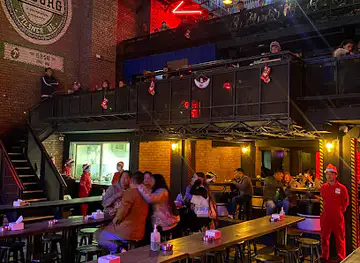
Purple Haze Rock Bar
Experience the best live music in Kathmandu at Purple Haze Rock Bar, a vibrant venue in Thamel known for its energetic atmosphere and eclectic drinks.

Kathmandu Grill Restaurant
Discover the vibrant culinary culture of Kathmandu at Kathmandu Grill, offering an exquisite blend of grilled delights, Indian cuisine, and pizzas in a lively atmosphere.

Le Sherpa Restaurant
Experience the finest in Nepali cuisine at Le Sherpa Restaurant, where exceptional flavors meet elegant dining in the heart of Kathmandu.

LOD - Lord of the Drinks
Dive into the vibrant nightlife of Thamel at Lord of the Drinks, where exquisite cocktails and electrifying music create unforgettable memories.

Best nightclubs in Kathmandu Valley
Top-rated picks
Best Nightclubs

Purple Haze Rock Bar
Discover the Electric Vibe of Purple Haze Rock Bar in Kathmandu - Your Ultimate Nightlife Destination for Live Music and Great Drinks.

LOD - Lord of the Drinks
Discover the vibrant nightlife of Kathmandu at LOD - Lord of the Drinks, where music, great drinks, and fun collide in a lively atmosphere.

Shisha Lounge and Bar
Discover the vibrant nightlife of Kathmandu at Shisha Lounge and Bar, where flavors and live music create unforgettable experiences.

Sam's Bar
Discover the vibrant nightlife at Sam's Bar in the heart of Thamel, Kathmandu, where great drinks and good vibes await you.

Best shops in Kathmandu Valley
Top-rated picks
Best Shops

Civil Mall
Experience the best of shopping, dining, and entertainment in the heart of Kathmandu at Civil Mall, a vibrant hub for all visitors.

United World Trade Center
Visit the United World Trade Center in Kathmandu for a unique blend of business, shopping, and dining experiences.

Kalapatthar Trekking Store
Explore the Himalayas with top-quality gear from Kalapatthar Trekking Store in Kathmandu's Thamel district.

Sherpa Mall
Discover the ultimate shopping experience at Sherpa Mall in Kathmandu, featuring diverse stores, dining, and cultural events for every traveler.

Explore Kathmandu Valley on the Map
A handpicked selection of must-see spots in Kathmandu Valley, mapped for you.
Kathmandu Valley Essentials
-
Kathmandu Valley is serviced by Tribhuvan International Airport (TIA), which is the only international airport in Nepal. Major airlines connect Kathmandu with cities across Asia and the Middle East. From the airport, you can take a taxi or pre-arrange a hotel shuttle to your accommodation. Overland travel from neighboring countries like India is also possible via bus services and border crossings.
-
Within Kathmandu Valley, transportation options include taxis, buses, and auto-rickshaws. Taxis are widely available and can be hired for short trips or for the entire day. Public buses and microbuses are more economical but can be crowded and less comfortable. Ride-sharing apps like Tootle and Pathao are also popular for getting around the city. For a more immersive experience, renting a bicycle or scooter is another option.
-
The official currency of Nepal is the Nepalese Rupee (NPR). Credit cards are accepted in most hotels, restaurants, and shops in Kathmandu, but it's advisable to carry cash for smaller establishments and markets. ATMs are widely available in the city, but be aware of potential transaction fees. Currency exchange services are also plentiful, especially in tourist areas.
-
Kathmandu Valley is generally safe for tourists, but it's essential to stay vigilant. Areas like Thamel in Kathmandu are popular tourist spots but can also attract petty crimes like pickpocketing. Avoid walking alone at night in poorly lit areas and always keep an eye on your belongings. Be cautious when dealing with street vendors and ensure you are not overcharged.
-
In case of emergency, dial 100 for police assistance and 102 for medical emergencies. Major hospitals in Kathmandu include Patan Hospital and Norvic International Hospital. Pharmacies are widely available for minor health issues. It is advisable to have travel insurance that covers medical emergencies and evacuation.
-
Fashion: Do dress modestly, especially when visiting temples and religious sites. Avoid wearing revealing clothing. Religion: Do respect local customs and remove your shoes before entering temples. Public Transport: Do be courteous and offer your seat to elderly passengers. Don't eat or drink on public transport. Greetings: Do greet people with a 'Namaste' and a slight bow of the head. Eating & Drinking: Do try local dishes like momos and dal bhat. Don't use your left hand for eating or handing over money, as it is considered impolite.
-
To experience Kathmandu Valley like a local, visit the bustling markets of Asan and Indra Chowk for traditional Nepali goods and street food. Engage with locals who are often friendly and willing to share their culture. Participate in local festivals like Dashain and Tihar to get a deeper understanding of Nepali traditions. Don't miss a visit to UNESCO World Heritage Sites such as Swayambhunath (Monkey Temple) and Pashupatinath Temple for a spiritual experience.
When is the best time to visit Kathmandu Valley?
Useful Local Phrases for Kathmandu Valley
You don't need to speak the language perfectly. Even learning a few simple words can make conversations warmer—and locals usually appreciate the effort.
— Eve

Here are the phrases I use most often in Kathmandu Valley. Try a few—you'll be surprised how far they go! 😊
❤️
-
- Helloनमस्ते
[Namaste] - Goodbyeविदाई
[Bidai] - Yesहो
[Ho] - Noहोइन
[Hoin] - Please/You're welcomeकृपया/स्वागतम्
[Kripaya/Swagatam] - Thank youधन्यवाद
[Dhanyabad] - Excuse me/Sorryमाफ गर्नुहोस्
[Maaf garnuhos] - How are you?तिमीलाई कस्तो छ?
[Timilai kasto cha?] - Fine. And you?ठिक छ। र तिमी?
[Thik cha. Ra timi?] - Do you speak English?के तपाईंले अंग्रेजी बोल्नुहुन्छ?
[Ke tapainle angrezi bolnuhunchha?] - I don't understandम बुझ्दिन
[Ma bujhdina]
- Helloनमस्ते
-
- I'd like to see the menu, pleaseमेनु देख्न चाहन्छु, कृपया
[Menu dekhna chahanchu, kripaya] - I don't eat meatम मासु खाँदैन
[Ma masu khandaina] - Cheers!चियर्स!
[Cheers!] - I would like to pay, pleaseम तिर्न चाहन्छु, कृपया
[Ma tirna chahanchu, kripaya]
- I'd like to see the menu, pleaseमेनु देख्न चाहन्छु, कृपया
-
- Help!मद्दत गर्नुहोस्!
[Maddat garnuhos!] - Go away!हट!
[Hat!] - Call the Police!पुलिसलाई फोन गर्नुहोस्!
[Polis lai phone garnuhos!] - Call a doctor!डाक्टरलाई फोन गर्नुहोस्!
[Daktarlai phone garnuhos!] - I'm lostम हराएँ
[Ma harayen] - I'm illम बिरामी छु
[Ma birami chu]
- Help!मद्दत गर्नुहोस्!
-
- I'd like to buy...म किन्न चाहन्छु...
[Ma kinna chahanchu...] - I'm just lookingम केवल हेर्दै छु
[Ma keval herdai chu] - How much is it?यो कति मूल्यको छ?
[Yo kati mulya ko cha?] - That's too expensiveयो धेरै महँगो छ
[Yo dherai mahango cha] - Can you lower the price?के तपाईं मूल्य घटाउन सक्नुहुन्छ?
[Ke tapain mulya ghatauna saknuhunchha?]
- I'd like to buy...म किन्न चाहन्छु...
-
- What time is it?यो कति बजेको छ?
[Yo kati bajeko cha?] - It's one o'clockयो एक बजेको छ
[Yo ek bajeko cha] - Half past (10)साढे (१०)
[Saaḍhe (10)] - Morningबिहान
[Bihan] - Afternoonमध्याह्न
[Madhyahn] - Eveningसाँझ
[Sanjh] - Yesterdayहिजो
[Hijo] - Todayआज
[Aaja] - Tomorrowभोलि
[Bholi] - 1१
[1] - 2२
[2] - 3३
[3] - 4४
[4] - 5५
[5] - 6६
[6] - 7७
[7] - 8८
[8] - 9९
[9] - 10१०
[10]
- What time is it?यो कति बजेको छ?
-
- Where's a/the...?कहाँ छ ...?
[Kahaan cha ...?] - What's the address?ठेगाना के हो?
[Thegana ke ho?] - Can you show me (on the map)?के तपाईं मलाई देखाउन सक्नुहुन्छ (नक्सामा)?
[Ke tapain malai dekhouna saknuhunchha (naksama)?] - When's the next (bus)?अर्को (बस) कहिले छ?
[Arko (bus) kahile cha?] - A ticket (to ....)एक टिकट (....को लागि)
[Ek ticket (....ko lagi)]
- Where's a/the...?कहाँ छ ...?
History of Kathmandu Valley
-
According to legend, Kathmandu Valley was once a vast lake. The Bodhisattva Manjushri is said to have drained the lake by cutting a gorge at Chobhar using his sword, making the land habitable. This mythological act set the stage for the valley’s rich cultural and historical development.
-
The Licchavi Dynasty is considered the golden period of classical history in Kathmandu Valley. During this time, the valley saw the construction of numerous temples and stupas, including the famous Changu Narayan Temple, which is the oldest Hindu temple still in use in the valley.
-
The Malla period was marked by a flourishing of art, architecture, and culture. The valley was divided into three major city-states: Kathmandu, Bhaktapur, and Patan. Each city-state developed its own unique style of architecture, and grand palaces and temples were constructed, such as the Nyatapola Temple in Bhaktapur and the Patan Durbar Square.
-
The unification of Nepal by King Prithvi Narayan Shah in 1768 marked the end of the Malla period. Kathmandu Valley became the capital of the newly unified country. The valley continued to develop as a political, cultural, and economic hub under the Shah dynasty.
-
During the Rana era, the rulers of Nepal focused on modernizing Kathmandu Valley. They constructed grand palaces and imported Western architectural styles. The Singha Durbar and the Kaiser Mahal are notable examples of Rana architecture, reflecting a blend of traditional and Western influences.
-
A devastating earthquake struck Kathmandu Valley in 1934, causing significant damage to many historical monuments and buildings. The disaster led to a large-scale reconstruction effort, which included restoring many of the valley’s iconic structures, such as the Dharahara Tower.
-
In the modern era, Kathmandu Valley has seen increased efforts to preserve its rich cultural heritage. The valley is home to seven UNESCO World Heritage Sites, including the Swayambhunath Stupa, Boudhanath Stupa, and the Durbar Squares of Kathmandu, Bhaktapur, and Patan. These sites attract thousands of tourists and pilgrims each year, contributing to the valley's global cultural significance.
Neighbouring Regions of Kathmandu Valley
The closest regions to Kathmandu Valley, if you have time for more than one.


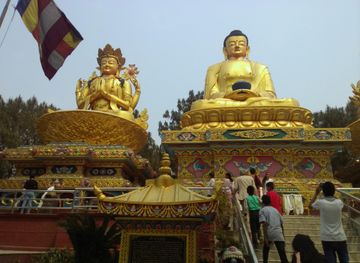


Your all‑in‑one travel companion app
Explore expert travel guides, compare and book tours, experiences, hotels, and more—all from the palm of your hand. Download now for seamless trip planning wherever your wanderlust takes you.


Explore More of Nepal

Looking beyond Kathmandu Valley? Discover Nepal for broader travel guides, local hot-spots, and regional highlights.
Explore NepalKathmandu Valley in Photos
Browse through our photo collection highlighting the charm and character of the destination.


Kathmandu Valley: The Heart of Nepal's Cultural Heritage
Kathmandu Valley, nestled in the heart of Nepal, is a treasure trove of history, culture, and spirituality. This UNESCO World Heritage site is home to three ancient cities: Kathmandu, Bhaktapur, and Patan, each with its own unique charm and significance. The valley is dotted with stunning pagodas, intricate wood carvings, and sacred temples, making it a paradise for history buffs and spiritual seekers alike. In Kathmandu, the bustling capital, Durbar Square stands as a testament to the city's rich past. Here, you will find the magnificent Hanuman Dhoka Palace, the residence of the Malla kings, and the sacred Kumari Ghar, home to the living goddess. A short walk away is the Swayambhunath Stupa, also known as the Monkey Temple, offering panoramic views of the valley and a serene ambiance for meditation. Bhaktapur, often referred to as the 'City of Devotees,' is a living museum with its well-preserved medieval architecture and traditional Newari culture. The town's Durbar Square is a masterpiece of art and history, featuring the 55-Window Palace, Vatsala Temple, and the iconic Nyatapola Temple, the tallest pagoda in Nepal. Patan, also known as Lalitpur, meaning 'City of Beauty,' is renowned for its exquisite craftsmanship and vibrant festivals. Patan Durbar Square is a remarkable collection of temples, courtyards, and statues, including the stunning Krishna Mandir. The Patan Museum, housed in a former royal palace, offers a deep dive into the valley's artistic and cultural heritage. Kathmandu Valley is not just about ancient monuments; it is alive with festivals, vibrant markets, and warm, welcoming people. Whether you're exploring hidden alleys, sampling local delicacies, or participating in traditional ceremonies, the valley offers an immersive experience that stays with you long after you leave.