

Free Janakpur Zone Travel Guide & Mobile App
Explore Janakpur Zone with free travel guides. Discover regional history, expert tips, proposed trips, and audio guides on web or mobile app.


Explore Janakpur Zone in Nepal for Mithila temples, Maithil culture, historic hill forts, rural landscapes and gateways to the central Himalaya.
Read more about Janakpur Zone
When is the best time to visit Janakpur Zone?
Best: February, November–December · 21–27°C| Month | High (°C) | Rainfall (mm) |
|---|---|---|
| January | 20 | 8 |
| February (best) | 24 | 15 |
| March | 30 | 18 |
| April | 35 | 30 |
| May | 38 | 60 |
| June | 37 | 140 |
| July | 35 | 240 |
| August | 35 | 220 |
| September | 33 | 120 |
| October | 31 | 60 |
| November (best) | 27 | 15 |
| December (best) | 21 | 7 |
Getting to and around Janakpur Zone
How to get there
Transportation
Top city travel guides in Janakpur Zone
The cities of Janakpur Zone, and the easiest places to base yourself.
-

-

-

-

-


Swipe for more cities
Destinations in Janakpur Zone
Resorts, valleys and scenic spots worth a trip of their own.
-

-

-

-

-


Swipe for more destinations
Best attractions in Janakpur Zone
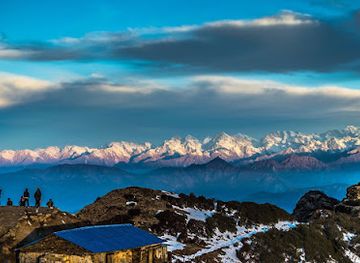
The former Janakpur Zone offers a broad mix of pilgrimage, culture, history and mountain scenery. Janakpur's temple quarter centres on Janaki Mandir, with associated shrines, ponds, festivals and Maithil artistic traditions, while Dhanushadham provides a quieter religious excursion linked to the Ramayana. Jaleshwar in Mahottari adds another important pilgrimage stop, and the market towns of the southern plains reveal everyday Terai life beyond the principal monuments. North of the plains, Sindhuli Gadhi combines a historic battlefield setting with forested ridges and views over the surrounding valleys. Ramechhap offers rural hill landscapes and access through Manthali, while Dolakha provides Charikot, the hill temple of Kalinchowk and routes through agricultural settlements and woodland. Jiri is associated with the historic route towards Everest and is suited to walking and cultural exploration rather than a quick sightseeing stop. The attraction landscape is therefore geographically varied: temple courtyards and painted traditions in the south give way to fortifications, terraces, forests and high viewpoints in the north. Visitors should plan by district, since road journeys between the plains and the hill destinations can be long.
-
Hindu temple
Shree Ram Janaki Biwah Mandap
Explore the spiritual heart of Janakpur at Shree Ram Janaki Biwah Mandap, a stunning Hindu temple rich in culture and history.
-
Historical landmark
Janakpur Dham
Explore the spiritual heart of Nepal at Janakpur Dham, a historical landmark filled with culture, beauty, and vibrant festivals.
-
Hindu temple
Ram Janki Mandir
Experience the spiritual and architectural grandeur of Ram Janki Mandir, a revered Hindu temple in Janakpur, Nepal, dedicated to Lord Ram and Sita.
-
Tourist attraction
Buddha Park
Discover the tranquility of Buddha Park in Jiri, Nepal, where stunning sculptures and serene gardens create a perfect escape into Buddhist culture.

Best landmarks in Janakpur Zone
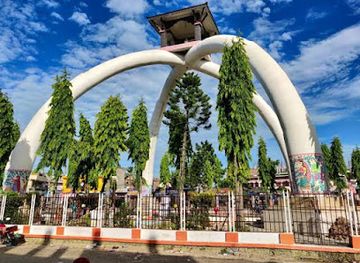
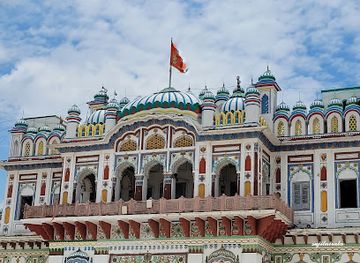
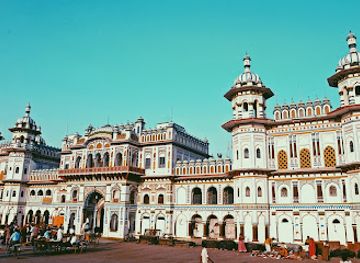
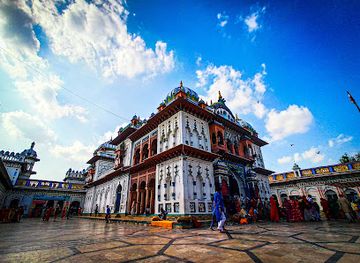
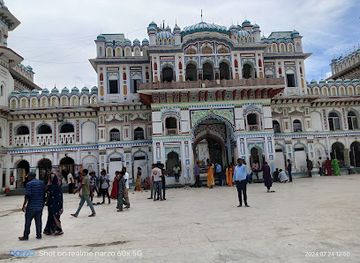
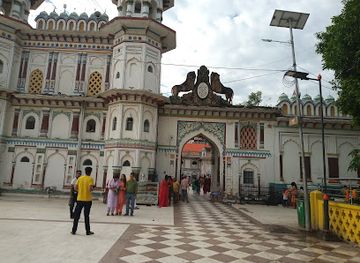
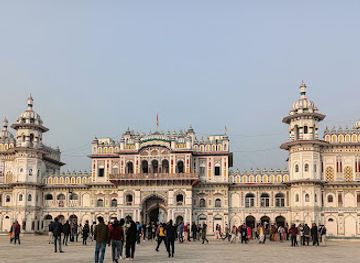
Janaki Mandir in Janakpur is the former zone's most recognisable landmark, a large nineteenth-century temple whose white façades, domes and elaborate ornament give the city its defining architectural image. The adjoining sacred ponds and temple precincts help explain Janakpur's importance as a centre of Sita devotion and Mithila pilgrimage. Dhanushadham's religious landscape is associated with the bow motif of the Ramayana, while Jaleshwar Mahadev in Mahottari is distinguished by its shrine set below ground level and traditionally linked with water. In the northern hills, Sindhuli Gadhi is both a historic defensive site and a ridge landmark connected with the 1767 Gorkhali victory over the British East India Company. Dolakha Bhimsen Temple, in the old settlement of Dolakha, represents the region's layered Hindu and Newar heritage, while Kalinchowk Bhagwati Temple occupies a high mountain setting reached from the Charikot area. The sharply rising hills around Jiri, Ramechhap and Dolakha are natural landmarks in their own right, particularly where terraced slopes, forested ridges and distant Himalayan views reveal the dramatic change from the Terai plain.
-
Hindu temple
Shree Janaki Temple, Janakpur, Mithila
Discover the spiritual heart of Janakpur at Shree Janaki Temple, a vibrant sanctuary dedicated to Goddess Sita, rich in culture and architectural beauty.
-
Hindu temple
Kalinchowk Bhagawati Temple
Explore Kalinchowk Bhagawati Temple, a serene Hindu shrine in the Himalayas offering breathtaking views and rich cultural experiences for every visitor.
-
Hindu temple
Shree Ram Janaki Biwah Mandap
Explore the spiritual haven of Shree Ram Janaki Biwah Mandap in Janakpur, a temple rich in history and devotion, perfect for cultural immersion.
-
Railway services
Janakpurdham Railway Station
Explore the rich cultural heritage and vibrant atmosphere of Janakpurdham Railway Station, a gateway to the heart of Nepal.
Explore Janakpur Zone on the map
Plan your trip on one map. See where the top cities, national parks and sights are, and book hotels and experiences in a few clicks.
Best hotels in Janakpur Zone
Best restaurants in Janakpur Zone
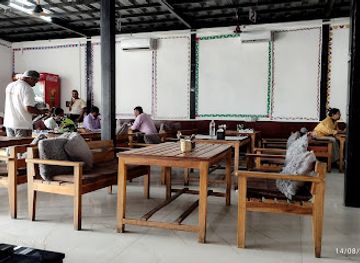
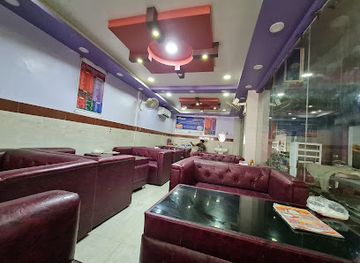
Dining in the former Janakpur Zone reflects the transition from the Mithila plains to Nepal's central hills. In Janakpur, Mahottari and nearby market towns, meals commonly combine rice, lentils, vegetables, fish and spiced pickles, with Maithili influences visible in home-style cooking and festive food. Sweets, tea, fried snacks and vegetarian dishes are widely available around temple areas, although visitors should choose busy, clean establishments and drink treated or bottled water. Mithila specialities such as the layered savoury bread known as matthi and locally prepared rice-based dishes may appear in homes, festivals or specialist eateries rather than on every restaurant menu. In Sindhuli, Ramechhap and Dolakha, dal bhat, vegetable curries, pickles, noodles and seasonal produce are more typical of hill travel, with simple cafés and lodges serving walkers and road travellers. Janakpur has the broadest choice of restaurants, while smaller towns offer a more limited but often practical range of Nepali, Indian and local fare. Vegetarian food is easy to find, but menus and ingredients can vary considerably between establishments.
-
Restaurant
Mithila Thali by Chef Santosh Shah
Experience the essence of Nepali cuisine at Mithila Thali by Chef Santosh Shah in Janakpur – where tradition meets taste.
-
Fast Food
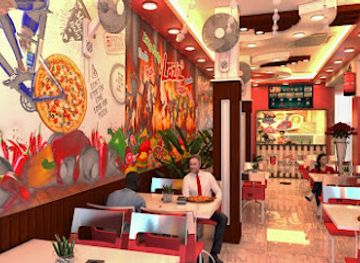
Laziz Pizza Janakpur
Discover the delightful flavors of Laziz Pizza in Janakpur - where every slice tells a story!
-
Restaurant
Laxmi Misthan Bhandar
Indulge in authentic Indian sweets and traditional Nepali dishes at Laxmi Misthan Bhandar in Janakpur - a culinary delight for every traveler.
-
Fast Food
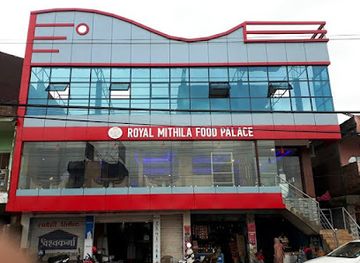
Royal Mithila Food Palace
Discover authentic fast food at Royal Mithila Food Palace in Janakpur – where local flavors meet convenience.
Best bars in Janakpur Zone
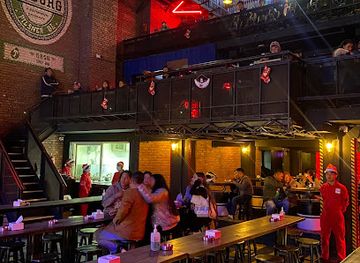
Nightlife in the former Janakpur Zone is generally social and food-centred rather than club-focused. Janakpur has the widest choice of cafés, hotel restaurants, tea shops and informal evening meeting places, with activity concentrated around central streets and the temple area; religious occasions can create a much busier atmosphere without being conventional nightlife. Bardibas and other larger market towns have local restaurants and modest bars, while evenings in Sindhuli, Ramechhap and Dolakha usually centre on tea shops, eateries, hotel lounges and community gatherings. Traditional Nepali or Indian alcoholic drinks may be available, but visitors should follow local customs and avoid drinking near active temples or religious processions. In hill destinations such as Jiri and Kalinchowk, early starts, cold nights and limited transport mean that accommodation-based evenings are more typical than late-night entertainment. Check current arrangements locally, as opening patterns and venue availability can change.
-
Bar
Purple Haze Rock Bar
Dive into the vibrant nightlife of Kathmandu at Purple Haze Rock Bar, where live music and great drinks create unforgettable experiences.
-
Restaurant
Dunga Restro & Lounge Bar
Experience exquisite dining at Dunga Restro & Lounge Bar, a lakeside gem in Pokhara offering a blend of local and international flavors.
-
 Restaurant
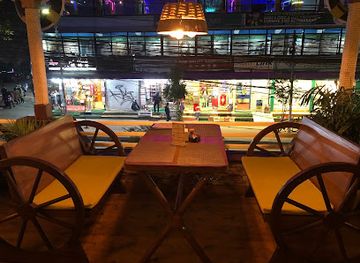
Hotel Sita Sharan
Discover the flavors of Nepal at Hotel Sita Sharan, a charming restaurant and lodge in Janakpur, perfect for an authentic culinary experience.
-
Restaurant
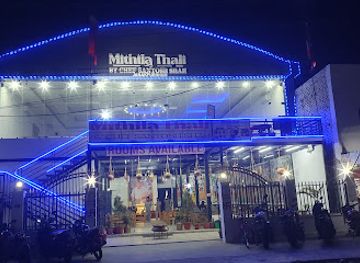
Mithila Thali by Chef Santosh Shah
Discover authentic Nepali cuisine at Mithila Thali by Chef Santosh Shah, where every meal is a celebration of Mithila culture.
Best nightclubs in Janakpur Zone
Nightlife in the former Janakpur Zone is generally social and food-centred rather than club-focused. Janakpur has the widest choice of cafés, hotel restaurants, tea shops and informal evening meeting places, with activity concentrated around central streets and the temple area; religious occasions can create a much busier atmosphere without being conventional nightlife. Bardibas and other larger market towns have local restaurants and modest bars, while evenings in Sindhuli, Ramechhap and Dolakha usually centre on tea shops, eateries, hotel lounges and community gatherings. Traditional Nepali or Indian alcoholic drinks may be available, but visitors should follow local customs and avoid drinking near active temples or religious processions. In hill destinations such as Jiri and Kalinchowk, early starts, cold nights and limited transport mean that accommodation-based evenings are more typical than late-night entertainment. Check current arrangements locally, as opening patterns and venue availability can change.
-
Disco club
Ibyza Lounge & Disco
Discover the electric nightlife of Kathmandu at Ibyza Lounge & Disco, where delicious cuisine meets pulsating beats and vibrant vibes.
-
Disco club
Club Omnia
Discover the heartbeat of Kathmandu's nightlife at Club Omnia, where vibrant music and exquisite dining come together for an unforgettable experience.
-
Night club
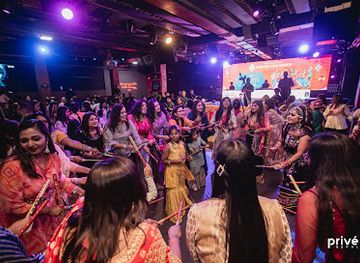
Privé Nepal
Experience the vibrant nightlife of Kathmandu at Privé Nepal, where live music, dancing, and a lively atmosphere await you!
-
Bar
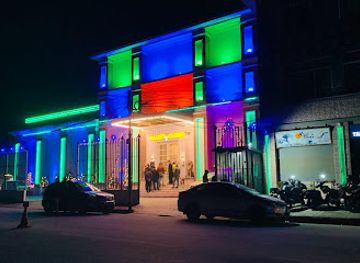
The Black House
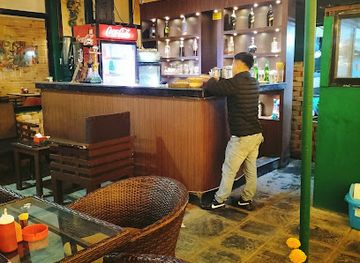
Experience the vibrant culture of Janakpur at The Black House, a must-visit bar offering unique decor and a welcoming atmosphere.

Best shops in Janakpur Zone
Shopping in the former Janakpur Zone ranges from busy Terai markets to small hill-town bazaars. Janakpur is the best place to look for Maithil cultural products, including painted works inspired by local religious and domestic traditions, as well as textiles, devotional items, sweets, brassware and practical market goods. Buyers should ask whether artwork is locally produced and handle paintings carefully, since quality and style vary. The city's food markets and sweet shops offer regional gifts, although products should be packed appropriately for long road journeys. Bardibas, Jaleshwar, Sindhuli and Manthali are primarily useful for everyday provisions, clothing, household goods and seasonal produce rather than specialist international shopping. Charikot and Jiri have small collections of craft, trekking and woollen goods, but selection is limited compared with Kathmandu. Bargaining is common in informal markets but is less appropriate in fixed-price shops, and carrying small Nepalese notes makes low-value purchases easier. Traditional crafts and food products are more meaningful souvenirs than generic goods sold without clear regional provenance.
-
Hindu temple
Shree Janaki Temple, Janakpur, Mithila
Explore the enchanting Shree Janaki Temple in Janakpur, a sacred site rich in history and cultural significance, dedicated to Goddess Sita.
-
Hindu temple
Shree Ram Janaki Biwah Mandap
Discover the spiritual and cultural heart of Janakpur at Shree Ram Janaki Biwah Mandap, a stunning Hindu temple rich in history and devotion.
-
Hotel
Hotel Sita Palace
Discover the perfect blend of comfort and culture at Hotel Sita Palace, your gateway to Janakpur's vibrant heritage.
-
Restaurant
Folsom Cafe and Restaurant
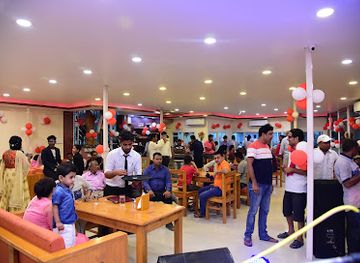
Experience the flavors of Janakpur at Folsom Cafe and Restaurant, where local cuisine meets modern dining in a vibrant atmosphere.
Get your free copy of our complete guide to Janakpur Zone, delivered straight to you.
Everything on this page, from attractions and restaurants to essentials and local phrases, in one PDF you can read offline, print or share.
Already have an account? Sign in
Your Janakpur Zone guide is ready.
We'll send it to · Not you? Sign out

Getting your guide ready…
We are putting together a fresh copy of the Janakpur Zone guide. This can take up to a minute.
This can take a few moments. If your browser asks, choose Allow so the download can start. You'll find the guide in your Downloads folder.
Nothing happened? Download it again
Sorry, the guide is taking longer than usual. Please try again in a minute, or get it by email instead.
Janakpur Zone essentials
Currency and Payment
Safety
Emergency Situations
Do's and Don'ts
Local Tips
From Eve
Local phrases worth knowing
You don't need to get them perfect. A few words go a long way, and locals appreciate the effort.
Basics
| English | Local | Say it |
|---|---|---|
| Hello | नमस्ते | [Namaste] |
| Goodbye | बिदाई | [Bidaai] |
| Yes | हो | [Ho] |
| No | होइन | [Hoin] |
| Please/You're welcome | कृपया/स्वागतम् | [Kripaya/Swagatam] |
| Thank you | धन्यवाद | [Dhanyavad] |
| Excuse me/Sorry | माफ गर्नुहोस् | [Maaf garnuhos] |
| How are you? | तिमीलाई कस्तो छ? | [Timilai kasto cha?] |
| Fine. And you? | म ठिक छु। र तिमी? | [Ma thik chu. Ra timi?] |
| Do you speak English? | तिमीलाई अंग्रेजी बोल्न आउँछ? | [Timilai angreji bolna aauchha?] |
| I don't understand | म बुझ्दिन | [Ma bujhdina] |
Eating & Drinking
| English | Local | Say it |
|---|---|---|
| I'd like to see the menu, please | कृपया म्यानु देखाउनुस् | [Kripaya menu dekhaunus] |
| I don't eat meat | म मासु खाँदैन | [Ma maasu khandaina] |
| Cheers! | स्वास्थ्यको लागि! | [Swasthya ko lagi!] |
| I would like to pay, please | कृपया म भुक्तानी गर्न चाहन्छु | [Kripaya ma bhuktani garn chahanchu] |
Emergencies
| English | Local | Say it |
|---|---|---|
| Help! | मदद गर! | [Madad gar!] |
| Go away! | दूर जानुहोस्! | [Door jaanuhos!] |
| Call the Police! | पुलिसलाई कल गर्नुहोस्! | [Polis lai call garnuhos!] |
| Call a doctor! | डाक्टरलाई कल गर्नुहोस्! | [Daktar lai call garnuhos!] |
| I'm lost | म हराएको छु | [Ma harayeko chu] |
| I'm ill | म बिरामी छु | [Ma birami chu] |
Shopping
| English | Local | Say it |
|---|---|---|
| I'd like to buy... | म किन्न चाहन्छु... | [Ma kinn chahanchu...] |
| I'm just looking | म केवल हेर्दै छु | [Ma keval herdai chu] |
| How much is it? | यो कति हो? | [Yo kati ho?] |
| That's too expensive | यो धेरै महँगो छ | [Yo dherai mahango cha] |
| Can you lower the price? | तपाईं मूल्य घटाउन सक्नुहुन्छ? | [Tapai mulya ghatna saknuhunchha?] |
Time & Numbers
| English | Local | Say it |
|---|---|---|
| What time is it? | यो कति बजे हो? | [Yo kati baje ho?] |
| It's one o'clock | यो एक बजे हो | [Yo ek baje ho] |
| Half past (10) | 10:30 | [10:30] |
| Morning | बिहान | [Bihan] |
| Afternoon | मध्याह्न | [Madhyahn] |
| Evening | साँझ | [Saanjh] |
| Yesterday | हिजो | [Hijo] |
| Today | आज | [Aaja] |
| Tomorrow | भोलि | [Bholi] |
| 1 | १ | [1] |
| 2 | २ | [2] |
| 3 | ३ | [3] |
| 4 | ४ | [4] |
| 5 | ५ | [5] |
| 6 | ६ | [6] |
| 7 | ७ | [7] |
| 8 | ८ | [8] |
| 9 | ९ | [9] |
| 10 | १० | [10] |
Transport & Directions
| English | Local | Say it |
|---|---|---|
| Where's a/the...? | कहाँ छ...? | [Kahaan chha...?] |
| What's the address? | ठेगाना के हो? | [Thegana ke ho?] |
| Can you show me (on the map)? | तपाईं मलाई देखाउन सक्नुहुन्छ (नक्सामा)? | [Tapai malai dekhauna saknuhunchha (naksama)?] |
| When's the next (bus)? | अर्को (बस) कहिले छ? | [Arko (bus) kahile chha?] |
| A ticket (to ....) | एक टिकट (लाई ...) | [Ek ticket (lai ...)] |
History of Janakpur Zone
The Mithila and Videha Cultural Legacy
The southern part of the former Janakpur Zone belongs to the wider Mithila cultural region, which extends across the Nepal–India border. Ancient traditions identify the area with Videha, the kingdom associated with King Janaka and Sita in the Ramayana. Although literary traditions cannot be treated as straightforward modern historical records, they have profoundly shaped the religious importance of Janakpur and Dhanushadham. Maithili language, ritual life, marriage customs, music and painting remain visible expressions of this long cultural continuity, linking communities on both sides of the present international boundary.
Early Settlements and the Terai Frontier
The plains around present-day Dhanusha, Mahottari and Sarlahi were historically connected to the wider north Indian plain through agriculture, pilgrimage and trade. Forest clearance and the development of market settlements increased over many centuries, while the hill districts to the north maintained different patterns of farming and settlement. The region's position between the Kathmandu hills and the Gangetic plain made it a zone of movement rather than an isolated cultural pocket. Religious sites, seasonal markets and routes through the Mahabharat hills preserve traces of these older connections.
Medieval Mithila Kingdoms and Janakpur's Sacred Geography
Medieval Mithila was governed by regional dynasties whose political centres lay in the wider Mithila plain. Janakpur's importance grew through its association with Sita and the Ramayana, even though the city's present monumental appearance is largely the result of later religious patronage. Pilgrimage networks connected Janakpur with other sacred places in Nepal and northern India. The continuing prominence of Janaki Mandir, marriage-pilgrimage traditions and Dhanushadham reflects the way literary, religious and regional identities became joined in the landscape.
Gorkhali Expansion and the Sindhuli Gadhi Campaign
The hills and routes north of the plains became strategically important during the expansion of the Gorkha kingdom in the eighteenth century. In 1767, Gorkhali forces defeated an expedition sent by the British East India Company at or near Sindhuli Gadhi, a victory that helped preserve the independence of the hill kingdom and discouraged further British intervention in the Kathmandu Valley at that time. The fort area is therefore significant not only locally but also in the history of Nepal's resistance to early colonial pressure. Roads, memorials and the ridgeline setting now form part of its historical landscape.
Trade Routes, Pilgrimage and the Rise of Market Towns
For centuries, the former zone's plains and foothills supported movement between Nepal's central hills and the markets of the Gangetic region. Pilgrims travelling to Janakpur, traders using the Terai routes and communities exchanging agricultural and forest products all contributed to the growth of towns such as Janakpur, Bardibas and Jaleshwar. In the north, settlements including Charikot, Manthali and Jiri developed different roles as hill markets, administrative centres and staging points on routes towards higher mountain districts. These patterns help explain the region's strong contrasts between flatland commerce and hill travel.
The Janakpur Railway and Modern Connectivity
Railway development gave Janakpur an unusual place in Nepal's transport history. A narrow-gauge line was built during the twentieth century to connect the city with the Indian border at Jaynagar, carrying passengers and goods across the plains. Service was interrupted for a long period, but the route has since been restored in a modern form, re-establishing a cross-border rail connection. The railway reflects the region's long economic relationship with the plains of Bihar and remains an important part of Janakpur's modern identity.
The End of the Zone System and Federal Nepal
Nepal's 2015 Constitution replaced the former zones and development regions with a federal structure of provinces and local governments. The districts once grouped in Janakpur Zone are now divided between Madhesh Province and Bagmati Province: Dhanusha, Mahottari and Sarlahi lie in Madhesh, while Sindhuli, Ramechhap and Dolakha lie in Bagmati. The change altered administration but not the historical and travel connections that bind the area together. For visitors, the former name still provides a useful cultural and geographical frame, provided its modern administrative status is made clear.
Janakpur Zone in Photos
Browse through our photo collection highlighting the charm and character of the destination.
Neighbouring regions of Janakpur Zone
The closest regions to Janakpur Zone, if you have time for more than one.
-

-

-

-

-


Swipe for more regions
Explore more

Explore more of Nepal
Discover Nepal: A land of towering peaks, spiritual harmony, and vibrant culture, offering endless adventures and serene escapes for every traveler.
Explore Nepal