

Lumbini Province, Nepal Travel Guide
Discover the spiritual heart of Nepal in Lumbini Province, the birthplace of Buddha, where ancient history and serene landscapes create a unique travel experience.
Lumbini Province in Nepal is a serene and spiritual destination, best known as the birthplace of Siddhartha Gautama, who later became the Buddha. This sacred land is a UNESCO World Heritage Site, attracting pilgrims and tourists from all over the world. The province is dotted with ancient temples, monasteries, and historical sites that offer a deep dive into the region's rich cultural and spiritual heritage. The Lumbini Garden is the centerpiece of this province, where visitors can explore the Maya Devi Temple, the exact spot where Queen Maya Devi gave birth to Buddha. The Ashoka Pillar, erected by Emperor Ashoka in 249 BC, stands as a testament to the province's ancient history. The garden is also home to numerous monasteries built by Buddhist communities from various countries, each reflecting unique architectural styles and spiritual traditions. Beyond its historical and spiritual significance, Lumbini Province also offers natural beauty and tranquility. The surrounding landscapes are a mix of lush forests, gentle rivers, and traditional villages. The peaceful ambiance makes it an ideal destination for meditation, reflection, and a deeper connection with nature and spirituality.

Know before you go
Hi, I'm Eve. Here are a few practical things to know before exploring Lumbini Province.
- Best Time to Visit: October to March is the best time to visit due to the mild weather.
- Dress Modestly: When visiting temples and monasteries, wear modest clothing out of respect for the local customs.
- Local Guides: Hiring a local guide can enrich your experience with detailed historical and cultural insights.
- Footwear: Be prepared to remove your shoes when entering temples and sacred sites.
- Local Cuisine: Don't miss trying local Nepali dishes like momos and dal bhat at nearby restaurants.
Top City Travel Guides in Lumbini Province
The cities of Lumbini Province, and the easiest places to base yourself.


Destinations in Lumbini Province
Resorts, valleys and scenic spots worth a trip of their own.


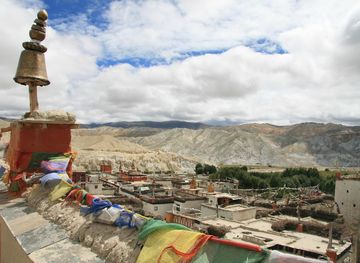
Explore Lumbini Province: Things to Do, Places to Eat, Hotels & More
Handpicked recommendations for top attractions, local dining, accommodations, and more

Top Attractions & Sightseeing in Lumbini Province
Top-rated picks
Best Attractions

Khungai,Nepal
Experience the rich history and tranquil beauty of Khungai, a UNESCO World Heritage site in Nepal's Lumbini Sanskritik.

Koilabas View Tower
Experience the stunning landscapes of Nepal from the Koilabas View Tower, a must-visit tourist attraction for breathtaking vistas and cultural immersion.

The Rapti View
Experience the serene beauty of The Rapti View, a tranquil escape in Gobardiya, Nepal, perfect for nature lovers and adventure seekers alike.

Madhyanagar Suspension Bridge
Discover the breathtaking Madhyanagar Suspension Bridge in Lamahi, Nepal, where adventure meets stunning natural beauty in a serene setting.

Best landmarks in Lumbini Province
Top-rated picks
Best Landmarks

Maya Devi Temple
Explore the Maya Devi Temple in Lumbini, the birthplace of Buddha, rich in history and spirituality, a serene retreat for all travelers and pilgrims.

World Peace Pagoda
Discover serenity at the World Peace Pagoda in Lumbini, a beautiful Buddhist temple symbolizing peace and harmony amidst stunning landscapes.

Birthplace of Gautama Buddha
Explore Lumbini, the serene birthplace of Gautama Buddha, where history, spirituality, and tranquility converge in a breathtaking landscape.
Myanmar Golden Temple
Explore the Myanmar Golden Temple in Lumbini, a breathtaking Buddhist sanctuary that offers peace, beauty, and cultural insight in the heart of Nepal.

Best restaurants in Lumbini Province
Top-rated picks
Best Restaurants
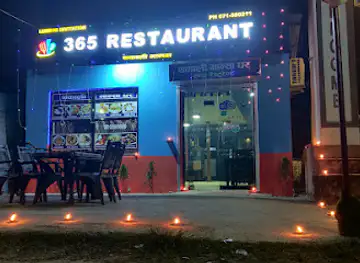
lumbini invitation 365 restaurent
Discover delightful flavors at Lumbini Invitation 365 Restaurant, where family-friendly dining meets authentic culinary experiences in Lumbini.
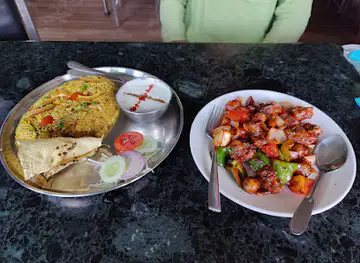
Sat Saheb Pure Vegetarian and vegan Food
Discover the authentic taste of Nepal with pure vegetarian and vegan dishes at Sat Saheb in Lumbini Sanskritik.

The Doko Restaurant & Bar
Experience the essence of Nepali cuisine at The Doko Restaurant & Bar in Lumbini Sanskritik – where every dish tells a story.

Punjabi dhaba lodge and restaurant
Discover authentic Nepali flavors at Punjabi Dhaba Lodge and Restaurant in Lumbini—where every dish tells a story.

Best bars in Lumbini Province
Top-rated picks
Best Bars

Paradiso Pokhara
Experience the lively charm of Paradiso Pokhara, where delicious dining meets vibrant nightlife, nestled in the stunning Lakeside area.

Galaxy Cafe
Discover the flavors of Butwal at Galaxy Cafe, a welcoming restaurant offering a diverse menu of local and international dishes.

The Lavish Lounge and Bar
Discover Butwal's culinary gem at The Lavish Lounge and Bar, where modern dining meets local flavors in a vibrant atmosphere.

Hotel Ananda Inn
Discover the perfect blend of comfort and cuisine at Hotel Ananda Inn, your home away from home in Lumbini.

Best nightclubs in Lumbini Province
Top-rated picks
Best Nightclubs

The Concept Club and Pub
Discover the electrifying nightlife of Butwal at The Concept Club and Pub, where live music and vibrant crowds come together for unforgettable experiences.

Himchuli Dohori Sanjh
Dive into the vibrant nightlife of Butwal at Himchuli Dohori Sanjh, a disco club where music and culture blend for an unforgettable experience.

Club Plan B
Immerse yourself in the bustling nightlife of Butwal at Club Plan B, where music and joy meet in perfect harmony.

Heaven star restro and dance bar
Discover the vibrant nightlife of Siddharthanagar at Heaven Star Restro and Dance Bar, where great food, drinks, and dancing come together.

Best shops in Lumbini Province
Top-rated picks
Best Shops

Maya Devi Temple
Discover the profound spirituality of Maya Devi Temple, the birthplace of Buddha, nestled in the serene gardens of Lumbini, Nepal.

World Peace Pagoda
Discover tranquility and spiritual harmony at the World Peace Pagoda, a breathtaking Buddhist temple in the heart of Lumbini.

Rani Mahal
Discover the enchanting Rani Mahal, a historical landmark in Tansen, Nepal, showcasing exquisite architecture and rich royal heritage amidst stunning natural beauty.

Manimukunda Sen Park
Experience the tranquility of Manimukunda Sen Park in Butwal, a perfect blend of nature, relaxation, and local culture.

Explore Lumbini Province on the Map
A handpicked selection of must-see spots in Lumbini Province, mapped for you.
Lumbini Province Essentials
-
Lumbini Province is accessible primarily via air and road. The closest international airport is Tribhuvan International Airport (TIA) in Kathmandu. From Kathmandu, you can take a domestic flight to Gautam Buddha Airport in Bhairahawa, which is approximately 22 kilometers from Lumbini. Alternatively, you can travel by road; it takes around 7-8 hours by bus or private vehicle from Kathmandu to Lumbini. Direct bus services are also available from other major cities like Pokhara and Chitwan.
-
Within Lumbini Province, local transportation options include buses, taxis, and rickshaws. Buses are the most economical way to travel between towns and cities. Taxis offer more comfort and flexibility but are relatively more expensive. Rickshaws are ideal for short distances within towns. For exploring remote areas, renting a car or a motorbike is recommended. Bicycles are also available for rent, making it a popular way to explore the Lumbini Sacred Garden and surrounding areas.
-
The official currency of Nepal is the Nepalese Rupee (NPR). While major hotels and some restaurants accept credit cards, most local businesses prefer cash. ATMs are available in larger towns like Bhairahawa and Butwal, but it's advisable to carry sufficient cash when visiting rural areas. Currency exchange services are available at the airport, banks, and authorized money exchange counters.
-
Lumbini Province is generally safe for tourists. However, standard precautions should be taken. Petty crimes like pickpocketing can occur in crowded areas, so keep an eye on your belongings. Avoid walking alone at night in poorly lit areas. Be cautious when traveling in remote areas and always inform someone of your plans. There are no specific high-crime areas targeting tourists, but it's always best to stay vigilant.
-
In case of an emergency, dial 100 for police assistance and 102 for medical emergencies. The Lumbini Zonal Hospital in Butwal is the largest medical facility in the province. Smaller clinics and pharmacies can be found in towns and cities. It's advisable to have travel insurance that covers medical emergencies. For minor health issues, over-the-counter medications are available at local pharmacies.
-
Fashion: Do dress modestly, especially when visiting religious sites. Avoid wearing revealing clothing. Religion: Do respect local customs and traditions. Always remove your shoes and cover your head when entering temples. Public Transport: Do be respectful and give up your seat to elderly passengers. Don't eat or drink on public transport. Greetings: Do greet people with a 'Namaste' (hands pressed together) as a sign of respect. Eating & Drinking: Do try local delicacies and accept food offerings graciously. Don't refuse hospitality, as it is considered impolite.
-
To experience Lumbini Province like a local, visit traditional markets where you can buy fresh produce and local handicrafts. Engage with locals, who are often friendly and willing to share stories about their culture and heritage. Don't miss visiting the Lumbini Sacred Garden, the birthplace of Lord Buddha. For a unique experience, attend local festivals and ceremonies. Also, explore the rural villages for a glimpse of traditional Nepali life.
When is the best time to visit Lumbini Province?
Useful Local Phrases for Lumbini Province
You don't need to speak the language perfectly. Even learning a few simple words can make conversations warmer—and locals usually appreciate the effort.
— Eve

Here are the phrases I use most often in Lumbini Province. Try a few—you'll be surprised how far they go! 😊
❤️
-
- Helloनमस्कार
[Namaskaar] - Goodbyeबिदाई
[Bidaai] - Yesहो
[Ho] - Noहोइन
[Hoin] - Please/You're welcomeकृपया
[Kripaya] - Thank youधन्यवाद
[Dhanyabad] - Excuse me/Sorryमाफ गर्नुहोस्
[Maaf garnuhos] - How are you?तपाईंलाई कस्तो छ?
[Tapailai kasto cha?] - Fine. And you?ठिक छ। अनि तपाईं?
[Thik cha. Ani tapaain?] - Do you speak English?के तपाईं अङ्ग्रेजी बोल्नुहुन्छ?
[Ke tapaain angreji bolnuhunchha?] - I don't understandम बुझ्दिन
[Ma bujhdina]
- Helloनमस्कार
-
- I'd like to see the menu, pleaseकृपया मीनू देखाउनुस्
[Kripaya menu dekhaunus] - I don't eat meatम मासु खाँदैन
[Ma maasu khandaina] - Cheers!स salud!
[Sa salud!] - I would like to pay, pleaseकृपया म तिर्न चाहन्छु
[Kripaya ma tirna chahanchu]
- I'd like to see the menu, pleaseकृपया मीनू देखाउनुस्
-
- Help!मदत गर्नुहोस्!
[Madat garnuhos!] - Go away!भग्नुहोस्!
[Bhagnuhos!] - Call the Police!पुलिसलाई फोन गर्नुहोस्!
[Pulislai phone garnuhos!] - Call a doctor!डाक्टरलाई फोन गर्नुहोस्!
[Daktar lai phone garnuhos!] - I'm lostम हराएको छु
[Ma haraeko chhu] - I'm illम बिरामी छु
[Ma biraami chhu]
- Help!मदत गर्नुहोस्!
-
- I'd like to buy...म किन्न चाहन्छु...
[Ma kinna chahanchu...] - I'm just lookingम केवल हेरिरहेको छु
[Ma keval heriraheko chhu] - How much is it?यो कति महँगो छ?
[Yo kati mahango cha?] - That's too expensiveयो धेरै महँगो छ
[Yo dherai mahango cha] - Can you lower the price?के तपाईं मूल्य घटाउन सक्नुहुन्छ?
[Ke tapaain moolya ghautaun saknuhunchha?]
- I'd like to buy...म किन्न चाहन्छु...
-
- What time is it?यो कति बजे हो?
[Yo kati baje ho?] - It's one o'clockयो एक बजेको छ
[Yo ek bajeko cha] - Half past (10)आधा (10)
[Aadha (10)] - Morningबिहान
[Bihan] - Afternoonदिउँसो
[Diuns] - Eveningसाँझ
[Saanjh] - Yesterdayहिजो
[Hijo] - Todayआज
[Aaja] - Tomorrowभोलि
[Bholi] - 1१
[1] - 2२
[2] - 3३
[3] - 4४
[4] - 5५
[5] - 6६
[6] - 7७
[7] - 8८
[8] - 9९
[9] - 10१०
[10]
- What time is it?यो कति बजे हो?
-
- Where's a/the...?कहाँ छ ...?
[Kahaan ch ...?] - What's the address?ठेगाना के हो?
[Thegana ke ho?] - Can you show me (on the map)?के तपाईंले मलाई देखाउन सक्नुहुन्छ (नक्सामा)?
[Ke tapaainle malai dekhaun saknuhunchha (naksama)?] - When's the next (bus)?अर्को (बस) कहिले छ?
[Arko (bus) kahile cha?] - A ticket (to ....)एक टिकट (....को लागि)
[Ek tikat (...ko lagi)]
- Where's a/the...?कहाँ छ ...?
History of Lumbini Province
-
Lumbini Province is globally renowned as the birthplace of Siddhartha Gautama, who later became known as Buddha. This sacred site, located in the Rupandehi District, is marked by the Maya Devi Temple, which dates back to the 3rd century BC. The temple complex also houses the Ashoka Pillar, erected by Emperor Ashoka of India in 249 BC, commemorating his pilgrimage to this holy site.
-
Kapilvastu, also located in Lumbini Province, is an ancient city that served as the capital of the Shakya Kingdom, where Siddhartha Gautama spent his early years. Archaeological excavations have unearthed relics and ruins of ancient palaces, stupas, and monasteries, providing a glimpse into the life and culture of the Shakya people.
-
Emperor Ashoka's influence in Lumbini Province is evident through the numerous stupas and pillars he erected during his reign. His conversion to Buddhism and subsequent pilgrimage to Lumbini played a significant role in spreading Buddhism throughout Asia. The Ashoka Pillar in Lumbini stands as a testament to his devotion and efforts to preserve and promote Buddhist heritage.
-
Tilaurakot, believed to be the ancient city of Kapilvastu, is home to the remains of the royal palace where Siddhartha Gautama spent the first 29 years of his life. Excavations have revealed fortified walls, gates, and various structures, shedding light on the architectural and cultural grandeur of the Shakya Kingdom. The site remains a major attraction for historians and pilgrims alike.
-
In 1978, the Lumbini Development Project was initiated to preserve and develop the Lumbini area as a center of international pilgrimage and tourism. The project, supported by the United Nations, has led to the establishment of the Lumbini International Research Institute, a museum, and numerous monasteries built by Buddhist communities from around the world, enhancing the cultural and historical significance of the region.
-
The Ramagrama Stupa in Lumbini Province is unique as it is the only stupa containing an undisturbed relic of Buddha. Unlike other stupas that were opened and relics distributed, Ramagrama Stupa has remained intact, preserving its original sanctity. This site is revered by Buddhists and is a testament to the enduring legacy of Buddha's teachings.
-
The Tharu community, indigenous to the Terai region of Lumbini Province, has a rich cultural heritage that dates back centuries. Known for their unique traditions, festivals, and vibrant attire, the Tharu people contribute significantly to the cultural mosaic of Lumbini. Their traditional dances, music, and art forms are integral to the province's cultural identity.
Neighbouring Regions of Lumbini Province
The closest regions to Lumbini Province, if you have time for more than one.




Your all‑in‑one travel companion app
Explore expert travel guides, compare and book tours, experiences, hotels, and more—all from the palm of your hand. Download now for seamless trip planning wherever your wanderlust takes you.


Explore More of Nepal

Looking beyond Lumbini Province? Discover Nepal for broader travel guides, local hot-spots, and regional highlights.
Explore NepalLumbini Province in Photos
Browse through our photo collection highlighting the charm and character of the destination.


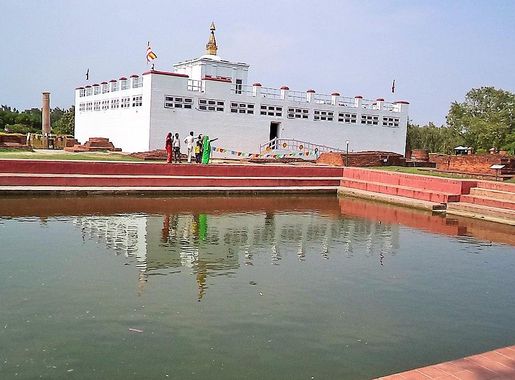


Lumbini Province: The Birthplace of Buddha
Lumbini Province in Nepal is a serene and spiritual destination, best known as the birthplace of Siddhartha Gautama, who later became the Buddha. This sacred land is a UNESCO World Heritage Site, attracting pilgrims and tourists from all over the world. The province is dotted with ancient temples, monasteries, and historical sites that offer a deep dive into the region's rich cultural and spiritual heritage. The Lumbini Garden is the centerpiece of this province, where visitors can explore the Maya Devi Temple, the exact spot where Queen Maya Devi gave birth to Buddha. The Ashoka Pillar, erected by Emperor Ashoka in 249 BC, stands as a testament to the province's ancient history. The garden is also home to numerous monasteries built by Buddhist communities from various countries, each reflecting unique architectural styles and spiritual traditions. Beyond its historical and spiritual significance, Lumbini Province also offers natural beauty and tranquility. The surrounding landscapes are a mix of lush forests, gentle rivers, and traditional villages. The peaceful ambiance makes it an ideal destination for meditation, reflection, and a deeper connection with nature and spirituality.