

Free Sudurpashchim Province Travel Guide & Mobile App
Explore Sudurpashchim Province with free travel guides. Discover regional history, expert tips, proposed trips, and audio guides on web or mobile app.


Explore Sudurpashchim Province for Shuklaphanta’s wildlife, Khaptad’s meadows, Terai wetlands and remote Himalayan landscapes in western Nepal.
Read more about Sudurpashchim Province
When is the best time to visit Sudurpashchim Province?
Best: March–April, October · 22–26°C| Month | High (°C) | Rainfall (mm) |
|---|---|---|
| January | 16 | 10 |
| February | 18 | 20 |
| March (best) | 22 | 25 |
| April (best) | 26 | 30 |
| May | 30 | 35 |
| June | 34 | 40 |
| July | 35 | 45 |
| August | 35 | 40 |
| September | 32 | 35 |
| October (best) | 26 | 30 |
| November | 20 | 25 |
| December | 16 | 20 |
Getting to and around Sudurpashchim Province
How to get there
Transportation
Destinations in Sudurpashchim Province
Resorts, valleys and scenic spots worth a trip of their own.

Swipe for more destinations
Best attractions in Sudurpashchim Province
Sudurpashchim’s attractions range from Terai wetlands and wildlife reserves to high meadows, forested hills and demanding Himalayan trails. Shuklaphanta National Park in Kanchanpur is the province’s principal lowland wildlife destination, with grasslands, sal forest and opportunities for guided observation of birds and mammals, including the park’s well-known swamp deer habitat. Ghodaghodi Lake in Kailali offers a different kind of visit, combining wetland ecology, birdlife and Tharu cultural associations. Khaptad National Park provides walking routes through oak and rhododendron woodland, open alpine meadows and a landscape of religious significance, while Api Nampa Conservation Area in Darchula appeals to experienced trekkers seeking remote mountain scenery. Hill districts add temple circuits, market towns, viewpoints and village trails rather than concentrated resort infrastructure. Dhangadhi and Bhimdatta are useful for museums, markets, food and travel arrangements, but the province’s strongest appeal lies in its varied landscapes and the opportunity to travel between ecological zones. Visitors should expect basic facilities and allow time for road journeys, especially beyond the Terai.
-
National park
Shuklaphanta National Park
Explore the diverse ecosystems of Shuklaphanta National Park, a hidden treasure in Nepal perfect for wildlife lovers and nature enthusiasts.
-
Park
Tikapur Park
Discover the natural beauty of Tikapur Park, a lush oasis in Far Western Nepal, perfect for relaxation, recreation, and family outings.
-
Khaptad National Park
Discover the untouched beauty and rich biodiversity of Khaptad National Park, a tranquil escape in northwest Nepal for nature and adventure lovers.
-
Dhangadhi Fun City Pvt. Ltd
Experience the ultimate adventure at Dhangadhi Fun City, a thrilling water park perfect for family fun and unforgettable memories in Nepal.


Best landmarks in Sudurpashchim Province
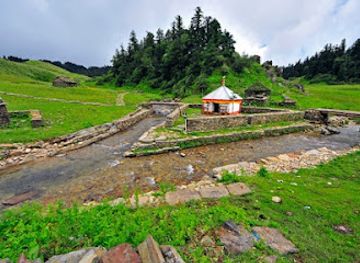
Sudurpashchim’s landmarks express its political history, religious traditions and sharply changing terrain. Dhangadhi’s Kailali district setting and its role as the provincial capital make the city an important contemporary reference point, while the surrounding plains lead towards the wetland landscape of Ghodaghodi Lake. In Kanchanpur, the open grasslands and forest horizons of Shuklaphanta National Park form a natural landmark as well as a protected habitat. Dadeldhura is known for hilltop religious sites including the Ugratara Temple, one of the province’s important pilgrimage landmarks. Baitadi’s temple traditions and Doti’s Shaileshwari Temple at Silgarhi reflect the enduring significance of sacred places in the hill districts. Farther north, the Kali River corridor at Darchula and the mountain landscapes of Api Nampa mark Nepal’s western Himalayan edge. Khaptad’s high meadows and ridge country are both geographical and spiritual landmarks, associated with Khaptad Baba and the wider cultural identity of the far-western hills. These places are often reached by road followed by walking, and their significance is best understood through local context rather than rapid sightseeing.
-
National park
Khaptad National Park
Explore the breathtaking landscapes and rich biodiversity of Khaptad National Park, a serene retreat in the heart of Nepal's Himalayas.
-
Hindu temple
Shree Behada Baba
Experience the rich traditions and spiritual serenity at Shree Behada Baba, a revered Hindu temple and cultural landmark in Kailali, Nepal.
-
Historical landmark
Accham Durbar ( Mangalsen Durbar )
Explore the majestic Accham Durbar, a historical landmark in Mangalsen, Nepal, where royal heritage meets stunning architecture amidst breathtaking landscapes.
-
Nature preserve
Ramaroshan Lake
Experience the serene beauty of Ramaroshan Lake, a hidden natural treasure in the far west of Nepal, perfect for relaxation and exploration.


Explore Sudurpashchim Province on the map
Plan your trip on one map. See where the top cities, national parks and sights are, and book hotels and experiences in a few clicks.
Best hotels in Sudurpashchim Province
Best restaurants in Sudurpashchim Province
Dining in Sudurpashchim reflects the meeting of Nepal’s hill and Terai food cultures. Dhangadhi, Attariya and Bhimdatta have the widest choice, from standard Nepali restaurants serving dal bhat, tarkari, achar and momos to Indian-influenced eateries, cafés and roadside establishments. In the western Terai, Tharu and Rana Tharu food traditions add local preparations based on rice, fish, lentils, seasonal vegetables and grains, while rural areas may offer sel roti, millet or buckwheat dishes, gundruk and sisnu according to season and household tradition. Freshwater fish and locally grown produce are more characteristic of the plains than of the high hills. Restaurants in hill towns tend to be simpler, with dependable staples such as dal bhat, noodles, tea and snacks rather than an elaborate dining scene. Food markets are useful places to observe local produce, but visitors should choose busy establishments with good food turnover and drink treated or sealed water.
-
Restaurant
Hotel Raino
Experience authentic Nepalese cuisine at Hotel Raino in Dhangadhi, where tradition meets taste in every delightful dish.
-
Best dish of chisapani , karnali
Experience authentic Nepali cuisine at Best Dish of Chisapani in Lamki Chuha – where tradition meets taste!
-
Bagmati Momo Center
Discover authentic Nepalese flavors at Bagmati Momo Center in Dhangadhi – home to delicious momos and traditional dishes.
-
Restaurant
View Top Hotel And Restaurant
Experience culinary excellence with breathtaking views at View Top Hotel and Restaurant in Jhalaripipaladi.


Best bars in Sudurpashchim Province
Evening life is concentrated in Dhangadhi, Attariya and Bhimdatta, where cafés, restaurants, hotel lounges and a modest selection of bars provide the main urban options. The province does not have a nationally prominent nightclub circuit, and opening arrangements can change, so nightlife is better understood as town-based socialising than as a destination club scene. Local restaurants and music venues may become busier during festivals and public holidays, while smaller hill headquarters generally settle early and offer tea shops, simple eateries and occasional live music rather than late-night entertainment. Traditional teahouses and food stalls are important social spaces, especially on travel routes. Alcohol is available in licensed establishments, but visitors should follow local sensitivities around religious sites and rural communities and should never drink before driving on difficult mountain roads.
-
Bar
Soch Cafe
Experience the warm ambiance and delightful drinks at Soch Cafe, a perfect retreat in Krishnapur for travelers and locals alike.
-
Wine bar
Dajubhai wine shop
Experience the delightful ambiance and exquisite wine selection at Dajubhai Wine Shop in Dhangadhi, a must-visit for wine lovers.
-
Bar
Red chilly cafe & restaurant
Discover the rich flavors of Dhangadhi at Red Chilly Cafe & Restaurant, where every meal is a celebration of culinary excellence.
-
Bar
पोखरी फास्ट फुड एन्ड रेस्टुरेन्ट
Savor the flavors of Nepal at पोखरी फास्ट फुड एन्ड रेस्टुरेन्ट, where local charm meets delicious fast food in Belauri.


Best nightclubs in Sudurpashchim Province
Evening life is concentrated in Dhangadhi, Attariya and Bhimdatta, where cafés, restaurants, hotel lounges and a modest selection of bars provide the main urban options. The province does not have a nationally prominent nightclub circuit, and opening arrangements can change, so nightlife is better understood as town-based socialising than as a destination club scene. Local restaurants and music venues may become busier during festivals and public holidays, while smaller hill headquarters generally settle early and offer tea shops, simple eateries and occasional live music rather than late-night entertainment. Traditional teahouses and food stalls are important social spaces, especially on travel routes. Alcohol is available in licensed establishments, but visitors should follow local sensitivities around religious sites and rural communities and should never drink before driving on difficult mountain roads.
-
Night club
Angana restro & bar
Dive into the energetic nightlife at Angana Restro & Bar, Tikapur's must-visit night club for cocktails, music, and unforgettable memories.
Best shops in Sudurpashchim Province
Shopping in Sudurpashchim is centred on the markets of Dhangadhi, Attariya and Bhimdatta, with smaller district headquarters providing practical rather than tourist-oriented retail. Visitors will find clothing, household goods, mobile accessories, snacks and Indian-influenced merchandise alongside Nepalese products. The most useful regional purchases are locally produced foods such as spices, tea, honey and dried or packaged mountain products, provided they are bought through reputable sellers and can be carried safely. Tharu and Rana Tharu communities maintain distinctive craft and textile traditions, although availability varies and not every market has a dedicated craft outlet. In the hills, look for locally made woollen goods, woven items and agricultural produce rather than expecting a formal souvenir industry. Weekly markets and roadside stalls can be good places to encounter everyday commerce, but visitors should ask permission before photographing vendors or craft production. Bargaining may occur in informal markets, while fixed prices are more common in established shops.
-
Electronics store
Kiran Electronics & Bijuli Bhandar
Discover the latest in electronics at Kiran Electronics & Bijuli Bhandar in Dipayal Silgadhi, where technology meets local culture.
-
Market
K Darsyu Gaupalika 5 Sedikhola bajhang
Discover the vibrant culture of Sedikhola at K Darsyu Gaupalika, a lively market filled with local crafts and school supplies.
-
Store
Sahastraling trade and supliers
Explore Sahastraling Trade and Suppliers, a vibrant clothing marketplace in Amargadhi, where culture meets commerce in the heart of Nepal.
-
Home goods store
Pant Steel Bhandar
Discover the rich craftsmanship of Amargadhi at Pant Steel Bhandar, where traditional artistry meets modern design in home goods.


Get your free copy of our complete guide to Sudurpashchim Province, delivered straight to you.
Everything on this page, from attractions and restaurants to essentials and local phrases, in one PDF you can read offline, print or share.
Already have an account? Sign in
Your Sudurpashchim Province guide is ready.
We'll send it to · Not you? Sign out

Getting your guide ready…
We are putting together a fresh copy of the Sudurpashchim Province guide. This can take up to a minute.
This can take a few moments. If your browser asks, choose Allow so the download can start. You'll find the guide in your Downloads folder.
Nothing happened? Download it again
Sorry, the guide is taking longer than usual. Please try again in a minute, or get it by email instead.
Sudurpashchim Province essentials
Currency and Payment
Safety
Emergency Situations
Do's and Don'ts
Local Tips
From Eve
Local phrases worth knowing
You don't need to get them perfect. A few words go a long way, and locals appreciate the effort.
Basics
| English | Local | Say it |
|---|---|---|
| Hello | नमस्ते | [Namaste] |
| Goodbye | अलविदा | [Alvida] |
| Yes | हो | [Ho] |
| No | होइन | [Hoin] |
| Please/You're welcome | कृपया | [Kripaya] |
| Thank you | धन्यवाद | [Dhanyabad] |
| Excuse me/Sorry | माफ गर्नुहोस् | [Maaf garnuhos] |
| How are you? | तिमीलाई कस्तो छ? | [Timilai kasto cha?] |
| Fine. And you? | सामान्य। तिमीलाई? | [Samanaya. Timilai?] |
| Do you speak English? | के तपाईलाई अंग्रेजी बोल्न आउँछ? | [Ke tapaailai angreji bolna aauchha?] |
| I don't understand | म बुझ्दिन | [Ma bujhdina] |
Eating & Drinking
| English | Local | Say it |
|---|---|---|
| I'd like to see the menu, please | म मेनु हेर्न चाहन्छु, कृपया | [Ma menu herna chahanchu, kripaya] |
| I don't eat meat | म मांस खाँदिन | [Ma maans khaadina] |
| Cheers! | स salud! | [S salud!] |
| I would like to pay, please | म तिर्न चाहन्छु, कृपया | [Ma tirna chahanchu, kripaya] |
Emergencies
| English | Local | Say it |
|---|---|---|
| Help! | म मद्दतको आवश्यकता छ! | [Ma maddatko aavashyakta cha!] |
| Go away! | फेरि जानुहोस्! | [Pheri jaanuhos!] |
| Call the Police! | पुलिसलाई फोन गर्नुहोस्! | [Pulislai phone garnuhos!] |
| Call a doctor! | डाक्टरलाई फोन गर्नुहोस्! | [Daktaralai phone garnuhos!] |
| I'm lost | म हराएँ | [Ma harae] |
| I'm ill | म बिरामी छु | [Ma birami chu] |
Shopping
| English | Local | Say it |
|---|---|---|
| I'd like to buy... | म किन्न चाहन्छु... | [Ma kinn chahanchu...] |
| I'm just looking | म केवल हेरिरहेको छु | [Ma keval heriraheko chu] |
| How much is it? | यो कति हो? | [Yo kati ho?] |
| That's too expensive | यो धेरै महँगो छ | [Yo dherai mahango cha] |
| Can you lower the price? | के तपाईं मूल्य घटाउन सक्नुहुन्छ? | [Ke tapaain moolya ghatauna saknuhunchha?] |
Time & Numbers
| English | Local | Say it |
|---|---|---|
| What time is it? | यो कति बजेको छ? | [Yo kati bajeko cha?] |
| It's one o'clock | यो एक बजेको छ | [Yo ek bajeko cha] |
| Half past (10) | साढे (10) | [SaaDhe (10)] |
| Morning | बिहान | [Bihan] |
| Afternoon | दिउँसो | [DiuNso] |
| Evening | साँझ | [Saanjh] |
| Yesterday | हिजो | [Hijo] |
| Today | आज | [Aaja] |
| Tomorrow | भोली | [Bholi] |
| 1 | १ | [1] |
| 2 | २ | [2] |
| 3 | ३ | [3] |
| 4 | ४ | [4] |
| 5 | ५ | [5] |
| 6 | ६ | [6] |
| 7 | ७ | [7] |
| 8 | ८ | [8] |
| 9 | ९ | [9] |
| 10 | १० | [10] |
Transport & Directions
| English | Local | Say it |
|---|---|---|
| Where's a/the...? | कहाँ छ ...? | [Kahaan cha ...?] |
| What's the address? | ठेगाना के हो? | [Thegana ke ho?] |
| Can you show me (on the map)? | के तपाईं मलाई देखाउन सक्नुहुन्छ (नक्सामा)? | [Ke tapaain malai dekhauna saknuhunchha (naksama)?] |
| When's the next (bus)? | अर्को (बस) कहिले आउँछ? | [Arko (bus) kahile aauchha?] |
| A ticket (to ....) | एक टिकट (लाई ....) | [Ek ticket (lai ....)] |
History of Sudurpashchim Province
Early settlement and the Terai’s Tharu heritage
The southern plain of present-day Sudurpashchim has long been shaped by Tharu communities, whose settlements developed around farming, fishing, forests and wetlands. Rana Tharu communities are particularly associated with the western Terai, including Kanchanpur and neighbouring areas. Seasonal rhythms, local building traditions, rice cultivation and foods based on fish, grains and forest produce remain important parts of the region’s cultural landscape. The Terai’s malarial environment historically limited large-scale settlement by outsiders, while indigenous communities developed detailed knowledge of its rivers, grasslands and forests.
The medieval Doti kingdom
The hill country of far-western Nepal was associated with the medieval Doti kingdom, one of the important polities of the western Himalayan region. Doti’s influence extended across parts of what are now Doti, Dadeldhura, Baitadi, Bajura and neighbouring hill districts. The kingdom’s legacy survives in local historical traditions, temple networks, place names and the cultural importance of Doteli language and identity. Silgarhi, the headquarters of Doti, remains a significant administrative and cultural centre, although modern provincial boundaries differ from those of the historic kingdom.
Hill trade and Himalayan pilgrimage routes
For centuries, routes through Baitadi, Bajhang and Darchula connected hill settlements with the plains and, farther north, with trading areas near the Tibetan plateau. Porters, herders, pilgrims and merchants moved salt, grain, wool and other goods through difficult mountain terrain. The Kali River corridor around Darchula was especially important for movement towards the high Himalaya, while temple journeys linked communities across the hills. Modern roads have altered these patterns, but older trails, seasonal markets and pilgrimage traditions still reveal the province’s role as a frontier between the plains and the mountains.
Gorkha expansion and incorporation into Nepal
The expansion of the Gorkha state in the late eighteenth century brought the western hill kingdoms into the political formation that became modern Nepal. The process changed local systems of authority and connected the far-western hills more closely with Kathmandu’s administration. The Anglo-Nepalese War and the Treaty of Sugauli in 1816 subsequently reshaped Nepal’s western frontier, with territory in the western Terai ceded to the British East India Company. These political changes established many of the territorial conditions from which the modern districts of Sudurpashchim developed.
The Naya Muluk and the return of western Terai lands
After Nepal supported the British during the 1857 uprising in northern India, the 1860 Treaty of Segowli, commonly associated with the Naya Muluk settlement, returned parts of the western Terai to Nepal. The returned territory included areas corresponding broadly to present-day Banke, Bardiya, Kailali and Kanchanpur, although later administrative changes altered district boundaries. This history helps explain the distinctive cultural and political connections of the western Terai, where Nepali communities live alongside Tharu and Rana Tharu populations and maintain close links across the India border.
Forest clearance, migration and modern development
During the twentieth century, malaria-control programmes and improved infrastructure made the western Terai more accessible for settlement and cultivation. Migration from the hills transformed towns such as Dhangadhi and Mahendranagar, while roads and the East-West Highway strengthened links with central Nepal and India. The same period brought pressure on forests and wetlands, prompting the creation of protected areas including Shuklaphanta National Park and conservation initiatives around Ghodaghodi Lake. Today, the province combines expanding urban centres with rural economies, protected habitats and hill districts where remoteness still shapes daily life.
Sudurpashchim Province in federal Nepal
Nepal’s transition to a federal republic created the province now known as Sudurpashchim, with Dhangadhi as its capital. The provincial structure brought together the nine districts of Kailali, Kanchanpur, Dadeldhura, Doti, Bajura, Bajhang, Achham, Darchula and Baitadi. The arrangement reflects the region’s broad ecological range but also presents practical challenges: the provincial capital lies in the Terai, while many northern communities are separated by difficult roads and mountainous terrain. Federalism has therefore intensified discussions about balanced infrastructure, public services, conservation and regional connection.
Sudurpashchim Province in Photos
Browse through our photo collection highlighting the charm and character of the destination.
Neighbouring regions of Sudurpashchim Province
The closest regions to Sudurpashchim Province, if you have time for more than one.
-

-

-

-

-


Swipe for more regions
Explore more

Explore more of Nepal
Discover Nepal: A land of towering peaks, spiritual harmony, and vibrant culture, offering endless adventures and serene escapes for every traveler.
Explore Nepal