

Free Haarlem Travel Guide & Mobile App
Plan your Haarlem trip with Evendo. Get free guides to top attractions, restaurants, hotels, and bars. Web access or download the mobile app.


Haarlem blends Golden Age architecture, world-class art at the Frans Hals Museum, lively markets and easy access to dunes, beaches and the Dutch coast.
A Historic City of Canals and Courtyards
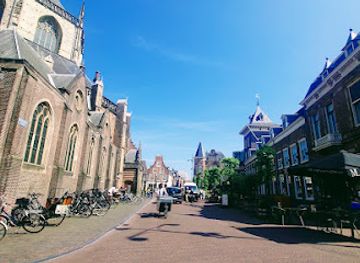
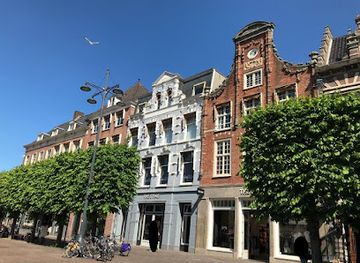
Haarlem lies west of Amsterdam, close to the North Sea dunes and the broad beaches of Zuid-Kennemerland. Its compact centre is shaped by centuries of prosperity as a textile, brewing and trading town, with cobbled streets, quiet hofjes, canal-side houses and the immense Grote Kerk rising above the Markt. The city rewards slow exploration: ornate façades line streets such as the Oude Groenmarkt and Warmoesstraat, while the Spaarne provides a changing backdrop of bridges, houseboats and historic merchant buildings.Read more about Haarlem
Art, Architecture and Local Life
Gateway to Dunes and Coast
When is the best time to visit Haarlem?
Best: June–August · 21–24°C| Month | High (°C) | Rainfall (mm) |
|---|---|---|
| January | 7 | 55 |
| February | 7 | 45 |
| March | 9 | 35 |
| April | 13 | 25 |
| May | 17 | 15 |
| June (best) | 21 | 10 |
| July (best) | 24 | 15 |
| August (best) | 23 | 20 |
| September | 20 | 25 |
| October | 16 | 35 |
| November | 11 | 45 |
| December | 7 | 55 |
Getting to and around Haarlem
How to get there
Transportation
Best attractions in Haarlem
Haarlem's compact centre brings major attractions within an easy walking circuit. The Grote Kerk dominates the Grote Markt, while the Frans Hals Museum presents the city's Golden Age artistic tradition across historic locations, including works by Frans Hals and his contemporaries. Teylers Museum, housed in an eighteenth-century building beside the Spaarne, combines scientific instruments, fossils, drawings and paintings in an unusually atmospheric setting. The Museum Haarlem introduces local history, and the Amsterdamse Poort offers a surviving glimpse of the medieval city's gateways. Hofjes such as the Begijnhof and Hofje van Bakenes reveal a quieter side of urban history through enclosed courtyards and almshouse architecture. Along the river, former warehouses, bridges and houseboats create a rewarding waterside walk, while the nearby Zuid-Kennemerland dunes provide walking and cycling among woodland, heath and coastal habitats.
-
National park
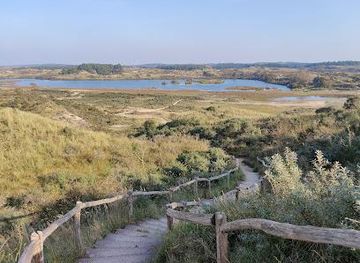
Zuid-Kennemerland National Park
Explore the diverse landscapes and wildlife of Zuid-Kennemerland National Park, a serene escape for nature lovers and outdoor enthusiasts in the Netherlands.
10 min drive · 3.5 km from city centre
-
Art museum
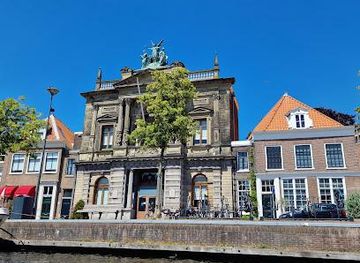
Teylers Museum
Explore Teylers Museum, Haarlem's cultural gem, showcasing art, science, and history in a stunning 18th-century setting.
3 min walk · 0.2 km from city centre
-
Protestant church
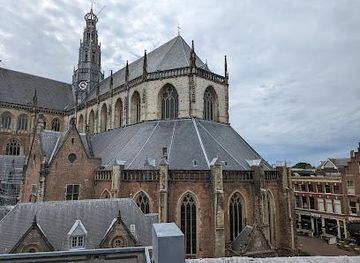
The St. Bavo Church in Haarlem
Discover the architectural beauty and rich history of St. Bavo Church, a cultural landmark in the heart of Haarlem, Netherlands.
1 min walk · 0.1 km from city centre
-
Art museum
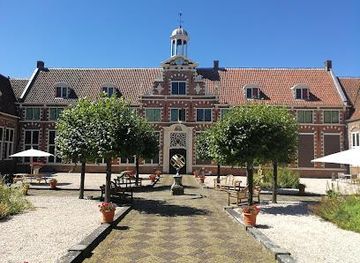
Frans Hals Museum
Discover the artistic brilliance of the Dutch Golden Age at the Frans Hals Museum in Haarlem, a cultural treasure trove of paintings and historical exhibitions.
7 min walk · 0.5 km from city centre
Best landmarks in Haarlem
The Grote Kerk of St Bavo is Haarlem's defining landmark, a large Gothic church whose tower and interior dominate the Grote Markt; its famous Müller organ is closely associated with the building's musical history. The Amsterdamse Poort, dating from the medieval period and rebuilt in later centuries, is the only surviving city gate of Haarlem's former defensive circuit. Along the Spaarne, the Waag and historic merchant houses recall the river's commercial importance, while the Haarlem railway station presents a celebrated early twentieth-century design decorated with Art Nouveau and Jugendstil details. Teylers Museum is significant not only for its collections but also for its preserved eighteenth-century Oval Room, an early purpose-built museum interior. The city's hofjes, including the Begijnhof and Hofje van Bakenes, embody a tradition of charitable housing and enclosed urban courtyards that has shaped Haarlem's architectural identity.
-
 Art museum
Teylers Museum
Explore the oldest museum in the Netherlands, Teylers Museum in Haarlem, where art, science, and history come together in a stunning architectural masterpiece.
3 min walk · 0.2 km from city centre
-
Protestant church
The St. Bavo Church in Haarlem
Discover the rich history and stunning architecture of St. Bavo Church, a must-see Protestant landmark in the heart of Haarlem.
1 min walk · 0.1 km from city centre
-
Art museum
Frans Hals Museum
Experience the brilliance of Dutch art at the Frans Hals Museum in Haarlem, showcasing the masterpieces of the Golden Age and beyond.
7 min walk · 0.5 km from city centre
-
Concert hall
Philharmonie Haarlem
Discover the enchanting world of music and culture at Philharmonie Haarlem, a premier concert hall and event venue in the heart of the Netherlands.
2 min walk · 0.1 km from city centre


Explore Haarlem on the map
Plan your Haarlem trip on one map. See where the top attractions, landmarks, restaurants, bars and hotels are, find what's near where you're staying, and book hotels and experiences in a few clicks.
Best hotels in Haarlem
Best restaurants in Haarlem
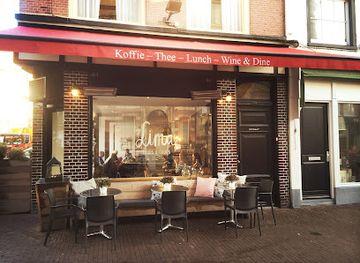
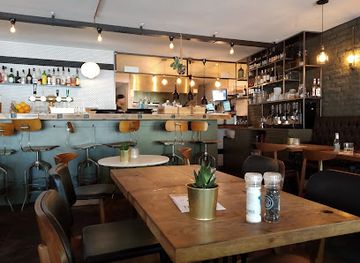
Haarlem's dining scene combines Dutch café culture with an increasingly international range of restaurants, concentrated around the Grote Markt, Oude Groenmarkt, Kleine Houtstraat and streets beside the Spaarne. Traditional cafés serve coffee, cakes, sandwiches and borrelhapjes, the small savoury snacks associated with Dutch drinks culture, while bakeries and market stalls provide bread, cheese, herring when in season and other familiar Dutch foods. Regional produce from North Holland appears alongside Indonesian, Mediterranean, Surinamese and contemporary European cooking, reflecting the Netherlands' trading history and diverse population. The Saturday market on the Grote Markt is useful for seeing local food habits rather than simply dining out, with produce, cheese, fish and prepared foods changing with the season. Independent restaurants and waterside terraces give the city a more intimate dining character than Amsterdam's larger central districts.
-
Irish pub
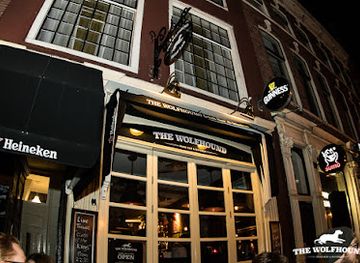
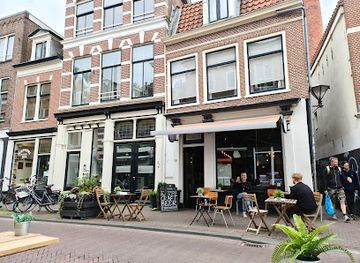
The Wolfhound Irish Bar & Kitchen
Discover authentic Irish cuisine and exceptional hospitality at The Wolfhound Irish Bar & Kitchen in Haarlem.
1 min walk · 0.1 km from city centre
-
Health Food
by LIMA
Experience the vibrant flavors of vegan cuisine at by LIMA in Haarlem - your go-to spot for healthy breakfasts and brunches.
3 min walk · 0.3 km from city centre
-
Steak
Steakhouse Wilma & Albèrt's
Experience the best steaks in Haarlem at Steakhouse Wilma & Albèrt's—where flavor meets tradition in a cozy setting.
1 min walk · 0.1 km from city centre
-
Hamburger
Thrill Grill
Discover the ultimate burger experience at Thrill Grill in Haarlem - where quality meets flavor in every bite.
1 min walk · 0.1 km from city centre


Best bars in Haarlem
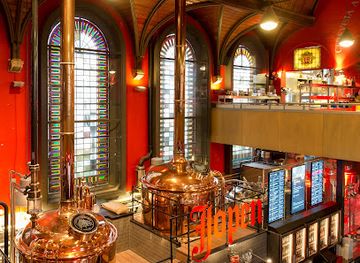
Haarlem's evening life is concentrated around the Grote Markt, Oude Groenmarkt, Botermarkt and the lanes leading towards the Spaarne. Brown cafés provide a traditional Dutch setting for beer, conversation and borrelhapjes, while newer bars offer cocktails, wines and locally brewed beers in historic premises. The city has a strong live-music tradition, with venues such as Patronaat hosting concerts and club nights, and Philharmonie Haarlem presenting performances ranging from classical music to contemporary programmes. Smaller venues and theatres create a cultural alternative to late-night clubbing, and summer evenings often bring outdoor activity around the central squares. Haarlem's nightlife is active without the scale of Amsterdam's, with many evening experiences beginning around dinner and drinks rather than continuing until dawn. Visitors should check current programming and transport arrangements for events outside the centre.
-
Brewery
Jopen
Explore Jopen Brewery in Haarlem for a unique blend of craft beer, delicious food, and a vibrant atmosphere in the heart of the Netherlands.
6 min walk · 0.5 km from city centre
-
Irish pub
The Wolfhound Irish Bar & Kitchen
Discover The Wolfhound Irish Bar & Kitchen in Haarlem: A vibrant Irish pub offering a delightful fusion of authentic cuisine, drinks, and a lively atmosphere.
1 min walk · 0.1 km from city centre
-
Bar
Uiltje Bar
Discover the vibrant atmosphere and diverse craft beer selection at Uiltje Bar in Haarlem, where every sip tells a story.
6 min walk · 0.5 km from city centre
-
Pub
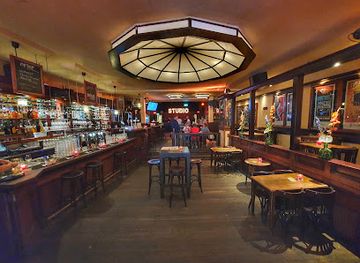
Café Studio
Discover the vibrant atmosphere of Café Studio in Haarlem, where delicious food and drinks meet Dutch hospitality in a cozy pub setting.
1 min walk · 0.1 km from city centre
Best nightclubs in Haarlem
Haarlem's evening life is concentrated around the Grote Markt, Oude Groenmarkt, Botermarkt and the lanes leading towards the Spaarne. Brown cafés provide a traditional Dutch setting for beer, conversation and borrelhapjes, while newer bars offer cocktails, wines and locally brewed beers in historic premises. The city has a strong live-music tradition, with venues such as Patronaat hosting concerts and club nights, and Philharmonie Haarlem presenting performances ranging from classical music to contemporary programmes. Smaller venues and theatres create a cultural alternative to late-night clubbing, and summer evenings often bring outdoor activity around the central squares. Haarlem's nightlife is active without the scale of Amsterdam's, with many evening experiences beginning around dinner and drinks rather than continuing until dawn. Visitors should check current programming and transport arrangements for events outside the centre.
-
Bar
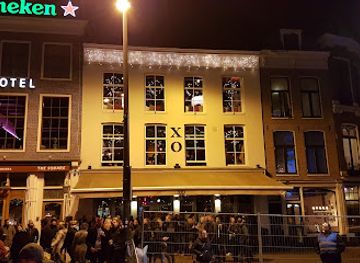
Café XO
Discover the charm of Café XO in Haarlem, where great drinks, delicious bites, and a warm atmosphere await every visitor.
1 min walk · 0.1 km from city centre
-
Cocktail bar
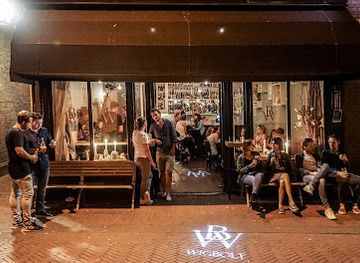
Bar Wigbolt
Discover the vibrant nightlife at Bar Wigbolt, Haarlem's premier cocktail bar offering innovative drinks and a cozy atmosphere.
2 min walk · 0.1 km from city centre
-
Bar
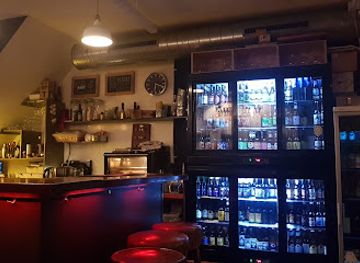
Lokaal - Dutch Beer Bar
Experience the vibrant Dutch beer culture at Lokaal, a cozy bar in Haarlem offering a diverse selection of local brews and snacks.
3 min walk · 0.2 km from city centre
-
Cocktail bar
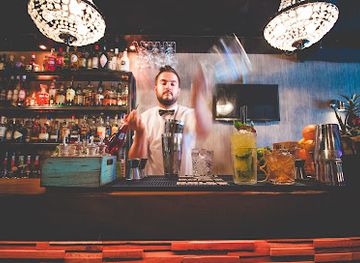
Bar Number 5
Discover the vibrant nightlife of Haarlem at Bar Number 5, where expertly crafted cocktails and a stylish atmosphere await.
1 min walk · 0.1 km from city centre
Best shops in Haarlem
Haarlem's shopping streets spread from the Grote Markt through the Gouden Straatjes, a group of small central streets known for independent shops, boutiques, cafés and specialist retailers. The Kleine Houtstraat, Warmoesstraat and Zijlstraat have a more individual character than a conventional shopping centre, with fashion, design, books, antiques and locally made goods appearing among historic façades. The Grote Markt hosts regular markets where visitors may find flowers, fruit, vegetables, cheese, fish and prepared foods, while the Botermarkt also has a long market tradition. Dutch provisions such as cheese, liquorice, stroopwafels and chocolate make practical food gifts, and small galleries and design shops offer alternatives to mass-produced souvenirs. Retail hours can vary, especially on Sundays and around public holidays, so the atmosphere is often as important as a particular purchase.
-
Shopping mall
Schalkwijk Shopping Center
Explore Schalkwijk Shopping Center: Haarlem's premier destination for shopping and dining with a vibrant atmosphere and diverse stores.
8 min drive · 2.7 km from city centre
-
Gift shop
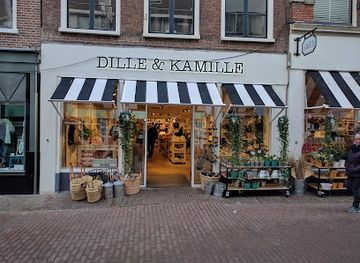
Dille & Kamille - Haarlem
Explore Dille & Kamille in Haarlem for unique gifts, home essentials, and a delightful shopping experience blending Dutch style and charm.
2 min walk · 0.1 km from city centre
-
Clothing store
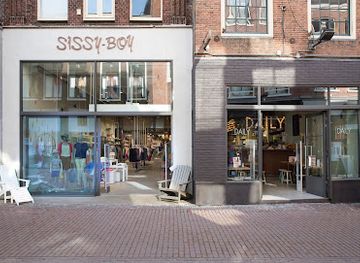
Sissy-Boy
Discover Sissy-Boy in Haarlem, where fashion meets creativity for men, women, and children in a vibrant shopping experience.
2 min walk · 0.2 km from city centre
-
Clothing store
THE STING
Discover modern fashion at The Sting, a stylish clothing store in Haarlem offering a variety of apparel and accessories to elevate your wardrobe.
1 min walk · 0.1 km from city centre

Get your free copy of our complete guide to Haarlem, delivered straight to you.
Everything on this page, from attractions and restaurants to essentials and local phrases, in one PDF you can read offline, print or share.
Already have an account? Sign in
Your Haarlem guide is ready.
We'll send it to · Not you? Sign out

Getting your guide ready…
We are putting together a fresh copy of the Haarlem guide. This can take up to a minute.
This can take a few moments. If your browser asks, choose Allow so the download can start. You'll find the guide in your Downloads folder.
Nothing happened? Download it again
Sorry, the guide is taking longer than usual. Please try again in a minute, or get it by email instead.
Haarlem essentials
Currency and Payment
Safety
Emergency Situations
Do's and Don'ts
Local Tips
From Eve
Local phrases worth knowing
You don't need to get them perfect. A few words go a long way, and locals appreciate the effort.
Basics
| English | Local | Say it |
|---|---|---|
| Hello | Hallo | [ha-lo] |
| Goodbye | Tot ziens | [tot zeens] |
| Yes | Ja | [ya] |
| No | Nee | [nee] |
| Please/You're welcome | Alstublieft | [al-stu-bleeft] |
| Thank you | Dank je | [dank yuh] |
| Excuse me/Sorry | Sorry | [so-ree] |
| How are you? | Hoe gaat het met jou? | [hu gaht het met yow] |
| Fine. And you? | Goed. En met jou? | [ghoot. en met yow] |
| Do you speak English? | Spreek je Engels? | [sprayk yuh eng-els] |
| I don't understand | Ik begrijp het niet | [ik buh-greyp het neet] |
Eating & Drinking
| English | Local | Say it |
|---|---|---|
| I'd like to see the menu, please | Ik wil graag de menukaart zien, alsjeblieft | [ik wil graahg duh me-nu-kart zeen, ahl-sjuh-bleeft] |
| I don't eat meat | Ik eet geen vlees | [ik eet khayn vleys] |
| Cheers! | Proost! | [prohst] |
| I would like to pay, please | Ik wil graag betalen, alsjeblieft | [ik wil graahg buh-tah-lun, ahl-sjuh-bleeft] |
Emergencies
| English | Local | Say it |
|---|---|---|
| Help! | Help! | [help] |
| Go away! | Ga weg! | [ga weg] |
| Call the Police! | Bel de politie! | [bel duh puh-lee-see] |
| Call a doctor! | Bel een dokter! | [bel ain dok-ter] |
| I'm lost | Ik ben verdwaald | [ik ben fur-dwahld] |
| I'm ill | Ik ben ziek | [ik ben zik] |
Shopping
| English | Local | Say it |
|---|---|---|
| I'd like to buy... | Ik wil graag kopen... | [ik wil graahg koh-pun] |
| I'm just looking | Ik kijk alleen maar | [ik kayk a-layn maar] |
| How much is it? | Hoeveel kost het? | [hu-vale kost het] |
| That's too expensive | Dat is te duur | [dat is tuh dur] |
| Can you lower the price? | Kunt u de prijs verlagen? | [kunt u duh prays fur-lah-gun] |
Time & Numbers
| English | Local | Say it |
|---|---|---|
| What time is it? | Hoe laat is het? | [hu laht is het] |
| It's one o'clock | Het is één uur | [het is ayn ur] |
| Half past (10) | Half elf | [hahlf elf] |
| Morning | Ochtend | [ohk-tuhnt] |
| Afternoon | Middag | [mid-dahkh] |
| Evening | Avond | [ah-vohnt] |
| Yesterday | Gisteren | [khis-tuh-run] |
| Today | Vandaag | [vahn-dahkh] |
| Tomorrow | Morgen | [mohr-khun] |
| 1 | Een | [ayn] |
| 2 | Twee | [tway] |
| 3 | Drie | [dree] |
| 4 | Vier | [veer] |
| 5 | Vijf | [vayf] |
| 6 | Zes | [zehs] |
| 7 | Zeven | [zay-ven] |
| 8 | Acht | [ahkht] |
| 9 | Negen | [nay-khun] |
| 10 | Tien | [teen] |
Transport & Directions
| English | Local | Say it |
|---|---|---|
| Where's a/the...? | Waar is een/de...? | [vahr is ain/deh] |
| What's the address? | Wat is het adres? | [wat is het ah-dres] |
| Can you show me (on the map)? | Kunt u mij laten zien (op de kaart)? | [kunt u may laa-tun zeen (op duh kart)] |
| When's the next (bus)? | Wanneer is de volgende (bus)? | [vahn-air is duh vol-hen-duh (bus)] |
| A ticket (to ....) | Een kaartje (naar ....) | [ayn kart-yuh (nar)] |
History of Haarlem
Early Settlement and City Rights
Haarlem developed on a sandy coastal spur beside the Spaarne, in a landscape shaped by dunes, peat and waterways. The settlement was established by the Middle Ages and received city rights from Count Willem II of Holland in 1245, giving it a stronger legal and commercial position within the county. Its location connected inland routes with the waterway towards the IJ and the North Sea. Medieval Haarlem expanded around churches, markets and craft districts, while the first defensive works marked the limits of the growing town. The surviving street plan of the central area still reflects this medieval foundation, although most visible buildings belong to later periods.
Trade, Brewing and Urban Growth
During the late Middle Ages and early modern period, Haarlem prospered through brewing, textile production, shipbuilding and trade. The Spaarne served as an important transport route, and the town's markets drew goods from the surrounding countryside and wider Holland. Haarlem also became known for linen and damask production, industries that employed substantial numbers of workers and encouraged migration. Religious institutions, civic buildings and charitable hofjes shaped the urban fabric, providing housing and care for selected residents. Economic fortunes fluctuated, but the combination of waterborne commerce, skilled manufacturing and access to regional markets established the foundations for Haarlem's later cultural prominence.
The Siege of 1572–1573
Haarlem was drawn into the Dutch Revolt against Spanish rule, a conflict intensified by religious and political divisions. From December 1572 to July 1573, Spanish forces besieged the city after it sided with the revolt. The resistance, associated in later accounts with Kenau Simonsdochter Hasselaer and the city's defenders, ended in surrender and severe reprisals. Although the revolt continued elsewhere, the siege left a lasting mark on Haarlem's historical memory. The episode also formed part of the wider struggle that eventually created the Dutch Republic. Haarlem's later prosperity therefore emerged from a period of profound upheaval and contested allegiance.
Golden Age Art and Civic Culture
The seventeenth century brought renewed prosperity, population growth and cultural achievement. Haarlem's painters included Frans Hals, known for lively portraits and group compositions, as well as landscape and still-life artists who helped define the Dutch Golden Age. The city attracted scholars, printers and skilled migrants, including Flemish textile workers. Civic organisations commissioned portraits and public works, expressing the importance of guilds, charitable institutions and militia companies. Many of the elegant canal houses and civic structures associated with Haarlem's historic character date from this era or were remodelled during it. The period also strengthened the city's identity as both a commercial centre and an artistic community.
Industry, Railways and Modernisation
Haarlem's economy changed during the eighteenth and nineteenth centuries as traditional brewing and textile industries declined and new forms of transport and manufacturing emerged. The arrival of the railway in 1839 connected Haarlem with Amsterdam and further national networks; the city's station was later rebuilt in the distinctive Art Nouveau style that survives today. Industrial activity developed along the Spaarne, while urban expansion carried housing beyond the old walls. The nineteenth century also saw renewed interest in heritage, museums and public collections. This combination of modern infrastructure and careful preservation helped retain the historic centre while allowing Haarlem to grow as a regional city.
From Flower Trade to Contemporary Haarlem
In the twentieth century Haarlem became increasingly connected to the wider Amsterdam region while retaining its own institutions, neighbourhoods and cultural life. The surrounding bulb-growing districts supported a major flower trade, and the city's position between Amsterdam and the coast reinforced its role as a residential and visitor centre. Wartime occupation during the Second World War affected Haarlem, as it did the Netherlands, leaving memories associated with resistance, persecution and loss. Post-war housing expanded beyond the old centre, but restoration preserved many historic streets, hofjes and public buildings. Today, museums, independent businesses, education and coastal access sustain a city where medieval structure and contemporary life remain closely interwoven.
Travel experiences inspired by this city


Swipe for more travel diaries
Haarlem in Photos
Browse through our photo collection highlighting the charm and character of the destination.
Cities near Haarlem
The closest cities to Haarlem, if you have time for more than one stop.
-

-

-

-

-


Swipe for more cities
Explore more

Explore more of Netherlands
Discover the Netherlands: A blend of historic charm, artistic treasures, and scenic landscapes, perfect for an enriching travel experience.
Explore Netherlands