

Lake Winnipesaukee Travel Guide - Free Web & App
Your ultimate guide to Lake Winnipesaukee. Discover top landmarks, proposed trips, and local tips. Free on the web or via the Evendo companion app.


Lake Winnipesaukee in New Hampshire offers island cruises, mountain hikes, historic lake towns, beaches and four-season outdoor adventures in New England.
A Broad Inland Lake
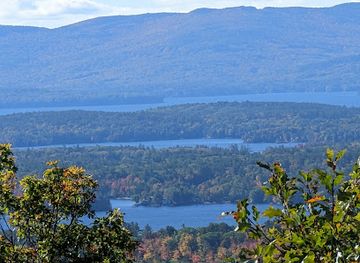
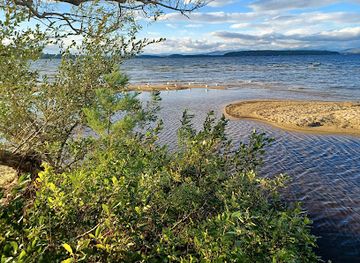
Lake Winnipesaukee occupies the centre of New Hampshire’s Lakes Region, spreading across roughly 72 square miles between the foothills of the White Mountains and the state’s southern uplands. Its deeply indented shoreline, wooded peninsulas and numerous islands create a varied landscape that changes character from the broad western basin near Meredith to the quieter coves around Moultonborough, Tuftonboro and Alton. The lake is the largest in New Hampshire and is fed and drained through a network of rivers and smaller lakes.Read more about Lake Winnipesaukee
Shore Towns and Island Waters
Mountains, Estates and Seasonal Life
When is the best time to visit Lake Winnipesaukee?
Best: June, August–September · 21–26°C| Month | High (°C) | Rainfall (mm) |
|---|---|---|
| January | -1 | 60 |
| February | -1 | 53 |
| March | 6 | 75 |
| April | 14 | 83 |
| May | 20 | 91 |
| June (best) | 25 | 99 |
| July | 28 | 105 |
| August (best) | 26 | 99 |
| September (best) | 21 | 91 |
| October | 16 | 89 |
| November | 8 | 88 |
| December | 1 | 76 |
Getting to and around Lake Winnipesaukee
How to get there
Transportation
Best attractions in Lake Winnipesaukee
Lake Winnipesaukee’s attractions are distributed around its broad, irregular shoreline rather than concentrated in one centre. Meredith provides waterfront walks, boat access and views across the western basin, while Wolfeboro combines a historic resort setting with marinas, public waterfront areas and the character of a long-established summer town. Laconia’s Weirs Beach is associated with seasonal recreation, lakeside entertainment and access to cruises. Mount Major near Alton Bay is a popular hiking destination with elevated views over the lake, and the Castle in the Clouds estate in Moultonborough brings together a historic house, gardens, woodland paths and mountain scenery above the shore. Visitors can explore the lake by permitted boat, cruise or kayak arrangement, although conditions and access vary. The surrounding towns, forests, coves and islands are as important to the experience as any single attraction, and the best way to appreciate the region is to combine shoreline visits with time on the water or in the nearby hills.
-
Tourist attraction
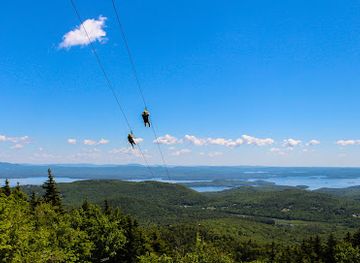
Gunstock Mountain Resort
Explore Gunstock Mountain Resort, a year-round adventure destination in New Hampshire offering skiing, hiking, ziplining, and stunning natural beauty.
-
Boat tour agency
Mount Washington Cruises
Explore the breathtaking landscapes of New Hampshire aboard Mount Washington Cruises, where scenic beauty and delightful dining come together for an unforgettable experience.
-
Historical place museum
Castle in the Clouds
Explore the enchanting Castle in the Clouds, a historic estate offering breathtaking views, beautiful gardens, and unique hiking opportunities in New Hampshire.
-
Tourist attraction
Weirs Beach
Explore Weirs Beach, a stunning lakeside retreat in Laconia, NH, offering beautiful beaches, recreational activities, and local dining experiences.
Best landmarks in Lake Winnipesaukee
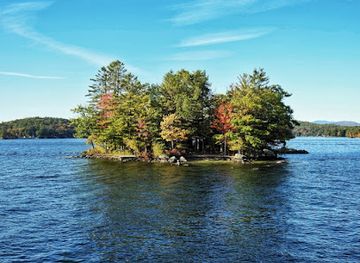
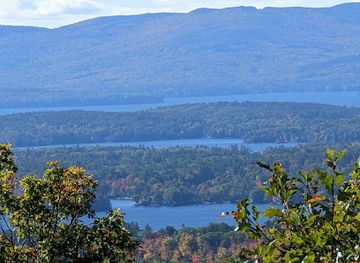
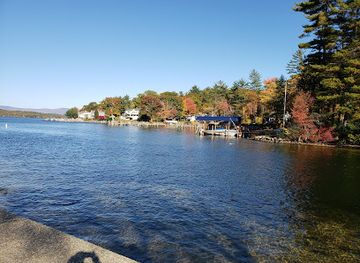
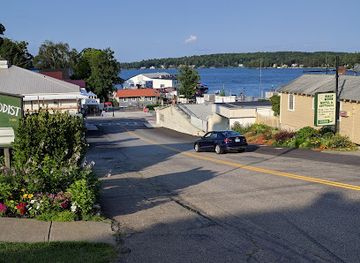
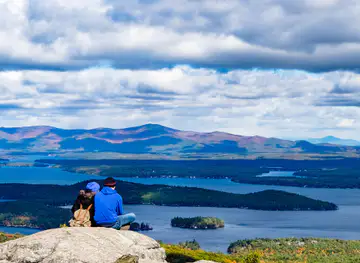
The defining landmark of Lake Winnipesaukee is the lake itself: a glacially shaped sheet of water broken by bays, peninsulas and numerous islands, with the Belknap and Ossipee Mountains forming a changing backdrop. Mount Major is a prominent natural viewpoint above the southern shore, while the lake’s broad western waters are especially visible from Meredith and its waterfront. Weirs Beach is a historic focus of seasonal recreation, and Wolfeboro’s older streets and shorefront reflect the development of nineteenth-century lake tourism. The Castle in the Clouds estate, high above Moultonborough, is a significant architectural and cultural landmark associated with the region’s era of grand summer residences. Historic village buildings, former mill sites and old landing places around the lake help explain how transport, industry and leisure shaped the communities that now frame the water.
-
Historical place museum
Castle in the Clouds
Explore the majestic Castle in the Clouds, a historical gem in New Hampshire offering breathtaking views, hiking trails, and a rich cultural experience.
-
State park
Ellacoya State Park
Experience the natural beauty and recreational activities of Ellacoya State Park, a lakeside paradise perfect for families and outdoor enthusiasts.
-
State park
Endicott Rock State Historic Site
Explore the serene beauty and rich history of Endicott Rock State Historic Site in Laconia, New Hampshire, a perfect blend of nature and heritage.

Explore Lake Winnipesaukee on the map
Plan your trip on one map. See where the top attractions, landmarks, restaurants and hotels are, and book hotels and experiences in a few clicks.
Best hotels in Lake Winnipesaukee
Best restaurants in Lake Winnipesaukee
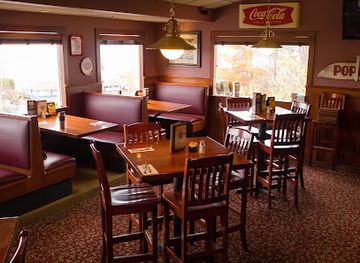
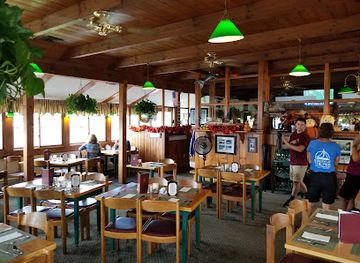
Dining around Lake Winnipesaukee reflects the area’s mixture of working communities, summer tourism and New England rural traditions. Restaurants, cafés, bakeries, pubs and ice-cream shops are concentrated in Meredith, Wolfeboro, Laconia, Gilford, Alton and other lakeside settlements, while more isolated coves and islands have few or no independent food facilities. Menus commonly draw on American and New England cooking, with seasonal produce, freshwater and coastal seafood, burgers, baked goods and locally made beer or cider appearing alongside contemporary regional dishes. Farm stands and small food producers in the wider Lakes Region can add local character to a self-catering stay, though opening patterns may be seasonal. Visitors spending a full day on the water or on a mountain trail should plan provisions in advance, particularly when travelling away from the principal towns.
-
Traditional American
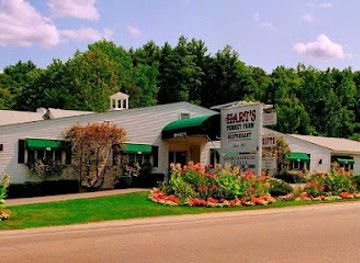
Hart's Turkey Farm Restaurant
Experience the heartwarming flavors of traditional American cuisine at Hart's Turkey Farm Restaurant in Meredith, NH.
-
Irish pub
Patrick's Pub & Eatery
Discover the heartwarming flavors and lively atmosphere at Patrick's Pub & Eatery - where Irish charm meets American hospitality in Gilford.
-
American
T-BONES Great American Eatery
Experience the best of classic American cuisine at T-BONES Great American Eatery in Laconia—where taste meets tradition.
-
Seafood
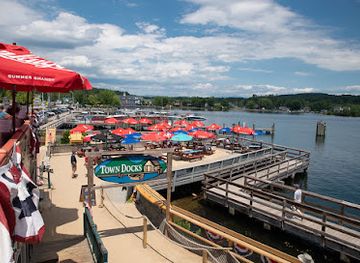
Town Docks Restaurant - Summers Only
Experience fresh seafood with stunning lake views at Town Docks Restaurant in Meredith, NH - your summer dining destination.
Best bars in Lake Winnipesaukee
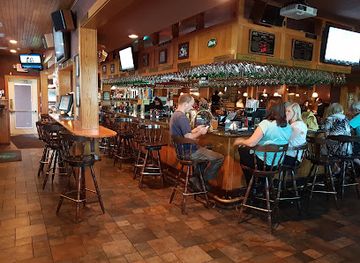
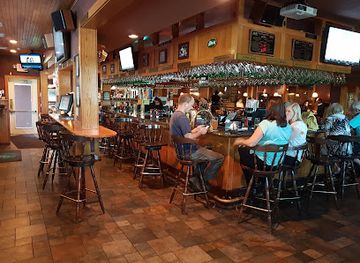
Evenings at Lake Winnipesaukee are generally relaxed rather than centred on large-scale nightlife. Traditional pubs, hotel bars, breweries and restaurants in Wolfeboro, Meredith, Laconia, Gilford and Alton provide places for a drink or meal, with the strongest seasonal atmosphere during summer. Weirs Beach has a more entertainment-oriented character at times, linked to its resort history and seasonal events, but it should not be mistaken for a permanent nightlife district. Live music and community performances may occur in local venues or as part of regional programmes, although schedules change. Outside the main settlements, evenings are quiet, with accommodation properties, campfires where permitted and dark lakeshore views replacing clubs and late-night venues; visitors should check local arrangements rather than assume that every town offers entertainment after dinner.
-
Irish pub
Patrick's Pub & Eatery
Discover the charm of Ireland at Patrick's Pub & Eatery, where delicious food, live music, and a family-friendly atmosphere await you in Gilford, NH.
-
Grill
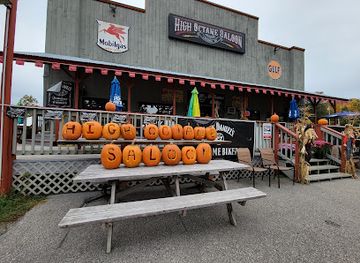
High Octane Saloon
Experience the vibrant atmosphere and delicious grill cuisine at High Octane Saloon in Laconia, NH, your go-to destination for great food and fun.
-
American
Shibley's at the Pier
Experience lakeside dining with delicious American cuisine at Shibley's at the Pier in beautiful Alton Bay, New Hampshire.
-
Brewpub
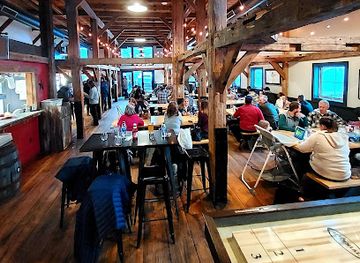
Twin Barns Brewing Co - Meredith
Discover the flavors of New Hampshire at Twin Barns Brewing Co, a charming brewpub in Meredith offering locally crafted beers and delicious cuisine.
Best nightclubs in Lake Winnipesaukee
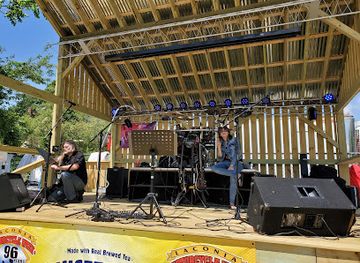
Evenings at Lake Winnipesaukee are generally relaxed rather than centred on large-scale nightlife. Traditional pubs, hotel bars, breweries and restaurants in Wolfeboro, Meredith, Laconia, Gilford and Alton provide places for a drink or meal, with the strongest seasonal atmosphere during summer. Weirs Beach has a more entertainment-oriented character at times, linked to its resort history and seasonal events, but it should not be mistaken for a permanent nightlife district. Live music and community performances may occur in local venues or as part of regional programmes, although schedules change. Outside the main settlements, evenings are quiet, with accommodation properties, campfires where permitted and dark lakeshore views replacing clubs and late-night venues; visitors should check local arrangements rather than assume that every town offers entertainment after dinner.
-
Restaurant
Tower Hill Tavern
Discover the lively ambiance of Tower Hill Tavern in Laconia, NH, where delicious food meets vibrant nightlife and live entertainment.
-
Live music bar
The Big House
Experience the heartbeat of Laconia at The Big House, where live music meets a vibrant nightlife in an unforgettable setting.
-
Night club
Bike Week
Join the vibrant celebration of motorcycles at Bike Week in Laconia, a thrilling event filled with rides, music, and camaraderie in scenic New Hampshire.

Best shops in Lake Winnipesaukee
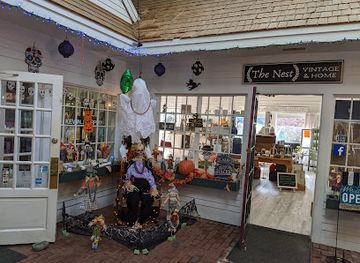
Shopping is concentrated in the lakeside towns rather than on the lake itself. Meredith and Wolfeboro offer independent shops, galleries, gift businesses, outdoor retailers and places selling locally themed goods, while Laconia and Gilford provide broader everyday services and seasonal visitor shopping. Farm stands, markets and small producers in the surrounding Lakes Region may offer New England food products, maple goods, baked items, preserves, craft beverages and locally made artwork, with availability varying by season. Outdoor equipment is a practical purchase for visitors planning boating, hiking or winter activities, but the area is not a major specialist retail destination. Island communities and remote shoreline locations have limited facilities, so provisions, trail supplies and substantial shopping are best obtained before leaving the principal towns.
-
Gift shop
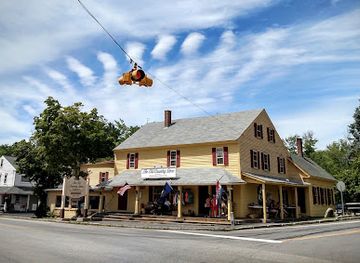
The Old Country Store and Museum
Explore The Old Country Store and Museum for unique gifts, local flavors, and a glimpse into New England's rich history.
-
Gift shop
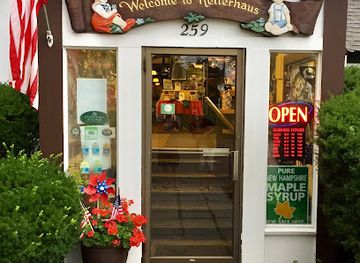
Kellerhaus
Explore Kellerhaus in Laconia, NH - a charming gift shop and candy store offering delectable treats and delightful souvenirs for every sweet tooth.
-
Shopping mall
Mill Falls Marketplace
Discover Mill Falls Marketplace: A charming shopping and dining destination in Meredith, NH, perfect for tourists seeking unique local finds.
-
Gift shop
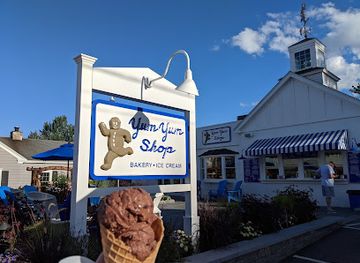
Yum Yum Shop
Discover the charm of Yum Yum Shop in Wolfeboro, NH - your go-to destination for gifts, pastries, coffee, and delightful treats.
Get your free copy of our complete guide to Lake Winnipesaukee, delivered straight to you.
Everything on this page, from attractions and restaurants to essentials and local phrases, in one PDF you can read offline, print or share.
Already have an account? Sign in
Your Lake Winnipesaukee guide is ready.
We'll send it to · Not you? Sign out

Getting your guide ready…
We are putting together a fresh copy of the Lake Winnipesaukee guide. This can take up to a minute.
This can take a few moments. If your browser asks, choose Allow so the download can start. You'll find the guide in your Downloads folder.
Nothing happened? Download it again
Sorry, the guide is taking longer than usual. Please try again in a minute, or get it by email instead.
Lake Winnipesaukee essentials
Currency and Payment
Safety
Emergency Situations
Do's and Don'ts
Local Tips
From Eve
Local phrases worth knowing
You don't need to get them perfect. A few words go a long way, and locals appreciate the effort.
Basics
| English | Local | Say it |
|---|---|---|
| Hello | Howdy | [haw-dee] |
| Goodbye | See ya | [see yuh] |
| Yes | Yup | [yuhp] |
| No | Nah | [nah] |
| Please/You're welcome | Please and thank ya | [pleez and thank yuh] |
| Thank you | Much obliged | [muhch uh-blaiged] |
| Excuse me/Sorry | Pardon me | [pahrd-un me] |
| How are you? | How ya doin'? | [haw yuh doin] |
| Fine. And you? | Just dandy. How 'bout you? | [just dan-dee. how 'bout yuh] |
| Do you speak English? | Ya speak English? | [yuh speak ing-glish] |
| I don't understand | I'm lost on that one | [I'm lost on that one] |
Eating & Drinking
| English | Local | Say it |
|---|---|---|
| I'd like to see the menu, please | Can I take a gander at the menu, please | [can eye take uh gan-duh at the menu, please] |
| I don't eat meat | I ain't no carnivore | [I ain't no kar-nuh-vore] |
| Cheers! | Bottoms up! | [bot-ums up] |
| I would like to pay, please | I reckon I'll settle up now, please | [I reckon I'll settle up now, please] |
Emergencies
| English | Local | Say it |
|---|---|---|
| Help! | I need a hand! | [I need uh hand] |
| Go away! | Git outta here! | [Git out-uh here] |
| Call the Police! | Get the law on the horn! | [Get the law on the horn] |
| Call a doctor! | Find me a sawbones! | [Find me a saw-bones] |
| I'm lost | I'm turned around | [I'm turned around] |
| I'm ill | I'm feelin' poorly | [I'm feelin' poorly] |
Shopping
| English | Local | Say it |
|---|---|---|
| I'd like to buy... | I'm fixin' to purchase... | [I'm fixin' tuh pur-chase] |
| I'm just looking | I'm just browsin' | [I'm just browsin] |
| How much is it? | What's the damage? | [what's the dam-ij] |
| That's too expensive | That's a bit steep | [That's a bit steep] |
| Can you lower the price? | Can ya do any better on the price? | [Can yuh do any bet-ter on the price] |
Time & Numbers
| English | Local | Say it |
|---|---|---|
| What time is it? | What's the hour? | [What's the our] |
| It's one o'clock | It's one of the clock | [It's one of the clock] |
| Half past (10) | Half past (10) | [Half past (10)] |
| Morning | Mornin' | [Mornin'] |
| Afternoon | Afternoon | [Afternoon] |
| Evening | Evenin' | [Evenin'] |
| Yesterday | Yest'day | [Yest'day] |
| Today | Today | [Today] |
| Tomorrow | Tomorra | [Tomorra] |
| 1 | One | [One] |
| 2 | Two | [Two] |
| 3 | Three | [Three] |
| 4 | Four | [Four] |
| 5 | Five | [Five] |
| 6 | Six | [Six] |
| 7 | Seven | [Seven] |
| 8 | Eight | [Eight] |
| 9 | Nine | [Nine] |
| 10 | Ten | [Ten] |
Transport & Directions
| English | Local | Say it |
|---|---|---|
| Where's a/the...? | Where's the... at? | [Where's the... at] |
| What's the address? | Where's it to? | [Where's it to] |
| Can you show me (on the map)? | Can you point it out (on the map)? | [Can you point it out (on the map)] |
| When's the next (bus)? | When's the next one comin'? | [When's the next one comin'] |
| A ticket (to ....) | A ticket (to ....) | [A ticket (to ....)] |
History of Lake Winnipesaukee
Glacial Formation and the Modern Lake
Lake Winnipesaukee occupies a glacially shaped basin formed and remodelled during the Ice Age. Retreating ice left a complex pattern of bays, islands, submerged features and irregular shoreline, while deposits and altered drainage helped create the distinctive Lakes Region landscape. The lake’s geography explains its many separate communities: roads and settlement patterns developed around coves, river outlets and accessible shorelands rather than around one central urban area. The surrounding hills, including the Belknap and Ossipee ranges, remain an essential part of the lake’s visual identity.
Abenaki Homelands and Early Settlement
Before European settlement, the lake lay within the homeland of Abenaki peoples, whose communities used the region’s waterways, forests and wetlands for travel, fishing and seasonal subsistence. European colonisation expanded in the eighteenth century, bringing farms, mills and permanent settlements around the lake and its connecting waterways. The name Winnipesaukee is generally understood to derive from an Abenaki language, although its precise interpretation and historical spellings have been discussed by scholars. Indigenous presence is an important part of the area’s history even though much of the visible built heritage reflects later settlement.
Mills, Farms and Shore Communities
During the eighteenth and nineteenth centuries, communities around Lake Winnipesaukee developed through agriculture, timber cutting, small-scale manufacturing and water-powered industry. Laconia became an important industrial centre, while Meredith, Wolfeboro, Alton and other settlements served farming districts and local trade. Mills and workshops were associated with rivers flowing into or out of the lake, and improved roads gradually connected the shore communities with Concord, the White Mountains and the wider New Hampshire economy. Many present-day villages retain street layouts, civic buildings and houses that reflect this period of regional growth.
Steamboats and the Rise of Summer Tourism
Water transport and the arrival of rail connections in the nineteenth century changed Lake Winnipesaukee from a locally used waterway into a destination for visitors from New England cities. Steamboats carried passengers between landing places and islands, while hotels, boarding houses and private summer residences appeared along the shore. Wolfeboro developed a particularly strong resort identity, and the Weirs area became associated with excursions and seasonal recreation. Boating remains central to the visitor experience, but modern leisure travel has largely replaced the commercial transport role once played by steam navigation.
Conservation, Recreation and a Changing Shoreline
In the twentieth and twenty-first centuries, Lake Winnipesaukee’s economy increasingly centred on tourism, second homes, boating and outdoor recreation, alongside established year-round communities. Shoreline development, water quality, invasive species and pressure from seasonal use have made environmental stewardship significant issues for local organisations and authorities. Public beaches, walking land, boat facilities and historic properties provide access to the landscape, while land trusts and conservation bodies protect parts of the surrounding forests and shore. The lake’s character today reflects an ongoing balance between residential growth, recreation and the protection of its water and habitats.
Lake Winnipesaukee in Photos
Browse through our photo collection highlighting the charm and character of the destination.
Cities in Lake Winnipesaukee
The towns and cities of Lake Winnipesaukee, and the easiest places to base yourself.

Swipe for more cities
Neighbouring destination travel guides
The closest destinations to Lake Winnipesaukee, if you have time for more than one.
-
-

-

-

-


Swipe for more destinations
Explore more
Explore more of Belknap County
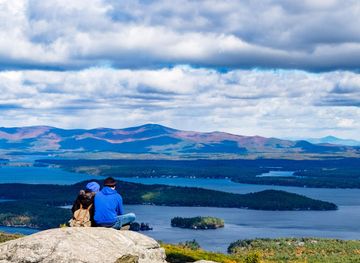
Belknap County combines Lake Winnipesaukee boating, mountain recreation, historic Laconia, village centres and New Hampshire’s changing seasons.
Explore Belknap County
Explore more of New Hampshire
Discover New Hampshire: Explore the majestic White Mountains, serene lakes, and historic towns in the heart of New England's enchanting landscapes.
Explore New Hampshire