

Central New Hampshire Travel Guide - Free Web & App
Your ultimate guide to Central New Hampshire. Discover top landmarks, proposed trips, and local tips. Free on the web or via the Evendo companion app.


Explore Central New Hampshire: A blend of natural beauty, quaint towns, and outdoor adventures in the heart of New England.
Read more about Central New Hampshire
When is the best time to visit Central New Hampshire?
Best: June–August · 24–27°C| Month | High (°C) | Rainfall (mm) |
|---|---|---|
| January | -2 | 75 |
| February | 0 | 70 |
| March | 6 | 80 |
| April | 13 | 85 |
| May | 19 | 90 |
| June (best) | 24 | 100 |
| July (best) | 27 | 105 |
| August (best) | 26 | 100 |
| September | 22 | 95 |
| October | 15 | 90 |
| November | 9 | 85 |
| December | 1 | 80 |
Getting to and around Central New Hampshire
How to get there
Transportation
Best attractions in Central New Hampshire
Central New Hampshire offers a captivating blend of natural beauty, rich history, and exciting outdoor activities. Visitors can explore the stunning White Mountains, with opportunities for hiking, skiing, and scenic drives. Discover charming small towns like Meredith and Wolfeboro, known for their picturesque lakeside settings and quaint shops. Immerse yourself in history at attractions like Canterbury Shaker Village and the New Hampshire Historical Society. Indulge in delicious local cuisine and craft beverages at breweries and restaurants throughout the region. Central New Hampshire truly has something for everyone, making it a must-visit destination for any traveler.
-
Tourist attraction
Polar Caves Park
Explore the breathtaking caves and scenic trails at Polar Caves Park, a top destination for adventure and wildlife in New Hampshire.
-
Tourist attraction
America's Stonehenge
Explore the ancient mysteries of America's Stonehenge in Salem, NH, a captivating historical site featuring astronomical stone formations and beautiful surroundings.
-
Tourist attraction
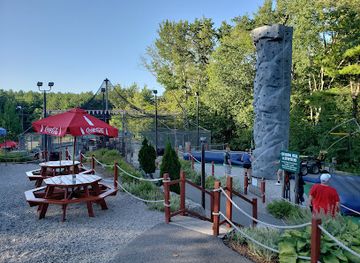
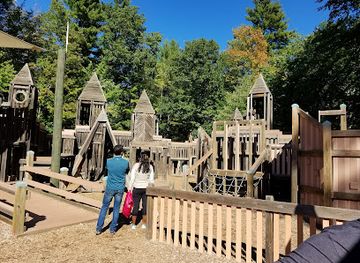
Chuckster's
Discover the fun-filled world of Chuckster's in Chichester, NH, where adventure meets family-friendly entertainment and unforgettable memories await.
-
Tourist attraction
Twin Bridge Park
Explore Twin Bridge Park in Merrimack, NH - a serene park with scenic views, picnic areas, and recreational fun for the whole family.


Best landmarks in Central New Hampshire
Central New Hampshire in New Hampshire offers visitors a rich tapestry of historical landmarks and natural beauty. From the iconic Mount Washington, the highest peak in the Northeast, to the charming villages of the Lakes Region, there is something for everyone to explore. Discover the historic sites of Concord, the state capital, and immerse yourself in the beauty of the White Mountains National Forest. Don't miss out on the picturesque covered bridges, scenic hiking trails, and quaint New England charm that Central New Hampshire has to offer.
-
State government office
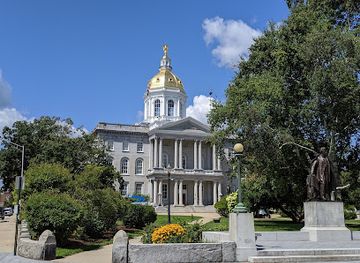
New Hampshire State House
Explore the New Hampshire State House, a historic gem in Concord with rich architecture and political significance, perfect for history enthusiasts and casual visitors alike.
Explore Central New Hampshire on the map
Plan your trip on one map. See where the top attractions, landmarks, restaurants and hotels are, and book hotels and experiences in a few clicks.
Best hotels in Central New Hampshire
Best restaurants in Central New Hampshire
Central New Hampshire offers a diverse dining scene that caters to all tastes and preferences. From charming local diners serving up classic comfort food to upscale restaurants highlighting farm-to-table cuisine, visitors can indulge in a variety of culinary experiences. Seafood lovers can savor fresh catches from the nearby coast, while those craving international flavors can find authentic dishes from around the world. With cozy cafes, bustling breweries, and scenic waterfront eateries, Central New Hampshire is a foodie paradise waiting to be explored.
-
American
Copper Door
Discover Copper Door in Bedford, NH - an upscale American restaurant offering seasonal dishes and a warm atmosphere for unforgettable dining experiences.
-
American
New England's Tap House Grille
Experience New England's culinary charm at Tap House Grille with delicious American fare and an extensive selection of local craft beers.
-
American
The Barley House Restaurant & Tavern
Experience authentic American cuisine at The Barley House Restaurant & Tavern in Concord - where local flavors meet warm hospitality.
-
Restaurant
The Common Man Merrimack
Discover the best of American cuisine at The Common Man Merrimack – where local flavors meet warm hospitality in New Hampshire.


Best bars in Central New Hampshire
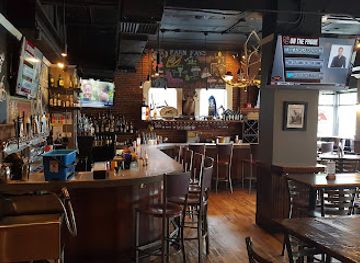
Central New Hampshire offers a vibrant nightlife scene for visitors to enjoy, with a mix of cozy pubs, lively bars, and happening nightclubs. From historic taverns serving local brews to modern cocktail lounges with creative mixologists, there is something for every taste. Live music venues showcase talented bands and artists, while themed parties and events add excitement to the nightlife experience. Whether you're looking for a relaxing evening with friends or a night of dancing and fun, Central New Hampshire has it all.
-
Grill
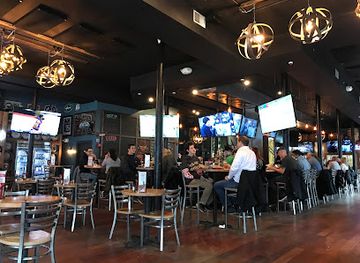
The Farm Bar and Grille
Experience local flavors and a vibrant atmosphere at The Farm Bar and Grille in downtown Manchester, NH.
-
Grill
Thirsty Moose Taphouse Manchester
Discover the vibrant Thirsty Moose Taphouse in Manchester, where delicious grilled dishes and craft beers create an unforgettable dining experience.
-
Pub
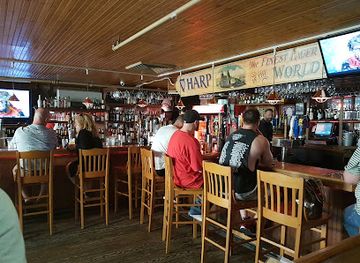
Strange Brew Tavern
Discover the vibrant atmosphere of Strange Brew Tavern, where delicious American cuisine meets an impressive selection of craft brews in downtown Manchester.
-
Grill
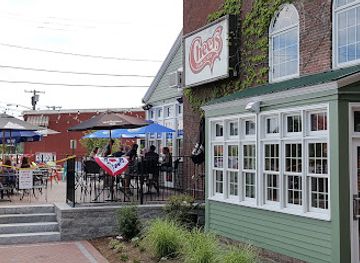
Cheers Grille & Bar
Experience the best of Concord dining at Cheers Grille & Bar, a grill and banquet hall offering a diverse menu in a lively atmosphere.
Best nightclubs in Central New Hampshire
Central New Hampshire offers a vibrant nightlife scene for visitors to enjoy, with a mix of cozy pubs, lively bars, and happening nightclubs. From historic taverns serving local brews to modern cocktail lounges with creative mixologists, there is something for every taste. Live music venues showcase talented bands and artists, while themed parties and events add excitement to the nightlife experience. Whether you're looking for a relaxing evening with friends or a night of dancing and fun, Central New Hampshire has it all.
-
Live Music
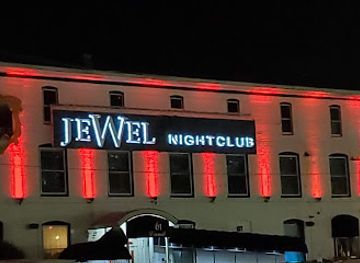
Jewel Music Venue
Experience unforgettable nights filled with live music and vibrant atmosphere at Jewel Music Venue in downtown Manchester, New Hampshire.
-
Sports bar
O'Brien's Sports Bar
Experience the thrill of sports at O'Brien's Sports Bar in Nashua, NH - where great food meets fan-fueled excitement.
-
Social club
Alpine Club
Discover Manchester's Alpine Club, a vibrant social hub offering entertainment, camaraderie, and local culture in a welcoming atmosphere.
-
Bar
Lafayette Club
Experience the lively ambiance and affordable drinks at Lafayette Club, a must-visit bar in Nashua, NH, perfect for socializing and entertainment.
Best shops in Central New Hampshire
Central New Hampshire offers a unique shopping experience for visitors, with a mix of charming boutiques, antique shops, and artisanal stores scattered throughout the region. From locally-made crafts and specialty foods to vintage finds and one-of-a-kind souvenirs, there is something for everyone to discover. Stroll through quaint downtowns like Concord and Portsmouth to browse the eclectic shops, or explore the outdoor markets and festivals for a taste of local culture and craftsmanship. Whether you're looking for a trendy gift or a piece of history to take home, Central New Hampshire's shopping scene is sure to delight and surprise.
-
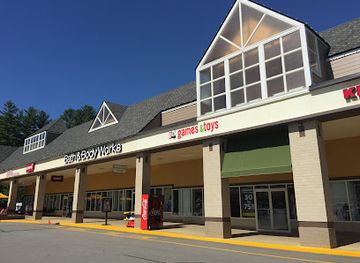
Shopping mall
The Mall of New Hampshire
Explore a shopping paradise at The Mall of New Hampshire, featuring top brands, delicious dining, and entertainment options for the whole family.
-
Shopping mall
Pheasant Lane Mall
Explore Pheasant Lane Mall in Nashua, NH – a shopping haven with diverse stores, delicious dining, and family-friendly entertainment.
-
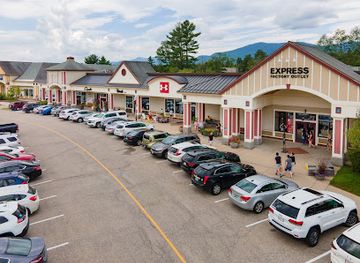
Outlet mall
Tanger Outlets Tilton
Discover unbeatable deals at Tanger Outlets Tilton, New Hampshire’s premier shopping destination with over 70 brand-name stores.
-
Outlet mall
Settlers Green Outlet Village
Explore Settlers Green Outlet Village: your ultimate shopping destination in the heart of North Conway, featuring top brands and breathtaking mountain views.

Get your free copy of our complete guide to Central New Hampshire, delivered straight to you.
Everything on this page, from attractions and restaurants to essentials and local phrases, in one PDF you can read offline, print or share.
Already have an account? Sign in
Your Central New Hampshire guide is ready.
We'll send it to · Not you? Sign out

Getting your guide ready…
We are putting together a fresh copy of the Central New Hampshire guide. This can take up to a minute.
This can take a few moments. If your browser asks, choose Allow so the download can start. You'll find the guide in your Downloads folder.
Nothing happened? Download it again
Sorry, the guide is taking longer than usual. Please try again in a minute, or get it by email instead.
Central New Hampshire essentials
Currency and Payment
Safety
Emergency Situations
Do's and Don'ts
Local Tips
From Eve
Local phrases worth knowing
You don't need to get them perfect. A few words go a long way, and locals appreciate the effort.
Basics
| English | Local | Say it |
|---|---|---|
| Hello | Howdy | [haʊ-di] |
| Goodbye | See ya | [siː jə] |
| Yes | Yup | [jʌp] |
| No | Nah | [nɑː] |
| Please/You're welcome | Please/No problem | [pliːz/nəʊ ˈprɒbləm] |
| Thank you | Thanks a lot | [θæŋks ə lɒt] |
| Excuse me/Sorry | Pardon me/My bad | [ˈpɑːd(ə)n miː/maɪ bæd] |
| How are you? | How you doin'? | [haʊ jʊ ˈduːɪn] |
| Fine. And you? | Good. And you? | [ɡʊd. ənd jʊ] |
| Do you speak English? | Ya speak English? | [jə spiːk ˈɪŋɡlɪʃ] |
| I don't understand | I ain't got a clue | [aɪ eɪnt ɡɒt ə kluː] |
Eating & Drinking
| English | Local | Say it |
|---|---|---|
| I'd like to see the menu, please | Can I check out the menu? | [kæn aɪ tʃɛk aʊt ðə ˈmɛnjuː] |
| I don't eat meat | I don't do meat | [aɪ doʊnt duː mit] |
| Cheers! | Bottoms up! | [ˈbɒtəmz ʌp] |
| I would like to pay, please | Can I settle up, please | [kæn aɪ ˈsɛtl ʌp pliːz] |
Emergencies
| English | Local | Say it |
|---|---|---|
| Help! | I need a hand! | [aɪ niːd ə hænd] |
| Go away! | Get lost! | [ɡɛt lɒst] |
| Call the Police! | Ring the cops! | [rɪŋ ðə kɒps] |
| Call a doctor! | Get a doc on the line! | [ɡɛt ə dɒk ɒn ðə laɪn] |
| I'm lost | I'm all turned around | [aɪm ɔːl tɜrnd əˈraʊnd] |
| I'm ill | I'm under the weather | [aɪm ˈʌndər ðə ˈwɛðər] |
Shopping
| English | Local | Say it |
|---|---|---|
| I'd like to buy... | I'm eyein'... | [aɪm ˈaɪɪn] |
| I'm just looking | Just browsin' | [dʒʌst ˈbraʊzɪn] |
| How much is it? | What's the damage? | [wɒts ðə ˈdæmɪdʒ] |
| That's too expensive | That costs an arm and a leg | [ðæts tuː ɪkˈspɛnsɪv] |
| Can you lower the price? | Can ya cut me a deal? | [kæn jə kʌt miː ə diːl] |
Time & Numbers
| English | Local | Say it |
|---|---|---|
| What time is it? | What's the time? | [wɒts ðə taɪm] |
| It's one o'clock | It's one on the dot | [ɪts wʌn ɒn ðə dɒt] |
| Half past (10) | Ten-thirty | [tɛn-ˈθɜːti] |
| Morning | Mornin' | [ˈmɔːnɪn] |
| Afternoon | Arvo | [ˈɑːvəʊ] |
| Evening | Evenin' | [ˈiːvnɪn] |
| Yesterday | Yest'day | [ˈjɛstˌdeɪ] |
| Today | Today | [təˈdeɪ] |
| Tomorrow | Tomorra | [təˈmɒrə] |
| 1 | One | [wʌn] |
| 2 | Two | [tuː] |
| 3 | Three | [θriː] |
| 4 | Four | [fɔː] |
| 5 | Five | [faɪv] |
| 6 | Six | [sɪks] |
| 7 | Seven | [ˈsɛvən] |
| 8 | Eight | [eɪt] |
| 9 | Nine | [naɪn] |
| 10 | Ten | [tɛn] |
Transport & Directions
| English | Local | Say it |
|---|---|---|
| Where's a/the...? | Where's the... at? | [wɛəz ðə æt] |
| What's the address? | Where's the place? | [wɛəz ðə pleɪs] |
| Can you show me (on the map)? | Can ya point it out (on the map)? | [kæn jə pɔɪnt ɪt aʊt ɒn ðə mæp] |
| When's the next (bus)? | When's the next bus comin'? | [wɛnz ðə nɛkst bʌs ˈkʌmɪn] |
| A ticket (to ....) | A pass (to ....) | [ə pæs tuː] |
History of Central New Hampshire
The Indigenous Peoples of Central New Hampshire
Long before European settlers arrived, Central New Hampshire was home to the Abenaki people. They thrived in the region's fertile valleys and abundant waterways, utilizing the rich resources for hunting, fishing, and agriculture. The Abenaki established a deep connection with the land, which remains evident in local place names and cultural traditions.
Colonial Settlement and the Founding of Concord
In 1725, following the end of conflicts with Indigenous tribes, European settlers began to establish communities in Central New Hampshire. Concord, originally known as 'Penacook', was founded in 1727 and became a hub of colonial activity. The town’s strategic location along the Merrimack River facilitated trade and transport, contributing to its growth and significance in the region.
The American Revolution and Central New Hampshire
Central New Hampshire played a notable role during the American Revolution. Concord's residents were heavily involved in the fight for independence, and the town became a center for revolutionary activity. The local militia participated in key battles, and the region supported the war effort through the production of goods and supplies.
Industrialization and the Rise of Textile Mills
The 19th century saw Central New Hampshire transform with the advent of industrialization. Towns like Manchester, with its Amoskeag Manufacturing Company, became leading centers for textile production. The establishment of mills along the Merrimack River fueled economic growth and attracted a diverse workforce, including immigrants from Europe.
The Granite State’s Role in the Civil War
During the Civil War, Central New Hampshire contributed significantly to the Union cause. Thousands of men from the region enlisted in the New Hampshire regiments and fought in major battles. Concord served as a recruitment and training center, while local industries supplied materials and equipment to the Union Army.
The Rise of Tourism in the White Mountains
The late 19th and early 20th centuries marked the rise of tourism in Central New Hampshire, particularly in the White Mountains. The construction of grand hotels and the expansion of railroads made the region accessible to visitors seeking the area’s natural beauty and recreational opportunities. The development of the Appalachian Trail further solidified the region's status as a premier destination for outdoor enthusiasts.
Modern-Day Central New Hampshire
Today, Central New Hampshire is a vibrant mix of historical heritage and modern attractions. The region boasts a diverse economy, with industries ranging from advanced manufacturing to tourism. Historic sites, museums, and cultural institutions preserve and celebrate the area's rich past, while scenic landscapes and recreational activities draw visitors year-round.
Central New Hampshire in Photos
Browse through our photo collection highlighting the charm and character of the destination.
Cities in Central New Hampshire
The towns and cities of Central New Hampshire, and the easiest places to base yourself.
-

-

-

-

-

-


Swipe for more cities
Neighbouring destination travel guides
The closest destinations to Central New Hampshire, if you have time for more than one.
-
-

-

-

-


Swipe for more destinations
Explore more
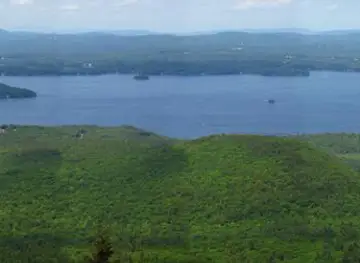
Explore more of Lakes Region
Explore New Hampshire's Lakes Region for Lake Winnipesaukee cruises, mountain hikes, historic towns, beaches, boating and autumn scenery.
Explore Lakes Region
Explore more of New Hampshire
Discover New Hampshire: Explore the majestic White Mountains, serene lakes, and historic towns in the heart of New England's enchanting landscapes.
Explore New Hampshire