

Island Beach State Park Travel Guide - Free Web & App
Your ultimate guide to Island Beach State Park. Discover top landmarks, proposed trips, and local tips. Free on the web or via the Evendo companion app.


Island Beach State Park, New Jersey, offers Atlantic beaches, dunes, maritime forest, bay views, birdwatching, fishing and quiet coastal walks near Barnegat Bay.
Coast, Dunes and Maritime Forest
Island Beach State Park occupies a largely undeveloped barrier island between the Atlantic Ocean and Barnegat Bay on the central New Jersey coast. Its long, narrow landscape brings together broad ocean beaches, shifting dunes, freshwater ponds, salt-marsh edges and maritime forest, creating one of the state’s clearest examples of a living barrier-island system. Rather than a conventional resort beach, the park offers a sense of coastal space shaped by wind, waves, storms and migrating wildlife.Read more about Island Beach State Park
Wildlife and Coastal Habitats
Exploring the Park
When is the best time to visit Island Beach State Park?
Best: June, August–September · 25–28°C| Month | High (°C) | Rainfall (mm) |
|---|---|---|
| January | 5 | 80 |
| February | 6 | 72 |
| March | 10 | 95 |
| April | 15 | 90 |
| May | 21 | 97 |
| June (best) | 25 | 83 |
| July | 29 | 104 |
| August (best) | 28 | 105 |
| September (best) | 25 | 93 |
| October | 19 | 85 |
| November | 13 | 89 |
| December | 7 | 89 |
Getting to and around Island Beach State Park
How to get there
Transportation
Best attractions in Island Beach State Park
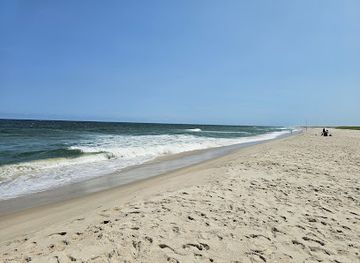
Island Beach State Park’s principal attraction is its continuous Atlantic shoreline, where wide sands and shifting dunes provide a changing coastal setting for bathing, walking and surf fishing when conditions and regulations permit. On the landward side, Barnegat Bay offers calmer water, salt-marsh scenery and views towards the mainland, while the park’s maritime forest reveals how vegetation survives on a storm-exposed barrier island. Visitors can explore marked nature routes, boardwalks and the Fisherman’s Walkway, and learn about the park’s habitats at its interpretive facilities. The Sedge Island area, at the southern end of the park, is associated with particularly rich bay and marsh environments and may have specific access arrangements. Birdwatching is rewarding across dunes, woods and wetlands, with seasonal sightings varying according to weather and migration. The nearby communities of Seaside Park and Seaside Heights are useful for services, but they are gateways rather than attractions within the protected park itself.
-
Beach
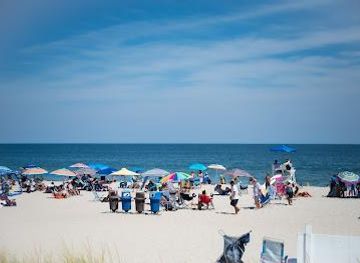
Seaside Heights Beach
Discover the vibrant charm of Seaside Heights Beach in New Jersey, where golden sands meet lively boardwalk attractions for a perfect seaside escape.
-
Amusement park
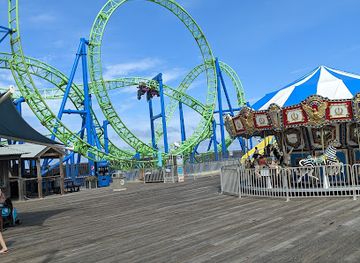
Casino Pier & Breakwater Beach
Discover the excitement at Casino Pier & Breakwater Beach, where amusement rides, water attractions, and arcade games create unforgettable family fun in Seaside Heights.
-
Amusement park
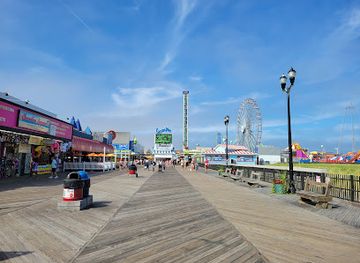
Seaside Heights Boardwalk
Discover the Seaside Heights Boardwalk, where amusement, beach fun, and mouthwatering treats await at New Jersey's vibrant coastal gem.
-
Beach
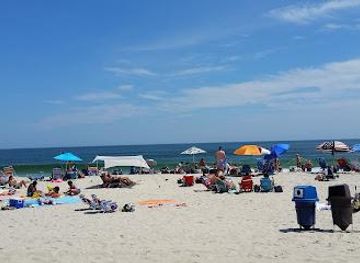
Seaside Park Beach & Lifeguard
Discover the beauty of Seaside Park Beach, New Jersey's perfect destination for sun, surf, and family fun along the beautiful coastline.
Best landmarks in Island Beach State Park
The defining natural landmark is the barrier island itself, a narrow coastal ridge separating the Atlantic Ocean from Barnegat Bay and continually reshaped by sand, wind and storms. Its ocean dunes form a protective, mobile edge, while the bayside marshes and tidal creeks reveal the quieter side of the island’s geography. The maritime forest is another significant feature, showing how trees and shrubs can establish behind the exposed dune belt. Fisherman’s Walkway is a recognisable park feature linking visitors with bay scenery and fishing access, and the park’s interpretive facilities provide context for its coastal habitats. The Sedge Island area at the southern end is notable for its combination of island, marsh and bay environments, subject to current access guidance. Unlike nearby resort communities, Island Beach has few architectural landmarks; its importance lies in the survival of an extensive, publicly protected coastal landscape.
-
Park
Island Beach State Park Marina
Discover the stunning beauty of Island Beach State Park Marina, where nature meets recreation along New Jersey's pristine coastline.
-
State government office
NJ Governor's Summer Mansion
Explore the NJ Governor's Summer Mansion, a historical gem nestled in Island Beach State Park, showcasing architectural beauty and serene landscapes.
-
 School
Site 1 island beach state park
Discover the natural beauty and tranquility of Site 1 Island Beach State Park, a coastal haven for nature lovers and beach enthusiasts in New Jersey.
Explore Island Beach State Park on the map
Plan your trip on one map. See where the top attractions, landmarks, restaurants and hotels are, and book hotels and experiences in a few clicks.
Best hotels in Island Beach State Park
Best restaurants in Island Beach State Park
Island Beach State Park is not a dining destination in the conventional sense, and visitors should plan to bring water and food for time spent inside the park. The closest concentration of restaurants, takeaway food and casual coastal dining is in Seaside Park and Seaside Heights, where the wider Jersey Shore food culture includes seafood, pizzerias, diners, sandwiches, ice cream and other informal beach fare. Toms River provides a larger and more varied choice of restaurants, supermarkets and specialist food shops a short drive inland. Barnegat Bay’s maritime setting has long influenced local menus, but visitors should distinguish regional seafood traditions from any claim that a particular dish or catch is exclusive to Island Beach. Farm stands and food shops may be found along mainland approach roads, while facilities and seasonal opening patterns can change, particularly outside the summer holiday period.
-
Grill
Jimbo's Bar and Grill
Discover casual dining at Jimbo's Bar and Grill in Seaside Heights – where delicious food meets breathtaking ocean views.
-
Seafood
Island Beach Fish Company
Experience fresh coastal cuisine at Island Beach Fish Company in Seaside Park - where every meal is a taste of the sea.
Best bars in Island Beach State Park
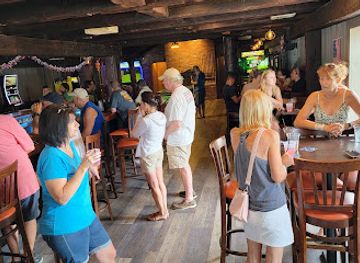
There is no developed nightlife scene inside Island Beach State Park, where evenings are shaped by the surf, wind, dark dunes and limited park facilities rather than by commercial entertainment. For a quiet evening, visitors staying nearby may find established pubs, restaurants and casual bars in Seaside Park and Seaside Heights, while the latter has the livelier seasonal atmosphere associated with a Jersey Shore resort. Toms River offers further evening options but lies outside the park and is better regarded as a regional service centre. Venue availability and opening patterns vary considerably by season, and the protected island itself should be treated as a place for nature observation and low-key recreation rather than late-night socialising. Visitors should arrange transport back to their accommodation before travelling out after dark.
-
Pub
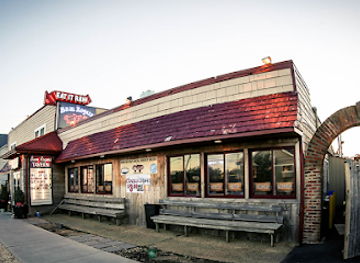
Bum Rogers Crab House & Tavern
Discover fresh seafood and vibrant dining at Bum Rogers Crab House & Tavern, a beloved pub in Seaside Park, NJ, perfect for tourists.
-
Bar
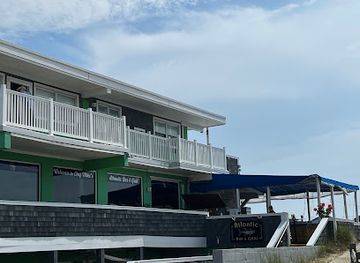
Beachcomber Bar & Grill
Discover the perfect blend of beachside relaxation and culinary delights at Beachcomber Bar & Grill in Seaside Heights, NJ.
-
Grill
Chef Mike's ABG
Discover the ultimate seafood and grill experience at Chef Mike's ABG, a culinary treasure in Seaside Park, NJ, perfect for seafood lovers and foodies alike.
-
Bar
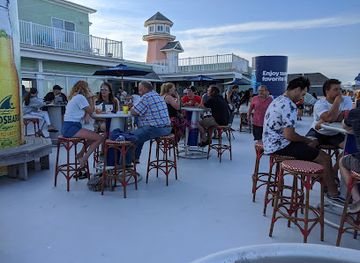
Riggers
Experience the lively atmosphere and delicious drinks at Riggers, a must-visit bar in Seaside Heights, New Jersey, perfect for any occasion.
Best shops in Island Beach State Park
Shopping inside Island Beach State Park is limited, so visitors should obtain groceries, fuel, beach equipment and other essentials before entering or in nearby Seaside Park, Seaside Heights or Toms River. The closest shore communities have the practical retail associated with a seasonal beach destination, including convenience shops, surf and swim equipment, casual clothing, gifts and food outlets. Toms River offers a wider range of supermarkets, pharmacies and general shopping. Regional products may include New Jersey seafood, farm produce and locally made coastal souvenirs, although availability varies between businesses and seasons. The park itself is better suited to carrying provisions in than to browsing shops, and visitors should not expect a permanent market, craft district or extensive retail centre within the protected landscape.
-
Souvenir store
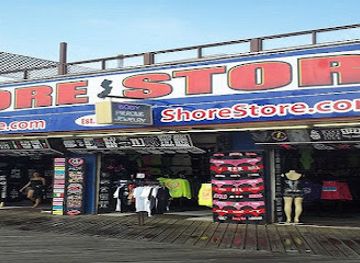
Shore Store
Explore the Shore Store in Seaside Heights for unique souvenirs and gifts that encapsulate your beach experience.
-
State park
Island Beach State Park
Explore the pristine beaches and scenic trails of Island Beach State Park, a natural gem along New Jersey's coast, perfect for outdoor adventures.
-
Fishing store
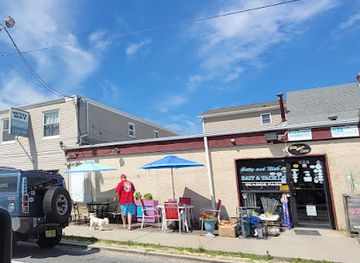
Betty & Nick's Bait & Tackle
Discover the ultimate fishing experience at Betty & Nick's Bait & Tackle in Seaside Park, where expert advice meets quality gear for all anglers.
-
Gift shop
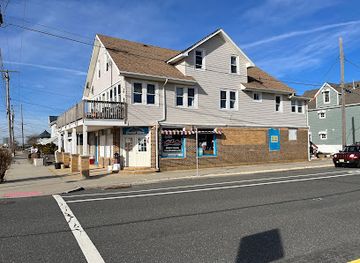
B&B Department Stores
Explore the diverse offerings at B&B Department Stores, your one-stop shop for gifts, clothing, and beachwear in Seaside Park, New Jersey.
Get your free copy of our complete guide to Island Beach State Park, delivered straight to you.
Everything on this page, from attractions and restaurants to essentials and local phrases, in one PDF you can read offline, print or share.
Already have an account? Sign in
Your Island Beach State Park guide is ready.
We'll send it to · Not you? Sign out

Getting your guide ready…
We are putting together a fresh copy of the Island Beach State Park guide. This can take up to a minute.
This can take a few moments. If your browser asks, choose Allow so the download can start. You'll find the guide in your Downloads folder.
Nothing happened? Download it again
Sorry, the guide is taking longer than usual. Please try again in a minute, or get it by email instead.
Island Beach State Park essentials
Currency and Payment
Safety
Emergency Situations
Do's and Don'ts
Local Tips
From Eve
Local phrases worth knowing
You don't need to get them perfect. A few words go a long way, and locals appreciate the effort.
Basics
| English | Local | Say it |
|---|---|---|
| Hello | Hey | [hey] |
| Goodbye | See ya | [see ya] |
| Yes | Yeah | [yeah] |
| No | Nah | [nah] |
| Please/You're welcome | Sure thing | [sure thing] |
| Thank you | Thanks | [thanks] |
| Excuse me/Sorry | Sorry | [sorry] |
| How are you? | How you doin'? | [how you doin'] |
| Fine. And you? | Good. You? | [good. you?] |
| Do you speak English? | You speak English? | [you speak english?] |
| I don't understand | I don't get it | [i don't get it] |
Eating & Drinking
| English | Local | Say it |
|---|---|---|
| I'd like to see the menu, please | Show me the menu | [show me the menu] |
| I don't eat meat | I don't eat meat | [i don't eat meat] |
| Cheers! | Cheers! | [cheers!] |
| I would like to pay, please | Check, please | [check, please] |
Emergencies
| English | Local | Say it |
|---|---|---|
| Help! | Help! | [help!] |
| Go away! | Get lost! | [get lost!] |
| Call the Police! | Call the cops! | [call the cops!] |
| Call a doctor! | Get a doctor! | [get a doctor!] |
| I'm lost | I'm lost | [i'm lost] |
| I'm ill | I'm sick | [i'm sick] |
Shopping
| English | Local | Say it |
|---|---|---|
| I'd like to buy... | I wanna buy... | [i wanna buy...] |
| I'm just looking | Just browsing | [just browsing] |
| How much is it? | How much? | [how much?] |
| That's too expensive | Too pricey | [too pricey] |
| Can you lower the price? | Can you do better? | [can you do better?] |
Time & Numbers
| English | Local | Say it |
|---|---|---|
| What time is it? | What time is it? | [what time is it?] |
| It's one o'clock | It's one | [it's one] |
| Half past (10) | Ten-thirty | [ten-thirty] |
| Morning | Morning | [morning] |
| Afternoon | Afternoon | [afternoon] |
| Evening | Evening | [evening] |
| Yesterday | Yesterday | [yesterday] |
| Today | Today | [today] |
| Tomorrow | Tomorrow | [tomorrow] |
| 1 | One | [one] |
| 2 | Two | [two] |
| 3 | Three | [three] |
| 4 | Four | [four] |
| 5 | Five | [five] |
| 6 | Six | [six] |
| 7 | Seven | [seven] |
| 8 | Eight | [eight] |
| 9 | Nine | [nine] |
| 10 | Ten | [ten] |
Transport & Directions
| English | Local | Say it |
|---|---|---|
| Where's a/the...? | Where's the...? | [where's the...?] |
| What's the address? | What's the address? | [what's the address?] |
| Can you show me (on the map)? | Show me (on the map) | [show me (on the map)] |
| When's the next (bus)? | When's the next (bus)? | [when's the next (bus)?] |
| A ticket (to ....) | A ticket (to ....) | [a ticket (to ....)] |
History of Island Beach State Park
A Barrier Island Shaped by the Sea
Island Beach is part of New Jersey’s Barnegat barrier-island system, built and repeatedly remodelled by waves, currents, storms and wind-blown sand. Its dunes, swales, maritime forest and bayside marshes are not static scenery but stages in a continuing coastal process. The island’s narrow form separates the Atlantic from Barnegat Bay, while inlets and overwash areas have changed position and character over time. Understanding this geological setting is central to understanding the park’s ecology and the limits placed on development and access.
Lenape Coast and Colonial Shore
Before European settlement, the wider Barnegat Bay coast was used by Lenape communities whose seasonal life was closely connected with the bay, tidal wetlands, forests and marine resources. European settlement later brought farming, fishing, hunting and small-scale maritime activity to the surrounding mainland and barrier islands. Island Beach remained comparatively isolated because of its sandy terrain, exposure and lack of a substantial harbour or permanent town. The bay and ocean nevertheless formed part of the working coastal landscape used by people in nearby communities.
Fishing, Hunting and Limited Development
During the nineteenth and early twentieth centuries, the island was associated more with fishing, hunting and occasional recreational use than with dense resort construction. The mainland settlements around Barnegat Bay developed stronger permanent identities, while the barrier island retained stretches of open dune, scrub and woodland. Roads, automobiles and the expansion of shore tourism gradually made the coast easier to reach, but the island’s geography and exposure continued to limit intensive development. These surviving undeveloped habitats later became a principal reason for protecting the area.
Protection and Public Parkland
New Jersey began acquiring Island Beach lands in the mid-twentieth century as concern grew over the loss of coastal open space and wildlife habitat. The area was subsequently managed as a state park, preserving a long section of barrier island between the Atlantic Ocean and Barnegat Bay. Park management has had to balance public bathing, fishing, walking and interpretation with dune protection, habitat conservation and the natural movement of sand. Modern Island Beach is therefore both a recreation area and a working example of coastal stewardship.
Island Beach State Park in Photos
Browse through our photo collection highlighting the charm and character of the destination.
Cities in Island Beach State Park
The towns and cities of Island Beach State Park, and the easiest places to base yourself.

Swipe for more cities
Neighbouring destination travel guides
The closest destinations to Island Beach State Park, if you have time for more than one.
-

-

-

-

-


Swipe for more destinations
Explore more

Explore more of Jersey Shore
Explore the Jersey Shore for Atlantic beaches, historic resorts, boardwalks, maritime towns, wildlife and lively New Jersey coastal culture.
Explore Jersey Shore
Explore more of New Jersey
Discover New Jersey: From vibrant cities and historic towns to scenic beaches and lush parks, the Garden State offers a rich blend of culture, nature, and adventure.
Explore New Jersey