

Free Piedmont Travel Guide & Mobile App
Explore Piedmont with free travel guides. Discover regional history, expert tips, proposed trips, and audio guides on web or mobile app.


Explore Piedmont New Jersey for industrial heritage, river landscapes, urban culture, historic parks and accessible countryside near New York City.
Read more about Piedmont
Getting to and around Piedmont
How to get there
Transportation
Top city travel guides in Piedmont
The cities of Piedmont, and the easiest places to base yourself.
-

-

-
-

-

-


Swipe for more cities
Destinations in Piedmont
Resorts, valleys and scenic spots worth a trip of their own.
-

-

-

-

-

-


Swipe for more destinations
Best attractions in Piedmont
Piedmont's attractions combine urban culture, industrial archaeology, historic landscapes and accessible green space. Paterson's Great Falls National Historical Park is the signature heritage site, linking a dramatic waterfall with raceways, mills and the story of early American manufacturing. Newark offers the Newark Museum of Art, the New Jersey Performing Arts Center and Branch Brook Park, whose broad avenues and seasonal cherry blossoms provide a major recreational contrast to the surrounding city. In West Orange, Thomas Edison National Historical Park preserves the laboratory and home complex associated with Edison's research and business operations. Morristown National Historical Park interprets the Continental Army's winter headquarters and the landscape of Jockey Hollow. The Watchung reservations and other county parks provide walking, cycling, woodland scenery and reservoirs, while the region's river valleys reveal remnants of canals, mills and transport infrastructure. Visitor experiences range from museums and performances to historic-house tours, nature walks, urban food excursions and family-oriented science or cultural activities.
-
Shopping mall
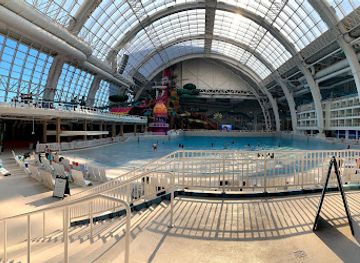
American Dream
Discover a unique shopping and entertainment experience at American Dream, where adventure meets luxury in East Rutherford, New Jersey.
-
Escape room center
Amazing Escape Room Green Brook
Experience the thrill of adventure and teamwork at Amazing Escape Room Green Brook, where every puzzle brings you closer to victory.
-
National park
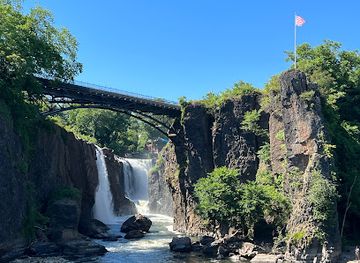
Paterson Great Falls National Historical Park
Explore the breathtaking beauty and rich history of Paterson Great Falls National Historical Park, a must-visit destination in New Jersey.
-
Historical landmark
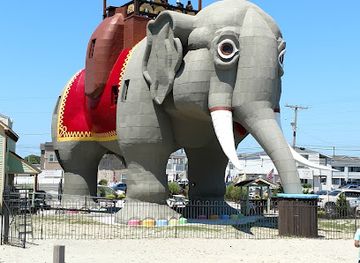
Lucy the Elephant
Experience the whimsical charm of Lucy the Elephant, a historic landmark offering breathtaking views and a glimpse into coastal history in Margate City, NJ.

Best landmarks in Piedmont
The Great Falls of the Passaic at Paterson is Piedmont's most powerful natural and industrial landmark: the waterfall supplied energy for a planned manufacturing city whose raceways and mill buildings remain visible nearby. In Newark, Branch Brook Park is a major landscape landmark, designed in the city park tradition and recognised for its formal avenues, waterways and large cherry-tree collection. Thomas Edison National Historical Park in West Orange preserves the laboratory complex whose buildings and equipment represent the scale of late nineteenth- and early twentieth-century invention. Morristown National Historical Park's Ford Mansion, Jockey Hollow and associated landscapes mark the region's importance during the Revolutionary War. The Watchung Mountains form a recurring geological and visual landmark, their ridges rising above developed valleys and offering wooded viewpoints. Across the region, surviving canal traces, historic railway structures, churches, civic buildings and mill districts give physical form to Piedmont's transition from river-powered industry to a densely connected metropolitan landscape.
-
Hiking area
Buttermilk Falls
Explore Buttermilk Falls in Martinsville, NJ - a breathtaking hiking area with stunning waterfalls and scenic trails for every nature lover.

Explore Piedmont on the map
Plan your trip on one map. See where the top cities, national parks and sights are, and book hotels and experiences in a few clicks.
Best hotels in Piedmont
Best restaurants in Piedmont
Dining in Piedmont reflects New Jersey's position within the New York metropolitan region and the arrival of many immigrant communities. Newark's Ironbound is particularly known for Portuguese and Brazilian restaurants, bakeries, cafés and food shops, alongside Spanish and other international influences. Across the wider region, diners, pizzerias, delis, family-run restaurants, brewpubs and suburban dining clusters sit alongside newer establishments offering American, Latin American, Asian, Mediterranean and Middle Eastern food. Farmers' markets and specialist shops provide seasonal produce, baked goods, cheeses and prepared foods, while historic towns and park-adjacent communities offer cafés and casual restaurants suited to day trips. Local dining is less about one narrowly defined regional cuisine than about the way New Jersey's agricultural supply, urban diversity and metropolitan connections meet on the plate. Visitors should also expect American portion sizes and customary restaurant tipping.
-
Dinner theater
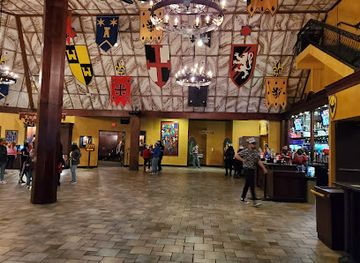
Medieval Times Dinner & Tournament
Immerse yourself in an epic medieval adventure at Medieval Times Dinner & Tournament with thrilling jousts and a feast fit for kings.
-
Portuguese
Valenca Restaurant
Discover authentic Portuguese flavors at Valenca Restaurant in Elizabeth NJ; a must-visit destination for seafood and steak lovers.
-
Italian
Maggiano's Little Italy
Savor authentic Italian flavors at Maggiano's Little Italy in Cherry Hill - perfect for family gatherings and special occasions.
-
Grill
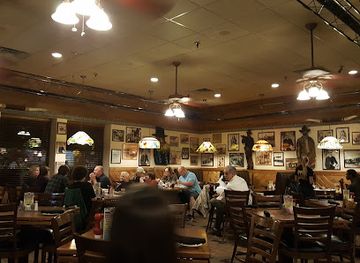
Prospector's Steakhouse & Saloon
Experience the best steaks in Mt Laurel Township at Prospector's Steakhouse & Saloon - where flavor meets fun in a vibrant atmosphere.


Best bars in Piedmont
Evening life is concentrated in the larger urban centres and rail-linked towns rather than spread evenly across Piedmont. Newark has the region's broadest range of bars, restaurants, performance venues and event-based nightlife, particularly around the downtown arts and sports districts, while Paterson's evening options are more closely tied to restaurants, neighbourhood bars and occasional cultural programming. Morristown has a well-established concentration of pubs, restaurants and bars serving both local residents and visitors, with a more compact town-centre scene. Elsewhere, nightlife usually means local taverns, breweries, cocktail lounges, live music, cinema or an evening meal rather than large clubs. Conditions and business offerings change, so check current arrangements before travelling and plan transport carefully if returning from a suburban venue.
-
Bar
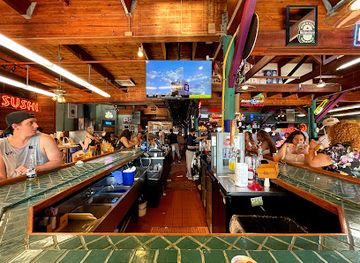
Martell's Tiki Bar
Discover the vibrant atmosphere of Martell's Tiki Bar, a tropical escape with delicious drinks and food on Point Pleasant Beach.
-
American
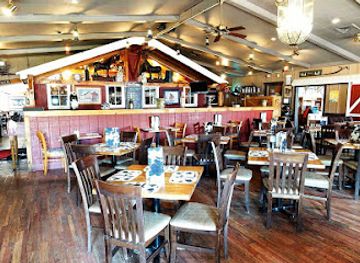
Black River Barn
Experience the charm of Black River Barn, where rustic American cuisine meets a lively bar atmosphere in Randolph, NJ.
-
Grill
Brick House Tavern + Tap
Experience the lively atmosphere and delicious grill cuisine at Brick House Tavern + Tap, a South Plainfield favorite for locals and tourists alike.
-
Grill
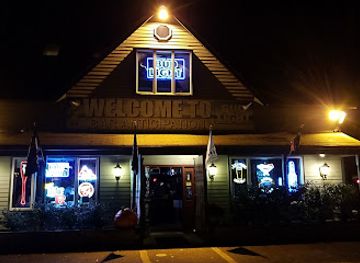
Bar Anticipation
Experience the vibrant nightlife and delicious grill offerings at Bar Anticipation in Lake Como, New Jersey - a lively hub for food and music lovers.

Best nightclubs in Piedmont
Evening life is concentrated in the larger urban centres and rail-linked towns rather than spread evenly across Piedmont. Newark has the region's broadest range of bars, restaurants, performance venues and event-based nightlife, particularly around the downtown arts and sports districts, while Paterson's evening options are more closely tied to restaurants, neighbourhood bars and occasional cultural programming. Morristown has a well-established concentration of pubs, restaurants and bars serving both local residents and visitors, with a more compact town-centre scene. Elsewhere, nightlife usually means local taverns, breweries, cocktail lounges, live music, cinema or an evening meal rather than large clubs. Conditions and business offerings change, so check current arrangements before travelling and plan transport carefully if returning from a suburban venue.
-
Night club
BarCode Entertainment Complex
Discover the ultimate nightlife experience at BarCode Entertainment Complex, featuring world-class DJs, vibrant dance floors, and a delicious menu in Elizabeth, NJ.
-
Lounge
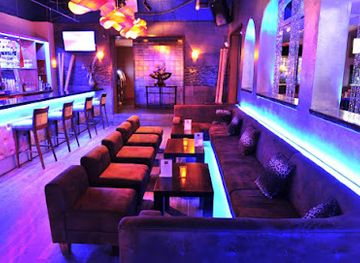
46 Lounge
Discover the energetic nightlife at 46 Lounge in Totowa, NJ, where chic ambiance meets vibrant entertainment for an unforgettable evening.
-
Night club
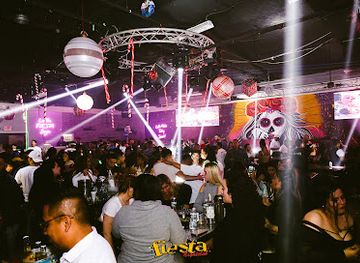
Fiesta Night Club & Restaurant
Discover the vibrant nightlife at Fiesta Night Club & Restaurant, where live music, dance, and culinary delights create unforgettable evenings in Passaic.
-
Lounge
Infinity Lounge
Discover the vibrant atmosphere and culinary delights at Infinity Lounge, a premier destination in Trenton, NJ for food and nightlife enthusiasts.


Best shops in Piedmont
Shopping in Piedmont ranges from urban specialist districts to suburban town centres and local markets. Newark's Ironbound is the leading destination for Portuguese and Brazilian groceries, bakeries, cafés, wine and imported food products, while downtown Newark combines department-store-era architecture with smaller businesses and cultural-venue retail. Paterson's commercial streets reflect its longstanding immigrant and manufacturing communities, with practical shopping, restaurants and specialist food businesses rather than a concentrated luxury quarter. Morristown and other historic towns offer independent clothing shops, bookshops, galleries, antiques and gift stores in walkable centres. Farmers' markets and farm shops in the wider Piedmont belt are useful for seasonal produce, baked goods, preserves and regional food gifts. Craft and artistic purchases are best sought through galleries, museum shops and local makers, with availability varying by season and event calendar.
-
Outlet mall
The Mills at Jersey Gardens
Explore New Jersey's premier shopping destination, The Mills at Jersey Gardens, featuring top brands at unbeatable prices in a vibrant atmosphere.
-
Shopping mall
Westfield Garden State Plaza
Discover Westfield Garden State Plaza: your ultimate shopping and dining experience in Paramus, NJ, with over 400 stores and diverse dining options.
-
Outlet mall
Jersey Shore Premium Outlets
Discover unbeatable deals and a delightful shopping experience at Jersey Shore Premium Outlets, the ultimate destination for fashion enthusiasts in New Jersey.
-
Outlet mall
Gloucester Premium Outlets
Discover unbeatable deals at Gloucester Premium Outlets, your ultimate shopping destination in New Jersey with top brand stores and vibrant atmosphere.


Get your free copy of our complete guide to Piedmont, delivered straight to you.
Everything on this page, from attractions and restaurants to essentials and local phrases, in one PDF you can read offline, print or share.
Already have an account? Sign in
Your Piedmont guide is ready.
We'll send it to · Not you? Sign out

Getting your guide ready…
We are putting together a fresh copy of the Piedmont guide. This can take up to a minute.
This can take a few moments. If your browser asks, choose Allow so the download can start. You'll find the guide in your Downloads folder.
Nothing happened? Download it again
Sorry, the guide is taking longer than usual. Please try again in a minute, or get it by email instead.
Piedmont essentials
Currency and Payment
Safety
Emergency Situations
Do's and Don'ts
Local Tips
From Eve
Local phrases worth knowing
You don't need to get them perfect. A few words go a long way, and locals appreciate the effort.
Basics
| English | Local | Say it |
|---|---|---|
| Hello | Ciao | [chow] |
| Goodbye | Addio | [ah-dee-oh] |
| Yes | Sì | [see] |
| No | No | [noh] |
| Please/You're welcome | Per favore | [per fah-voh-reh] |
| Thank you | Grazie | [grah-tsee-eh] |
| Excuse me/Sorry | Scusa | [skoo-zah] |
| How are you? | Come stai? | [koh-meh stah-ee] |
| Fine. And you? | Bene. E tu? | [beh-neh. eh too] |
| Do you speak English? | Parli inglese? | [par-lee een-gleh-zeh] |
| I don't understand | Non capisco | [non kah-pees-koh] |
Eating & Drinking
| English | Local | Say it |
|---|---|---|
| I'd like to see the menu, please | Vorrei vedere il menù, per favore | [vor-ray veh-deh-reh eel meh-noo, per fah-voh-reh] |
| I don't eat meat | Non mangio carne | [non mahn-jo kar-neh] |
| Cheers! | Salute! | [sah-loo-teh] |
| I would like to pay, please | Vorrei pagare, per favore | [vor-ray pah-gah-reh, per fah-voh-reh] |
Emergencies
| English | Local | Say it |
|---|---|---|
| Help! | Aiuto! | [ah-yoo-toh] |
| Go away! | Vattene via! | [vaht-teh-neh vee-ah] |
| Call the Police! | Chiama la Polizia! | [kee-ah-mah lah poh-lee-tsee-ah] |
| Call a doctor! | Chiama un dottore! | [kee-ah-mah oon doht-toh-reh] |
| I'm lost | Mi sono perso | [mee soh-noh pair-soh] |
| I'm ill | Sono malato | [soh-noh mah-lah-toh] |
Shopping
| English | Local | Say it |
|---|---|---|
| I'd like to buy... | Vorrei comprare... | [vor-ray kohm-prah-reh] |
| I'm just looking | Sto solo guardando | [stoh soh-loh gwahr-dahn-doh] |
| How much is it? | Quanto costa? | [kwahn-toh koh-stah] |
| That's too expensive | È troppo costoso | [eh troh-poh koh-stoh-zoh] |
| Can you lower the price? | Puoi abbassare il prezzo? | [pwoy ah-bah-sah-reh eel pret-soh] |
Time & Numbers
| English | Local | Say it |
|---|---|---|
| What time is it? | Che ora è? | [keh oh-rah eh] |
| It's one o'clock | È l'una | [eh loo-nah] |
| Half past (10) | Dieci e mezzo | [dyeh-chee eh med-zoh] |
| Morning | Mattina | [maht-tee-nah] |
| Afternoon | Pomeriggio | [poh-meh-reed-joh] |
| Evening | Sera | [seh-rah] |
| Yesterday | Ieri | [yeh-ree] |
| Today | Oggi | [oh-gee] |
| Tomorrow | Domani | [doh-mah-nee] |
| 1 | Uno | [oo-noh] |
| 2 | Due | [doo-eh] |
| 3 | Tre | [treh] |
| 4 | Quattro | [kwah-troh] |
| 5 | Cinque | [cheen-kweh] |
| 6 | Sei | [say] |
| 7 | Sette | [seht-teh] |
| 8 | Otto | [oht-toh] |
| 9 | Nove | [noh-veh] |
| 10 | Dieci | [dyeh-chee] |
Transport & Directions
| English | Local | Say it |
|---|---|---|
| Where's a/the...? | Dove è un/il...? | [doh-veh eh oon/eel] |
| What's the address? | Qual è l'indirizzo? | [kwahl eh leen-dee-reet-soh] |
| Can you show me (on the map)? | Puoi mostrarmi (sulla mappa)? | [pwoy mohs-trar-mee (soo-lah mahp-pah)] |
| When's the next (bus)? | Quando passa il prossimo (autobus)? | [kwahn-doh pah-sah eel prohs-see-moh (ow-toh-boos)] |
| A ticket (to ....) | Un biglietto (per ....) | [oon bee-lyet-toh (per ....)] |
History of Piedmont
Lenape Homelands and the Precolonial Landscape
Before European settlement, the Piedmont valleys and river corridors were part of the homeland of Lenape peoples, whose communities used the Passaic, Raritan and Hackensack watersheds for fishing, hunting, cultivation and travel. The region's fertile lowlands, wetlands and forested ridges supported a varied seasonal economy. European colonisation brought land transactions, displacement and profound disruption to Lenape societies. Although much of the modern landscape is urbanised, river names, archaeological evidence and the geography of the old waterways preserve traces of this earlier human history.
Colonial Settlement and River Towns
English and Dutch settlement expanded through the Piedmont during the seventeenth and eighteenth centuries, creating farms, mills and trading communities along navigable rivers and established roads. Newark was founded in 1666 by Puritan settlers, while communities around the Passaic, Raritan and Hackensack valleys developed at different rates under changing colonial administrations. Waterpower supported gristmills, sawmills and small manufacturing, laying an economic foundation that later industrial development would greatly expand.
The American Revolution in the Piedmont
The region's roads and settlements made it strategically important during the American Revolution. Morristown served as a principal Continental Army headquarters, including the severe winter encampment of 1779–80 at Jockey Hollow. The army's presence affected local farms, transport and civilian life, while the surrounding terrain offered defensible positions and access between the Hudson and Delaware valleys. Morristown National Historical Park preserves buildings, landscapes and archaeological remains associated with this period.
Paterson and the Birth of Planned Industry
In 1792, Alexander Hamilton's Society for Establishing Useful Manufactures selected the Great Falls of the Passaic at Paterson as a source of industrial power. The planned manufacturing community that followed became a major centre for textiles, locomotives, firearms, silk and other production. The raceways, mills and workers' districts illustrate an early American attempt to organise industry around waterpower. Paterson's industrial legacy remains one of the clearest historical expressions of Piedmont's geology and rivers.
Canals, Railways and Metropolitan Growth
During the nineteenth century, canals and railways connected Piedmont's factories and farms with New York, Philadelphia and wider national markets. The Morris Canal linked the Delaware River with Newark and the Hudson, while expanding rail networks accelerated the movement of coal, raw materials, manufactured goods and passengers. Newark grew into a major industrial and transport centre, and towns along the region's corridors became increasingly tied to metropolitan commerce. Much of the area's later suburban form developed from these earlier routes.
Immigration, Manufacturing and Urban Culture
Industrial expansion attracted successive waves of immigrants, reshaping the social and cultural life of Newark, Paterson and neighbouring communities. Italians, Irish, Jews, Eastern Europeans, Portuguese, Brazilians, Caribbean migrants and many other groups contributed to manufacturing, commerce, religious institutions, food traditions and civic life. Paterson's silk industry and Newark's manufacturing economy were particularly important, although both later faced deindustrialisation. The region's contemporary cultural diversity and distinctive neighbourhoods are enduring results of these movements.
Suburbanisation, Conservation and Heritage Renewal
After the Second World War, automobile ownership, new housing and economic change transformed Piedmont's relationship with its older industrial cities. Some factories closed or moved, while highways and suburban development spread across former farmland and wooded areas. At the same time, park creation and historic preservation protected important landscapes, including Branch Brook Park, the Watchung reservations and former industrial sites. National and state heritage programmes have since helped interpret Paterson's mills, Edison's laboratory and Revolutionary-era landscapes for new generations.
Neighbouring regions of Piedmont
The closest regions to Piedmont, if you have time for more than one.
-

-

-

-
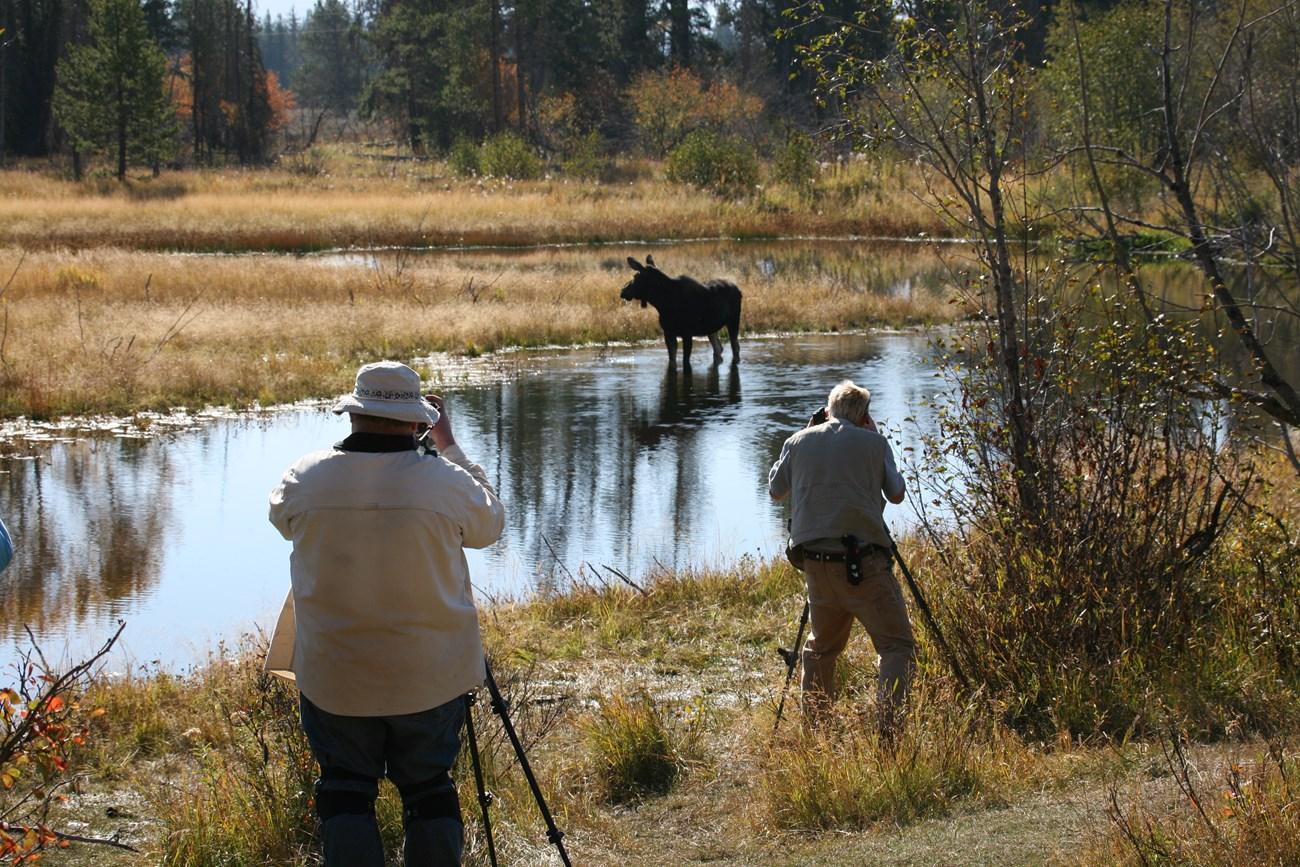 Wachung Mountains
Discover the tranquil Wachung Mountains in New Jersey, where scenic trails, lush forests, and vibrant wildlife create a perfect escape for nature enthusiasts.
-


Swipe for more regions
Explore more
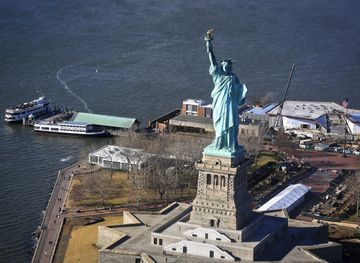
Explore more of New Jersey
Discover New Jersey: From vibrant cities and historic towns to scenic beaches and lush parks, the Garden State offers a rich blend of culture, nature, and adventure.
Explore New Jersey