

Free Gallup Travel Guide & Mobile App
Plan your Gallup trip with Evendo. Get free guides to top attractions, restaurants, hotels, and bars. Web access or download the mobile app.


Gallup, New Mexico, brings Route 66 history, Native arts, red-rock scenery and railway heritage together in a distinctive Western city for curious travellers.
A Railway City on Route 66
Gallup stands in western New Mexico among sandstone mesas, volcanic outcrops and the high desert landscapes of the Colorado Plateau. Founded beside the Atlantic and Pacific Railway in the 1880s, it grew as a trading and transport centre, and its identity remains closely tied to the railway, Route 66 and the long exchange between Indigenous communities, Hispanic settlers and newcomers from across the United States. The historic centre contains brick commercial buildings, muralled walls, trading establishments and the restored Santa Fe Railway station, now home to the Gallup Cultural Center.Read more about Gallup
A Centre for Native Arts
When is the best time to visit Gallup?
Best: May–June, September · 25–29°C| Month | High (°C) | Rainfall (mm) |
|---|---|---|
| January | 9 | 15 |
| February | 11 | 15 |
| March | 16 | 21 |
| April | 20 | 13 |
| May (best) | 25 | 13 |
| June (best) | 29 | 18 |
| July | 31 | 36 |
| August | 30 | 36 |
| September (best) | 25 | 28 |
| October | 19 | 23 |
| November | 11 | 15 |
| December | 8 | 18 |
Getting to and around Gallup
How to get there
Transportation
Best attractions in Gallup
Gallup's attractions bring together railway history, Route 66 and the landscapes of western New Mexico. The Gallup Cultural Center occupies the restored Santa Fe Railway station and introduces regional history, Native arts and the city's role as a transport crossroads, while the nearby Rex Museum offers a more local perspective on Gallup and McKinley County. Downtown streets contain historic commercial buildings, murals, galleries and trading businesses where visitors can see contemporary jewellery, rugs, pottery and sculpture. South of the urban centre, Red Rock Park presents distinctive sandstone formations with trails, viewpoints and space for outdoor recreation. El Rancho Hotel, an important Route 66-era property, is notable for its associations with film-making in the American West and its enduring western character. Seasonal events, especially the Inter-Tribal Indian Ceremonial, add performances, arts and community activity to the city's visitor calendar without reducing Gallup's cultural life to a single festival.
-
Tourist attraction
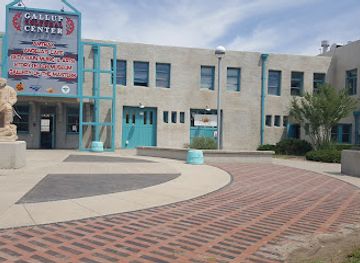
Gallup Cultural Center
Explore the Gallup Cultural Center: a vibrant hub of Native American art, culture, and history in Gallup, New Mexico.
3 min walk · 0.3 km from city centre
-
Tourist attraction
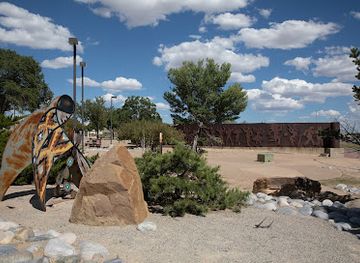
WE THE PEOPLE PARK
Discover the artistic charm of WE THE PEOPLE PARK in Gallup, NM, where culture, nature, and community come together in a serene atmosphere.
17 min walk · 1.4 km from city centre
-
Tourist attraction
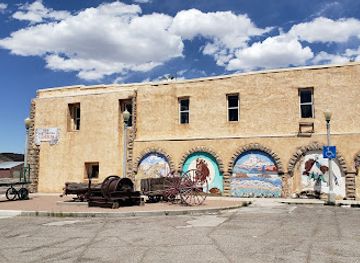
Rex Museum
Discover the vibrant history and culture of Gallup, New Mexico at the Rex Museum, a hidden gem along historic Route 66.
2 min walk · 0.2 km from city centre
-
Tourist attraction
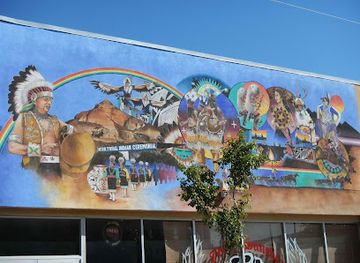
Murals of Gallup 02
Explore the Murals of Gallup, an open-air gallery that celebrates New Mexico's rich cultural heritage through stunning public art.
1 min walk · 0.1 km from city centre
Best landmarks in Gallup
Gallup's most telling landmarks are closely connected to movement, trade and the cultures of the surrounding high desert. The Gallup Cultural Center is housed in the city's restored Santa Fe Railway station, preserving a building associated with the rail line that established Gallup as a commercial settlement. El Rancho Hotel, a celebrated Route 66-era building, recalls the period when western film productions and automobile travellers brought national attention to the city. Downtown's historic commercial blocks and murals express the continued importance of Native art and regional trade, while the Rex Museum occupies a former Elks Lodge and documents local history in a civic setting. Red Rock Park is a natural landmark rather than an architectural one, with sandstone formations that explain the city's visual setting. Together these places connect Gallup's railway foundations, roadside culture, artistic economy and high-desert geography.
-
Hotel
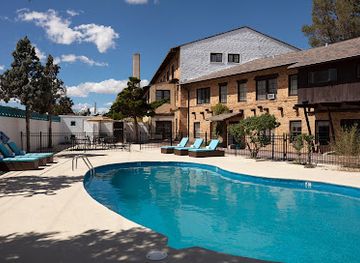
Historic El Rancho Hotel
Immerse yourself in the rich history and vibrant culture of the Southwest at the Historic El Rancho Hotel, a landmark of Route 66.
17 min walk · 1.3 km from city centre
-
Restaurant
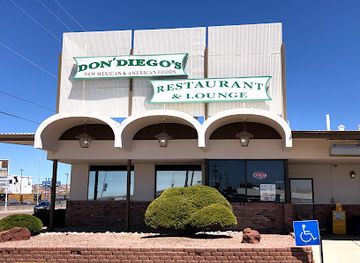
Don Diego's Restaurant & Lounge
Experience authentic Mexican cuisine at Don Diego's Restaurant & Lounge in Gallup, NM, where flavorful dishes and a friendly atmosphere await.
10 min walk · 0.8 km from city centre
-
Breakfast
Route 66 Railway Cafe
Experience a blend of American and Latin flavors at Route 66 Railway Cafe, a delicious breakfast destination in Gallup, New Mexico.
9 min drive · 3.0 km from city centre
-
Mexican
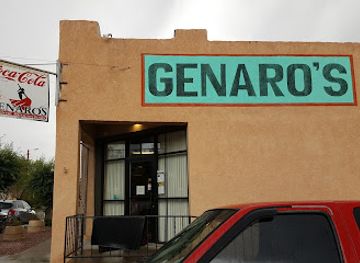
Genaro's Cafe
Discover the vibrant taste of Mexico at Genaro's Cafe in Gallup, NM, where every dish tells a flavorful story.
7 min walk · 0.6 km from city centre
Explore Gallup on the map
Plan your Gallup trip on one map. See where the top attractions, landmarks, restaurants, bars and hotels are, find what's near where you're staying, and book hotels and experiences in a few clicks.
Best hotels in Gallup
Best restaurants in Gallup
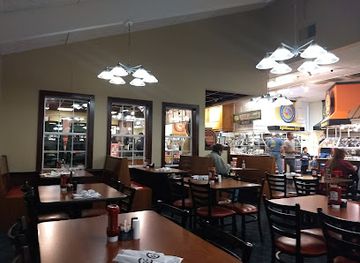
Gallup's dining scene reflects its position at the meeting point of New Mexican, Native, Hispanic and wider American Southwest traditions. Local menus commonly feature New Mexican staples such as red or green chile, enchiladas, posole, beans and breakfast plates, with the choice of chile often treated as a defining part of the order. Diners will also find Mexican-American cafés, family restaurants, bakeries and straightforward Route 66-style stops around the central corridor. Native foods and products appear through regional events, markets and specialist businesses, although they should not be assumed to be available in every conventional restaurant. Downtown is a useful area for combining food with galleries and historic streets, while travellers heading towards rural communities should expect fewer choices and longer distances between services. Menus vary considerably, so regional identity is best understood through several kinds of eating rather than a single signature dish.
-
American
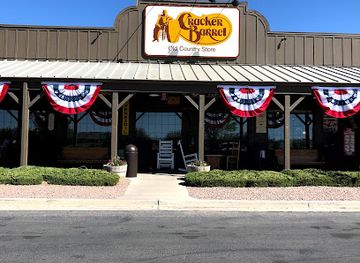
Cracker Barrel Old Country Store
Discover the essence of Southern hospitality at Cracker Barrel Old Country Store in Gallup, NM - where comfort food meets charming shopping.
6 min drive · 1.9 km from city centre
-
Family-friendly
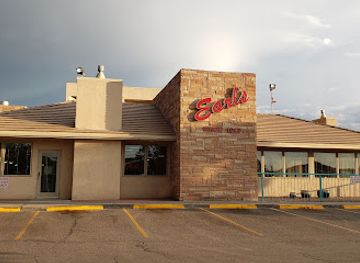
Earl's Family Restaurant
Discover Earl's Family Restaurant in Gallup - where delicious breakfasts meet family-friendly dining in a cozy atmosphere.
6 min drive · 2.0 km from city centre
-
Restaurant
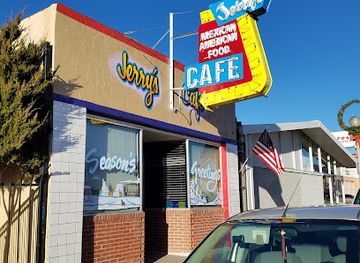
Jerry's Cafe
Discover authentic Southwestern breakfast delights at Jerry's Cafe in Gallup – where every bite tells a story.
4 min walk · 0.3 km from city centre
-
Buffet
Golden Corral Buffet & Grill
Experience an endless array of mouthwatering American cuisine at Golden Corral Buffet & Grill - where family dining meets great value.
18 min walk · 1.5 km from city centre
Best bars in Gallup
Gallup's evening scene is modest and practical rather than built around a large club district. Historic hotel lounges, neighbourhood bars, casual restaurants and establishments along the Route 66 corridor provide places for drinks and conversation, while local events can bring live music, dancing and cultural performances to civic or festival venues. The Inter-Tribal Indian Ceremonial and other seasonal gatherings may create a livelier programme than an ordinary week, but nightlife remains shaped by the city's role as a regional service centre and by the long distances between communities. Evening walks are most comfortable around active, well-lit areas, and visitors should arrange transport rather than assume late public connections. Some cultural performances are community events rather than regular tourist entertainment, so respectful behaviour and attention to local announcements are important.
-
Bar
Don Diego's Restaurant & Lounge
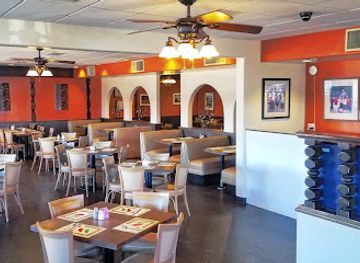
Experience authentic New Mexican flavors at Don Diego's Restaurant & Lounge, a family-friendly bar and restaurant in the heart of Gallup.
10 min walk · 0.8 km from city centre
-
Restaurant
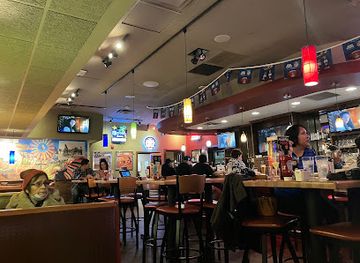
Applebee's Grill + Bar
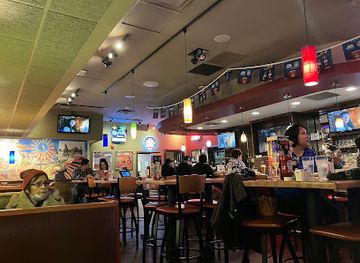
Savor the taste of America at Applebee's Grill + Bar, where casual dining meets delicious comfort food in Gallup, New Mexico.
7 min drive · 2.2 km from city centre
-
Italian
Fratelli's Bistro
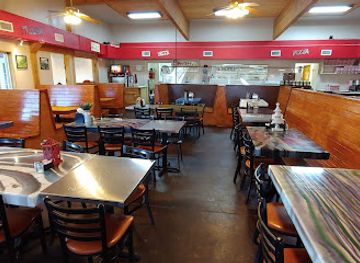
Experience the authentic taste of Italy at Fratelli's Bistro in Gallup, NM – a must-visit for pizza lovers and Italian cuisine enthusiasts.
7 min drive · 2.2 km from city centre
-
Mexican
El Sombrero Restaurant
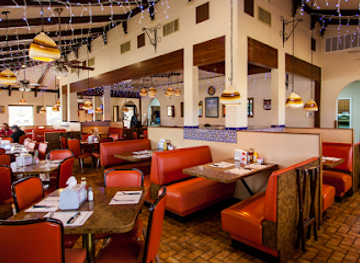
El Sombrero Restaurant in Gallup, NM offers authentic Mexican flavors with a vibrant atmosphere, perfect for tourists exploring the historic Route 66.
5 min drive · 1.6 km from city centre
Best nightclubs in Gallup
Gallup's evening scene is modest and practical rather than built around a large club district. Historic hotel lounges, neighbourhood bars, casual restaurants and establishments along the Route 66 corridor provide places for drinks and conversation, while local events can bring live music, dancing and cultural performances to civic or festival venues. The Inter-Tribal Indian Ceremonial and other seasonal gatherings may create a livelier programme than an ordinary week, but nightlife remains shaped by the city's role as a regional service centre and by the long distances between communities. Evening walks are most comfortable around active, well-lit areas, and visitors should arrange transport rather than assume late public connections. Some cultural performances are community events rather than regular tourist entertainment, so respectful behaviour and attention to local announcements are important.
-
Restaurant
Applebee's Grill + Bar
Explore the flavors of traditional American cuisine at Applebee's Grill + Bar in Gallup, NM, where every meal is a celebration of good food and great times.
7 min drive · 2.2 km from city centre
-
Mexican
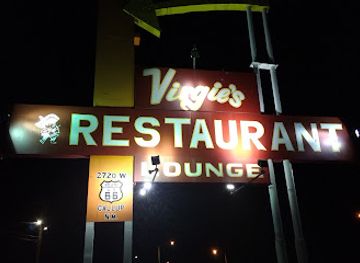
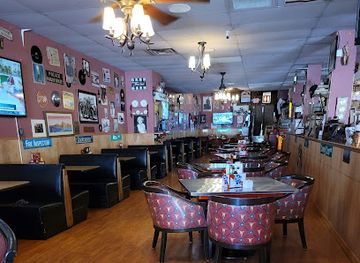
Virgie's Restaurant & Lounge
Experience the vibrant flavors of Mexico at Virgie's Restaurant & Lounge, where every meal is a celebration of Latin American culinary traditions.
17 min drive · 5.8 km from city centre
-
Grill
Coal Street Pub
Discover the vibrant flavors of American and Mexican cuisine at Coal Street Pub, Gallup's favorite family-friendly grill and pub.
3 min walk · 0.2 km from city centre
-
Sports bar
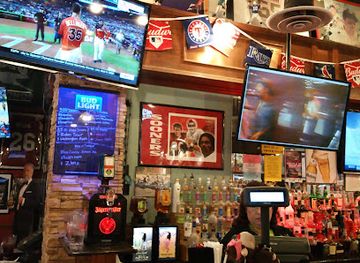
Sammy C's Rock N' Sports Pub & Grille
Discover the lively ambiance of Sammy C's Rock N' Sports Pub & Grille, the ultimate destination for sports lovers and foodies in Gallup, New Mexico.
1 min walk · 0.1 km from city centre
Best shops in Gallup
Gallup is best known for Native arts and jewellery, with downtown galleries, trading businesses and specialist shops offering Navajo rugs, silver and turquoise jewellery, pottery, sculpture and other work from the wider region. Buying directly from an established gallery or artist can provide information about materials, provenance and technique, while visitors should be cautious of vague claims about authenticity and ask questions respectfully. Historic Route 66 areas add western clothing, souvenirs, books and locally themed gifts, and the city's seasonal ceremonial events bring artists and vendors into a concentrated public setting. Shopping here is less about conventional retail districts than about understanding a regional craft economy shaped by Diné, Zuni and Pueblo traditions. Cultural items may be subject to restrictions when exported internationally, so keep purchase records and check customs rules before leaving the United States.
-
Department store
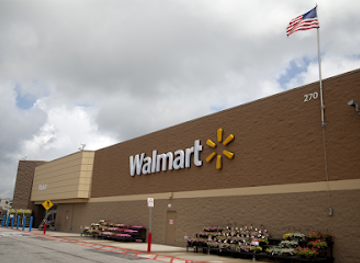
Walmart Supercenter
Discover convenience and variety at Walmart Supercenter in Gallup, NM – your go-to destination for all shopping needs during your travels.
7 min drive · 2.4 km from city centre
-
Craft store
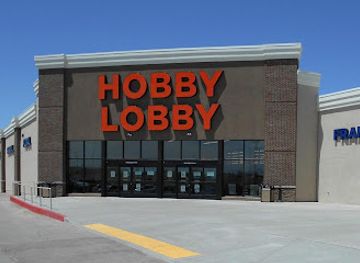
Hobby Lobby
Discover a World of Creativity at Hobby Lobby in Gallup, NM - Your One-Stop Craft Store for Fabrics, Home Goods, and More!
6 min drive · 1.9 km from city centre
-
Shopping mall
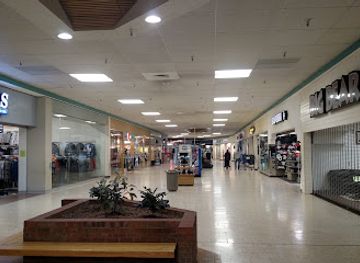
Rio West
Experience shopping, dining, and entertainment at Rio West Mall in Gallup, NM - a vibrant destination for every traveler.
6 min drive · 1.9 km from city centre
-
Flea market
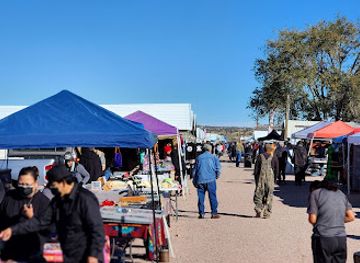
Gallup Flea Market
Discover a vibrant marketplace filled with unique treasures, local crafts, and delicious food at Gallup Flea Market every Saturday in Gallup, New Mexico.
7 min drive · 2.3 km from city centre
Get your free copy of our complete guide to Gallup, delivered straight to you.
Everything on this page, from attractions and restaurants to essentials and local phrases, in one PDF you can read offline, print or share.
Already have an account? Sign in
Your Gallup guide is ready.
We'll send it to · Not you? Sign out

Getting your guide ready…
We are putting together a fresh copy of the Gallup guide. This can take up to a minute.
This can take a few moments. If your browser asks, choose Allow so the download can start. You'll find the guide in your Downloads folder.
Nothing happened? Download it again
Sorry, the guide is taking longer than usual. Please try again in a minute, or get it by email instead.
Gallup essentials
Currency and Payment
Safety
Emergency Situations
Do's and Don'ts
Local Tips
From Eve
Local phrases worth knowing
You don't need to get them perfect. A few words go a long way, and locals appreciate the effort.
Basics
| English | Local | Say it |
|---|---|---|
| Hello | Ya'at'eeh | [yah-ah-tay] |
| Goodbye | Adíos | [ah-dee-ohs] |
| Yes | Yá'át'ééh | [yah-ah-tay] |
| No | Bééhózin | [bay-ho-zeen] |
| Please/You're welcome | Ahe'hee' | [ah-hay-hay] |
| Thank you | Ahe'hee' | [ah-hay-hay] |
| Excuse me/Sorry | Bilasáana | [bee-lah-sah-nah] |
| How are you? | Yá'át'ééh? | [yah-ah-tay] |
| Fine. And you? | Nizhóní. Áádóók'éed? | [knee-zho-nee. ah-ah-doh-kay-d] |
| Do you speak English? | Díí bizaad doo shił yit'á? | [dee bee-zaad doh sheel yit-ah] |
| I don't understand | T'áá hwó'ají ádoo shił | [tah-ah whoa-jee ah-doh sheel] |
Eating & Drinking
| English | Local | Say it |
|---|---|---|
| I'd like to see the menu, please | Menu t'éego baa aadóóhí, ahe'hee' | [meh-noo tay-go bah ah-doh-hee ah-hay-hay] |
| I don't eat meat | Níłch'i dine'é | [neel-chee dee-nay] |
| Cheers! | Shí éí | [shee ay-ee] |
| I would like to pay, please | T'áá ánít'é, ahe'hee' | [tah-ah ah-neet-ay ah-hay-hay] |
Emergencies
| English | Local | Say it |
|---|---|---|
| Help! | Aaa! | [ah-ah-ah] |
| Go away! | Bee haz'a' | [bee haz-ah] |
| Call the Police! | Wót'éégo shí | [woh-tay-go shee] |
| Call a doctor! | Wót'éégo bíighaní | [woh-tay-go bee-ghah-nee] |
| I'm lost | T'áá hwó'ají ádoo shił | [tah-ah whoa-jee ah-doh sheel] |
| I'm ill | T'áá hwó'ají ádoo shił | [tah-ah whoa-jee ah-doh sheel] |
Shopping
| English | Local | Say it |
|---|---|---|
| I'd like to buy... | Baa hózhǫ́ | [bah-ho-zhon] |
| I'm just looking | Baa díígo t'éego | [bah dee-ee-go tay-go] |
| How much is it? | Hádóósh? | [hah-doh-sh] |
| That's too expensive | Níłch'i nílí | [neel-chee nee-lee] |
| Can you lower the price? | Ahe'hee', t'áá hwó'ají ádoo shił | [ah-hay-hay tah-ah whoa-jee ah-doh sheel] |
Time & Numbers
| English | Local | Say it |
|---|---|---|
| What time is it? | Háadii yázhí | [hah-dee-ee yah-zhee] |
| It's one o'clock | T'áá shíniidlaa' | [tah-ah shee-nee-dlah] |
| Half past (10) | Náhást'éí da'áłníí' | [nah-has-tay-ee dah-ah-lnee] |
| Morning | Azee' | [ah-zay] |
| Afternoon | Be'éhózin | [bay-ay-ho-zeen] |
| Evening | T'ááłá' | [tah-ah-lah] |
| Yesterday | Éí | [ay-ee] |
| Today | Éí | [ay-ee] |
| Tomorrow | Éí | [ay-ee] |
| 1 | T'áá | [tah-ah] |
| 2 | Naaki | [nah-kee] |
| 3 | T'eed | [tay-ed] |
| 4 | Dį́į́' | [dee-dee] |
| 5 | Ashdla' | [ah-shlah] |
| 6 | Hastą́ą́' | [hah-stan] |
| 7 | Tseebíí | [tsee-bee] |
| 8 | Tseebíí | [tsee-bee] |
| 9 | Tseebíí | [tsee-bee] |
| 10 | Tseebíí | [tsee-bee] |
Transport & Directions
| English | Local | Say it |
|---|---|---|
| Where's a/the...? | Hózhǫ́ nihí | [ho-zhon nee-hee] |
| What's the address? | Áíísh baa hózhǫ́ | [ah-ee-sh bah-ho-zhon] |
| Can you show me (on the map)? | Map t'éego baa naaználí | [mahp tay-go bah nahz-nah-lee] |
| When's the next (bus)? | Nihí éé' daazts'éédí | [nee-hee ay-ay dah-zin-tsay-dee] |
| A ticket (to ....) | Baa yisdzíí | [bah yis-zee] |
History of Gallup
Railway Foundations in the 1880s
Gallup emerged in the early 1880s as the Atlantic and Pacific Railroad advanced across western New Mexico. The city was named for David Gallup, a railroad paymaster associated with the line, and its location made it a point of exchange between railway workers, merchants, ranchers and neighbouring Indigenous communities. Coal mining in the surrounding area supplied the railway and helped establish Gallup as a durable commercial settlement. The tracks also connected the town to wider markets, bringing manufactured goods west and carrying regional livestock, minerals and other products east. Gallup's railway origins remain visible in the historic depot and in the street pattern and commercial buildings around the old centre.
Trade Across Indigenous Homelands
Long before Gallup was established, the surrounding region was home to Diné, Zuni and other Pueblo peoples, whose communities maintained distinctive languages, ceremonies, artistic traditions and systems of trade. The town developed close to these existing cultural landscapes and became known for trading posts that bought and sold rugs, jewellery, pottery and other Native-made goods. This history was not an equal exchange in every period: traders, tourists and outside institutions often shaped prices and public representations of Indigenous art. Today, Gallup's galleries and cultural institutions reflect both the continuing importance of Native creativity and the need to understand objects in their community and cultural context.
Route 66 and the Automobile Era
Gallup became part of US Route 66, the transcontinental highway established in 1926, linking the city to the growing culture of automobile travel. Motels, cafés, petrol stations and shops developed around the road, complementing the older railway economy and bringing travellers into the commercial centre. The route also made Gallup visible to writers, photographers and film-makers seeking the landscapes and multicultural character of the American Southwest. Although Interstate 40 later carried most long-distance traffic around the city, sections of the old highway survive as local streets and roads. Route 66 remains an important layer of Gallup's built identity rather than a separate historical theme.
The Inter-Tribal Indian Ceremonial
Gallup's Inter-Tribal Indian Ceremonial began in 1922 and developed into a major public event featuring dances, arts, cultural presentation and rodeo traditions. Its history reflects the complicated relationship between Indigenous communities and tourism: the gathering created opportunities for artists and performers while also presenting Native cultures to outside audiences through an event shaped partly by non-Native civic organisations. Over time, Native participants and cultural leaders have remained central to its character. The ceremonial helped reinforce Gallup's reputation as a gateway to the Native Southwest, but it should be understood alongside the everyday communities, artists and institutions whose work continues throughout the year.
Mining, Industry and Urban Change
Coal mining played a significant role in the region's early economy, supporting the railway and providing employment as Gallup expanded. Later, uranium mining became important across parts of western New Mexico during the twentieth century, linking the region to the national nuclear programme. Uranium extraction left a difficult legacy, particularly for workers and nearby Indigenous communities affected by environmental contamination and health consequences. Gallup's modern history therefore includes both economic development and sustained debate about land, labour, public health and responsibility. The city's museums and civic narratives place its commercial growth within this broader story of resource use in the high desert.
A Contemporary Cultural Crossroads
In the late twentieth and early twenty-first centuries, Gallup continued to function as a regional service centre and a meeting place between Native, Hispanic and Anglo communities. Historic Route 66, railway travel, arts commerce and annual events support its visitor economy, while the city remains connected to surrounding pueblos, the Navajo Nation and rural settlements. Contemporary Gallup is not simply a preserved western town: its galleries, public art, cultural institutions and community events reflect ongoing artistic production and social change. The historic downtown, restored railway buildings and trading businesses provide visible links to the past, while current debates about representation and cultural ownership shape how that heritage is presented.
Gallup in Photos
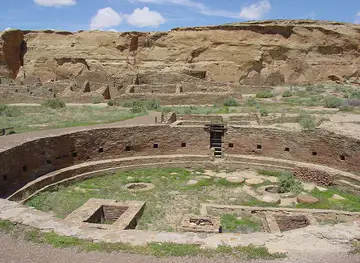
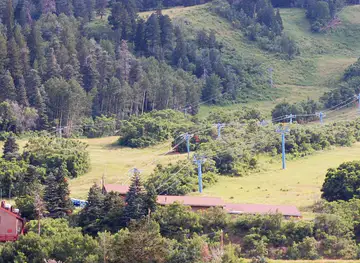
Browse through our photo collection highlighting the charm and character of the destination.
Cities near Gallup
The closest cities to Gallup, if you have time for more than one stop.
-
-
-

-

-


Swipe for more cities
Explore more

Explore more of New Mexico
Discover the enchanting blend of rich history, diverse cultures, and stunning landscapes in New Mexico, the Land of Enchantment, where adventure and relaxation await.
Explore New Mexico