

Free Bernalillo Travel Guide & Mobile App
Plan your Bernalillo trip with Evendo. Get free guides to top attractions, restaurants, hotels, and bars. Web access or download the mobile app.


Bernalillo, New Mexico, brings Rio Grande landscapes, Pueblo heritage, Spanish history, local food and easy access to northern New Mexico attractions.
A Rio Grande Valley Community
Bernalillo lies along the Rio Grande in central New Mexico, between Albuquerque and the Sandia and Jemez mountains. Its small-town streets, cottonwood-lined river landscape and broad valley setting offer a quieter view of the region than the metropolitan areas to the south. The town is the county seat of Sandoval County and a practical base for exploring the cultural landscapes of northern New Mexico.Read more about Bernalillo
Pueblo and Spanish Legacies
Local Character and Regional Access
When is the best time to visit Bernalillo?
Best: April–May, October · 21–26°C| Month | High (°C) | Rainfall (mm) |
|---|---|---|
| January | 8 | 13 |
| February | 10 | 13 |
| March | 17 | 16 |
| April (best) | 21 | 12 |
| May (best) | 26 | 15 |
| June | 32 | 18 |
| July | 35 | 35 |
| August | 34 | 36 |
| September | 30 | 29 |
| October (best) | 23 | 23 |
| November | 16 | 18 |
| December | 9 | 14 |
Getting to and around Bernalillo
How to get there
Transportation
Best attractions in Bernalillo
Bernalillo's principal attraction is the Coronado Historic Site, south of the town, where the remains of Kuaua Pueblo, reconstructed features and museum displays explain the area's Pueblo heritage and the 1540–41 Coronado expedition. In the town centre, the plaza area and Our Lady of Sorrows Church offer a more intimate view of Bernalillo's Spanish colonial and community history. The Rio Grande bosque provides a quieter setting for seasonal walking and birdwatching, while nearby Santa Ana Pueblo adds further cultural context, subject to community access rules. The surrounding valley is also a gateway to the Jemez Mountains and northern New Mexico's Pueblo and historic sites, though these are regional excursions rather than attractions within Bernalillo itself. Seasonal fiestas, local arts events and agricultural landscapes contribute to the town's sense of place without turning it into a conventional high-density sightseeing destination.
-
Tourist attraction
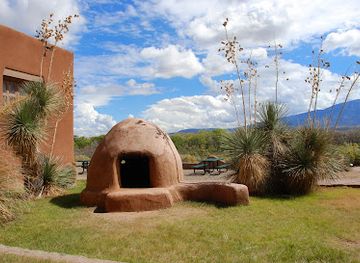
Coronado Historic Site
Explore the Coronado Historic Site: A blend of history, culture, and stunning landscapes in New Mexico's beautiful Bernalillo.
6 min drive · 1.9 km from city centre
-
Tourist attraction
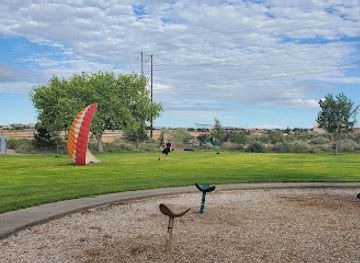
Enchanted Hills Park
Experience the beauty and tranquility of Enchanted Hills Park, a peaceful oasis in Rio Rancho, New Mexico, perfect for nature lovers and outdoor enthusiasts.
11 min drive · 3.8 km from city centre
-
Park
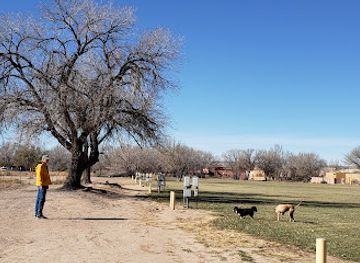
Loretto Park
Discover Loretto Park in Bernalillo, NM: A tranquil green space perfect for relaxation, picnics, and enjoying the natural beauty of the Southwest.
9 min walk · 0.7 km from city centre
-
Museum
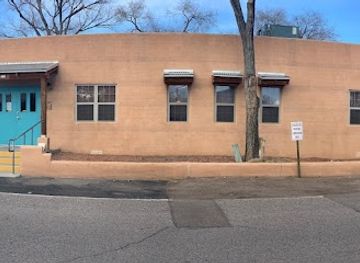
Bernalillo Community Museum
Discover the heart of Bernalillo's history at the Bernalillo Community Museum, showcasing local heritage and culture through engaging exhibits.
12 min walk · 1.0 km from city centre
Best landmarks in Bernalillo
Bernalillo's most important landmarks express the layered history of the Rio Grande valley. Our Lady of Sorrows Church, near the historic centre, represents the continuing Catholic tradition that shaped the Spanish and Mexican-era community, while the plaza area recalls the civic structure of the old settlement. At Coronado Historic Site, the remains of Kuaua Pueblo are the principal archaeological landmark, preserving evidence of a Tiwa Pueblo community encountered by the Coronado expedition. Acequia landscapes and historic irrigation channels also reveal how farming communities adapted to the river, although many are working systems rather than formal monuments. The town's significance lies less in grand monumental architecture than in the relationship between Pueblo archaeology, village religious buildings, agricultural infrastructure and the broad Rio Grande setting.
-
Casino
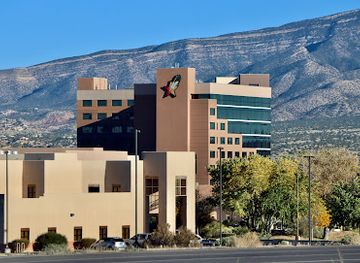
Santa Ana Star Casino Hotel
Discover the excitement of gaming, luxurious accommodations, and delicious dining at Santa Ana Star Casino Hotel in Bernalillo, New Mexico.
6 min drive · 2.0 km from city centre
-
Southwestern American
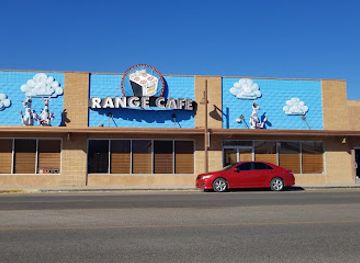
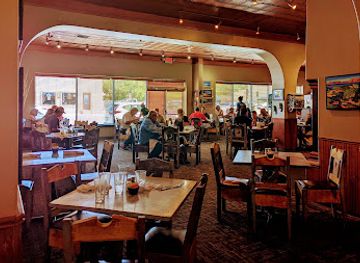
Range Café Bernalillo
Experience the best of Southwestern American cuisine at Range Café Bernalillo, a beloved dining destination offering delicious meals and local charm.
15 min walk · 1.2 km from city centre
-
Department store
Walmart Supercenter
Discover Walmart Supercenter in Bernalillo: your ultimate shopping destination for groceries, clothing, electronics, and more—all at budget-friendly prices.
6 min drive · 1.9 km from city centre
-
Pizza
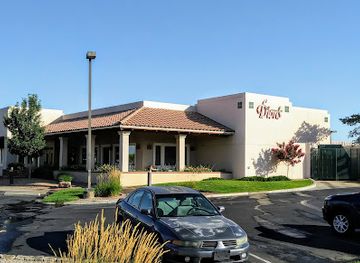
Dion's Pizza
Savor the authentic flavors of New Mexico at Dion's Pizza in Bernalillo, where every slice is a celebration of fresh ingredients and local hospitality.
6 min drive · 2.0 km from city centre
Explore Bernalillo on the map
Plan your Bernalillo trip on one map. See where the top attractions, landmarks, restaurants, bars and hotels are, find what's near where you're staying, and book hotels and experiences in a few clicks.
Best hotels in Bernalillo
Best restaurants in Bernalillo
Bernalillo's food culture is rooted in northern New Mexican cooking, where red and green chile, beans, corn, tortillas and slow-cooked meats shape familiar plates. Enchiladas, carne adovada, posole, tamales and breakfast dishes with chile are widely associated with the region, while recipes reflect the long interaction of Pueblo, Spanish, Mexican and later American traditions. Local cafés and family-run eateries generally provide a more useful introduction to the town than formal fine dining, with bakeries and casual restaurants serving both traditional plates and everyday American fare. The wider Rio Grande corridor offers additional restaurants and food markets, particularly towards Albuquerque and Rio Rancho. Travellers should specify whether they want red chile, green chile or both, and should expect the heat level and preparation to vary between kitchens.
-
Southwestern American
Range Café Bernalillo
Discover authentic Southwestern flavors at Range Café Bernalillo - where every bite tells a story.
15 min walk · 1.2 km from city centre
-
Restaurant
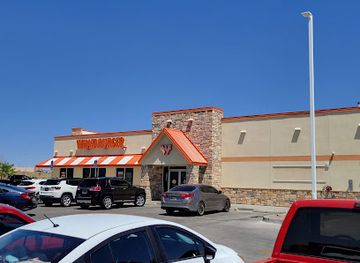
Whataburger
Discover the iconic flavors of Whataburger in Rio Rancho - where classic American fast food meets local charm.
7 min drive · 2.4 km from city centre
-
Fast Food
McDonald's
Discover quick and affordable meals at McDonald's in Bernalillo – perfect for tourists craving familiar flavors.
16 min walk · 1.3 km from city centre
-
Pizza
Dion's Pizza
Experience the best of New Mexican cuisine at Dion's Pizza—where delicious flavors meet friendly service in Bernalillo.
6 min drive · 2.0 km from city centre



Best bars in Bernalillo
Bernalillo has a modest evening scene rather than a concentrated nightlife district. Local bars, casual restaurants and community events provide the main opportunities for socialising after dark, while larger choices in Albuquerque and Rio Rancho are within driving distance. Seasonal fiestas and cultural programmes can bring music, dancing and family gatherings to public spaces, but schedules vary. The nearby Santa Ana Star Casino, on Santa Ana Pueblo outside Bernalillo, offers a more substantial entertainment setting, including gaming and performances, subject to its own rules and programme. Because roads and venues are dispersed, visitors should plan a sober driver or pre-arranged transport rather than assuming that taxis or late-night public transport will be readily available.
-
Bar
Range Café Bernalillo
Experience the delightful blend of Southwestern flavors and cozy atmosphere at Range Café Bernalillo, a local favorite for dining and desserts.
15 min walk · 1.2 km from city centre
-
Fast Food
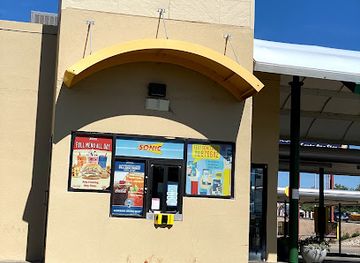
Sonic Drive-In
Discover the classic American drive-in experience at Sonic Drive-In, where delicious fast food meets nostalgia in Bernalillo, New Mexico.
11 min walk · 0.9 km from city centre
-
Bar
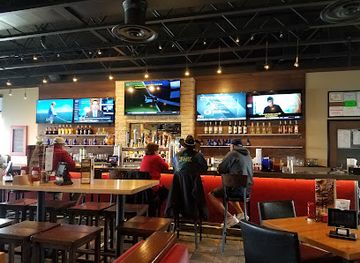
Chili's Grill & Bar
Experience a lively atmosphere at Chili's Grill & Bar, where American favorites meet Tex-Mex delights in Bernalillo, New Mexico.
6 min drive · 2.2 km from city centre
-
Restaurant
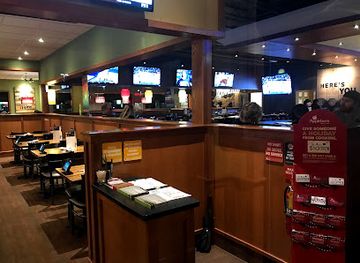
Applebee's Grill + Bar
Discover the flavors of classic American cuisine at Applebee's Grill + Bar in Bernalillo, New Mexico, perfect for families and travelers.
13 min walk · 1.1 km from city centre
Best nightclubs in Bernalillo
Bernalillo has a modest evening scene rather than a concentrated nightlife district. Local bars, casual restaurants and community events provide the main opportunities for socialising after dark, while larger choices in Albuquerque and Rio Rancho are within driving distance. Seasonal fiestas and cultural programmes can bring music, dancing and family gatherings to public spaces, but schedules vary. The nearby Santa Ana Star Casino, on Santa Ana Pueblo outside Bernalillo, offers a more substantial entertainment setting, including gaming and performances, subject to its own rules and programme. Because roads and venues are dispersed, visitors should plan a sober driver or pre-arranged transport rather than assuming that taxis or late-night public transport will be readily available.
-
Casino
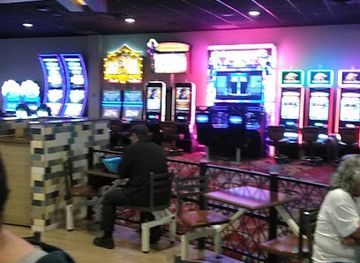
Santa Ana Star Casino Hotel
Discover the ultimate blend of gaming, entertainment, and luxury at Santa Ana Star Casino Hotel in Bernalillo, New Mexico.
6 min drive · 2.0 km from city centre
-
Bar
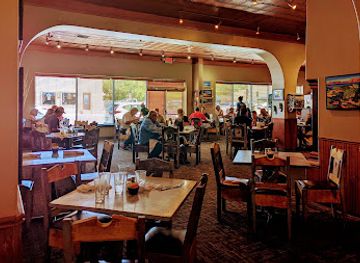
Range Café Bernalillo
Discover the flavors of New Mexico at Range Café, where Southwestern cuisine and a charming atmosphere create a memorable dining experience.
15 min walk · 1.2 km from city centre
-
Dessert shop
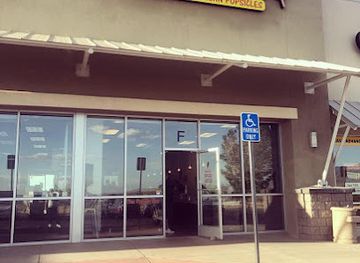
The Paleta Bar Bernalillo
Discover delectable, handcrafted popsicles at The Paleta Bar Bernalillo, where sweet flavors meet local charm in every bite.
6 min drive · 2.0 km from city centre
-
Bar
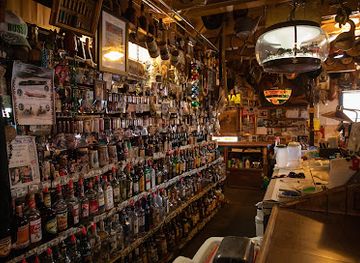
Silva's Saloon
Experience the vibrant local nightlife at Silva's Saloon in Bernalillo, NM, offering a delightful selection of drinks in a cozy atmosphere.
15 min walk · 1.2 km from city centre
Best shops in Bernalillo
Shopping in Bernalillo is practical and locally oriented, with small businesses, food retailers, cafés and seasonal community events rather than a large dedicated retail quarter. Visitors looking for distinctive regional purchases can seek New Mexican food products, chile, beans, locally made crafts and artwork, while Pueblo pottery, jewellery and other art should be bought through reputable galleries or authorised sellers that identify the artist and community honestly. The town and nearby communities may host seasonal markets and arts events, but their timing is not constant. More extensive shopping, including larger centres and independent retail districts, is available in Albuquerque and Rio Rancho. Purchases made on or associated with tribal lands should respect each community's rules and cultural ownership.
-
Department store
Walmart Supercenter
Discover unbeatable variety and value at Walmart Supercenter in Bernalillo, NM – your ultimate shopping destination while exploring New Mexico.
6 min drive · 1.9 km from city centre
-
Coffee shop
Bad Ass Coffee of Hawaii
Discover Bad Ass Coffee of Hawaii in Bernalillo, NM - a vibrant coffee shop offering Hawaiian flavors, unique treats, and a welcoming atmosphere.
5 min drive · 1.6 km from city centre
-
Cannabis store
PurLife Dispensary Bernalillo
Discover quality cannabis products and expert guidance at PurLife Dispensary in Bernalillo, New Mexico - a must-visit for enthusiasts and newcomers alike.
11 min walk · 0.9 km from city centre
-
Coffee shop
Starbucks
Discover the perfect blend of coffee and comfort at Starbucks, your go-to destination in Bernalillo for a delightful break.
14 min walk · 1.1 km from city centre


Get your free copy of our complete guide to Bernalillo, delivered straight to you.
Everything on this page, from attractions and restaurants to essentials and local phrases, in one PDF you can read offline, print or share.
Already have an account? Sign in
Your Bernalillo guide is ready.
We'll send it to · Not you? Sign out

Getting your guide ready…
We are putting together a fresh copy of the Bernalillo guide. This can take up to a minute.
This can take a few moments. If your browser asks, choose Allow so the download can start. You'll find the guide in your Downloads folder.
Nothing happened? Download it again
Sorry, the guide is taking longer than usual. Please try again in a minute, or get it by email instead.
Bernalillo essentials
Currency and Payment
Safety
Emergency Situations
Do's and Don'ts
Local Tips
From Eve
Local phrases worth knowing
You don't need to get them perfect. A few words go a long way, and locals appreciate the effort.
Basics
| English | Local | Say it |
|---|---|---|
| Hello | Hola | [oh-la] |
| Goodbye | Adiós | [ah-dee-ohs] |
| Yes | Sí | [see] |
| No | No | [noh] |
| Please/You're welcome | Por favor/De nada | [por fah-vor/deh nah-dah] |
| Thank you | Gracias | [grah-see-ahs] |
| Excuse me/Sorry | Disculpe/Lo siento | [dee-skool-peh/loh see-en-toh] |
| How are you? | ¿Cómo estás? | [koh-moh ehs-tahs] |
| Fine. And you? | Bien. ¿Y tú? | [bee-ehn. ee too] |
| Do you speak English? | ¿Hablas inglés? | [ah-blahs een-glays] |
| I don't understand | No entiendo | [noh ehn-tee-ehn-doh] |
Eating & Drinking
| English | Local | Say it |
|---|---|---|
| I'd like to see the menu, please | Quisiera ver el menú, por favor | [kee-see-eh-rah behr ehl meh-noo, por fah-vor] |
| I don't eat meat | No como carne | [noh koh-moh kahr-neh] |
| Cheers! | ¡Salud! | [sah-lood] |
| I would like to pay, please | Quisiera pagar, por favor | [kee-see-eh-rah pah-gahr, por fah-vor] |
Emergencies
| English | Local | Say it |
|---|---|---|
| Help! | ¡Ayuda! | [ah-yoo-dah] |
| Go away! | ¡Vete! | [veh-teh] |
| Call the Police! | ¡Llama a la Policía! | [yah-mah ah lah poh-lee-see-ah] |
| Call a doctor! | ¡Llama a un doctor! | [yah-mah ah oon dohk-tohr] |
| I'm lost | Estoy perdido | [ehs-toy pehr-dee-doh] |
| I'm ill | Estoy enfermo | [ehs-toy ehn-fehr-moh] |
Shopping
| English | Local | Say it |
|---|---|---|
| I'd like to buy... | Quisiera comprar... | [kee-see-eh-rah kohm-prahr] |
| I'm just looking | Solo estoy mirando | [soh-loh ehs-toy mee-rahn-doh] |
| How much is it? | ¿Cuánto cuesta? | [kwan-toh kwehs-tah] |
| That's too expensive | Es demasiado caro | [ehs deh-mah-see-ah-doh kah-roh] |
| Can you lower the price? | ¿Puede bajar el precio? | [pweh-deh bah-hahr ehl pree-syoh] |
Time & Numbers
| English | Local | Say it |
|---|---|---|
| What time is it? | ¿Qué hora es? | [keh oh-rah ehs] |
| It's one o'clock | Es la una | [ehs lah oo-nah] |
| Half past (10) | Las diez y media | [lahs d'yehs ee meh-dee-ah] |
| Morning | Mañana | [mah-nyah-nah] |
| Afternoon | Tarde | [tahr-deh] |
| Evening | Noche | [noh-cheh] |
| Yesterday | Ayer | [ah-yehr] |
| Today | Hoy | [oy] |
| Tomorrow | Mañana | [mah-nyah-nah] |
| 1 | Uno | [oo-noh] |
| 2 | Dos | [dohs] |
| 3 | Tres | [trehs] |
| 4 | Cuatro | [kwah-troh] |
| 5 | Cinco | [seen-koh] |
| 6 | Seis | [says] |
| 7 | Siete | [syeh-teh] |
| 8 | Ocho | [oh-choh] |
| 9 | Nueve | [nweh-veh] |
| 10 | Diez | [dyehs] |
Transport & Directions
| English | Local | Say it |
|---|---|---|
| Where's a/the...? | ¿Dónde está...? | [dohn-deh ehs-tah] |
| What's the address? | ¿Cuál es la dirección? | [kwahl ehs lah dee-rehk-syohn] |
| Can you show me (on the map)? | ¿Puedes mostrarme (en el mapa)? | [pweh-dehs mohs-trar-meh (ehn ehl mah-pah)] |
| When's the next (bus)? | ¿Cuándo es el próximo (autobús)? | [kwan-doh ehs ehl proh-see-moh (ow-toh-boos)] |
| A ticket (to ....) | Un boleto (a ....) | [oon boh-leh-toh (ah)] |
History of Bernalillo
Pueblo Communities of the Rio Grande
Long before the emergence of Bernalillo, Pueblo communities occupied the Rio Grande valley and its surrounding mesas. The area associated with Kuaua Pueblo, now preserved at Coronado Historic Site, formed part of the Tiwa-speaking Pueblo world encountered by Spanish explorers. Pueblo society was organised around farming, architecture, ceremony and extensive regional exchange, with communities adapting to the river valley's ecological conditions. These traditions remain important to the identity of nearby Pueblo nations, including Santa Ana and San Felipe, and provide essential context for understanding the cultural landscape around Bernalillo.
Coronado and the Spanish Encounter
Francisco Vázquez de Coronado's expedition reached the Rio Grande region in 1540–41 while searching for the wealthy places described in northern Mexico. The expedition encountered a network of Pueblo communities rather than the imagined cities it sought, and its arrival brought violence, disruption and new political pressures. At Kuaua, excavated remains and reconstructed features interpreted at Coronado Historic Site help explain the encounter without reducing Pueblo history to the expedition alone. Spanish exploration initiated a long and often adversarial period of colonial involvement in the upper Rio Grande.
The Founding of Bernalillo
Bernalillo developed as a Spanish colonial settlement in the late seventeenth century, during the period of renewed Spanish occupation following the Pueblo Revolt of 1680. Governor Diego de Vargas led the reconquest of New Mexico in the 1690s, and agricultural communities were re-established along the Rio Grande. Bernalillo became associated with farming, acequia irrigation and regional travel, while its name is generally linked to the Bernal family and colonial settlement history. The town's position on the route connecting settlements north and south helped sustain its role as a local centre.
Churches, Agriculture and Community Life
Through the Spanish and Mexican periods, Bernalillo's development remained tied to irrigated agriculture and the social institutions of the village. Acequias, or communal irrigation ditches, distributed river water to fields and gardens, while Catholic worship shaped public and family life. Our Lady of Sorrows Church stands as a reminder of this religious heritage, although the present building represents later construction and continuity rather than a single unchanged colonial structure. After Mexican independence in 1821 and the arrival of United States authority in 1846, Bernalillo continued to function as a local agricultural and administrative community.
A Modern County Seat
New Mexico's incorporation into the United States brought new political institutions, commercial links and transport connections to the Rio Grande valley. Bernalillo became the seat of Sandoval County when the county was created in 1903, strengthening its administrative role. Roads and later motor traffic connected the town with Albuquerque and northern New Mexico, while nearby Pueblo communities retained their own governments, lands and cultural institutions. In the contemporary period, Bernalillo's identity is shaped by the coexistence of municipal life, agricultural landscapes, Pueblo heritage, historic preservation and its position within the expanding Albuquerque metropolitan region.
Bernalillo in Photos
Browse through our photo collection highlighting the charm and character of the destination.
Cities near Bernalillo
The closest cities to Bernalillo, if you have time for more than one stop.
-

-

-

-

-


Swipe for more cities
Explore more

Explore more of New Mexico
Discover the enchanting blend of rich history, diverse cultures, and stunning landscapes in New Mexico, the Land of Enchantment, where adventure and relaxation await.
Explore New Mexico