

Free Farmington Travel Guide & Mobile App
Plan your Farmington trip with Evendo. Get free guides to top attractions, restaurants, hotels, and bars. Web access or download the mobile app.


Farmington, New Mexico combines Animas River scenery, Diné culture, regional museums and high-desert landscapes near Aztec Ruins and Four Corners.
High Desert Setting
Farmington lies in north-western New Mexico at the meeting of the Animas, San Juan and La Plata rivers, within a broad high-desert basin framed by mesas and distant mountain ranges. Its position in the Four Corners region makes it a practical base for exploring the cultural landscapes of north-west New Mexico, although several celebrated archaeological and geological sites lie beyond the city itself. The surrounding country shifts from cottonwood-lined waterways to sagebrush plains, sandstone formations and wide, open skies.Read more about Farmington
Culture and Community
Exploring the Region
When is the best time to visit Farmington?
Best: May–June, September · 22–28°C| Month | High (°C) | Rainfall (mm) |
|---|---|---|
| January | 6 | 15 |
| February | 8 | 12 |
| March | 12 | 15 |
| April | 17 | 11 |
| May (best) | 22 | 10 |
| June (best) | 28 | 9 |
| July | 32 | 16 |
| August | 32 | 15 |
| September (best) | 27 | 12 |
| October | 19 | 13 |
| November | 12 | 13 |
| December | 6 | 16 |
Getting to and around Farmington
How to get there
Transportation
Best attractions in Farmington
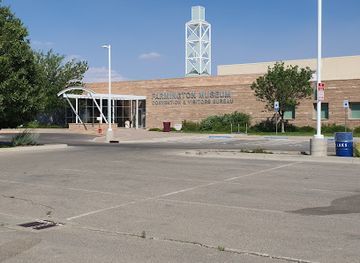
Farmington's principal attractions combine river recreation, local history and access to the wider San Juan Basin. The Farmington Museum introduces regional archaeology, natural history and contemporary culture, while the nearby E3 Children's Museum provides hands-on exhibits for younger visitors. Along the Animas River, Berg Park and Riverside Nature Center offer walking paths, cottonwoods, birdlife and interpretive displays in a more relaxed setting than the city's commercial corridors. Downtown streets and public art provide a modest urban stroll, particularly during community events such as Riverfest. For excursions beyond the city, Aztec Ruins National Monument preserves a major ancestral Pueblo great house, while Salmon Ruins near Bloomfield offers further archaeological insight; both should be treated as regional destinations rather than Farmington attractions. More remote outings lead to Navajo Lake or the eroded formations of Bisti/De-Na-Zin Wilderness, where preparation and respect for fragile terrain are essential.
-
Tourist attraction
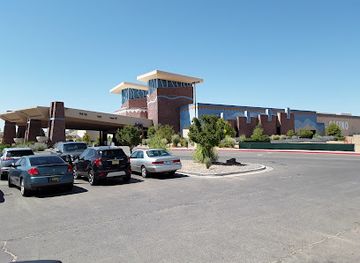
Northern Edge Navajo Casino
Discover the excitement and cultural richness at Northern Edge Navajo Casino, a premier destination for gaming and dining in New Mexico.
11 min drive · 3.5 km from city centre
-
Park
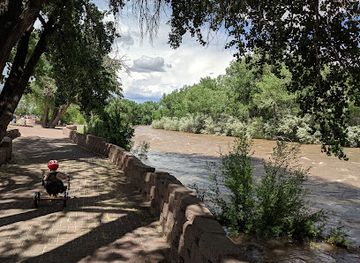
Berg Park
Explore the natural beauty and recreational wonders of Berg Park in Farmington, New Mexico. A perfect destination for families and nature lovers.
9 min drive · 2.9 km from city centre
-
Amusement center
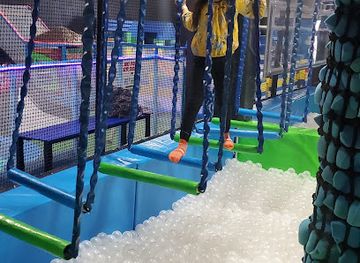
Fly High Farmington Trampoline Park
Experience the thrill of jumping at Fly High Farmington Trampoline Park, where fun knows no bounds in New Mexico's ultimate entertainment destination.
11 min drive · 3.7 km from city centre
-
Tourist attraction
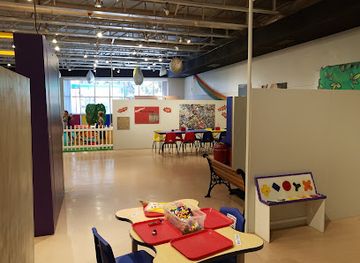
E3 Children's Museum & Science Center
Experience the joy of discovery at E3 Children's Museum & Science Center, where hands-on learning and creativity come to life in Farmington, NM.
16 min walk · 1.3 km from city centre
Best landmarks in Farmington
Farmington's landmarks are tied to rivers, regional history and civic identity rather than a concentration of grand historic buildings. The Farmington Museum is an important cultural landmark, interpreting the archaeology, environment and communities of the Four Corners region. Along the Animas, the bridge and park landscapes around Berg Park and Riverside Nature Center show how the river has shaped the city's public life and settlement pattern. Downtown's historic commercial buildings and the Totah Theater reflect Farmington's development as a regional trading centre, even though the urban fabric is modest. The city's most consequential historic places are outside its boundaries: Aztec Ruins National Monument preserves ancestral Pueblo architecture, while Salmon Ruins records a related regional tradition. These sites should be understood as part of the wider San Juan Basin cultural landscape, not as buildings within Farmington itself.
-
General hospital
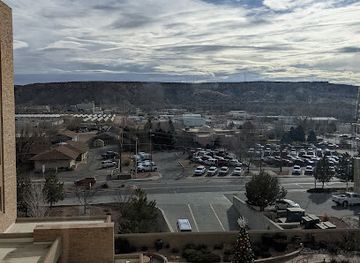
San Juan Regional Medical Center
Explore the vital role of San Juan Regional Medical Center in Farmington - where compassionate care meets community health initiatives.
6 min walk · 0.5 km from city centre
-
Mexican
The Chile Pod
Discover the authentic tastes of Mexican cuisine at The Chile Pod in Farmington, New Mexico, where each dish is a celebration of flavor and tradition.
14 min walk · 1.1 km from city centre
-
Brewpub
Three Rivers Eatery & Brewhouse
Experience the best of Farmington's craft beers and hearty meals at Three Rivers Eatery & Brewhouse, a must-visit brewpub for every traveler.
15 min walk · 1.2 km from city centre
-
Chinese
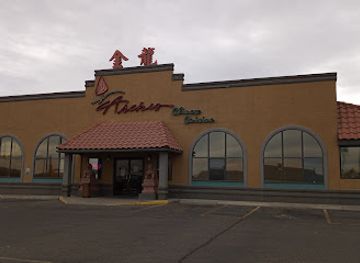
Arches Restaurant
Experience authentic Chinese flavors at Arches Restaurant in Farmington, New Mexico, where every dish tells a story of culinary tradition.
11 min drive · 3.8 km from city centre
Explore Farmington on the map
Plan your Farmington trip on one map. See where the top attractions, landmarks, restaurants, bars and hotels are, find what's near where you're staying, and book hotels and experiences in a few clicks.
Best hotels in Farmington
Best restaurants in Farmington
Farmington's dining scene reflects its position in north-west New Mexico, with New Mexican cooking, Mexican-influenced meals, American comfort food and the food traditions of the surrounding Diné region appearing across the city. Red or green chile is a defining local flavour, while menus may also include enchiladas, burritos, posole and other regional preparations; visitors will find both familiar restaurants and independent casual eateries. Diné foods such as fry bread and mutton-based dishes are associated with the broader region, though availability varies by establishment and event. Cafés, bakeries and family-run restaurants serve the everyday life of a regional centre, and local beer is represented by breweries and taprooms rather than a large nightlife district. Seasonal farmers' markets and community festivals provide additional opportunities to encounter regional produce, baked goods and Native food traditions.
-
Mexican
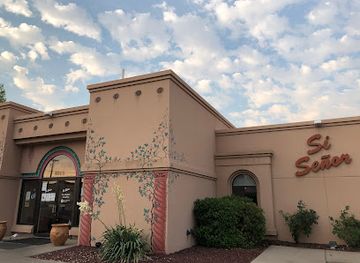
Si Señor Restaurant
Experience authentic Mexican cuisine at Si Señor Restaurant in Farmington - where vibrant flavors meet warm hospitality.
19 min drive · 6.4 km from city centre
-
Italian
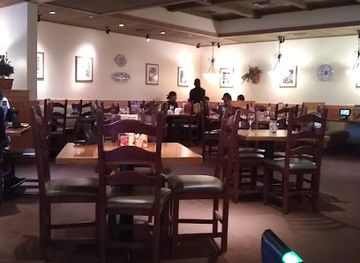
Olive Garden Italian Restaurant
Experience authentic Italian cuisine at Olive Garden in Farmington – where every meal feels like a celebration.
24 min drive · 8.0 km from city centre
-
Steak
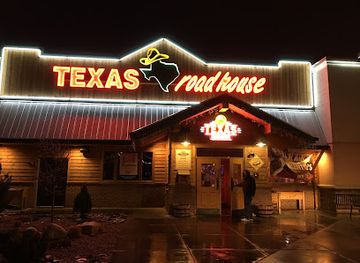
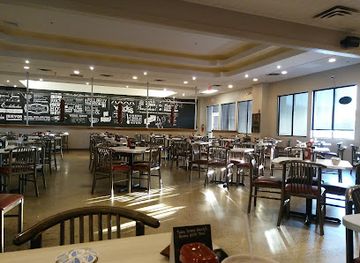
Texas Roadhouse
Discover Texas Roadhouse in Farmington: where authentic American steakhouse meets warm hospitality.
21 min drive · 7.1 km from city centre
-
Traditional American
Weck's
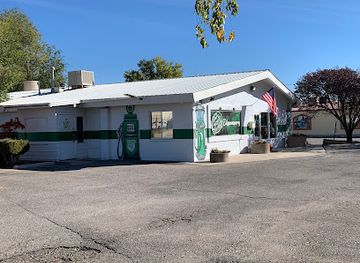
Experience authentic traditional American cuisine at Weck's in Farmington, NM - where comfort food meets warm hospitality.
14 min drive · 4.7 km from city centre
Best bars in Farmington
Farmington's evening scene is relatively low-key and shaped more by local restaurants, breweries, bars and community events than by a dense club district. Downtown and the main commercial corridors provide places for a relaxed drink, while breweries and taprooms offer locally produced beer in an informal setting. Live music, seasonal festivals and cultural programming can add energy to the evening calendar, particularly around community celebrations and the riverfront. The Totah Festival and other public events are more significant expressions of local culture than conventional nightclub entertainment. Because opening patterns and event schedules vary, nightlife is best approached as part of Farmington's regional-town character: an evening meal, a drink, a performance or a sunset walk may be more typical than late-night dancing. Visitors should arrange transport carefully when travelling across the spread-out city.
-
Bar
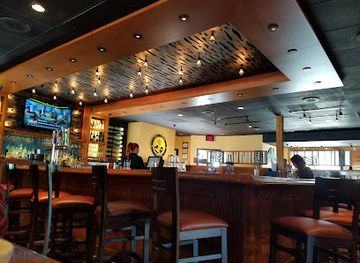
Outback Steakhouse
Experience the best of Australian-inspired dining at Outback Steakhouse in Farmington, NM, featuring delicious steaks and a vibrant atmosphere.
23 min drive · 7.8 km from city centre
-
Bar
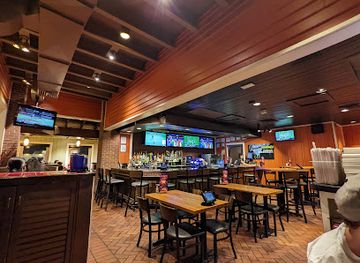
Chili's Grill & Bar
Experience a burst of flavor at Chili's Grill & Bar in Farmington, where American and Tex-Mex cuisines come alive in a casual dining atmosphere.
23 min drive · 7.7 km from city centre
-
Steak
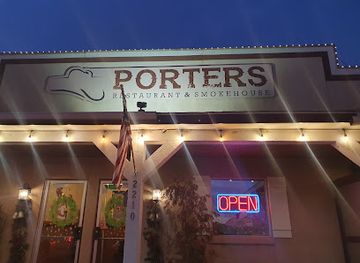
Porter's Restaurant and Smokehouse
Indulge in mouthwatering steaks and authentic barbecue at Porter's Restaurant and Smokehouse in Farmington, NM – a must-visit for food lovers.
13 min drive · 4.3 km from city centre
-
Grill
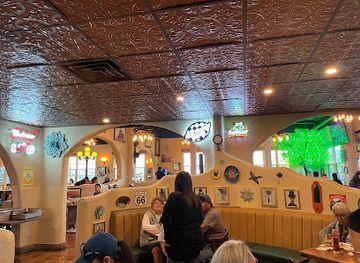
Clancy's Pub an Irish Cantina
Experience the vibrant flavors of Clancy's Pub in Farmington, where American, Mexican, and sushi cuisines come together in a lively setting.
15 min drive · 4.8 km from city centre
Best nightclubs in Farmington
Farmington's evening scene is relatively low-key and shaped more by local restaurants, breweries, bars and community events than by a dense club district. Downtown and the main commercial corridors provide places for a relaxed drink, while breweries and taprooms offer locally produced beer in an informal setting. Live music, seasonal festivals and cultural programming can add energy to the evening calendar, particularly around community celebrations and the riverfront. The Totah Festival and other public events are more significant expressions of local culture than conventional nightclub entertainment. Because opening patterns and event schedules vary, nightlife is best approached as part of Farmington's regional-town character: an evening meal, a drink, a performance or a sunset walk may be more typical than late-night dancing. Visitors should arrange transport carefully when travelling across the spread-out city.
-
Grill
Clancy's Pub an Irish Cantina
Discover Clancy's Pub, a lively Irish cantina in Farmington, offering a delightful blend of American, Mexican, and sushi flavors.
15 min drive · 4.8 km from city centre
-
Grill
No Worries Sports Bar & Grill
Experience Farmington's lively dining scene at No Worries Sports Bar & Grill, where great food and sports come together in a vibrant atmosphere.
5 min drive · 1.5 km from city centre
-
Sports bar
Crackers' Sports Bar
Discover the vibrant atmosphere and delicious American cuisine at Crackers' Sports Bar, the perfect spot to enjoy sports and socialize in Farmington, NM.
18 min drive · 6.1 km from city centre
-
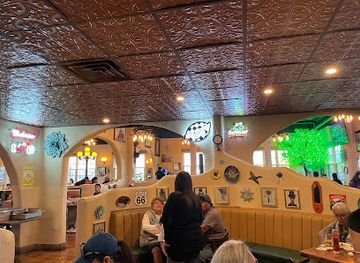
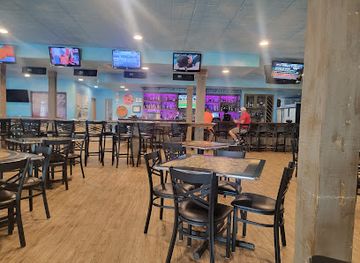
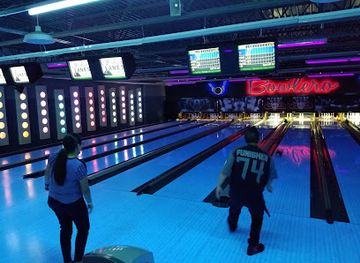
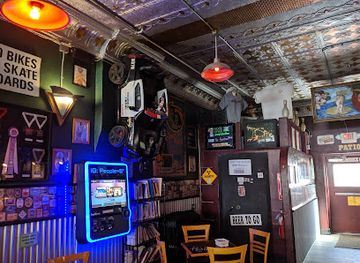
Beer hall
Three Rivers Tap & Game Room
Experience the best of local craft beer and hearty pub cuisine at Three Rivers Tap & Game Room in Farmington, NM.
15 min walk · 1.2 km from city centre
Best shops in Farmington
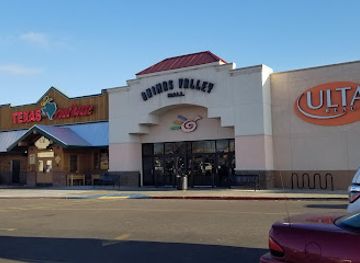
Shopping in Farmington ranges from mainstream retail around Animas Valley Mall and the city's commercial corridors to independent businesses in and around the historic downtown area. Visitors seeking a stronger sense of place can look for Native American jewellery, woven goods, pottery, paintings and other artwork from the Four Corners region, buying directly from recognised artists or reputable galleries where possible. Seasonal community markets and the Totah Festival provide opportunities to meet makers and encounter regional produce, crafts and food products. Because authenticity and provenance matter, shoppers should ask about an item's maker and avoid purchasing archaeological objects or anything presented without clear legal and cultural permission. Everyday retail is spread across the city, while smaller local purchases are more likely to be found through downtown businesses, galleries and event-based markets.
-
Shopping mall
Animas Valley Mall
Explore Animas Valley Mall: Your one-stop shopping destination in Farmington, New Mexico, featuring diverse stores and delightful dining options.
22 min drive · 7.2 km from city centre
-
Shopping mall
San Juan Plaza
Explore San Juan Plaza in Farmington, NM - a vibrant shopping mall with diverse stores, dining options, and entertainment for a perfect day out.
16 min drive · 5.2 km from city centre
-
Cannabis store
The Grass Station Dispensary
Experience the best of New Mexico's cannabis culture at The Grass Station Dispensary, where quality meets knowledgeable service.
9 min drive · 2.8 km from city centre
-
Department store
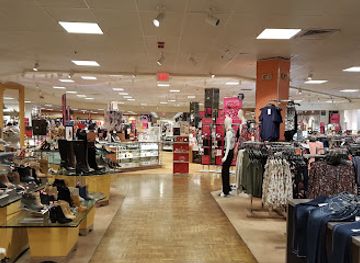
Dillard's
Shop at Dillard's in Farmington for a luxurious retail experience featuring fashion, cosmetics, and home goods in a stunning setting.
22 min drive · 7.2 km from city centre
Get your free copy of our complete guide to Farmington, delivered straight to you.
Everything on this page, from attractions and restaurants to essentials and local phrases, in one PDF you can read offline, print or share.
Already have an account? Sign in
Your Farmington guide is ready.
We'll send it to · Not you? Sign out

Getting your guide ready…
We are putting together a fresh copy of the Farmington guide. This can take up to a minute.
This can take a few moments. If your browser asks, choose Allow so the download can start. You'll find the guide in your Downloads folder.
Nothing happened? Download it again
Sorry, the guide is taking longer than usual. Please try again in a minute, or get it by email instead.
Farmington essentials
Currency and Payment
Safety
Emergency Situations
Do's and Don'ts
Local Tips
From Eve
Local phrases worth knowing
You don't need to get them perfect. A few words go a long way, and locals appreciate the effort.
Basics
| English | Local | Say it |
|---|---|---|
| Hello | Ya'at'eeh | [Ya-ah-tay] |
| Goodbye | Adios | [Ah-dee-ose] |
| Yes | Ahe' | [Ah-hey] |
| No | Dah | [Dah] |
| Please/You're welcome | Yá'át'ééh | [Yah-ah-tay] |
| Thank you | Ahéhee' | [Ah-hay-hay] |
| Excuse me/Sorry | Baa hózhǫ' | [Bah-ho-zho] |
| How are you? | Yá'át'ééh? | [Yah-ah-tay?] |
| Fine. And you? | Hózhó. Áá'ą́ yinígíí | [Ho-zho. Ah-ah-ah yee-nee-ghee] |
| Do you speak English? | Diné bizaad doo baa hózhǫ'? | [Dee-nay bih-zad doo bah-ho-zho] |
| I don't understand | T'áá hwó'ají | [Tah-hwah-jee] |
Eating & Drinking
| English | Local | Say it |
|---|---|---|
| I'd like to see the menu, please | Menu yinilá | [Meh-noo yee-nee-lah] |
| I don't eat meat | Naakaii doo nááhaah | [Nah-kai doo nah-hah] |
| Cheers! | Aho'! | [Ah-ho] |
| I would like to pay, please | Ndaagha | [N-dah-gha] |
Emergencies
| English | Local | Say it |
|---|---|---|
| Help! | Aa'óó | [Ah-oh] |
| Go away! | Hajíí | [Hah-jee] |
| Call the Police! | Bee'o yanii | [Bay-oh yah-nee] |
| Call a doctor! | Bee'o t'áá ákót'éego | [Bay-oh tah-hwah ah-ko-tay-go] |
| I'm lost | Naaltsoos | [Nah-ahl-tsoos] |
| I'm ill | Hait'éego | [Hah-ee-tay-go] |
Shopping
| English | Local | Say it |
|---|---|---|
| I'd like to buy... | Bééhózin | [Bay-ho-zeen] |
| I'm just looking | Bééhózinídííł | [Bay-ho-zeen-ee-dee] |
| How much is it? | Shikéédí | [Shee-kay-dee] |
| That's too expensive | Díí shikéédí | [Dee shee-kay-dee] |
| Can you lower the price? | Ndaagha da | [N-dah-gha dah] |
Time & Numbers
| English | Local | Say it |
|---|---|---|
| What time is it? | Háadis baa nanízháá | [Hah-dees bah nah-neezh-ah] |
| It's one o'clock | Tʼáá łichiʼí | [Tah-ah lee-chee-ee] |
| Half past (10) | Naakai tʼáá łichiʼí | [Nah-kai tah-ah lee-chee-ee] |
| Morning | Átʼééd | [Ah-tay-ed] |
| Afternoon | Dóó Łichíʼí | [Doh lee-chee-ee] |
| Evening | Tʼááłáhági | [Tah-ah-la-ha-ghee] |
| Yesterday | Éíjaaʼ | [Ay-jah] |
| Today | Dééjaaʼ | [Day-jah] |
| Tomorrow | Bééjaaʼ | [Bay-jah] |
| 1 | Tʼááłáʼí | [Tah-ah-la-ee] |
| 2 | Naakai | [Nah-kai] |
| 3 | Tłʼiish | [Tlee-ish] |
| 4 | Dį́į́ʼ | [Din-ee] |
| 5 | Ashdlaʼ | [Ash-dlah] |
| 6 | Hastą́ą́ | [Hahs-tahn] |
| 7 | Tseebóózí | [Tsay-bo-zee] |
| 8 | Dghą́ą́ʼ | [Dghahn] |
| 9 | Ndaaʼ | [N-dah] |
| 10 | Ndaaʼ | [N-dah] |
Transport & Directions
| English | Local | Say it |
|---|---|---|
| Where's a/the...? | Hááshdla' | [Hah-sh-dlah] |
| What's the address? | Bíká' haʼ | [Bee-kah ha] |
| Can you show me (on the map)? | Háadishnaaʼ | [Hah-deesh-nah] |
| When's the next (bus)? | Háadis íiyis | [Hah-dees ee-yis] |
| A ticket (to ....) | Naaltsoos | [Nah-ahl-tsoos] |
History of Farmington
Ancestral Landscapes of the San Juan Basin
The Farmington area occupies part of the wider San Juan Basin, a landscape shaped by Indigenous peoples for centuries before the arrival of Euro-American settlers. Ancestral Pueblo communities built farming settlements, ceremonial spaces and substantial masonry structures throughout the region, while Diné people developed enduring cultural relationships with the land. Nearby Aztec Ruins and Salmon Ruins are important reminders of the area's pre-Columbian history, although neither is within Farmington's city limits. Archaeological evidence records trade, agriculture and movement across a broad network linking communities across the Four Corners.
Diné Homelands and Spanish Expansion
Farmington lies near Diné Bikéyah, the homeland of the Navajo people, whose history in the region includes pastoralism, agriculture, trade and resistance to outside control. Spanish colonial influence reached the wider upper San Juan country through exploration, settlement and missionary activity, followed later by Mexican and United States administration. These overlapping histories shaped place names, land ownership and cultural relationships that remain important in north-west New Mexico. The area should not be understood solely through the later history of the town, since Indigenous communities and traditions continue to define the regional identity.
The Founding of Farmington
Euro-American settlement expanded in the Animas Valley during the late nineteenth century, encouraged by agriculture, ranching and trade. Farmington was established in the 1870s and incorporated as a municipality in 1901. Its setting near several rivers helped support farms and orchards, while the settlement became a commercial centre for surrounding communities. Roads and later rail connections strengthened its regional role, linking the town with markets and supplies beyond the San Juan Basin. The early town developed around practical commerce rather than monumental civic architecture, a character still visible in parts of its historic centre.
Energy and Regional Growth
Twentieth-century development transformed Farmington as coal, oil, natural gas and uranium became central to the economy of the San Juan Basin. Energy industries brought infrastructure, employment and population growth, while also creating lasting environmental and social consequences. The construction of Navajo Dam in the 1960s altered water management and created Navajo Lake, supporting recreation as well as regional irrigation. Farmington grew into a service and commercial centre for north-west New Mexico, serving nearby communities and energy operations while remaining closely connected to rural and tribal landscapes.
A Contemporary Four Corners City
In recent decades Farmington has continued to balance its role as a regional service centre with efforts to broaden its cultural, recreational and heritage identity. Museums, river parks, public events and Native arts programmes provide platforms for interpreting the area's past and present, while the city remains a gateway to archaeological sites and high-desert wilderness. Its contemporary story includes economic adjustment within an energy-producing region, changing relationships with surrounding Indigenous communities and growing interest in responsible outdoor tourism. The result is a city whose history is best read across its river corridors, museums and wider San Juan landscape.
Farmington in Photos
Browse through our photo collection highlighting the charm and character of the destination.
Cities near Farmington
The closest cities to Farmington, if you have time for more than one stop.
-

-

-

-

-


Swipe for more cities
Explore more

Explore more of New Mexico
Discover the enchanting blend of rich history, diverse cultures, and stunning landscapes in New Mexico, the Land of Enchantment, where adventure and relaxation await.
Explore New Mexico