

Free Page Travel Guide & Mobile App
Plan your Page trip with Evendo. Get free guides to top attractions, restaurants, hotels, and bars. Web access or download the mobile app.


Page, Arizona, opens onto Lake Powell, Glen Canyon Dam, Horseshoe Bend and Antelope Canyon, with desert scenery, Navajo culture and outdoor adventures.
A High-Desert Gateway
Page stands on the Colorado Plateau in northern Arizona, close to the Utah border and surrounded by sandstone country carved by the Colorado River. Although the city was established in the twentieth century, its setting feels far older: broad mesas, narrow ravines and russet cliffs extend in every direction, while Lake Powell fills the canyons north of town. Page is the principal base for exploring Glen Canyon National Recreation Area and one of the most accessible places from which to experience the dramatic landscapes of the Four Corners region.Read more about Page
Water, Stone and Light
A Small City with a Regional Reach
When is the best time to visit Page?
Best: April–May, October · 22–28°C| Month | High (°C) | Rainfall (mm) |
|---|---|---|
| January | 10 | 10 |
| February | 12 | 9 |
| March | 17 | 12 |
| April (best) | 22 | 7 |
| May (best) | 28 | 4 |
| June | 36 | 2 |
| July | 39 | 20 |
| August | 38 | 17 |
| September | 33 | 12 |
| October (best) | 24 | 9 |
| November | 16 | 12 |
| December | 9 | 14 |
Getting to and around Page
How to get there
Transportation
Best attractions in Page
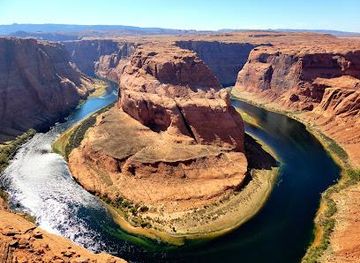
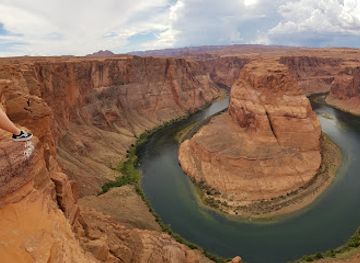
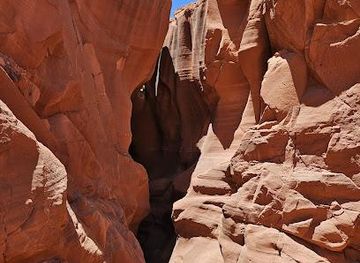
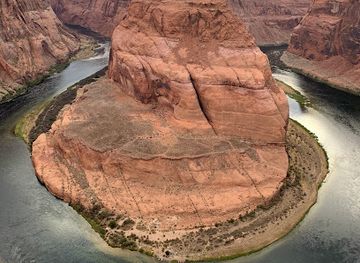
Page's principal attractions are shaped by the Colorado River and the sandstone country around it. The Glen Canyon Dam Visitor Center and nearby overlooks explain the engineering and environmental history of the structure that created Lake Powell, while the John Wesley Powell Museum explores river exploration and regional heritage. Horseshoe Bend, just south of the city, provides a dramatic view of the Colorado River looping around a sandstone promontory. Guided visits to Upper and Lower Antelope Canyon reveal narrow passages formed by water and wind on Navajo Nation land, where authorised Navajo operators lead access. Lake Powell itself offers boating, kayaking, fishing and shoreline scenery through Glen Canyon National Recreation Area, although lake conditions and access can change. For a quieter perspective, the Rim View Trail and the overlook near Wahweap provide broad views across the high desert and reservoir.
-
Scenic spot
Horseshoe Bend
Discover the breathtaking views at Horseshoe Bend, a stunning natural wonder with panoramic vistas of the Colorado River in Arizona.
21 min drive · 7.0 km from city centre
-
Scenic spot
Horseshoe Bend
Experience the breathtaking beauty of Horseshoe Bend, a stunning natural wonder in Arizona perfect for hiking, photography, and soaking in nature's majesty.
21 min drive · 7.0 km from city centre
-
Tour operator
Ken's Tours Lower Antelope Canyon
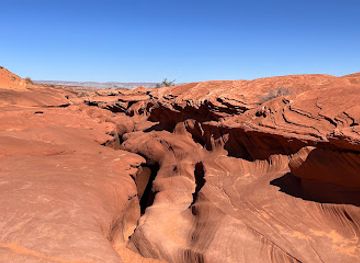
Explore the breathtaking beauty of Lower Antelope Canyon with Ken's Tours, where nature's artistry unfolds in vibrant colors and stunning formations.
30 min drive · 10 km from city centre
-
Tourist attraction
Antelope Canyon Tours - by Carolene Ekis
Experience the breathtaking beauty of Antelope Canyon with guided tours that unveil nature's artistry in Arizona's stunning landscapes.
16 min drive · 5.5 km from city centre
Best landmarks in Page
Glen Canyon Dam is Page's defining civic landmark, a vast concrete barrier that transformed the Colorado River into Lake Powell and remains central to the region's water and power infrastructure. The adjacent Carl Hayden Visitor Center, built into the canyon beside the dam, provides an architectural and interpretive viewpoint over the structure and river. The John Wesley Powell Museum represents the area's relationship with Colorado River exploration, while the Page Community Center and planned residential layout reflect the city's origins as a Bureau of Reclamation construction settlement. Outside the built-up area, Horseshoe Bend functions as a natural landmark: the river's near-complete curve exposes the horizontal sandstone geology of the plateau. Antelope Canyon, on Navajo Nation land, is also a culturally significant landscape where narrow sandstone forms are interpreted through guided Indigenous-led visits rather than treated as an unmanaged monument.
-
Scenic spot
Horseshoe Bend
Experience the awe-inspiring beauty of Horseshoe Bend, where the Colorado River carves a dramatic path through the Arizona desert.
21 min drive · 7.0 km from city centre
-
Tour operator
Ken's Tours Lower Antelope Canyon
Discover the stunning beauty of Lower Antelope Canyon with Navajo guides, exploring its depths and rich cultural heritage near Page, Arizona.
30 min drive · 10 km from city centre
-
Barbecue
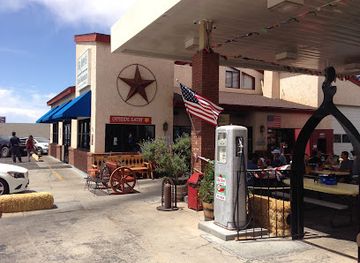
Big John's Texas BBQ
Authentic Texas BBQ in Page, AZ! Enjoy slow-smoked meats, generous portions, and a friendly atmosphere. A must-visit for BBQ lovers!
18 min drive · 5.9 km from city centre
-
Tour agency
Dixie's Lower Antelope Canyon Tours
Discover the magic of Lower Antelope Canyon with Navajo guides. Explore stunning sandstone formations and learn about Navajo history and culture.
30 min drive · 10 km from city centre

Explore Page on the map
Plan your Page trip on one map. See where the top attractions, landmarks, restaurants, bars and hotels are, find what's near where you're staying, and book hotels and experiences in a few clicks.
Best hotels in Page
Best restaurants in Page
Page's dining scene is practical, varied and closely tied to its role as a base for outdoor travellers. Restaurants and cafés serve familiar American meals alongside Mexican dishes, burgers, pizzas, sandwiches and broadly Southwestern flavours, with breakfast spots catering to early departures for canyon tours and lake outings. Navajo and regional influences are most apparent in opportunities to try foods such as fry bread and mutton-based dishes, though availability varies by venue and season. Grocery shops and provisions are useful for picnics, hiking supplies and boating days, while casual restaurants cluster around the central commercial area and main roads. Dining is generally informal, with hearty portions and an emphasis on convenience rather than a concentrated fine-dining district. Travellers with specific dietary needs should check menus in advance, particularly before heading to remote recreation sites.
-
Barbecue
Big John's Texas BBQ
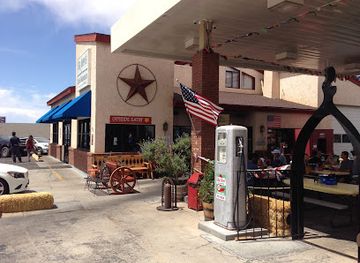
Experience authentic Texan barbecue at Big John's Texas BBQ in Page, Arizona—where smoky flavors and warm hospitality meet.
18 min drive · 5.9 km from city centre
-
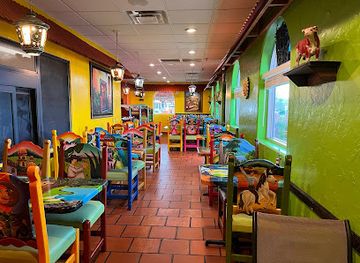
Mexican
El Tapatio
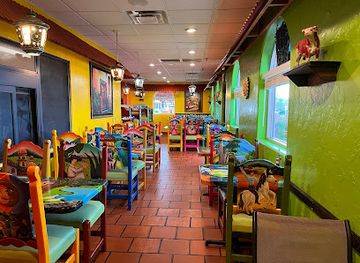
Discover authentic Mexican cuisine at El Tapatio in Page, AZ—where every meal is a fiesta of flavors.
17 min drive · 5.5 km from city centre
-
Mexican
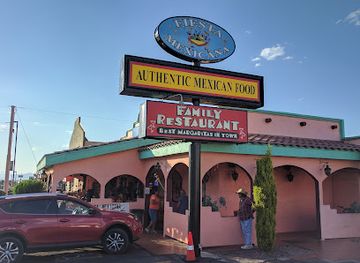
Fiesta Mexicana Restaurant
Discover authentic Mexican flavors at Fiesta Mexicana Restaurant in Page, Arizona – a must-visit culinary destination for every traveler.
17 min drive · 5.8 km from city centre
-
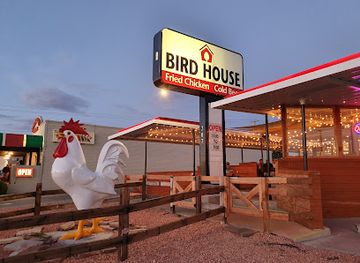
Chicken
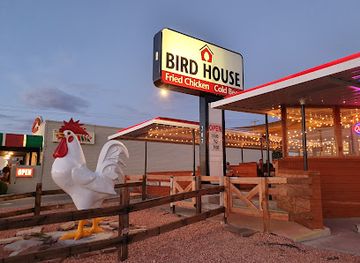
BirdHouse
Savor delicious chicken dishes at BirdHouse, an inexpensive fast food gem in Page, Arizona—perfect for hungry travelers seeking flavor and convenience.
16 min drive · 5.4 km from city centre
Best bars in Page
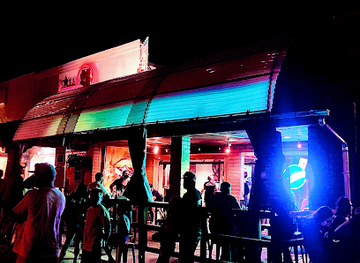
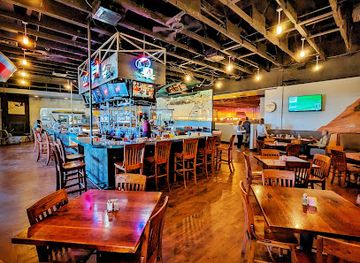
Page has a modest evening scene rather than a dedicated club district. After dark, visitors generally gather in hotel bars, casual restaurants and local drinking establishments around the town centre and main commercial roads, where the atmosphere is relaxed and oriented towards travellers returning from the lake or desert trails. Entertainment may include televised sport, conversation and occasional live music rather than late-night dancing. The city's small scale and its emphasis on outdoor tourism mean that nightlife winds down earlier than in Arizona's larger urban centres. Evening alternatives include sunset views, night-sky watching away from developed areas and educational programmes or ranger activities when scheduled. Visitors should plan transport in advance because taxi and rideshare availability can be limited, and should never drive after drinking on remote roads.
-
Barbecue
Big John's Texas BBQ
Experience the authentic taste of Texas-style barbecue at Big John's Texas BBQ in Page, Arizona, where flavor and hospitality meet.
18 min drive · 5.9 km from city centre
-
Mexican
El Tapatio
Discover the rich flavors and vibrant atmosphere of El Tapatio, the top destination for authentic Mexican cuisine in Page, Arizona.
17 min drive · 5.5 km from city centre
-
Chicken
BirdHouse
Experience the best chicken delights at BirdHouse, Page's favorite fast-food destination for travelers and locals alike.
16 min drive · 5.4 km from city centre
-
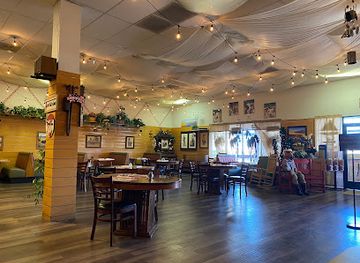
Family-friendly
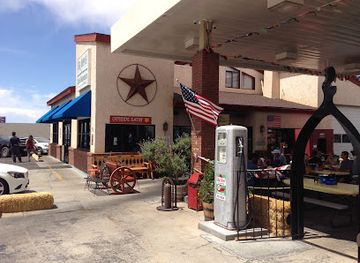
Gone West Family Restaurant
Discover the flavors of the Southwest at Gone West Family Restaurant, where country cuisine meets live music in a family-friendly setting.
15 min drive · 4.9 km from city centre
Best nightclubs in Page
Page has a modest evening scene rather than a dedicated club district. After dark, visitors generally gather in hotel bars, casual restaurants and local drinking establishments around the town centre and main commercial roads, where the atmosphere is relaxed and oriented towards travellers returning from the lake or desert trails. Entertainment may include televised sport, conversation and occasional live music rather than late-night dancing. The city's small scale and its emphasis on outdoor tourism mean that nightlife winds down earlier than in Arizona's larger urban centres. Evening alternatives include sunset views, night-sky watching away from developed areas and educational programmes or ranger activities when scheduled. Visitors should plan transport in advance because taxi and rideshare availability can be limited, and should never drive after drinking on remote roads.
-
Mexican
El Tapatio
Experience the vibrant flavors of Mexico at El Tapatio, Page's top destination for authentic Mexican cuisine in a welcoming atmosphere.
17 min drive · 5.5 km from city centre
-
Bar
State 48 Tavern
Experience the vibrant flavors of Arizona at State 48 Tavern, where American cuisine meets a lively bar atmosphere in Page.
16 min drive · 5.4 km from city centre
-
Grill
Dam Bar & Grille
Discover the vibrant atmosphere and delicious grill specialties at Dam Bar & Grille in Page, Arizona - the ultimate dining experience for tourists.
16 min drive · 5.4 km from city centre
-
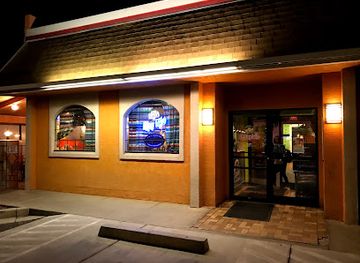
Bar
Sunset 89
Discover Sunset 89 in Page, AZ – a lively bar and restaurant offering delicious food and refreshing drinks in a vibrant atmosphere.
13 min drive · 4.2 km from city centre

Best shops in Page
Shopping in Page is concentrated along its commercial roads and serves both residents and visitors preparing for desert and lake excursions. Small galleries, gift shops and specialist retailers offer Navajo and Southwestern-inspired art, jewellery, pottery, textiles and decorative goods, while reputable sellers can help explain the origin and authenticity of handmade work. Travellers should buy directly from recognised artists or established businesses and avoid removing natural or archaeological material from public or tribal land. Grocery stores and general shops are important practical stops for water, packed food, outdoor essentials and boating supplies. The selection is functional rather than centred on luxury retail, and the city's most distinctive purchases tend to be locally made craftwork, regional artwork and food provisions for exploring the surrounding plateau.
-
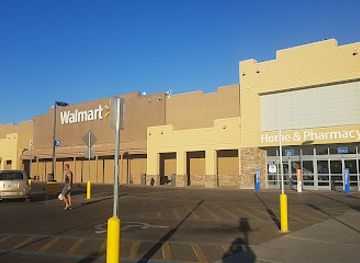
Department store
Walmart Supercenter
Discover the ultimate shopping experience at Walmart Supercenter in Page, AZ, with groceries, clothing, electronics, and more all in one place.
14 min drive · 4.7 km from city centre
-
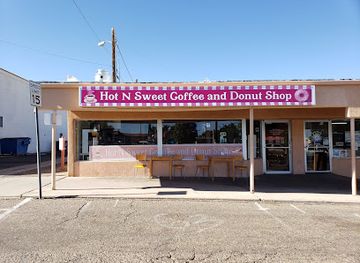
Donuts
Hot n Sweet Coffee and Donut Shop
Experience the ultimate coffee and donut paradise at Hot n Sweet Coffee and Donut Shop, where every bite is a delicious journey in Page, Arizona.
17 min drive · 5.5 km from city centre
-
Grocery store
Safeway
Experience the convenience of Safeway in Page, AZ—your go-to grocery store for fresh produce, baked goods, and more during your travels.
17 min drive · 5.7 km from city centre
-
Coffee shop
Lake Powell Espresso
Discover Lake Powell Espresso: Your go-to coffee shop in Page, Arizona, offering quality brews and a cozy atmosphere amidst stunning natural beauty.
16 min drive · 5.4 km from city centre
Get your free copy of our complete guide to Page, delivered straight to you.
Everything on this page, from attractions and restaurants to essentials and local phrases, in one PDF you can read offline, print or share.
Already have an account? Sign in
Your Page guide is ready.
We'll send it to · Not you? Sign out

Getting your guide ready…
We are putting together a fresh copy of the Page guide. This can take up to a minute.
This can take a few moments. If your browser asks, choose Allow so the download can start. You'll find the guide in your Downloads folder.
Nothing happened? Download it again
Sorry, the guide is taking longer than usual. Please try again in a minute, or get it by email instead.
Page essentials
Currency and Payment
Safety
Emergency Situations
Do's and Don'ts
Local Tips
From Eve
Local phrases worth knowing
You don't need to get them perfect. A few words go a long way, and locals appreciate the effort.
Basics
| English | Local | Say it |
|---|---|---|
| Hello | Ya'at'eeh | [yah-ah-eh] |
| Goodbye | At'ééd | [ah-tay-ed] |
| Yes | Baa | [bah] |
| No | Díí | [dee] |
| Please/You're welcome | Ahe'hee | [ah-hay-hee] |
| Thank you | Ahéhee' | [ah-hay-hay] |
| Excuse me/Sorry | Shí éí dooleel | [shee ay ee doh-lee] |
| How are you? | Aak'éí nídleeł? | [ah-kay-nee-dlay] |
| Fine. And you? | T'áá hwó'ají dóó yoo da? | [taa hwo-ah-hee doo yoo dah] |
| Do you speak English? | Shí éí English bitsii? | [shee ay English bits-ee] |
| I don't understand | Baa hólóóní | [bah hoh-loh-nee] |
Eating & Drinking
| English | Local | Say it |
|---|---|---|
| I'd like to see the menu, please | Menu bitsii dooleel | [menu bits-ee doh-lee] |
| I don't eat meat | Naaltsoos áta | [nahl-tsoos ah-tah] |
| Cheers! | Aabaa! | [ah-bah] |
| I would like to pay, please | Béésh bee bitaa | [bay-sh beh bee-tah] |
Emergencies
| English | Local | Say it |
|---|---|---|
| Help! | Ááh! | [ah-ah] |
| Go away! | Díí shił | [dee sheel] |
| Call the Police! | Bii' daah yázhí | [bee dah yah-zhee] |
| Call a doctor! | Bii' daah nát'áh | [bee dah nah-tah] |
| I'm lost | Ádóó hólóní | [ah-doh hoh-loh-nee] |
| I'm ill | Naaltsoos áyiily | [nahl-tsoos ah-yee-lee] |
Shopping
| English | Local | Say it |
|---|---|---|
| I'd like to buy... | Bíísh béésh | [bee-ish bay-ish] |
| I'm just looking | T'áá bitaní | [taa bee-tah-nee] |
| How much is it? | T'áá shimá? | [taa shee-mah] |
| That's too expensive | Yá'aashdóó | [yah-ah-ash-doh] |
| Can you lower the price? | Naaltsoos bitsii hólóó? | [nahl-tsoos bits-ee hoh-loh] |
Time & Numbers
| English | Local | Say it |
|---|---|---|
| What time is it? | Háásh yeehóó didoolché? | [hah-sh yee-hoh dee-dool-chay] |
| It's one o'clock | Tʼáá éí hólóó | [taa ay hoh-loh] |
| Half past (10) | Názhneʼ | [nahz-nay] |
| Morning | Tʼiis | [teesh] |
| Afternoon | Tʼááłá | [taa-lah] |
| Evening | Yiłtsoh | [yil-tsoh] |
| Yesterday | Níłchʼi | [neel-chi] |
| Today | Yáʼátʼééh | [yah-ah-tay] |
| Tomorrow | Késhjééʼ | [kay-shjay] |
| 1 | Bée | [bay] |
| 2 | Naaki | [nah-kee] |
| 3 | Táá | [taa] |
| 4 | Dį́į́ʼ | [dee-ee] |
| 5 | Ashdlaʼ | [ahsh-dlah] |
| 6 | Hastiin | [hahs-teen] |
| 7 | Tseebíí | [tsee-bee] |
| 8 | Tłʼógí | [tl-oh-gee] |
| 9 | Tlʼééʼ | [tl-ay] |
| 10 | Béésh | [bay-ish] |
Transport & Directions
| English | Local | Say it |
|---|---|---|
| Where's a/the...? | Háadi | [hah-dee] |
| What's the address? | Shádí | [shah-dee] |
| Can you show me (on the map)? | Naaltsoos bitsii dóó shádi | [nahl-tsoos bits-ee doo shah-dee] |
| When's the next (bus)? | Háadi yázhí | [hah-dee yah-zhee] |
| A ticket (to ....) | Bilasáana | [bee-lah-sah-nah] |
History of Page
Colorado Plateau and Indigenous Homelands
The Page area lies within a landscape shaped by the Colorado River and occupied by Indigenous peoples long before the modern city existed. The wider region remains closely connected with the Navajo Nation, whose territory surrounds important local destinations including Antelope Canyon. Navajo communities maintain cultural and economic relationships with the land, and authorised Navajo guides interpret many canyon experiences for visitors. The region's sandstone formations record a much older geological history, but the human history visible today is also about continuing Indigenous presence rather than an abandoned ancient past.
The Colorado River and Western Exploration
In the nineteenth century, the Colorado River became a focus of American exploration, most famously through John Wesley Powell's 1869 expedition and his later survey work. Powell's journeys helped bring the river's immense canyons to wider public attention, although they took place within landscapes already known and used by Indigenous peoples. The museum in Page bears his name and recalls the era when mapping, surveying and scientific curiosity shaped outside perceptions of the Colorado Plateau. River travel remained difficult, and the remote terrain limited permanent non-Indigenous settlement for decades.
Glen Canyon Dam Takes Shape
The modern history of Page began with the decision to construct Glen Canyon Dam on the Colorado River. Work started in 1956, and the settlement was planned to house workers and their families during construction. It was named for John C. Page, a commissioner of the Bureau of Reclamation. The dam closed in 1963, and its concrete structure was completed in 1966. The resulting reservoir, Lake Powell, transformed the river landscape, bringing hydroelectric power and water management benefits while also altering Glen Canyon and prompting lasting debate about the environmental cost of large dams.
A Planned Community Becomes a City
Page was incorporated in 1975 after growing beyond its original role as a construction camp. Its streets, low-rise neighbourhoods and civic buildings reflect planned development rather than the gradual layering found in older Arizona towns. The dam, power plant and associated institutions continued to provide the foundations of local life, while roads and air connections made the settlement increasingly accessible to visitors. The community's identity therefore developed through both public infrastructure and the striking recreational landscape created around it.
Tourism and Cultural Stewardship
From the late twentieth century onwards, Page became a base for boating on Lake Powell, river recreation, desert hiking and photography. Horseshoe Bend and Antelope Canyon grew into internationally recognised attractions, bringing substantial visitor attention to the surrounding region. Antelope Canyon tourism is conducted on Navajo Nation land through authorised operators, making Indigenous guiding and land management central to the visitor experience. Today, Page's economy and public identity remain tied to Glen Canyon National Recreation Area, while discussions about water, drought, conservation and tribal sovereignty continue to shape the area's future.
Page in Photos
Browse through our photo collection highlighting the charm and character of the destination.
Cities near Page
The closest cities to Page, if you have time for more than one stop.
-

-

-
-

-


Swipe for more cities
Explore more

Explore more of Arizona
Discover Arizona: From the majestic Grand Canyon and red rocks of Sedona to the vibrant cities of Phoenix and Scottsdale, explore the diverse beauty and culture of the Grand Canyon State.
Explore Arizona