

Free Santa Fe Travel Guide & Mobile App
Plan your Santa Fe trip with Evendo. Get free guides to top attractions, restaurants, hotels, and bars. Web access or download the mobile app.


Discover Santa Fe, New Mexico: A vibrant city with a rich history, stunning art scene, and breathtaking landscapes, offering a unique blend of culture and adventure.
Read more about Santa Fe
When is the best time to visit Santa Fe?
Best: May–June, September · 24–29°C| Month | High (°C) | Rainfall (mm) |
|---|---|---|
| January | 9 | 13 |
| February | 11 | 12 |
| March | 15 | 16 |
| April | 19 | 15 |
| May (best) | 24 | 20 |
| June (best) | 29 | 25 |
| July | 31 | 70 |
| August | 30 | 60 |
| September (best) | 26 | 35 |
| October | 20 | 25 |
| November | 12 | 18 |
| December | 9 | 18 |
Getting to and around Santa Fe
How to get there
Transportation
Best attractions in Santa Fe
Santa Fe, known for its rich history and vibrant arts scene, offers visitors a unique blend of Native American, Spanish, and Anglo cultures. Explore the historic Plaza, lined with adobe buildings and home to the Palace of the Governors, the oldest public building in the United States. Visit the Georgia O'Keeffe Museum to see the works of this iconic artist, and take a stroll through Canyon Road, lined with art galleries and studios. Discover the beauty of the surrounding landscape with a hike in the nearby Sangre de Cristo Mountains or a visit to the stunning Bandelier National Monument. Indulge in delicious Southwestern cuisine at local restaurants and enjoy the lively music and dance performances that take place throughout the city. Whether you're a history buff, art enthusiast, or outdoor adventurer, Santa Fe has something for everyone.
-
Art gallery
Meow Wolf Santa Fe's House of Eternal Return
Explore the surreal world of Meow Wolf Santa Fe's House of Eternal Return, an immersive art experience that transcends traditional galleries.
19 min drive · 6.4 km from city centre
-
Tourist attraction
Meow Wolf Santa Fe
Discover a realm of creativity and immersive art at Meow Wolf Santa Fe, an enchanting experience that redefines the conventional art space.
19 min drive · 6.4 km from city centre
-
Historical landmark
Santa Fe Plaza
Discover the vibrant culture and history at Santa Fe Plaza, a must-visit landmark in the heart of New Mexico.
1 min walk · 0.1 km from city centre
-
Historical landmark
Santa Fe Plaza
Explore Santa Fe Plaza, a historical landmark filled with art, culture, and unique shops in the heart of New Mexico's capital.
1 min walk · 0.1 km from city centre


Best landmarks in Santa Fe
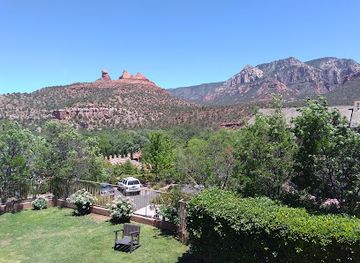
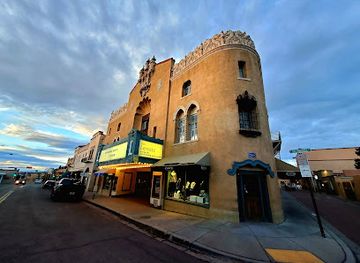
Santa Fe offers visitors a rich tapestry of history and culture, with landmarks such as the historic Plaza, the Palace of the Governors, and the Loretto Chapel with its miraculous staircase. Explore the art galleries on Canyon Road, marvel at the adobe architecture throughout the city, and immerse yourself in the vibrant local arts scene. Don't miss the Georgia O'Keeffe Museum, the immersive Meow Wolf experience, and the stunning views from the top of the Sangre de Cristo Mountains. Whether you're a history buff, art lover, or outdoor enthusiast, Santa Fe has something for everyone to discover and enjoy.
-
Historical place museum
Loretto Chapel
Explore the enchanting Loretto Chapel in Santa Fe, where history meets breathtaking architecture and the legendary spiral staircase awaits.
2 min walk · 0.2 km from city centre
-
Museum
Georgia O'Keeffe Museum
Explore the artistic legacy of Georgia O'Keeffe at her namesake museum, showcasing stunning works and a celebration of New Mexico's vibrant culture.
5 min walk · 0.4 km from city centre
-
Hotel
La Fonda on the Plaza
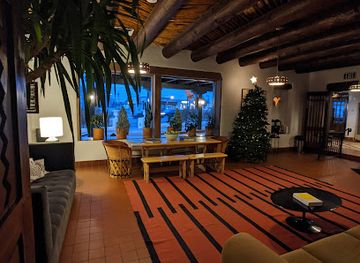
Uncover the enchanting blend of history and modern comfort at La Fonda on the Plaza in Santa Fe, a premier hotel and wedding venue.
1 min walk · 0.1 km from city centre
-
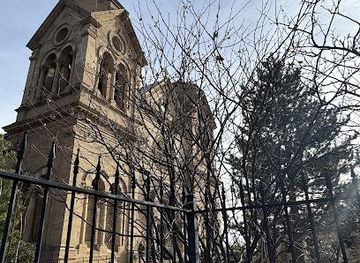
Catholic cathedral
The Cathedral Basilica of St. Francis of Assisi
Explore the enchanting beauty and spiritual essence of the Cathedral Basilica of St. Francis of Assisi in Santa Fe, New Mexico, a true architectural gem.
2 min walk · 0.1 km from city centre


Explore Santa Fe on the map
Plan your Santa Fe trip on one map. See where the top attractions, landmarks, restaurants, bars and hotels are, find what's near where you're staying, and book hotels and experiences in a few clicks.
Neighbourhoods in Santa Fe
-

-


Swipe for more neighbourhoods
Best hotels in Santa Fe
Best restaurants in Santa Fe
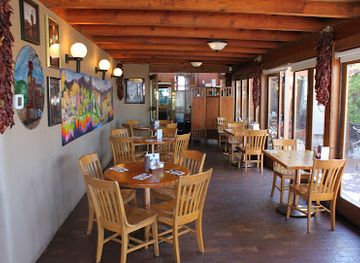
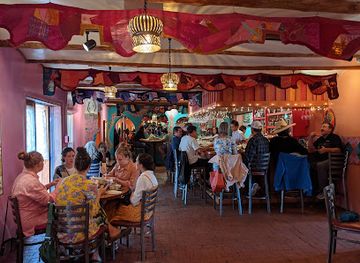
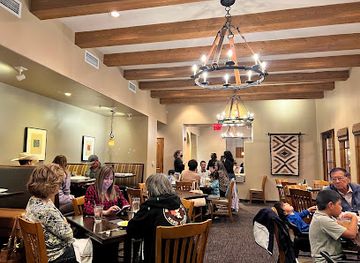
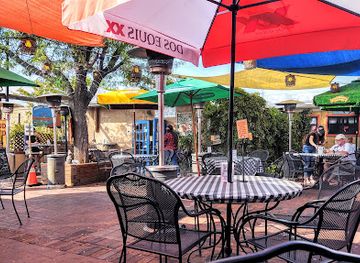
Santa Fe offers a vibrant dining scene that combines traditional Southwestern flavors with modern twists, creating a unique culinary experience for visitors. From cozy adobe cafes serving up green chile stew and biscochitos to upscale restaurants offering fusion cuisine with local ingredients, there is something for every palate in this historic city. Don't miss out on trying the local specialties like sopapillas, posole, and carne adovada, and be sure to sample the wide variety of margaritas and craft beers available throughout the city. Whether you're looking for a casual meal or a fine dining experience, Santa Fe's restaurants are sure to delight and satisfy any food lover.
-
Mexican
Tomasita's Santa Fe New Mexican Restaurant
Experience authentic New Mexican cuisine at Tomasita's in Santa Fe—where every bite tells a story of tradition and flavor.
10 min walk · 0.8 km from city centre
-
Mexican
La Choza Restaurant
Experience authentic Mexican cuisine at La Choza Restaurant in Santa Fe, where tradition meets flavor in every dish.
5 min drive · 1.6 km from city centre
-
American
The Ranch House
Discover The Ranch House in Santa Fe: where traditional American cuisine meets Southwestern flavors in an inviting atmosphere.
30 min drive · 9.9 km from city centre
-
Barbecue
Cowgirl
Experience the vibrant flavors of Santa Fe at Cowgirl – where barbecue meets Southwestern charm in a lively setting.
8 min walk · 0.7 km from city centre
Best bars in Santa Fe
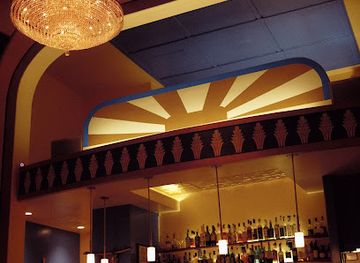
Santa Fe's nightlife scene offers a unique blend of Southwestern charm and vibrant energy. Visitors can explore a variety of bars and nightclubs, from cozy adobe-style lounges serving craft cocktails to lively dance clubs with live music and DJs. Whether you're looking to sip margaritas under the stars at a rooftop bar, sample local beers at a hip brewery, or dance the night away in a historic plaza, Santa Fe has something for everyone. Don't miss the chance to experience the city's rich cultural heritage and lively nightlife scene after dark.
-
Bar
Coyote Cafe & Rooftop Cantina
Discover the vibrant flavors of Southwestern cuisine and stunning views at Coyote Cafe & Rooftop Cantina in Santa Fe.
3 min walk · 0.3 km from city centre
-
Sports bar
BOXCAR
Discover the eclectic charm of BOXCAR, a premier gastropub and sports bar in Santa Fe offering great food, craft drinks, and live music.
3 min walk · 0.2 km from city centre
-
Tapas
La Boca
Experience the vibrant culinary scene at La Boca in Santa Fe, where tapas and fine wines create unforgettable dining moments.
3 min walk · 0.2 km from city centre
-
Grill
Thunderbird Bar & Grill
Discover the vibrant atmosphere and delicious grill cuisine at Thunderbird Bar & Grill in Santa Fe, NM, a perfect spot for relaxation and great food.
2 min walk · 0.1 km from city centre


Best nightclubs in Santa Fe
Santa Fe's nightlife scene offers a unique blend of Southwestern charm and vibrant energy. Visitors can explore a variety of bars and nightclubs, from cozy adobe-style lounges serving craft cocktails to lively dance clubs with live music and DJs. Whether you're looking to sip margaritas under the stars at a rooftop bar, sample local beers at a hip brewery, or dance the night away in a historic plaza, Santa Fe has something for everyone. Don't miss the chance to experience the city's rich cultural heritage and lively nightlife scene after dark.
-
Bar
The Matador
Experience the vibrant nightlife at The Matador, a lively bar in Santa Fe offering creative cocktails and a welcoming atmosphere.
3 min walk · 0.3 km from city centre
-
Cocktail bar
Tonic
Experience the vibrant nightlife of Santa Fe at Tonic, a premier cocktail bar and lounge offering innovative drinks and a lively atmosphere.
2 min walk · 0.2 km from city centre
-
Bar
La Reina
Experience the vibrant nightlife of Santa Fe at La Reina, a lively bar and lounge offering craft cocktails and a unique atmosphere.
12 min drive · 4.1 km from city centre
-
Lounge
La Fiesta Lounge
Experience the vibrant nightlife of Santa Fe at La Fiesta Lounge, where cocktails, culture, and live music come together for an unforgettable evening.
1 min walk · 0.1 km from city centre

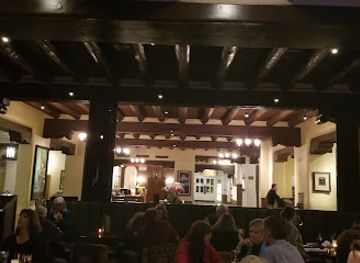
Best shops in Santa Fe
Santa Fe offers a unique shopping experience with its historic adobe buildings, charming boutiques, and vibrant art galleries. Visitors can explore the traditional Native American crafts at the Palace of the Governors, shop for handmade jewelry and pottery at the Santa Fe Plaza, and discover contemporary art pieces at the Canyon Road galleries. The city is known for its Southwestern style and eclectic mix of shops, making it a must-visit destination for those looking for one-of-a-kind treasures and authentic local goods.
-
Shopping mall
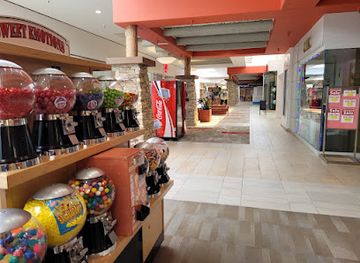
Santa Fe Place Mall
Discover the ultimate shopping experience at Santa Fe Place Mall, where culture meets commerce in a vibrant setting.
27 min drive · 9.0 km from city centre
-
Shopping mall
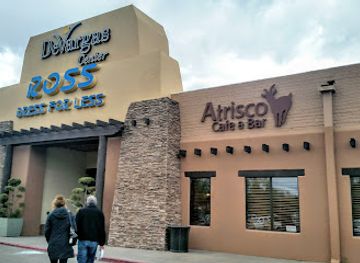
DeVargas Center
Explore DeVargas Center in Santa Fe for a unique shopping experience with local boutiques, diverse dining options, and a vibrant atmosphere.
16 min walk · 1.3 km from city centre
-
Outlet mall
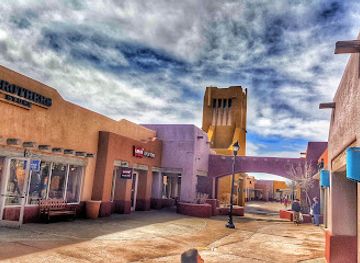
Fashion Outlets of Santa Fe
Discover incredible savings at the Fashion Outlets of Santa Fe, where designer brands meet New Mexico's unique shopping experience.
32 min drive · 12 km from city centre
-
Business center
Sena Plaza
Experience the vibrant blend of culture, shopping, and dining at Sena Plaza, the heart of Santa Fe, New Mexico.
2 min walk · 0.1 km from city centre
Get your free copy of our complete guide to Santa Fe, delivered straight to you.
Everything on this page, from attractions and restaurants to essentials and local phrases, in one PDF you can read offline, print or share.
Already have an account? Sign in
Your Santa Fe guide is ready.
We'll send it to · Not you? Sign out

Getting your guide ready…
We are putting together a fresh copy of the Santa Fe guide. This can take up to a minute.
This can take a few moments. If your browser asks, choose Allow so the download can start. You'll find the guide in your Downloads folder.
Nothing happened? Download it again
Sorry, the guide is taking longer than usual. Please try again in a minute, or get it by email instead.
Santa Fe essentials
Currency and Payment
Safety
Emergency Situations
Do's and Don'ts
Local Tips
From Eve
Local phrases worth knowing
You don't need to get them perfect. A few words go a long way, and locals appreciate the effort.
Basics
| English | Local | Say it |
|---|---|---|
| Hello | Hola | [oh-lah] |
| Goodbye | Adiós | [ah-dyohs] |
| Yes | Sí | [see] |
| No | No | [noh] |
| Please/You're welcome | Por favor/De nada | [pohr fah-bor/deh nah-dah] |
| Thank you | Gracias | [grah-syahs] |
| Excuse me/Sorry | Perdón/Lo siento | [pehr-dohn/loh syen-toh] |
| How are you? | ¿Cómo estás? | [koh-moh ehs-tahs] |
| Fine. And you? | Bien. ¿Y tú? | [byen. ee too] |
| Do you speak English? | ¿Hablas inglés? | [ah-blahs een-glehs] |
| I don't understand | No entiendo | [noh ehn-tyen-doh] |
Eating & Drinking
| English | Local | Say it |
|---|---|---|
| I'd like to see the menu, please | Me gustaría ver el menú, por favor | [may goo-stah-ree-ah behr ehl meh-noo, por fah-bor] |
| I don't eat meat | No como carne | [noh koh-moh kahr-neh] |
| Cheers! | ¡Salud! | [sah-loohd] |
| I would like to pay, please | Me gustaría pagar, por favor | [may goo-stah-ree-ah pah-gahr, por fah-bor] |
Emergencies
| English | Local | Say it |
|---|---|---|
| Help! | ¡Ayuda! | [ah-yoo-dah] |
| Go away! | ¡Vete! | [veh-teh] |
| Call the Police! | ¡Llama a la policía! | [yah-mah ah lah poh-lee-see-ah] |
| Call a doctor! | ¡Llama a un médico! | [yah-mah ah oon meh-dee-koh] |
| I'm lost | Estoy perdido | [ehs-toy pehr-dee-doh] |
| I'm ill | Estoy enfermo | [ehs-toy ehn-fehr-moh] |
Shopping
| English | Local | Say it |
|---|---|---|
| I'd like to buy... | Me gustaría comprar... | [may goo-stah-ree-ah kohm-prahr] |
| I'm just looking | Sólo estoy mirando | [soh-loh ehs-toy meer-ahn-doh] |
| How much is it? | ¿Cuánto cuesta? | [kwan-toh kwehs-tah] |
| That's too expensive | Eso es demasiado caro | [eh-soh ehs deh-mah-syah-doh kah-roh] |
| Can you lower the price? | ¿Puedes bajar el precio? | [pweh-dehs bah-har ehl pree-syoh] |
Time & Numbers
| English | Local | Say it |
|---|---|---|
| What time is it? | ¿Qué hora es? | [keh oh-rah ehs] |
| It's one o'clock | Es la una | [ehs lah oo-nah] |
| Half past (10) | Media (10) | [meh-dyah (deez)] |
| Morning | Mañana | [mah-nyah-nah] |
| Afternoon | Tarde | [tahr-deh] |
| Evening | Noche | [noh-cheh] |
| Yesterday | Ayer | [ah-yehr] |
| Today | Hoy | [oy] |
| Tomorrow | Mañana | [mah-nyah-nah] |
| 1 | Uno | [oo-noh] |
| 2 | Dos | [dohs] |
| 3 | Tres | [trehs] |
| 4 | Cuatro | [kwah-troh] |
| 5 | Cinco | [seen-koh] |
| 6 | Seis | [says] |
| 7 | Siete | [syeh-teh] |
| 8 | Ocho | [oh-choh] |
| 9 | Nueve | [nweh-veh] |
| 10 | Diez | [dyehs] |
Transport & Directions
| English | Local | Say it |
|---|---|---|
| Where's a/the...? | ¿Dónde está...? | [dohn-deh ehs-tah] |
| What's the address? | ¿Cuál es la dirección? | [kwal ehs lah dee-rehk-seeohn] |
| Can you show me (on the map)? | ¿Puedes mostrarme (en el mapa)? | [pweh-dehs moh-strahr-meh (ehn ehl mah-pah)] |
| When's the next (bus)? | ¿Cuándo es el próximo (autobús)? | [kwan-doh ehs ehl proh-ssee-moh (ow-toh-boos)] |
| A ticket (to ....) | Un boleto (a ...) | [oon boh-leh-toh (ah)] |
History of Santa Fe
Founding of Santa Fe
Santa Fe, meaning 'Holy Faith' in Spanish, was officially founded in 1610 by Spanish colonists led by Don Pedro de Peralta. As the oldest capital city in the United States, Santa Fe's origins date back even earlier to Pueblo settlements. The area was initially inhabited by the Tewa people, who built a thriving community long before European settlers arrived.
Santa Fe Trail
In the early 19th century, the Santa Fe Trail became a crucial commercial route connecting Missouri to Santa Fe. Established in 1821 by William Becknell, the trail facilitated the exchange of goods, culture, and ideas between the United States and Mexico. It played an essential role in the westward expansion and economic development of the region.
Pueblo Revolt of 1680
The Pueblo Revolt of 1680 was a significant uprising of the indigenous Pueblo people against Spanish colonizers. Led by a Tewa religious leader named Popé, the revolt successfully expelled the Spanish from the region for 12 years. This event is a powerful testament to the resilience and resistance of the Pueblo communities.
Mexican-American War and the Treaty of Guadalupe Hidalgo
The Mexican-American War, which lasted from 1846 to 1848, had a profound impact on Santa Fe. Following the U.S. victory, the Treaty of Guadalupe Hidalgo was signed, ceding much of the present-day Southwestern United States, including Santa Fe, to American control. This marked the beginning of a new era for the city under U.S. governance.
Statehood and the New Mexico State Capitol
New Mexico became the 47th state of the United States on January 6, 1912. As the state capital, Santa Fe saw the construction of the New Mexico State Capitol, also known as the Roundhouse, which is unique for its circular design and Pueblo Revival architecture. It symbolizes the rich cultural heritage and political significance of the city.
Santa Fe Indian Market
The Santa Fe Indian Market, established in 1922, is one of the most prestigious Native American art markets in the world. Held annually in August, it showcases the work of over 1,000 Native American artists from various tribes. The market not only celebrates indigenous art and culture but also serves as a vital economic and cultural event for the community.
Canyon Road Art District
Canyon Road in Santa Fe is renowned for its vibrant art scene, featuring over 100 galleries, studios, and boutiques. This historic road has become a mecca for art lovers, offering a diverse array of contemporary and traditional works. The district reflects the city's long-standing appreciation for artistic expression and its role as a cultural hub.
The Santa Fe Opera
Founded in 1956 by John Crosby, the Santa Fe Opera is an internationally acclaimed opera company known for its innovative productions and stunning open-air theater. Nestled in the scenic Sangre de Cristo Mountains, the opera attracts audiences from around the world and has become a cornerstone of Santa Fe's cultural landscape.
Santa Fe in Photos
Browse through our photo collection highlighting the charm and character of the destination.
Cities near Santa Fe
The closest cities to Santa Fe, if you have time for more than one stop.
-

-

-

-

-


Swipe for more cities
Explore more

Explore more of New Mexico
Discover the enchanting blend of rich history, diverse cultures, and stunning landscapes in New Mexico, the Land of Enchantment, where adventure and relaxation await.
Explore New Mexico