

Free Llano Estacado Travel Guide & Mobile App
Explore Llano Estacado with free travel guides. Discover regional history, expert tips, proposed trips, and audio guides on web or mobile app.


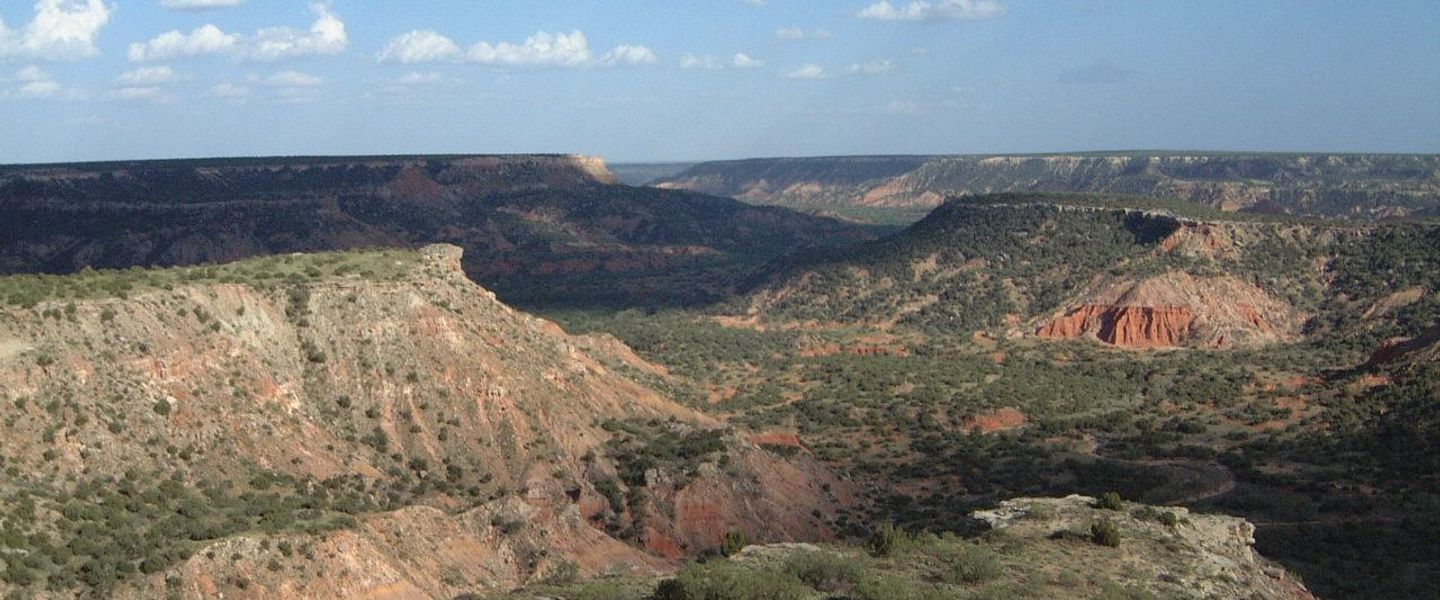


Explore New Mexico’s Llano Estacado for archaeological sites, wide-open plains, ranching towns, dark skies and the distinctive culture of eastern New Mexico.
Read more about Llano Estacado
When is the best time to visit Llano Estacado?
Best: May, September–October · 21–27°C| Month | High (°C) | Rainfall (mm) |
|---|---|---|
| January | 7 | 20 |
| February | 10 | 20 |
| March | 15 | 20 |
| April | 20 | 25 |
| May (best) | 25 | 35 |
| June | 30 | 45 |
| July | 32 | 65 |
| August | 31 | 55 |
| September (best) | 27 | 35 |
| October (best) | 21 | 25 |
| November | 15 | 20 |
| December | 10 | 20 |
Getting to and around Llano Estacado
How to get there
Transportation
Top city travel guides in Llano Estacado
The cities of Llano Estacado, and the easiest places to base yourself.
-

-


Swipe for more cities
Destinations in Llano Estacado
Resorts, valleys and scenic spots worth a trip of their own.

Swipe for more destinations
Best attractions in Llano Estacado
-
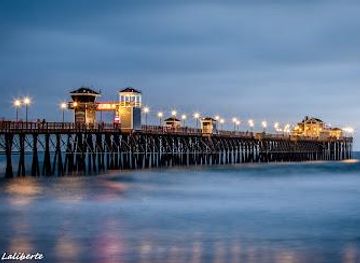
Fishing pier
Oceanside Municipal Pier
Discover the beauty of Oceanside Municipal Pier, a vibrant fishing pier and tourist attraction perfect for relaxation, adventure, and stunning ocean views.
-
Park
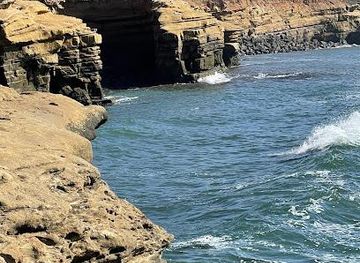
Lifeguard La Jolla Cove
Explore La Jolla Cove, California's stunning beach destination known for its scenic beauty, vibrant marine life, and adventurous outdoor activities.
-
Visitor center
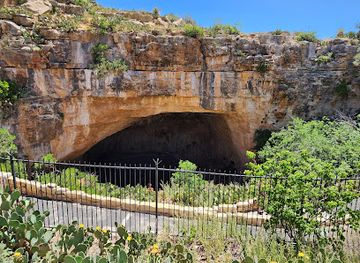
Carlsbad Caverns National Park Visitor Center
Discover the breathtaking beauty of Carlsbad Caverns National Park Visitor Center, your gateway to stunning limestone caves and diverse ecosystems.
-
Tourist attraction
Lake Carlsbad Beach Park
Discover the tranquil beauty of Lake Carlsbad Beach Park in Carlsbad, NM, an ideal destination for relaxation, recreation, and picturesque views.
Best landmarks in Llano Estacado
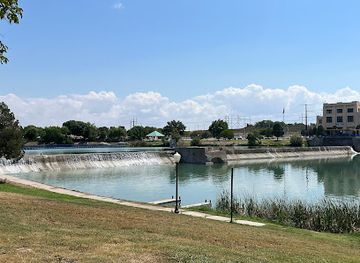
The most recognisable landmarks of the New Mexico Llano Estacado are tied to archaeology, landscape, science and modern popular culture. Blackwater Draw Locality No. 1 near Portales is significant not for monumental architecture but for the ancient layers preserved beneath the plain, where evidence of early human activity and Ice Age fauna changed understanding of the continent’s past. The wide plateau itself is a geographical landmark: its near-level horizon, sparse trees and long views create a visual character unlike the mountain landscapes more commonly associated with New Mexico. Around Roswell, the International UFO Museum and Research Center is a conspicuous cultural landmark built around the 1947 incident and its continuing public fascination. In Portales, Eastern New Mexico University’s campus and museums represent the educational life of the eastern plains, while Clovis’s civic and railway heritage reflects the town’s role as a regional transport centre. Near Roswell, the water-filled depressions of Bottomless Lakes State Park provide a contrasting natural landmark at the edge of the open plateau and Pecos Valley landscape.
-
Historical landmark
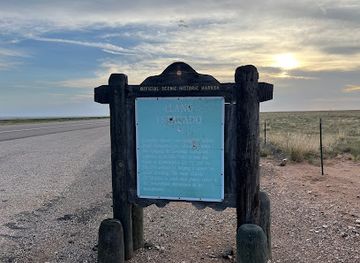
Llano Estacado Official Scenic Historic Markers
Discover Llano Estacado, New Mexico's historic landmark where the rich tapestry of the past meets breathtaking landscapes and captivating stories.
Explore Llano Estacado on the map
Plan your trip on one map. See where the top cities, national parks and sights are, and book hotels and experiences in a few clicks.
Best hotels in Llano Estacado
Best restaurants in Llano Estacado
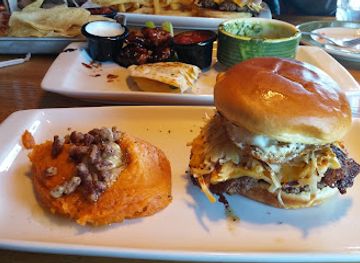
Dining in the New Mexico Llano Estacado reflects the region’s agricultural economy, practical town culture and position within the wider food traditions of the American Southwest. In Clovis, Portales, Roswell, Hobbs and Lovington, visitors will find diners, cafés, independent restaurants and family-run establishments serving burgers, steaks, barbecue, Mexican-influenced food and New Mexican dishes featuring red or green chile. Local dairy production, peanuts, cotton-growing country and cattle ranching shape the wider food landscape, although individual dishes should not automatically be treated as exclusive to the plateau. Breakfasts, generous portions and informal service are common features of small-town dining, while farmers’ markets and specialist retailers may offer regional produce when in season. Green chile, tortillas, beans and enchiladas connect the area to New Mexico’s broader culinary identity; visitors should ask about heat levels and whether chile is served red, green or “Christmas” style. In rural areas, plan meals around opening patterns and driving distances rather than assuming a choice of restaurants at every stop.
-
Restaurant
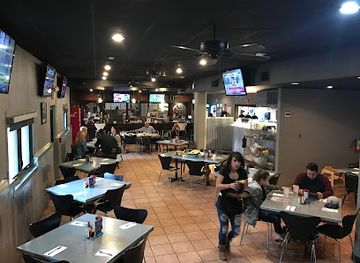
Applebee's Grill + Bar
Discover delicious American cuisine at Applebee's Grill + Bar in Clovis—perfect for families and friends seeking great food and fun.
-
Steak
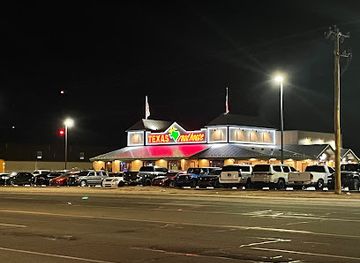
Texas Roadhouse
Experience the vibrant flavors of Texas Roadhouse in Clovis: where hearty steaks meet southern hospitality in an unforgettable dining atmosphere.
Best bars in Llano Estacado
Evening life in the Llano Estacado is concentrated in Clovis, Portales, Roswell and Hobbs rather than spread through the countryside. Traditional bars, casual grills, sports bars, breweries and live-music spaces provide the main options, while Portales has an additional student-oriented element associated with Eastern New Mexico University. Roswell’s visitor economy supports a selection of bars and restaurants, some drawing on the city’s UFO identity, while Hobbs has evening venues shaped by its larger industrial and energy-based population. Nightclubs exist in the principal towns but the region is not primarily a late-night destination, and rural communities generally settle earlier. Local entertainment may include community events, theatre, music or seasonal gatherings rather than a dense club circuit. Arrange transport in advance if drinking, especially outside the town centres, and expect distances, business hours and entertainment choices to be more limited than in Albuquerque or larger Texas cities.
-
Grill
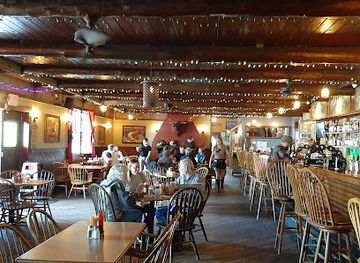
The Mine Shaft Tavern & Cantina
Experience the authentic flavors and vibrant atmosphere of The Mine Shaft Tavern & Cantina in Madrid, New Mexico, where great food and good times await.
-
Restaurant
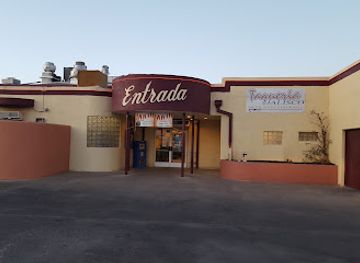
Taqueria Jalisco Inc.
Experience the heart of Mexican cuisine at Taqueria Jalisco Inc. in Clovis, NM - a culinary delight for every foodie.
-
Restaurant
D. H. LESCOMBES WINERY & BISTRO
Discover the perfect blend of fine wines and exquisite cuisine at D. H. Lescombes Winery & Bistro in Alamogordo, New Mexico.
-
Bar
Western Bar
Experience the vibrant atmosphere of Western Bar, where delicious American and Mexican flavors meet in the heart of Cloudcroft.


Best nightclubs in Llano Estacado
-
American
Farley's Food Fun & Pub
Discover the heart of Roswell's dining scene at Farley's Food Fun & Pub, where American classics meet vibrant local culture.
-
Southwestern American
Peppers Grill & Bar
Discover the vibrant tastes of Southwestern cuisine at Peppers Grill & Bar in Roswell, NM, where every meal is a flavorful journey.
-
Grill
Lucky Bull Grill
Discover the delicious menu and inviting atmosphere of Lucky Bull Grill in Carlsbad, NM - a perfect dining spot for every traveler.
-
Restaurant
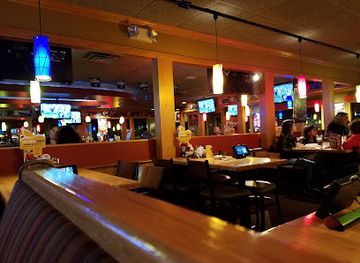
Applebee's Grill + Bar
Discover the heart of American dining at Applebee's Grill + Bar in Roswell, where comfort food meets a welcoming atmosphere.
Best shops in Llano Estacado
Shopping in the Llano Estacado is centred on the main streets, commercial areas and independent businesses of Clovis, Portales, Roswell, Hobbs and Lovington rather than on major destination shopping districts. Roswell offers the widest range of UFO-themed souvenirs, books, artworks and novelty items, alongside ordinary clothing, gifts and regional food products. Clovis and Portales are useful for practical supplies, agricultural-country goods, western wear, antiques and locally made items, while Hobbs has a larger commercial base serving south-eastern New Mexico. Farmers’ markets and seasonal produce stalls may offer peanuts, baked goods, chile products and other foods from the surrounding agricultural area, but availability varies. Look for Indigenous-made art only from reputable sellers who can explain its provenance and comply with relevant laws; archaeological objects should never be bought from uncertain sources. Regional museums often provide more meaningful souvenirs than generic roadside shops, including books on archaeology, local history, ranching and the plateau’s natural environment.
-
Grocery store
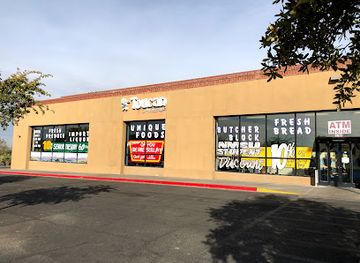
Toucan Market
Explore gourmet foods and local wines at Toucan Market, a vibrant grocery store in Las Cruces, NM, perfect for culinary enthusiasts and tourists alike.
-
Gift shop
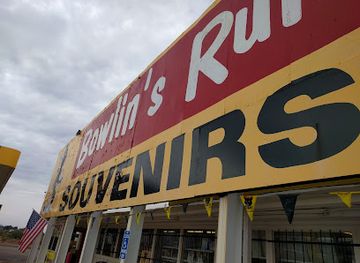
Bowlin's Running Indian at Alamogordo
Explore Bowlin's Running Indian, a unique gift shop in Alamogordo offering local crafts, souvenirs, and a taste of New Mexico's vibrant culture.
-
Coffee shop
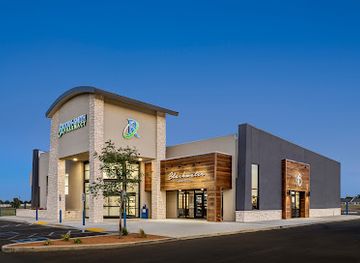
Blackwater Coffee Co.
Experience the warm ambiance and rich flavors of Blackwater Coffee Co. in Clovis, New Mexico, where coffee lovers unite.
-
Gift shop
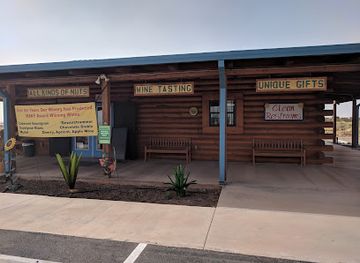
Pistachio Tree Ranch Country Store
Explore the Pistachio Tree Ranch Country Store for unique gifts and delicious pistachio snacks in Alamogordo, New Mexico.
Get your free copy of our complete guide to Llano Estacado, delivered straight to you.
Everything on this page, from attractions and restaurants to essentials and local phrases, in one PDF you can read offline, print or share.
Already have an account? Sign in
Your Llano Estacado guide is ready.
We'll send it to · Not you? Sign out

Getting your guide ready…
We are putting together a fresh copy of the Llano Estacado guide. This can take up to a minute.
This can take a few moments. If your browser asks, choose Allow so the download can start. You'll find the guide in your Downloads folder.
Nothing happened? Download it again
Sorry, the guide is taking longer than usual. Please try again in a minute, or get it by email instead.
Llano Estacado essentials
Currency and Payment
Safety
Emergency Situations
Do's and Don'ts
Local Tips
From Eve
Local phrases worth knowing
You don't need to get them perfect. A few words go a long way, and locals appreciate the effort.
Basics
| English | Local | Say it |
|---|---|---|
| Hello | Hola | [OH-lah] |
| Goodbye | Adiós | [ah-DYOS] |
| Yes | Sí | [SEE] |
| No | No | [NO] |
| Please/You're welcome | Por favor | [por fah-VOR] |
| Thank you | Gracias | [GRAH-syahs] |
| Excuse me/Sorry | Perdón | [per-DON] |
| How are you? | ¿Cómo estás? | [KOH-moh eh-STAS] |
| Fine. And you? | Bien. ¿Y tú? | [BYEN. ee TOO] |
| Do you speak English? | ¿Hablas inglés? | [AH-blahs een-GLES] |
| I don't understand | No entiendo | [NO en-TYEN-doh] |
Eating & Drinking
| English | Local | Say it |
|---|---|---|
| I'd like to see the menu, please | Quisiera ver el menú, por favor | [kee-SYER-ah VER el meh-NOO, por fah-VOR] |
| I don't eat meat | No como carne | [NO KOH-moh KAR-neh] |
| Cheers! | ¡Salud! | [sah-LOOD] |
| I would like to pay, please | Quisiera pagar, por favor | [kee-SYER-ah pah-GAR, por fah-VOR] |
Emergencies
| English | Local | Say it |
|---|---|---|
| Help! | ¡Ayuda! | [ah-YOO-dah] |
| Go away! | ¡Vete! | [VEH-teh] |
| Call the Police! | ¡Llama a la policía! | [YAH-mah ah lah poh-lee-SIA] |
| Call a doctor! | ¡Llama a un doctor! | [YAH-mah ah oon dok-TOR] |
| I'm lost | Estoy perdido | [es-TOY per-DID-oh] |
| I'm ill | Estoy enfermo/a | [es-TOY en-FER-mo/a] |
Shopping
| English | Local | Say it |
|---|---|---|
| I'd like to buy... | Quisiera comprar... | [kee-SYER-ah kom-PRAR] |
| I'm just looking | Solo estoy mirando | [SO-lo es-TOY mee-RAN-do] |
| How much is it? | ¿Cuánto cuesta? | [KWAN-toh KWES-tah] |
| That's too expensive | Eso es muy caro | [EH-so es MOO-ee KAH-roh] |
| Can you lower the price? | ¿Puedes bajar el precio? | [PWEH-des bah-HAR el PREH-syo] |
Time & Numbers
| English | Local | Say it |
|---|---|---|
| What time is it? | ¿Qué hora es? | [KEH OH-rah es] |
| It's one o'clock | Es la una | [es lah OO-nah] |
| Half past (10) | Y diez y media | [ee DYAS ee MEH-dee-ah] |
| Morning | Mañana | [mah-NYAH-nah] |
| Afternoon | Tarde | [TAR-deh] |
| Evening | Noche | [NOH-cheh] |
| Yesterday | Ayer | [ah-YER] |
| Today | Hoy | [OY] |
| Tomorrow | Mañana | [mah-NYAH-nah] |
| 1 | Uno | [OO-no] |
| 2 | Dos | [DOS] |
| 3 | Tres | [TRES] |
| 4 | Cuatro | [KWAT-roh] |
| 5 | Cinco | [SEEN-koh] |
| 6 | Seis | [SAYS] |
| 7 | Siete | [SYE-teh] |
| 8 | Ocho | [OH-choh] |
| 9 | Nueve | [NWEH-veh] |
| 10 | Diez | [DYAS] |
Transport & Directions
| English | Local | Say it |
|---|---|---|
| Where's a/the...? | ¿Dónde está un/una...? | [DON-deh es-TAH oon/OO-nah] |
| What's the address? | ¿Cuál es la dirección? | [KWAL es lah dee-rek-SYON] |
| Can you show me (on the map)? | ¿Puedes mostrarme (en el mapa)? | [PWEH-des mos-TRAR-me (en el MAH-pah)] |
| When's the next (bus)? | ¿Cuándo es el próximo (autobús)? | [KWAN-doh es el PROK-see-mo (ow-toh-BOOS)] |
| A ticket (to ....) | Un boleto (a ...) | [oon boh-LEH-toh (ah ...)] |
History of Llano Estacado
Ice Age Life at Blackwater Draw
Blackwater Draw, near Portales, preserves one of North America’s most important archaeological records. Excavations revealed evidence of human activity alongside extinct Ice Age animals, including mammoth, and helped establish the significance of the Clovis archaeological tradition, named after the nearby city. The site’s deeply layered deposits show that the plains were occupied and used thousands of years ago, long before modern farming towns or state boundaries existed. Today, Blackwater Draw provides an essential introduction to the region’s ancient past and to the continuing scientific study of early peoples in the Americas.
Indigenous Peoples and the Plains Frontier
The Llano Estacado was part of a changing Indigenous landscape long before European settlement. Apache and Comanche peoples, among others, lived in, travelled through and used the wider southern plains, adapting to grassland, water sources and bison country. Spanish and later Mexican expeditions entered the region, while nineteenth-century United States expansion brought military campaigns, new transport routes and settler pressure. The history is not simply one of empty land becoming settled: it involved established Indigenous societies, contested territory and major disruptions whose consequences remain part of the region’s historical understanding.
Ranching, Railways and New Towns
During the late nineteenth and early twentieth centuries, cattle ranching and railway construction transformed eastern New Mexico. Rail lines connected emerging communities such as Clovis and Portales with wider markets, brought settlers and supplies, and encouraged the division of open range into farms and ranches. Towns developed around depots, livestock commerce, agricultural services and county institutions. The grid-like roads and widely spaced settlements visible today partly reflect this period of transport-led development, when the plateau became more closely integrated with the economic systems of the United States.
Irrigation and the Ogallala Aquifer
Modern agriculture on the Llano Estacado has depended heavily on groundwater held in the Ogallala Aquifer. From the twentieth century onwards, pumps and improved irrigation helped expand the production of crops including cotton, peanuts and feed for livestock, particularly around Portales and the Pecos Valley margin. The same development supported large-scale dairy farming and reshaped the local economy. It also created a long-term environmental challenge: groundwater is finite, and declining levels have encouraged debate about conservation, efficient irrigation and the future balance between agricultural production and water security.
Military Aviation and Cannon Air Force Base
The plains’ open terrain and relatively clear skies made eastern New Mexico suitable for military aviation. Cannon Air Force Base, west of Clovis, began as a wartime airfield during the Second World War and later became a permanent United States Air Force installation. Its presence has influenced employment, infrastructure and community life in the Clovis area. Military aviation is therefore part of the region’s modern landscape, alongside ranching and agriculture, although active facilities remain working environments and are not generally visitor attractions in the conventional sense.
Roswell, 1947 and the UFO Legacy
In 1947, the United States Army Air Forces recovered debris near Roswell during a period of intense public interest in unusual aerial reports. The military identified the material as connected with a balloon programme, while later speculation developed into one of the world’s best-known UFO stories. Roswell’s museums, annual events and visual culture have made the episode a major part of the city’s tourism identity. The story sits alongside, rather than replaces, the area’s agricultural, archaeological and military history, and illustrates how a local incident can acquire an international popular-culture afterlife.
Llano Estacado in Photos
Browse through our photo collection highlighting the charm and character of the destination.
Neighbouring regions of Llano Estacado
The closest regions to Llano Estacado, if you have time for more than one.
-
 Southeast New Mexico
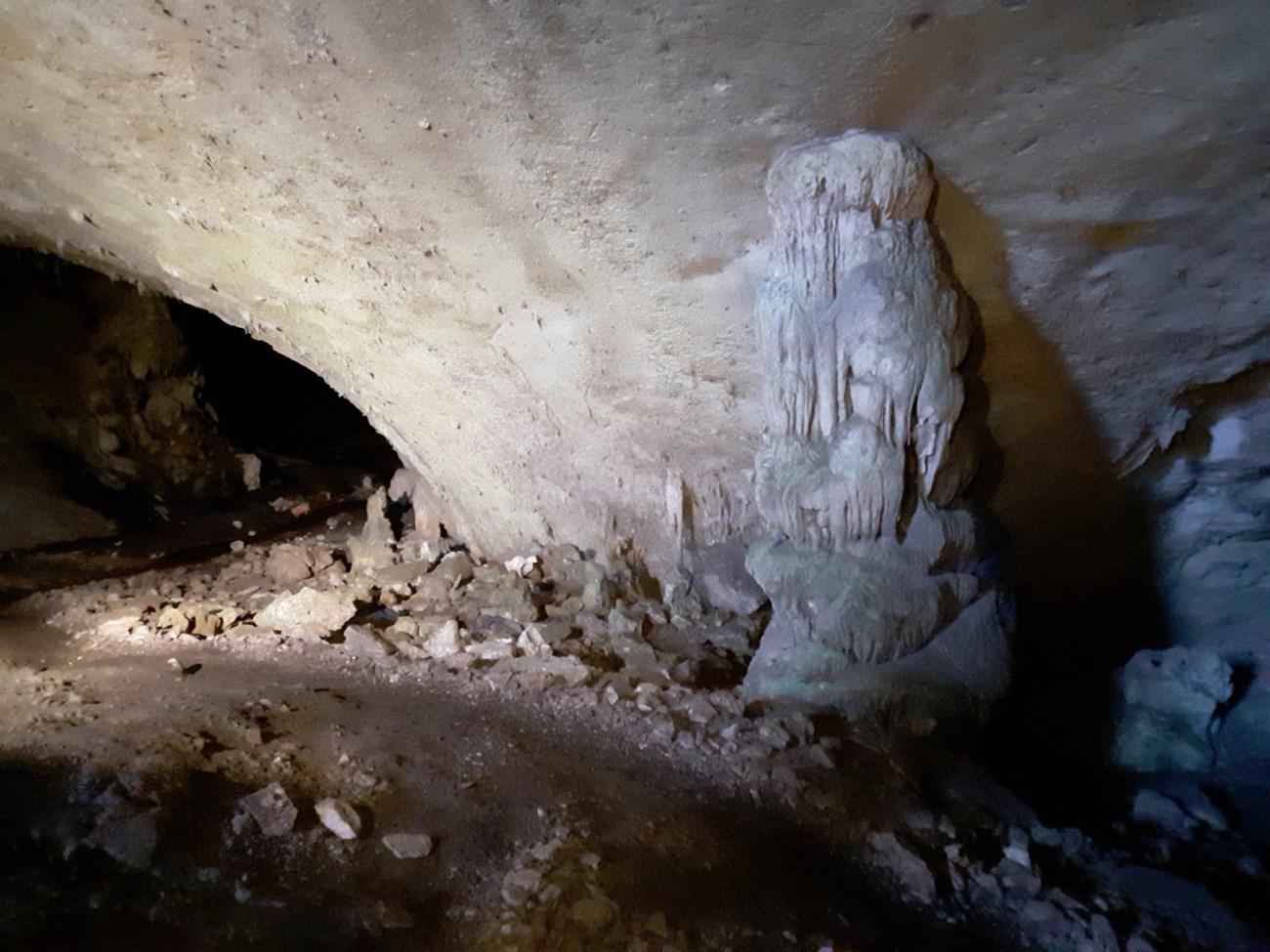
Explore Southeast New Mexico for Carlsbad Caverns, desert wildlife, Roswell UFO history, oil-country towns and the pine forests of the Sacramento Mountains.
Southeast New Mexico
Explore Southeast New Mexico for Carlsbad Caverns, desert wildlife, Roswell UFO history, oil-country towns and the pine forests of the Sacramento Mountains.
-

-

-

-


Swipe for more regions
Explore more

Explore more of New Mexico
Discover the enchanting blend of rich history, diverse cultures, and stunning landscapes in New Mexico, the Land of Enchantment, where adventure and relaxation await.
Explore New Mexico