

Free Leatherstocking Region Travel Guide & Mobile App
Explore Leatherstocking Region with free travel guides. Discover regional history, expert tips, proposed trips, and audio guides on web or mobile app.


Explore New York’s Leatherstocking Region for Cooperstown museums, wooded hills, Otsego Lake, Mohawk Valley heritage and small-town food culture.
Read more about Leatherstocking Region
When is the best time to visit Leatherstocking Region?
Best: June, August–September · 24–28°C| Month | High (°C) | Rainfall (mm) |
|---|---|---|
| January | -2 | 66 |
| February | 0 | 57 |
| March | 7 | 76 |
| April | 14 | 86 |
| May | 20 | 93 |
| June (best) | 26 | 94 |
| July | 28 | 97 |
| August (best) | 28 | 94 |
| September (best) | 24 | 86 |
| October | 17 | 76 |
| November | 9 | 74 |
| December | 3 | 74 |
Getting to and around Leatherstocking Region
How to get there
Transportation
Top city travel guides in Leatherstocking Region
The cities of Leatherstocking Region, and the easiest places to base yourself.
-

-

-
-
-


Swipe for more cities
Destinations in Leatherstocking Region
Resorts, valleys and scenic spots worth a trip of their own.
-
-

-


Swipe for more destinations
Best attractions in Leatherstocking Region
The Leatherstocking Region’s attractions combine museums and historic interpretation with lakes, hills and working countryside. Cooperstown is the principal cultural centre, anchored by the National Baseball Hall of Fame and Museum, the Fenimore Art Museum and The Farmers’ Museum, whose collections illuminate sport, American art, rural life and material culture. Nearby Otsego Lake provides boating, fishing and shoreline scenery, while the Glimmerglass Festival brings opera to a pastoral setting during its seasonal programme. In the Mohawk Valley, canal heritage, historic villages, museums and industrial sites explain how waterways and railways connected inland New York with wider markets. Utica adds urban museums, cultural institutions and restaurants, and Oneonta provides a compact arts-oriented base in the Susquehanna valley. Rural visitors can explore farm stands, breweries, woodland roads, reservoirs and trails rather than a single large national park. Hiking, cycling, paddling, fishing, cross-country skiing and leaf-peeping are all important, with access and conditions changing across the year. The appeal lies in moving between concentrated cultural attractions and spacious landscapes, not in ticking off a single circuit.
-
Tourist attraction
Central Park
Explore Central Park, a stunning urban oasis in New York City, where nature meets culture in a vibrant setting filled with iconic landmarks and recreational activities.
-
Tourist attraction
Watkins Glen State Park
Explore Watkins Glen State Park, a breathtaking natural attraction in New York, known for its stunning waterfalls, hiking trails, and scenic beauty.
-
Tourist attraction
Letchworth State Park
Explore Letchworth State Park, a natural wonder in New York known for its stunning waterfalls, lush landscapes, and a wealth of outdoor adventures.
-
Tourist attraction
National Baseball Hall of Fame and Museum
Explore the legacy of baseball at the National Baseball Hall of Fame and Museum in Cooperstown, NY—where legends are honored and history comes alive.


Best landmarks in Leatherstocking Region
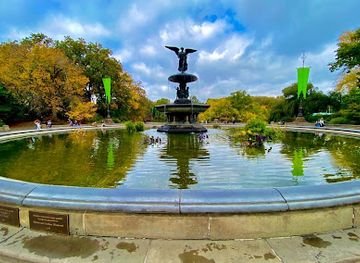
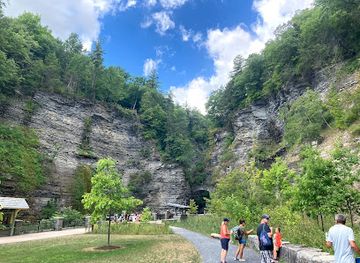
Otsego Lake is the region’s defining natural landmark, a long, wooded body of water whose southern shore gives Cooperstown its distinctive setting and whose northern end opens towards the Glimmerglass landscape. Cooperstown’s historic streets and civic buildings form a notable village ensemble, while the National Baseball Hall of Fame and Museum has become a symbol of the community’s national cultural role. In the Mohawk Valley, the Erie Canal and its associated locks, towpaths and river infrastructure are enduring engineering landmarks, expressing the nineteenth-century transformation of inland transport. Little Falls is distinguished by its dramatic river setting and industrial history, and Utica retains important civic and commercial architecture shaped by canal, railway and manufacturing wealth. Country churches, stone farmhouses, covered bridges where preserved and nineteenth-century village streets appear throughout the valleys, though many are private or active community buildings rather than conventional visitor sites. The hills around Otsego and Schoharie country provide broad natural viewpoints, particularly in autumn, when forested slopes and cultivated clearings reveal the region’s underlying geography.
-
Tourist attraction
Central Park
Discover the beauty and tranquility of Central Park, New York City's cherished green space, perfect for relaxation, recreation, and exploration.
-
Historical landmark
Statue of Liberty
Discover the iconic Statue of Liberty, a historic symbol of freedom and democracy, welcoming visitors to New York City with breathtaking views.
-
Tourist attraction
The High Line
Discover the High Line, an exquisite elevated park in NYC that transforms a historic rail line into a lush urban sanctuary with stunning views and vibrant art.
-
Historical landmark
One World Trade Center
Discover the iconic One World Trade Center, a symbol of resilience and architectural brilliance, offering stunning panoramic views of New York City.


Explore Leatherstocking Region on the map
Plan your trip on one map. See where the top cities, national parks and sights are, and book hotels and experiences in a few clicks.
Best hotels in Leatherstocking Region
Best restaurants in Leatherstocking Region
Dining in the Leatherstocking Region reflects its agricultural setting and the different histories of its valleys. Cooperstown and Oneonta offer cafés, brew-focused venues, pizzerias, casual American restaurants and more contemporary kitchens, while rural communities are served by diners, taverns, farm-led restaurants and traditional inns. Local menus often draw on dairy products, apples, seasonal vegetables, maple and other produce from central New York, without suggesting that every dish is exclusive to the region. The Mohawk Valley has a notable Italian-American influence, visible in bakeries, pizzerias and family restaurants, alongside broader American and international cooking in Utica. Farm stands and community markets are useful for picnic supplies and changing seasonal produce, while breweries and cider-oriented producers add local drinks to the food landscape. Dining hours can be limited outside the principal towns, particularly outside summer, so visitors travelling through rural districts should plan rather than rely on late-night availability.
-
Restaurant
The Otesaga Resort Hotel
Discover luxury and history at The Otesaga Resort Hotel on Otsego Lake - a premier destination for relaxation and adventure in Cooperstown.
-
Grill
Upstate Bar and Grill
Experience delicious dining at Upstate Bar and Grill in Cooperstown—where rustic charm meets modern culinary delights.
-
American
Mel's at 22
Experience the best of American cuisine at Mel's at 22 in Cooperstown – where fresh flavors meet family-friendly dining.
-
Pizza
New York Pizzeria
Experience the authentic taste of New York-style pizza at New York Pizzeria in charming Cooperstown - where every bite tells a story.


Best bars in Leatherstocking Region
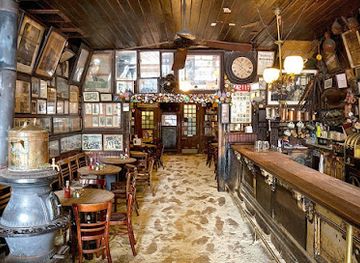
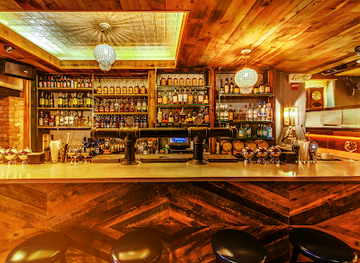
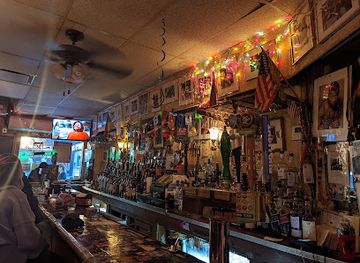
Evening life is modest and dispersed rather than dominated by large clubs. Cooperstown’s pubs, taverns, restaurants and brewery-focused venues provide the main social setting, with activity increasing during the baseball season and summer cultural calendar. Oneonta, influenced by its colleges, has a younger bar and live-music scene, while Utica offers the broadest choice of restaurants, cocktail venues, breweries, performances and late-evening entertainment within the wider region. Smaller Mohawk Valley communities tend towards traditional bars, social clubs, historic inns and restaurant dining. Rural evenings are generally quiet, and distances between towns make a designated driver or planned taxi arrangement important. Seasonal concerts, theatre and festival programmes can extend the options, but opening arrangements vary, so current local listings should be checked before travelling.
-
Pub
McSorley’s Old Ale House
Discover McSorley’s Old Ale House, New York's oldest pub, where history meets hearty ales and a welcoming atmosphere.
-
Irish pub
The Dead Rabbit, New York City
Discover the charm of The Dead Rabbit, NYC's premier Irish pub, offering authentic cuisine, crafted cocktails, and a lively atmosphere.
-
Bar
Tanner Smith's
Discover Tanner Smith's, a vibrant bar and gastropub in Manhattan, offering innovative cocktails and delicious New American cuisine in a stylish setting.
-
Bar
Jimmy's Corner
Discover the unique charm of Jimmy's Corner, a must-visit bar in Manhattan offering affordable drinks and a lively atmosphere.

Best nightclubs in Leatherstocking Region
Evening life is modest and dispersed rather than dominated by large clubs. Cooperstown’s pubs, taverns, restaurants and brewery-focused venues provide the main social setting, with activity increasing during the baseball season and summer cultural calendar. Oneonta, influenced by its colleges, has a younger bar and live-music scene, while Utica offers the broadest choice of restaurants, cocktail venues, breweries, performances and late-evening entertainment within the wider region. Smaller Mohawk Valley communities tend towards traditional bars, social clubs, historic inns and restaurant dining. Rural evenings are generally quiet, and distances between towns make a designated driver or planned taxi arrangement important. Seasonal concerts, theatre and festival programmes can extend the options, but opening arrangements vary, so current local listings should be checked before travelling.
-
Bar
Shrine
Experience the heartbeat of Harlem at Shrine, a lively bar and live music venue with delicious food and an electric atmosphere.
-
Lounge
The Delancey Rooftop
Experience the vibrant nightlife of New York City at The Delancey Rooftop, featuring stunning skyline views, live music, and a lively atmosphere.
-
Night club
Le Bain
Experience the vibrant nightlife at Le Bain, an iconic rooftop bar and nightclub in the heart of New York City, with breathtaking views and signature cocktails.
-
Night club
Somewhere Nowhere NYC - Lounge, Nightclub & Rooftop Pool
Dive into the electrifying nightlife of New York City at Somewhere Nowhere NYC, a rooftop pool lounge and nightclub with stunning views and vibrant energy.


Best shops in Leatherstocking Region
Shopping is concentrated in the main streets of Cooperstown, Oneonta, Utica and smaller market towns rather than in a single regional retail district. Cooperstown is particularly associated with museum shops, books, art, baseball memorabilia, locally made crafts and high-quality souvenirs connected with the village’s cultural institutions. Oneonta and Utica provide a wider mix of independent retailers, galleries, clothing, books and everyday shopping, while the Mohawk Valley also has antique shops and specialist food businesses. Farm stands, orchards, dairies, maple producers, breweries and seasonal markets are good places to find regional food products, although opening dates and hours vary. Visitors should distinguish established local craft and food traditions from generic souvenirs: useful purchases include New York produce, preserves, maple products, pottery, prints and books about local history or the Leatherstocking literary tradition. Larger shopping centres lie mainly in the urban parts of the wider valley, while rural areas favour small businesses and direct sales.
-
Gift shop
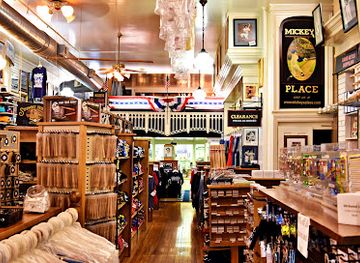
Mickey's Place
Explore Mickey's Place in Cooperstown for exclusive sports memorabilia, apparel, and a unique shopping experience celebrating America's sports culture.
-
Gift shop
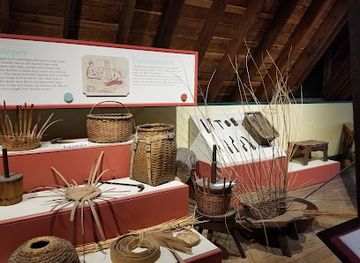
The Farmers' Museum Store
Explore The Farmers' Museum Store for unique gifts, local crafts, and a taste of Cooperstown's agricultural heritage.
-
Gift shop
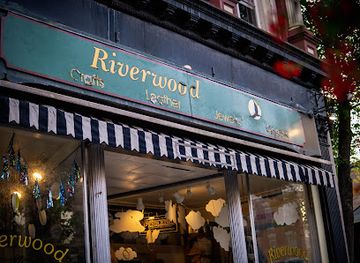
Riverwood
Explore Riverwood in Ithaca for unique gifts, handcrafted jewelry, and local artisan treasures in a charming boutique setting.
-
Credit union
Leatherstocking Credit Union
Experience unmatched financial services and community spirit at Leatherstocking Credit Union in Cooperstown, NY, your go-to banking destination.
Get your free copy of our complete guide to Leatherstocking Region, delivered straight to you.
Everything on this page, from attractions and restaurants to essentials and local phrases, in one PDF you can read offline, print or share.
Already have an account? Sign in
Your Leatherstocking Region guide is ready.
We'll send it to · Not you? Sign out

Getting your guide ready…
We are putting together a fresh copy of the Leatherstocking Region guide. This can take up to a minute.
This can take a few moments. If your browser asks, choose Allow so the download can start. You'll find the guide in your Downloads folder.
Nothing happened? Download it again
Sorry, the guide is taking longer than usual. Please try again in a minute, or get it by email instead.
Leatherstocking Region essentials
Currency and Payment
Safety
Emergency Situations
Do's and Don'ts
Local Tips
From Eve
Local phrases worth knowing
You don't need to get them perfect. A few words go a long way, and locals appreciate the effort.
Basics
| English | Local | Say it |
|---|---|---|
| Hello | Howdy | [Ha-dee] |
| Goodbye | Take care | [Tayk kayr] |
| Yes | Yup | [Yup] |
| No | Nah | [Nah] |
| Please/You're welcome | Sure thing | [Shoor thing] |
| Thank you | Thanks a lot | [Thangs a lot] |
| Excuse me/Sorry | Pardon me | [Pardon me] |
| How are you? | Howya doin'? | [Haw-ya doin'?] |
| Fine. And you? | Good. And you? | [Good. An' you?] |
| Do you speak English? | You speakin' English? | [Ya speakin' English?] |
| I don't understand | I ain't got it | [I ain't got it] |
Eating & Drinking
| English | Local | Say it |
|---|---|---|
| I'd like to see the menu, please | Can I see the menu? | [Kan I see th' menu?] |
| I don't eat meat | I ain't eatin' meat | [I ain't eatin' meat] |
| Cheers! | Bottoms up! | [Bah-tums up!] |
| I would like to pay, please | Can I settle up? | [Kan I settle up?] |
Emergencies
| English | Local | Say it |
|---|---|---|
| Help! | Help me! | [Help me!] |
| Go away! | Get outta here! | [Get outta here!] |
| Call the Police! | Call the cops! | [Call the cops!] |
| Call a doctor! | Get a doc! | [Get a doc!] |
| I'm lost | I ain't knowin' where I am | [I ain't knowin' where I am] |
| I'm ill | I ain't feelin' good | [I ain't feelin' good] |
Shopping
| English | Local | Say it |
|---|---|---|
| I'd like to buy... | I wanna buy... | [I wanna buy...] |
| I'm just looking | Just browsin' | [Just browsin'] |
| How much is it? | What’s the price? | [What's th' price?] |
| That's too expensive | That's mighty pricey | [That's mighty pricey] |
| Can you lower the price? | Can ya knock down th' price? | [Kan ya knock down th' price?] |
Time & Numbers
| English | Local | Say it |
|---|---|---|
| What time is it? | What time ya got? | [What time ya got?] |
| It's one o'clock | It's one | [It's one] |
| Half past (10) | Half past ten | [Half past ten] |
| Morning | Mornin' | [Mornin'] |
| Afternoon | Afternoon | [Afternoon] |
| Evening | Evenin' | [Evenin'] |
| Yesterday | Yest'day | [Yest'day] |
| Today | Today | [Today] |
| Tomorrow | Tomorrah | [Tomorrah] |
| 1 | One | [One] |
| 2 | Two | [Two] |
| 3 | Three | [Three] |
| 4 | Four | [Four] |
| 5 | Five | [Five] |
| 6 | Six | [Six] |
| 7 | Seven | [Seven] |
| 8 | Eight | [Eight] |
| 9 | Nine | [Nine] |
| 10 | Ten | [Ten] |
Transport & Directions
| English | Local | Say it |
|---|---|---|
| Where's a/the...? | Where's a...? | [Where's a...?] |
| What's the address? | What’s th' address? | [What's th' address?] |
| Can you show me (on the map)? | Can ya show me on th' map? | [Can ya show me on th' map?] |
| When's the next (bus)? | When's th' next bus? | [When's th' next bus?] |
| A ticket (to ....) | A ticket to... | [A ticket to...] |
History of Leatherstocking Region
Indigenous Homelands and the Iroquois Confederacy
The Leatherstocking landscape lies within the historic homelands and travel networks of Indigenous peoples, including the Haudenosaunee, or Iroquois Confederacy, whose political and cultural influence extended across much of present-day upstate New York. The Mohawk Valley was especially important to the Mohawk Nation, one of the Confederacy’s member nations, while the Susquehanna and Otsego country connected communities, hunting grounds and waterways. European settlement did not replace this history; it was built through treaties, conflict and dispossession. Visitors encounter fragments of the deeper past through archaeology, place-names, museum collections and continuing Indigenous presence.
Colonial Settlement and the Mohawk Valley
During the seventeenth and eighteenth centuries, Dutch, German, British and other European settlers established farms and communities along the Mohawk River. The valley’s fertile soils and navigable route made it an important corridor between the Hudson River and the interior. Fortifications and settlements became strategically significant during the colonial wars and the American Revolution, when the region experienced raids, divided loyalties and military campaigns. Stone houses, village layouts and surviving defensive sites provide tangible reminders of a frontier society shaped by agriculture, trade and conflict.
The Revolutionary War and Its Aftermath
The Mohawk Valley was one of the most contested parts of New York during the American Revolution. Fighting and raids affected communities around the river, and the 1777 campaign connected to the broader British effort to divide New England from the other colonies. The conflict brought severe disruption to Indigenous nations and settler populations alike. After independence, land changed hands rapidly, new migrants arrived and towns expanded westward. Revolutionary-era stories remain prominent in regional museums and historic sites, although modern interpretation increasingly places military events within the wider experience of civilians and Indigenous communities.
Canals, Railways and Inland Commerce
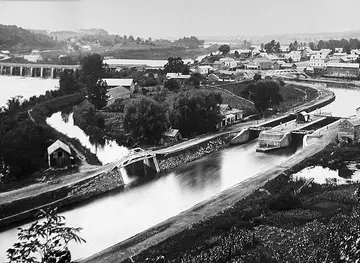
The opening of the Erie Canal in 1825 transformed the Mohawk Valley and helped connect the port of New York with the Great Lakes and the growing interior. Canal towns expanded, industries gained access to wider markets and agricultural produce could move more efficiently east and west. Railways later supplemented and partly replaced canal transport, reinforcing the importance of Utica, Little Falls, Herkimer and other valley communities. The enlarged Erie Canal and associated waterways still define parts of the landscape, while canal locks, aqueducts, warehouses and railway architecture preserve the region’s role in the development of inland commerce.
Cooperstown and the Making of a Literary Landscape
James Fenimore Cooper, born in Burlington and associated closely with Cooperstown, turned the forests, lakes and frontier tensions of the region into settings for influential early American novels. His Leatherstocking Tales, published in the nineteenth century, helped popularise an image of the American frontier and gave the wider area its enduring travel name. Cooper’s fiction is not a direct historical record, and modern visitors should distinguish literary invention from Indigenous and settler history. Nevertheless, the novels profoundly shaped the cultural identity of Cooperstown and the region’s interpretation of landscape, frontier life and American national mythology.
Agriculture, Dairy and Rural Industry
Nineteenth- and twentieth-century development rested heavily on farming, especially dairy production in the rolling uplands around Otsego County and neighbouring valleys. Creameries, mills, tanneries and small manufactories supported rural communities, while larger towns developed commercial and industrial roles along waterways and rail lines. Mechanisation and changing markets reduced the number of farms but did not erase agriculture from the landscape. Today, working dairies, farm stands, breweries, orchards and museums of rural life reveal a continuing relationship between land, food production and community identity.
Baseball, Museums and Modern Tourism
Cooperstown’s association with baseball grew into a major national cultural institution when the National Baseball Hall of Fame and Museum opened in 1939. Although professional baseball did not originate in any simple or uncontested sense in the village, Cooperstown became central to the sport’s public mythology and annual ceremonies. The museum helped establish tourism as a principal part of the local economy, alongside the Fenimore Art Museum, The Farmers’ Museum and the Glimmerglass Festival. This cultural concentration now gives the Leatherstocking Region a visitor identity that complements, rather than replaces, its agricultural, Indigenous, canal and industrial histories.
Leatherstocking Region in Photos
Browse through our photo collection highlighting the charm and character of the destination.
Neighbouring regions of Leatherstocking Region
The closest regions to Leatherstocking Region, if you have time for more than one.
-

-
-

-

-


Swipe for more regions
Explore more

Explore more of New York
Discover the electrifying energy, iconic landmarks, and diverse cultural experiences of New York City, the ultimate urban playground for travelers from around the world.
Explore New York