

Free Mohawk Valley Travel Guide & Mobile App
Explore Mohawk Valley with free travel guides. Discover regional history, expert tips, proposed trips, and audio guides on web or mobile app.


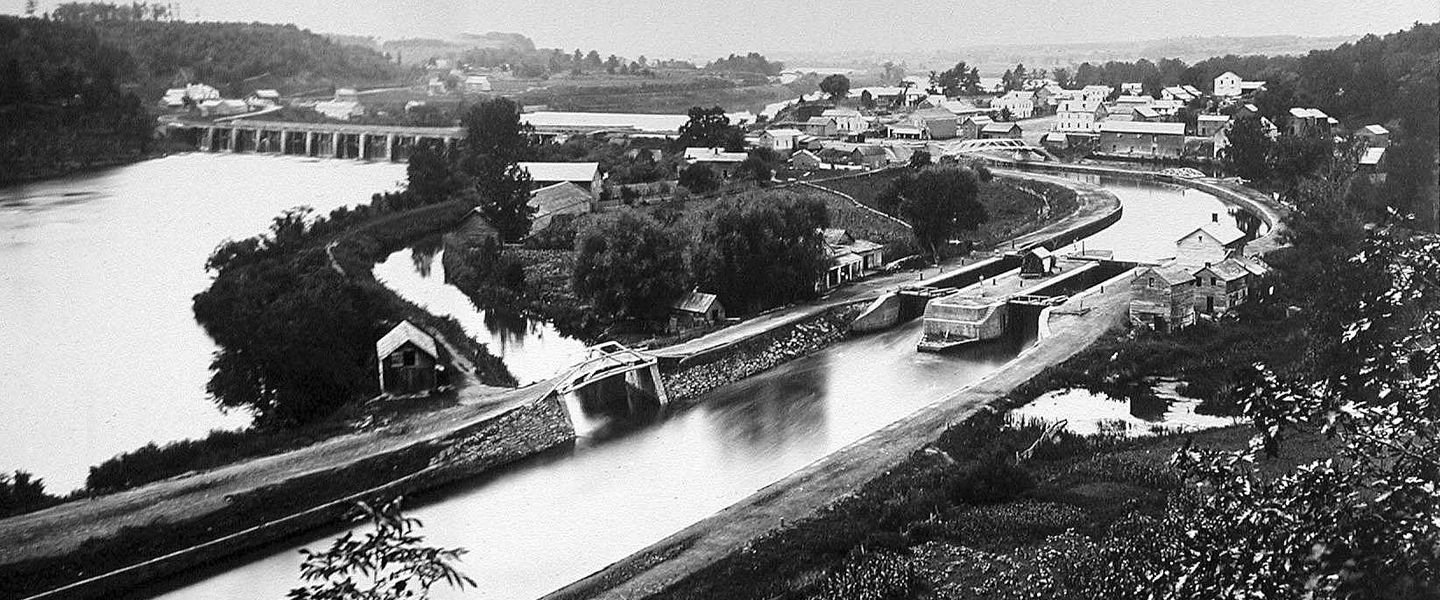


Explore New York's Mohawk Valley for canal heritage, frontier forts, Cooperstown museums, river towns, farms and wooded countryside.
Read more about Mohawk Valley
Getting to and around Mohawk Valley
How to get there
Transportation
Top city travel guides in Mohawk Valley
The cities of Mohawk Valley, and the easiest places to base yourself.
-

-

-

-


Swipe for more cities
Destinations in Mohawk Valley
Resorts, valleys and scenic spots worth a trip of their own.
-

-
-

-

-



Swipe for more destinations
Best attractions in Mohawk Valley
The Mohawk Valley's attractions combine layered history with accessible outdoor landscapes. Fort Stanwix National Monument in Rome interprets a strategically important Revolutionary War fort, while the Oriskany Battlefield State Historic Site and Herkimer Home State Historic Site explore the conflict and people of the eighteenth-century frontier. Along the river, the Erie Canal's locks, towpaths and canal parks reveal how water engineering reshaped commerce; Little Falls is particularly rewarding for canal and industrial heritage. Cooperstown forms a major cultural centre, with the National Baseball Hall of Fame and Museum, Fenimore Art Museum and The Farmers' Museum. Otsego Lake supports boating, fishing and lakeside recreation, while Glimmerglass State Park offers woodland trails, a beach and views across the lake. In Schoharie County, Howe Caverns provides an underground geological experience, and rural roads lead to farms, historic buildings and wooded walking areas. Visitors should allow time for driving between attractions, as the region's appeal lies in the contrast between urban museums, canal towns, historic battlefields and quieter agricultural country.
-
Tourist attraction
Howe Caverns
Discover the breathtaking beauty of Howe Caverns, one of the premier underground attractions in New York, offering a unique glimpse into nature's artistry.
-
Museum
New York State Museum
Explore New York's rich history, art, and science at the New York State Museum – an engaging destination for all ages.
-
State park
Chittenango Falls State Park
Experience the breathtaking beauty of Chittenango Falls State Park, where stunning waterfalls and scenic trails await every nature lover.
-
Historical place museum
Fort William Henry Museum
Explore the rich military past at Fort William Henry Museum, a historical gem in Lake George, NY, with engaging exhibits and live reenactments.


Best landmarks in Mohawk Valley
The Mohawk Valley's most recognisable landmarks express its role as a corridor of defence, transport and settlement. Fort Stanwix National Monument in Rome marks the site of a major eighteenth-century fortification whose reconstructed walls and interpretive displays explain the Revolutionary War frontier. The Oriskany Battlefield memorial landscape commemorates the 1777 battle and the many Indigenous, colonial and American forces involved. The Erie Canal's engineering remains visible in locks, towpaths, aqueduct remnants and canal-side structures, especially around Little Falls and other historic river communities. In Cooperstown, the National Baseball Hall of Fame and Museum has become a nationally recognised architectural and cultural landmark, while the village's streets and Otsego Lake setting provide a strong sense of place. The limestone formations and underground chambers around Howes Cave add a geological dimension, and the rural churches, farmhouses and covered bridges of Schoharie County provide a quieter record of settlement. Together these places show a region shaped as much by routes and landscapes as by individual monuments.
-
Historical landmark
Home of Franklin D. Roosevelt National Historic Site
Step into history at the Home of Franklin D. Roosevelt National Historic Site, where America's legacy and FDR's impactful life come alive in scenic Hyde Park.
-
Historical landmark
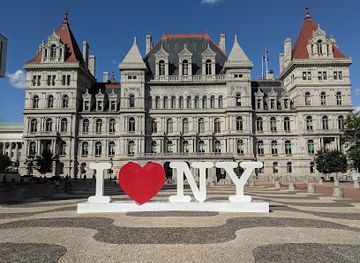
New York State Capitol
Discover the grandeur of the New York State Capitol, an architectural masterpiece and a key historical landmark in Albany, New York, perfect for history enthusiasts.
-
Historical landmark
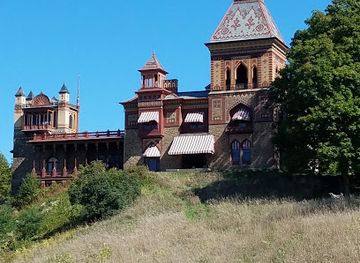
Olana State Historic Site
Discover the artistic legacy and stunning landscapes at Olana State Historic Site, a historic gem in Hudson, New York.
-
Historical place museum
Fort William Henry Museum
Discover the rich military history and captivating exhibits at Fort William Henry Museum in Lake George, NY, a must-visit for history enthusiasts.

Explore Mohawk Valley on the map
Plan your trip on one map. See where the top cities, national parks and sights are, and book hotels and experiences in a few clicks.
Best hotels in Mohawk Valley
Best restaurants in Mohawk Valley
Dining in the Mohawk Valley reflects its agricultural setting and long-established town culture. Menus commonly draw on New York produce, dairy products, apples, maple syrup, seasonal vegetables and locally made baked goods, while farm shops and markets provide a direct route to regional ingredients. Utica is particularly associated with dishes such as tomato pie and chicken riggies, a pasta preparation that has become part of the city's distinctive food identity. Across the region, visitors will find diners, cafés, pizzerias, brewpubs, family restaurants, rural inns and more contemporary kitchens, with the greatest choice in Utica, Rome, Amsterdam and Cooperstown. Cooperstown's visitor economy supports a broad range of casual and higher-end dining, while smaller villages are more likely to centre on a pub, café or seasonal roadside stand. The region is also well suited to sampling New York cider, craft beer and farm-produced goods, though availability varies between communities and seasons.
-
Grill
Upstate Bar and Grill
Experience rustic charm and delicious flavors at Upstate Bar and Grill in Cooperstown – where every bite tells a story.
-
Fine Dining
Beardslee Castle
Discover fine dining in a historic setting at Beardslee Castle - where exceptional cuisine meets enchanting ambiance.
-
American
The Tailor and the Cook
Experience culinary excellence at The Tailor and the Cook, where innovative American cuisine meets local flavors in Utica.
-
American
Aqua Vino Restaurant
Discover Aqua Vino Restaurant in New Hartford - where American flavors meet seafood delights in an elegant setting.


Best bars in Mohawk Valley
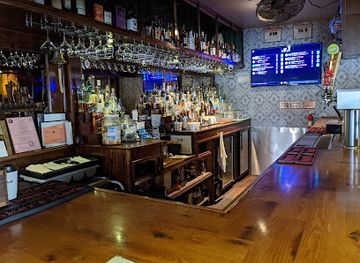
Evening life in the Mohawk Valley is generally centred on pubs, restaurants, breweries, live music and community venues rather than a large nightclub scene. Utica provides the broadest urban choice, with bars and restaurants around its downtown and entertainment districts, while Rome, Amsterdam and other river towns offer more localised evening options. Cooperstown has a seasonal concentration of restaurants, traditional pubs and casual bars linked to museum visitors and summer activity around Otsego Lake. In smaller towns and rural districts, evenings tend to be quieter, with taverns, social clubs, breweries and occasional live performances providing the main venues. Opening arrangements and entertainment programmes change, particularly outside the summer period, so check locally rather than relying on old listings. Designated driving or a pre-arranged taxi is important when staying in the countryside, where late-night transport is limited.
-
Grill
Swifty's Restaurant & Pub
Experience the essence of Utica at Swifty's Restaurant & Pub, where local flavors and a vibrant atmosphere come together.
-
Pub
Nail Creek Pub
Experience the best of Irish pub culture and craft beers at Nail Creek Pub in Utica, NY. A lively spot for locals and tourists alike.
-
Bar
Killabrew Saloon ️ ️
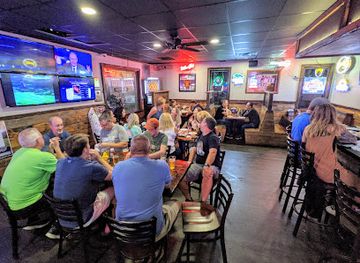
Discover Killabrew Saloon in New Hartford, NY - an Irish pub and sports bar offering great drinks, delightful cuisine, and a vibrant atmosphere for all.
-
Irish
The Celtic Harp Restaurant and Pub
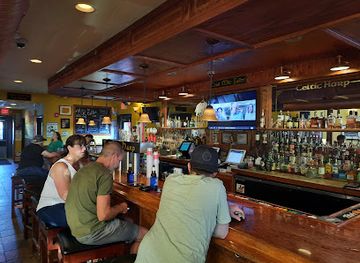
Discover the heart of Irish culture at The Celtic Harp Restaurant and Pub, where authentic dishes meet a vibrant atmosphere in Utica, NY.

Best nightclubs in Mohawk Valley
Evening life in the Mohawk Valley is generally centred on pubs, restaurants, breweries, live music and community venues rather than a large nightclub scene. Utica provides the broadest urban choice, with bars and restaurants around its downtown and entertainment districts, while Rome, Amsterdam and other river towns offer more localised evening options. Cooperstown has a seasonal concentration of restaurants, traditional pubs and casual bars linked to museum visitors and summer activity around Otsego Lake. In smaller towns and rural districts, evenings tend to be quieter, with taverns, social clubs, breweries and occasional live performances providing the main venues. Opening arrangements and entertainment programmes change, particularly outside the summer period, so check locally rather than relying on old listings. Designated driving or a pre-arranged taxi is important when staying in the countryside, where late-night transport is limited.
-
Night club
Parliament Nightclub
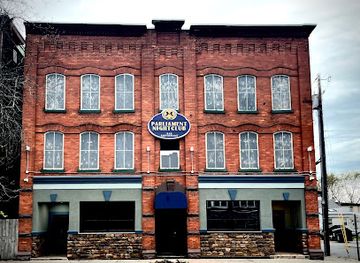
Experience the vibrant nightlife of Utica at Parliament Nightclub, where the dance floor comes alive with energy and excitement every weekend.
-
Night club
Exit 33
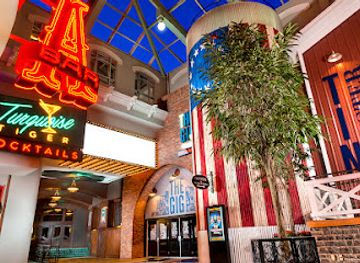
Discover the exhilarating nightlife at Exit 33, Verona's top night club, where unforgettable memories and vibrant energy await every visitor.
Best shops in Mohawk Valley
Shopping in the Mohawk Valley is varied but generally town-based, with independent retailers, practical high streets, antique shops, galleries and specialist food businesses rather than a single dominant luxury district. Utica and Rome provide the broadest range of everyday shopping, while Amsterdam and Little Falls retain older commercial streets with local services and smaller independent shops. Cooperstown is the most visitor-oriented retail centre, offering baseball-related merchandise, books, art, craft goods and gifts connected with Otsego Lake and regional history. Farm stands, seasonal markets and specialist producers are useful for apples, maple products, honey, cheese, cider, baked goods and other New York foods. Schoharie County is better suited to browsing rural shops, antiques, galleries and farm outlets than to extensive retail excursions. Shopping hours can be limited in small communities, particularly outside the summer and autumn seasons, so plan purchases during daytime visits rather than expecting late-night trading.
-
Shopping mall
Sangertown Square
Explore Sangertown Square for a unique shopping and dining experience in New Hartford, NY, featuring diverse stores, eateries, and entertainment options.
-
Shopping mall
New Hartford Shopping Center
Explore the vibrant New Hartford Shopping Center for a diverse retail experience, dining options, and community spirit in New York.
-
Grocery store
Hannaford Plaza
Discover local flavors and essentials at Hannaford Plaza, your ultimate grocery shopping destination in Utica, New York.
-
Shopping mall
North Utica Shopping Center
Explore a diverse range of shopping and dining options at North Utica Shopping Center, a vibrant hub for tourists in Utica, NY.


Get your free copy of our complete guide to Mohawk Valley, delivered straight to you.
Everything on this page, from attractions and restaurants to essentials and local phrases, in one PDF you can read offline, print or share.
Already have an account? Sign in
Your Mohawk Valley guide is ready.
We'll send it to · Not you? Sign out

Getting your guide ready…
We are putting together a fresh copy of the Mohawk Valley guide. This can take up to a minute.
This can take a few moments. If your browser asks, choose Allow so the download can start. You'll find the guide in your Downloads folder.
Nothing happened? Download it again
Sorry, the guide is taking longer than usual. Please try again in a minute, or get it by email instead.
Mohawk Valley essentials
Currency and Payment
Safety
Emergency Situations
Do's and Don'ts
Local Tips
History of Mohawk Valley
Indigenous Mohawk Country and the Haudenosaunee
The Mohawk Valley lies within the traditional homeland of the Mohawk people, or Kanien'kehá:ka, one of the nations of the Haudenosaunee Confederacy. The river corridor supported travel, agriculture, diplomacy and exchange long before European settlement. Mohawk communities maintained important political and cultural relationships across the valley, while the wider Confederacy shaped regional diplomacy during the colonial period. Visitors should understand that the valley's later roads, canals and towns developed across an older Indigenous landscape rather than on an empty frontier. The legacy of the Mohawk people remains central to interpreting the region's history.
Colonial Settlement and the Frontier Wars
Dutch and later British settlement expanded along the Mohawk River during the seventeenth and eighteenth centuries, encouraged by fertile land and access to the Hudson corridor. Palatine German immigrants established communities in the valley, while Indigenous alliances made the area strategically important. During the French and Indian War and the American Revolutionary War, settlements faced raids and political division. Fort Herkimer, Fort Klock and other surviving sites reflect this contested frontier, where military defence, farming and diplomacy were closely connected.
Oriskany and the Revolutionary War, 1777
The Battle of Oriskany, fought near the Mohawk River in August 1777, was one of the bloodiest encounters of the Saratoga campaign. American militia attempted to relieve the besieged Fort Stanwix, while British-allied forces and their Indigenous partners sought to stop them. The battle ended without a simple tactical victory, but it weakened the relief effort and contributed to the wider pressure surrounding Fort Stanwix. The Oriskany Battlefield State Historic Site and Fort Stanwix National Monument preserve different aspects of this struggle and reveal the human cost of the Revolution in the valley.
The Erie Canal and Nineteenth-Century Commerce
The opening of the Erie Canal in 1825 transformed the Mohawk Valley by linking the Hudson River with the Great Lakes. River towns gained warehouses, mills, inns and new commercial connections, while farms could send produce more efficiently to expanding markets. Later canal enlargement and the modern Barge Canal altered the waterway again, leaving a layered landscape of locks, towpaths and engineering works. Little Falls is one of the clearest places to appreciate this history, but canal heritage extends through many communities along the valley.
Industrialisation, Textiles and Railways
Canal transport, abundant waterpower and railway development encouraged manufacturing during the nineteenth and early twentieth centuries. Utica became an important textile centre, while Amsterdam developed a major carpet and textile industry. Rome grew through manufacturing, commerce and its strategic position between the canal and railway networks. Mills, factory buildings, workers' neighbourhoods and grand commercial architecture remain evidence of the period, even as many traditional industries declined after the Second World War and the region moved towards a more diversified economy.
Cooperstown, Baseball and Cultural Tourism
Cooperstown's national profile grew from two linked stories: its setting on Otsego Lake and the development of baseball as a subject of organised remembrance. The National Baseball Hall of Fame and Museum opened in 1939 and made the village a major destination for supporters and researchers of the sport. Cooperstown's cultural landscape is broader than baseball, encompassing the Fenimore Art Museum, The Farmers' Museum and historic village architecture. These institutions helped establish heritage and museum tourism as an important modern part of the wider Mohawk Valley economy.
Mohawk Valley in Photos
Browse through our photo collection highlighting the charm and character of the destination.
Neighbouring regions of Mohawk Valley
The closest regions to Mohawk Valley, if you have time for more than one.
-

-

-

-

-


Swipe for more regions
Explore more

Explore more of New York
Discover the electrifying energy, iconic landmarks, and diverse cultural experiences of New York City, the ultimate urban playground for travelers from around the world.
Explore New York