

Syracuse, New York Travel Guide
Discover Syracuse: A hub of history, culture, and nature in Central New York with vibrant arts, picturesque parks, and a rich culinary scene.
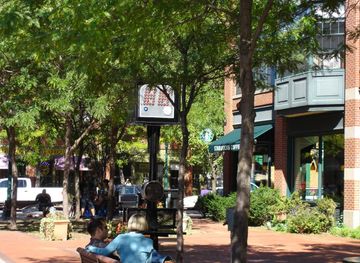
Syracuse, located in the heart of New York State, offers a delightful mix of historical landmarks, cultural experiences, and natural beauty. Known for its rich history and vibrant community, the city is a hidden gem for tourists seeking a unique and enriching experience. Start your journey at the Erie Canal Museum, which provides a fascinating glimpse into the city's pivotal role in America's canal history. Don't miss the chance to explore the historic Armory Square, where old meets new in a bustling area filled with shops, restaurants, and nightlife. Nature lovers will find solace in the many parks and lakes around Syracuse. Onondaga Lake Park is perfect for a relaxing day out, offering walking trails, picnic spots, and beautiful views of the lake. For a more adventurous outing, head to the nearby Finger Lakes region, renowned for its stunning landscapes and excellent wineries. Cultural enthusiasts will be delighted by the city's thriving arts scene. The Everson Museum of Art houses an impressive collection of American art, while the Landmark Theatre offers a variety of performances ranging from Broadway shows to local productions. Additionally, the annual Great New York State Fair, held in Syracuse, is a must-visit event showcasing the best of the state's agriculture, entertainment, and cuisine. Syracuse is also a food lover's paradise, boasting a diverse culinary scene. From classic American diners to gourmet restaurants, the city caters to all tastes. Be sure to try the local favorite, salt potatoes, a delicious dish that originated in the area.

Know before you go
Hi, I'm Eve. Here are a few practical things to know before exploring Syracuse.
- Visit the Erie Canal Museum early in the day to avoid crowds and make the most of your visit.
- If visiting during the Great New York State Fair, book accommodations well in advance as hotels fill up quickly.
- Take a guided tour of the historic Armory Square to learn about its fascinating history and best spots.
- Pack comfortable walking shoes for exploring Onondaga Lake Park and the city's many trails.
- Try Syracuse's famous salt potatoes at a local diner for an authentic taste of the region.


Explore Syracuse: Things to Do, Places to Eat, Hotels & More
Handpicked recommendations for top attractions, local dining, accommodations, and more

Best attractions in Syracuse
Top-rated picks
Best Attractions

Rosamond Gifford Zoo
Experience the beauty of wildlife and conservation at Rosamond Gifford Zoo, a vibrant destination in Syracuse, NY, for families and animal lovers alike.

Landmark Theatre
Experience the magic of live performances at the historic Landmark Theatre in Syracuse, a cultural landmark showcasing exceptional artistry and entertainment.

Museum of Science & Technology
Explore the Museum of Science & Technology in Syracuse – a hub of interactive exhibits and educational fun for all ages.

Museum of Science & Technology
Explore the Museum of Science & Technology in Syracuse for an engaging and educational experience that sparks curiosity and creativity in science and technology.

Best landmarks in Syracuse
Top-rated picks
Best Landmarks

Museum of Science & Technology
Discover the interactive world of science and technology at the Museum of Science & Technology in Syracuse, NY – a perfect destination for curious minds of all ages.

NBT Bank Stadium
Discover the excitement of NBT Bank Stadium in Syracuse, NY, home to thrilling sports events, concerts, and unforgettable experiences for all ages.

Thornden Park
Explore the scenic beauty and recreational bliss of Thornden Park, a serene haven in Syracuse, New York, perfect for families and nature lovers.

Clinton Square
Explore the historic Clinton Square in Syracuse, NY - a vibrant plaza filled with events, lush parks, and stunning architecture.

Best restaurants in Syracuse
Top-rated picks
Best Restaurants

Dinosaur Bar-B-Que
Experience mouth-watering barbecue at Dinosaur Bar-B-Que in Syracuse - where great food meets live music in a vibrant atmosphere.

Stella's Diner
Discover delicious breakfasts at Stella's Diner in Syracuse – where comfort food meets local charm.

Pastabilities
Discover the heart of Syracuse at Pastabilities - where Italian tradition meets eclectic creativity in every delicious dish.

Funk 'n Waffles
Discover Funk 'n Waffles in Syracuse: where delicious American comfort food meets live music and vibrant nightlife.

Best bars in Syracuse
Top-rated picks
Best Bars

Kitty Hoyne's Irish Pub
Discover the charm of Kitty Hoyne's Irish Pub in Syracuse, where authentic Irish cuisine meets a lively atmosphere and exceptional drinks.

Al's Wine & Whiskey Lounge
Discover the lively atmosphere and exquisite drink selection at Al's Wine & Whiskey Lounge in downtown Syracuse, NY.

The Hops Spot
Discover The Hops Spot in Syracuse, a lively bar and restaurant offering craft beers, delicious bistro cuisine, and a welcoming atmosphere for all.

The Evergreen
Experience the vibrant atmosphere and delicious menu at The Evergreen, a top pub in Syracuse perfect for tourists seeking local flavors.

Best nightclubs in Syracuse
Top-rated picks
Best Nightclubs

Benjamin's on Franklin
Discover the ultimate nightlife experience at Benjamin's on Franklin, a vibrant night club and restaurant in Downtown Syracuse, NY.

Orbis Lounge
Experience the lively blend of nightlife and relaxation at Orbis Lounge in downtown Syracuse, featuring great drinks, music, and a welcoming atmosphere.

Paradise Night Club
Discover the ultimate nightlife experience at Paradise Night Club in Syracuse, where great music, delicious food, and vibrant atmosphere await.

Trexx
Dive into Syracuse's vibrant nightlife at Trexx, where unforgettable music and drinks await in a lively club atmosphere.

Best shops in Syracuse
Top-rated picks
Best Shops

Destiny USA
Explore Destiny USA: Syracuse's ultimate shopping destination featuring outlets, dining, and endless entertainment for the whole family.

Syracuse Antiques Exchange
Explore Syracuse Antiques Exchange - A Treasure Trove of Unique Antiques and Vintage Finds in the Heart of Syracuse.

Larger Than Life - Destiny Mall
Explore a vibrant toy wonderland at Larger Than Life - Destiny Mall, where nostalgia meets excitement for all ages.

BoxLunch
Uncover delightful gifts and collectibles at BoxLunch, the ultimate pop culture shop in Syracuse, NY.

Explore Syracuse on the Map
A handpicked selection of must-see spots in Syracuse, mapped for you.
Syracuse Essentials
-
Syracuse, New York is accessible by various modes of transportation. Syracuse Hancock International Airport (SYR) serves the region with numerous flights from major U.S. cities. Amtrak provides train services to the William F. Walsh Regional Transportation Center, connecting Syracuse to other cities in the Northeast Corridor. Greyhound and Megabus offer intercity bus services. If driving, Syracuse is located at the intersection of Interstates 81 and 90, making it easily reachable by car.
-
Once in Syracuse, getting around is convenient. Centro operates the public bus system, offering routes throughout Syracuse and surrounding areas. Ridesharing services like Uber and Lyft are widely available. Taxis can be found at transportation hubs and major hotels. Renting a car is a good option for exploring the Finger Lakes region. Biking is also popular, with bike lanes and rental services available.
-
The official currency is the U.S. Dollar (USD). Credit and debit cards are widely accepted in most establishments. ATMs are plentiful, especially in downtown areas, shopping centers, and near major attractions. It is advisable to carry some cash for smaller vendors and tips. Mobile payment options like Apple Pay and Google Wallet are also commonly accepted.
-
Syracuse is generally safe, but like any city, it is important to stay vigilant. Areas such as the South Side and Near Westside have higher crime rates. Tourists are advised to avoid these neighborhoods, especially after dark. Stick to well-lit, populated areas and always be aware of your surroundings. Keep valuables secure and stay in groups when possible.
-
In case of emergency, dial 911 for police, fire, or medical assistance. The major hospitals in Syracuse include Upstate University Hospital and St. Joseph's Hospital Health Center. It is advisable to have travel insurance that covers medical emergencies. For non-emergencies, there are several urgent care clinics available. Pharmacies like CVS and Walgreens are abundant for minor health needs.
-
Fashion: Do dress comfortably and appropriately for the weather. Casual attire is generally acceptable. Religion: Do respect religious sites and practices. Some churches may require modest clothing. Public Transport: Do have exact fare or a transit pass for buses. Don't play loud music or eat on public transport. Greetings: Do greet people with a smile or a handshake. Don't be overly familiar with strangers. Eating & Drinking: Do try local specialties like salt potatoes and Dinosaur Bar-B-Que. Don't skimp on tipping; 15-20% is standard in restaurants.
-
To experience Syracuse like a local, visit the Syracuse Farmers Market for fresh produce and local crafts. Explore Armory Square for dining and nightlife. Attend a Syracuse University sports game to feel the local spirit. For outdoor enthusiasts, Onondaga Lake Park offers beautiful trails and recreational activities. Don't miss the New York State Fair if visiting in late summer.
When is the best time to visit Syracuse?
Useful Local Phrases for Syracuse
You don't need to speak the language perfectly. Even learning a few simple words can make conversations warmer—and locals usually appreciate the effort.
— Eve

Here are the phrases I use most often in Syracuse. Try a few—you'll be surprised how far they go! 😊
❤️
-
- HelloHey there
[hey thair] - GoodbyeSee ya
[see yuh] - YesYeah
[yeh] - NoNah
[nuh] - Please/You're welcomePlease/No problem
[pleez/no problum] - Thank youThanks
[thanks] - Excuse me/SorryPardon me/My bad
[pahr-dn mee/my bad] - How are you?How's it goin'?
[hows it goin] - Fine. And you?Good. You?
[good. yuh] - Do you speak English?Ya speak English?
[ya speak ing-lish] - I don't understandI dunno what ya mean
[i dunno what yuh mean]
- HelloHey there
-
- I'd like to see the menu, pleaseCan I check out the menu?
[can eye chek out the men-yoo] - I don't eat meatI ain't into meat
[i aint in-toh meat] - Cheers!Cheers!
[cheers] - I would like to pay, pleaseLemme pay now, please
[lem-mee pay now, please]
- I'd like to see the menu, pleaseCan I check out the menu?
-
- Help!Help!
[help] - Go away!Get lost!
[get lost] - Call the Police!Ring the cops!
[ring the cops] - Call a doctor!Get a doc!
[get a doc] - I'm lostI'm lost
[im lost] - I'm illI'm sick
[im sick]
- Help!Help!
-
- I'd like to buy...I wanna get...
[i wanna get] - I'm just lookingJust browsin'
[just brow-zin] - How much is it?How much?
[how much] - That's too expensiveToo pricey
[too pry-see] - Can you lower the price?Can ya give me a deal?
[can ya give me a deel]
- I'd like to buy...I wanna get...
-
- What time is it?What time is it?
[what time is it] - It's one o'clockIt's one
[its one] - Half past (10)Half ten
[half ten] - MorningMorning
[morning] - AfternoonAfternoon
[afternoon] - EveningEvening
[evening] - YesterdayYesterday
[yesterday] - TodayToday
[today] - TomorrowTomorrow
[tomorrow] - 1One
[wun] - 2Two
[too] - 3Three
[three] - 4Four
[four] - 5Five
[five] - 6Six
[six] - 7Seven
[seven] - 8Eight
[eight] - 9Nine
[nine] - 10Ten
[ten]
- What time is it?What time is it?
-
- Where's a/the...?Where's the...?
[wheres the] - What's the address?What's the address?
[whats the address] - Can you show me (on the map)?Can ya show me (on the map)?
[can yuh show me (on the map)] - When's the next (bus)?When's the next (bus)?
[whens the next bus] - A ticket (to ....)A ticket (to ....)
[a ticket (to)]
- Where's a/the...?Where's the...?
History of Syracuse
-
Syracuse, New York, was founded in 1825. It was named after the ancient city of Syracuse in Sicily. The city grew rapidly due to its strategic location at the intersection of the Erie Canal and major railroads, facilitating transportation and commerce.
-
The opening of the Erie Canal in 1825 was a pivotal event for Syracuse. The canal turned the city into a major transportation hub, fostering economic growth and making it a key player in trade between the Atlantic Ocean and the Great Lakes.
-
Syracuse earned the nickname 'Salt City' due to its booming salt industry in the 19th century. Salt was discovered in the area, and the city became one of the largest salt producers in the United States, driving economic growth and attracting workers.
-
Syracuse played a significant role in the Underground Railroad, a network of secret routes and safe houses used by enslaved African Americans to escape to free states and Canada. The city's abolitionist community provided critical assistance in this effort.
-
Established in 1870, Syracuse University has been a cornerstone of education and culture in the city. The university is known for its research programs and vibrant campus life, contributing significantly to the city's identity and economy.
-
The New York State Fair, held annually in Syracuse since 1841, is one of the oldest and largest state fairs in the United States. It showcases agriculture, entertainment, and culture, drawing visitors from across the state and beyond.
-
In the early 20th century, Syracuse saw significant industrial growth, with companies like Carrier Corporation and General Electric establishing operations in the city. This industrial boom provided jobs and spurred urban development.
-
Starting in the mid-20th century, Syracuse underwent various urban renewal projects aimed at revitalizing the downtown area. Efforts included the construction of new commercial buildings, parks, and cultural institutions, helping to modernize the city's infrastructure.
Cities near Syracuse
The closest cities to Syracuse, if you have time for more than one stop.




Your all‑in‑one travel companion app
Explore expert travel guides, compare and book tours, experiences, hotels, and more—all from the palm of your hand. Download now for seamless trip planning wherever your wanderlust takes you.


Syracuse in Photos
Browse through our photo collection highlighting the charm and character of the destination.





Syracuse: A Blend of History, Culture, and Natural Beauty
Syracuse, located in the heart of New York State, offers a delightful mix of historical landmarks, cultural experiences, and natural beauty. Known for its rich history and vibrant community, the city is a hidden gem for tourists seeking a unique and enriching experience. Start your journey at the Erie Canal Museum, which provides a fascinating glimpse into the city's pivotal role in America's canal history. Don't miss the chance to explore the historic Armory Square, where old meets new in a bustling area filled with shops, restaurants, and nightlife. Nature lovers will find solace in the many parks and lakes around Syracuse. Onondaga Lake Park is perfect for a relaxing day out, offering walking trails, picnic spots, and beautiful views of the lake. For a more adventurous outing, head to the nearby Finger Lakes region, renowned for its stunning landscapes and excellent wineries. Cultural enthusiasts will be delighted by the city's thriving arts scene. The Everson Museum of Art houses an impressive collection of American art, while the Landmark Theatre offers a variety of performances ranging from Broadway shows to local productions. Additionally, the annual Great New York State Fair, held in Syracuse, is a must-visit event showcasing the best of the state's agriculture, entertainment, and cuisine. Syracuse is also a food lover's paradise, boasting a diverse culinary scene. From classic American diners to gourmet restaurants, the city caters to all tastes. Be sure to try the local favorite, salt potatoes, a delicious dish that originated in the area.
Explore More of New York

Looking beyond Syracuse? Discover New York for broader travel guides, local hot-spots, and regional highlights.
Explore New York