

Finger Lakes Region, New York Travel Guide
Discover the Finger Lakes Region: A scenic haven of lakes, vineyards, and outdoor adventures in the heart of New York State.
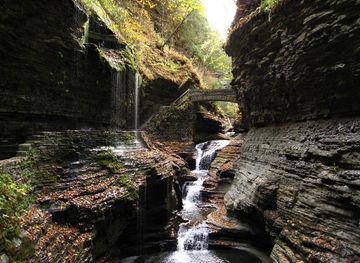
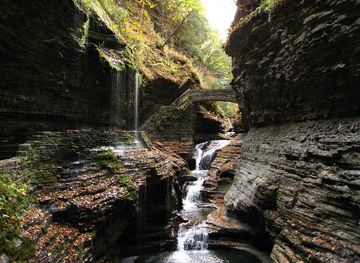
Nestled in the heart of New York State, the Finger Lakes Region is a treasure trove of natural beauty and cultural richness. Named for its eleven long, narrow lakes that resemble fingers, this area is famed for its stunning landscapes, charming small towns, and world-class wineries. Whether you are a nature lover, history buff, or wine enthusiast, the Finger Lakes Region has something for everyone. Outdoor enthusiasts will find endless opportunities for adventure. The region boasts numerous state parks, including the iconic Watkins Glen State Park with its breathtaking gorge and waterfalls. Hiking, biking, and boating are popular activities, providing visitors with ways to explore the picturesque surroundings. In the winter, the region transforms into a wonderland, perfect for skiing, snowshoeing, and ice fishing. The Finger Lakes is also a haven for food and wine lovers. The area is renowned for its wine trails, featuring more than 100 wineries and vineyards. The cool climate is ideal for producing exceptional Rieslings and other varietals. Along with wine, the region offers an array of farm-to-table dining experiences, showcasing local produce and culinary creativity. History and culture are woven into the fabric of the Finger Lakes. The area is home to several significant historical sites, including the Women's Rights National Historical Park in Seneca Falls and the Corning Museum of Glass. Visitors can also explore charming towns like Ithaca, known for its vibrant arts scene, and Skaneateles, with its pristine lake and boutique shops.

Know before you go
Hi, I'm Eve. Here are a few practical things to know before exploring Finger Lakes Region.
- Visit in the fall for stunning foliage and fewer crowds.
- Book wine tours in advance, especially during peak seasons.
- Dress in layers; the weather can be unpredictable.
- Explore the local farmers' markets for fresh, regional produce.
- Check out local events and festivals for a unique cultural experience.
Explore Finger Lakes Region: Things to Do, Places to Eat, Hotels & More
Handpicked recommendations for top attractions, local dining, accommodations, and more

Best attractions in Finger Lakes Region
Top-rated picks
Best Attractions

The Keuka Candy Emporium & Keuka Emporium Event Venue
Experience the magic of sweetness at The Keuka Candy Emporium, where delightful candies, gourmet chocolates, and refreshing bubble teas await in Penn Yan, NY.

Seneca Mill & Falls
Discover the stunning Seneca Mill & Falls in Penn Yan, NY - a perfect blend of nature and history awaits at this captivating tourist attraction.

Saunders Finger Lakes Museum
Discover the rich heritage and breathtaking beauty of the Finger Lakes at the Saunders Finger Lakes Museum, a treasure trove of local history and culture.

Best landmarks in Finger Lakes Region
Top-rated picks
Best Landmarks

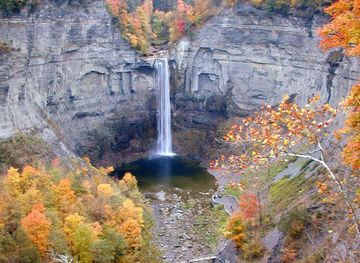
Taughannock Falls State Park
Experience the awe-inspiring Taughannock Falls State Park, a natural wonder featuring stunning waterfalls and breathtaking landscapes in New York.

Buttermilk Falls State Park
Experience the breathtaking beauty and adventure of Buttermilk Falls State Park in Ithaca, NY, where nature's wonders await your discovery.

Long Point State Park
Explore the serene beauty of Long Point State Park in the Finger Lakes, a perfect destination for outdoor activities, wildlife spotting, and family picnics.

Seneca Lake
Discover the enchanting beauty of Seneca Lake in New York, a perfect blend of nature, adventure, and fine wines awaits you in this picturesque destination.

Best restaurants in Finger Lakes Region
Top-rated picks
Best Restaurants

del Lago Resort & Casino
Discover unparalleled entertainment at del Lago Resort & Casino: where luxury meets excitement in the heart of New York's Finger Lakes.

Jerlando's Ristorante & Pizza Co.
Experience authentic Italian cuisine at Jerlando's Ristorante & Pizza Co., where every dish is crafted with love in Watkins Glen.

The State Diner
Discover delicious breakfasts and delightful desserts at The State Diner in Ithaca - where every meal is made with love.

Moosewood
Discover Moosewood: Ithaca's iconic vegetarian restaurant serving creative dishes with fresh local ingredients.

Best bars in Finger Lakes Region
Top-rated picks
Best Bars

Wolffy's Grill and Marina
Experience lakeside dining at Wolffy's Grill and Marina, where American cuisine meets stunning views and lively entertainment.

Kindred Fare
Experience the best of American cuisine at Kindred Fare, where flavorful dishes meet a cozy atmosphere in the heart of Geneva, New York.

Beef & Brew
Discover Beef & Brew in Geneva for a unique blend of American cuisine and craft brews in a lively atmosphere.

Stonecutter's Tavern at Belhurst Castle
Discover the culinary delights of Stonecutter's Tavern at Belhurst Castle, where American cuisine meets stunning lake views in a historic setting.

Best nightclubs in Finger Lakes Region
Top-rated picks
Best Nightclubs

Lot 10 Bar and Lounge
Discover Ithaca's vibrant nightlife at Lot 10 Bar and Lounge, a top destination for live music, crafted cocktails, and unforgettable experiences.

Level B Bar, Lounge, & Dancing
Discover Ithaca's premier nightlife destination at Level B Bar, Lounge, & Dancing, where vibrant music and cocktails create unforgettable experiences.

Foxy's
Discover the exhilarating nightlife at Foxy's, a premier night club in Scottsville offering entertainment, drinks, and unforgettable experiences.

Moonies Bar & Nightclub
Experience the best of Ithaca's nightlife at Moonies Bar & Nightclub, where fun, music, and great drinks come together for an unforgettable evening.

Best shops in Finger Lakes Region
Top-rated picks
Best Shops

Finger Lakes Premium Outlets
Explore unbeatable deals and delightful dining at Finger Lakes Premium Outlets, the ultimate shopping destination in New York's scenic Finger Lakes region.

Fingerlakes Mall
Explore Fingerlakes Mall: A shopping paradise in Auburn, NY, featuring diverse stores, delicious food options, and exciting events for all ages.

Spotted Duck
Experience the sweet taste of handcrafted ice cream at Spotted Duck, a delightful gem in Penn Yan, NY ideal for all ice cream lovers.

Watkins Glen State Park Gift Shop
Explore the charming Watkins Glen State Park Gift Shop for unique souvenirs, local crafts, and nature-inspired gifts in a stunning natural setting.

Explore Finger Lakes Region on the Map
A handpicked selection of must-see spots in Finger Lakes Region, mapped for you.
Finger Lakes Region Essentials
-
The Finger Lakes Region is located in central New York. The nearest major airports are Greater Rochester International Airport (ROC) and Syracuse Hancock International Airport (SYR). Both airports offer car rental services, making it convenient to drive to the region. If you prefer public transport, Amtrak trains stop in Syracuse and Rochester, and from there, you can take a bus or rent a car to reach the Finger Lakes. Major highways like I-90 and I-81 also provide easy access by car.
-
Once in the Finger Lakes Region, having a car is the most practical way to explore, as public transportation options are limited. However, there are local bus services and taxis available in larger towns like Ithaca and Geneva. For a unique experience, you can also rent a bicycle or join a boat tour to explore the lakes themselves. Ride-sharing services like Uber and Lyft operate in some parts of the region but may not be as readily available in more rural areas.
-
The official currency is the US Dollar (USD). Credit and debit cards are widely accepted in hotels, restaurants, and shops throughout the Finger Lakes Region. ATMs are readily available in towns and shopping areas. It's advisable to carry some cash for small purchases, especially if you plan to visit rural areas or local markets.
-
The Finger Lakes Region is generally a safe destination for tourists. However, as with any travel destination, it's important to take standard safety precautions. Avoid leaving valuables in your car and stay aware of your surroundings, especially in crowded places. While there are no specific high-crime areas targeting tourists, it's always best to stay vigilant.
-
In case of an emergency, dial 911 for immediate assistance. The region has several hospitals and urgent care centers, including Cayuga Medical Center in Ithaca and Geneva General Hospital. Pharmacies are available in most towns for minor health issues. It's also recommended to have travel insurance that covers medical emergencies.
-
Fashion: Do dress in layers, as the weather can be unpredictable. Don't wear overly formal clothing unless attending a special event. Religion: Do respect local customs and traditions, especially when visiting religious sites. Public Transport: Do be respectful and courteous. Don't be loud or disruptive. Greetings: Do greet people with a smile and a handshake. Eating & Drinking: Do try local wines and dishes. Don't forget to tip your servers, as it is customary in the United States.
-
To experience the Finger Lakes Region like a local, visit the farmers' markets for fresh produce and artisanal goods. Engage with locals at community events and festivals, which are frequent in the summer and fall. Don't miss the opportunity to visit local wineries and breweries, many of which offer tours and tastings. For outdoor enthusiasts, hiking trails, waterfalls, and parks offer endless opportunities for exploration.
When is the best time to visit Finger Lakes Region?
Useful Local Phrases for Finger Lakes Region
You don't need to speak the language perfectly. Even learning a few simple words can make conversations warmer—and locals usually appreciate the effort.
— Eve

Here are the phrases I use most often in Finger Lakes Region. Try a few—you'll be surprised how far they go! 😊
❤️
-
- HelloHowdy
[hah-dee] - GoodbyeBuh-bye
[buh-bye] - YesYup
[yuhp] - NoNah
[nah] - Please/You're welcomePlease/No problem
[pleez/no problem] - Thank youThanks
[thanks] - Excuse me/SorryPardon me/My bad
[pahr-dn me/my bad] - How are you?How ya doin'?
[how yuh doin] - Fine. And you?Good. How 'bout you?
[good. how bout yuh] - Do you speak English?Ya speak English?
[ya speak english] - I don't understandI ain't gettin' it
[I aint get-tin it]
- HelloHowdy
-
- I'd like to see the menu, pleaseCan I check out the menu?
[kan I chek out the menu] - I don't eat meatI don't do meat
[I don't do meat] - Cheers!Cheers!
[cheers] - I would like to pay, pleaseI gotta settle up, please
[I gotta set-tle up, please]
- I'd like to see the menu, pleaseCan I check out the menu?
-
- Help!Help!
[help] - Go away!Beat it!
[beat it] - Call the Police!Get the cops!
[get the cops] - Call a doctor!Call a doc!
[call a doc] - I'm lostI'm turned around
[I'm turned around] - I'm illI'm feelin' under the weather
[I'm feelin under the weather]
- Help!Help!
-
- I'd like to buy...I'm lookin' to purchase...
[I'm lookin to pur-chase] - I'm just lookingI'm just browsin'
[I'm just brow-sin] - How much is it?What's the damage?
[whats the dam-age] - That's too expensiveThat's a bit steep
[thats a bit steep] - Can you lower the price?Can ya do any better on the price?
[can ya do any bet-ter on the price]
- I'd like to buy...I'm lookin' to purchase...
-
- What time is it?What's the time?
[whats the time] - It's one o'clockIt's one o'clock
[It's one o'clock] - Half past (10)Half past ten
[half past ten] - MorningMornin'
[mornin] - AfternoonAfternoon
[afternoon] - EveningEvenin'
[evenin] - YesterdayYest'day
[yest-day] - TodayToday
[Today] - TomorrowTomorruh
[Tomorruh] - 1One
[One] - 2Two
[Two] - 3Three
[Three] - 4Four
[Four] - 5Five
[Five] - 6Six
[Six] - 7Seven
[Seven] - 8Eight
[Eight] - 9Nine
[Nine] - 10Ten
[Ten]
- What time is it?What's the time?
-
- Where's a/the...?Where's the...?
[wheres the] - What's the address?Where's it at?
[wheres it at] - Can you show me (on the map)?Can ya point it out?
[can ya point it out] - When's the next (bus)?When's the next (bus)?
[whens the next] - A ticket (to ....)A pass (to ....)
[A pass (to ....)]
- Where's a/the...?Where's the...?
History of Finger Lakes Region
-
The Finger Lakes Region is the ancestral homeland of the Haudenosaunee Confederacy, also known as the Iroquois Confederacy. The Haudenosaunee, comprised of the Mohawk, Oneida, Onondaga, Cayuga, Seneca, and later the Tuscarora, played a significant role in the area's history. The confederacy is known for its sophisticated political system, which influenced the formation of the United States Constitution. The region is dotted with ancient trails, burial sites, and remnants of the Longhouse communities that once thrived here.
-
During the American Revolutionary War, the Finger Lakes Region was the site of the Sullivan-Clinton Campaign. This military expedition, ordered by General George Washington, aimed to neutralize the threat posed by the British-allied Haudenosaunee nations. The campaign led to the destruction of numerous Haudenosaunee villages and crops, significantly impacting the indigenous population. Today, several historical markers and trails commemorate this impactful event.
-
Seneca Falls, a town within the Finger Lakes Region, holds a pivotal place in the history of women's rights. In 1848, the first Women's Rights Convention was held here, organized by Elizabeth Cady Stanton and Lucretia Mott. The convention produced the Declaration of Sentiments, a document demanding equal rights for women, including the right to vote. The Women's Rights National Historical Park in Seneca Falls preserves the legacy of this landmark event.
-
The construction of the Erie Canal in the early 19th century dramatically transformed the Finger Lakes Region. Completed in 1825, the canal connected the Great Lakes with the Atlantic Ocean via the Hudson River, facilitating trade and migration. The canal spurred economic growth and led to the development of towns and cities along its route. Today, the Erie Canalway National Heritage Corridor offers a glimpse into this transformative period with museums, historic sites, and scenic trails.
-
The Finger Lakes Region played a crucial role in the Underground Railroad, the network of secret routes and safe houses used by enslaved African Americans to escape to free states and Canada. Notable figures such as Harriet Tubman, who settled in nearby Auburn, were active in the area. The region's Quaker communities and abolitionists provided essential support to the freedom seekers. Several historic sites and museums, including the Harriet Tubman Home, commemorate this significant aspect of the region's history.
-
The Finger Lakes Region is renowned for its wine production, which began in the 19th century. The region's unique microclimate, influenced by the deep glacial lakes, provides ideal conditions for growing grapes. The establishment of wineries such as the Pleasant Valley Wine Company in 1860 marked the beginning of the American wine industry. Today, the Finger Lakes is one of the premier wine-producing regions in the United States, celebrated for its Rieslings and other varietals.
Cities in Finger Lakes Region
Browse our curated selection of top destinations, scenic points, and must-visit spots in the area.


Neighbouring destination travel guides
Browse our curated selection of top destinations, scenic points, and must-visit spots in the area.


Your all‑in‑one travel companion app
Explore expert travel guides, compare and book tours, experiences, hotels, and more—all from the palm of your hand. Download now for seamless trip planning wherever your wanderlust takes you.


Explore More of Finger Lakes

Looking beyond Finger Lakes Region? Discover Finger Lakes for broader travel guides, local hot-spots, and regional highlights.
Explore Finger LakesExplore More of New York

Looking beyond Finger Lakes Region? Discover New York for broader travel guides, local hot-spots, and regional highlights.
Explore New YorkFinger Lakes Region in Photos
Browse through our photo collection highlighting the charm and character of the destination.


The Enchanting Finger Lakes Region
Nestled in the heart of New York State, the Finger Lakes Region is a treasure trove of natural beauty and cultural richness. Named for its eleven long, narrow lakes that resemble fingers, this area is famed for its stunning landscapes, charming small towns, and world-class wineries. Whether you are a nature lover, history buff, or wine enthusiast, the Finger Lakes Region has something for everyone. Outdoor enthusiasts will find endless opportunities for adventure. The region boasts numerous state parks, including the iconic Watkins Glen State Park with its breathtaking gorge and waterfalls. Hiking, biking, and boating are popular activities, providing visitors with ways to explore the picturesque surroundings. In the winter, the region transforms into a wonderland, perfect for skiing, snowshoeing, and ice fishing. The Finger Lakes is also a haven for food and wine lovers. The area is renowned for its wine trails, featuring more than 100 wineries and vineyards. The cool climate is ideal for producing exceptional Rieslings and other varietals. Along with wine, the region offers an array of farm-to-table dining experiences, showcasing local produce and culinary creativity. History and culture are woven into the fabric of the Finger Lakes. The area is home to several significant historical sites, including the Women's Rights National Historical Park in Seneca Falls and the Corning Museum of Glass. Visitors can also explore charming towns like Ithaca, known for its vibrant arts scene, and Skaneateles, with its pristine lake and boutique shops.