

Watkins Glen Travel Guide - Free Web & App
Your ultimate guide to Watkins Glen. Discover top landmarks, proposed trips, and local tips. Free on the web or via the Evendo companion app.


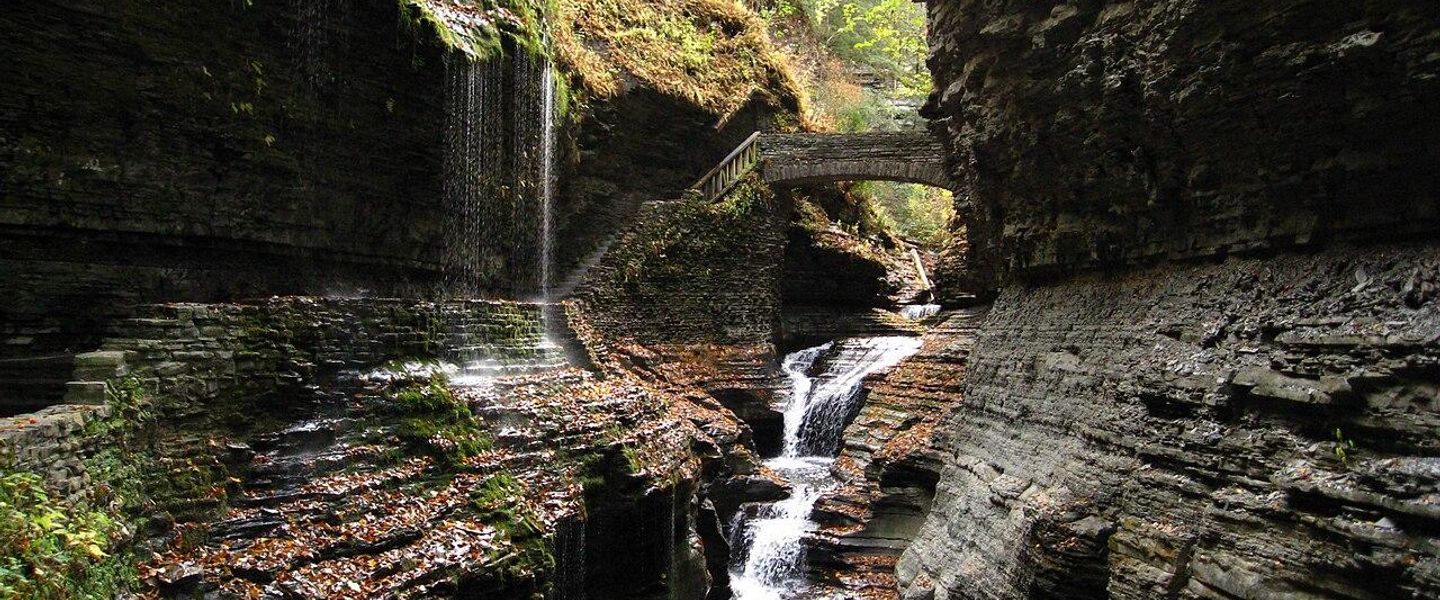


Watkins Glen, New York, pairs a dramatic gorge and Seneca Lake with Finger Lakes wine, village heritage, hiking, boating and world-famous motor racing.
The Gorge and the Lake
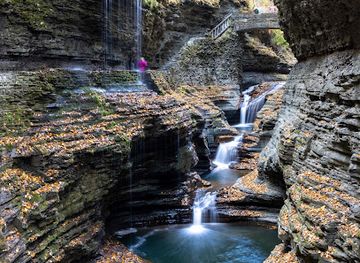
Watkins Glen occupies the northern end of Seneca Lake in New York's Finger Lakes region, where a compact village meets a deeply cut stream gorge and one of the country's major freshwater lakes. The defining natural feature is Watkins Glen State Park, whose narrow ravine is shaped by Glen Creek and contains a sequence of waterfalls, pools, rock walls and stone bridges. The Gorge Trail passes through the most dramatic section, although seasonal conditions, closures and steep steps can affect access.Read more about Watkins Glen
Village, Vineyards and Racing Heritage
Outdoor and Cultural Experiences
When is the best time to visit Watkins Glen?
Best: June, August–September · 23–27°C| Month | High (°C) | Rainfall (mm) |
|---|---|---|
| January | 1 | 75 |
| February | 3 | 70 |
| March | 7 | 80 |
| April | 15 | 85 |
| May | 20 | 95 |
| June (best) | 25 | 100 |
| July | 28 | 105 |
| August (best) | 27 | 95 |
| September (best) | 23 | 90 |
| October | 16 | 85 |
| November | 9 | 80 |
| December | 3 | 75 |
Getting to and around Watkins Glen
How to get there
Transportation
Best attractions in Watkins Glen
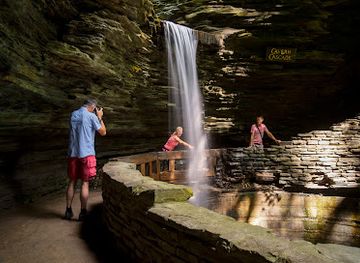
Watkins Glen State Park is the area's central attraction, with Glen Creek descending through a narrow gorge of layered rock, waterfalls, pools, bridges and shaded woodland; the Gorge Trail offers the closest experience of this dramatic landscape when open and conditions permit. At the northern end of Seneca Lake, the village waterfront provides views across the long lake and access to boating-related services. Beyond the village, the Seneca Lake Wine Trail links wineries and tasting rooms through a rural landscape of vineyards and farms, while the lake's eastern and western shores offer changing perspectives, small communities and scenic drives. Watkins Glen International, south of the village in the Town of Dix, attracts visitors interested in historic and contemporary motor racing. Nearby Finger Lakes roads also lead to farm stands, conservation areas and countryside viewpoints, although these are dispersed rather than forming a single walkable attraction district.
-
State park
Watkins Glen State Park
Experience the breathtaking landscapes and waterfalls at Watkins Glen State Park, a top hiking destination in New York for nature lovers and adventurers alike.
-
Tourist attraction
Rainbow Falls
Experience the breathtaking beauty of Rainbow Falls in Watkins Glen, NY, where nature's colors come alive in a stunning cascade of water.
-
Tour operator
Captain Bill's
Discover Captain Bill's in Watkins Glen for a unique blend of dining and scenic boat tours on beautiful Lake Seneca.
-
Tourist attraction
Clute Park
Explore Clute Park: A Scenic Retreat on Seneca Lake with Outdoor Activities, Family Fun, and Stunning Views.

Best landmarks in Watkins Glen
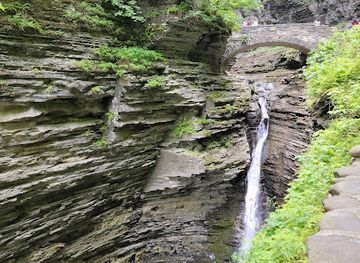
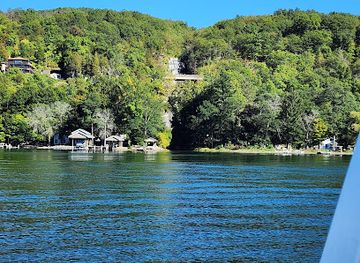
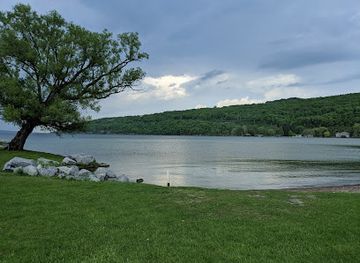
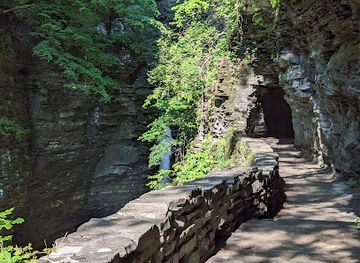
The principal natural landmark is Watkins Glen State Park's gorge, where Glen Creek has cut through the northern Seneca Lake escarpment to create a succession of falls, pools, rock walls and passageways. Seneca Lake itself is the defining regional landmark, stretching south from the village as one of the largest and deepest Finger Lakes and shaping local agriculture, climate and recreation. The village waterfront, historic street pattern and the carefully engineered bridges and stairways within the park express the long relationship between tourism and the landscape. Watkins Glen International is a landmark of a different kind: a permanent road-racing circuit whose identity is tied to the area's post-war motor-sport history. Around the lake, vineyards, farms and wooded slopes form a cultural landscape rather than a single monument, connecting the physical setting with the region's wine and agricultural traditions.
-
Hiking area
Rainbow Falls
Experience the breathtaking beauty of Rainbow Falls in Watkins Glen, a natural wonder perfect for hiking and exploring New York's stunning landscapes.
-
Visitor center
Watkins Glen Area Chamber of Commerce
Explore Watkins Glen with ease! The Visitor Center is your go-to resource for local attractions, maps, and insider tips to enhance your travel experience.
-
Historical landmark
Watkins Glen Gorge Walk
Experience the stunning beauty of Watkins Glen Gorge Walk, where cascading waterfalls and breathtaking landscapes await every nature lover.
Explore Watkins Glen on the map
Plan your trip on one map. See where the top attractions, landmarks, restaurants and hotels are, and book hotels and experiences in a few clicks.
Best hotels in Watkins Glen
Best restaurants in Watkins Glen
Dining in Watkins Glen is shaped by its position between Seneca Lake, the Finger Lakes vineyards and a productive agricultural hinterland. Visitors will find restaurants, cafés, diners, pizzerias and pub-style venues in the village, with additional choices in nearby communities around the lake. Menus commonly draw on New York produce, seasonal vegetables, dairy products and locally made wines, while lake-country hospitality is often informal and practical for visitors spending the day outdoors. Wine-tasting rooms and farm producers around Seneca Lake may provide small plates or paired local products, but they are not substitutes for a full meal in every case. The wider Finger Lakes are particularly associated with cool-climate wines, including Riesling, and these are often the most distinctive regional accompaniment to meals. Dining capacity can be stretched during summer, festival periods and major racing events.
-
Italian
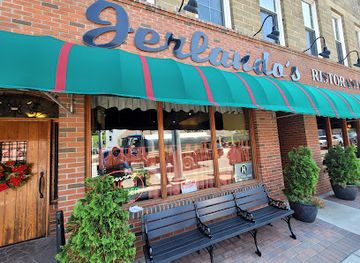
Jerlando's Ristorante & Pizza Co.
Experience authentic Italian flavors at Jerlando's Ristorante & Pizza Co., where every meal is crafted with passion and served with warmth.
-
Barbecue
Nickel's Pit BBQ Watkins Glen
Experience mouthwatering barbecue at Nickel's Pit BBQ in Watkins Glen, where every dish celebrates the art of Southern cooking.
-
Family-friendly
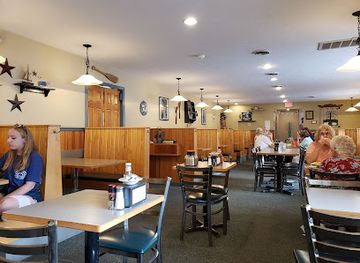
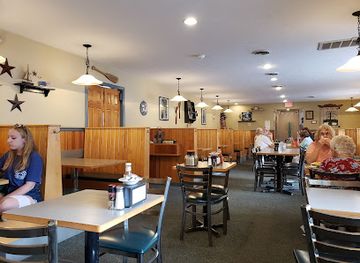
Curly's Family Restaurant
Discover family-friendly dining at Curly's Family Restaurant in Watkins Glen, offering delicious American breakfasts and lunches for all ages.
-
Thai
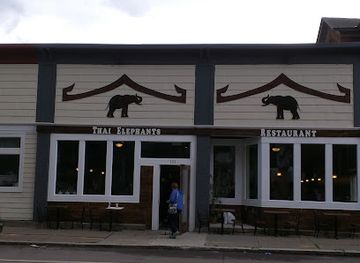
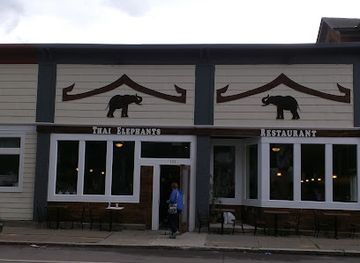
Thai Elephants
Savor authentic Thai cuisine at Thai Elephants in Watkins Glen – where tradition meets taste in every dish.

Best bars in Watkins Glen
Watkins Glen has a modest, small-town evening scene rather than a concentrated nightlife district. Village restaurants, traditional pubs and bar areas provide places for an unhurried drink after walking in the gorge or touring the lake, while wineries around Seneca Lake offer tastings during their operating periods rather than late-night entertainment. Racing weekends can create a busier atmosphere in the village and around Watkins Glen International, but event activity is seasonal and should not be assumed outside scheduled meetings. Evening options in surrounding communities are similarly dispersed, making a designated driver or arranged transport important for wine-country visits. After dark, the lake shore and rural roads are generally suited to quiet views and stargazing rather than clubs, loud venues or a regular programme of live entertainment.
-
Italian
Jerlando's Ristorante & Pizza Co.
Experience the best of Italian and American cuisine at Jerlando's Ristorante & Pizza Co. in Watkins Glen, perfect for families and food lovers alike.
-
Barbecue
Nickel's Pit BBQ Watkins Glen
Discover the authentic taste of Southern barbecue at Nickel's Pit BBQ, a must-visit spot in Watkins Glen, NY, for all food lovers.
-
Family-friendly
Curly's Family Restaurant
Experience family-friendly dining at Curly's Family Restaurant, serving delicious American breakfast and lunch in the heart of Watkins Glen.
-
Thai
Thai Elephants
Experience the vibrant flavors of authentic Thai cuisine at Thai Elephants in Watkins Glen, a true gem for food lovers exploring New York.
Best nightclubs in Watkins Glen
Watkins Glen has a modest, small-town evening scene rather than a concentrated nightlife district. Village restaurants, traditional pubs and bar areas provide places for an unhurried drink after walking in the gorge or touring the lake, while wineries around Seneca Lake offer tastings during their operating periods rather than late-night entertainment. Racing weekends can create a busier atmosphere in the village and around Watkins Glen International, but event activity is seasonal and should not be assumed outside scheduled meetings. Evening options in surrounding communities are similarly dispersed, making a designated driver or arranged transport important for wine-country visits. After dark, the lake shore and rural roads are generally suited to quiet views and stargazing rather than clubs, loud venues or a regular programme of live entertainment.
-
Restaurant
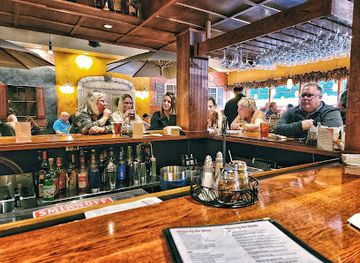
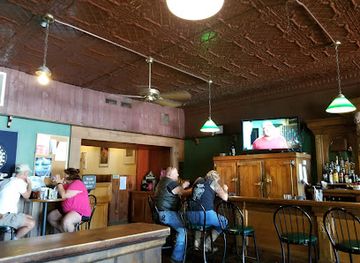
Roosterfish Pub
Discover the vibrant culinary scene at Roosterfish Pub, a lively restaurant and bar in Watkins Glen, NY, featuring delicious food and craft beverages.
-
Wine bar
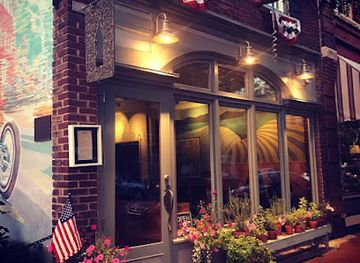
Graft Wine + Cider Bar
Explore the finest local wines and ciders at Graft Wine + Cider Bar, the heart of Watkins Glen's tasting scene.
Best shops in Watkins Glen
Shopping in Watkins Glen is concentrated in the village and is mostly practical, independent and visitor-oriented rather than metropolitan. Small shops and galleries may offer Finger Lakes wine, locally produced foods, regional artwork, souvenirs and outdoor essentials, while farm stands and winery shops around Seneca Lake provide opportunities to buy seasonal produce and bottles from nearby vineyards. The village also serves as a useful place to obtain provisions before exploring the surrounding countryside, although stock and opening patterns vary by business and season. Visitors seeking specialist outdoor or racing-related merchandise may find options associated with local events, but these should not be assumed to operate year-round. Larger retail selections are available in bigger regional centres outside Watkins Glen, whereas the immediate area is best suited to locally made products, agricultural goods and items connected with the lake, gorge and motor-racing heritage.
-
Department store
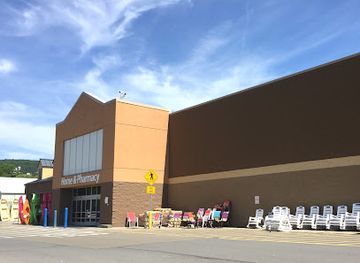
Walmart Supercenter
Experience the convenience of Walmart Supercenter in Watkins Glen, your one-stop shop for groceries, clothing, electronics, and more.
-
Ice Cream
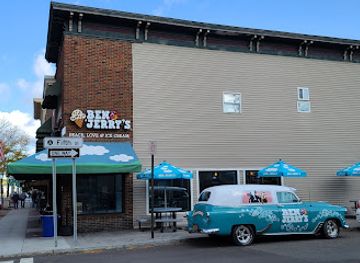
Ben & Jerry’s
Discover the joy of ice cream at Ben & Jerry's in Watkins Glen, where delightful flavors and a vibrant atmosphere await you.
-
Supermarket
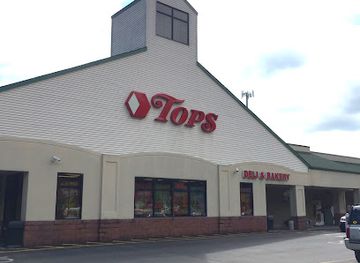
TOPS Friendly Markets
Experience the charm of TOPS Friendly Markets, a local supermarket offering fresh produce and local delicacies in Watkins Glen, perfect for your travel needs.
-
Ice Cream
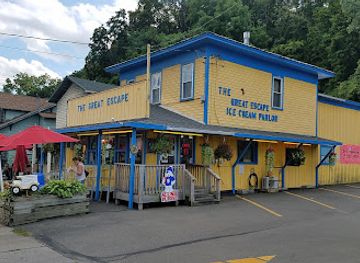
Great Escape Ice Cream Parlor
Discover the delicious world of ice cream at Great Escape Ice Cream Parlor, a must-visit stop in Watkins Glen, NY for sweet treats and delightful flavors.
Get your free copy of our complete guide to Watkins Glen, delivered straight to you.
Everything on this page, from attractions and restaurants to essentials and local phrases, in one PDF you can read offline, print or share.
Already have an account? Sign in
Your Watkins Glen guide is ready.
We'll send it to · Not you? Sign out

Getting your guide ready…
We are putting together a fresh copy of the Watkins Glen guide. This can take up to a minute.
This can take a few moments. If your browser asks, choose Allow so the download can start. You'll find the guide in your Downloads folder.
Nothing happened? Download it again
Sorry, the guide is taking longer than usual. Please try again in a minute, or get it by email instead.
Watkins Glen essentials
Currency and Payment
Safety
Emergency Situations
Do's and Don'ts
Local Tips
From Eve
Local phrases worth knowing
You don't need to get them perfect. A few words go a long way, and locals appreciate the effort.
Basics
| English | Local | Say it |
|---|---|---|
| Hello | Howdy | [haw-dee] |
| Goodbye | See ya | [see yuh] |
| Yes | Yep | [yep] |
| No | Nah | [nah] |
| Please/You're welcome | Please/No worries | [pleez/no wuhr-eez] |
| Thank you | Thanks | [thanks] |
| Excuse me/Sorry | Pardon me/My bad | [pahr-dn mee/my bad] |
| How are you? | How ya doin'? | [how yuh doin] |
| Fine. And you? | Good. You? | [good. yuh] |
| Do you speak English? | Ya speak English? | [ya speak ing-glish] |
| I don't understand | I don't get it | [I don't get it] |
Eating & Drinking
| English | Local | Say it |
|---|---|---|
| I'd like to see the menu, please | Menu, please | [menu, please] |
| I don't eat meat | No meat | [no meat] |
| Cheers! | Cheers! | [cheers] |
| I would like to pay, please | Check, please | [check, please] |
Emergencies
| English | Local | Say it |
|---|---|---|
| Help! | Help! | [help] |
| Go away! | Get lost! | [get lost] |
| Call the Police! | Call the cops! | [call the cops] |
| Call a doctor! | Get a doc! | [get a doc] |
| I'm lost | I'm lost | [I'm lost] |
| I'm ill | I'm sick | [I'm sick] |
Shopping
| English | Local | Say it |
|---|---|---|
| I'd like to buy... | I wanna buy... | [I wanna buy] |
| I'm just looking | Just browsing | [just brows-ing] |
| How much is it? | How much? | [how much] |
| That's too expensive | Too pricey | [too pry-see] |
| Can you lower the price? | Can you do better? | [can you do bet-ter] |
Time & Numbers
| English | Local | Say it |
|---|---|---|
| What time is it? | What's the time? | [whats the time] |
| It's one o'clock | It's one | [it's one] |
| Half past (10) | Half ten | [half ten] |
| Morning | Mornin' | [mornin] |
| Afternoon | Afternoon | [afternoon] |
| Evening | Evening | [evening] |
| Yesterday | Yest'day | [yest-day] |
| Today | Today | [today] |
| Tomorrow | Tomorrah | [tomor-rah] |
| 1 | One | [one] |
| 2 | Two | [two] |
| 3 | Three | [three] |
| 4 | Four | [four] |
| 5 | Five | [five] |
| 6 | Six | [six] |
| 7 | Seven | [seven] |
| 8 | Eight | [eight] |
| 9 | Nine | [nine] |
| 10 | Ten | [ten] |
Transport & Directions
| English | Local | Say it |
|---|---|---|
| Where's a/the...? | Where's the...? | [where's the] |
| What's the address? | What's the street? | [what's the street] |
| Can you show me (on the map)? | Show me on the map? | [show me on the map] |
| When's the next (bus)? | When's the next bus? | [whens the next bus] |
| A ticket (to ....) | Ticket to... | [ticket to] |
History of Watkins Glen
Glacial Formation of Seneca Lake
The physical setting around Watkins Glen was shaped by glacial activity during the Ice Age. Moving ice deepened the long Finger Lakes basins, including Seneca Lake, while meltwater and later stream erosion carved the ravine now occupied by Glen Creek. The gorge's exposed rock layers, narrow passages and waterfalls reflect the continuing action of water on the escarpment at the lake's northern end. This geological framework explains the area's combination of steep local relief, fertile uplands and a large, deep lake connected to the wider Finger Lakes landscape.
Seneca Communities and Early Settlement
The Watkins Glen area lies within the traditional homeland of the Seneca, one of the Haudenosaunee nations, whose communities and travel routes were connected to the broader Seneca Lake watershed. Following colonial expansion and the American Revolutionary period, non-Indigenous settlement increased around the lake and its waterways. The village developed under the name Jefferson before later being renamed Watkins, reflecting the changing settlement and transport patterns of the nineteenth century. Agriculture, milling and lake commerce helped establish the community as a local service centre.
Canals, Railways and Tourism
During the nineteenth century, improved roads, rail connections and water transport linked the northern end of Seneca Lake with markets elsewhere in New York. Watkins Glen's gorge attracted visitors as scenic tourism developed, and the landscape became a recreational asset as well as a source of water power and local industry. The park's trails, bridges and managed access transformed a rugged natural ravine into a nationally recognised visitor attraction while retaining its strong geological character. The village's later name, Watkins Glen, formalised its association with the gorge and the surrounding landscape.
The State Park and Conservation
Watkins Glen State Park became the principal guardian of the gorge's waterfalls, woodland and geological formations. Over time, public investment in paths, steps, bridges and surrounding facilities made it possible to experience the ravine without treating it as an unrestricted industrial landscape. Conservation management remains important because the gorge is vulnerable to flooding, erosion, falling rock and heavy visitor pressure. The park is part of the New York State Park system, and access to individual sections can vary according to weather, maintenance and seasonal conditions.
The Rise of Road Racing
Watkins Glen gained an additional international identity through motor racing. The first post-war Watkins Glen Grand Prix was held in 1948 on public roads around the village, establishing a tradition that later moved to a permanent circuit. Watkins Glen International opened in the mid-1950s south of the village and became associated with major American and international racing events. The circuit remains a distinct attraction in the Town of Dix, linking the area's twentieth-century history to engineering, tourism and the wider culture of road racing.
Watkins Glen in Photos
Browse through our photo collection highlighting the charm and character of the destination.
Neighbouring destination travel guides
The closest destinations to Watkins Glen, if you have time for more than one.
-

-

-

-

-


Swipe for more destinations
Explore more

Explore more of Southern Tier
Discover the Southern Tier of New York: A captivating region of natural beauty, historical treasures, and vibrant culture nestled between the Finger Lakes and Pennsylvania.
Explore Southern Tier
Explore more of New York
Discover the electrifying energy, iconic landmarks, and diverse cultural experiences of New York City, the ultimate urban playground for travelers from around the world.
Explore New York