

The Octagon (Dunedin) Travel Guide - Free
Explore The Octagon in Dunedin with Evendo's free guide. Find the best shops, historic streets, restaurants, and gems on web or mobile.


The Octagon, Dunedin, links Gothic civic buildings, cafés, theatres, public art and central Otago culture in a walkable historic city-centre square.
A Formal Square with a Lively Centre
The Octagon is Dunedin’s principal civic square, an eight-sided public space at the centre of the city where Stuart Street, Princes Street, George Street and lower Moray Place converge. Its landscaped central reserve, broad pavements and surrounding traffic lanes create a distinctly formal urban setting, yet the atmosphere changes throughout the day: office workers cross the square, students meet beneath the trees, and visitors pause beside the statue of Robert Burns. The scale is easy to explore on foot, with many central streets beginning directly at its edges.Read more about The Octagon
Civic Architecture and Public Culture
Gateway to Central Dunedin
Best attractions in The Octagon
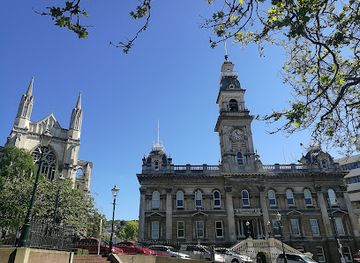
The Octagon’s principal attraction is the square itself, a formal public space with lawns, paths, mature planting and the prominent Robert Burns statue at its centre. St Paul’s Cathedral stands directly on the plaza and offers a close encounter with Dunedin’s religious and architectural heritage, while the Dunedin Town Hall and Regent Theatre bring civic history and performing arts into the same compact setting. The surrounding streets are worth exploring for historic façades, central cafés and the changing rhythm of a working city centre. A short walk along Stuart Street leads towards Dunedin Railway Station and further cultural attractions, while George Street heads towards North Dunedin and the University of Otago. The Octagon is especially engaging during public events and performances, when its role shifts from traffic junction and meeting place to an open-air civic stage.
-
Tourist attraction
Queens Garden
Discover tranquility and history at Queens Garden, Dunedin's lush oasis filled with beautiful landscapes and captivating memorials.
5 min walk · 0.4 km from neighbourhood centre

Best landmarks in The Octagon
The Octagon is defined by a concentrated group of civic and cultural landmarks. St Paul’s Cathedral gives the north-western side a strong ecclesiastical presence, while the Dunedin Town Hall represents the city’s municipal and musical traditions. The Regent Theatre, with its prominent historic theatre frontage, reinforces the square’s role as a performance precinct. At the centre, the Robert Burns statue is both a memorial and a visible expression of Dunedin’s Scottish colonial heritage. The eight-sided reserve, surrounding roads and formal approaches are themselves significant elements of the city plan, making the Octagon more than an open space between buildings. Together these landmarks show how Dunedin’s central identity was shaped by religion, civic government, public assembly, literature and entertainment within a remarkably small urban area.
-
Museum
Toitu Otago Settlers Museum
Explore the rich cultural heritage of Dunedin at the Toitu Otago Settlers Museum, where history comes alive through engaging exhibits and stunning displays.
4 min walk · 0.4 km from neighbourhood centre
-
Art museum
Olveston Historic Home
Discover Olveston Historic Home in Dunedin - a stunning Edwardian masterpiece filled with art, history, and enchanting gardens.
11 min walk · 0.9 km from neighbourhood centre
-
Museum
Dunedin Public Art Gallery
Explore the vibrant art scene at Dunedin Public Art Gallery, showcasing contemporary and historical works in a stunning setting.
1 min walk · 0.1 km from neighbourhood centre
-
Plaza
The Octagon
Discover the vibrant atmosphere of The Octagon in Dunedin, where history meets culture in a stunning urban plaza.
1 min walk · 0.1 km from neighbourhood centre



Explore The Octagon on the map
A handpicked selection of must-see spots in The Octagon, mapped for you.
Best hotels in The Octagon
Best restaurants in The Octagon
Dining around the Octagon reflects central Dunedin’s mixture of office workers, students, theatre audiences and visitors. The square and adjoining sections of Princes Street, George Street and Stuart Street contain cafés for coffee and daytime meals, restaurants serving contemporary New Zealand food and international cuisines, and bars where eating continues into the evening. Nearby central streets provide the broadest choice, from casual counter-service options to more formal dining rooms, while bakeries and takeaway outlets suit travellers exploring on foot. The area’s compact layout makes it practical to combine a meal with a performance at the Town Hall or Regent Theatre, although popular venues can become busy around event times. Menus and businesses change, so the most reliable approach is to inspect current offerings in the blocks immediately surrounding the Octagon rather than assuming every central Dunedin restaurant is located within the square itself.
-
Italian
Etrusco at the Savoy
Discover authentic Italian flavors at Etrusco at the Savoy in Central Dunedin—an unforgettable dining destination for every traveler.
2 min walk · 0.1 km from neighbourhood centre
-
Restaurant
Vault 21
Discover Vault 21: Dunedin's vibrant restaurant and nightlife hub offering delicious cuisine and an unforgettable atmosphere.
1 min walk · 0.1 km from neighbourhood centre
-
Restaurant
Cobb & Co. at the Railway Station
Experience delightful dining at Cobb & Co., located in Dunedin's historic railway station—where local flavors meet rich history.
6 min walk · 0.4 km from neighbourhood centre
-
Restaurant
The Black Dog Kitchen & Bar
Discover the vibrant flavors at The Black Dog Kitchen & Bar in Dunedin - where delicious cuisine meets a lively atmosphere.
3 min walk · 0.2 km from neighbourhood centre

Best bars in The Octagon
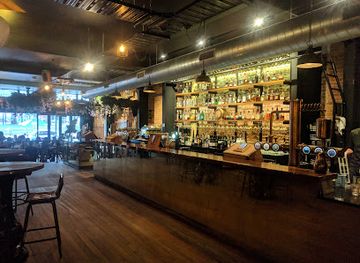
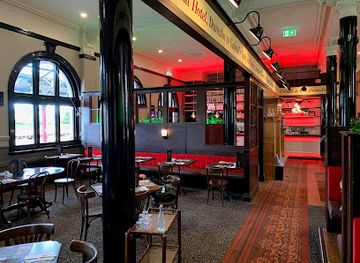
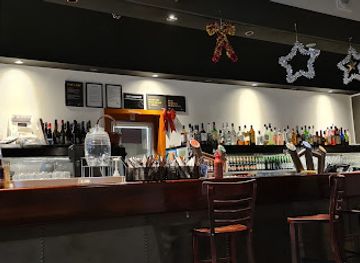
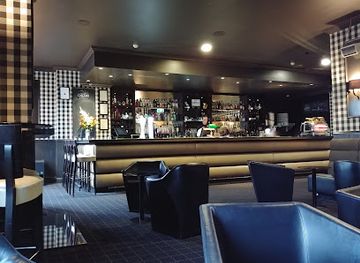
After dark, the Octagon functions as one of central Dunedin’s main meeting points, with bars and licensed restaurants around the square and along nearby Princes Street, George Street and Stuart Street. The evening scene ranges from relaxed drinks and pub-style gatherings to venues serving theatre audiences and students, while the Town Hall and Regent Theatre add concerts, shows and other organised entertainment to the night-time mix. Dunedin’s student population gives some nearby streets a youthful character, but the Octagon itself also hosts quieter dinners, cultural events and early evening rendezvous. Nightlife is concentrated in the central blocks rather than spread evenly across the whole neighbourhood, and the atmosphere can change markedly between event nights and quieter weekdays. Visitors should check current venue programmes and transport arrangements, particularly if returning to accommodation outside the city centre.
-
Bar
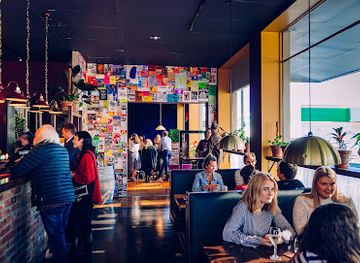
Vault 21
Discover the dynamic atmosphere of Vault 21 in Central Dunedin, where delectable cuisine meets vibrant nightlife.
1 min walk · 0.1 km from neighbourhood centre
-
Bar
Albar
Discover the vibrant atmosphere and exceptional drink selection at Albar, a quintessential bar experience in Dunedin's lively heart.
1 min walk · 0.1 km from neighbourhood centre
-
Bar
Brew Bar
Discover Brew Bar in Dunedin – where great food meets an exceptional selection of craft beers in a lively beer garden atmosphere.
1 min walk · 0.1 km from neighbourhood centre
-
Bar
Woof!
Experience the charm of Woof! bar in Dunedin, where cozy vibes and friendly service meet a diverse drink selection for an unforgettable night.
2 min walk · 0.1 km from neighbourhood centre


Best nightclubs in The Octagon
After dark, the Octagon functions as one of central Dunedin’s main meeting points, with bars and licensed restaurants around the square and along nearby Princes Street, George Street and Stuart Street. The evening scene ranges from relaxed drinks and pub-style gatherings to venues serving theatre audiences and students, while the Town Hall and Regent Theatre add concerts, shows and other organised entertainment to the night-time mix. Dunedin’s student population gives some nearby streets a youthful character, but the Octagon itself also hosts quieter dinners, cultural events and early evening rendezvous. Nightlife is concentrated in the central blocks rather than spread evenly across the whole neighbourhood, and the atmosphere can change markedly between event nights and quieter weekdays. Visitors should check current venue programmes and transport arrangements, particularly if returning to accommodation outside the city centre.
-
Bar
Dunedin Social Club
Discover the heartbeat of Dunedin's nightlife at Dunedin Social Club, where live music and vibrant atmosphere create unforgettable memories.
1 min walk · 0.1 km from neighbourhood centre
-
Night club
Carousel Lounge Bar
Discover the lively vibe of Carousel Lounge Bar in Central Dunedin, where cocktails and nightlife blend for an unforgettable experience.
1 min walk · 0.1 km from neighbourhood centre
-
Night club
Suburbia Eatery & Nightlife
Experience the best of Dunedin's culinary delights and vibrant nightlife at Suburbia Eatery & Nightlife.
1 min walk · 0.1 km from neighbourhood centre
-
Cocktail bar
Mr Fox Tapas Lounge Bar
Discover the vibrant nightlife at Mr Fox Tapas Lounge Bar, where unique cocktails and delicious tapas meet in the heart of Dunedin.
1 min walk · 0.1 km from neighbourhood centre



Best shops in The Octagon
Shopping around the Octagon is predominantly central-city retail rather than a specialist market district. The nearby stretches of George Street and Princes Street contain a changing mix of department-style stores, fashion retailers, bookshops, cafés, pharmacies and independent businesses, with more everyday shopping concentrated along the larger commercial blocks beyond the square. Visitors can browse local gifts, books, clothing and design-led products while moving between the Octagon and the railway station or North Dunedin. The square itself is more civic and cultural than retail-focused, although event stalls and temporary activities may appear at particular times. Dunedin’s distinctive shopping experience comes from the combination of active commercial streets and older façades, with independent shops occupying buildings that reveal the city’s Victorian and Edwardian development. Stock, opening arrangements and individual businesses change, so current availability should be checked locally.
-
Gift shop
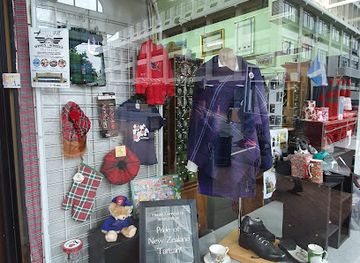
The Scottish Shop
Explore the essence of Scottish culture at The Scottish Shop in Dunedin, offering authentic gifts, apparel, and souvenirs for every visitor.
2 min walk · 0.1 km from neighbourhood centre
-
Op Shop
Shop on Carroll
Explore Shop on Carroll in Dunedin for unique vintage clothing, stylish accessories, and sustainable fashion treasures.
4 min walk · 0.3 km from neighbourhood centre
-
Gift shop
The Outpost Dunedin
Explore The Outpost Dunedin: Your destination for unique, locally crafted gifts and souvenirs in the heart of New Zealand.
2 min walk · 0.1 km from neighbourhood centre
-
Clothing store
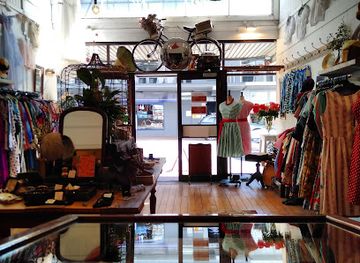
Two Squirrels Vintage Emporium
Explore the charm of the past at Two Squirrels Vintage Emporium, your destination for unique vintage clothing and accessories in Central Dunedin.
2 min walk · 0.2 km from neighbourhood centre


The Octagon essentials
Getting There
Getting Around
Safety
Emergency Situations
Do's and Don'ts
Local Tips

From Eve
Local phrases worth knowing
You don't need to get them perfect. A few words go a long way, and locals appreciate the effort.
Basics
| English | Local | Say it |
|---|---|---|
| Hello | Kia ora | [kee-ah or-ah] |
| Goodbye | Haere rā | [high-ree rah] |
| Yes | Āe | [eye] |
| No | Kāo | [kah-oh] |
| Please/You're welcome | Whakawhetai | [fah-kah-feh-tie] |
| Thank you | Kia ora | [kee-ah or-ah] |
| Excuse me/Sorry | Whakarongo mai | [fah-kah-rong-oh my] |
| How are you? | Kei te pēhea koe? | [key teh pay-ha koi] |
| Fine. And you? | Kei te pai. Ā koe? | [key teh pie. eye koi] |
| Do you speak English? | Kōrerotia koe i te reo Pākehā? | [koh-reh-roe-tee-ah koi ee teh reh-oh pah-keh-ha] |
| I don't understand | Kaore au e mohio | [kah-oh-reh oh eh moh-hee-oh] |
Eating & Drinking
| English | Local | Say it |
|---|---|---|
| I'd like to see the menu, please | Me tiro atu au i te wharangi kai, tēnā | [meh tee-roe ah-too oh ee teh fah-rung-ee kai, teh-nah] |
| I don't eat meat | Kaore au e kai kau | [kah-oh-reh oh eh kai cow] |
| Cheers! | Āraha! | [eye-rah-ha] |
| I would like to pay, please | Me utu au, tēnā | [meh oo-too oh, teh-nah] |
Emergencies
| English | Local | Say it |
|---|---|---|
| Help! | Āwhina! | [eye-fee-nah] |
| Go away! | Haere atu! | [high-ree ah-too] |
| Call the Police! | Karanga atu ki te Pirihimana! | [kah-rah-ngah ah-too key teh pee-ree-hee-mah-nah] |
| Call a doctor! | Karanga atu ki te Rata! | [kah-rah-ngah ah-too key teh rah-tah] |
| I'm lost | I wareware au | [ee wah-reh-wah-reh oh] |
| I'm ill | Kei te mate au | [key teh mah-teh oh] |
Shopping
| English | Local | Say it |
|---|---|---|
| I'd like to buy... | Me hoko au... | [meh hoh-koh oh] |
| I'm just looking | Kei te titiro anō au | [key teh tee-tee-roe ah-noh oh] |
| How much is it? | E hia te utu? | [eh hee-ah teh oo-too] |
| That's too expensive | He rawa te utu | [heh rah-wah teh oo-too] |
| Can you lower the price? | Ka taea e koe te whakaiti i te utu? | [kah tie-ah eh koi teh fah-kai-tee ee teh oo-too] |
Time & Numbers
| English | Local | Say it |
|---|---|---|
| What time is it? | He aha te wā? | [heh ah-hah teh wah] |
| It's one o'clock | Kotahi karaka | [koh-tah-hee kah-rah-kah] |
| Half past (10) | Tekau mā rima | [teh-kow mah ree-mah] |
| Morning | Ata mārie | [ah-tah mah-ree-eh] |
| Afternoon | Ahiahi | [ah-hee-ah-hee] |
| Evening | Pō | [poh] |
| Yesterday | Ināianei | [ee-nah-ee-ah-neh-ee] |
| Today | Tēnei rā | [teh-nay rah] |
| Tomorrow | Āpōpō | [ah-poh-poh] |
| 1 | Tahi | [tah-hee] |
| 2 | Rua | [roo-ah] |
| 3 | Toru | [toh-roo] |
| 4 | Whā | [fah] |
| 5 | Rima | [ree-mah] |
| 6 | Ono | [oh-noh] |
| 7 | Whitu | [fee-too] |
| 8 | Waru | [wah-roo] |
| 9 | Iwa | [ee-wah] |
| 10 | Tekau | [teh-kow] |
Transport & Directions
| English | Local | Say it |
|---|---|---|
| Where's a/the...? | Kei hea te...? | [key heh-ah teh] |
| What's the address? | Ko wai te wāhitau? | [koh wah-ee teh wah-hee-tow] |
| Can you show me (on the map)? | Ka taea e koe te whakaatu i ahau (i te mahere)? | [kah tie-ah eh koi teh fah-kah-ah-too ee ah-how (ee teh mah-hair-reh)] |
| When's the next (bus)? | Āhea te (pahi) whai muri? | [eye-heh teh pah-hee why moo-ree] |
| A ticket (to ....) | He tiki (ki ...) | [heh tee-key key] |
History of The Octagon
A Planned Colonial Centre
The Octagon emerged from Dunedin’s early colonial town plan, which organised the developing settlement around a broad central reserve rather than a conventional rectangular market square. The unusual eight-sided layout helped establish a recognisable civic focus as the town expanded from the harbour-side flats towards the hills. Early development around the reserve was gradual, and the space was shaped over time by roads, public buildings and commercial premises rather than appearing as a finished square from the beginning. Its position at the junction of major routes gave it lasting importance in Dunedin’s urban structure.
Civic Buildings Take Shape
As Dunedin grew through the nineteenth century, the Octagon became increasingly defined by institutions that expressed the city’s ambitions as a prosperous colonial centre. St Paul’s Cathedral was established on the square’s north-western side, while civic administration and public assembly found a home in the Town Hall precinct. The surrounding streets filled with offices, shops, hotels and professional premises, turning the Octagon into both a ceremonial setting and a practical commercial centre. Its architecture reflected Dunedin’s strong Scottish connections while also demonstrating the wealth generated by regional trade and the Otago gold era.
Robert Burns and Scottish Identity
The statue of Robert Burns, unveiled in 1887, gave the Octagon a prominent cultural symbol and reinforced Dunedin’s public association with Scottish heritage. Burns was the nephew of the city’s namesake, and his placement at the centre of Dunedin’s civic landscape connected the settlement’s Scottish founders with a wider literary tradition. The monument became part of the square’s everyday visual identity rather than an isolated memorial. Together with the cathedral, formal civic buildings and Scottish-derived street names, it helped shape the historical character visitors still encounter around the Octagon.
A Modern Performance Precinct
During the twentieth century, the Octagon’s role broadened from civic administration and commerce to public entertainment and cultural performance. The Regent Theatre, opened in the late 1920s, joined the Town Hall and cathedral as a major architectural presence and helped establish the square as a setting for concerts, theatre and public occasions. Later changes to traffic arrangements, landscaping and surrounding retail development altered how people moved through the area, but the Octagon retained its role as a gathering place. Today it remains both a historic civic composition and an active centre for Dunedin’s cultural calendar.
The Octagon in Photos
Browse through our photo collection highlighting the charm and character of the destination.
Neighbourhoods near The Octagon
The closest neighbourhoods to The Octagon, if you have time for more than one stop.
-

-

-


Swipe for more neighbourhoods
Explore more
Explore more of Dunedin
Dunedin, New Zealand, blends Scottish heritage, Māori history, Victorian architecture, wildlife, galleries and lively student culture beside the Otago coast.
Explore Dunedin