
Invercargill, New Zealand Travel Guide
Discover Invercargill: New Zealand's southernmost city, where history meets nature in a serene and charming setting, perfect for a peaceful escape.
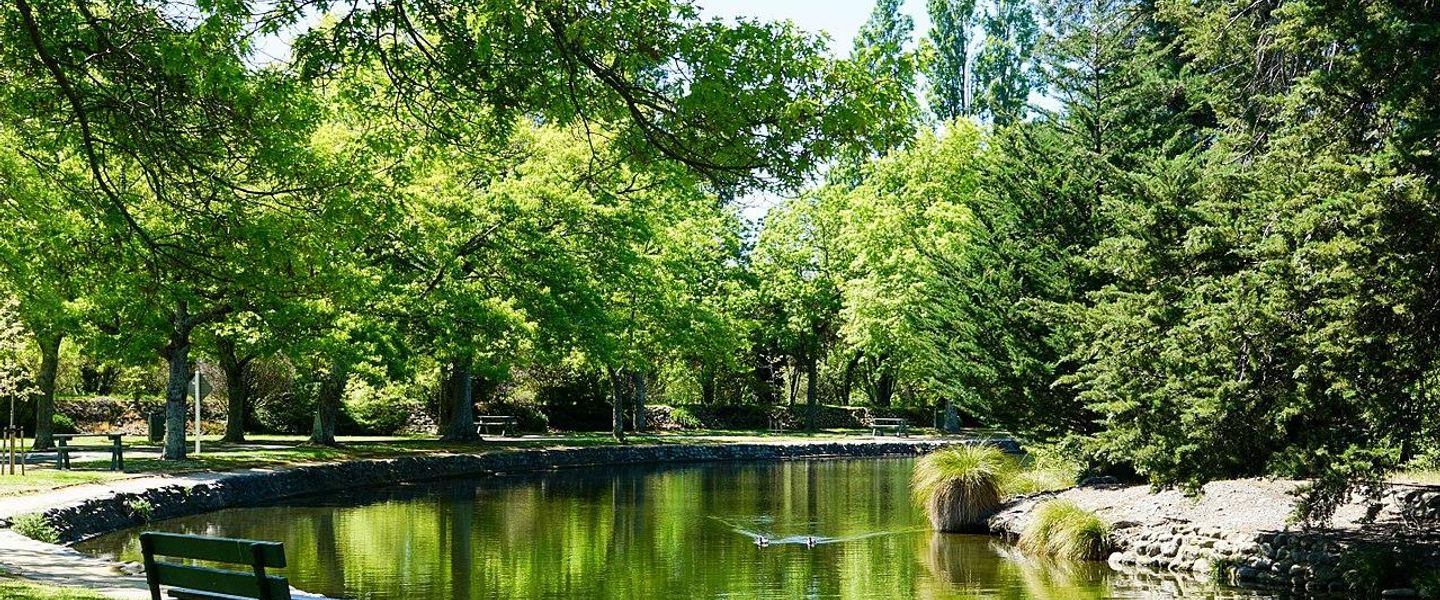
Invercargill, positioned at the southern tip of New Zealand, offers an enchanting blend of rich history, stunning landscapes, and warm hospitality. Known as the gateway to the Southland region, this charming city is a haven for nature enthusiasts, history buffs, and anyone seeking a serene escape from the hustle and bustle of urban life. The city boasts beautiful Victorian and Edwardian architecture, reflecting its historical significance and giving visitors a glimpse into its past. Stroll through Queens Park, a sprawling 81-hectare oasis, where you can enjoy meticulously maintained gardens, a variety of bird species, and even an animal reserve. The Southland Museum and Art Gallery is another must-visit spot, housing the famous tuatara reptiles and a rich collection of local artifacts. Invercargill is also a gateway to some of New Zealand's most breathtaking natural attractions. A short drive will take you to the stunning coastline of Oreti Beach, perfect for a relaxing walk or thrilling activities like surfing and windsurfing. Nearby, the picturesque Bluff Hill offers panoramic views of Foveaux Strait and Stewart Island, the latter of which is easily accessible via a ferry from Bluff. Whether you're exploring the city's cultural gems or venturing into the surrounding wilderness, Invercargill promises a memorable and enriching experience.

Know before you go
Hi, I'm Eve. Here are a few practical things to know before exploring Invercargill.
- Visit Queens Park early in the morning to enjoy the tranquility and spot local wildlife.
- Check the Southland Museum and Art Gallery's schedule for special exhibitions and events.
- Head to Oreti Beach at sunset for stunning views and a peaceful atmosphere.
- Plan a day trip to Bluff for fresh seafood and scenic views from Bluff Hill.
- Ferry to Stewart Island for a unique experience of New Zealand’s southernmost point.
Explore Invercargill: Things to Do, Places to Eat, Hotels & More
Handpicked recommendations for top attractions, local dining, accommodations, and more

Best attractions in Invercargill
Top-rated picks
Best Attractions

Bill Richardson Transport World
Explore the fascinating world of vintage vehicles and transport history at Bill Richardson Transport World in Invercargill, New Zealand.

Queens Park, Invercargill
Explore Queens Park in Invercargill: A lush haven filled with gardens, cultural gems, and recreational spaces perfect for every traveler.

Classic Motorcycle Mecca
Discover the thrilling world of motorcycles at Classic Motorcycle Mecca, where history and passion for two-wheeled machines come alive in Invercargill.

The World's Fastest Indian
Explore the legacy of Burt Munro at The World's Fastest Indian in Invercargill, a thrilling museum dedicated to motorcycle racing history.

Best landmarks in Invercargill
Top-rated picks
Best Landmarks

Bill Richardson Transport World
Explore the fascinating history of automobiles and transport at Bill Richardson Transport World in Invercargill, New Zealand, a must-visit for all enthusiasts.

Queens Park, Invercargill
Discover the enchanting landscapes and diverse attractions of Queens Park, Invercargill – an urban retreat for nature lovers and culture seekers alike.

Classic Motorcycle Mecca
Explore the thrilling world of motorcycles at Classic Motorcycle Mecca, Invercargill's premier museum dedicated to classic and vintage bikes.

The Auction House
Discover the culinary delights of Invercargill at The Auction House, a cozy café and bar known for its fresh, locally sourced ingredients and inviting atmosphere.

Best restaurants in Invercargill
Top-rated picks
Best Restaurants

The Batch Cafe
Experience the warmth and flavor of The Batch Cafe in Invercargill – where every meal is crafted with care and served with a smile.

BurgerFuel Invercargill
Experience gourmet burgers with fresh ingredients at BurgerFuel Invercargill – a delightful culinary destination for every traveler.

Speight's Ale House
Discover Speight's Ale House in Invercargill: A blend of local flavors, craft brews, and warm hospitality awaits you.

The Auction House
Discover the culinary delights of The Auction House in Invercargill - where local flavors meet cozy ambiance for unforgettable meals.

Best bars in Invercargill
Top-rated picks
Best Bars

Speight's Ale House
Discover the heart of Invercargill at Speight's Ale House, where craft beers meet hearty New Zealand cuisine in a historic setting.

Waxy's Irish Pub
Experience authentic Irish culture at Waxy's Irish Pub in Invercargill, where hearty meals and a lively atmosphere await every visitor.

Buster Crabb
Experience the vibrant atmosphere and delicious menu at Buster Crabb, Invercargill's culinary hotspot for food and drink enthusiasts.

The Rocks Cafe & Shop 5
Experience the warm hospitality and delicious local cuisine at The Rocks Cafe & Shop 5 in the heart of Invercargill.

Best nightclubs in Invercargill
Top-rated picks
Best Nightclubs

Waxy's Irish Pub
Discover the charm of Waxy's Irish Pub, where traditional Irish hospitality meets Invercargill's vibrant nightlife with hearty meals and live music.

Invercargill Workingmens Club Inc
Discover the heart of Invercargill at the Workingmens Club – where local culture meets great food and friendly faces.

The Ave Sports Bar
Discover the lively atmosphere and delicious offerings at The Ave Sports Bar in Avenal, Invercargill - a perfect stop for tourists ready to unwind.

Invercargill Club
Experience the warmth of southern hospitality at the Invercargill Club, a local favorite for drinks and socializing in the heart of Invercargill.

Best shops in Invercargill
Top-rated picks
Best Shops

Kmart Invercargill
Discover unbeatable value and variety at Kmart Invercargill, your one-stop shop for clothing, toys, and home essentials in New Zealand.

Spotlight Invercargill
Explore the vibrant world of crafts at Spotlight Invercargill, where creativity meets quality supplies for all your DIY projects.

The Warehouse Invercargill
Explore The Warehouse Invercargill - your ultimate shopping destination for clothing, home goods, toys, and more in New Zealand.

Farmers Invercargill
Explore a diverse range of products at Farmers Invercargill, from fashion to home goods, in a welcoming shopping environment.

Explore Invercargill on the Map
A handpicked selection of must-see spots in Invercargill, mapped for you.
Invercargill Essentials
-
Invercargill is located at the southern tip of New Zealand's South Island. The nearest international airport is Queenstown Airport, about 190 kilometers away. From Queenstown, you can take a domestic flight to Invercargill Airport, which is conveniently located just a few minutes from the city center. Alternatively, you can drive from Queenstown to Invercargill, a scenic journey that takes approximately 2.5 hours. Bus services also operate between major cities and Invercargill, providing another option for travelers.
-
Invercargill is relatively small, making it easy to navigate. The city has a reliable public bus system operated by BusSmart, which connects various parts of the city. Taxis and rideshares such as Uber are also available. Renting a car is a popular option for exploring the wider Southland region, including nearby attractions like Bluff and the Catlins. Biking is another convenient way to get around, with several rental shops offering bikes for hire.
-
The official currency in New Zealand is the New Zealand Dollar (NZD). Credit cards are widely accepted in Invercargill, including Visa, MasterCard, and American Express. ATMs are plentiful throughout the city, and most establishments also accept contactless payments like PayWave. It's advisable to carry some cash for smaller transactions, especially in more remote areas.
-
Invercargill is generally a safe city for tourists. However, standard precautions should be taken to ensure personal safety. Avoid walking alone at night in poorly lit areas and always keep an eye on your belongings. While Invercargill does not have specific high-crime areas targeting tourists, staying vigilant is always recommended.
-
In case of emergency, dial 111 for immediate assistance from police, fire, or medical services. Invercargill has a well-equipped hospital, Southland Hospital, located at Kew Road, for any medical emergencies. Pharmacies are also readily available for minor health issues. It is advisable to have travel insurance that covers medical emergencies.
-
Fashion: Do dress in layers, as the weather can change rapidly. Casual wear is generally acceptable. Avoid overly revealing clothing. Religion: Do respect local customs and traditions. Public Transport: Do be courteous to bus drivers and other passengers. Don't block the aisles with large bags. Greetings: Do greet people with a smile and a handshake. Kiwi culture is generally informal, so first names are commonly used. Eating & Drinking: Do try local delicacies like Bluff oysters and Southland cheese rolls. Don't tip in restaurants, as it is not customary in New Zealand.
-
To experience Invercargill like a local, visit the local farmers' markets held on weekends, where you can buy fresh produce and homemade goods. Check out the classic car collection at Bill Richardson Transport World. Take a stroll through Queens Park, a beautifully maintained garden and recreational area in the heart of the city. For a unique experience, visit the southernmost point of New Zealand's mainland at Stirling Point in Bluff.
When is the best time to visit Invercargill?
Useful Local Phrases for Invercargill
You don't need to speak the language perfectly. Even learning a few simple words can make conversations warmer—and locals usually appreciate the effort.
— Eve

Here are the phrases I use most often in Invercargill. Try a few—you'll be surprised how far they go! 😊
❤️
-
- HelloKia ora
[kee-uh or-uh] - GoodbyeKa kite
[ka kai-teh] - YesAe
[eye] - NoKāore
[ka-o-reh] - Please/You're welcomeKei te pai
[key teh pie] - Thank youKia ora
[kee-uh or-uh] - Excuse me/SorryWhakamaru
[fuh-ka-muh-roo] - How are you?Kei te pēhea koe?
[key teh pay-hay-ah ko-eh] - Fine. And you?Kei te pai. Ā, koe?
[key teh pie. ah, ko-eh] - Do you speak English?Kōrero koe i te reo Pākehā?
[koh-reh-roh ko-eh ee teh reh-oh pah-keh-ha] - I don't understandKāore au e mārama
[ka-o-reh oh eh mah-rah-mah]
- HelloKia ora
-
- I'd like to see the menu, pleaseMe tiro atu au i te pātene, ā, tēnā
[meh tee-roh ah-too oh ee teh pah-teh-neh, ah, teh-nah] - I don't eat meatKāore au e kai mīti
[ka-o-reh oh eh kai mee-tee] - Cheers!Chur!
[chur] - I would like to pay, pleaseE hiahia ana au ki te utu, tēnā
[eh hee-ah-hee-ah ah-noh oh kee teh oo-too, teh-nah]
- I'd like to see the menu, pleaseMe tiro atu au i te pātene, ā, tēnā
-
- Help!Āwhina!
[ah-fee-nah] - Go away!Haere atu!
[high-reh ah-too] - Call the Police!Karanga atu ki te Pirihimana!
[kah-rah-ngah ah-too kee teh pee-ree-hee-mah-nah] - Call a doctor!Karanga atu ki te Rata!
[kah-rah-ngah ah-too kee teh rah-tah] - I'm lostI wareware ahau
[ee wah-reh-wah-reh ah-how] - I'm illHe mate ahau
[heh mah-teh ah-how]
- Help!Āwhina!
-
- I'd like to buy...Me hoko au i...
[meh hoh-koh oh ee] - I'm just lookingKei te mohio au
[key teh moh-hee-oh oh] - How much is it?He aha te utu?
[heh ah-ha teh oo-too] - That's too expensiveHe raweke te utu
[heh rah-weh-keh teh oo-too] - Can you lower the price?Ka taea e koe te whakaiti i te utu?
[ka tah-eh-ah eh ko-eh teh fuh-kai-tee ee teh oo-too]
- I'd like to buy...Me hoko au i...
-
- What time is it?He aha te wā?
[heh ah-ha teh wah] - It's one o'clockKo te tahi o ngā karaka
[koh teh tah-hee oh ngah kah-rah-kah] - Half past (10)Tekau mā rua
[teh-kow mah roo-ah] - MorningAhiahi
[ah-hee-ah-hee] - AfternoonAhiahi
[ah-hee-ah-hee] - EveningPō
[poh] - YesterdayInānei
[ee-nah-nay] - TodayTēnei rā
[teh-nay rah] - TomorrowĀpōpō
[ah-poh-poh] - 1Tahi
[tah-hee] - 2Rua
[roo-ah] - 3Toru
[toh-roo] - 4Whā
[fah] - 5Rima
[ree-mah] - 6Ono
[oh-noh] - 7Whitu
[fee-too] - 8Waru
[wah-roo] - 9Iwa
[ee-wah] - 10Tekau
[teh-kow]
- What time is it?He aha te wā?
-
- Where's a/the...?Kei hea te...?
[key heh-ah teh] - What's the address?He aha te wāhitau?
[heh ah-ha teh wah-hee-tow] - Can you show me (on the map)?Ka taea e koe te whakaaturanga mai ki ahau?
[ka tah-eh-ah eh ko-eh teh fuh-kah-ah-too-rah-ngah my key ah-how] - When's the next (bus)?Āhea te (waka) e whai mai ana?
[ah-heh-ah teh wah-kah eh fah-ee my ah-nah] - A ticket (to ....)He tiki (ki ...)
[heh tee-kee kee]
- Where's a/the...?Kei hea te...?
History of Invercargill
-
Invercargill, often referred to as the 'City of Water and Light' due to its weather and geographic features, was officially founded in 1856. Named after William Cargill, a prominent Scottish settler and politician, the city was established to serve as a central hub for the Southland region. The early settlers, primarily of Scottish descent, played a crucial role in shaping the city's architecture and cultural heritage.
-
The discovery of gold in the nearby Otago region during the 1860s had a significant impact on Invercargill. The city became a supply and service center for prospectors, leading to a boom in population and economic growth. This period saw the establishment of numerous businesses, public houses, and infrastructure projects that laid the foundation for Invercargill’s development.
-
The arrival of the railway in 1864 marked a pivotal moment in Invercargill's history. The construction of the Bluff-Invercargill railway line facilitated easier movement of goods and people, bolstering the local economy. The railway station, constructed in a grand Victorian style, became a landmark and symbol of progress for the city.
-
One of the most dramatic events in Invercargill's history was the Great Fire of 1884, which devastated much of the central business district. The fire led to the implementation of stricter building codes and fire safety measures. The resilient community quickly rebuilt, and many of the Victorian and Edwardian buildings seen today date from this period.
-
Invercargill has long been a center for education in the Southland region. The establishment of Southland Boys' High School in 1881 and the Southland Girls' High School in 1914 underscored the city's commitment to fostering academic excellence. The Southern Institute of Technology (SIT), founded in 1971, has since become a cornerstone of higher education, attracting students from across New Zealand and abroad.
-
During World War II, Invercargill served as an important base for military operations in the South Pacific. The city’s residents contributed significantly to the war effort, both on the home front and abroad. The post-war period saw a surge in industrial growth and suburban development, transforming Invercargill into a modern urban center.
-
Invercargill's rich cultural heritage is celebrated through various festivals and events. The Southland Festival of the Arts, held annually, showcases local talent in music, theater, and visual arts. The Burt Munro Challenge, named after the legendary motorcycle racer from Invercargill, attracts motorsport enthusiasts from around the world, highlighting the city’s deep connection to speed and innovation.
-
Today, Invercargill is known for its vibrant community, stunning natural landscapes, and rich history. The city's blend of historic architecture and modern amenities makes it a unique destination. Efforts to preserve its heritage while fostering economic and cultural growth continue to shape Invercargill’s identity as a dynamic and welcoming city in New Zealand.
Cities near Invercargill
The closest cities to Invercargill, if you have time for more than one stop.



Your all‑in‑one travel companion app
Explore expert travel guides, compare and book tours, experiences, hotels, and more—all from the palm of your hand. Download now for seamless trip planning wherever your wanderlust takes you.


Invercargill in Photos
Browse through our photo collection highlighting the charm and character of the destination.


Invercargill: The Southernmost Gem of New Zealand
Invercargill, positioned at the southern tip of New Zealand, offers an enchanting blend of rich history, stunning landscapes, and warm hospitality. Known as the gateway to the Southland region, this charming city is a haven for nature enthusiasts, history buffs, and anyone seeking a serene escape from the hustle and bustle of urban life. The city boasts beautiful Victorian and Edwardian architecture, reflecting its historical significance and giving visitors a glimpse into its past. Stroll through Queens Park, a sprawling 81-hectare oasis, where you can enjoy meticulously maintained gardens, a variety of bird species, and even an animal reserve. The Southland Museum and Art Gallery is another must-visit spot, housing the famous tuatara reptiles and a rich collection of local artifacts. Invercargill is also a gateway to some of New Zealand's most breathtaking natural attractions. A short drive will take you to the stunning coastline of Oreti Beach, perfect for a relaxing walk or thrilling activities like surfing and windsurfing. Nearby, the picturesque Bluff Hill offers panoramic views of Foveaux Strait and Stewart Island, the latter of which is easily accessible via a ferry from Bluff. Whether you're exploring the city's cultural gems or venturing into the surrounding wilderness, Invercargill promises a memorable and enriching experience.
Explore More of New Zealand

Looking beyond Invercargill? Discover New Zealand for broader travel guides, local hot-spots, and regional highlights.
Explore New Zealand