

Free Queenstown Travel Guide & Mobile App
Plan your Queenstown trip with Evendo. Get free guides to top attractions, restaurants, hotels, and bars. Web access or download the mobile app.


Queenstown blends alpine scenery, Lake Wakatipu, adventure activities, excellent food and nearby Central Otago landscapes with New Zealand sightseeing.
Mountain Landscapes and Lake Wakatipu
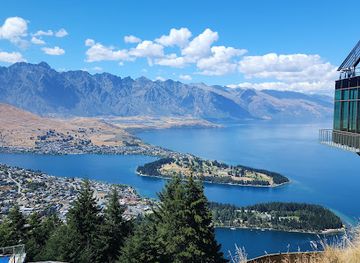
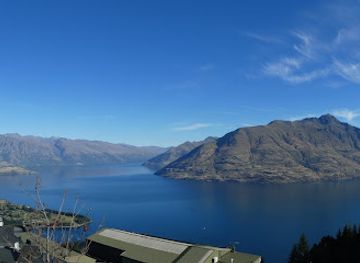
Queenstown sits on the shores of Lake Wakatipu in New Zealand’s South Island, enclosed by the Remarkables, Cecil Peak and Walter Peak. The lake’s long, glacial form gives the town an unusually dramatic setting, while the surrounding mountains create a natural stage for walking, skiing, cycling and water-based activities. The central streets are compact and easy to explore on foot, with the lakefront, Queenstown Gardens and Steamer Wharf close to cafés, galleries and public spaces.Read more about Queenstown
Gold-Rush Origins and Resort Character
Culture, Food and Outdoor Life
When is the best time to visit Queenstown?
Best: December–February · 21–22°C| Month | High (°C) | Rainfall (mm) |
|---|---|---|
| January (best) | 22 | 64 |
| February (best) | 22 | 59 |
| March | 20 | 61 |
| April | 17 | 68 |
| May | 14 | 79 |
| June | 11 | 90 |
| July | 10 | 98 |
| August | 12 | 94 |
| September | 16 | 81 |
| October | 19 | 70 |
| November | 20 | 66 |
| December (best) | 21 | 62 |
Getting to and around Queenstown
How to get there
Transportation
Best attractions in Queenstown
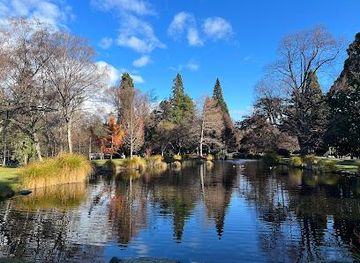
Queenstown’s principal attractions are shaped by its lake-and-mountain setting. The waterfront and Queenstown Gardens offer easy walking beside Lake Wakatipu, with lawns, mature trees and views towards the Remarkables. From the town centre, the Skyline Queenstown gondola climbs Bob’s Peak for wide panoramas over the basin, while its upper trails and activities add a more active dimension. The TSS Earnslaw, a preserved Edwardian steamship, cruises from Steamer Wharf and provides a historic perspective on the lake. The nearby Queenstown Hill Time Walk leads through changing vegetation to elevated viewpoints, while the Queenstown Trail opens access to gentler cycling and walking routes around the basin. A short journey brings visitors to Arrowtown, where restored goldfields buildings and the Arrow River illuminate the region’s nineteenth-century past. For a different landscape, organised excursions follow the lake road towards Glenorchy, where mountain scenery and filming locations frame the northern end of Wakatipu.
-
Tourist attraction
Skyline Queenstown
Discover breathtaking views, thrilling activities, and delightful dining at Skyline Queenstown, New Zealand's premier tourist attraction.
7 min walk · 0.6 km from city centre
-
Tourist attraction
Shotover Jet Queenstown
Discover the exhilarating Shotover Jet in Queenstown, where breathtaking views meet high-speed thrills on the stunning Shotover River.
15 min drive · 5.0 km from city centre
-
Park
Queenstown Gardens
Discover tranquility in Queenstown Gardens, a picturesque park with stunning landscapes, diverse flora, and recreational activities for all ages.
9 min walk · 0.7 km from city centre
-
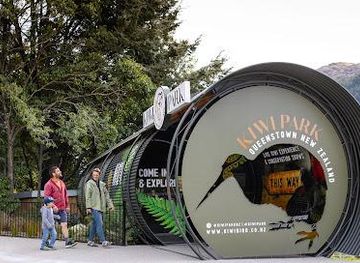
Wildlife refuge
Kiwi Park Queenstown
Experience New Zealand's wildlife at Kiwi Park Queenstown, a conservation haven showcasing native species and promoting environmental education.
7 min walk · 0.6 km from city centre


Best landmarks in Queenstown
Queenstown’s landmarks express its relationship with water, goldfields history and alpine scenery. The Queenstown Memorial Centre and the lakeside public spaces provide civic points of orientation, while the Queenstown Mall and adjoining streets retain fragments of the early settlement within a largely modern resort centre. St Peter’s Anglican Church, completed in stages from the nineteenth century, is one of the town’s most recognisable historic buildings, with a stone-and-timber character set among central gardens. The bronze Queenstown Hill time traveller sculpture, known as Basket of Dreams, marks a popular lookout route above the town. The TSS Earnslaw is a working maritime landmark as well as a historic vessel, recalling the era when steamships connected communities around Lake Wakatipu. Across the basin, Arrowtown’s stone cottages and former commercial buildings offer a more concentrated architectural record of the Otago gold rush.
-
Tourist attraction
Skyline Queenstown
Discover breathtaking views and thrilling adventures at Skyline Queenstown, where stunning landscapes meet exciting luge rides and delightful dining.
7 min walk · 0.6 km from city centre
-
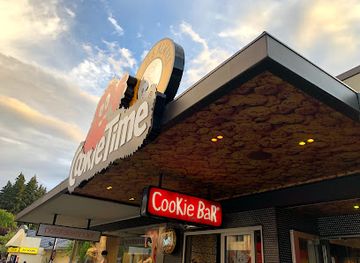
Cookies
Cookie Time
Experience the sweetest side of Queenstown at Cookie Time, where fresh cookies, chocolates, and a cozy café atmosphere await you.
1 min walk · 0.1 km from city centre
-
Park
Queenstown Gardens
Discover the natural beauty and vibrant flora of Queenstown Gardens, a serene park in the heart of Queenstown, New Zealand.
9 min walk · 0.7 km from city centre
-
Wildlife refuge
Kiwi Park Queenstown
Explore Kiwi Park in Queenstown, a wildlife refuge dedicated to New Zealand's native species and conservation efforts, perfect for families and nature lovers.
7 min walk · 0.6 km from city centre

Explore Queenstown on the map
Plan your Queenstown trip on one map. See where the top attractions, landmarks, restaurants, bars and hotels are, find what's near where you're staying, and book hotels and experiences in a few clicks.
Best hotels in Queenstown
Best restaurants in Queenstown
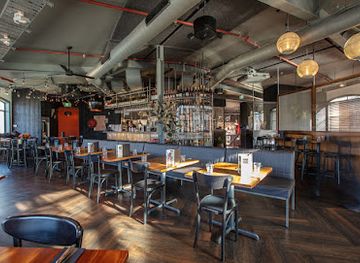
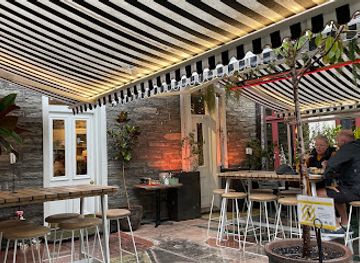
Queenstown’s dining scene reflects both its cosmopolitan visitor economy and the produce of the South Island. Menus commonly draw on New Zealand lamb, beef, venison, salmon and seafood, alongside Central Otago cherries, stone fruit, cheeses and vegetables. The surrounding wine districts are especially associated with pinot noir, while local breweries and cafés contribute to the town’s informal side. Restaurants and bars cluster around the central streets, lakefront and Steamer Wharf, with further choices in Frankton and the wider basin. Central Otago wines feature prominently, and cellar-door visits in nearby Gibbston Valley combine tastings with vineyard scenery. Māori ingredients and contemporary New Zealand cooking appear alongside Asian, European and casual international influences, reflecting Queenstown’s seasonal workforce and international visitors. Food trucks, bakeries and relaxed eateries provide alternatives to destination dining, particularly around busy activity days and winter evenings.
-
Hamburger
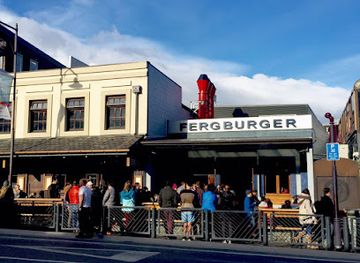
Fergburger
Discover the legendary Fergburger in Queenstown - home to gourmet burgers that redefine fast food with freshness and flavor.
3 min walk · 0.3 km from city centre
-
Grill
Flame Bar & Grill
Experience the best of Queenstown dining at Flame Bar & Grill—where grilled perfection meets vibrant ambiance.
5 min walk · 0.4 km from city centre
-
Restaurant
Yonder
Discover Yonder in Queenstown - where culinary creativity meets vibrant atmosphere for unforgettable meals.
3 min walk · 0.2 km from city centre
-
Italian
Bella Cucina
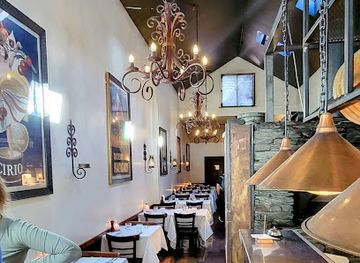
Savor authentic Italian cuisine at Bella Cucina in Queenstown—where every dish tells a story of tradition and taste.
4 min walk · 0.3 km from city centre
Best bars in Queenstown
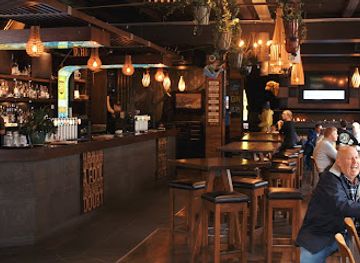
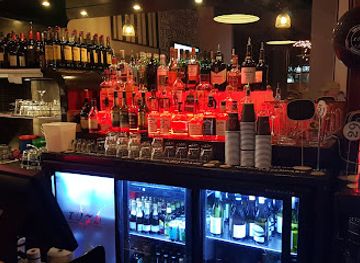
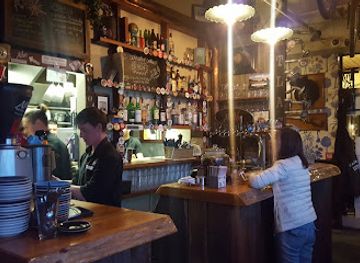
Queenstown has one of the South Island’s liveliest evening scenes, concentrated in the compact centre around the lakefront, Beach Street and Searle Lane. Visitors find traditional pubs, sports bars, cocktail rooms, wine-focused venues and casual late-night spaces within a short walk of one another, while live music and DJs are common features of the resort’s after-dark calendar. The atmosphere is especially energetic during ski season and holiday periods, when a young seasonal workforce and adventure-tourism crowd add to the late-night character. Softer alternatives include lakeside drinks, cellar-door tastings and performances or cultural events when scheduled. Alcohol consumption should be balanced with the town’s terrain and changing weather, and respectful behaviour matters in shared accommodation and residential areas. The most active venues are in the centre; Frankton and smaller settlements around the basin offer a quieter evening rhythm.
-
Irish pub
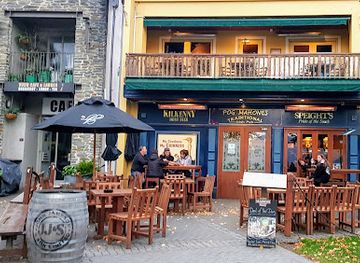
Pog Mahones Irish Pub & Restaurant
Discover the heart of Ireland in Queenstown at Pog Mahones Irish Pub & Restaurant, where great food, drinks, and live music come together.
3 min walk · 0.3 km from city centre
-
Pub
Pub on Wharf
Discover the lively Pub on Wharf in Queenstown, where delicious food, local brews, and live music create an unforgettable atmosphere.
5 min walk · 0.4 km from city centre
-
Bar
1876
Discover the lively atmosphere of 1876 in Queenstown, where great drinks and delicious food meet local charm in a vibrant sports bar setting.
1 min walk · 0.1 km from city centre
-
Pub
Atlas Beer Cafe
Discover the best local brews and delightful bites at Atlas Beer Cafe, the heart of Queenstown's vibrant pub scene.
6 min walk · 0.5 km from city centre
Best nightclubs in Queenstown
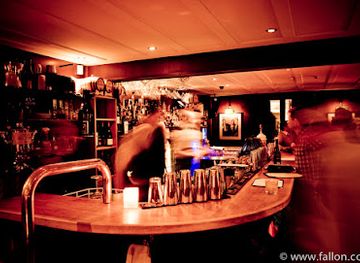
Queenstown has one of the South Island’s liveliest evening scenes, concentrated in the compact centre around the lakefront, Beach Street and Searle Lane. Visitors find traditional pubs, sports bars, cocktail rooms, wine-focused venues and casual late-night spaces within a short walk of one another, while live music and DJs are common features of the resort’s after-dark calendar. The atmosphere is especially energetic during ski season and holiday periods, when a young seasonal workforce and adventure-tourism crowd add to the late-night character. Softer alternatives include lakeside drinks, cellar-door tastings and performances or cultural events when scheduled. Alcohol consumption should be balanced with the town’s terrain and changing weather, and respectful behaviour matters in shared accommodation and residential areas. The most active venues are in the centre; Frankton and smaller settlements around the basin offer a quieter evening rhythm.
-
Bar
Surreal Bar & Restaurant
Discover the electrifying blend of gourmet cuisine and dynamic nightlife at Surreal Bar & Restaurant in Queenstown, New Zealand.
3 min walk · 0.2 km from city centre
-
Night club
Rhino's Ski Shack
Discover the vibrant nightlife of Queenstown at Rhino's Ski Shack, the ultimate night club experience blending bar and pub culture with live entertainment.
2 min walk · 0.2 km from city centre
-
Cocktail bar
Upstairs @ The Bunker
Discover the vibrant nightlife of Queenstown at Upstairs @ The Bunker, your go-to cocktail bar for unforgettable evenings.
2 min walk · 0.2 km from city centre
-
Adult entertainment club
Soho Queenstown
Experience the vibrant nightlife of Queenstown at Soho, an adult entertainment club that promises unforgettable performances and a lively ambiance.
4 min walk · 0.3 km from city centre



Best shops in Queenstown
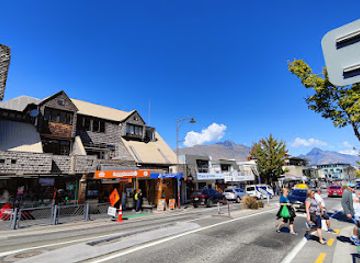
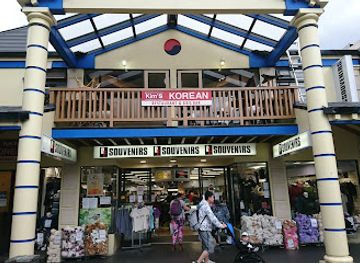
Shopping in Queenstown centres on practical outdoor equipment, New Zealand-made gifts, food and a small but varied selection of independent retail. The pedestrian-friendly central streets contain clothing shops, adventure specialists, galleries, jewellers and stores selling merino garments, locally produced skincare, manuka-based products and souvenirs. The Queenstown Mall and nearby streets are convenient for browsing between sightseeing stops, while Steamer Wharf combines retail with restaurants and waterfront views. Frankton’s Remarkables Park and Five Mile provide larger-scale shopping and everyday services outside the historic centre. Visitors seeking regional products can look for Central Otago wine, honey, ceramics, woollen goods, artisan chocolate and artwork, while Arrowtown has a more heritage-oriented mix of galleries, antiques and independent shops. Product labels and provenance are worth checking when purchasing items marketed as locally made, particularly for culturally significant designs.
-
Shopping mall
Queenstown Mall
Experience the best of shopping, dining, and breathtaking views at Queenstown Mall, the heart of retail in stunning Queenstown, New Zealand.
2 min walk · 0.2 km from city centre
-
Souvenir store
DF Souvenirs
Discover unique New Zealand souvenirs at DF Souvenirs in Queenstown, where every keepsake tells a story of adventure and culture.
2 min walk · 0.2 km from city centre
-
Gift shop
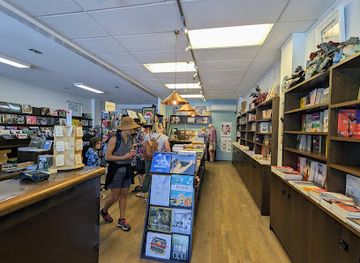
Bound Books & Records
Discover the charm of Bound Books & Records in Queenstown, where literature, art, and music converge for an unforgettable cultural experience.
2 min walk · 0.1 km from city centre
-
Shop
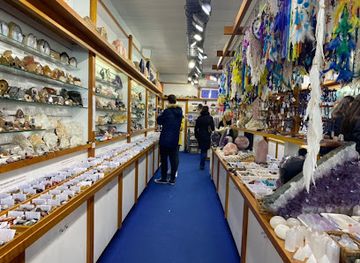
Hetties Rock & Crystal Shop
Explore Hetties Rock & Crystal Shop in Queenstown, where nature's beauty meets unique treasures in a vibrant shopping experience.
1 min walk · 0.1 km from city centre
Get your free copy of our complete guide to Queenstown, delivered straight to you.
Everything on this page, from attractions and restaurants to essentials and local phrases, in one PDF you can read offline, print or share.
Already have an account? Sign in
Your Queenstown guide is ready.
We'll send it to · Not you? Sign out

Getting your guide ready…
We are putting together a fresh copy of the Queenstown guide. This can take up to a minute.
This can take a few moments. If your browser asks, choose Allow so the download can start. You'll find the guide in your Downloads folder.
Nothing happened? Download it again
Sorry, the guide is taking longer than usual. Please try again in a minute, or get it by email instead.
Queenstown essentials
Currency and Payment
Safety
Emergency Situations
Do's and Don'ts
Local Tips
From Eve
Local phrases worth knowing
You don't need to get them perfect. A few words go a long way, and locals appreciate the effort.
Basics
| English | Local | Say it |
|---|---|---|
| Hello | Kia ora | [Key-ah or-ah] |
| Goodbye | Haere rā | [High-ree rah] |
| Yes | Āe | [Eye] |
| No | Kāore | [Car-or-reh] |
| Please/You're welcome | Whakawhetai | [Fah-kah-fay-tie] |
| Thank you | Ngā mihi | [Nar me-hee] |
| Excuse me/Sorry | Whakamā | [Fah-kah-ma] |
| How are you? | Kei te pēhea koe? | [Key teh pay-hea koh-eh] |
| Fine. And you? | Kei te pai. Ā, koe? | [Key teh pie. Eye, koh-eh?] |
| Do you speak English? | Kei te korero koe i te reo Pākehā? | [Key teh core-air-oh koh-eh ee teh reh-oh Pah-keh-ha] |
| I don't understand | Kaore au i te mohio | [Car-or-reh ow ee teh moh-hee] |
Eating & Drinking
| English | Local | Say it |
|---|---|---|
| I'd like to see the menu, please | Me pānui i te menewa, tēnā | [Meh pan-oo-ee ee teh meh-neh-wah, teh-nah] |
| I don't eat meat | Kaore au e kai kau | [Car-or-reh ow eh kai cow] |
| Cheers! | Mauri ora! | [Mow-ree or-ah] |
| I would like to pay, please | Ka hiahia ahau ki te utu, tēnā | [Car hee-ah-hee-ah ah-how kee teh oo-too, teh-nah] |
Emergencies
| English | Local | Say it |
|---|---|---|
| Help! | Āwhina! | [Eye-fee-nah] |
| Go away! | Haere atu! | [High-ree ah-too] |
| Call the Police! | Karanga i te Pirihimana! | [Car-ah-ngah ee teh Pee-ree-hee-mah-nah] |
| Call a doctor! | Karanga i te doctor! | [Car-ah-ngah ee teh dock-tor] |
| I'm lost | I wareware ahau | [Ee wah-reh-wah-reh ah-how] |
| I'm ill | Aroha ahau | [Ah-roh-ha ah-how] |
Shopping
| English | Local | Say it |
|---|---|---|
| I'd like to buy... | Ka hiahia ahau ki te hoko... | [Car hee-ah-hee-ah ah-how kee teh haw-kaw] |
| I'm just looking | Ka kite ahau | [Car key-teh ah-how] |
| How much is it? | He aha te utu? | [Heh ah-ha teh oo-too] |
| That's too expensive | He rawa te utu | [Heh rah-wah teh oo-too] |
| Can you lower the price? | Ka taea e koe te whakaiti i te utu? | [Car tie-ah eh koh-eh teh fah-kai-tee ee teh oo-too] |
Time & Numbers
| English | Local | Say it |
|---|---|---|
| What time is it? | Ko te wahea? | [Koh teh wah-heh-ah] |
| It's one o'clock | Ko te tahi karaka | [Koh teh tah-hee kah-rah-kah] |
| Half past (10) | Tekau ma rua | [Teh-kow mah roo-ah] |
| Morning | Ahiahi | [Ah-hee-ah-hee] |
| Afternoon | Ahiahi | [Ah-hee-ah-hee] |
| Evening | Pō | [Poh] |
| Yesterday | Inapo | [Ee-nah-poh] |
| Today | I tenei ra | [Ee teh-neh-ee rah] |
| Tomorrow | Apopo | [Ah-poh-poh] |
| 1 | Tahi | [Tah-hee] |
| 2 | Rua | [Roo-ah] |
| 3 | Toru | [Toh-roo] |
| 4 | Wha | [Fah] |
| 5 | Rima | [Ree-mah] |
| 6 | Ono | [Oh-no] |
| 7 | Whitu | [Fee-too] |
| 8 | Waru | [Wah-roo] |
| 9 | Iwa | [Ee-wah] |
| 10 | Tekau | [Teh-kow] |
Transport & Directions
| English | Local | Say it |
|---|---|---|
| Where's a/the...? | Kei hea te... | [Key heh-ah teh] |
| What's the address? | Ko te wāhitau? | [Koh teh wah-hee-tow] |
| Can you show me (on the map)? | Ka taea e koe te whakaatu i ahau (i te mahere)? | [Car tie-ah eh koh-eh teh fah-kah-tow ee ah-how ee teh mah-heh-reh] |
| When's the next (bus)? | He aha te wā roa? | [Heh ah-ha teh wah ro-wah] |
| A ticket (to ....) | He tiketi (ki...) | [Heh tee-keh-tee kee] |
History of Queenstown
Māori Journeys Through Whakatipu
Long before European settlement, Māori travelled through the interior of Te Waipounamu, the South Island, following routes between the coast, lakes and inland resources. Lake Wakatipu formed part of this wider landscape of seasonal movement and exchange. Ngāi Tahu held mana whenua, or customary authority, across much of the South Island, and traditions connect the region with figures including the ancestor Rākaihautū and the giant Kāi Tahu story of Kopuwai. The lake’s Māori name, Whakatipu Wakatipu, remains central to the region’s identity, although the modern name Queenstown came later. Archaeological evidence and oral traditions provide a broader context for understanding the landscape beyond the town’s gold-rush and resort narratives.
European Exploration and Pastoral Settlement
European exploration reached the Wakatipu basin in the 1850s, followed by pastoral activity as settlers searched for land suitable for sheep and cattle. William Gilbert Rees and Nicholas von Tunzelmann established stations beside the lake in the early 1860s, with Rees’s station occupying land near present-day Queenstown. The settlement was first known as The Station before the discovery of gold transformed its prospects. The difficult terrain limited farming compared with flatter districts, but the lake provided a route into the interior. Early buildings, graves and surviving names around the basin recall this period of pastoral expansion, when European settlement was reshaping land use and access across the southern South Island.
The Wakatipu Gold Rush
Gold discoveries in the Arrow River in 1862 and at nearby Shotover workings brought prospectors, merchants and services to the district. Queenstown, then commonly called Queenstown or Queenstown Bay, became a supply and administrative centre for miners heading into the valleys and riverbeds. The rush was intense but relatively short-lived, and difficult access, harsh winters and declining alluvial deposits limited long-term mining growth. The settlement was formally surveyed and developed during the 1860s, while Arrowtown and nearby Chinese miners’ settlements preserve more direct traces of the goldfields. The episode nevertheless established Queenstown as a permanent town and left a heritage of stone buildings, tracks and stories that still shapes the region’s historical interpretation.
From Mining Town to Scenic Resort
As gold production declined, Queenstown turned increasingly towards pastoral trade, lake transport and scenic tourism. Visitors were drawn by the mountains, clear air and steamer journeys on Lake Wakatipu, while the railway reaching Kingston in 1878 improved access from the south. Steamships, including the TSS Earnslaw launched in 1912, connected settlements around the lake and helped establish sightseeing as an important local activity. The town’s Victorian and early twentieth-century buildings reflect this transition, with former commercial premises and public structures now embedded in the resort centre. Tourism was initially seasonal and relatively modest, but the landscape gave Queenstown an enduring appeal that replaced mining as the district’s principal economic identity.
Transport, Recreation and Modern Growth
Improved roads and air connections during the twentieth century made Queenstown more accessible from the rest of New Zealand. Recreational skiing expanded after facilities were developed at Coronet Peak in the mid-twentieth century, followed later by The Remarkables, while lake cruises and scenic flights broadened the visitor economy. In the late twentieth century, commercial jet boating, bungy jumping and other adventure activities gave the town a new international profile. Queenstown Airport became an important regional gateway, and employment, housing and infrastructure grew rapidly as tourism strengthened. This expansion also brought pressure on transport, the environment and local services, issues that remain part of contemporary discussions about the town’s future.
A Contemporary Alpine Centre
Today Queenstown is a major visitor centre for the lower South Island, serving as a base for outdoor recreation, winter sports, wine tourism and journeys towards Fiordland and the West Coast. Its identity combines Ngāi Tahu heritage, goldfields history, resort architecture and an economy closely tied to the surrounding landscape. The town’s compact centre contrasts with extensive suburban and rural growth around the basin, while the mountains and lake continue to define its visual character. Contemporary Queenstown is also marked by cultural diversity, seasonal employment and debate about sustainable tourism, housing and environmental management. These modern concerns sit alongside the historic patterns of mobility, commerce and adaptation that have shaped the settlement since the 1860s.
Queenstown in Photos
Browse through our photo collection highlighting the charm and character of the destination.
Cities near Queenstown
The closest cities to Queenstown, if you have time for more than one stop.
-

-

-

-

-


Swipe for more cities
Explore more

Explore more of New Zealand
New Zealand: Discover awe-inspiring landscapes, vibrant Maori culture, and thrilling adventures in a land of breathtaking natural beauty and welcoming locals.
Explore New Zealand