

Free Wanaka Travel Guide & Mobile App
Plan your Wanaka trip with Evendo. Get free guides to top attractions, restaurants, hotels, and bars. Web access or download the mobile app.


Wanaka, New Zealand, pairs Lake Wānaka and alpine scenery with hiking, ski fields, galleries, local food, heritage and memorable outdoor adventures.
Lake, Mountains and Open Skies
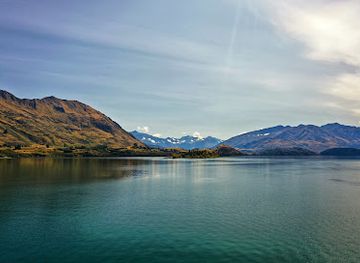
Wānaka lies on the southern shore of Lake Wānaka in the Otago region of New Zealand’s South Island, where broad water, tussock-covered hills and high mountains create a powerful sense of space. The town is compact and easy to explore, with a lakefront promenade, cafés and shops clustered around Ardmore Street. Across the water, the peaks of Mount Aspiring National Park form a dramatic backdrop, while Mount Iron provides a readily accessible walking route above the settlement.Read more about Wanaka
A Gateway to Outdoor Adventure
Town Life and Regional Character
When is the best time to visit Wanaka?
Best: December–February · 20–21°C| Month | High (°C) | Rainfall (mm) |
|---|---|---|
| January (best) | 21 | 51 |
| February (best) | 21 | 46 |
| March | 17 | 47 |
| April | 13 | 63 |
| May | 10 | 82 |
| June | 7 | 81 |
| July | 7 | 79 |
| August | 8 | 77 |
| September | 12 | 71 |
| October | 17 | 60 |
| November | 19 | 54 |
| December (best) | 20 | 53 |
Getting to and around Wanaka
How to get there
Transportation
Best attractions in Wanaka
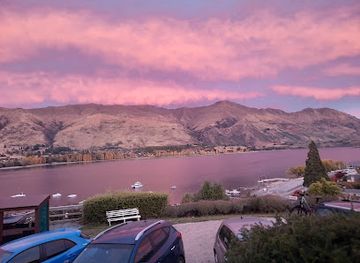
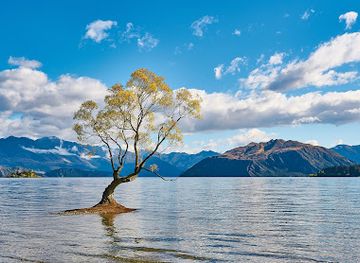
Lake Wānaka is the town’s defining attraction, with a broad waterfront promenade, swimming spots, boat-launch areas and views towards the Southern Alps. The much-photographed Wānaka Tree stands in shallow water near the shoreline, while the Millennium Track follows the lake and Clutha River through open scenery. For elevated views, Mount Iron provides a well-known walking route close to town, and Roys Peak offers a much longer, more demanding ascent above the lake. Puzzling World adds a playful, family-friendly dimension with optical illusions and maze-based attractions, while the National Transport and Toy Museum near Wānaka Airport displays an extensive collection of vehicles, aircraft and toys. Beyond the settlement, the Cardrona valley combines mountain landscapes with gold-mining heritage, and the roads towards Makarora lead towards the forests and peaks associated with Mount Aspiring National Park.
-
Scenic spot
#ThatWanakaTree
#ThatWanakaTree: A picturesque symbol of Wānaka, where nature's beauty and tranquility converge for an unforgettable experience.
18 min walk · 1.5 km from city centre
-
Tourist attraction
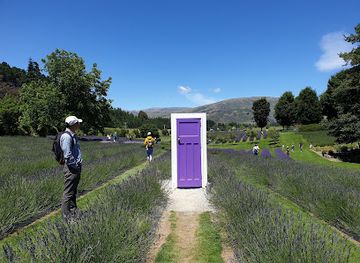
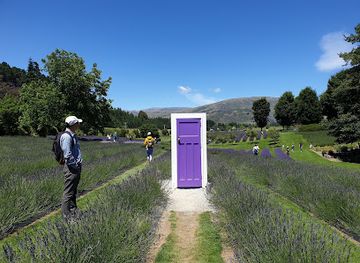
Wānaka Lavender Farm
Discover serenity at Wānaka Lavender Farm, where vibrant lavender fields and charming farm experiences await amidst stunning mountain views.
12 min drive · 4.1 km from city centre
-
Tourist attraction
National Transport & Toy Museum
Explore the National Transport & Toy Museum in Wānaka - a captivating journey through the history of transportation and toys.
26 min drive · 8.6 km from city centre
-
Tourist attraction
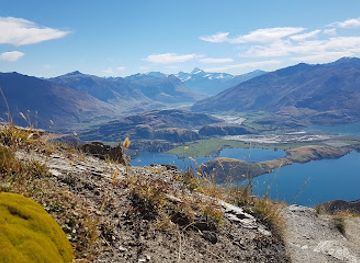
Roys Peak Lookout
Experience breathtaking vistas at Roys Peak Lookout, where scenic hiking trails meet stunning views of Lake Wanaka and the Southern Alps.
21 min drive · 6.9 km from city centre

Best landmarks in Wanaka
The lakefront Wānaka Tree has become the town’s most recognisable modern landmark, standing in the water against a backdrop of mountains and symbolising the close relationship between the settlement and its lake. St Patrick’s Catholic Church, built in 1930, is a notable local reminder of the town’s early twentieth-century community life, while the Wānaka War Memorial stands near the centre as a civic place of remembrance. The old Cardrona Hotel, in the Cardrona valley outside Wānaka, is one of the best-known surviving buildings associated with Central Otago’s gold-mining era. The lake itself is also a defining geographic landmark, with the long shoreline and surrounding ranges shaping the town’s orientation. Mount Iron and Roys Peak are natural landmarks rather than built monuments, but their profiles are central to Wānaka’s visual identity and historical development as an outdoor centre.
-
Amusement center
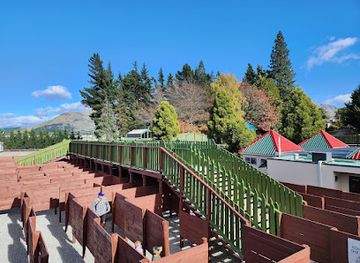
Puzzling World
Discover the wonders of perception and illusion at Puzzling World in Wānaka, a must-visit amusement center for families and adventure seekers alike.
6 min drive · 2.0 km from city centre
-
Scenic spot
#ThatWanakaTree
Discover the breathtaking #ThatWanakaTree, an iconic symbol of New Zealand's natural beauty nestled in stunning Lake Wanaka.
18 min walk · 1.5 km from city centre
-
Park
Wānaka Lakefront
Experience the breathtaking scenery and vibrant atmosphere of Wānaka Lakefront, where adventure meets tranquility in New Zealand.
5 min walk · 0.4 km from city centre
-
Tourist attraction
Wānaka Lavender Farm
Discover the serene beauty of Wānaka Lavender Farm, where vibrant fields of lavender meet charming farm animals and delightful lavender-infused treats.
12 min drive · 4.1 km from city centre
Explore Wanaka on the map
Plan your Wanaka trip on one map. See where the top attractions, landmarks, restaurants, bars and hotels are, find what's near where you're staying, and book hotels and experiences in a few clicks.
Best hotels in Wanaka
Best restaurants in Wanaka
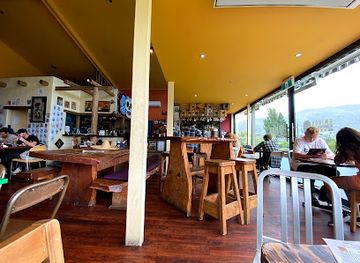
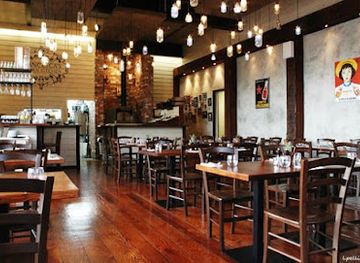
Wānaka’s dining scene reflects its position between Central Otago’s farms, orchards, high-country stations and alpine recreation areas. Cafés around Ardmore Street and the lakefront serve substantial breakfasts, excellent coffee, pastries and casual lunches, while restaurants make use of New Zealand lamb, beef, fish, stone fruit and seasonal produce. Central Otago wines, particularly pinot noir from the wider region, appear regularly on local lists, alongside craft beer and New Zealand-grown ingredients. The town has a strong bakery and takeaway culture suited to hikers and skiers, as well as more considered dining in compact restaurants and wine-focused venues. Seasonal farmers’ markets and local producers offer opportunities to sample preserves, fruit, baked goods and artisan products, although market dates and locations vary. Dining is generally informal, with outdoor seating particularly appealing beside the lake in settled weather.
-
Restaurant
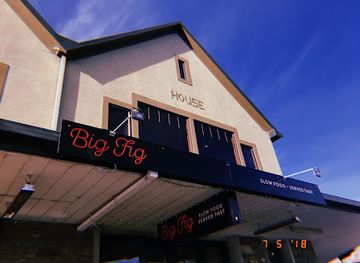
Big Fig Wanaka
Experience the delightful taste of locally sourced cuisine at Big Fig Wanaka - a culinary gem in New Zealand's stunning Wānaka region.
4 min walk · 0.3 km from city centre
-
Restaurant
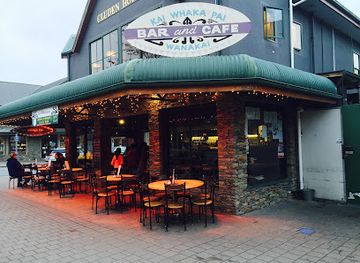
Kai Whakapai Eatery & Craft Beer Bar
Discover delicious local flavors at Kai Whakapai Eatery & Craft Beer Bar in Wānaka - A must-visit for food lovers seeking unique experiences.
4 min walk · 0.3 km from city centre
-
Mexican
Amigos Wanaka
Discover authentic Mexican cuisine at Amigos Wanaka—where flavor meets family-friendly fun amidst stunning New Zealand scenery.
5 min walk · 0.4 km from city centre
-
Italian
Francesca Wanaka
Discover authentic Italian flavors at Francesca Wanaka, where every dish tells a story and every meal is a celebration.
4 min walk · 0.3 km from city centre
Best bars in Wanaka
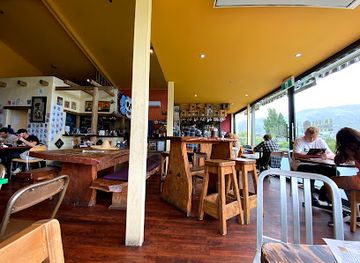
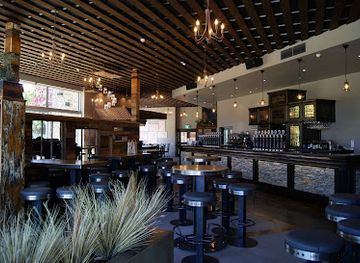
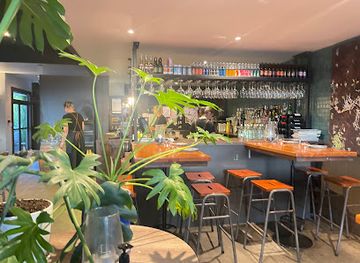
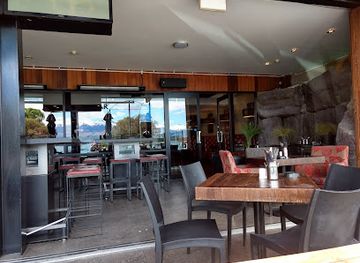
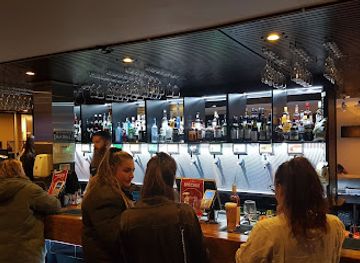
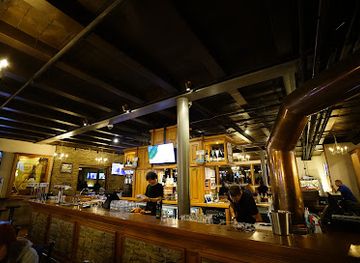
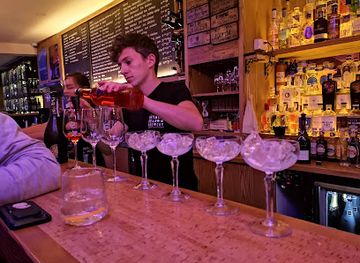
Wānaka’s nightlife is sociable and relatively low-key rather than club-oriented, shaped by a small resident population and a strong outdoor lifestyle. Bars and pubs around the town centre provide places for local beer, Central Otago wine, cocktails and informal evening meals, with activity increasing during the winter ski season and summer holidays. Some venues host live music, quiz nights or other small-scale entertainment, while cafés and restaurants create a relaxed evening atmosphere around Ardmore Street. Après-ski gatherings are part of the winter rhythm, but the town does not have the extensive late-night club scene found in New Zealand’s larger cities. Visitors should expect a mix of conversation, live performance and casual drinks, with evening activity concentrated in the central area rather than spread across numerous nightlife districts.
-
Mexican
Amigos Wanaka
Savor authentic Mexican cuisine in the heart of Wānaka with family-friendly dining and vibrant flavors.
5 min walk · 0.4 km from city centre
-
Gastropub
Speight's Ale House
Discover the flavors of Wānaka at Speight's Ale House, where local cuisine meets a vibrant atmosphere amid stunning landscapes.
5 min walk · 0.4 km from city centre
-
Restaurant
Kika
Experience the unique flavors of New Zealand at Kika in Wānaka, a restaurant that promises a delightful culinary adventure.
4 min walk · 0.3 km from city centre
-
Bar
Water Bar Wanaka
Discover Water Bar Wanaka, where exquisite cuisine meets stunning lake views in a lively and welcoming atmosphere.
4 min walk · 0.3 km from city centre
Best nightclubs in Wanaka
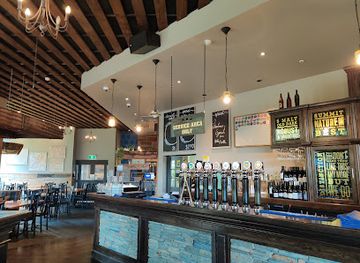
Wānaka’s nightlife is sociable and relatively low-key rather than club-oriented, shaped by a small resident population and a strong outdoor lifestyle. Bars and pubs around the town centre provide places for local beer, Central Otago wine, cocktails and informal evening meals, with activity increasing during the winter ski season and summer holidays. Some venues host live music, quiz nights or other small-scale entertainment, while cafés and restaurants create a relaxed evening atmosphere around Ardmore Street. Après-ski gatherings are part of the winter rhythm, but the town does not have the extensive late-night club scene found in New Zealand’s larger cities. Visitors should expect a mix of conversation, live performance and casual drinks, with evening activity concentrated in the central area rather than spread across numerous nightlife districts.
-
Gastropub
Speight's Ale House
Experience the finest of New Zealand's craft beer and delicious gastropub cuisine at Speight's Ale House in Wānaka.
5 min walk · 0.4 km from city centre
-
Bar
Water Bar Wanaka
Discover the lively ambiance and culinary delights at Water Bar Wanaka, your go-to destination for dining and entertainment in New Zealand.
4 min walk · 0.3 km from city centre
-
Bar
Lake Bar
Discover the charm of Lake Bar in Wānaka, where scenic views and a vibrant atmosphere await you amidst a local culinary experience.
4 min walk · 0.3 km from city centre
-
Bar
Cork Bar
Experience the lively atmosphere and diverse drink selection at Cork Bar, a must-visit nightlife destination in Wānaka, New Zealand.
4 min walk · 0.3 km from city centre
Best shops in Wanaka
Shopping in Wānaka is concentrated around Ardmore Street, Helwick Street and the central town area, where independent retailers sit alongside cafés, galleries and practical outdoor shops. Specialist stores cater to hiking, climbing, cycling and skiing, reflecting the activities that bring many visitors to the district. Local galleries and artisan businesses offer photography, paintings, jewellery, ceramics and New Zealand-made design, while food shops stock Central Otago wine, honey, preserves, chocolate and seasonal fruit when available. The Wānaka Farmers’ Market, held seasonally, brings together produce and handmade goods, with dates subject to the local calendar. The town is better suited to browsing independent businesses and buying useful outdoor equipment or regional products than to large-scale department-store shopping. Visitors should distinguish genuinely local goods from generic souvenirs and check provenance when purchasing craftwork.
-
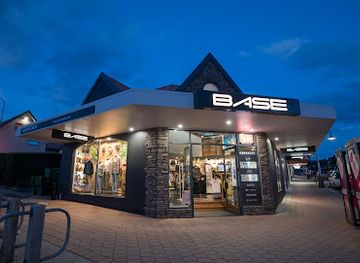
Clothing store
Base Streetwear
Discover the latest fashion trends at Base Streetwear, a chic clothing store in Wānaka, New Zealand, perfect for stylish tourists.
3 min walk · 0.2 km from city centre
-
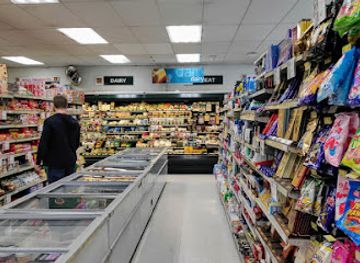
Grocery store
Four Square Wanaka
Experience local flavors and convenience at Four Square Wanaka, your trusted grocery store in the heart of New Zealand's stunning landscapes.
6 min walk · 0.5 km from city centre
-
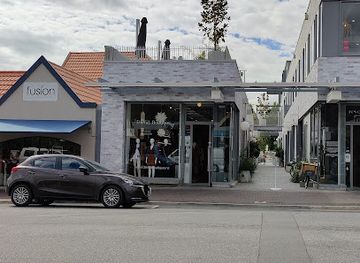
Clothing store
DEVàL Boutique
Discover unique fashion pieces and local craftsmanship at DEVàL Boutique in Wānaka, a must-visit destination for style enthusiasts.
3 min walk · 0.2 km from city centre
-
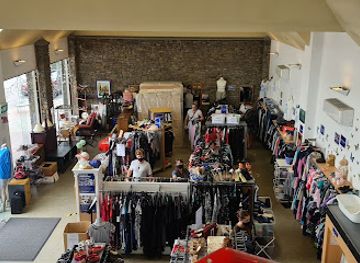
Charity
Salvation Army Family Store Wānaka
Explore the Salvation Army Family Store Wānaka for unique second-hand treasures while supporting a charitable cause in a welcoming atmosphere.
16 min walk · 1.3 km from city centre
Get your free copy of our complete guide to Wanaka, delivered straight to you.
Everything on this page, from attractions and restaurants to essentials and local phrases, in one PDF you can read offline, print or share.
Already have an account? Sign in
Your Wanaka guide is ready.
We'll send it to · Not you? Sign out

Getting your guide ready…
We are putting together a fresh copy of the Wanaka guide. This can take up to a minute.
This can take a few moments. If your browser asks, choose Allow so the download can start. You'll find the guide in your Downloads folder.
Nothing happened? Download it again
Sorry, the guide is taking longer than usual. Please try again in a minute, or get it by email instead.
Wanaka essentials
Currency and Payment
Safety
Emergency Situations
Do's and Don'ts
Local Tips
From Eve
Local phrases worth knowing
You don't need to get them perfect. A few words go a long way, and locals appreciate the effort.
Basics
| English | Local | Say it |
|---|---|---|
| Hello | Kia ora | [key-ah or-ah] |
| Goodbye | Haere rā | [high-deh rah] |
| Yes | Āe | [eye] |
| No | Kāore | [ka-oh-reh] |
| Please/You're welcome | Whakawhetai | [fah-kah-feh-tie] |
| Thank you | Mihi | [mee-hee] |
| Excuse me/Sorry | Whakama | [fah-kah-mah] |
| How are you? | Kei te pēhea koe? | [keh-ee teh pay-ha kweh] |
| Fine. And you? | Kei te pai. Ā, koe? | [keh-ee teh pie. eye, kweh] |
| Do you speak English? | Kōrero koe i te reo Pākehā? | [kaw-reh-raw kweh ee teh reh-oh pah-keh-ha] |
| I don't understand | Kāore au e āwhina | [ka-oh-reh ow eh aah-fee-nah] |
Eating & Drinking
| English | Local | Say it |
|---|---|---|
| I'd like to see the menu, please | Me āwhina ki te titiro i te menewa, tēnā | [meh aah-fee-nah kee teh tee-tee-roh ee teh meh-neh-wah, teh-nah] |
| I don't eat meat | Kau kai au i te mīti | [kow kye ow ee teh mee-tee] |
| Cheers! | Ūē! | [oo-eh] |
| I would like to pay, please | Me āwhina te utu, tēnā | [meh aah-fee-nah teh oo-too, teh-nah] |
Emergencies
| English | Local | Say it |
|---|---|---|
| Help! | Āwhina! | [aah-fee-nah] |
| Go away! | Haere atu! | [high-deh ah-too] |
| Call the Police! | Whakapā atu ki te Pirihimana! | [fah-kah-pah ah-too kee teh pee-ree-hee-mah-nah] |
| Call a doctor! | Whakapā atu ki te rata! | [fah-kah-pah ah-too kee teh rah-tah] |
| I'm lost | I ngaro au | [ee ngah-roh ow] |
| I'm ill | Kei te māuiui au | [keh-ee teh mah-oo-ee ow] |
Shopping
| English | Local | Say it |
|---|---|---|
| I'd like to buy... | Me āwhina ki te hoko... | [meh aah-fee-nah kee teh haw-kaw] |
| I'm just looking | Kei te titiro au | [keh-ee teh tee-tee-roh ow] |
| How much is it? | He iti ake? | [heh ee-tee ah-keh] |
| That's too expensive | He rawe tēnā | [heh rah-weh teh-nah] |
| Can you lower the price? | Ka taea e koe te whakaiti i te utu? | [kah tie-ah eh kweh teh fah-kigh-tee ee teh oo-too] |
Time & Numbers
| English | Local | Say it |
|---|---|---|
| What time is it? | He aha te wā? | [heh ah-ha teh wah] |
| It's one o'clock | Ka tahi tēnā | [kah tah-hee teh-nah] |
| Half past (10) | Tekau ma rima | [teh-kow mah ree-mah] |
| Morning | Atapō | [ah-tah-paw] |
| Afternoon | Ahiahi | [ah-hee-ah-hee] |
| Evening | Pō | [paw] |
| Yesterday | Tēnei rā | [teh-nay rah] |
| Today | Āpōpō | [ah-paw-paw] |
| Tomorrow | Āpōpō | [ah-paw-paw] |
| 1 | Tahi | [tah-hee] |
| 2 | Rua | [roo-ah] |
| 3 | Toru | [toh-roo] |
| 4 | Whā | [fah] |
| 5 | Rima | [ree-mah] |
| 6 | Ono | [aw-no] |
| 7 | Whitu | [fee-too] |
| 8 | Waru | [wah-roo] |
| 9 | Iwa | [ee-wah] |
| 10 | Tekau | [teh-kow] |
Transport & Directions
| English | Local | Say it |
|---|---|---|
| Where's a/the...? | Kei hea te... | [keh-ee heh-ah teh] |
| What's the address? | He aha te wāhitau? | [heh ah-ha teh wah-hee-tow] |
| Can you show me (on the map)? | Ka taea e koe te whakaatu mai ki ahau (i runga i te mahere)? | [kah tie-ah eh kweh teh fah-kah-ah-too my kee ah-how (ee roo-ngah ee teh mah-heh-reh)] |
| When's the next (bus)? | Āhea te āpiha o muri? | [ah-heh-ah teh ah-pee-hah aw moo-ree] |
| A ticket (to ....) | He tiketi (ki ...) | [heh tee-keh-tee (kee)] |
History of Wanaka
Ngāi Tahu and the Lake Country
Long before European settlement, the lake and river valleys of the region were used by Māori, including Ngāi Tahu, whose seasonal movements connected the interior of Te Waipounamu with the eastern and southern coasts. Lake Wānaka formed part of a wider network of travel and food-gathering routes through the Southern Alps and Central Otago. The surrounding landscape supplied resources such as eels, birds and plants, while routes across the mountains linked communities and trading networks. The name Wānaka is generally understood to derive from a southern Māori word associated with knowledge or learning, although interpretations of place names can vary. This earlier history remains part of the cultural context of the lake, valleys and mountain ranges surrounding the modern town.
Pastoral Settlement and Pembroke
European settlement developed in the nineteenth century as pastoralists took up land around the lake and established stations in the surrounding valleys. The settlement that grew beside Lake Wānaka was known as Pembroke, reflecting the naming practices of the colonial period. Its economy was initially shaped by sheep farming, transport and the needs of isolated inland communities. The lake and the Clutha River provided important geographic connections, although the region remained remote from New Zealand’s principal urban centres. Roads and bridges gradually improved access, allowing Pembroke to serve as a small service settlement for farms, travellers and prospectors moving through the Central Otago interior.
Goldfields in the Wider District
The Central Otago gold rushes of the 1860s transformed the wider district, bringing prospectors and temporary settlements to valleys and riverbeds around Wānaka. Cardrona, reached over the Crown Range from the town, became a gold-mining settlement, while prospectors also worked areas towards Makarora and the upper Clutha. These rushes were short-lived in many places, but they stimulated roads, commerce and population movement across the region. Historic buildings and mining traces in the Cardrona valley provide tangible reminders of this period. Wānaka itself developed more steadily as a pastoral and transport centre than as a major gold town, yet its later tourism economy benefited from the roads and regional connections created during the nineteenth century.
The Name Wānaka Returns
Pembroke remained a small inland settlement through the early twentieth century, when farming, local trade and gradual improvements in road access continued to define daily life. In 1940, the town officially adopted the name Wānaka, bringing it into closer alignment with the traditional name of the lake. Improved roads over the Crown Range and through the Haast Pass made the district more accessible, while recreational interest in fishing, boating and mountain scenery grew. The development of ski areas in the surrounding mountains later gave the town a stronger seasonal tourism role. These changes established the foundations of the visitor economy that now sits alongside agriculture and local services.
From Rural Town to Outdoor Centre
During the late twentieth century, Wānaka became increasingly associated with outdoor recreation, landscape tourism and access to the Southern Alps. Cardrona Alpine Resort and Treble Cone expanded the region’s winter profile, while walking, climbing, mountain biking and water-based activities attracted visitors in warmer months. The town grew beyond its earlier pastoral role, bringing new accommodation, restaurants, galleries and specialist outdoor businesses. Its proximity to Mount Aspiring National Park strengthened its identity as a gateway to protected alpine landscapes. Growth has also brought pressure on housing, roads and the lake environment, making the balance between tourism, local life and conservation an important part of contemporary Wānaka.
Wanaka in Photos
Browse through our photo collection highlighting the charm and character of the destination.
Cities near Wanaka
The closest cities to Wanaka, if you have time for more than one stop.
-

-

-

-

-


Swipe for more cities
Explore more

Explore more of New Zealand
New Zealand: Discover awe-inspiring landscapes, vibrant Maori culture, and thrilling adventures in a land of breathtaking natural beauty and welcoming locals.
Explore New Zealand