

Free West Coast Travel Guide & Mobile App
Explore West Coast with free travel guides. Discover regional history, expert tips, proposed trips, and audio guides on web or mobile app.


Explore New Zealand’s West Coast for glacier valleys, rainforest walks, limestone landscapes, gold-rush history and rugged Tasman Sea scenery.
Read more about West Coast
When is the best time to visit West Coast?
Best: January–March · 20–21°C| Month | High (°C) | Rainfall (mm) |
|---|---|---|
| January (best) | 20 | 150 |
| February (best) | 21 | 140 |
| March (best) | 20 | 160 |
| April | 18 | 170 |
| May | 16 | 180 |
| June | 14 | 190 |
| July | 14 | 200 |
| August | 14 | 210 |
| September | 16 | 220 |
| October | 18 | 230 |
| November | 19 | 240 |
| December | 20 | 250 |
Getting to and around West Coast
How to get there
Transportation
Top city travel guides in West Coast
The cities of West Coast, and the easiest places to base yourself.
-

-


Swipe for more cities
Destinations in West Coast
Resorts, valleys and scenic spots worth a trip of their own.
-

-

-


Swipe for more destinations
Best attractions in West Coast
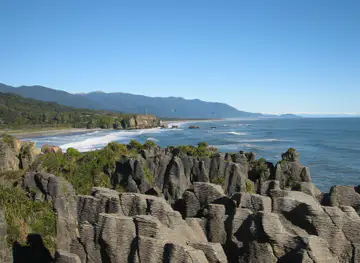
The West Coast’s attractions are primarily shaped by its natural systems and resource history. Around Punakaiki, short tracks lead through coastal rainforest and limestone country, with the Pancake Rocks and blowholes providing the region’s best-known geological spectacle. In the south, Westland Tai Poutini National Park and nearby conservation areas offer rainforest walks, glacier viewpoints, river valleys and demanding alpine routes; Franz Josef and Fox glaciers are best experienced through current, clearly designated viewpoints or qualified guiding activities. The Paparoa Track combines forest, limestone landscapes and a multi-day walking experience, subject to conditions and booking arrangements. Around Greymouth, Hokitika and Westport, museums, galleries and heritage displays interpret pounamu, gold mining, coal, timber and maritime life. The Oparara Basin near Karamea adds caves, arches and unusual limestone formations, while Cape Foulwind combines coastal scenery with a seal-colony viewpoint. Beaches, rivers and forest roads invite photography, fishing and cycling, but remote attractions require planning, fuel and weather awareness rather than spontaneous sightseeing.
-
Museum
Museum of New Zealand Te Papa Tongarewa
Explore the wonders of New Zealand's culture and history at the Museum of New Zealand Te Papa Tongarewa in Wellington.
-
Wildlife refuge
Zealandia Te Māra a Tāne
Explore Zealandia Te Māra a Tāne, a premier wildlife refuge in Wellington, showcasing New Zealand's unique flora and fauna in a stunning natural setting.
-
Tourist attraction
Hokitika Gorge
Discover the breathtaking beauty of Hokitika Gorge, a must-visit natural wonder on New Zealand's stunning West Coast.
-
Tourist attraction
Wētā Cave
Experience the magic of filmmaking at Wētā Cave, an iconic attraction in Wellington showcasing the artistry behind legendary films.


Best landmarks in West Coast
The Pancake Rocks and blowholes at Punakaiki are the West Coast’s most recognisable natural landmark, where layers of limestone have been sculpted by rain, wind and the Tasman Sea. Farther south, the Franz Josef and Fox glacier valleys mark the meeting of alpine ice, braided rivers and temperate rainforest, although viewpoints and safe access change with conditions. Cape Foulwind’s headland and coastal walkway provide a prominent northern seascape near Westport, while the Buller River gorge forms a defining geographical corridor between the coast and inland valleys. Hokitika’s historic town centre and river mouth recall its nineteenth-century port and gold-rush importance. Around Greymouth, the Grey River and Brunner area embody the region’s industrial past, with coal-mining heritage embedded in the landscape. In the north, the limestone arches and caves of the Oparara Basin provide a quieter but highly distinctive geological landmark within the Karamea district.
-
Tourist attraction
Hobbiton™ Movie Set Tours
Experience the magic of Middle-earth at Hobbiton Movie Set Tours in Matamata, New Zealand, where film history and breathtaking landscapes await.
-
Tourist attraction
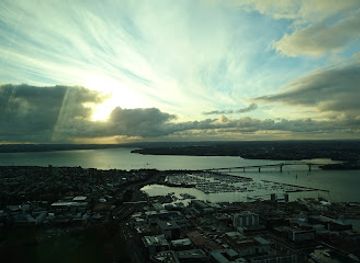
Sky Tower
Experience breathtaking views and thrilling adventures at Auckland's iconic Sky Tower, the tallest structure in New Zealand, offering unforgettable memories.
-
Nature preserve
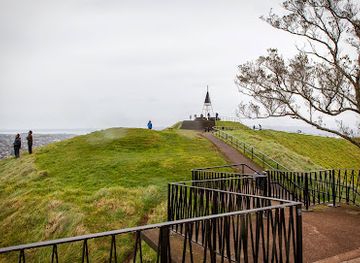
Maungawhau / Mount Eden
Discover the breathtaking views and cultural heritage at Maungawhau, the iconic volcanic cone of Mount Eden in Auckland.
-
Tourist attraction
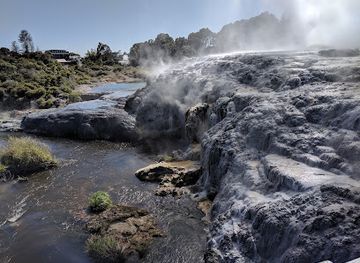
Te Puia - Rotorua, NZ
Explore Te Puia in Rotorua - A captivating blend of Māori culture and stunning geothermal wonders awaits your discovery.

Explore West Coast on the map
Plan your trip on one map. See where the top cities, national parks and sights are, and book hotels and experiences in a few clicks.
Best hotels in West Coast
Best restaurants in West Coast
West Coast dining reflects a working region with strong links to rivers, forests, farms and the sea. Greymouth, Hokitika and Westport offer the broadest choice of cafés, pubs, bakeries and contemporary restaurants, while smaller settlements tend to centre on general stores, cafés and traditional hotel dining. Menus may feature locally caught seafood, whitebait when legally available and in season, venison, lamb, beef, cheeses and produce from surrounding farms. Hokitika’s connection with craft and pounamu is also reflected in independent cafés, galleries and food-focused retail. Farmers’ markets and roadside stalls can provide fruit, preserves and baking, though availability varies by season and weather. Regional craft beer and New Zealand wine are commonly available, alongside excellent coffee and familiar café fare. Visitors driving long distances should plan meal stops in advance, as evening choices become more limited away from the principal towns.
-
Restaurant
Monteith's Brewery
Discover New Zealand’s brewing legacy at Monteith’s Brewery in Greymouth—home to craft beers, guided tours, and delightful culinary pairings.
-
Restaurant
Rainforest Retreat
Experience unparalleled hospitality at Rainforest Retreat – where nature meets comfort in Franz Josef's stunning landscapes.
-
Asian
SnakeBite Brewery
Experience the vibrant flavors at SnakeBite Brewery in Franz Josef - where Asian cuisine meets local brews in a charming setting.
-
Restaurant
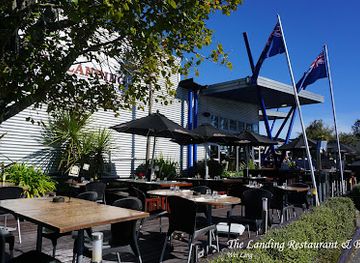
The Landing Restaurant & Bar
Experience exceptional New Zealand cuisine at The Landing Restaurant & Bar in Franz Josef, where stunning views meet delectable local flavors.


Best bars in West Coast
Nightlife on the West Coast is generally low-key and concentrated in Greymouth, Hokitika and Westport. Traditional pubs, hotel bars and small live-music venues provide the main evening settings, with conversation, local sport and occasional performances more typical than a large nightclub scene. Some restaurants and bars serve regional craft beers and New Zealand wines, while cafés in the larger towns may remain part of the evening social landscape. Historic mining and port communities give several pubs a strong local character, but opening patterns and entertainment can change, particularly outside summer. In smaller settlements such as Punakaiki, Franz Josef and Fox Glacier, evening life is more likely to revolve around lodges, restaurants, licensed cafés and guided-tour communities than dedicated clubs. Arrange transport before drinking, as distances are considerable and rural taxi availability is limited.
-
Bar
Monteith's Brewery
Discover the rich brewing heritage at Monteith's Brewery, where craft beer meets delicious cuisine in the heart of Greymouth.
-
 Bar
Rainforest Retreat
Experience breathtaking nature and cozy accommodations at Rainforest Retreat in Franz Josef, a perfect blend of adventure and relaxation.
-
Asian
SnakeBite Brewery
Experience the unique fusion of Asian flavors and local bakery delights at SnakeBite Brewery in Franz Josef, a culinary haven for tourists.
-
Restaurant
The Landing Restaurant & Bar
Experience the best of local New Zealand cuisine at The Landing Restaurant & Bar in Franz Josef, where stunning views meet exceptional flavors.


Best nightclubs in West Coast
Nightlife on the West Coast is generally low-key and concentrated in Greymouth, Hokitika and Westport. Traditional pubs, hotel bars and small live-music venues provide the main evening settings, with conversation, local sport and occasional performances more typical than a large nightclub scene. Some restaurants and bars serve regional craft beers and New Zealand wines, while cafés in the larger towns may remain part of the evening social landscape. Historic mining and port communities give several pubs a strong local character, but opening patterns and entertainment can change, particularly outside summer. In smaller settlements such as Punakaiki, Franz Josef and Fox Glacier, evening life is more likely to revolve around lodges, restaurants, licensed cafés and guided-tour communities than dedicated clubs. Arrange transport before drinking, as distances are considerable and rural taxi availability is limited.
-
Disco club
Pointers
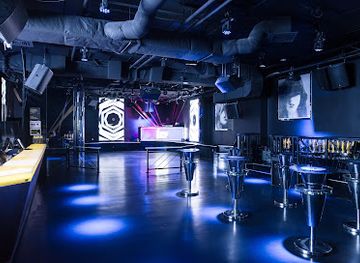
Dive into Auckland's nightlife at Pointers, a premier disco club where live music and dancing create unforgettable memories.
-
Night club
Face Club
Discover the vibrant nightlife of Auckland at Face Club, where electrifying music and signature cocktails create unforgettable moments.
-
Night club
Sapphire Nightclub
Discover the vibrant nightlife at Sapphire Nightclub, Auckland's premier destination for dancing, music, and unforgettable memories.
-
Adult entertainment club
The Club
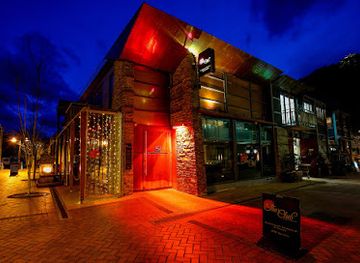
Experience the electrifying nightlife at The Club in Queenstown, where captivating performances and an upscale atmosphere await adult visitors.


Best shops in West Coast
Shopping on the West Coast is centred on the principal towns rather than large retail complexes. Hokitika is the strongest destination for galleries, studios and specialist shops associated with pounamu, glass, wood, jewellery and other New Zealand crafts; buyers should choose reputable sellers and ask about the stone’s source and cultural context. Greymouth and Westport provide practical high-street shopping, outdoor equipment, books, food stores and locally made gifts. Farmers’ markets and small roadside outlets may offer honey, preserves, seasonal fruit, baking and other regional produce, although locations and schedules can vary. In smaller communities, general stores often combine everyday supplies with souvenirs and basic travel necessities. Appropriate mementoes include responsibly sourced pounamu, locally made art, photography, woollen goods and food products, but natural stones, plants, shells and archaeological material should not be removed from public land.
-
Cafe
Matheson Cafe
Discover the perfect blend of local cuisine and breathtaking views at Matheson Cafe, next to stunning Lake Matheson.
-
Scenic spot
Fox Glacier Viewpoint / Te Kopikopiko O Te Waka
Explore the stunning Fox Glacier Viewpoint, a breathtaking scenic spot in New Zealand's West Coast, offering panoramic views of glacial beauty.
-
Parking lot
Franz Josef Glacier Car Park
Experience the beauty of Franz Josef Glacier Car Park, your gateway to New Zealand's stunning glacier landscapes and outdoor adventures.
-
Department store
The Warehouse Greymouth
Discover the ultimate shopping destination in Greymouth, offering a wide range of products from clothing to home goods, perfect for every tourist's needs.


Get your free copy of our complete guide to West Coast, delivered straight to you.
Everything on this page, from attractions and restaurants to essentials and local phrases, in one PDF you can read offline, print or share.
Already have an account? Sign in
Your West Coast guide is ready.
We'll send it to · Not you? Sign out

Getting your guide ready…
We are putting together a fresh copy of the West Coast guide. This can take up to a minute.
This can take a few moments. If your browser asks, choose Allow so the download can start. You'll find the guide in your Downloads folder.
Nothing happened? Download it again
Sorry, the guide is taking longer than usual. Please try again in a minute, or get it by email instead.
West Coast essentials
Currency and Payment
Safety
Emergency Situations
Do's and Don'ts
Local Tips
From Eve
Local phrases worth knowing
You don't need to get them perfect. A few words go a long way, and locals appreciate the effort.
Basics
| English | Local | Say it |
|---|---|---|
| Hello | Hey | [Hey] |
| Goodbye | See ya | [See ya] |
| Yes | Yep | [Yep] |
| No | Nah | [Nah] |
| Please/You're welcome | No worries | [No worries] |
| Thank you | Thanks | [Thanks] |
| Excuse me/Sorry | Sorry | [Sorry] |
| How are you? | How's it going? | [How's it going?] |
| Fine. And you? | Good. And you? | [Good. And you?] |
| Do you speak English? | Can you speak English? | [Can you speak English?] |
| I don't understand | I don’t get it | [I don’t get it] |
Eating & Drinking
| English | Local | Say it |
|---|---|---|
| I'd like to see the menu, please | Can I see the menu? | [Can I see the menu?] |
| I don't eat meat | I'm vegetarian | [I'm vegetarian] |
| Cheers! | Cheers! | [Cheers!] |
| I would like to pay, please | Can I get the bill, please? | [Can I get the bill, please?] |
Emergencies
| English | Local | Say it |
|---|---|---|
| Help! | Help! | [Help!] |
| Go away! | Leave me alone! | [Leave me alone!] |
| Call the Police! | Call 911! | [Call 911!] |
| Call a doctor! | Get a doctor! | [Get a doctor!] |
| I'm lost | I'm a bit lost | [I'm a bit lost] |
| I'm ill | I'm not feeling well | [I'm not feeling well] |
Shopping
| English | Local | Say it |
|---|---|---|
| I'd like to buy... | I want to buy... | [I want to buy...] |
| I'm just looking | Just browsing | [Just browsing] |
| How much is it? | What’s the price? | [What’s the price?] |
| That's too expensive | That's a bit pricey | [That's a bit pricey] |
| Can you lower the price? | Can you give me a discount? | [Can you give me a discount?] |
Time & Numbers
| English | Local | Say it |
|---|---|---|
| What time is it? | What’s the time? | [What’s the time?] |
| It's one o'clock | It's 1 o’clock | [It's 1 o’clock] |
| Half past (10) | Half past 10 | [Half past 10] |
| Morning | Morning | [Morning] |
| Afternoon | Afternoon | [Afternoon] |
| Evening | Evening | [Evening] |
| Yesterday | Yesterday | [Yesterday] |
| Today | Today | [Today] |
| Tomorrow | Tomorrow | [Tomorrow] |
| 1 | One | [One] |
| 2 | Two | [Two] |
| 3 | Three | [Three] |
| 4 | Four | [Four] |
| 5 | Five | [Five] |
| 6 | Six | [Six] |
| 7 | Seven | [Seven] |
| 8 | Eight | [Eight] |
| 9 | Nine | [Nine] |
| 10 | Ten | [Ten] |
Transport & Directions
| English | Local | Say it |
|---|---|---|
| Where's a/the...? | Where's the...? | [Where's the...?] |
| What's the address? | What’s the address? | [What’s the address?] |
| Can you show me (on the map)? | Can you show me on the map? | [Can you show me on the map?] |
| When's the next (bus)? | When's the next bus? | [When's the next bus?] |
| A ticket (to ....) | One ticket to ... | [One ticket to ...] |
History of West Coast
Māori travel, trade and pounamu
Before European settlement, Māori used the West Coast’s rivers, passes and coastline as part of interconnected travel and trading networks. Te Tai Poutini, the coast’s Māori name, was especially important for pounamu, or nephrite jade, quarried and worked in the South Island and distributed widely. Arahura and other river systems became associated with this resource, whose value was practical, artistic and cultural. Today, pounamu remains closely connected with Ngāi Tahu identity and West Coast craft traditions; visitors should remember that the stone is not simply a decorative souvenir.
European exploration and early settlement
European mapping and contact increased during the eighteenth and nineteenth centuries, followed by coastal shipping, missionary activity and small settlements. The difficult terrain limited inland access, while rivers and harbours shaped the location of communities. Greymouth developed at the mouth of the Grey River, Hokitika beside its river and port, and Westport at the Buller River. Roads and railways came later, gradually linking the coast with Canterbury and Nelson, though the Southern Alps continued to impose a powerful geographical barrier.
The West Coast gold rushes, 1860s
Gold discoveries in the 1860s transformed the West Coast almost overnight. Hokitika became a major port and commercial centre, while goldfields around Ross, Kumara, Greenstone and Charleston attracted miners and merchants from New Zealand and overseas. Towns, roads, wharves and water races appeared rapidly, often in difficult conditions, and many settlements declined when easily worked deposits diminished. Historic streets, cemetery sites, mining relics and museums preserve fragments of this unsettled period, which established the region’s enduring association with resourcefulness and extractive industry.
Coal, timber and industrial transport
Coal mining and native-timber milling became major parts of the West Coast economy after the gold rushes. The Brunner coalfield, near Greymouth, was one of the region’s early industrial centres, while coal was also mined around Westport and elsewhere in Buller. Railways, inclines, tramways and ports were built to move raw materials through challenging country. Their legacy can be seen in industrial heritage sites, historic bridges, former mining settlements and museums. Forestry and milling remained significant well into the twentieth century, alongside farming and coastal commerce.
Roads across the Southern Alps
For much of its history, the West Coast was more readily reached by sea than by land. Rail connections through the Otira Gorge and the Midland route progressively improved access to Canterbury, while roads over Arthur’s Pass and later along the coast made road travel more practical. The opening of major transport links changed the region’s relationship with the rest of New Zealand, enabling tourism, freight and regular movement between communities. Even now, steep terrain, rainfall, slips and river crossings ensure that transport remains closely governed by geography.
Conservation and the growth of nature tourism
During the twentieth century, growing concern for forests, rivers, glaciers and alpine landscapes reshaped part of the West Coast economy. Westland National Park was established in 1960, followed by other protected areas and, ultimately, inclusion within Te Wāhipounamu – South West New Zealand World Heritage Area in 1990. Conservation did not erase the region’s working identity, but it created a framework for walking, guiding, interpretation and wildlife tourism. Glacier visits, rainforest tracks and coastal sightseeing now sit alongside mining, farming and other established local activities.
West Coast in Photos
Browse through our photo collection highlighting the charm and character of the destination.
Neighbouring regions of West Coast
The closest regions to West Coast, if you have time for more than one.
-

-

-

-

-


Swipe for more regions
Explore more

Explore more of New Zealand
New Zealand: Discover awe-inspiring landscapes, vibrant Maori culture, and thrilling adventures in a land of breathtaking natural beauty and welcoming locals.
Explore New Zealand