

Free Tasman Travel Guide & Mobile App
Explore Tasman with free travel guides. Discover regional history, expert tips, proposed trips, and audio guides on web or mobile app.


Explore Tasman’s golden beaches, Abel Tasman National Park, orchards, vineyards, forests and the wild landscapes of Golden Bay.
Read more about Tasman
When is the best time to visit Tasman?
Best: December–February · 21–23°C| Month | High (°C) | Rainfall (mm) |
|---|---|---|
| January (best) | 22 | 80 |
| February (best) | 23 | 70 |
| March | 21 | 80 |
| April | 18 | 90 |
| May | 15 | 100 |
| June | 12 | 110 |
| July | 11 | 110 |
| August | 12 | 100 |
| September | 15 | 90 |
| October | 17 | 80 |
| November | 20 | 80 |
| December (best) | 21 | 80 |
Getting to and around Tasman
How to get there
Transportation
Top city travel guides in Tasman
The cities of Tasman, and the easiest places to base yourself.
-

-


Swipe for more cities
Destinations in Tasman
Resorts, valleys and scenic spots worth a trip of their own.

Swipe for more destinations
Best attractions in Tasman
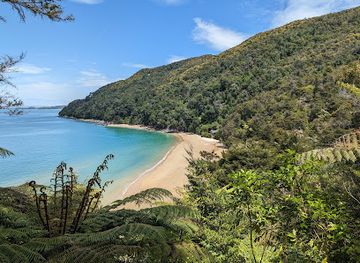
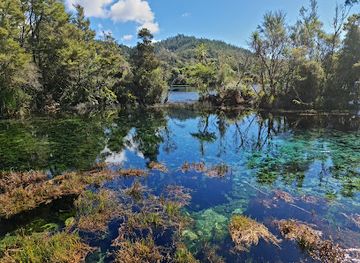
Tasman’s attractions range from accessible coastal recreation to demanding backcountry journeys. Abel Tasman National Park is the regional centrepiece, with beaches, forested headlands, tidal inlets, kayaking and the Abel Tasman Coast Track, while boat transfers make it possible to combine short walks with time on the water. Golden Bay offers Farewell Spit, the Aorere Valley, limestone country and the Te Waikoropupū Springs area near Takaka, whose clear waters are protected and not suitable for swimming. Kahurangi National Park provides a larger, wilder setting for experienced walkers, cavers and mountaineers. Inland, Murchison is associated with rafting, fishing, cycling and river landscapes, and the Buller Gorge provides a dramatic route through the region’s western gateway. Around the Waimea Plains and Motueka, orchards, vineyards, farm shops and galleries make rural touring part of the attraction. The Great Taste Trail offers a slower way to explore settlements and productive landscapes, while museums and local heritage displays add context to mining, timber, maritime activity and horticulture. Visitors should distinguish between well-serviced day trips and remote tracks that require navigation, suitable equipment and contingency planning.
-
National park
Abel Tasman National Park
Discover the breathtaking beauty of Abel Tasman National Park, where golden beaches meet lush forests and adventure awaits at every corner.
-
Tourist attraction
Te Waikoropupū Springs
Explore the mesmerizing Te Waikoropupū Springs, a stunning natural wonder in New Zealand known for its crystal-clear waters and surrounding beauty.
-
Tourist attraction
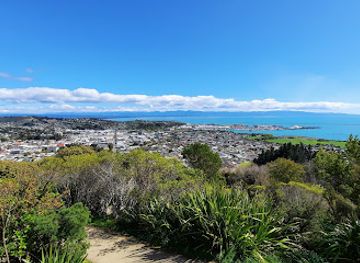
Centre of New Zealand Monument
Explore the Centre of New Zealand Monument in Nelson, where breathtaking views and rich history meet in perfect harmony.
-
Park
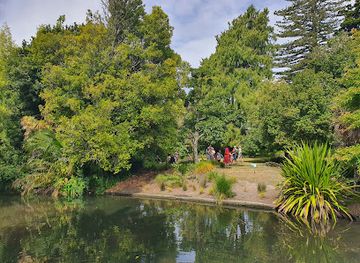
Queen's Gardens
Discover the enchanting beauty of Queen's Gardens, a tranquil park in Nelson, known for its vibrant flora and serene atmosphere, perfect for relaxation.
Best landmarks in Tasman
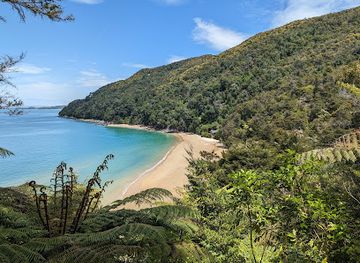
The coastline of Abel Tasman National Park is Tasman’s most recognisable natural landmark, combining golden beaches, granite headlands, forest and sheltered water in a landscape closely associated with the region. Farewell Spit forms a long, curving projection at the northern end of Golden Bay and is notable for its scale, shifting sands and importance to migratory and resident birds; access to its more sensitive areas is controlled. Near Takaka, Te Waikoropupū Springs are renowned for exceptionally clear water and cultural significance to Māori, and visitors must follow the prohibition on swimming or touching the springs. Takaka Hill is both a prominent geological and geographical threshold between Tasman Bay and Golden Bay, with limestone features visible from the road and surrounding tracks. Inland, the limestone formations and rugged ranges of Kahurangi National Park express the region’s geological variety, while the Buller Gorge marks a dramatic river passage through the western ranges. Historic industrial traces around Golden Bay, including quarrying and mining landscapes, complement these natural landmarks by showing how settlement and resource use have shaped Tasman.
-
Landmark
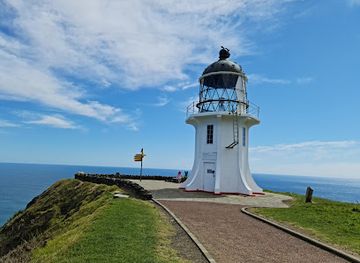
Cape Reinga Lighthouse
Experience the breathtaking beauty and cultural significance of Cape Reinga Lighthouse, where the Tasman Sea meets the Pacific Ocean.
-
National park
Abel Tasman National Park
Experience the breathtaking beauty and diverse wildlife of Abel Tasman National Park, a must-visit destination on New Zealand's South Island for nature lovers and adventurers.
-
Hiking area
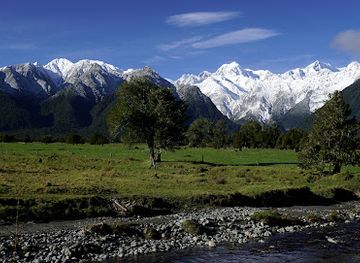
Lake Matheson Walk
Experience the enchanting beauty of Lake Matheson Walk, where stunning mountain reflections meet serene nature in the heart of New Zealand.
-
Tourist attraction
Mapua Wharf
Explore the enchanting Mapua Wharf, where local art, waterfront dining, and breathtaking views create the ultimate New Zealand experience.
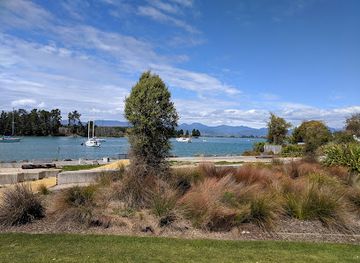
Explore Tasman on the map
Plan your trip on one map. See where the top cities, national parks and sights are, and book hotels and experiences in a few clicks.
Best hotels in Tasman
Best restaurants in Tasman
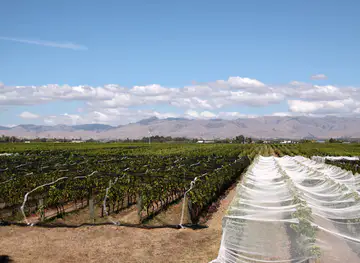
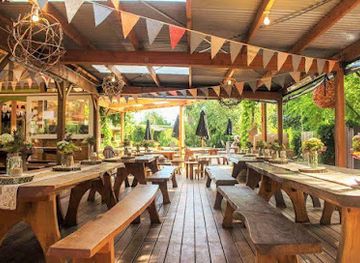
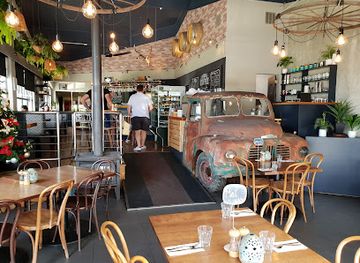
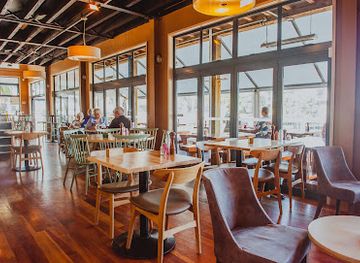
Tasman’s food culture is closely tied to its productive plains, orchards, coast and small-scale producers. Motueka, Mapua, Richmond and Takaka provide the broadest choice of cafés, bakeries, pubs and contemporary restaurants, while rural areas are better known for farm shops, cellar doors, roadside stalls and seasonal produce. Apples, pears, berries, hops, vegetables and wine grapes are important regional products, and the sunny Waimea and Moutere districts support a growing wine industry. Golden Bay contributes artisan foods, locally produced dairy and a strong market culture, while mussels and other coastal produce connect dining with nearby waters. Menus vary seasonally, so visitors may encounter fruit-based baking, fresh salads, local cheeses, seafood and craft beverages rather than a single defining dish. Farmers’ markets and food events can be excellent places to meet producers, but opening days and seasonal availability should be checked locally. New Zealand standards for alcohol service apply, and drivers should plan carefully when visiting cellar doors or breweries.
-
Cafe
Toad Hall
Experience the best of Motueka at Toad Hall - where delicious food meets vibrant entertainment in a family-friendly atmosphere.
-
Restaurant
The Smoking Barrel
Discover Motueka's culinary treasure at The Smoking Barrel - where delicious meals meet a warm atmosphere.
-
European
Smugglers Pub & Cafe
Experience authentic European flavors at Smugglers Pub & Cafe in Tāhunanui, Nelson – where good food meets great company.
-
Seafood
The Styx
Discover culinary excellence at The Styx, where fresh seafood meets breathtaking views along Nelson's stunning waterfront.

Best bars in Tasman
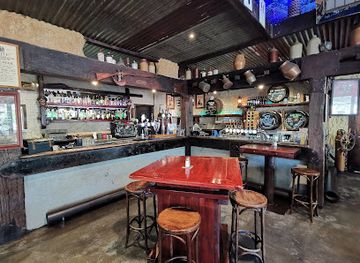
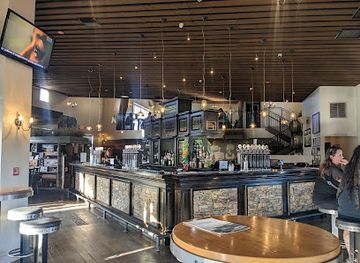
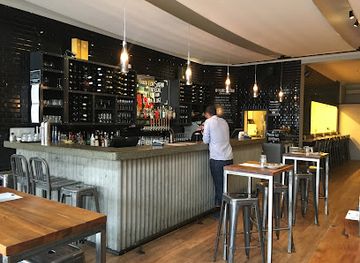
Nightlife in Tasman is generally social and low-key rather than centred on large clubs. Richmond and Motueka have the widest choice of pubs, bars and evening restaurants, while Mapua and Takaka offer cafés, small bars, live music and creative venues that often suit an early or relaxed evening. Across the region, traditional pubs remain important meeting places, particularly in smaller settlements such as Murchison and Collingwood, and some breweries, wineries and hospitality businesses provide tasting experiences during their published service periods. Takaka’s arts-oriented community can bring live performances and informal evening events, but the programme varies by season. In coastal and rural districts, venues may close earlier than visitors from larger cities expect, and late-night transport is limited. Visitors should arrange a designated driver or taxi plan when travelling between cellar doors and accommodation, rather than relying on extensive public transport after dark.
-
European
Smugglers Pub & Cafe
Discover Smugglers Pub & Cafe in Tāhunanui - where European flavors meet a cozy atmosphere in the heart of Nelson.
-
Gastropub
Speight's Ale House Nelson
Experience the heart of New Zealand's craft beer culture at Speight's Ale House Nelson, where delicious cuisine meets vibrant live music.
-
Restaurant
The Honest Lawyer Country Pub, Hotel & Venue Hire
Discover the charm of The Honest Lawyer Country Pub in Monaco, Nelson - a perfect blend of dining, accommodation, and event venue.
-
Bar
Urban Oyster Bar & Eatery
Discover the flavors of the sea at Urban Oyster Bar & Eatery, where fresh seafood meets the vibrant culinary scene of Nelson.

Best nightclubs in Tasman
Nightlife in Tasman is generally social and low-key rather than centred on large clubs. Richmond and Motueka have the widest choice of pubs, bars and evening restaurants, while Mapua and Takaka offer cafés, small bars, live music and creative venues that often suit an early or relaxed evening. Across the region, traditional pubs remain important meeting places, particularly in smaller settlements such as Murchison and Collingwood, and some breweries, wineries and hospitality businesses provide tasting experiences during their published service periods. Takaka’s arts-oriented community can bring live performances and informal evening events, but the programme varies by season. In coastal and rural districts, venues may close earlier than visitors from larger cities expect, and late-night transport is limited. Visitors should arrange a designated driver or taxi plan when travelling between cellar doors and accommodation, rather than relying on extensive public transport after dark.
-
Cocktail bar
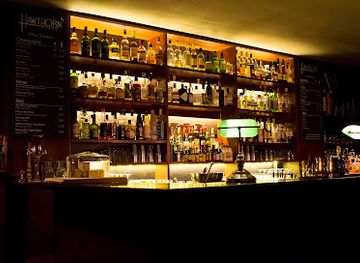
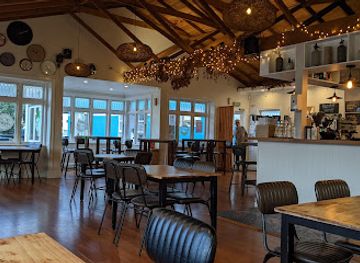
Hawthorn Lounge
Experience the art of mixology at Hawthorn Lounge, Wellington's premier cocktail bar offering exquisite drinks and a chic ambiance.
-
Pub
Sprig + Fern Tavern Tawa
Discover the charm of Sprig + Fern Tavern Tawa, a local pub offering exceptional craft beers and delicious food in a cozy atmosphere.
-
Bar
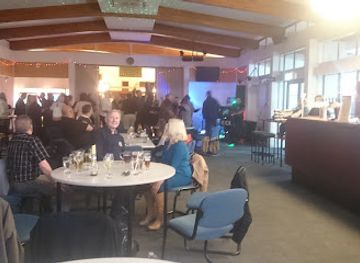
Club Waimea
Experience the vibrant nightlife of Richmond at Club Waimea, where great drinks and lively entertainment create unforgettable memories.
-
Social club
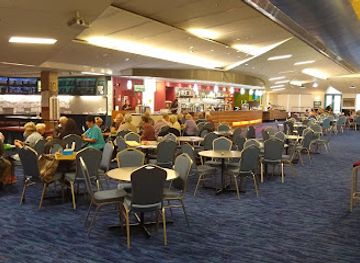
New Plymouth Club
Experience the vibrant community and stunning coastal views at New Plymouth Club, a social hub for locals and visitors on the Tasman Sea.
Best shops in Tasman
Shopping in Tasman is concentrated in the market towns and creative settlements rather than in large retail complexes. Richmond provides the region’s broadest conventional retail choice, while Motueka combines practical high-street shops with cafés, galleries, food outlets and businesses serving walkers, cyclists and coastal visitors. Mapua is known for waterfront galleries, craft studios, artisan food and independent boutiques, and Takaka has a strong selection of locally made clothing, jewellery, artwork, books and natural products. Markets and farm shops are useful for buying seasonal fruit, vegetables, preserves, honey, cheeses, baked goods and wine, especially around the Moutere, Motueka and Golden Bay districts. Craft shopping may include ceramics, woodwork, textiles and contemporary art, but stock and opening days vary because many businesses are small or seasonal. Visitors should distinguish genuinely regional products from generic souvenirs and observe biosecurity rules when carrying food, plants or untreated natural materials onward within New Zealand.
-
Shopping mall
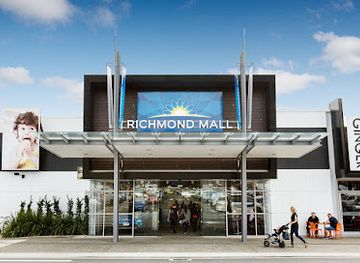
Richmond Mall
Explore Richmond Mall: A vibrant shopping haven in New Zealand with diverse stores, delicious dining, and a welcoming atmosphere for all visitors.
-
Produce market
The Nelson Market
Experience the heart of Nelson at The Nelson Market, where local produce, artisanal crafts, and a lively atmosphere await every Saturday.
-
Shopping mall
Morrison Square Mall
Experience the vibrant shopping scene at Morrison Square Mall in Nelson, where unique shops and delicious eateries await.
-
Art gallery
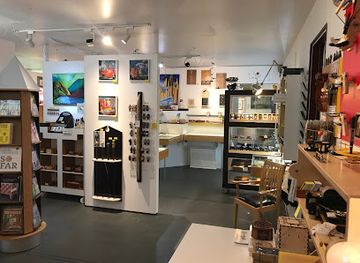
Rare Creations, Interactive Wooden Art Gallery
Discover the enchanting Rare Creations, an interactive wooden art gallery in Māpua, showcasing unique handcrafted artworks and delightful coffee.
Get your free copy of our complete guide to Tasman, delivered straight to you.
Everything on this page, from attractions and restaurants to essentials and local phrases, in one PDF you can read offline, print or share.
Already have an account? Sign in
Your Tasman guide is ready.
We'll send it to · Not you? Sign out

Getting your guide ready…
We are putting together a fresh copy of the Tasman guide. This can take up to a minute.
This can take a few moments. If your browser asks, choose Allow so the download can start. You'll find the guide in your Downloads folder.
Nothing happened? Download it again
Sorry, the guide is taking longer than usual. Please try again in a minute, or get it by email instead.
Tasman essentials
Currency and Payment
Safety
Emergency Situations
Do's and Don'ts
Local Tips
From Eve
Local phrases worth knowing
You don't need to get them perfect. A few words go a long way, and locals appreciate the effort.
Basics
| English | Local | Say it |
|---|---|---|
| Hello | Kia ora | [kee-ah or-ah] |
| Goodbye | Haere rā | [high-reh rah] |
| Yes | Āe | [ah-eh] |
| No | Kāo | [kah-oh] |
| Please/You're welcome | Tēnā koa | [teh-nah koh-ah] |
| Thank you | Ngā mihi | [nah mee-hee] |
| Excuse me/Sorry | Aroha mai | [ah-roh-hah my] |
| How are you? | Kei te pēhea koe? | [kay teh peh-heh-ah koy] |
| Fine. And you? | Kei te pai. Ko koe? | [kay teh pie. koh koy?] |
| Do you speak English? | Ka kōrero koe i te reo Ingarihi? | [kah koh-reh-roh koy ee teh reh-oh in-gah-ree-hee?] |
| I don't understand | Kāore au e mārama | [kah-oh-reh ow eh mah-rah-mah] |
Eating & Drinking
| English | Local | Say it |
|---|---|---|
| I'd like to see the menu, please | Ka hiahia au ki te kite i te rīki, tēnā koa | [kah hee-ah-hee-ah ow kee teh kee-teh ee teh ree-kee, teh-nah koh-ah] |
| I don't eat meat | Kāore au e kai mō te mīti | [kah-oh-reh ow eh kye mō teh mee-tee] |
| Cheers! | Kia ora! | [kee-ah or-ah] |
| I would like to pay, please | Ka hiahia au ki te utu, tēnā koa | [kah hee-ah-hee-ah ow kee teh oo-too, teh-nah koh-ah] |
Emergencies
| English | Local | Say it |
|---|---|---|
| Help! | Āwhina! | [ah-wee-nah] |
| Go away! | Haere atu! | [high-reh ah-too] |
| Call the Police! | Karanga ki te Pirihimana! | [kah-rah-ngah kee teh pee-ree-hee-mah-nah] |
| Call a doctor! | Karanga ki te tāne rongoā! | [kah-rah-ngah kee teh tah-neh roh-ngoh-ah] |
| I'm lost | Kua ngaro au | [koo-ah nah-roh ow] |
| I'm ill | Kei te māuiui au | [kay teh mau-ee-oo-ee ow] |
Shopping
| English | Local | Say it |
|---|---|---|
| I'd like to buy... | Ka hiahia au ki te hoko... | [kah hee-ah-hee-ah ow kee teh hoh-koh] |
| I'm just looking | Kei te tirotiro au | [kay teh tee-roh-tee-roh ow] |
| How much is it? | E hia te utu? | [eh hee-ah teh oo-too?] |
| That's too expensive | Tēnā he nui te utu | [teh-nah heh noo-ee teh oo-too] |
| Can you lower the price? | Ka taea e koe te whakaiti i te utu? | [kah tah-eh eh koy teh fah-kah-ee-tee ee teh oo-too?] |
Time & Numbers
| English | Local | Say it |
|---|---|---|
| What time is it? | He aha te wā? | [heh ah-hah teh wah?] |
| It's one o'clock | He tekau mā tahi te hāora | [heh teh-kah mah tah-hee teh hah-oh-rah] |
| Half past (10) | Hāwhe i te tekau | [hah-feh ee teh teh-kah] |
| Morning | Ata | [ah-tah] |
| Afternoon | Ahiahi | [ah-hee-ah-hee] |
| Evening | Pō | [poh] |
| Yesterday | Inanahi | [ee-nah-nah-hee] |
| Today | I tēnei rā | [ee teh-neh rah] |
| Tomorrow | Āpōpō | [ah-poh-poh] |
| 1 | Tahi | [tah-hee] |
| 2 | Rua | [roo-ah] |
| 3 | Toru | [toh-roo] |
| 4 | Whā | [fah] |
| 5 | Rima | [ree-mah] |
| 6 | Ono | [oh-noh] |
| 7 | Whitu | [fee-too] |
| 8 | Waru | [wah-roo] |
| 9 | Iwa | [ee-wah] |
| 10 | Tekau | [teh-kah-oo] |
Transport & Directions
| English | Local | Say it |
|---|---|---|
| Where's a/the...? | Kei hea te...? | [kay he-ah teh...?] |
| What's the address? | He aha te wāhitau? | [heh ah-hah teh wah-hee-tow?] |
| Can you show me (on the map)? | Ka taea e koe te whakaatu mai (i te māp)? | [kah tah-eh eh koy teh fah-kah-ah-too my (ee teh mahp)?] |
| When's the next (bus)? | Kāinga te pahi e whai ake nei? | [kah-ing-ah teh pah-hee eh figh ah-keh nay?] |
| A ticket (to ....) | He tīkiti (ki ....) | [heh tee-kee-tee (kee ....)] |
History of Tasman
Māori settlement and traditional landscapes
Māori communities established settlements and seasonal food-gathering places throughout the north-west South Island before European colonisation. The coast, rivers, estuaries and forests provided fish, shellfish, birds and plants, while inland routes connected Tasman Bay with Golden Bay and the West Coast. Te Tauihu o Te Waka-a-Māui, the northern South Island, is associated with iwi including Ngāti Toa Rangatira, Ngāti Rārua, Ngāti Tama, Te Āti Awa and Ngāti Kuia, among others. Archaeological sites and enduring mana whenua relationships provide important context for understanding the region beyond its later colonial history.
Abel Tasman’s 1642 encounter
Dutch navigator Abel Janszoon Tasman reached the northern South Island in December 1642 while searching for a route towards the imagined southern continent. His ships anchored in the area now known as Golden Bay, where an encounter between the expedition and local Māori resulted in deaths. Tasman did not land, but his voyage gave the region and later national park their European name. The event belongs to the wider history of first contact, in which European mapping and Māori understandings of place met under circumstances that were neither peaceful nor mutually understood.
European settlement and the Nelson Haven economy
Organised British settlement began in the wider Nelson area during the 1840s, and agricultural, timber and maritime activity gradually extended into present-day Tasman. Towns and rural districts developed around river transport, coastal shipping and the cultivation of fertile plains. Surveying, land purchase and settlement altered established Māori relationships with the land, while new roads and farm systems connected communities to Nelson and the port. The region’s present pattern of dispersed towns, productive plains and coastal settlements partly reflects these nineteenth-century developments.
Mining, timber and early industry
Gold discoveries in the Aorere Valley near Collingwood during the 1850s brought prospectors and short-lived settlements to Golden Bay. Other parts of Tasman supported coal, mineral, timber and stone extraction, while sawmilling cleared substantial areas of native forest. Marble and limestone workings around Golden Bay became economically important, and clay deposits contributed to brick and pottery production in the wider region. Although many workings declined, mining and forestry left roads, town sites, quarries and altered landscapes that remain part of Tasman’s industrial history.
Horticulture and the development of Motueka and the Waimea Plains
From the late nineteenth century, Tasman’s mild climate and fertile soils encouraged intensive horticulture, especially around Motueka, Riwaka and the Waimea Plains. Apples, pears, hops, berries and other crops became central to the regional economy, supported by irrigation, packing facilities and improved roads. Agricultural production also shaped migration and settlement, with seasonal labour becoming an enduring feature of orchard communities. Today, the region’s farm shops, packhouses, vineyards and food businesses reflect this long transition from mixed farming towards specialised horticulture.
Conservation and the national parks era
Growing recognition of the ecological value of Tasman’s forests, rivers, limestone country and coastline led to stronger protection during the twentieth century. Abel Tasman National Park was established in 1942 to mark the tercentenary of Tasman’s voyage, and Kahurangi National Park was created in 1996 from protected areas that had previously carried different designations. Conservation has safeguarded habitats for native birds, seals and other wildlife while also creating major walking and recreation opportunities. It has not erased historical land use, and debates over access, tourism and resource management continue to influence the region.
Modern creative, outdoor and food economies
From the late twentieth century, Tasman increasingly combined horticulture and primary production with tourism, outdoor recreation, creative industries and artisan food. The Abel Tasman Coast Track, cycle trails, kayaking, caving and river sports brought international attention, while places such as Mapua and Takaka developed reputations for galleries, craft businesses and independent food culture. This diversification has brought new employment and visitors but also seasonal pressure on roads, accommodation and natural sites. Contemporary Tasman is therefore shaped by both long-established land-based industries and a growing conservation-led visitor economy.
Tasman in Photos
Browse through our photo collection highlighting the charm and character of the destination.
Neighbouring regions of Tasman
The closest regions to Tasman, if you have time for more than one.
-

-

-

-

-


Swipe for more regions
Explore more

Explore more of New Zealand
New Zealand: Discover awe-inspiring landscapes, vibrant Maori culture, and thrilling adventures in a land of breathtaking natural beauty and welcoming locals.
Explore New Zealand