

Northland, New Zealand Travel Guide
Discover Northland, New Zealand's tropical haven, with its pristine beaches, historic sites, and rich Maori culture. Explore the Bay of Islands, Cape Reinga, and Waipoua Forest.
Northland, the northernmost region of New Zealand, is a tropical paradise known for its stunning beaches, lush forests, and rich Maori culture. The region is often referred to as the 'Winterless North' due to its warm climate, making it an ideal year-round destination for sun-seekers and nature lovers alike. One of the main attractions in Northland is the Bay of Islands, a stunning collection of over 140 islands, offering crystal clear waters and abundant marine life. Visitors can enjoy activities such as sailing, kayaking, and dolphin watching. The historic town of Russell, once the first capital of New Zealand, provides a charming glimpse into the past with its well-preserved colonial buildings. Further north, Cape Reinga, where the Tasman Sea meets the Pacific Ocean, is a place of deep spiritual significance to the Maori people. Here, you can witness the dramatic meeting of the waters and enjoy panoramic views from the lighthouse. Nearby, the Te Paki Sand Dunes offer thrilling opportunities for sandboarding. The Waipoua Forest, home to the ancient and majestic Kauri trees, is another must-visit destination in Northland. The forest is home to Tane Mahuta, the largest known Kauri tree, estimated to be over 2,500 years old. A walk through this ancient forest is a humbling and awe-inspiring experience. Northland also boasts beautiful coastal routes, such as the Twin Coast Discovery Highway, which takes travelers through picturesque towns, secluded beaches, and scenic landscapes. This route offers plenty of opportunities to stop and explore, making it perfect for a relaxed road trip.

Know before you go
Hi, I'm Eve. Here are a few practical things to know before exploring Northland.
- Visit during the shoulder seasons (spring and autumn) to avoid the crowds and enjoy mild weather.
- Rent a car for the best experience; many attractions are spread out and public transport is limited.
- Bring insect repellent, especially if you plan to hike in the forests or visit the beaches.
- Respect local customs and traditions, particularly when visiting sites of cultural significance.
- Pack a swimsuit and snorkeling gear to fully enjoy the marine life in the Bay of Islands.
Top City Travel Guides in Northland
The cities of Northland, and the easiest places to base yourself.


Destinations in Northland
Resorts, valleys and scenic spots worth a trip of their own.

Explore Northland: Things to Do, Places to Eat, Hotels & More
Handpicked recommendations for top attractions, local dining, accommodations, and more

Top Attractions & Sightseeing in Northland
Top-rated picks
Best Attractions

Whangarei Falls
Experience the natural beauty of Whangarei Falls, where stunning waterfalls meet lush parklands in Tikipunga, New Zealand.

Waitangi Treaty Grounds
Explore the Waitangi Treaty Grounds, a historical landmark where New Zealand's foundational treaty was signed, surrounded by breathtaking scenery.

Rainbow Falls (Waianiwaniwa)
Experience the breathtaking beauty of Rainbow Falls in Kerikeri, New Zealand, a must-visit natural attraction surrounded by lush landscapes.

Tane Mahuta
Experience the awe of Tane Mahuta, New Zealand's largest kauri tree, nestled in the enchanting Waipoua Forest, a true natural wonder.

Best landmarks in Northland
Top-rated picks
Best Landmarks

Whangarei Falls
Discover the enchanting beauty of Whangarei Falls, a breathtaking natural wonder in New Zealand, surrounded by lush landscapes and scenic trails.

Waitangi Treaty Grounds
Explore the Waitangi Treaty Grounds, the birthplace of New Zealand, where history, culture, and stunning landscapes come together.

Cape Reinga Lighthouse
Explore the breathtaking views and rich heritage at Cape Reinga Lighthouse, New Zealand's northernmost point where oceans collide.

Tane Mahuta
Discover Tane Mahuta, the towering kauri giant in New Zealand's Waipoua Forest, a must-see for nature lovers and adventure seekers alike.

Best restaurants in Northland
Top-rated picks
Best Restaurants
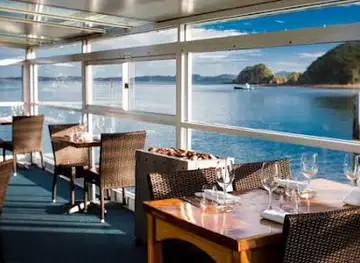
Zane Grey's Restaurant and Bar
Experience exquisite dining at Zane Grey's Restaurant and Bar in Paihia, where stunning views meet exceptional cuisine.

Duke Of Marlborough Hotel
Discover fine dining and rich history at Duke Of Marlborough Hotel in Russell - where luxury meets local culture.

The Cove Cafe
Discover Waipu's culinary treasure at The Cove Cafe, where delicious food meets breathtaking coastal views.

The Quay
Experience exceptional dining at The Quay, where fresh local ingredients meet breathtaking waterfront views in Whangārei.

Best bars in Northland
Top-rated picks
Best Bars

Zane Grey's Restaurant and Bar
Experience the best of New Zealand's cuisine at Zane Grey's Restaurant and Bar, offering stunning views and vibrant local culture.

The Cove Cafe
Experience the charm of New Zealand at The Cove Cafe, where great food meets stunning views of Waipu's natural beauty.

Parua Bay Tavern
Discover the culinary delights of Parua Bay Tavern, a picturesque gastropub offering fresh local fare and stunning waterfront views in New Zealand.

The Butter Factory
Discover Whangārei's vibrant culinary scene at The Butter Factory - a cozy bar and bistro with live music and delicious dishes.


Best shops in Northland
Top-rated picks
Best Shops

The Stone Store
Explore The Stone Store, New Zealand's oldest stone building, and immerse yourself in its rich history and stunning natural surroundings.

Makana Confections, Boutique Chocolate Factory
Discover the art of chocolate-making at Makana Confections, a boutique chocolate factory in Kerikeri, renowned for its handcrafted delights.

Arthurs Emporium
Explore Arthur's Emporium, Whangārei's premier surplus store for unique finds and eclectic treasures in a welcoming atmosphere.

Shopnz.com
Explore the unique blend of Kiwi culture at Shopnz.com, your go-to souvenir store in Whangārei, New Zealand. Perfect for gifts and keepsakes.

Explore Northland on the Map
A handpicked selection of must-see spots in Northland, mapped for you.
Northland Essentials
-
Northland is located at the northernmost region of New Zealand's North Island. The nearest international airport is Auckland Airport, approximately 220 kilometers south of Whangarei, the largest city in Northland. From Auckland, you can drive to Northland via State Highway 1, which usually takes around 2.5 to 3 hours. Alternatively, domestic flights are available from Auckland to Whangarei and Kerikeri airports. Bus services also operate between Auckland and various Northland destinations.
-
Within Northland, rental cars are a popular option for getting around, providing the flexibility to explore at your own pace. Local bus services are available but may be less frequent in rural areas. Taxis and rideshare services like Uber are available in larger towns like Whangarei. Cycling is also a great way to explore the region, particularly on the Twin Coast Cycle Trail. For a unique experience, consider taking a scenic boat tour to explore the coastline and islands.
-
The official currency in New Zealand is the New Zealand Dollar (NZD). Credit and debit cards are widely accepted, and ATMs are readily available in towns and cities. However, it is advisable to carry some cash, especially when traveling to more remote areas or small establishments. Mobile payment options like Apple Pay and Google Pay are also increasingly accepted.
-
Northland is generally a safe destination for tourists. However, standard precautions should be taken. Avoid leaving valuables in your car, particularly at popular tourist spots. While crime rates are relatively low, areas such as Kaitaia and Kaikohe have higher incidents of theft; exercise caution in these areas. Always stay vigilant and aware of your surroundings.
-
In case of emergency, dial 111 for police, fire, or medical assistance. Northland has several hospitals, including Whangarei Hospital and Bay of Islands Hospital, which provide emergency medical services. Pharmacies are available in most towns for minor health issues. It is recommended to have travel insurance that covers medical emergencies.
-
Fashion: Do dress in layers as the weather can change quickly. Casual wear is generally acceptable, but avoid overly revealing clothing. Religion: Do respect local customs and traditions, especially when visiting Marae (Maori meeting grounds). Always ask for permission before entering. Public Transport: Do be courteous and offer your seat to elderly passengers. Avoid eating and drinking on public transport. Greetings: Do greet people with a smile and a friendly 'Kia ora' (hello). A handshake is common in formal settings. Eating & Drinking: Do try local dishes like fish and chips or Maori hangi. Don't refuse an offer of hospitality, as it is considered impolite.
-
To experience Northland like a local, visit the bustling farmers' markets in Whangarei and Kerikeri where you can buy fresh produce and artisanal goods. Engage with locals at community events and festivals, such as the Bay of Islands Country Rock Festival. For a unique experience, stay in a local B&B or eco-lodge and explore lesser-known beaches and hiking trails. Don't miss the opportunity to learn about Maori culture through guided tours and cultural experiences.
When is the best time to visit Northland?
Useful Local Phrases for Northland
You don't need to speak the language perfectly. Even learning a few simple words can make conversations warmer—and locals usually appreciate the effort.
— Eve

Here are the phrases I use most often in Northland. Try a few—you'll be surprised how far they go! 😊
❤️
-
- HelloKia ora
[kee-ah or-ah] - GoodbyeHaere rā
[high-reh rah] - YesĀe
[ah-eh] - NoKāore
[kah-oh-reh] - Please/You're welcomeTēnā koa
[teh-nah koh-ah] - Thank youNgā mihi
[nah mee-hee] - Excuse me/SorryAroha mai
[ah-roh-hah my] - How are you?Kei te pēhea koe?
[kay teh peh-heh-ah koh-eh] - Fine. And you?Ka pai. Ko koe?
[kah pie. koh koh-eh?] - Do you speak English?Ka korero koe i te reo Ingarihi?
[kah koh-reh-roh koh-eh ee teh reh-oh ing-ah-ree-hee?] - I don't understandKaore au e mohio
[kah-oh-reh ow eh moh-hee-oh]
- HelloKia ora
-
- I'd like to see the menu, pleaseKa hiahia au ki te kite i te rārangi kai, tēnā koa
[kah hee-ah-hee-ah ow key teh kee-teh ee teh rah-ruh-ngi ki, teh-nah koh-ah] - I don't eat meatKaore au e kai i te mutton
[kah-oh-reh ow eh kah-ee ee teh muht-ton] - Cheers!Kia ora!
[kee-ah or-ah!] - I would like to pay, pleaseKa hiahia au ki te utu, tēnā koa
[kah hee-ah-hee-ah ow key teh oo-too, teh-nah koh-ah]
- I'd like to see the menu, pleaseKa hiahia au ki te kite i te rārangi kai, tēnā koa
-
- Help!Tāwharautia!
[tah-wha-rau-tia!] - Go away!Haere atu!
[high-reh ah-too!] - Call the Police!Tūtohu ki te Pirihimana!
[too-toh-hoo key teh pee-ree-hee-mah-nah!] - Call a doctor!Tūtohu ki te tāngata rongoā!
[too-toh-hoo key teh tah-ngah-tah rong-oh-ah!] - I'm lostKei te pōtirohia au
[kay teh poh-tee-roh-hee-ah ow] - I'm illKei te pāwera au
[kay teh pah-weh-rah ow]
- Help!Tāwharautia!
-
- I'd like to buy...Ka hiahia au ki te hoko...
[kah hee-ah-hee-ah ow key teh hoh-koh...] - I'm just lookingKei te rapu noa au
[kay teh rah-poo noh-ah ow] - How much is it?E hia te utu?
[eh hee-ah teh oo-too?] - That's too expensiveHe tino utu teitei
[he tee-noh oo-too tay-tay] - Can you lower the price?Ka taea e koe te tuku i te utu?
[kah tah-eh ah-eh koh-eh teh too-koo ee teh oo-too?]
- I'd like to buy...Ka hiahia au ki te hoko...
-
- What time is it?Kei te aha te wā?
[kay teh ah-hah teh wah?] - It's one o'clockKotahi karaka
[koh-tah-hee kah-rah-kah] - Half past (10)Hāwhe ki te 10
[hah-wheh key teh ten] - MorningAta
[ah-tah] - AfternoonPō
[poh] - EveningAhiahi
[ah-hee-ah-hee] - YesterdayInanahi
[ee-nah-nah-hee] - TodayI tenei rā
[ee teh-neh rah] - TomorrowĀpōpō
[ah-poh-poh] - 1Tahi
[tah-hee] - 2Rua
[roo-ah] - 3Toru
[toh-roo] - 4Whā
[fah] - 5Rima
[ree-mah] - 6Ono
[oh-noh] - 7Whitu
[fee-too] - 8Waru
[wah-roo] - 9Iwa
[ee-wah] - 10Tekau
[teh-koh]
- What time is it?Kei te aha te wā?
-
- Where's a/the...?E haere ana te...?
[eh high-reh ah-nah teh...?] - What's the address?He aha te wāhitau?
[he ah-hah teh wah-hee-tow?] - Can you show me (on the map)?Ka taea e koe te whakaatu mai (i runga i te mapi)?
[kah tah-eh ah-eh koh-eh teh fah-kah-ah-too my (ee roo-ngah ee teh mah-pee)?] - When's the next (bus)?Kāore e te wā kei te haere mai (te pahi)?
[kah-oh-reh eh teh wah kay teh high-reh my (teh pah-hee)?] - A ticket (to ....)He tikiti (ki ....)
[he tee-kee-tee (key ....)]
- Where's a/the...?E haere ana te...?
History of Northland
-
The first settlers of Northland were the Polynesians, who arrived around 800 AD. These settlers, known as Māori, navigated vast ocean distances in double-hulled canoes. They brought with them their rich culture, language, and traditions, establishing villages and adapting to the local environment. Northland's fertile land and abundant resources made it an ideal place for the early Māori communities to thrive.
-
According to Māori legend, the great Polynesian navigator Kupe was the first to discover New Zealand. Around the 10th century, he is said to have landed in Hokianga Harbour in the Northland region. Kupe's journey is celebrated in Māori oral history, and many place names in Northland are attributed to his adventures. His exploration paved the way for subsequent Polynesian migrations to New Zealand.
-
One of the most significant events in New Zealand's history took place in Northland: the signing of the Treaty of Waitangi. On February 6, 1840, representatives of the British Crown and various Māori chiefs gathered at Waitangi to sign this treaty. The Treaty of Waitangi is considered the founding document of New Zealand, establishing a framework for the relationship between Māori and the British Crown. The Waitangi Treaty Grounds, now a historic site, attract thousands of visitors each year.
-
The early 19th century saw a period of intense intertribal conflict known as the Musket Wars. These wars were fueled by the introduction of muskets by European traders, which drastically altered the balance of power among Māori tribes. Northland was a significant battleground during this period, with tribes such as the Ngāpuhi playing a central role. The Musket Wars had a profound impact on Māori society and reshaped the political landscape of the region.
-
European settlers began to arrive in Northland in the early 19th century, attracted by the region's natural resources and strategic location. The town of Russell, originally known as Kororāreka, became the first permanent European settlement in New Zealand. Known as the 'Hell Hole of the Pacific,' Russell was infamous for its lawlessness and rowdy behavior. Over time, it transformed into a more established community and played a crucial role in New Zealand's colonial history.
-
Northland's vast kauri forests were a significant resource for both Māori and European settlers. The kauri timber industry began in the mid-19th century, with massive kauri trees being felled and used for shipbuilding and construction. Additionally, the collection of kauri gum, a fossilized resin, became a lucrative industry. Gum diggers, including many immigrants, flocked to Northland's forests. The kauri industry left a lasting legacy on the landscape and economy of Northland.
-
With the decline of the kauri timber and gum industries, Northland's economy shifted towards agriculture. The region's fertile soil and favorable climate made it ideal for farming. Dairy farming, in particular, became a cornerstone of Northland's economy. The development of agricultural infrastructure, such as roads and railways, facilitated the growth of rural communities and transformed the region into an agricultural hub.
-
In recent decades, there has been a resurgence of Māori culture and heritage in Northland. Efforts to preserve and promote Māori language, arts, and traditions have gained momentum. Northland is now a vibrant region where both Māori and Pākehā (European New Zealanders) celebrate their shared history and cultural diversity. The region is known for its stunning landscapes, from the Bay of Islands to Cape Reinga, and continues to attract visitors from around the world.
Neighbouring Regions of Northland
The closest regions to Northland, if you have time for more than one.

Your all‑in‑one travel companion app
Explore expert travel guides, compare and book tours, experiences, hotels, and more—all from the palm of your hand. Download now for seamless trip planning wherever your wanderlust takes you.


Explore More of New Zealand

Looking beyond Northland? Discover New Zealand for broader travel guides, local hot-spots, and regional highlights.
Explore New ZealandNorthland in Photos
Browse through our photo collection highlighting the charm and character of the destination.





Northland: New Zealand's Tropical Paradise
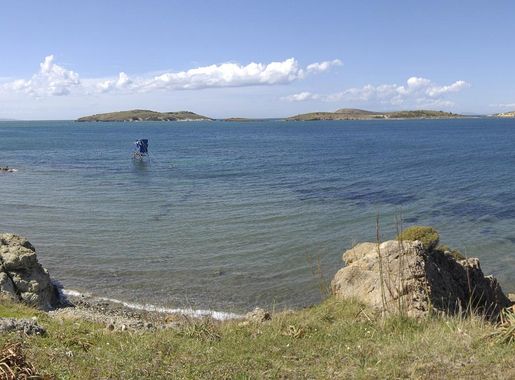
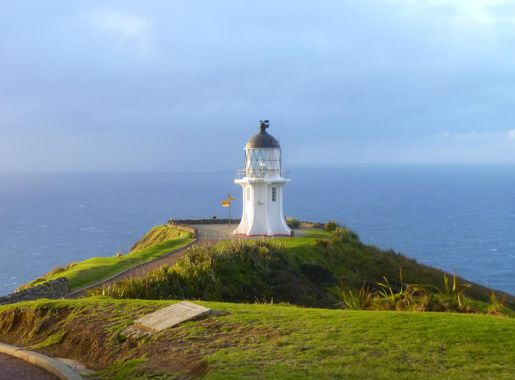
Northland, the northernmost region of New Zealand, is a tropical paradise known for its stunning beaches, lush forests, and rich Maori culture. The region is often referred to as the 'Winterless North' due to its warm climate, making it an ideal year-round destination for sun-seekers and nature lovers alike. One of the main attractions in Northland is the Bay of Islands, a stunning collection of over 140 islands, offering crystal clear waters and abundant marine life. Visitors can enjoy activities such as sailing, kayaking, and dolphin watching. The historic town of Russell, once the first capital of New Zealand, provides a charming glimpse into the past with its well-preserved colonial buildings. Further north, Cape Reinga, where the Tasman Sea meets the Pacific Ocean, is a place of deep spiritual significance to the Maori people. Here, you can witness the dramatic meeting of the waters and enjoy panoramic views from the lighthouse. Nearby, the Te Paki Sand Dunes offer thrilling opportunities for sandboarding. The Waipoua Forest, home to the ancient and majestic Kauri trees, is another must-visit destination in Northland. The forest is home to Tane Mahuta, the largest known Kauri tree, estimated to be over 2,500 years old. A walk through this ancient forest is a humbling and awe-inspiring experience. Northland also boasts beautiful coastal routes, such as the Twin Coast Discovery Highway, which takes travelers through picturesque towns, secluded beaches, and scenic landscapes. This route offers plenty of opportunities to stop and explore, making it perfect for a relaxed road trip.